


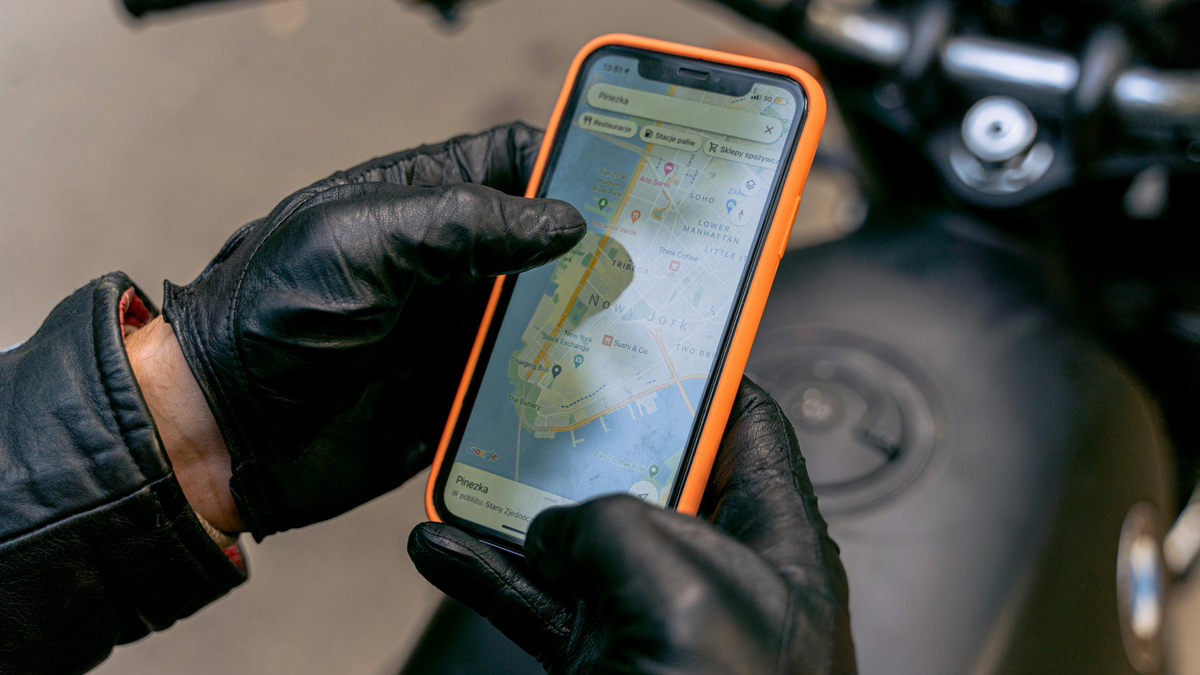
Riding a motorcycle is one of life's great freedoms – the open road, the roar of the engine, and nothing between you and the horizon. But when it comes to navigation, too many riders are still doing it the hard way: a phone clamped to the handlebars, fingers crossed it doesn't die, slip, or blind you in the sun.
Your phone isn't the problem. The way you're using it is.
In this blog, we'll show you why keeping your phone on your handlebar is holding you back – and what a smarter setup looks like.
Also read: Why Motorcycle Smart Systems Are Better Than Smartphones
The Real Problem: Your Phone Doesn't Belong on Your Handlebars
Smartphones are remarkable devices. They have powerful GPS, real-time traffic data, and apps like Google Maps or Waze that most of us trust every day. Nobody is saying ditch your phone.
The issue is using your phone as your display while riding. Here's why that setup consistently fails:
Battery Drain Running GPS, keeping the screen lit, and fighting heat or cold drains a phone battery fast. On a long ride, you may find yourself navigating on 5% battery before you've even reached the halfway point.
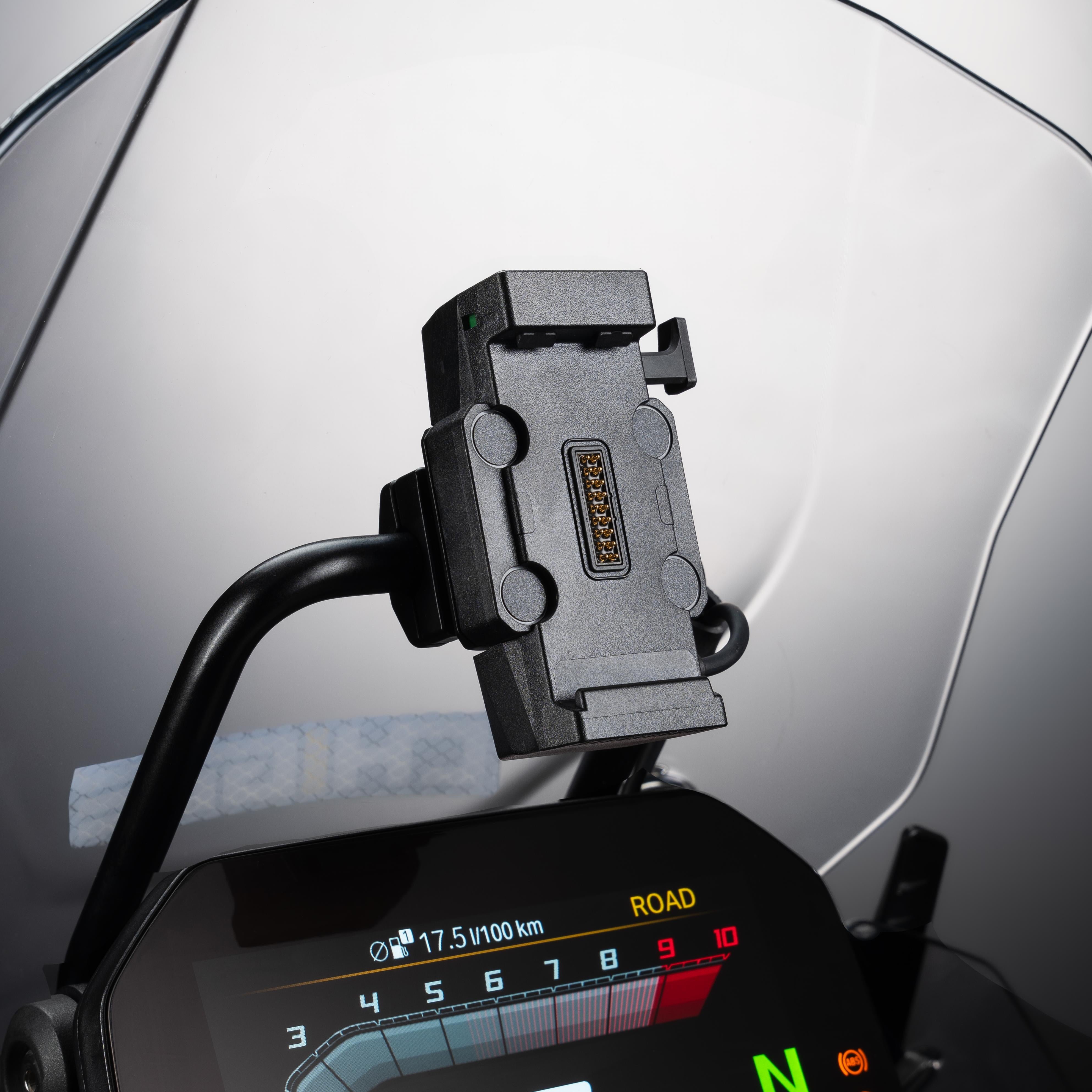
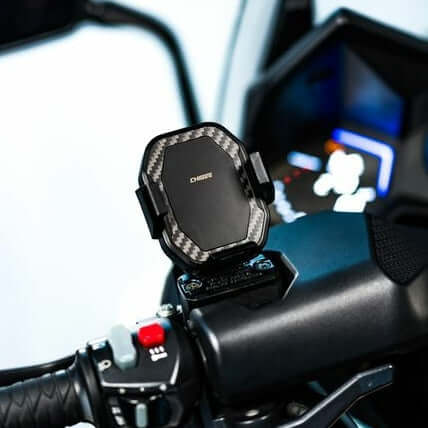
Damage Risks Motorcycles vibrate. They hit bumps. They ride through rain. Phone mounts – no matter how sturdy they look in the product photos – are not designed to take that kind of punishment for hours on end. A single pothole at speed can send an expensive device skidding across the asphalt.
Poor Visibility Consumer phone screens are not optimized for direct sunlight. Even at maximum brightness, glare can make your map nearly unreadable. Tilting and squinting at a washed-out screen while in motion is both frustrating and dangerous.
Clunky Controls Phone interfaces are built for a hand held still, not a gloved hand on vibrating handlebars. Trying to tap a small icon mid-ride takes your attention off the road at exactly the moment you can least afford it.
The fix isn't to abandon your phone – it's to get it off your handlebars and onto a system built for the job.
The Smarter Setup: A Dedicated Riding Display
Think about how navigation works in a modern car. You don't tape your phone to the dashboard – there's a built-in screen designed specifically for that environment. It's bright enough to see in sunlight, easy to operate while driving, and powered by the vehicle itself.
Motorcycles deserve the same treatment.
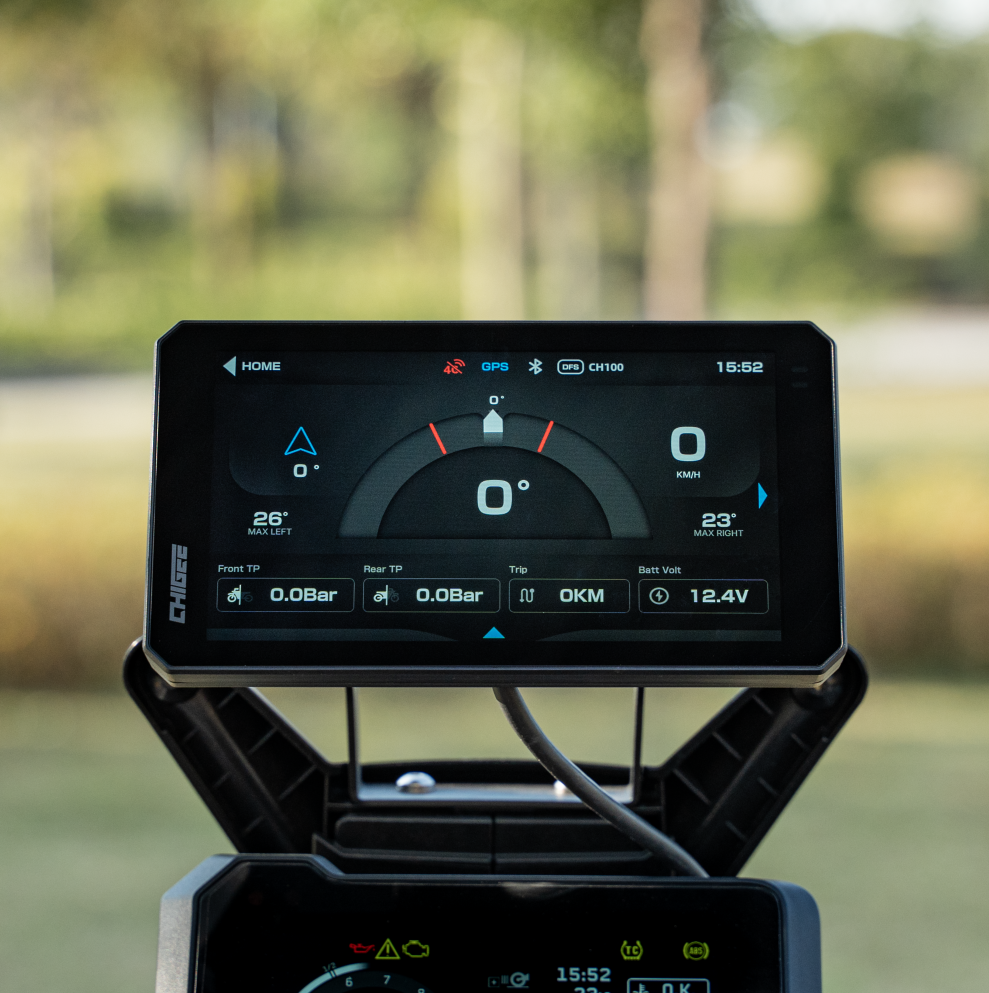
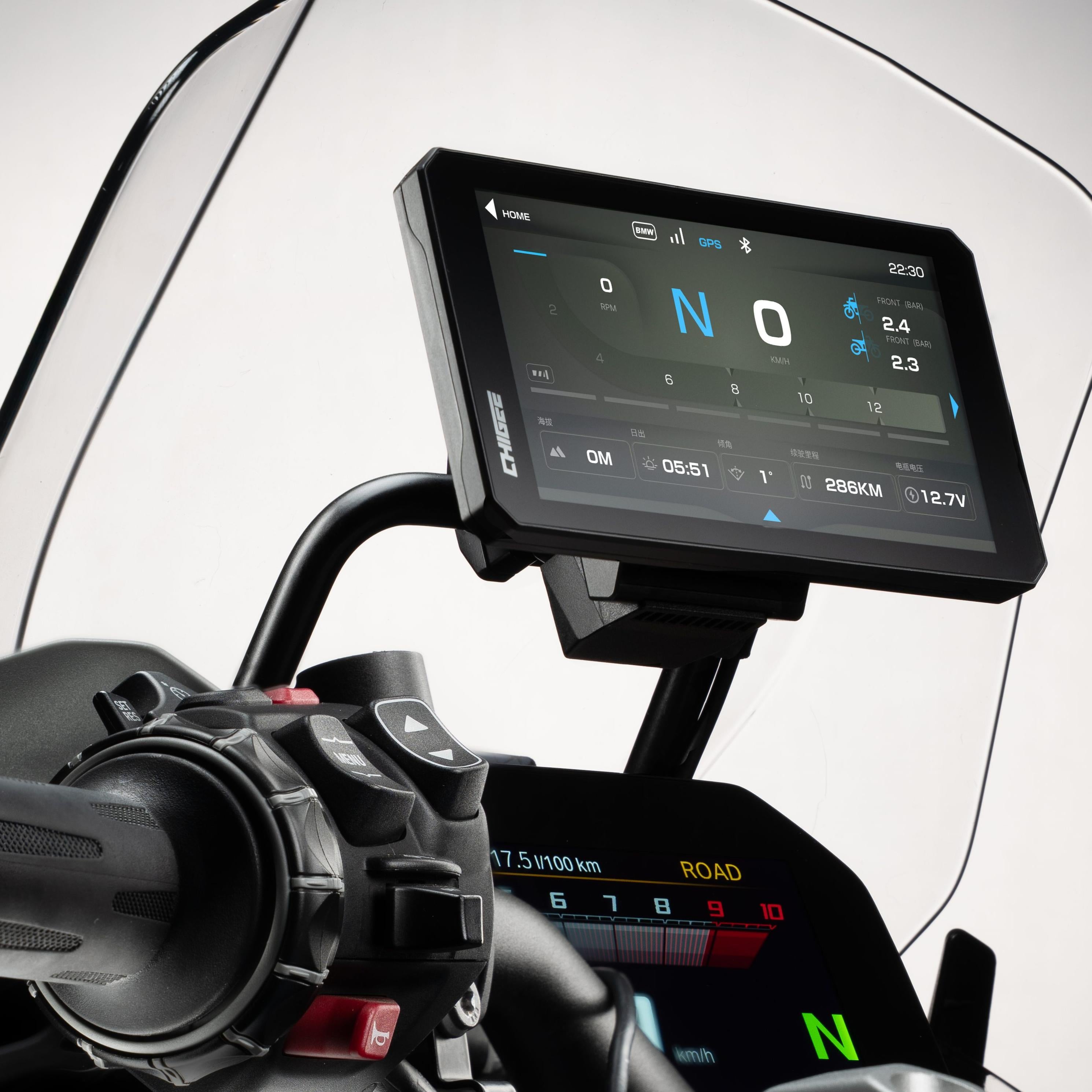
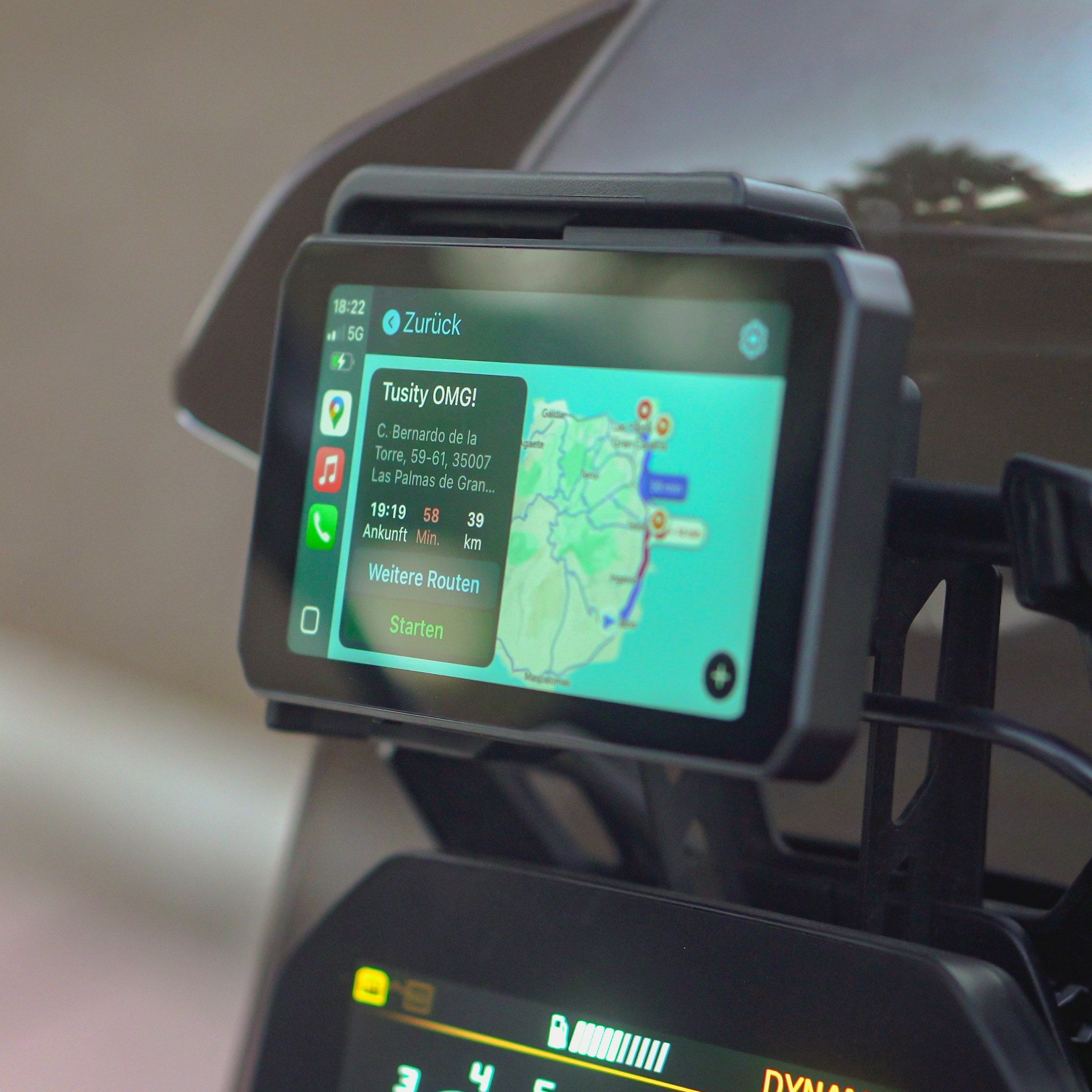
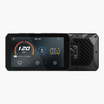
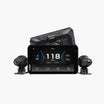
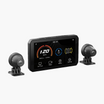
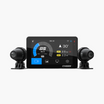
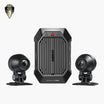
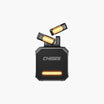
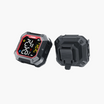
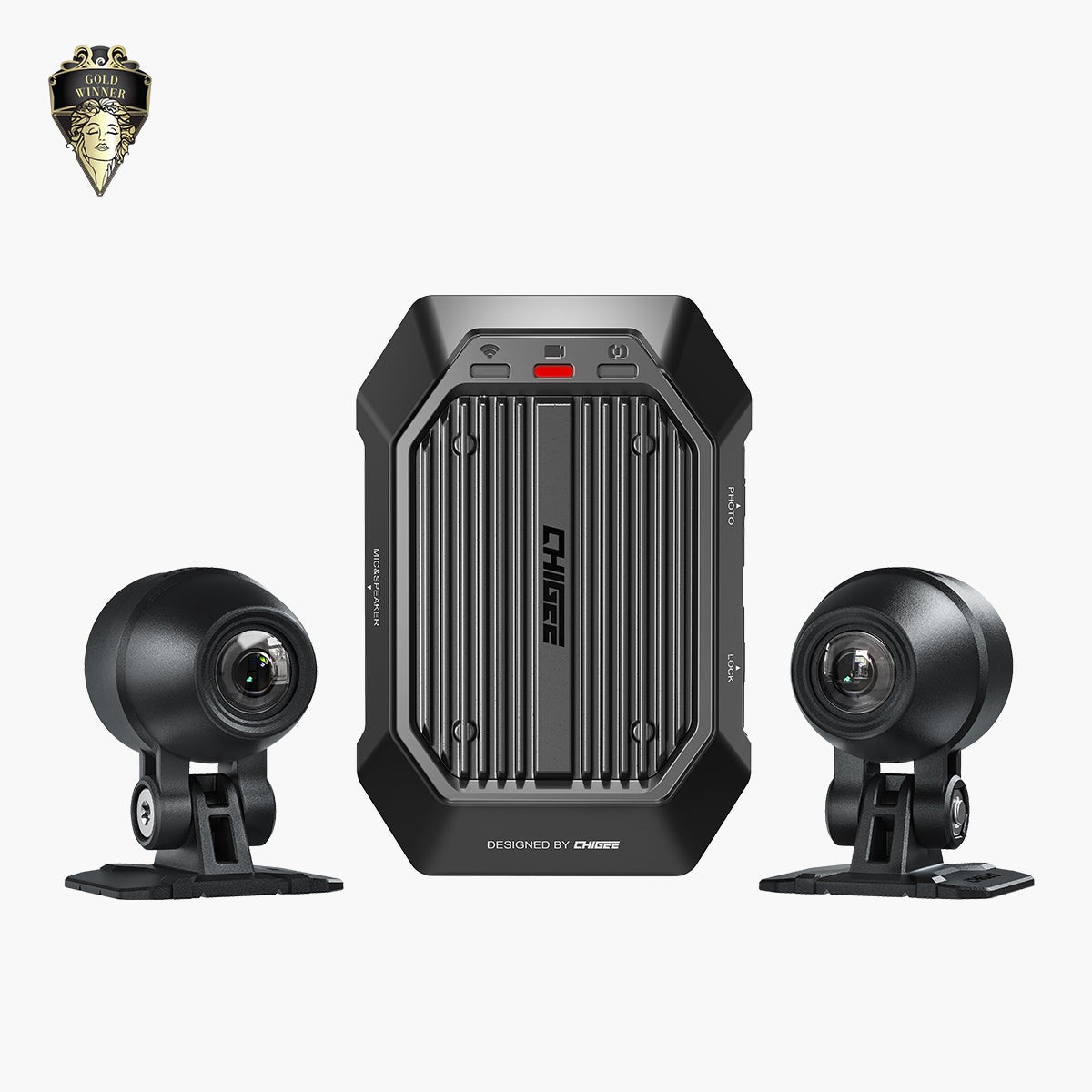
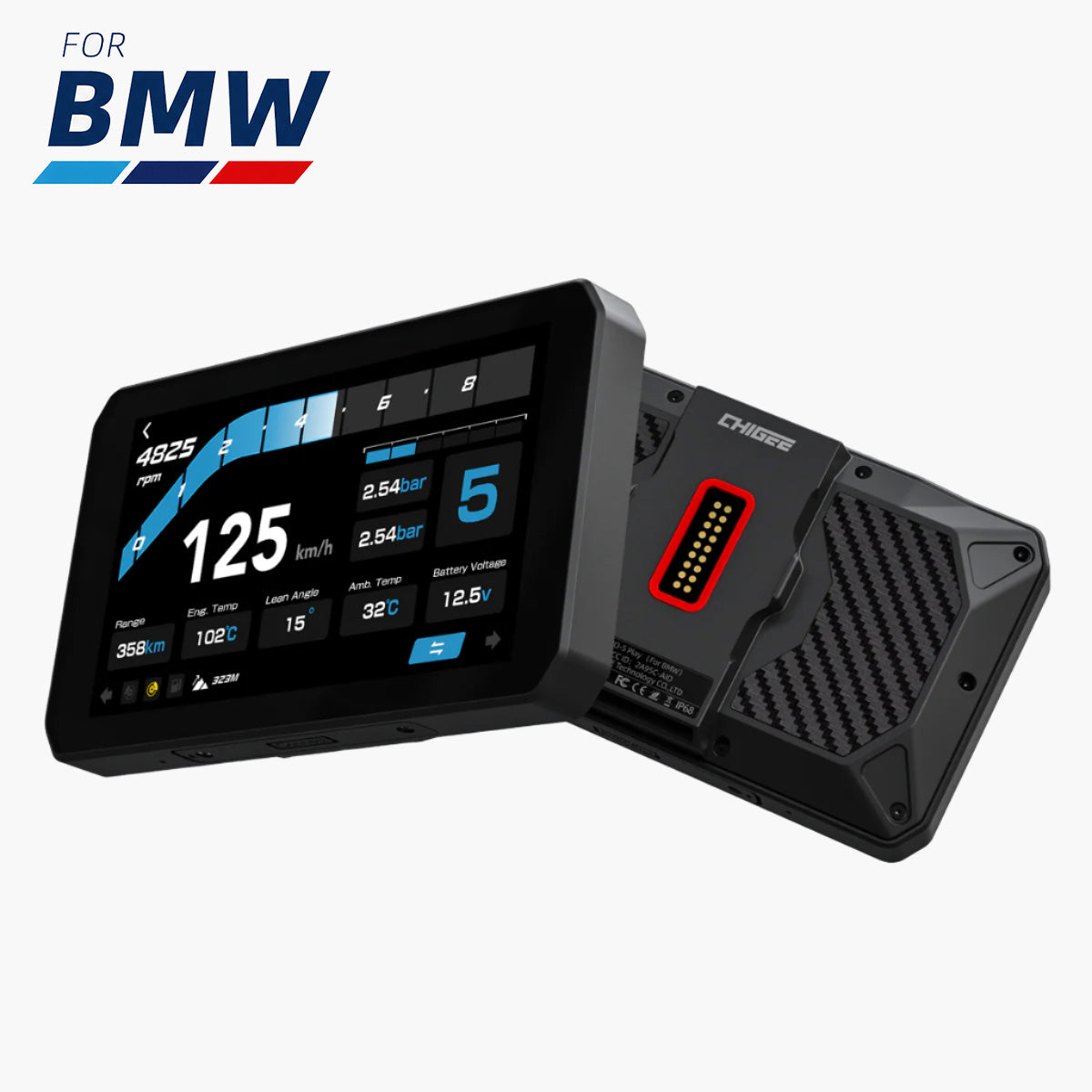
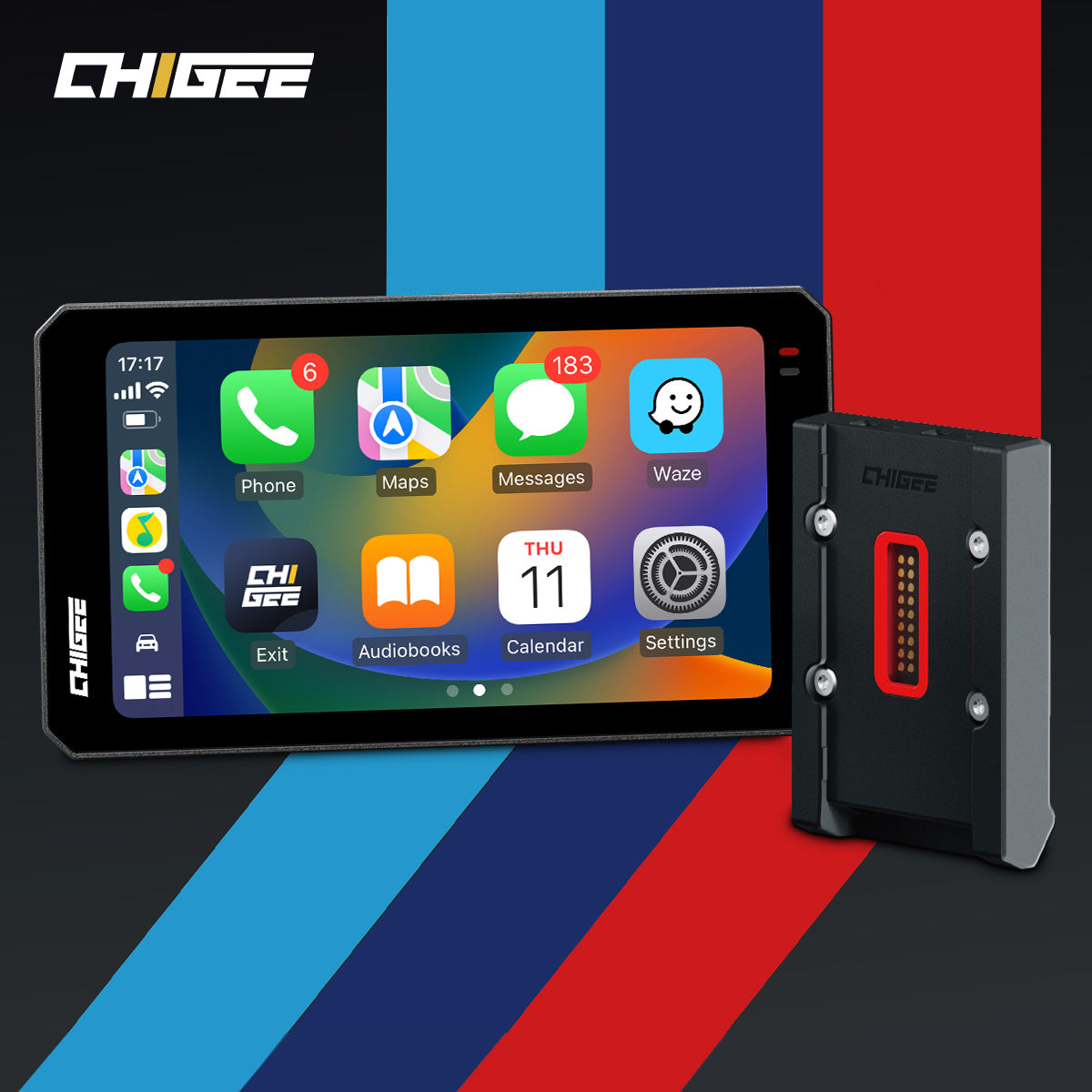
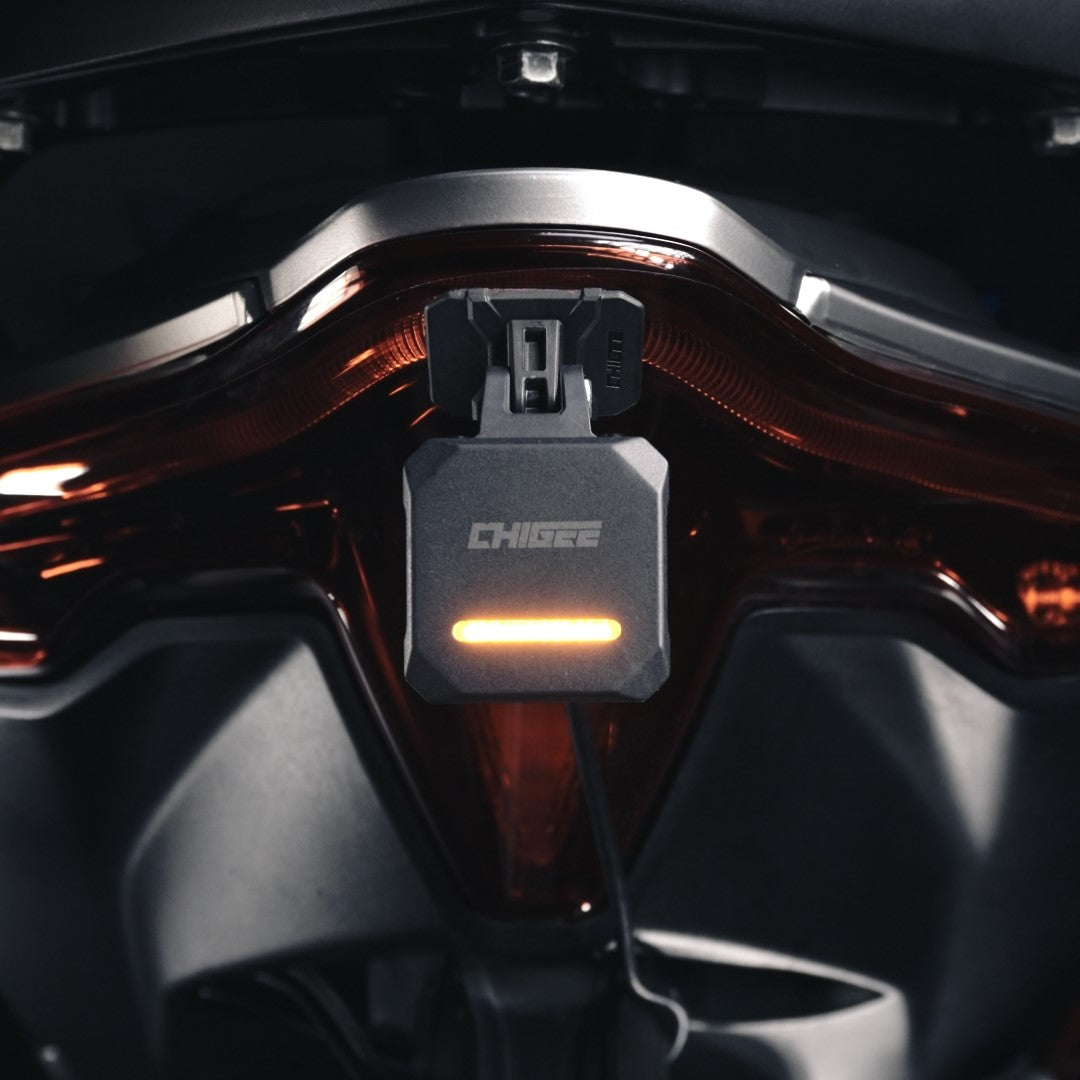
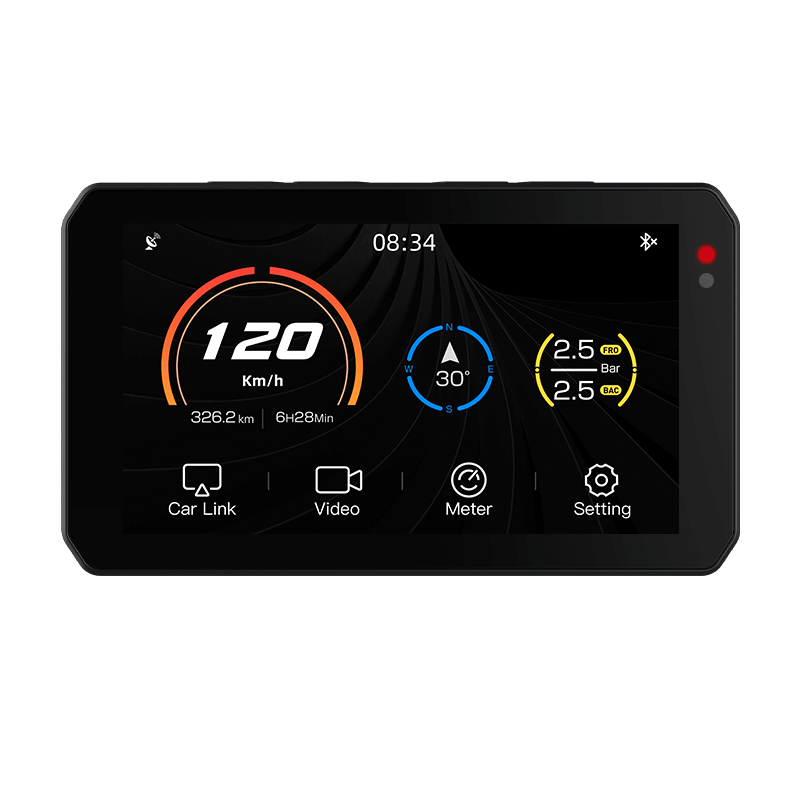
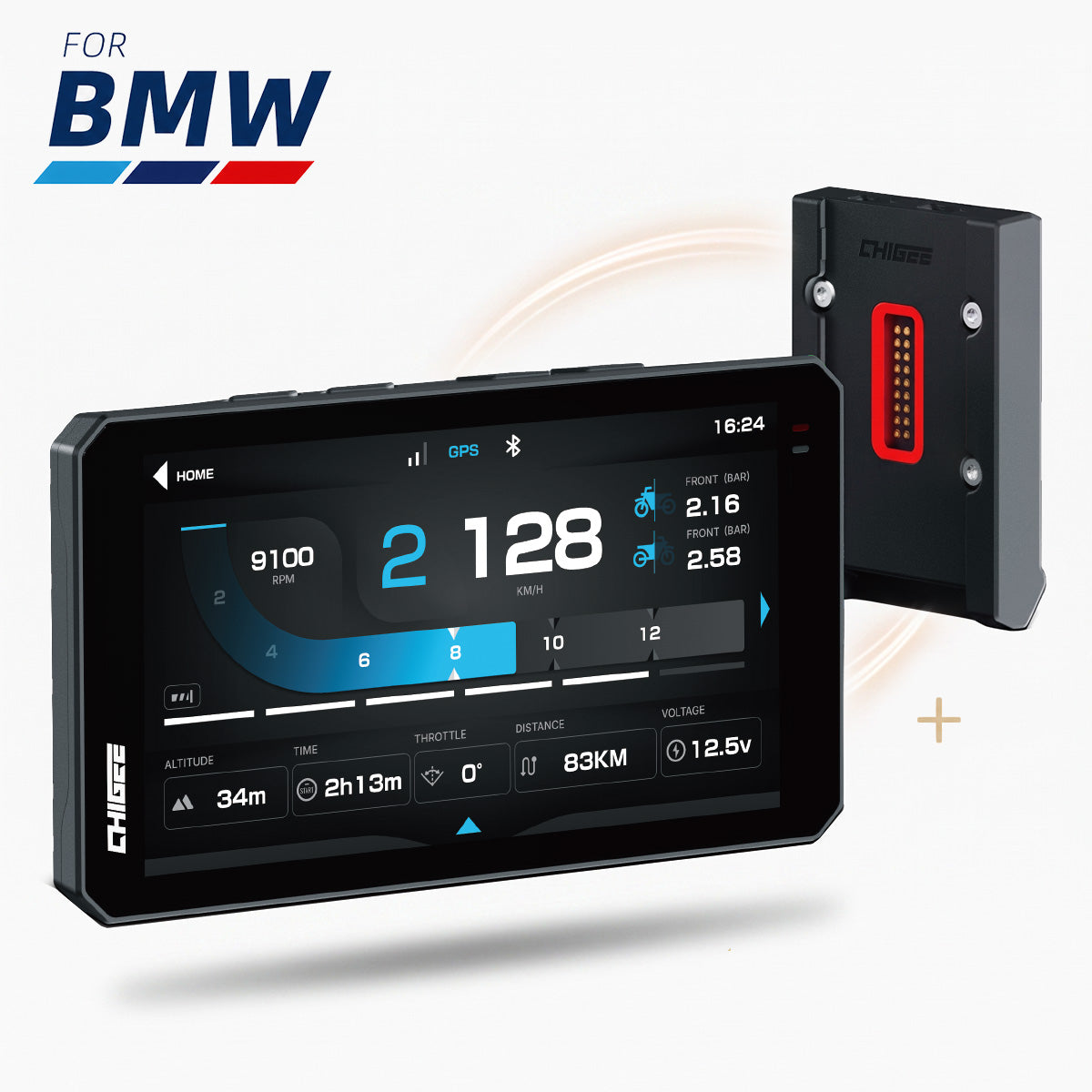
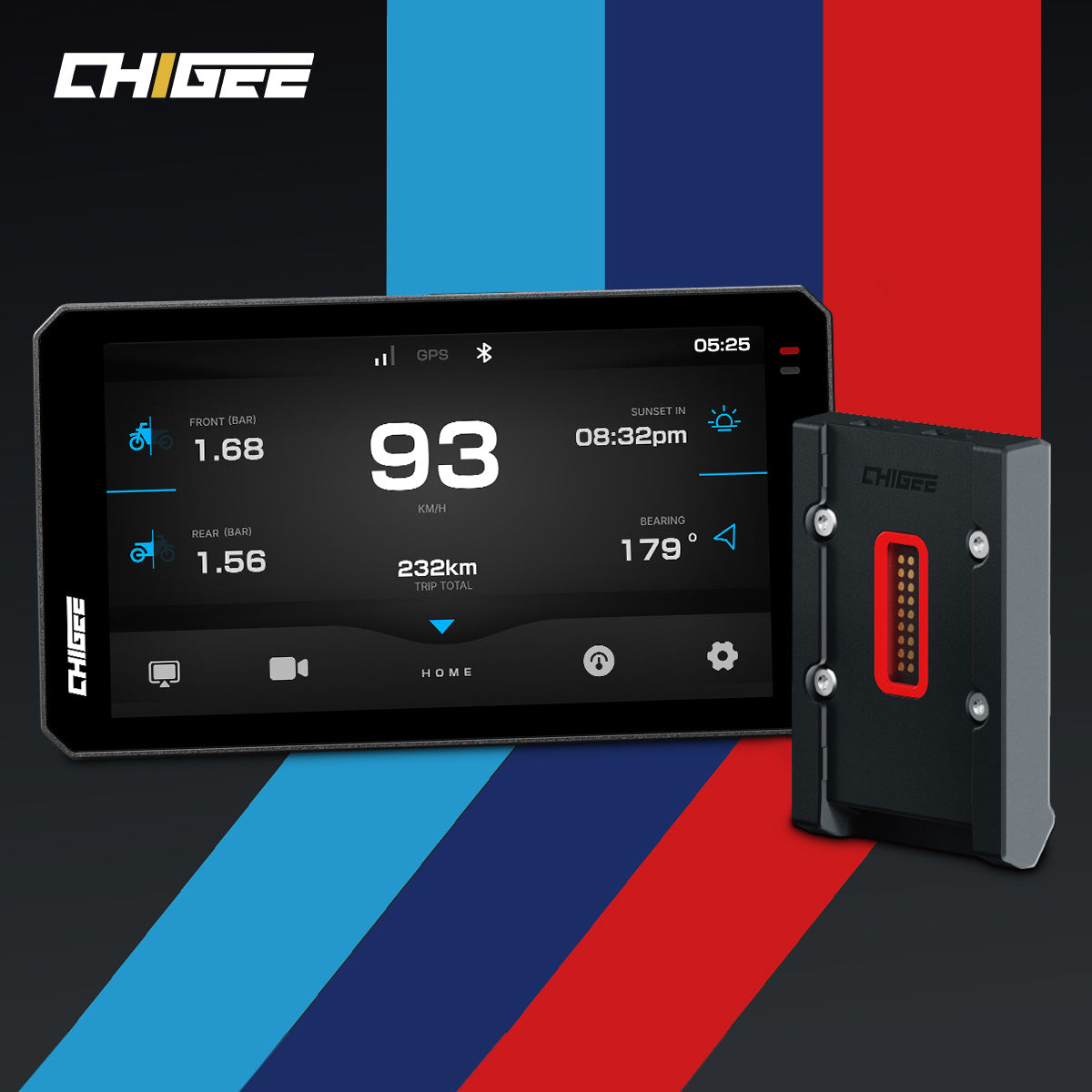
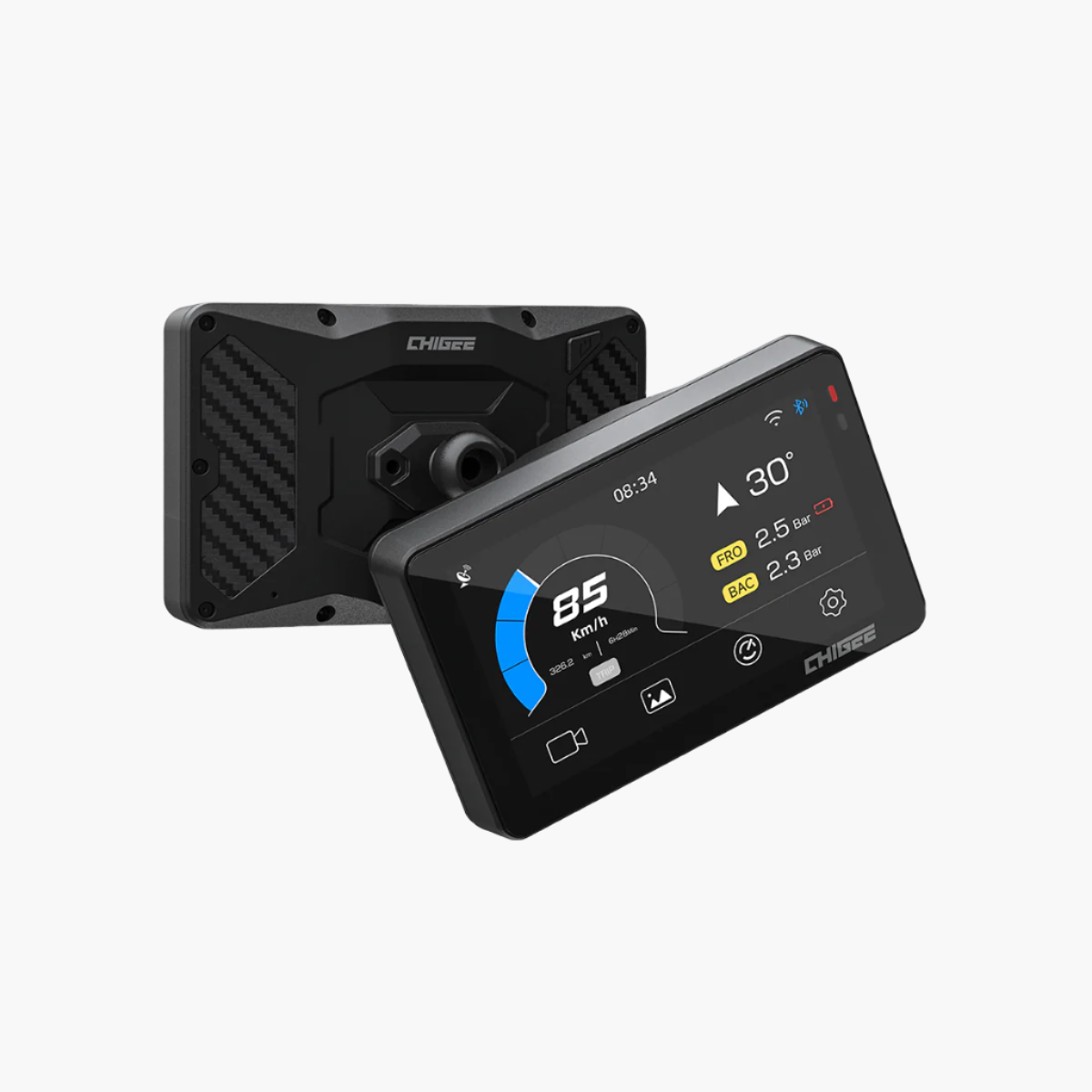
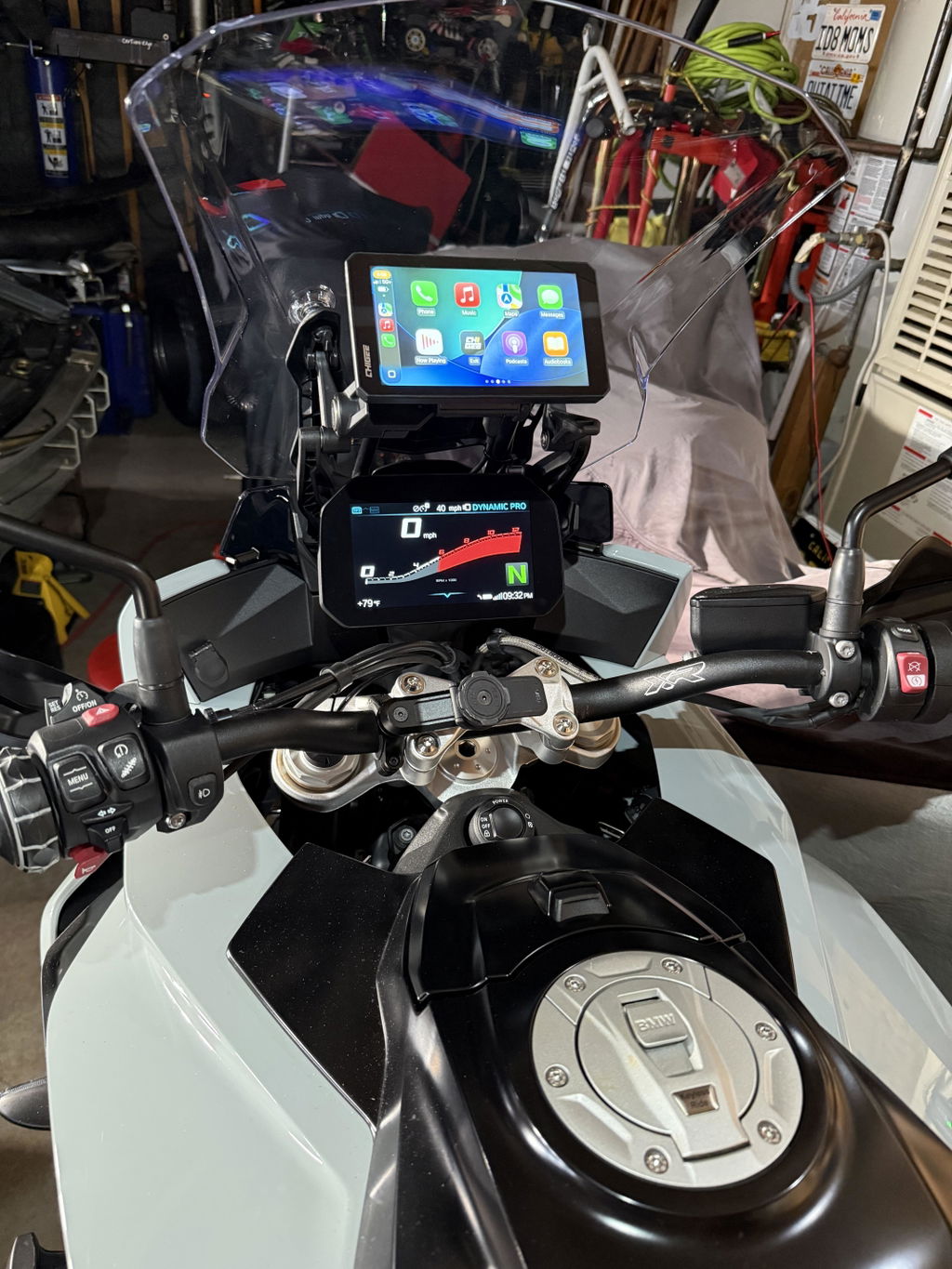
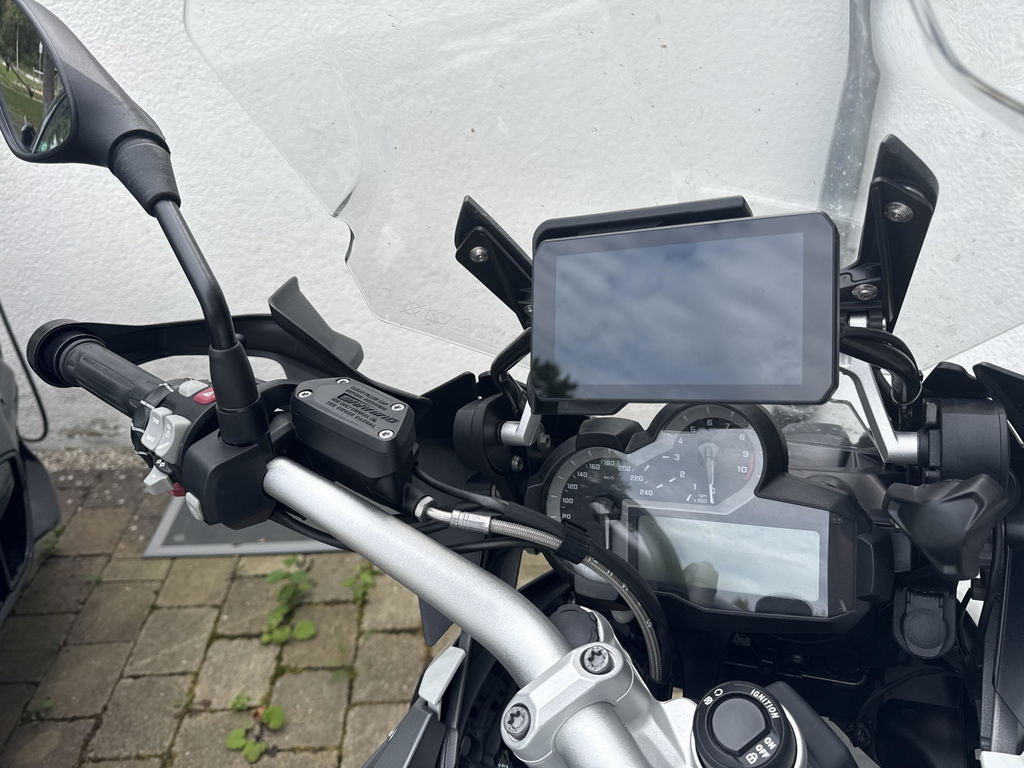
That's exactly what systems like Chigee are built for. It's a purpose-built riding display that mirrors your phone's apps – navigation, music, notifications and more – onto a screen designed to handle everything the road throws at it. Your phone stays safely in your jacket pocket or bag, doing what it does best: running the apps. The system handles everything you'd otherwise be doing dangerously on a handlebar-mounted screen.
Why the CHIGEE Works Where a Phone Mount Doesn't
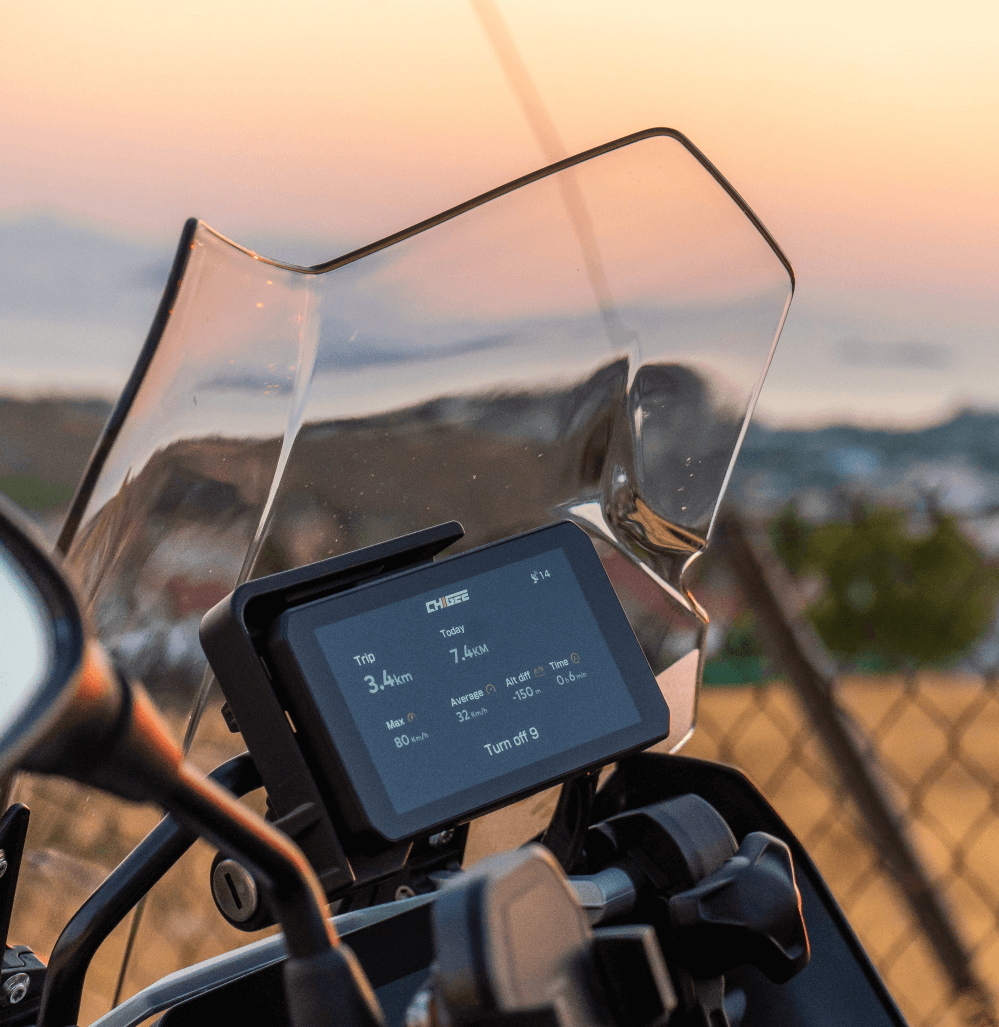
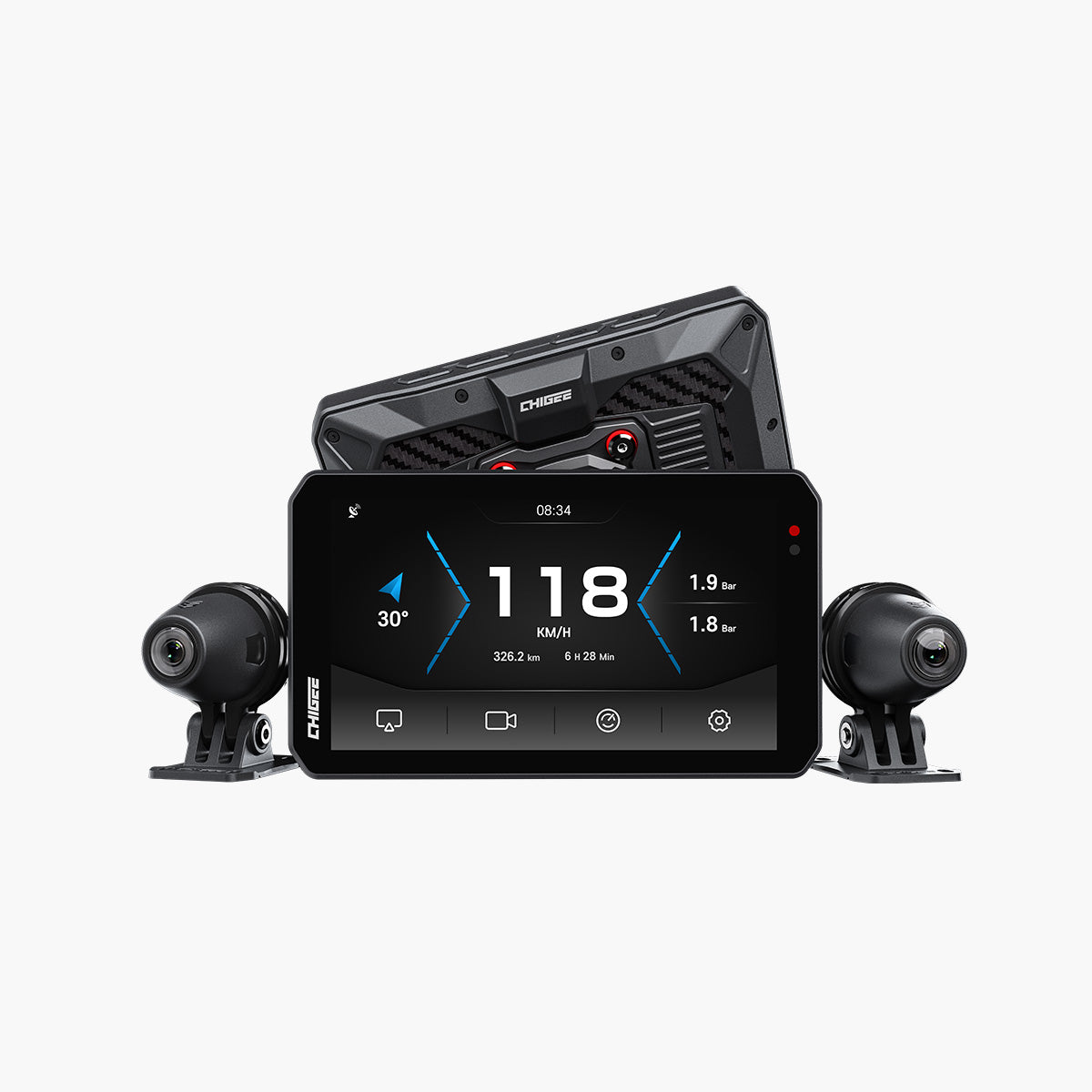
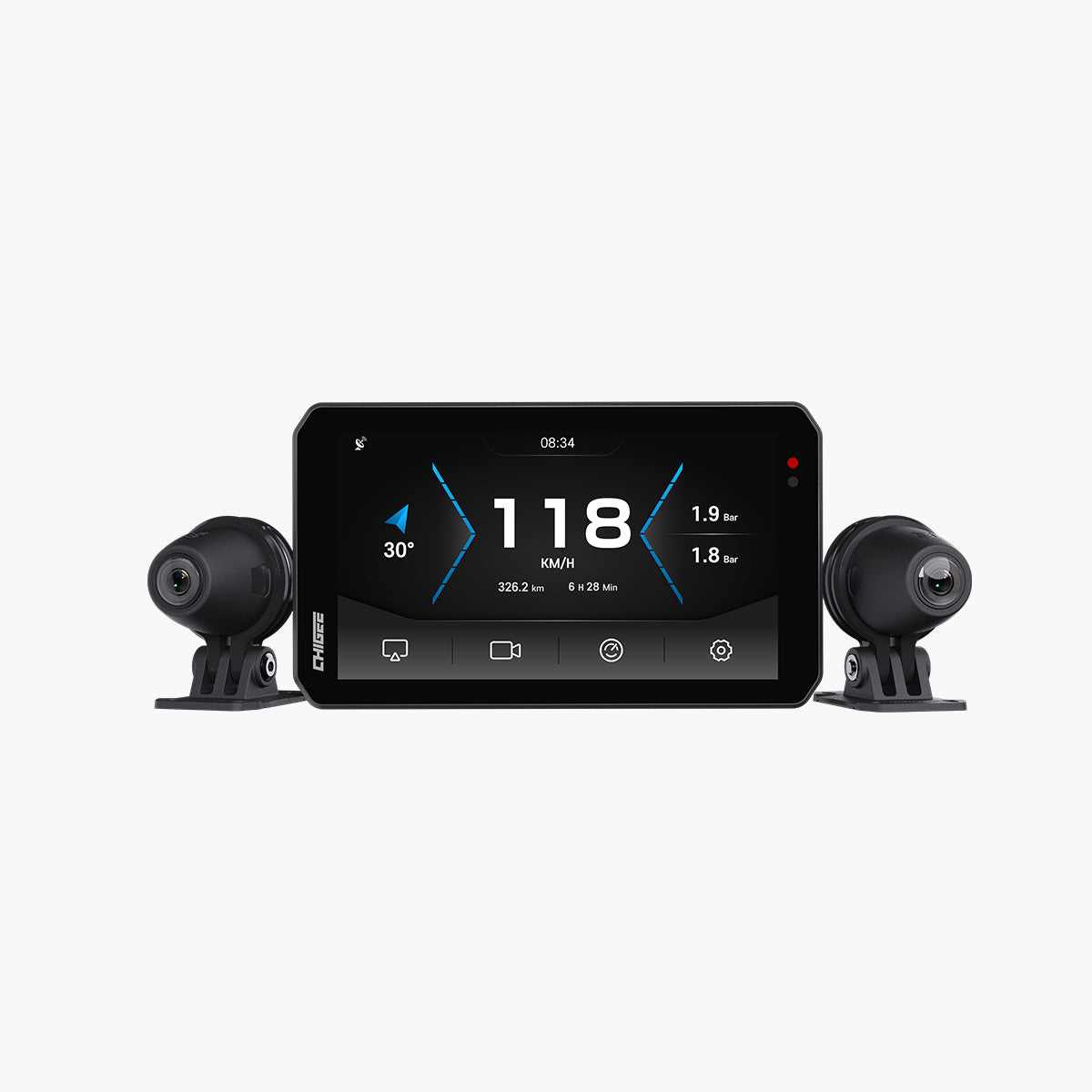
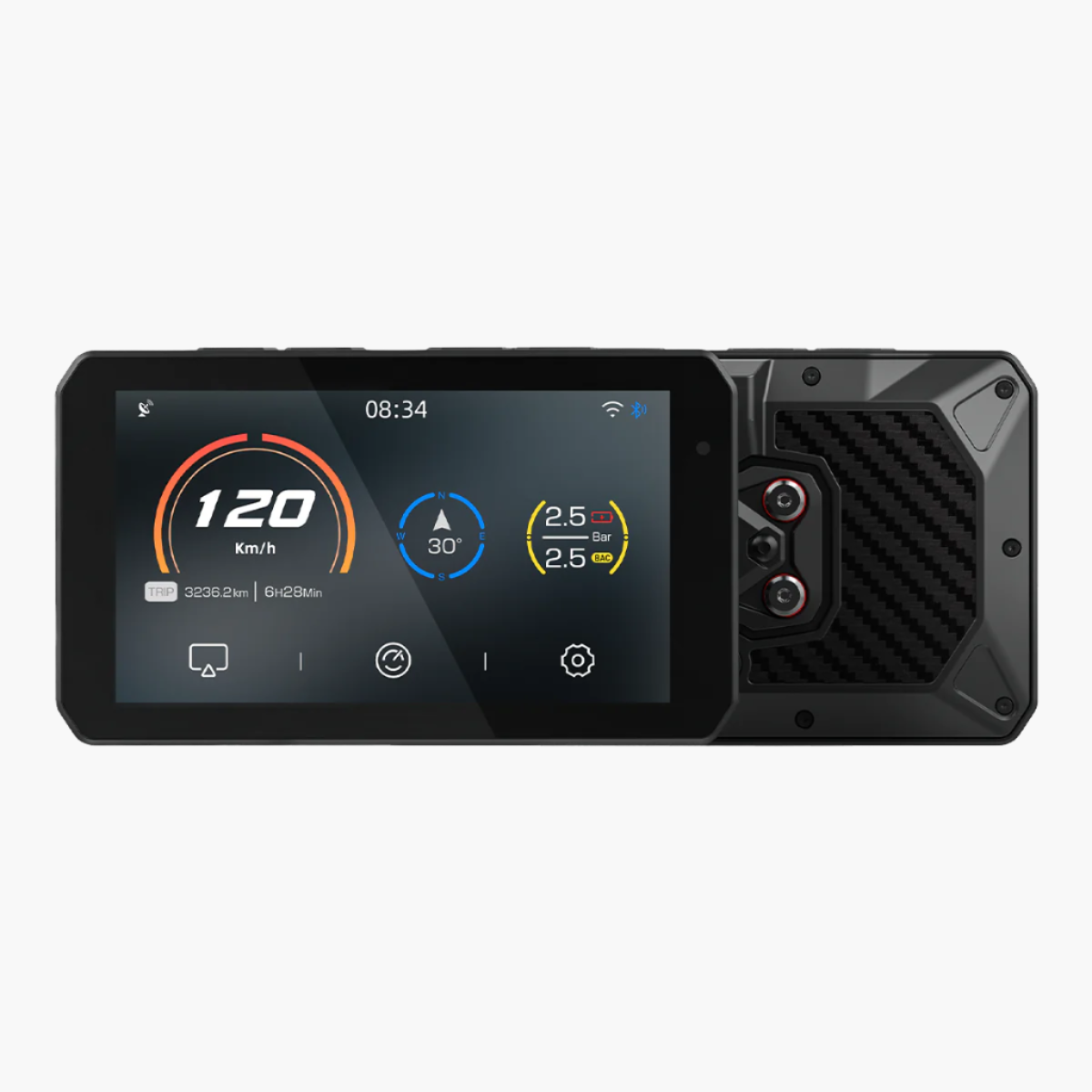
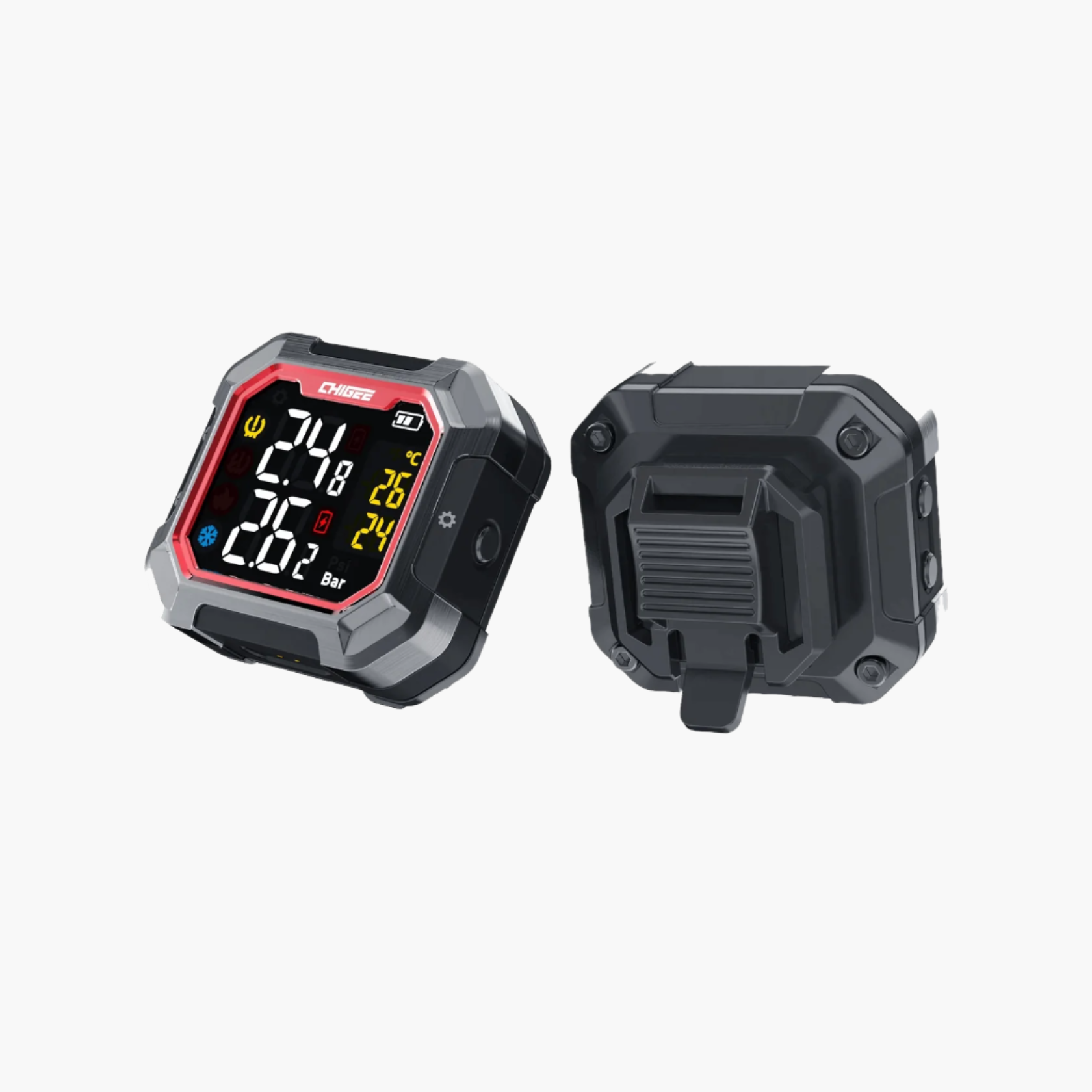
Built for Sunlight and All Seasons The CHIGEE display features a 5~6 inch IPS LCD with up to 2300 nits of brightness and automatic light adjustment. Whether you're riding into a low afternoon sun or through overcast mountain roads, your map stays clearly visible. It's also rated up to IP69K water-resistant and operates in temperatures from -20°C to 65°C (-4°F to 149°F) – well beyond the comfort zone of any consumer smartphone.
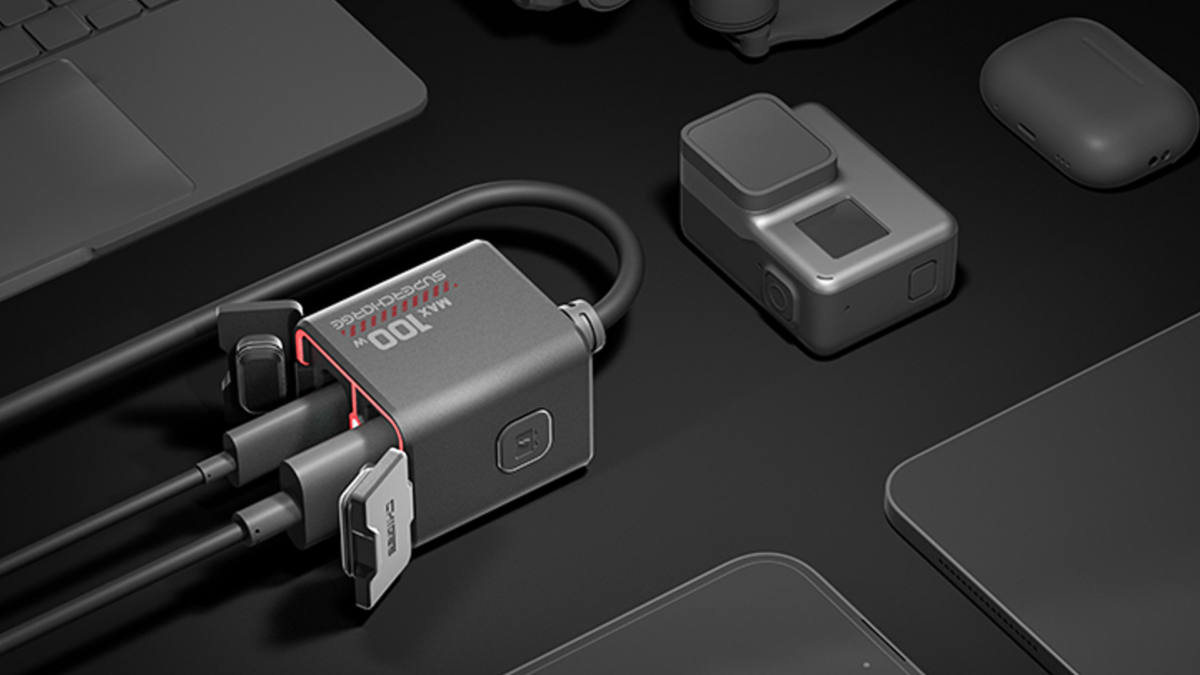
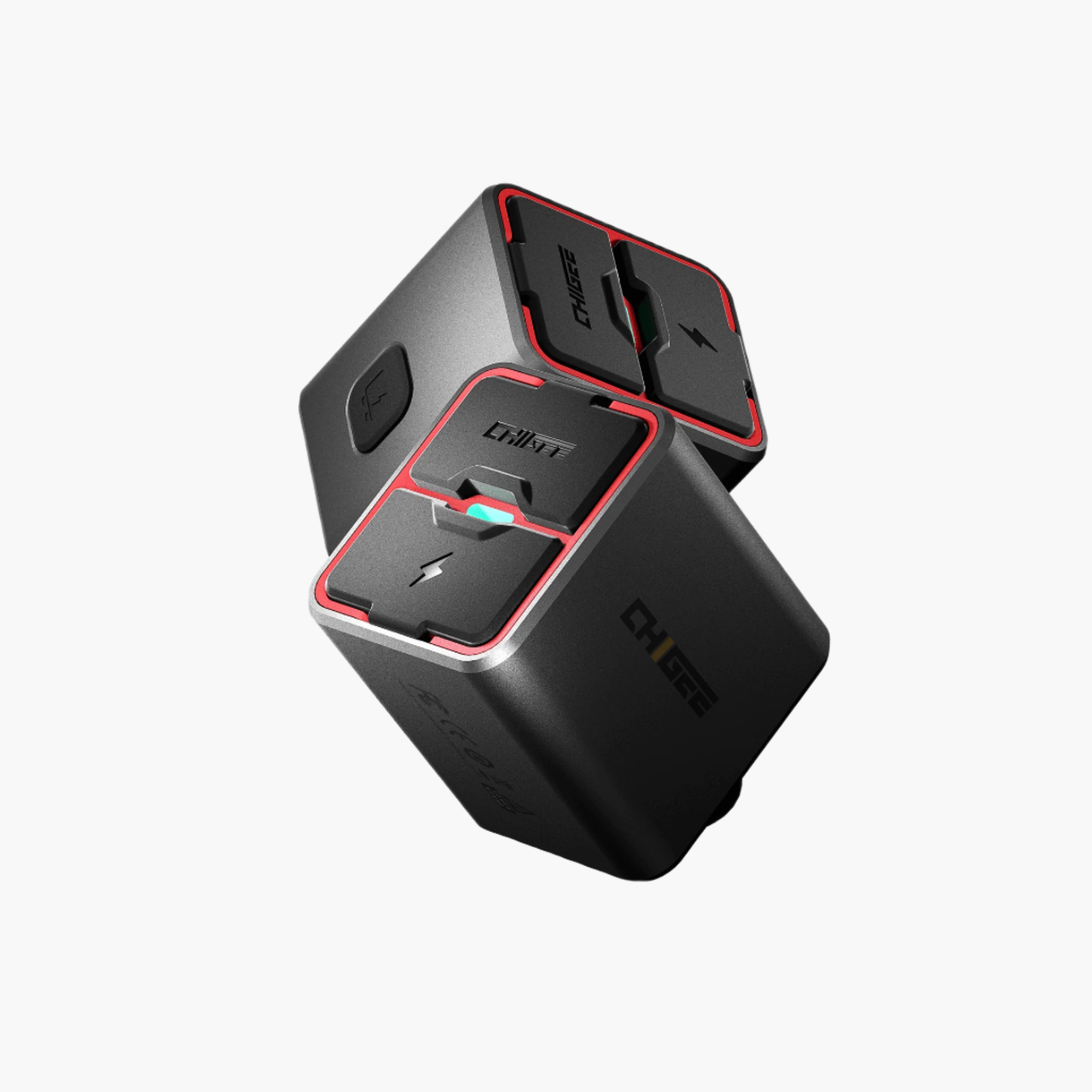
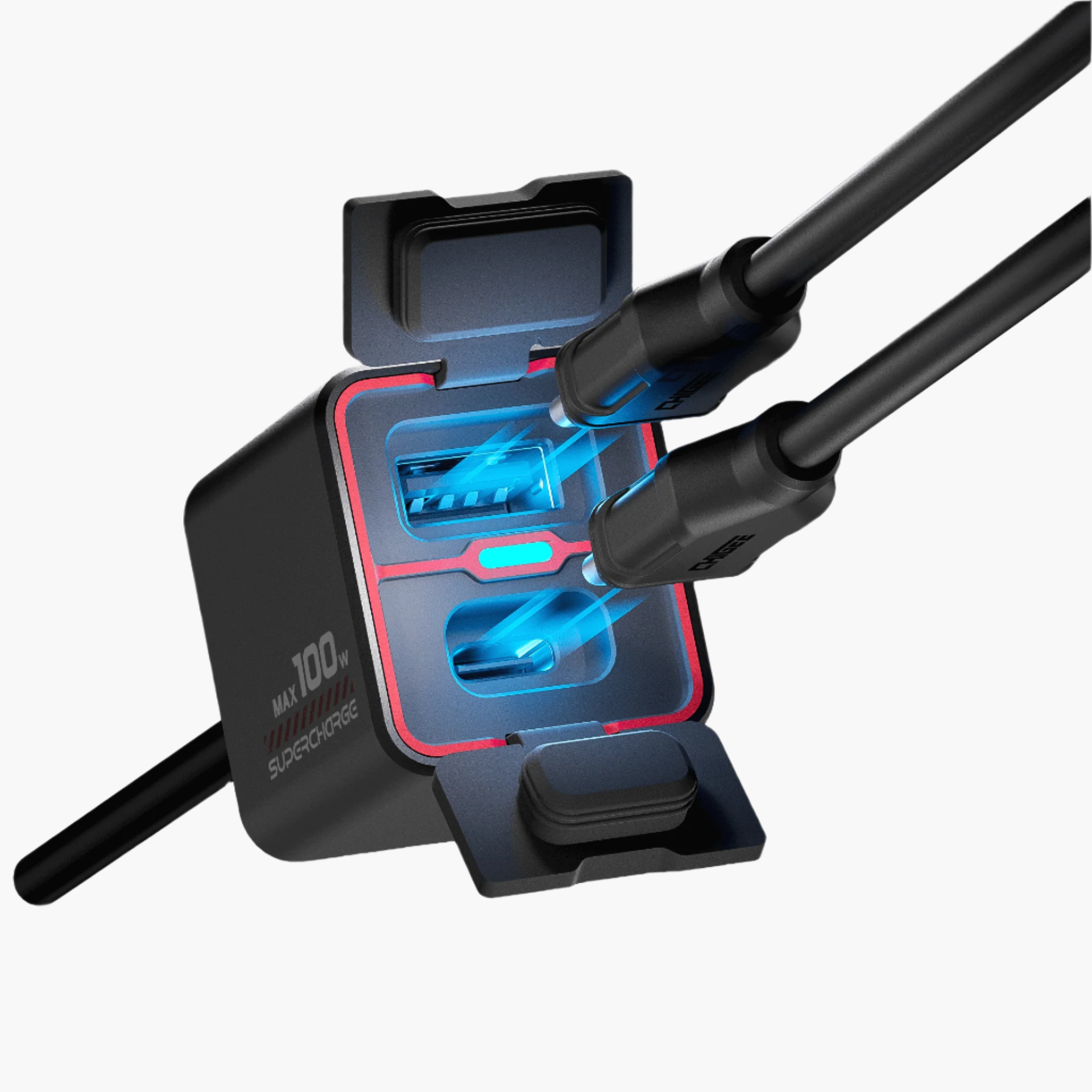
Powered by Your Bike, Not Your Phone's Battery The Chigee unit draws power directly from your motorcycle. By moving navigation to the AIO-5, your phone stays in your pocket with the screen off—reducing overheating and saving precious battery life for when you actually need it.
*We do not recommend using the USB port for long-term power supply, as it may expose the port to environments prone to water ingress. If you wish to use USB power, you can opt for the AIO-5 Play.
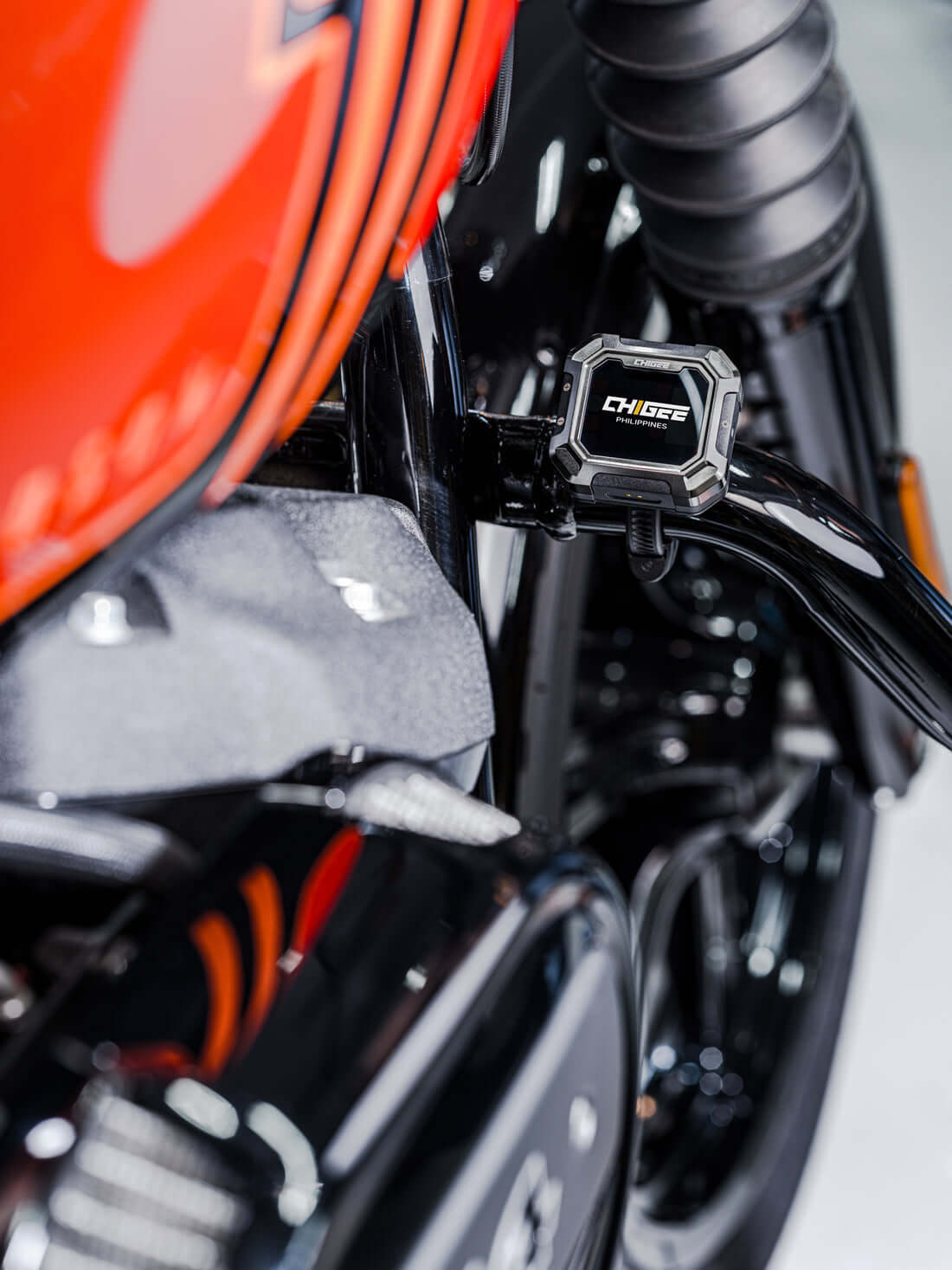
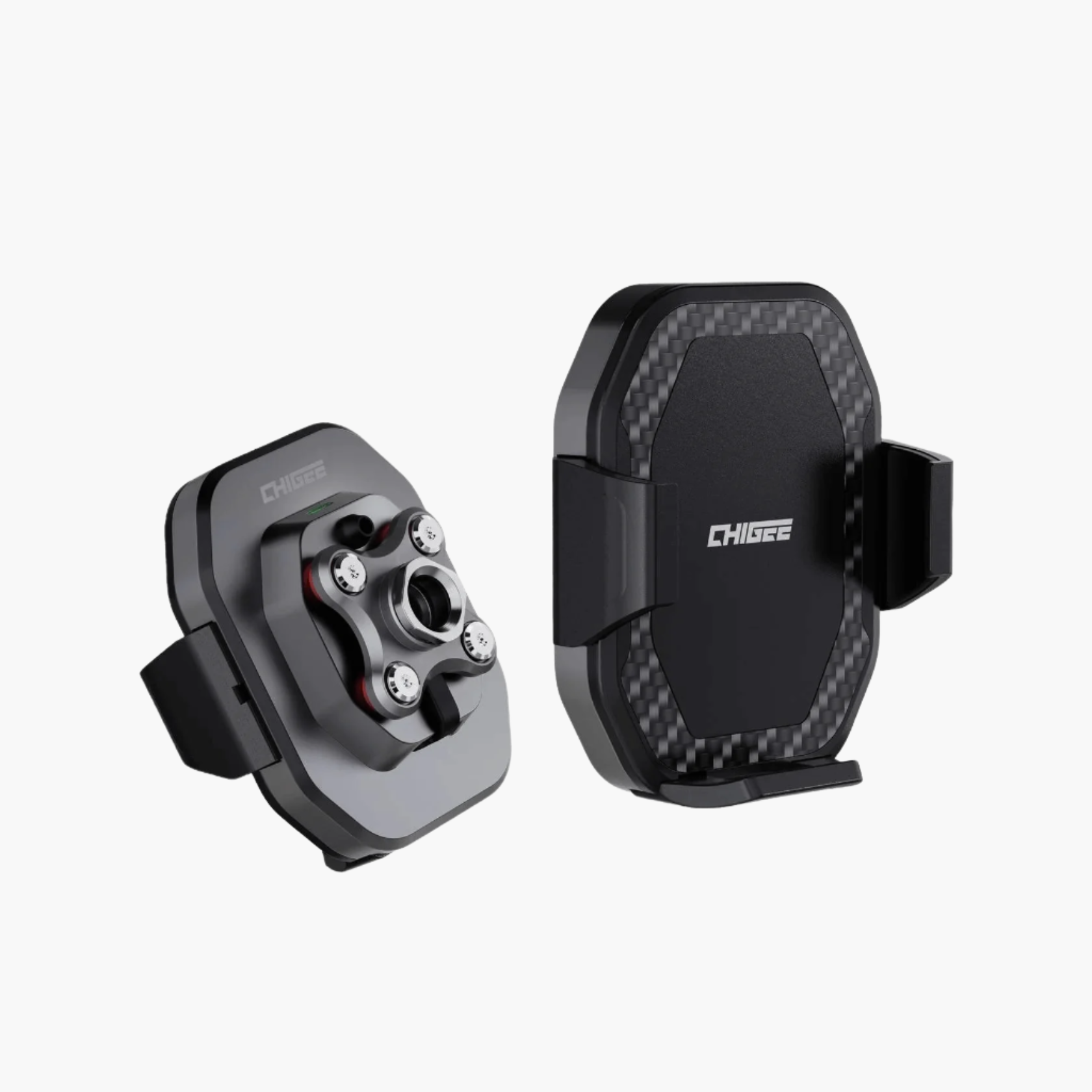
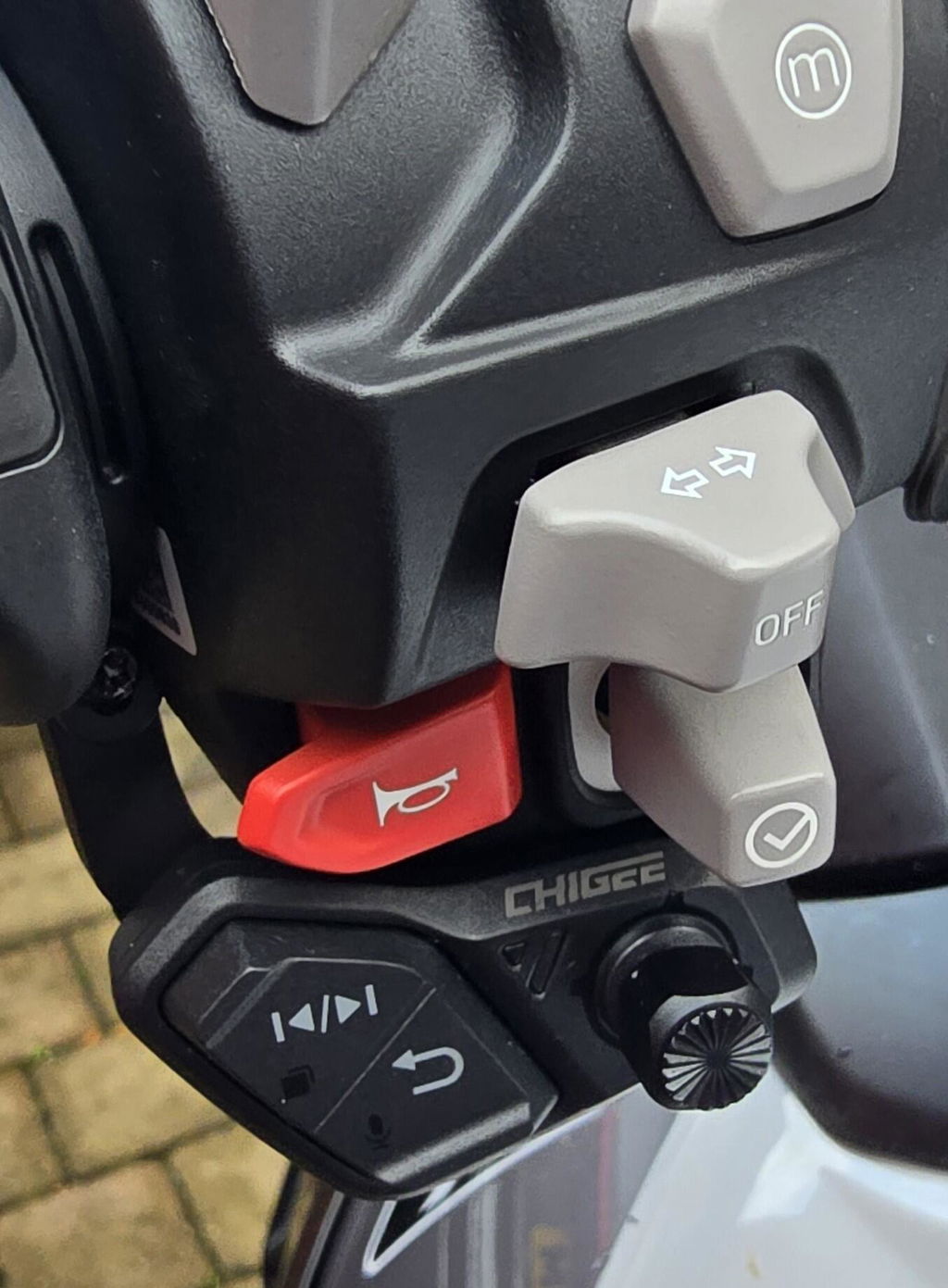
Built to Handle the Road The display sits on a shock-absorbing aluminum alloy bracket that absorbs vibration rather than transferring it to the screen. The interface is designed for gloved hands – large touch targets, a laminated coating that resists dust and moisture, and controls that make sense at speed.
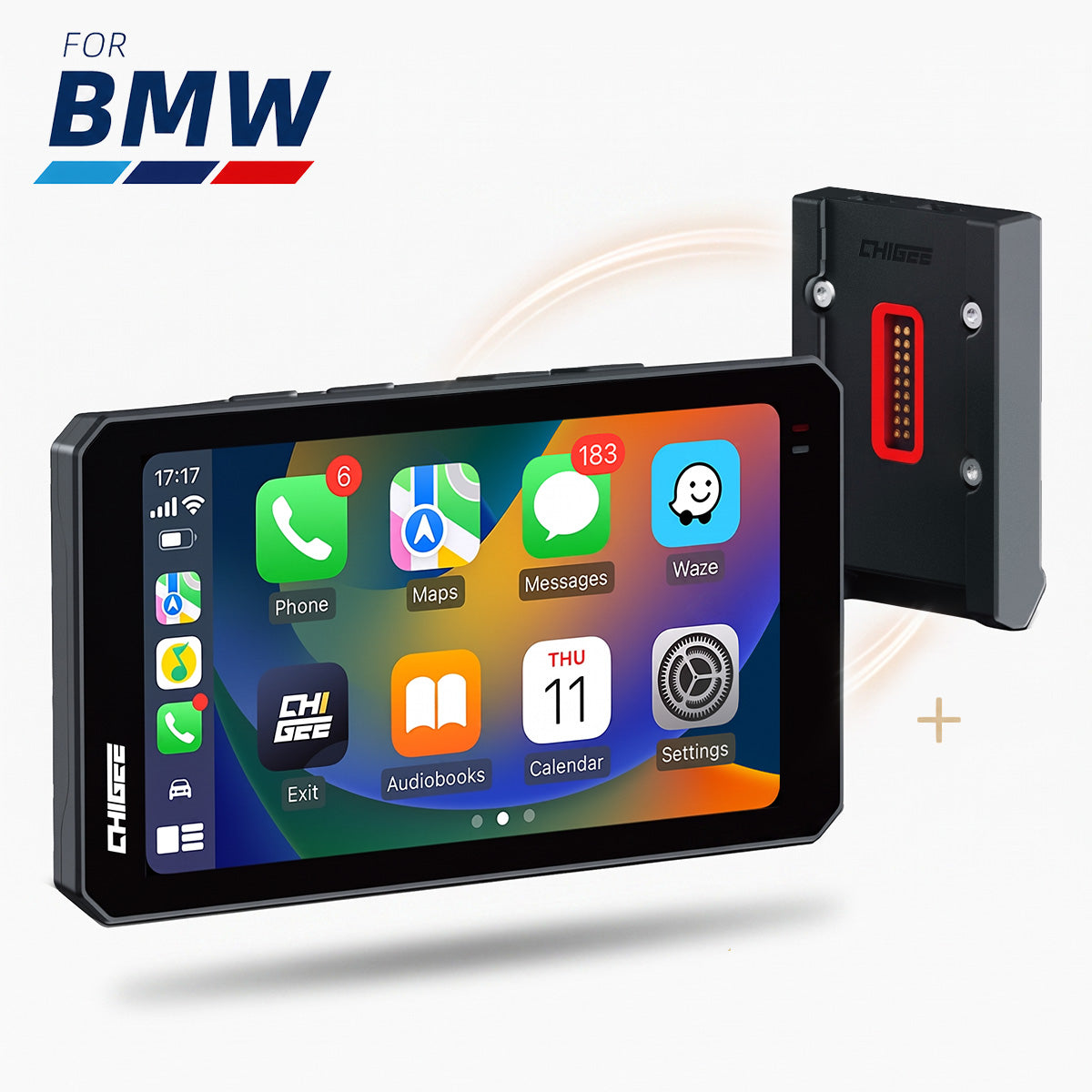
Seamless Phone Integration CHIGEE works with both Android and iOS. Once paired, your navigation apps, music, and notifications all appear on the bike's display. You get the full functionality of your phone's ecosystem without the compromises of using your phone as the screen itself.
Beyond Navigation: What Else the CHIGEE Does
Once your phone is off the handlebars and your riding display is doing its job, you unlock a whole set of capabilities that a phone mount simply can't offer.
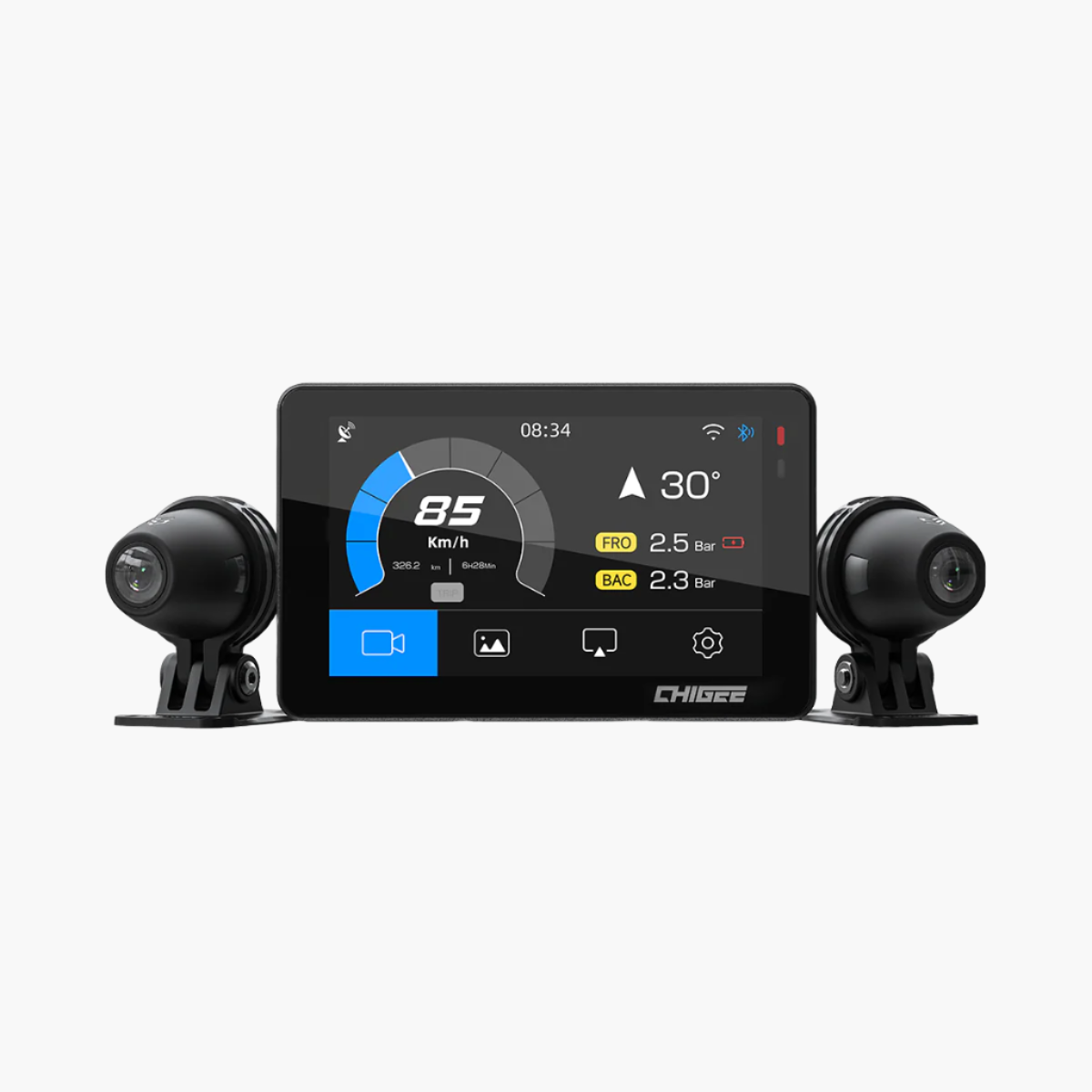
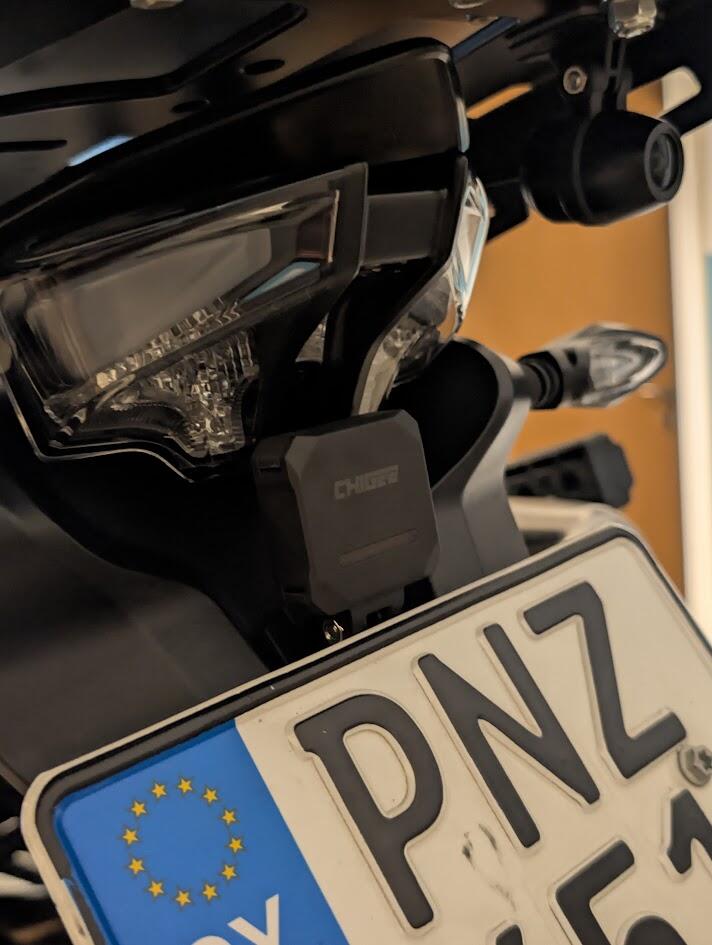
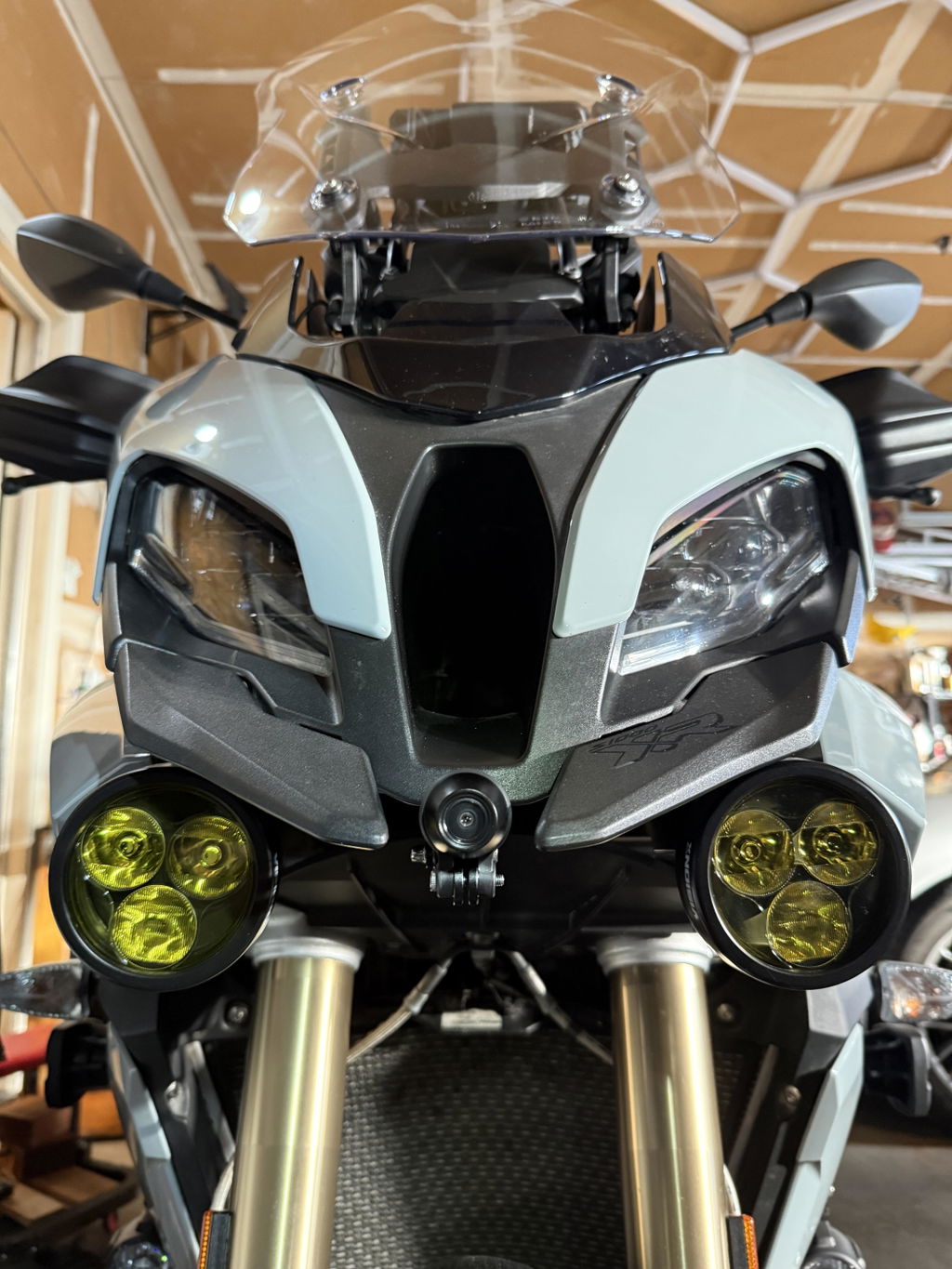
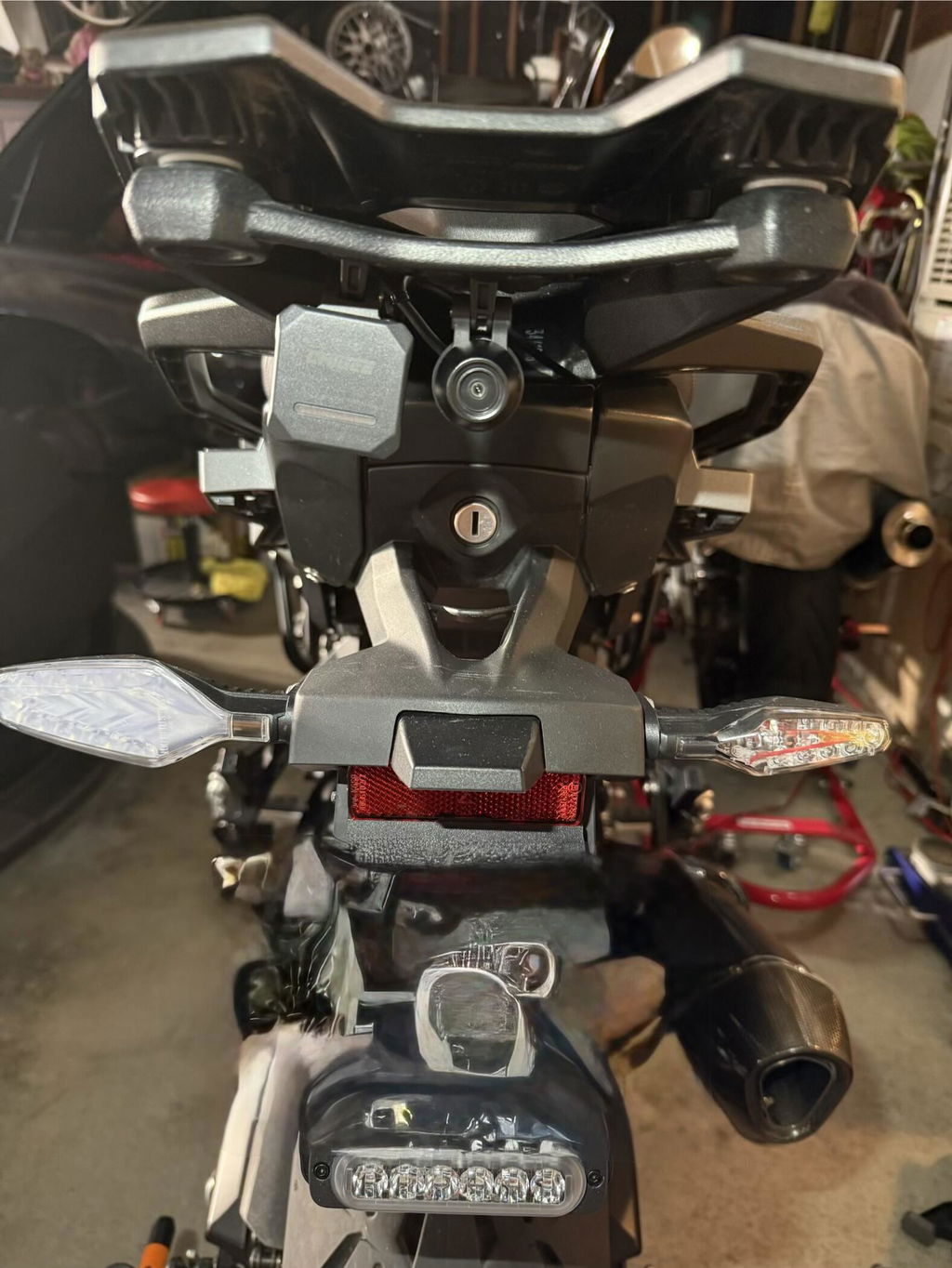
Dual-Camera Video Recording Capture every moment with optional front and rear cameras, featuring Sony IMX307 sensors for 1080P clarity at 30/60 FPS. Depending on the model, footage saves automatically to high-speed built-in eMMC storage or an external MicroSD card.
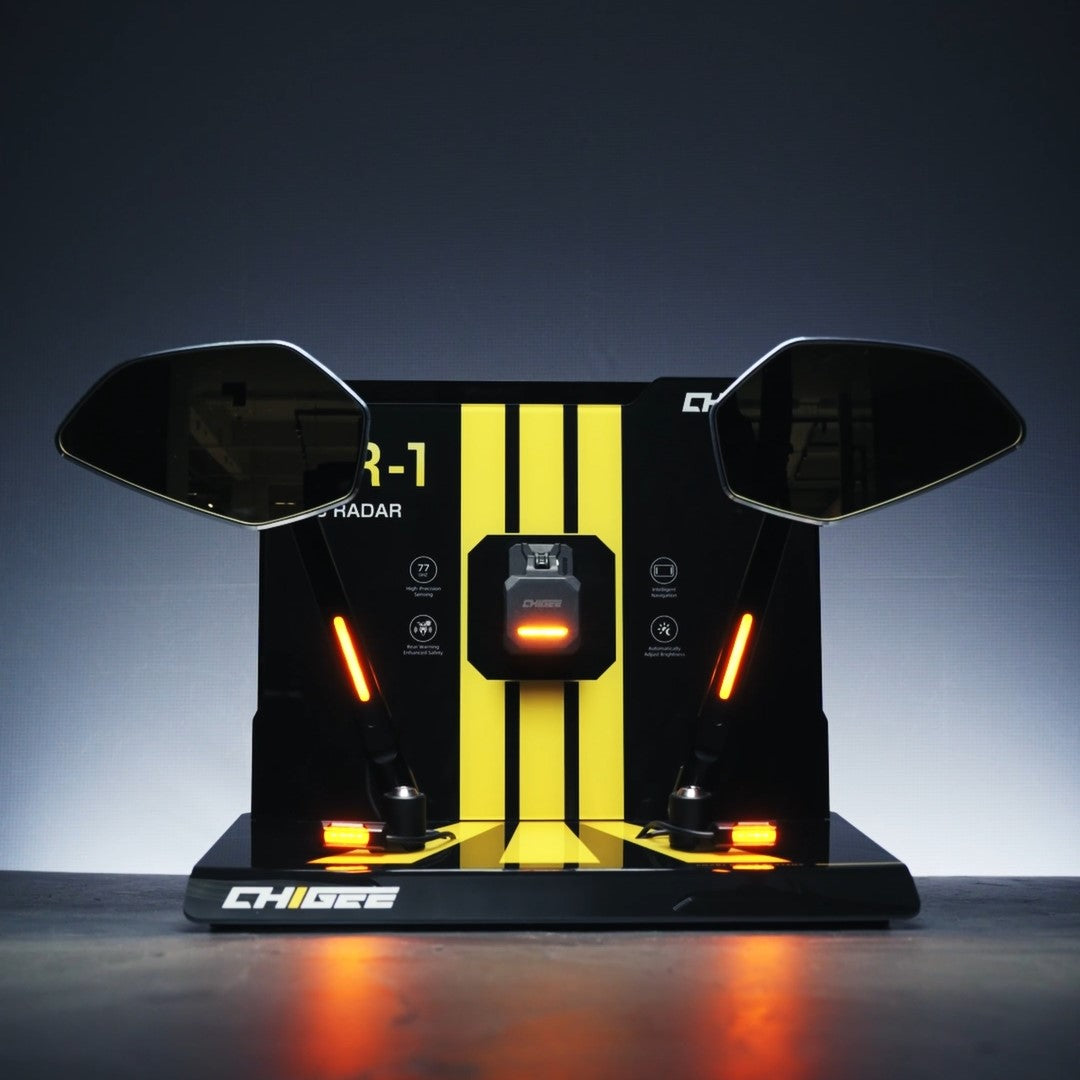
Blind Spot Detection The front and rear cameras do more than record. An onboard algorithm analyzes the live feed and alerts you to vehicles in your blind spots – a genuine safety feature that no phone mount can replicate.
Hands-Free Notifications Incoming calls, messages, and alerts appear on the display. You stay informed without ever reaching for your phone.
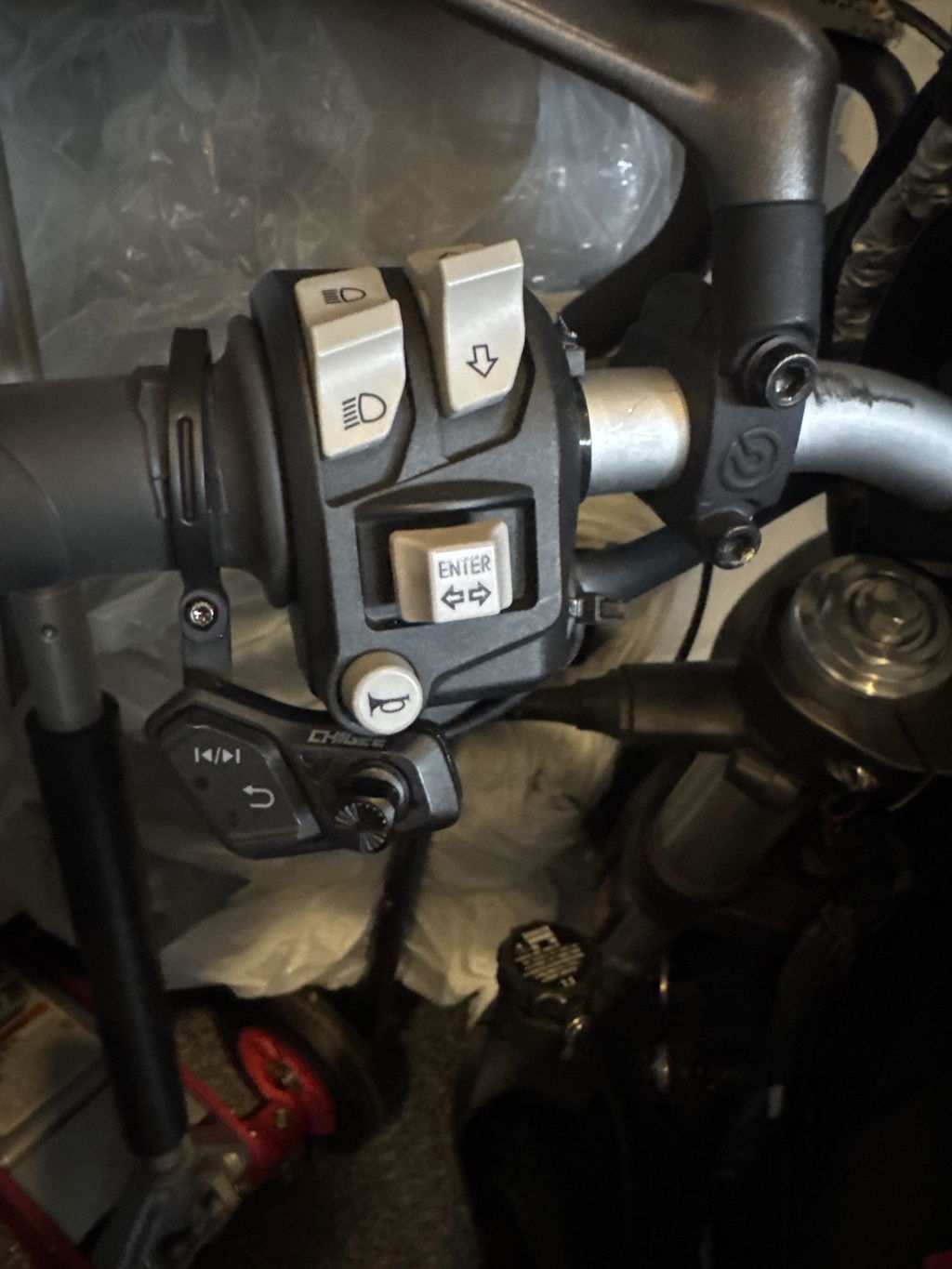
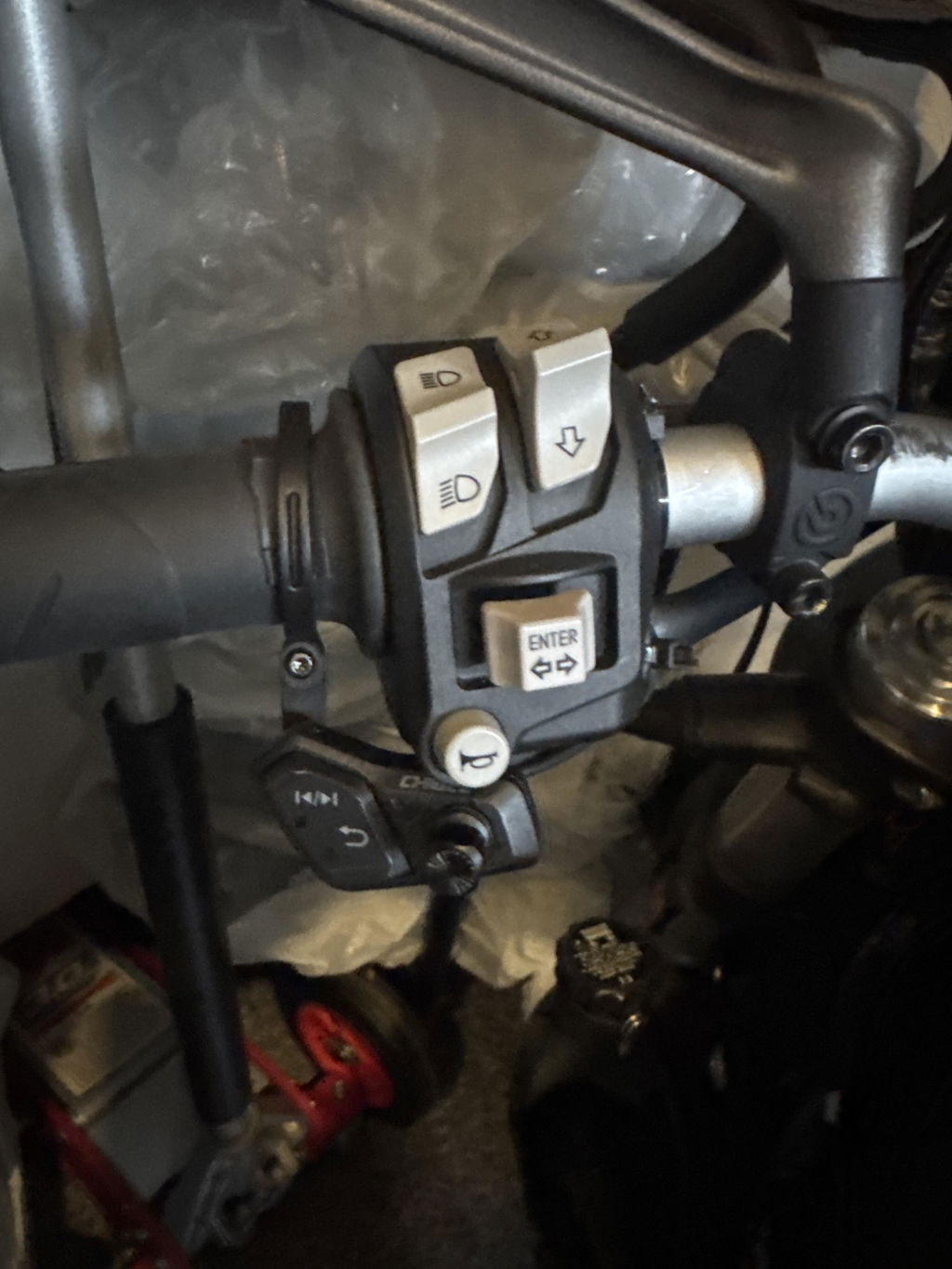
Entertainment Controls Switch tracks, adjust volume, or change playlists directly from the bike's screen. Same experience as Android Auto or CarPlay in a car, brought to your motorcycle.
The Bottom Line
Your phone is a great navigation tool. It just doesn't belong on your handlebars.
A dedicated riding system like CHIGEE gives you everything your phone offers – navigation, music, notifications – on a screen that's actually designed for motorcycling. Brighter, tougher, safer, and always powered up.
Find the one that fits your ride, get your phone out of harm's way, and focus on the road ahead.







1 comment
steve keeney
Leave a comment
All comments are moderated before being published.
This site is protected by hCaptcha and the hCaptcha Privacy Policy and Terms of Service apply.