


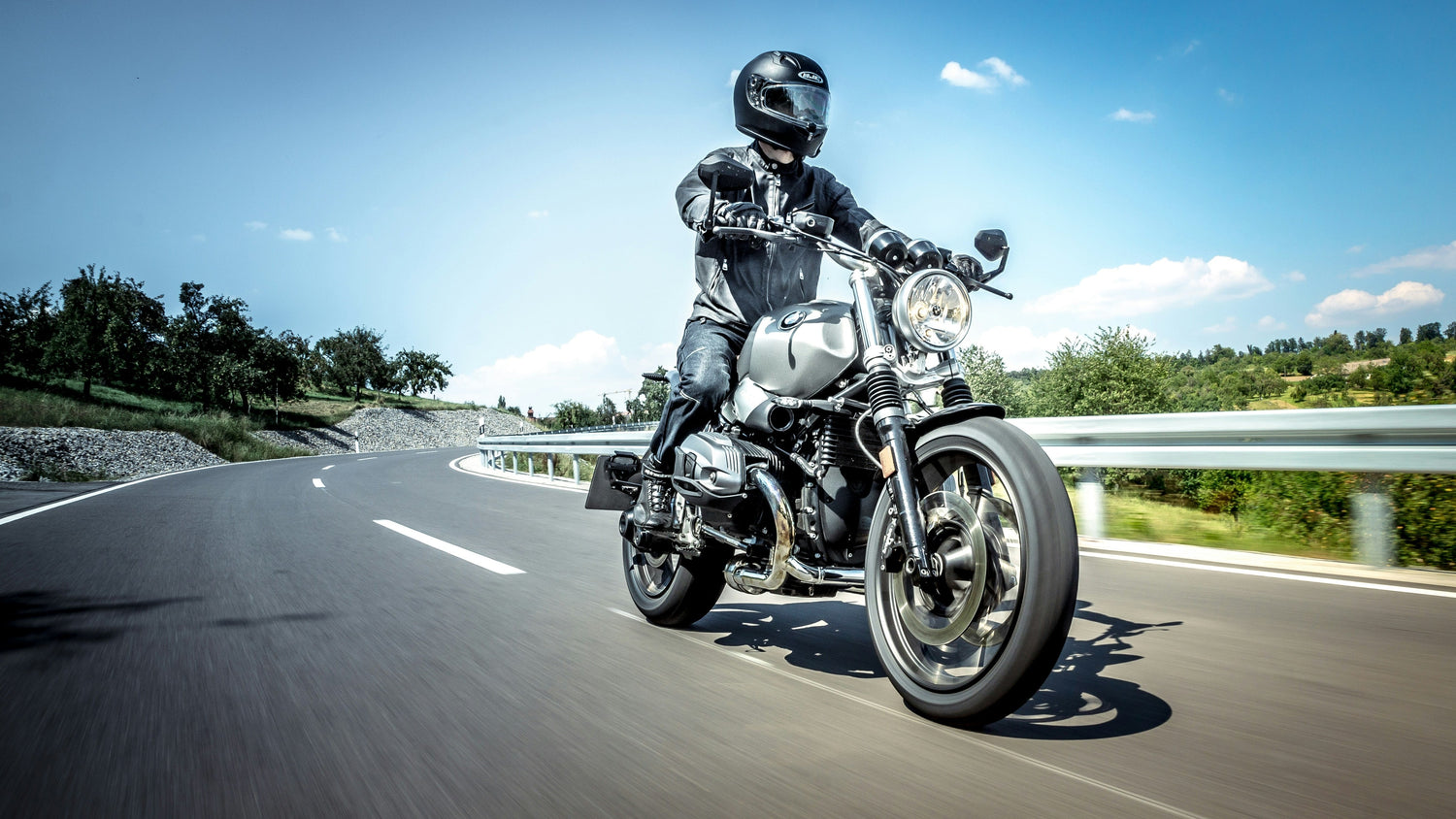
Summer is the season most riders wait for all year. Long days, open roads, and warm air make it easy to plan one more trip. But the same season that gives you those rides also brings three conditions that quietly test you: building heat, sudden storms, and hours of strong sun.
None of these have to ruin a ride. They mostly catch riders off guard who expected a perfect day and packed for one. With a little preparation, you can read each condition early and decide how to handle it. Here is what changes in summer, and what tends to help.
Riding in the Heat
It is tempting to treat heat as a comfort problem. It is really a focus problem. When you are hot, your body works hard to cool itself, and that effort shows up in how clearly you think.
The first thing heat affects is you, not the bike. As you sweat, you lose fluid, and on a hot day a rider can lose close to a liter an hour. Losing even a small amount—around two percent of body weight—is enough to slow your reaction time and dull your judgment. That is why the early signs of trouble are worth knowing: heavy sweating, weakness, dizziness, headache, or nausea can all point to heat exhaustion. If they appear, the useful move is simple—find shade, cool down, and drink before getting back on the road.
Air temperature alone does not tell the whole story. Humidity matters too, because damp air makes it harder for sweat to cool you. The "heat index" combines both. Once it climbs past about 90°F (32°C), it is worth taking extra care, and above roughly 103°F (39°C), the strain on your body rises sharply. These are not hard limits—they are a reminder to pay closer attention to how you feel.
Heat works on the machine as well. Tire pressure rises as temperatures climb, by roughly one PSI for every 10°F of change, so a pressure set in a cool garage will read higher by midday. Hot asphalt also softens and can feel different under your tires. Neither is cause for worry, but both are good reasons to check pressure when the tires are cold and to ride with a little extra awareness on baking pavement.
So what actually helps? A few habits make a real difference:
- Drink early and often. Don't wait until you feel thirsty—by then you are already behind. Sip water before you leave and at every stop.
- Don't strip down. It feels right to ride in a t-shirt, but bare skin in hot wind dries you out faster and offers no protection. A ventilated mesh jacket with a moisture-wicking base layer keeps air moving while still covering you.
- Plan around the heat. Riding earlier or later in the day, and adding short rest stops, lets you stay in rhythm with the conditions instead of fighting them.
You know your own limits better than any chart does. The goal is simply to notice the signs early, while you still have easy choices.

Riding in the Rain
Summer storms have a habit of arriving fast, often on a day that started clear. Rain brings two separate challenges: less grip and less sight. Handling each calmly is what keeps a wet ride uneventful.
Grip is the one riders underestimate. The most slippery moment is not during a steady downpour—it is in the first ten to twenty minutes after rain begins. Oil and grime that built up on dry pavement rise to the surface and mix with water into a thin, slick film. It can take up to about half an hour of steady rain to wash that layer away. The longer the dry spell beforehand, the worse those first minutes are.
A few surfaces stay risky even after the road rinses clean. The center of the lane collects the most oil, so riders often favor the wheel tracks on either side. Painted lane markings, manhole covers, and metal bridge grates all turn slick when wet—worth steering around when you can, and crossing upright and steady when you can't.
Sight is the other half of the problem. A motorcycle has no wipers, so a treated or anti-fog face shield earns its place quickly in the rain. Because everything happens with less warning, smooth inputs matter: gentle on the brakes, gentle on the throttle, and more space than usual between you and the vehicle ahead, since stopping distances stretch out on wet roads.
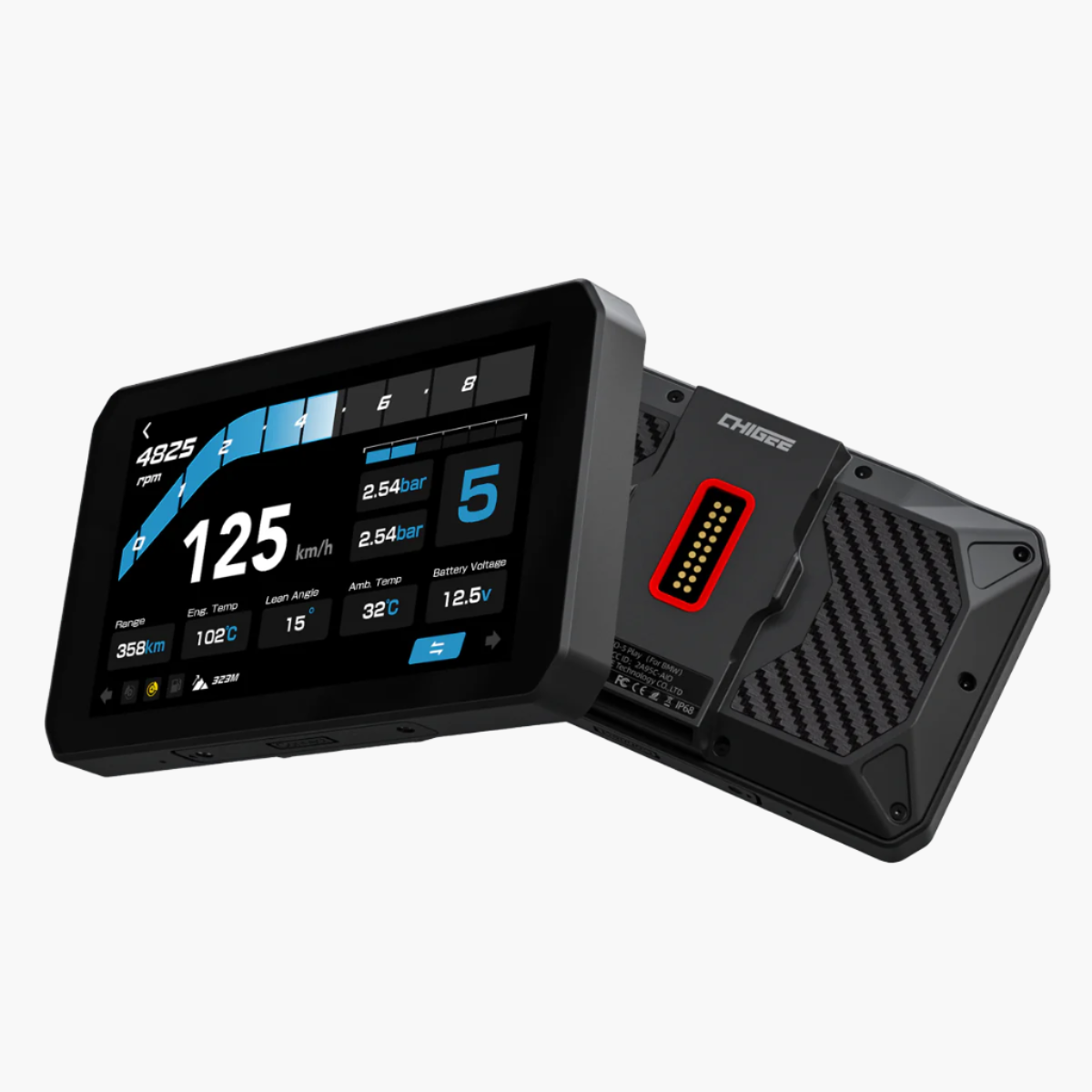
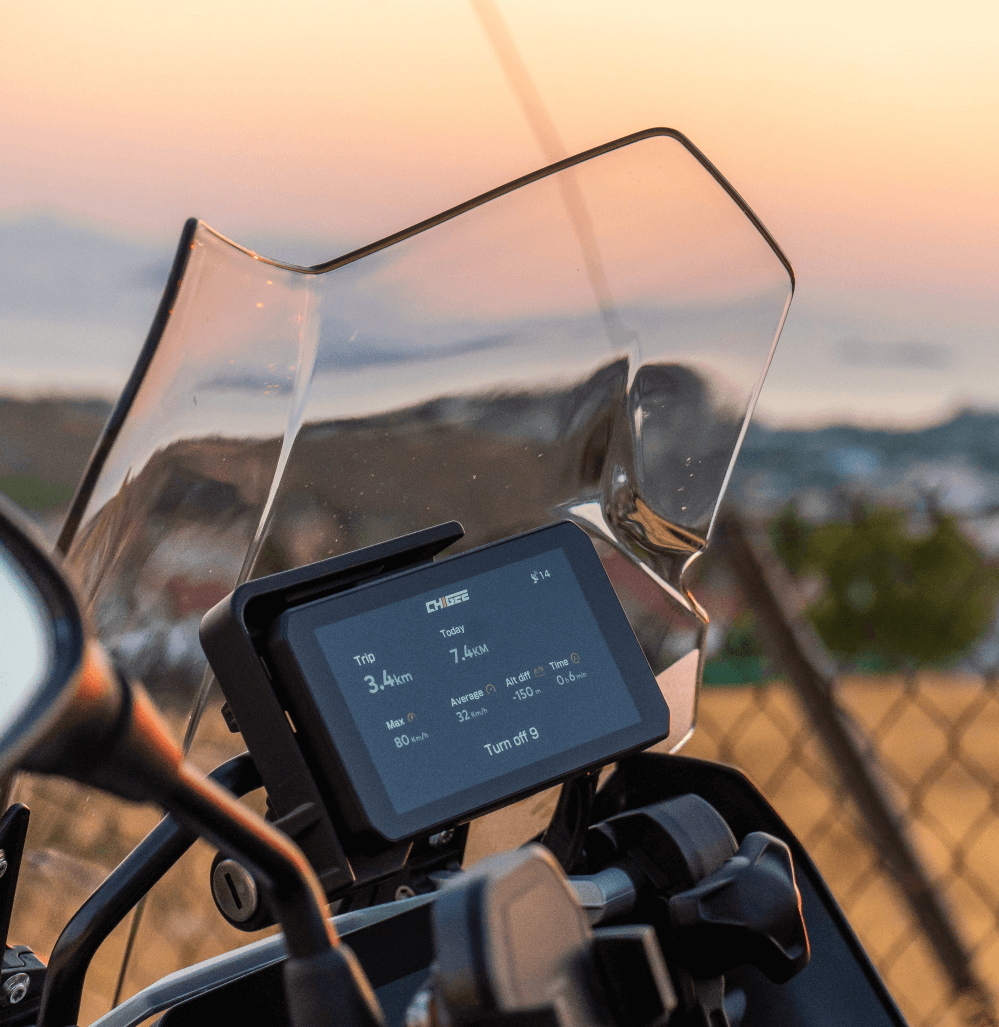
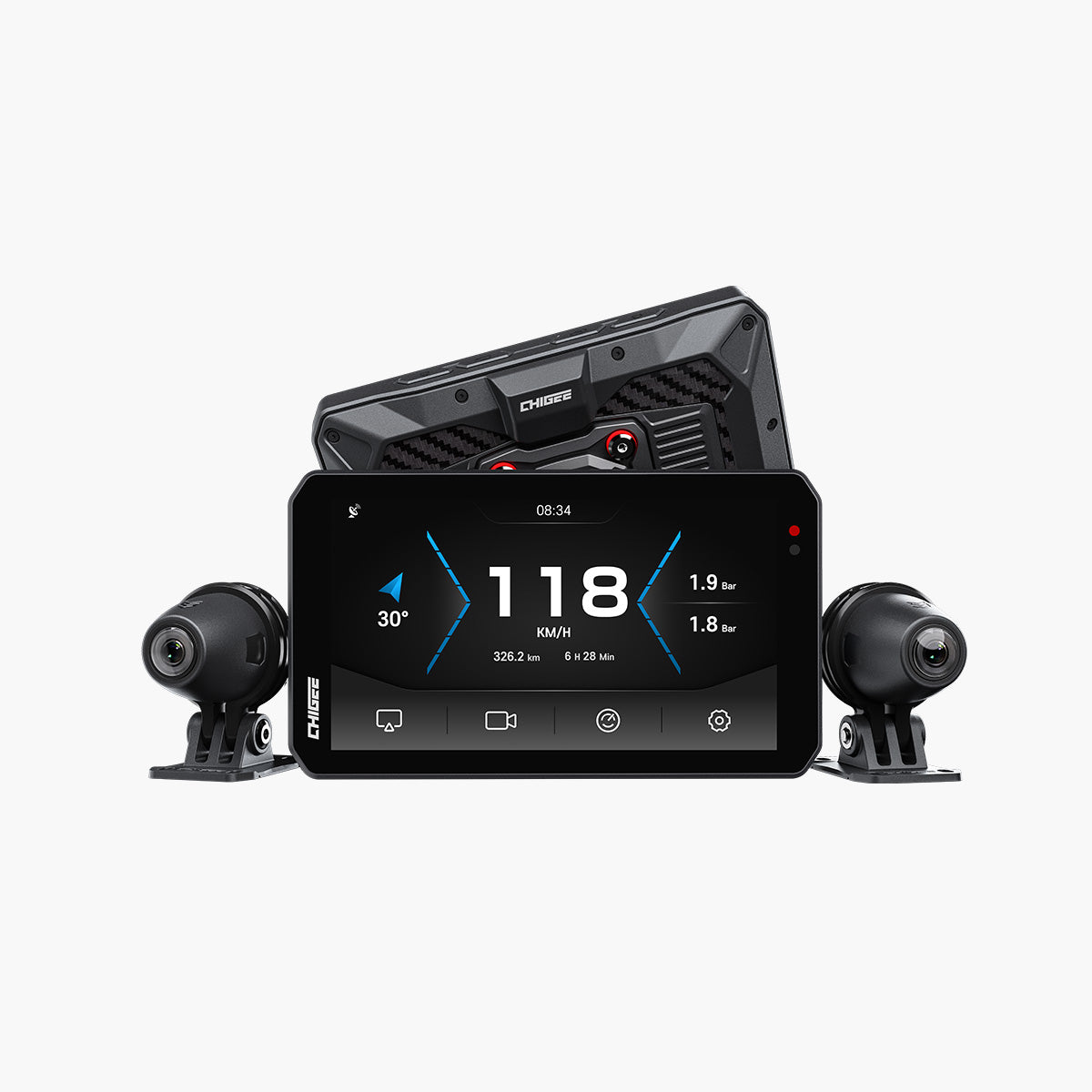
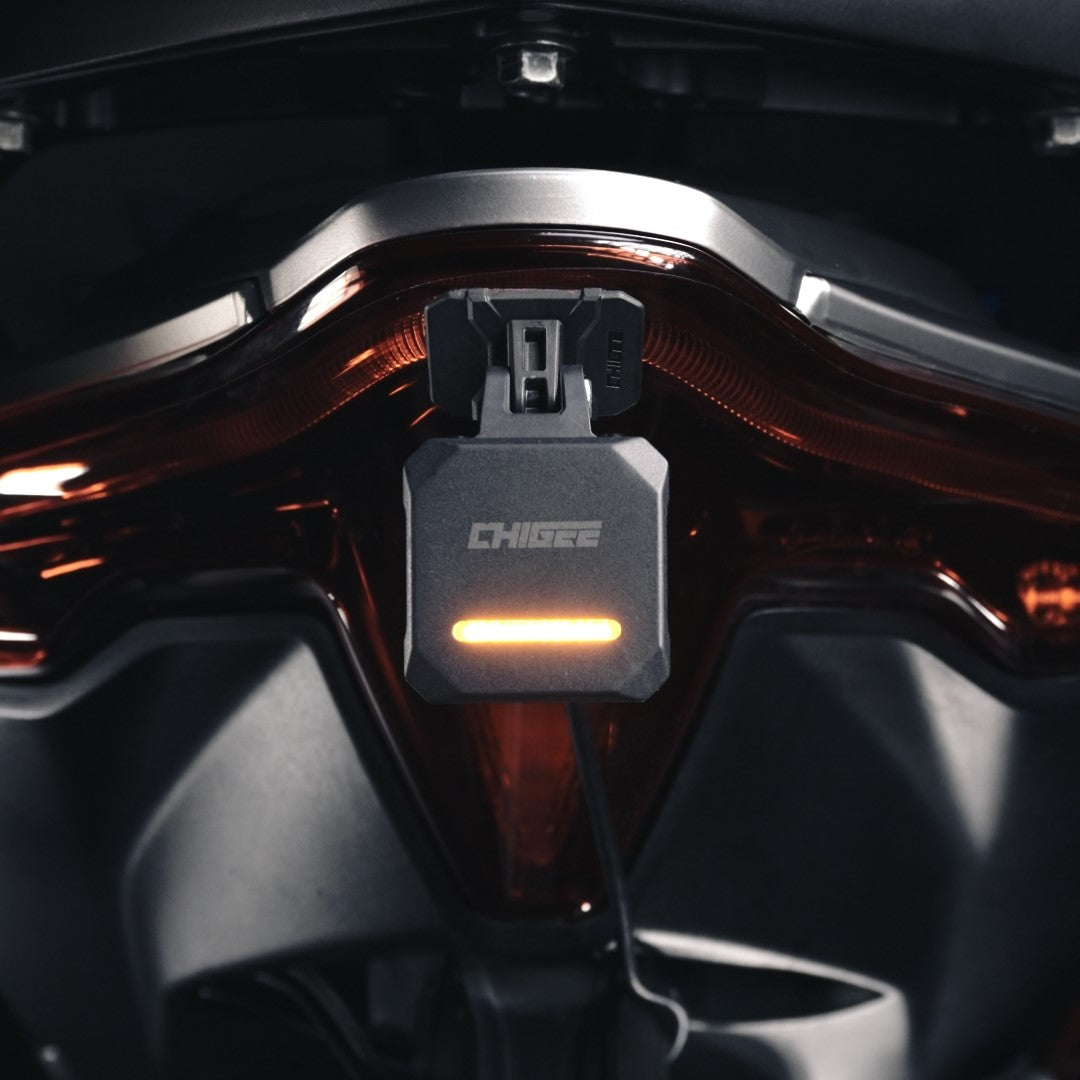
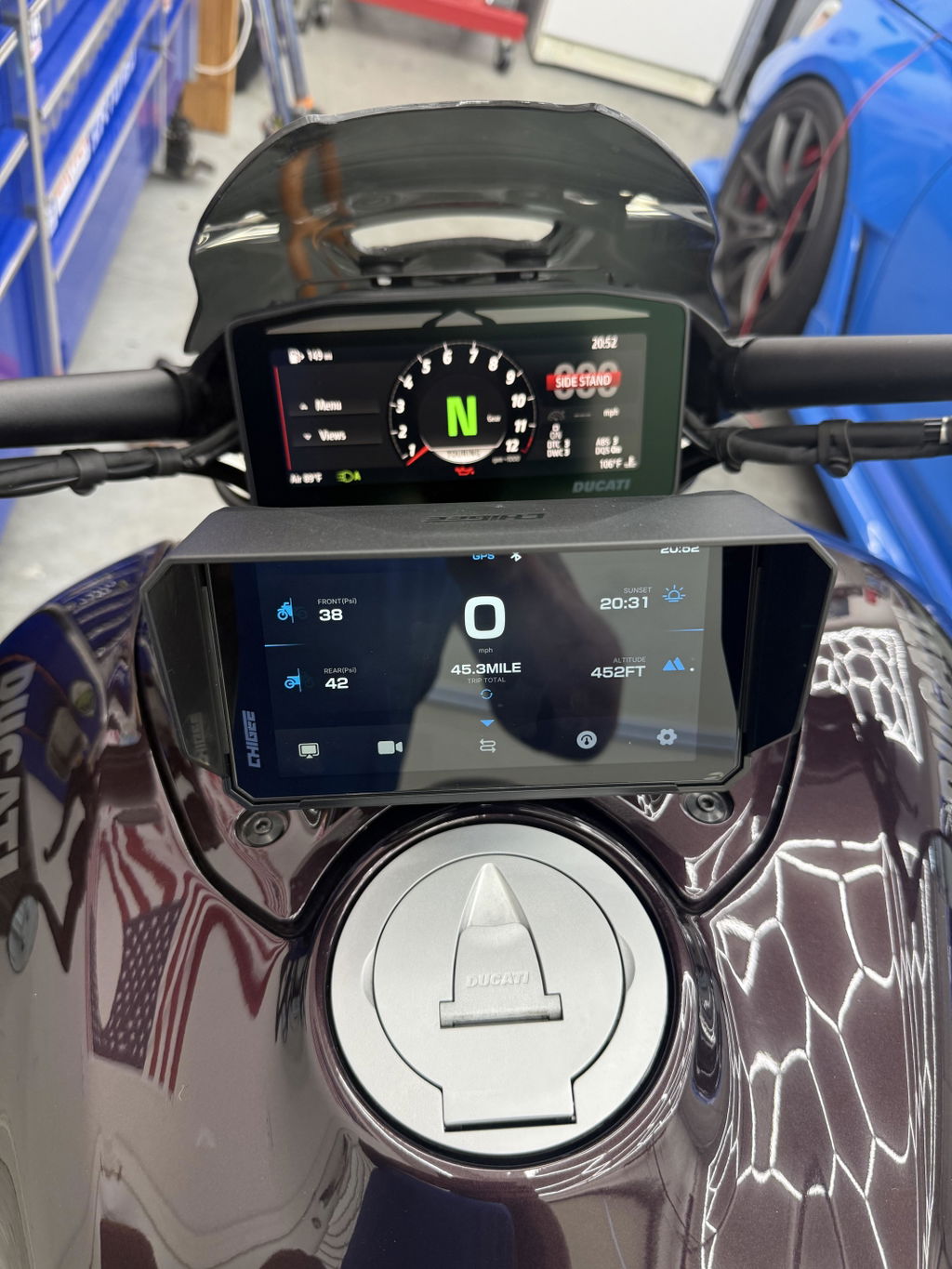
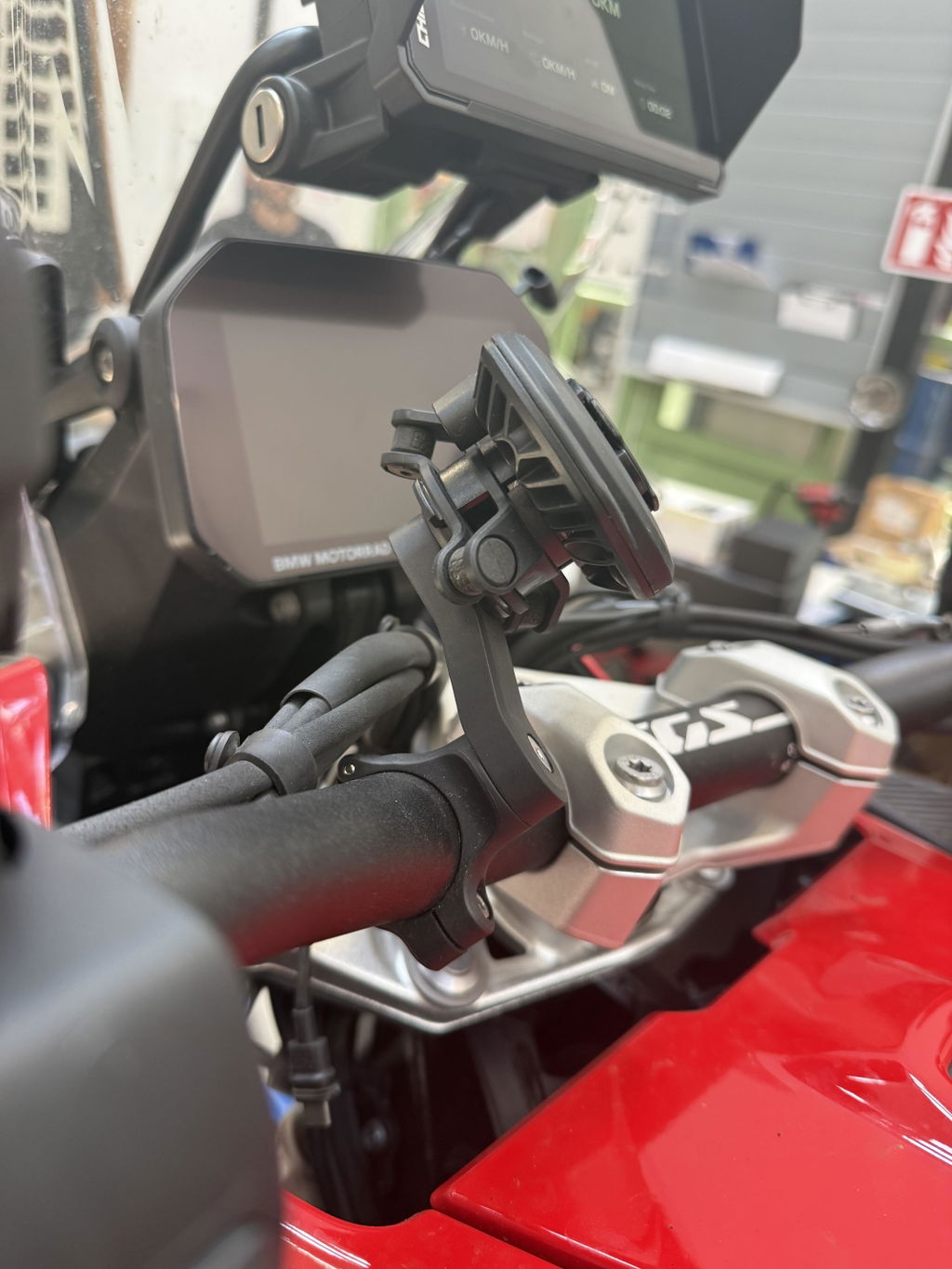
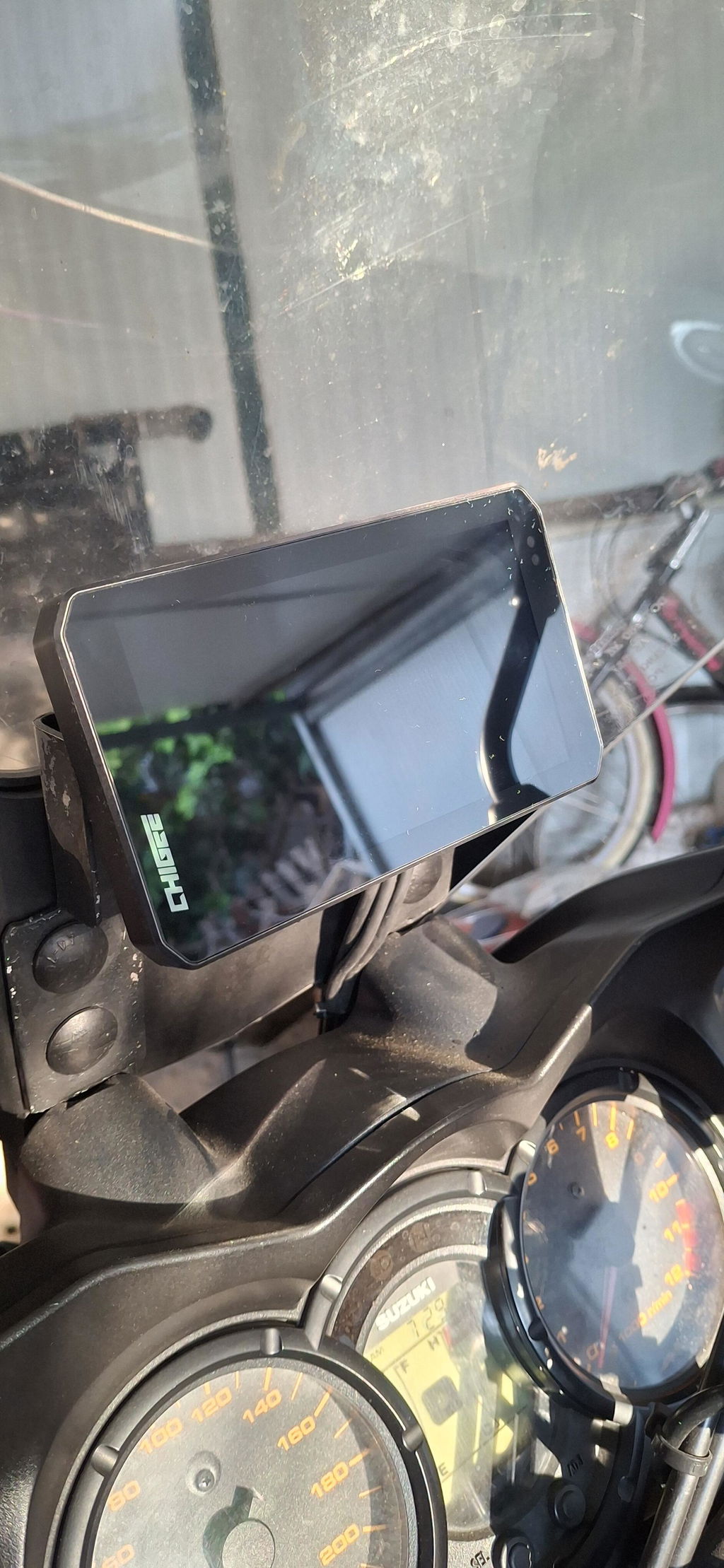
Your gear has to handle the wet, too—and so does whatever is mounted on your bars. A Chigee display is sealed against water and dust, rated up to IP69K, so a downpour won't stop it from showing your navigation and ride data. There is nothing to cover or switch off, which keeps your attention on the road rather than the screen.
Sometimes the smartest response is the simplest one. If a storm turns heavy, waiting it out under cover for a few minutes can change a tense ride into an easy one—and if there is lightning, stopping is the only sensible call. There is no prize for pushing through; the road will still be there.

Dealing with the Sun
Of the three, sun is the easiest to ignore, because its effects build slowly. You rarely notice the cost during the ride—only afterward.
Sun reaches you in two ways. Over time, UV exposure damages skin and raises the long-term risk of sunburn and skin problems, and your face takes the most of it since the rest of you is usually covered. UV also affects your eyes, contributing to strain, fatigue, and long-term issues like cataracts. There is a more immediate concern too: glare. Squinting into low sun or harsh reflections is tiring, and a tired, squinting rider misses more of what is happening around them.
The fixes are quick and worth the habit. A UV-blocking or tinted visor, or sunglasses rated UV400, shields your eyes and cuts glare—polarized lenses help most with reflections off wet roads and other surfaces. For skin, sunscreen of SPF 15 or higher covers what your gear doesn't, and it works best applied about twenty minutes before you head out, with lip balm an easy addition. UV is strongest around midday, so riding earlier or later, when you can, eases both the glare and the exposure.
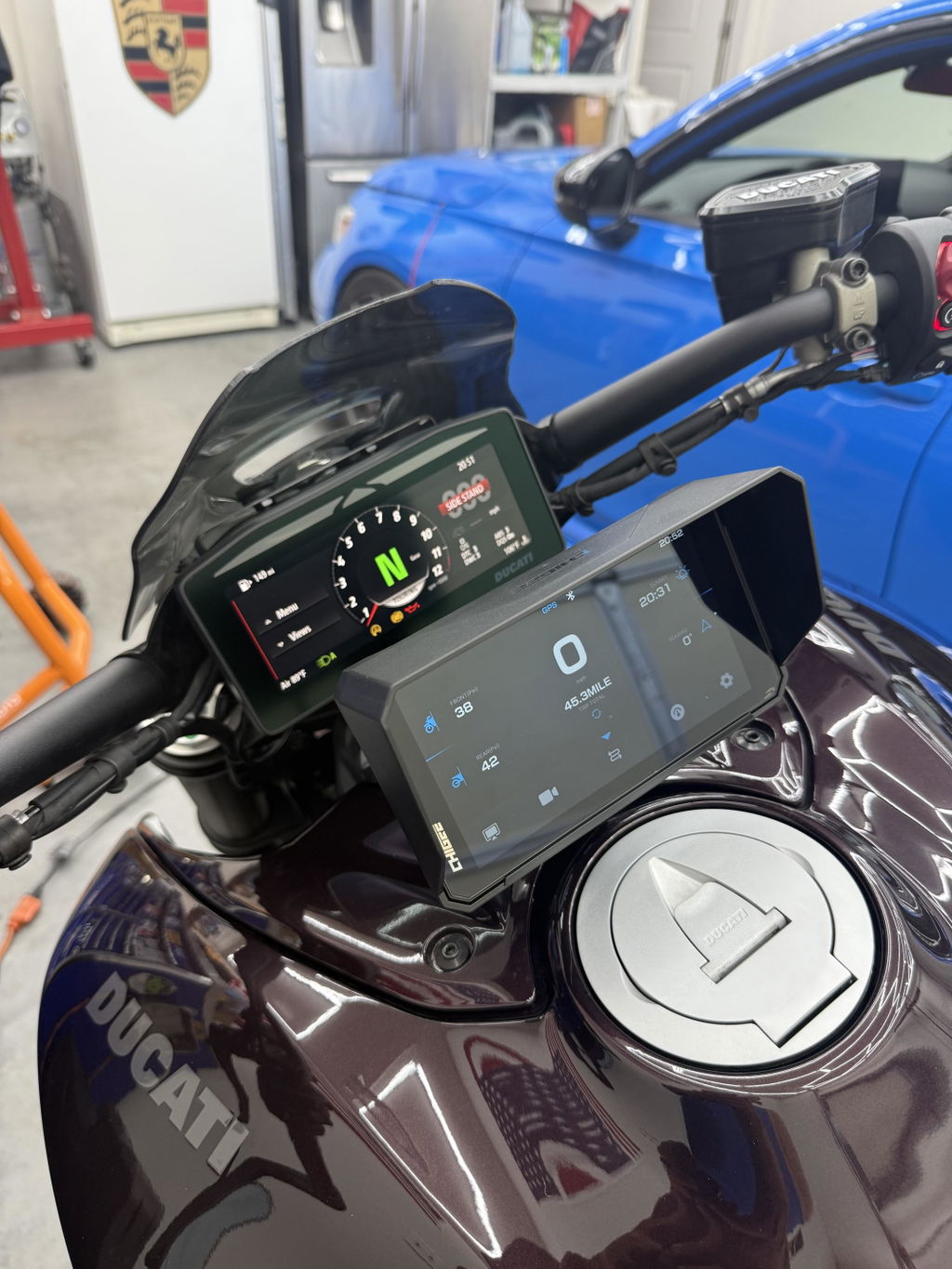
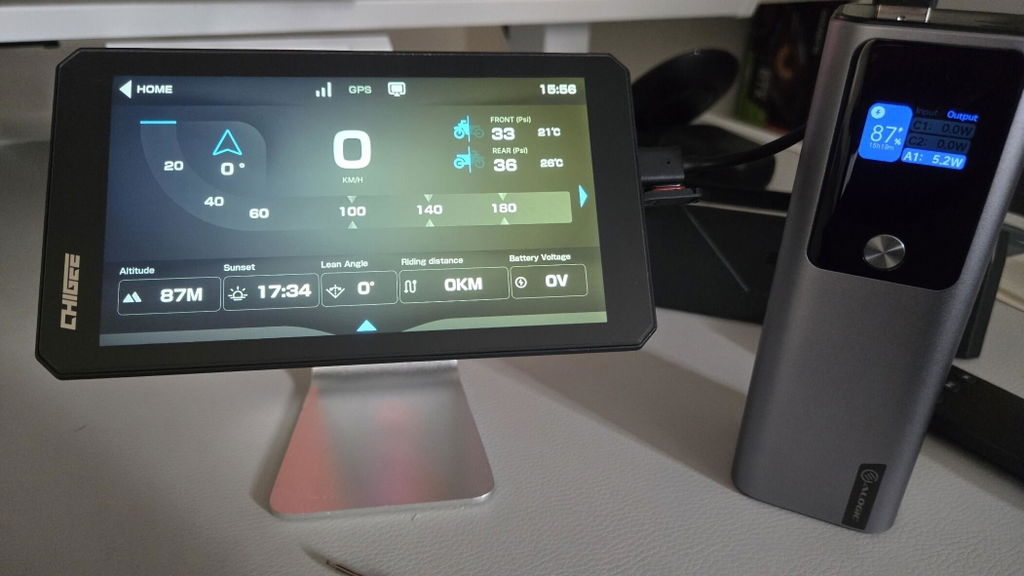
Within the AIO series of motorcycle infotainment systems, the AIO-5 series features a display with a peak brightness of up to 1,200 nits, while the AIO-6 series reaches a peak of 2,300 nits; both automatically adjust screen brightness based on lighting conditions to suit the rider's visibility.
A Few Minutes Before You Ride
Most summer surprises are easier to handle when you've seen them coming. A short check before you leave goes a long way: glance at the forecast for both heat and rain, look at your tire pressure while the tires are still cold, and make sure you're carrying water. Knowing where you can stop for shade or shelter turns an unexpected change in weather into a planned pause.
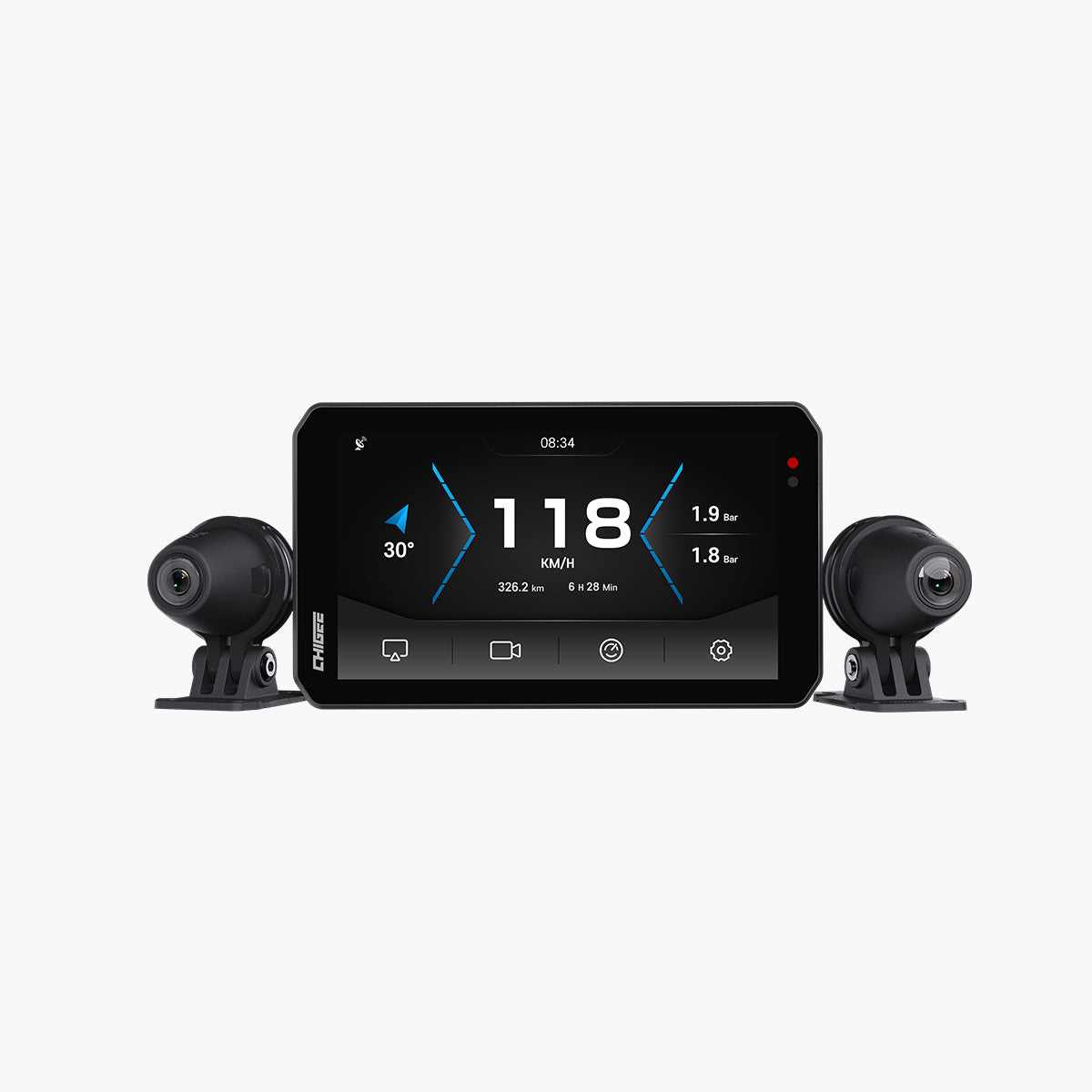
Keeping key information in your line of sight helps here too. When navigation, tire pressure, and ride data sit on a sunlight-readable display like your Chigee, you can take them in at a glance and keep your eyes up and your hands on the bars—rather than reaching for a phone in bright glare. Tools like these are there to support your awareness, not replace it; the reading of the road, and every decision that follows, still belongs to you.

The Rider Stays in Charge
Summer offers some of the best riding of the year, and a little preparation is what keeps it that way. Heat, rain, and sun are manageable once you know what each one does and how to read it early. Pack for the day you might get, not just the one you hoped for, stay aware of how you and the bike are doing, and give yourself the room to make easy choices.
Do that, and the conditions become part of the ride instead of a threat to it—with you, not the weather, deciding how the day goes.
If you have any unique and effective summer riding tips, feel free to share them in the comments section.
Frequently Asked Questions
What temperature is too hot to ride a motorcycle?
There is no single cutoff—how well you manage the heat often matters more than the number on the thermometer. As a guide, once the heat index (which combines temperature and humidity) climbs past about 90°F (32°C), it is worth taking extra care, and above roughly 103°F (39°C) the strain on your body rises sharply. Your own tolerance, hydration, and gear all factor in, so the call is yours to make.
How do I stay cool and alert on a motorcycle in summer?
Two habits help most: hydrating early and dressing for airflow. Sip water before you feel thirsty and at every stop, since a rider can lose close to a liter of sweat an hour on a hot day. For gear, a ventilated mesh jacket over a moisture-wicking base layer can keep you cooler than bare skin while still protecting you, and timing rides for the cooler parts of the day helps too.
Is it safe to ride a motorcycle in the rain?
Many riders ride safely in the rain with a few adjustments. The slickest moment is usually the first ten to twenty minutes, when oil rises off the pavement, so easing your speed and inputs early makes a real difference. Give yourself extra following distance, steer around painted lines, manhole covers, and metal grates where you can, and remember that waiting out a heavy storm—or stopping for lightning—is always a reasonable choice.
Do I need to check my tire pressure more often in summer?
It is a good habit. Tire pressure rises as temperatures climb—roughly one PSI for every 10°F—so a reading taken in a cool garage can look different by midday. Check pressure when the tires are cold for the most reliable number, and ride with a little extra awareness on very hot pavement, which can feel softer underneath you.
How can I protect myself from the sun on long rides?
A UV-blocking or tinted visor, or sunglasses rated UV400, shields your eyes and cuts glare—polarized lenses help most with reflections off wet roads. For skin, sunscreen of SPF 15 or higher works best applied about twenty minutes before you set off, with lip balm an easy extra. Because UV is strongest around midday, riding earlier or later eases both glare and exposure when your schedule allows.





Leave a comment
All comments are moderated before being published.
This site is protected by hCaptcha and the hCaptcha Privacy Policy and Terms of Service apply.