When you compare motorcycle radar vs camera vs ultrasonic sensor systems, three different ways of seeing the world meet on the same bike. Millimeter-wave radar. Visible-light cameras. Ultrasonic sensors. Each one reads the world in a different way. None of them is "the best." Each is good at one thing and bad at another, and on a motorcycle those gaps matter more than they do on a car.
This article walks through how each sensor works, where it's used today, and where it falls short. If you've ever wondered why a radar blind-spot warning acts so different from a camera-based one, or why a parking sensor goes silent above 30 km/h, this is the primer.
The Short Answer
Before going deep, here's the quick version:
Radar is the most robust sensor for reliable object detection across nearly all weather conditions and speed ranges. It can be seen in the dark, through rain, and through fog. It cannot tell what it's looking at — only that something is there and how fast it's moving. Every production motorcycle with active safety features uses radar as its main detection sensor.
Cameras can spot what objects are — a car, a person, a lane line. But they need light, and they fail in rain, fog, and glare. On bikes they work best for recording (dashcams) and for adding object recognition to a radar setup, not for active safety on their own.
Ultrasonic sensors are cheap, simple, and weather-proof. But wind noise kills them above about 30 km/h. They're a parking-lot tool, not a road tool.
The rest of this article explains why.

Millimeter-Wave Radar
How Radar Works
Radar is an active sensor. It sends out radio waves and listens for the echoes that bounce back off objects. From those echoes, it works out three things:
- How far the object is, by timing how long the echo took to return
- How fast it's moving toward or away from the sensor, by reading the Doppler shift in the returning signal
- Where it is in space, by comparing how the echo arrives across several antennas
Combine those three readings for every echo, and you get a sparse map of moving objects. Each one is a "blip" with a position and a speed. The radar doesn't know what any of them are. It just knows something is there and what it's doing.
Two frequency bands matter:
24 GHz has a wavelength of about 12.5 mm. It was used in older blind-spot kits and is now being phased out in most markets.
77–79 GHz has a wavelength of about 3.9 mm. The shorter wave means smaller antennas, finer range readings, and better behavior in dense traffic. This is the current standard for both cars and bikes.
Where It's Used Today
The first production motorcycle with both front and rear radar was the 2020 Ducati Multistrada V4, using a Bosch system. As of 2026, factory radar shows up on a short list of models:
- Ducati — Multistrada V4 (front + rear), Diavel V4 (front)
- BMW — R 1250 RT, R 1300 GS, K 1600 (front + rear, optional Riding Assistant package)
- KTM — 1390 Super Adventure S Evo standard, 1390 Super Adventure S optional (front only; the Super Adventure R does not offer radar)
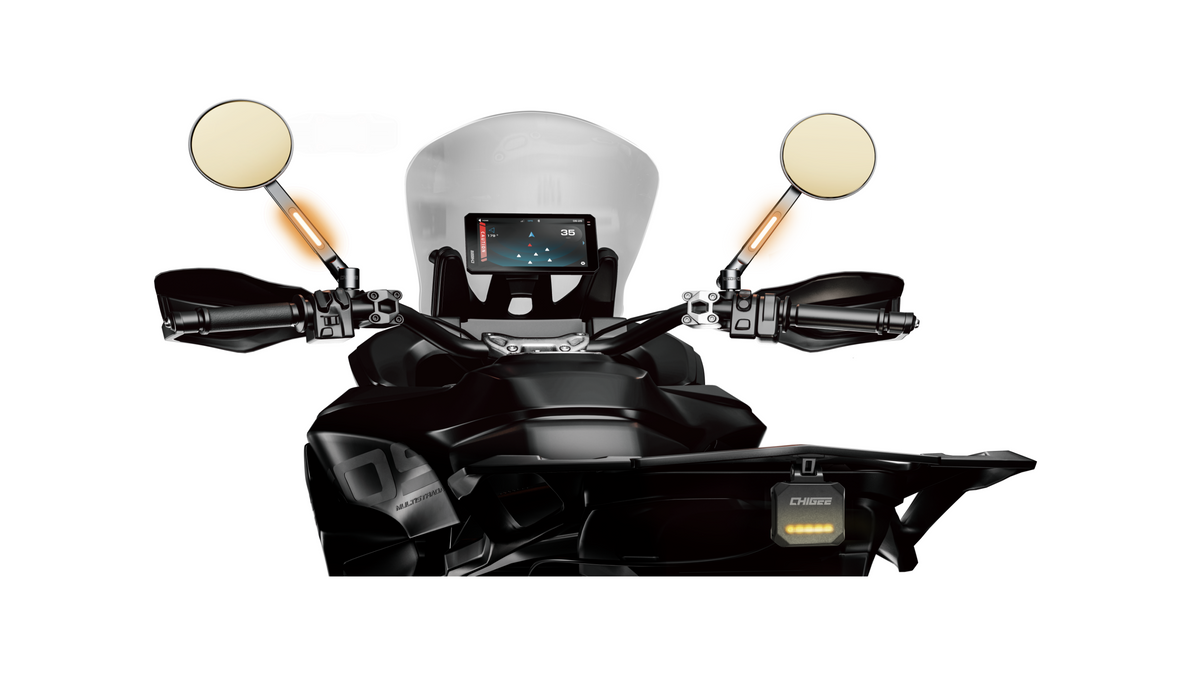
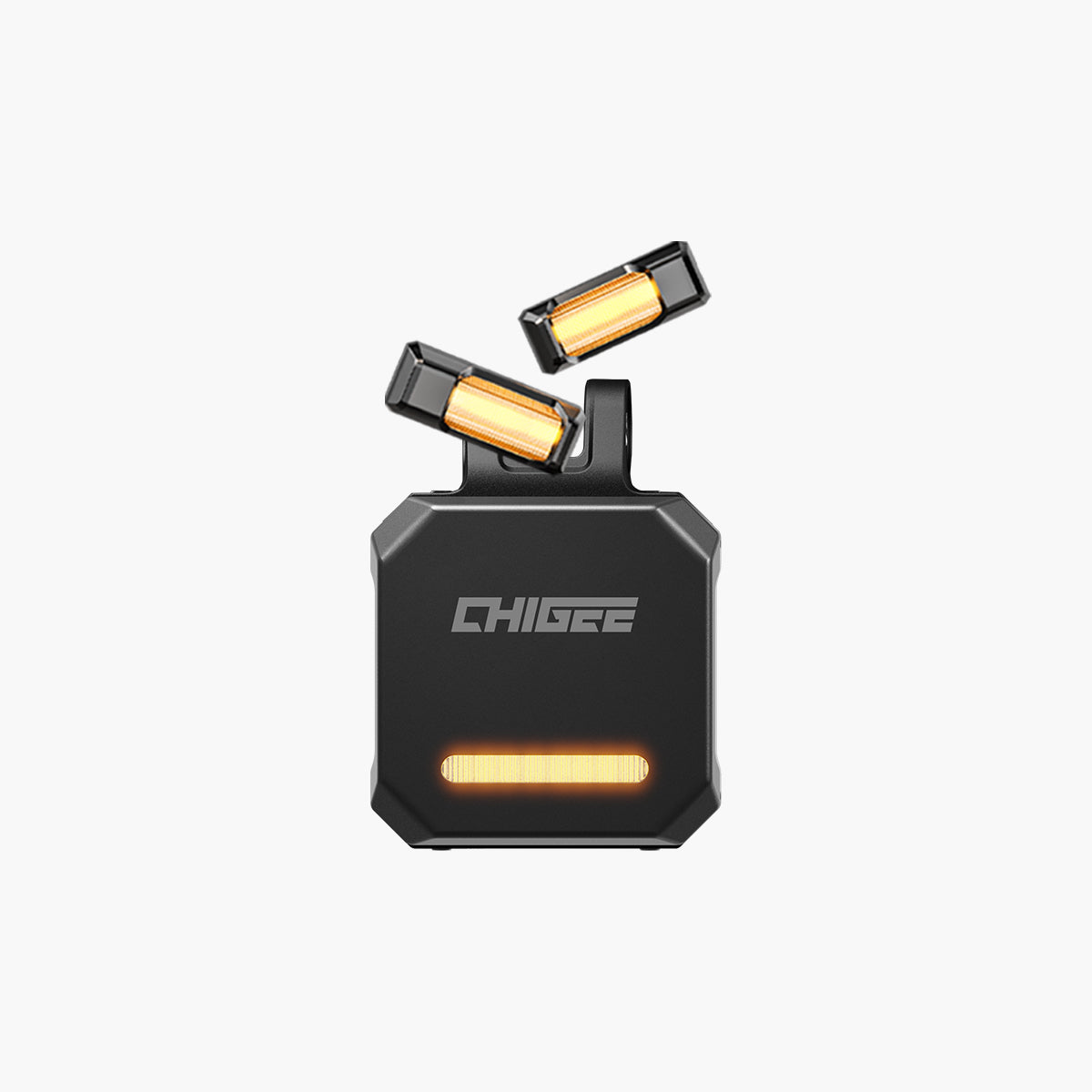
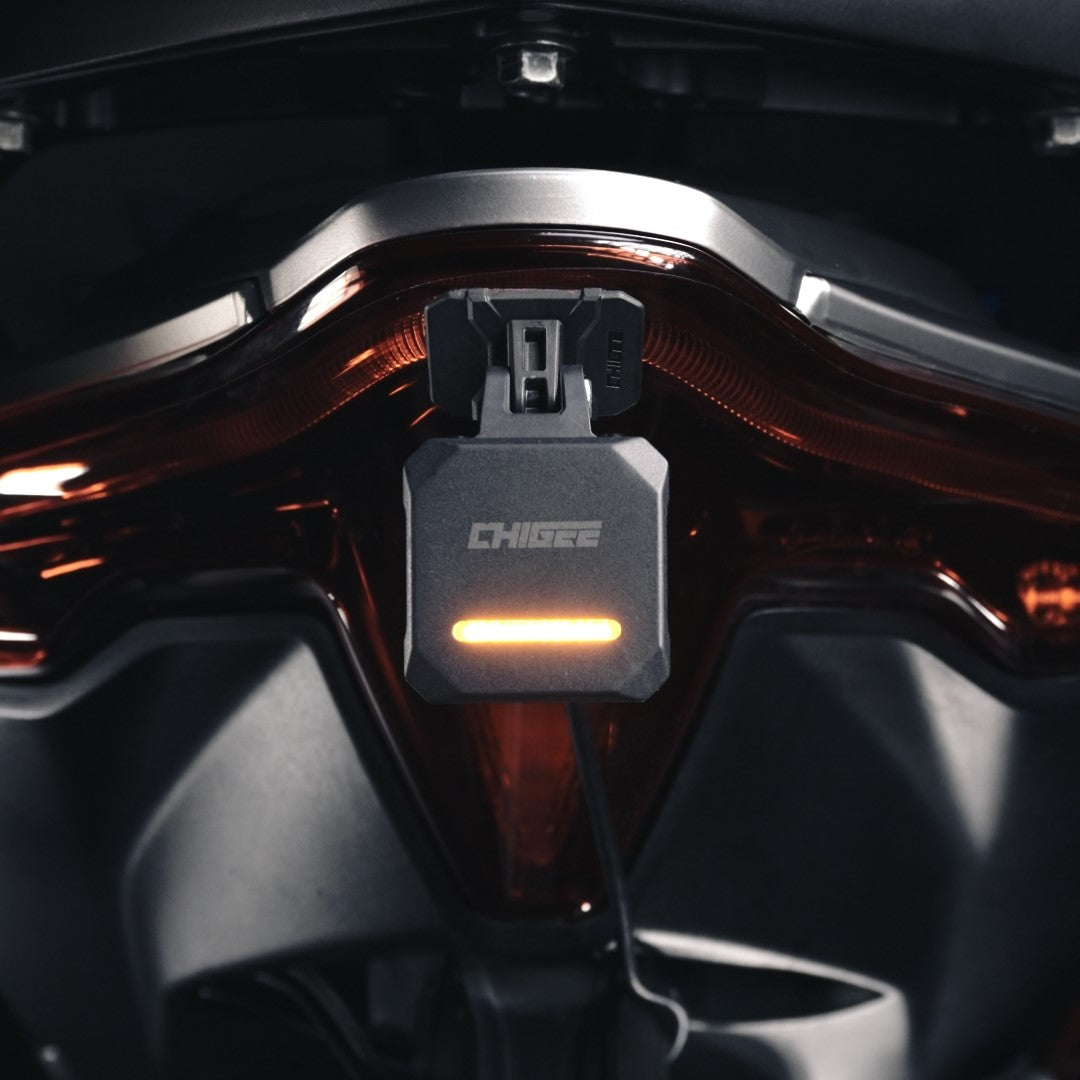
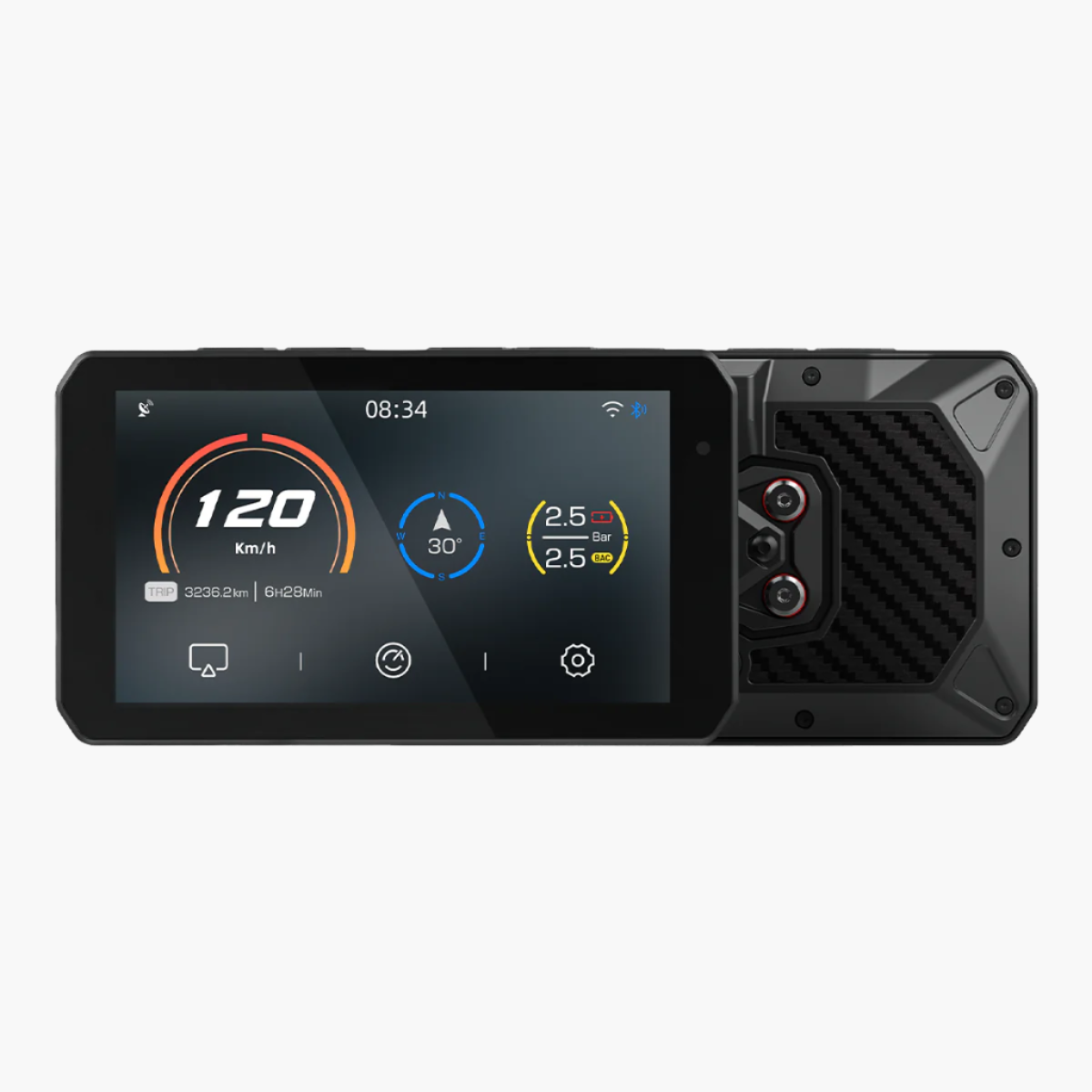
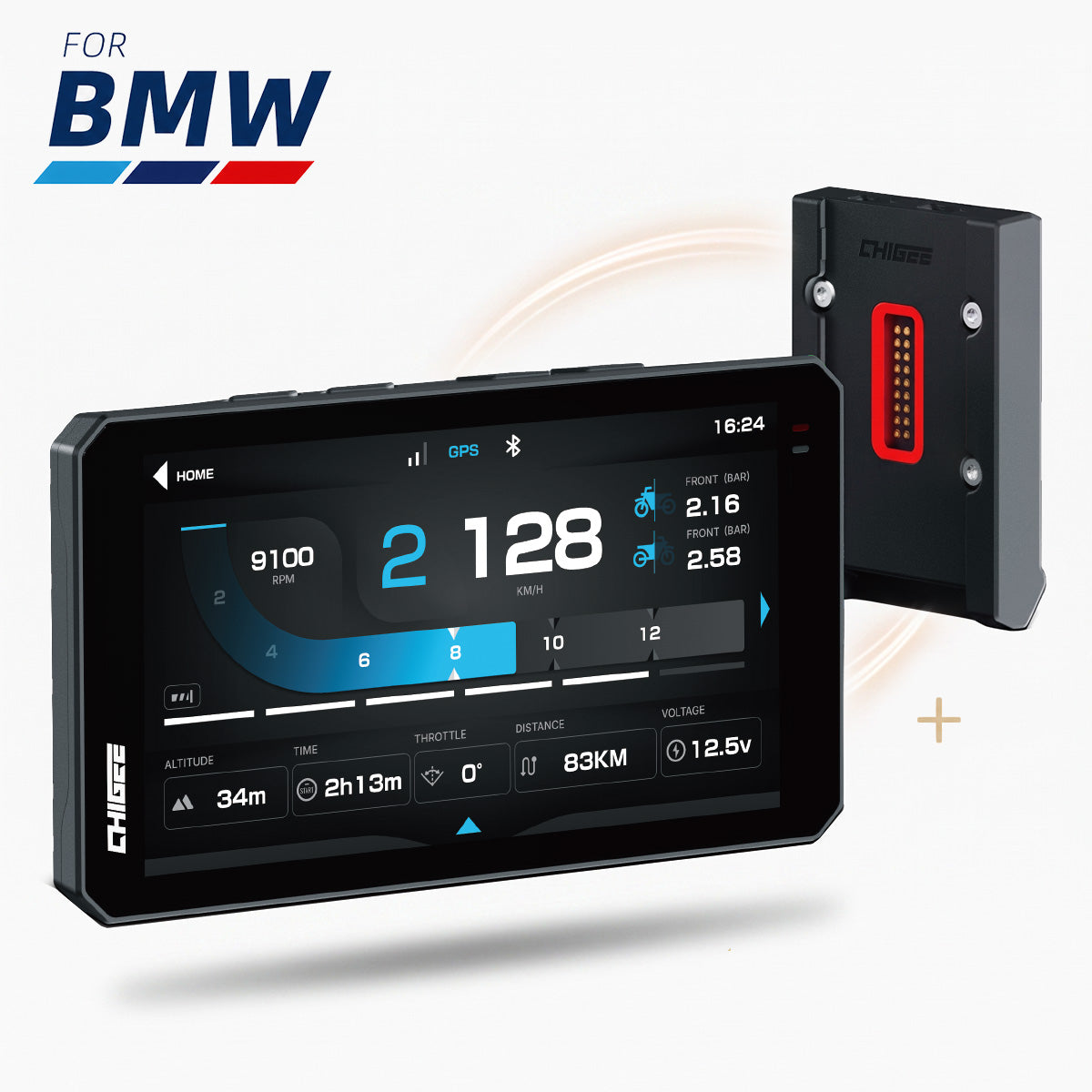
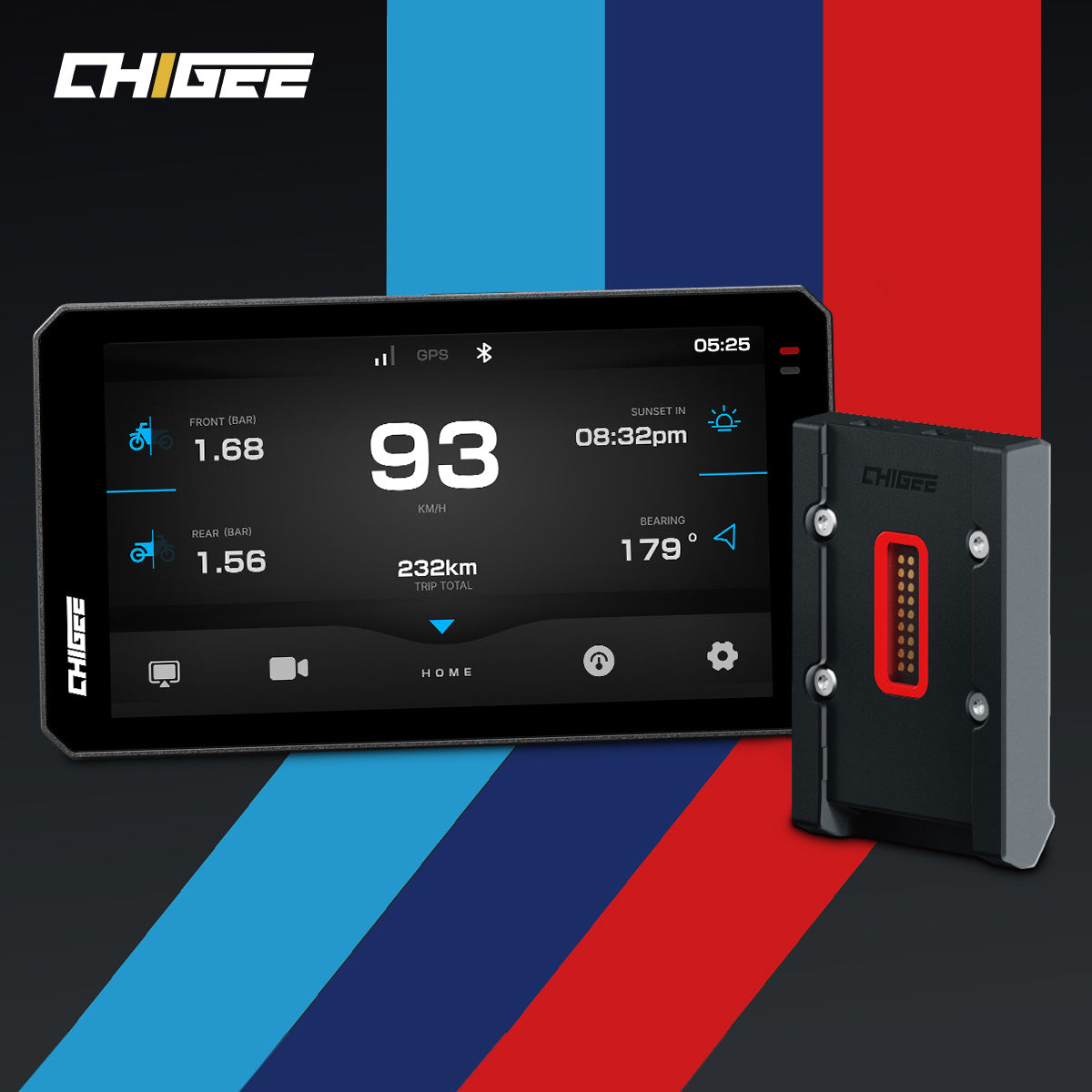
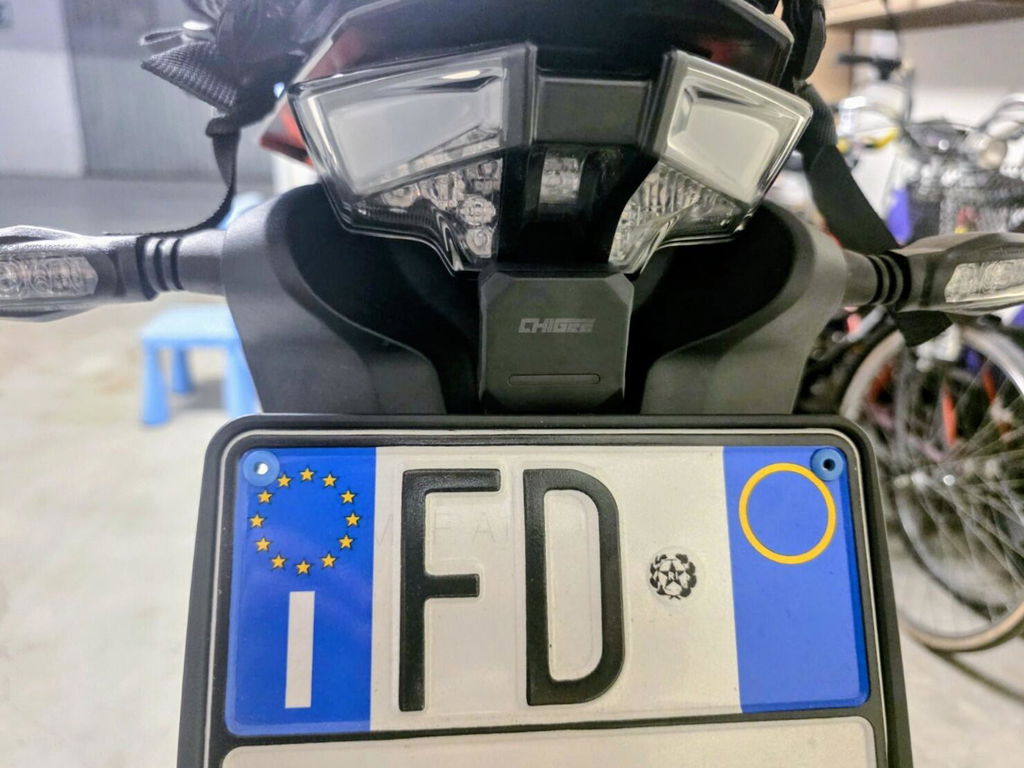
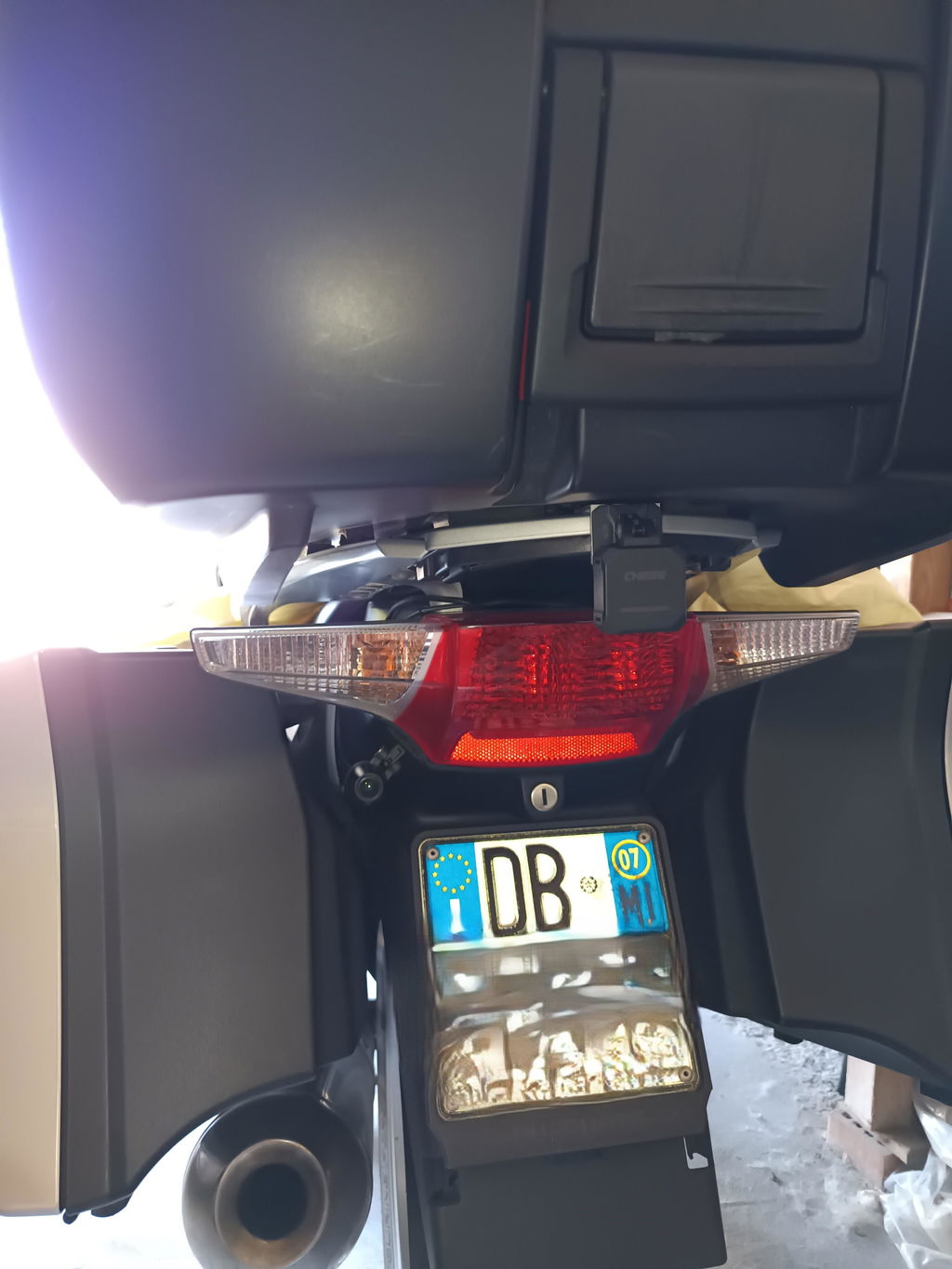
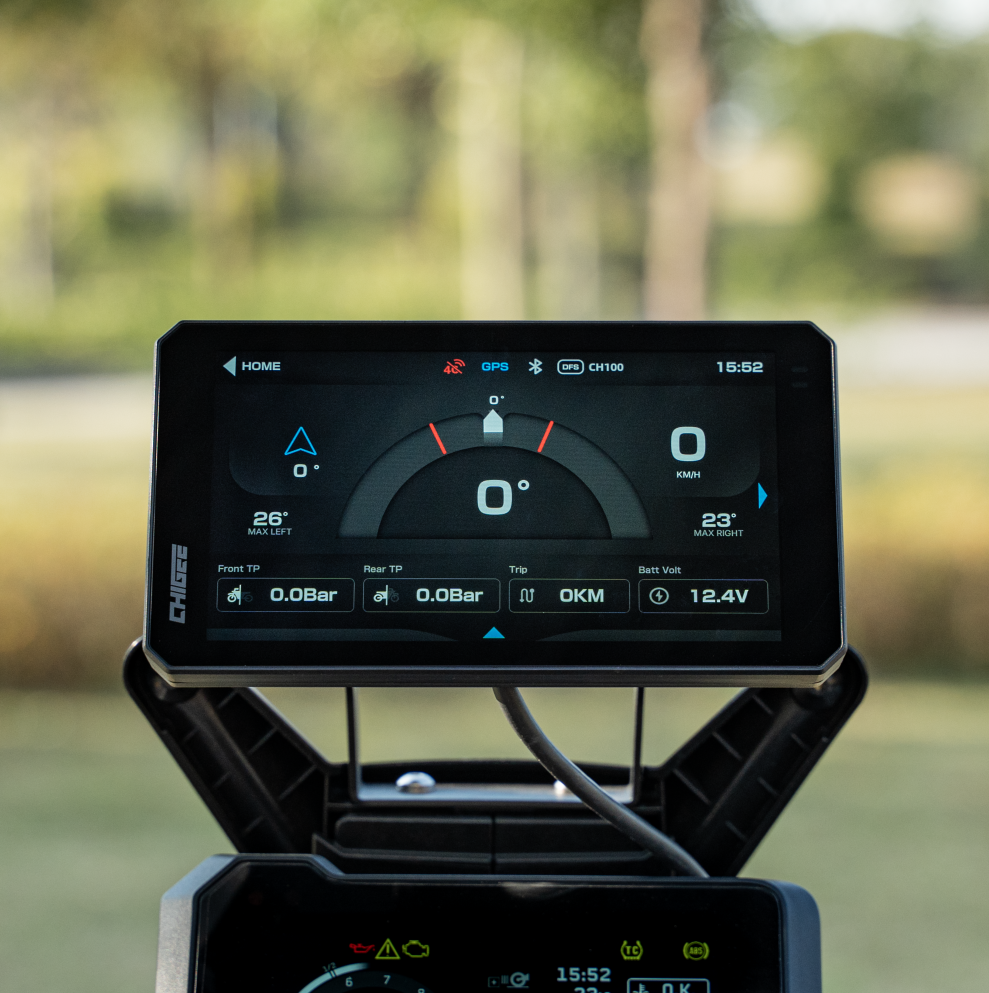
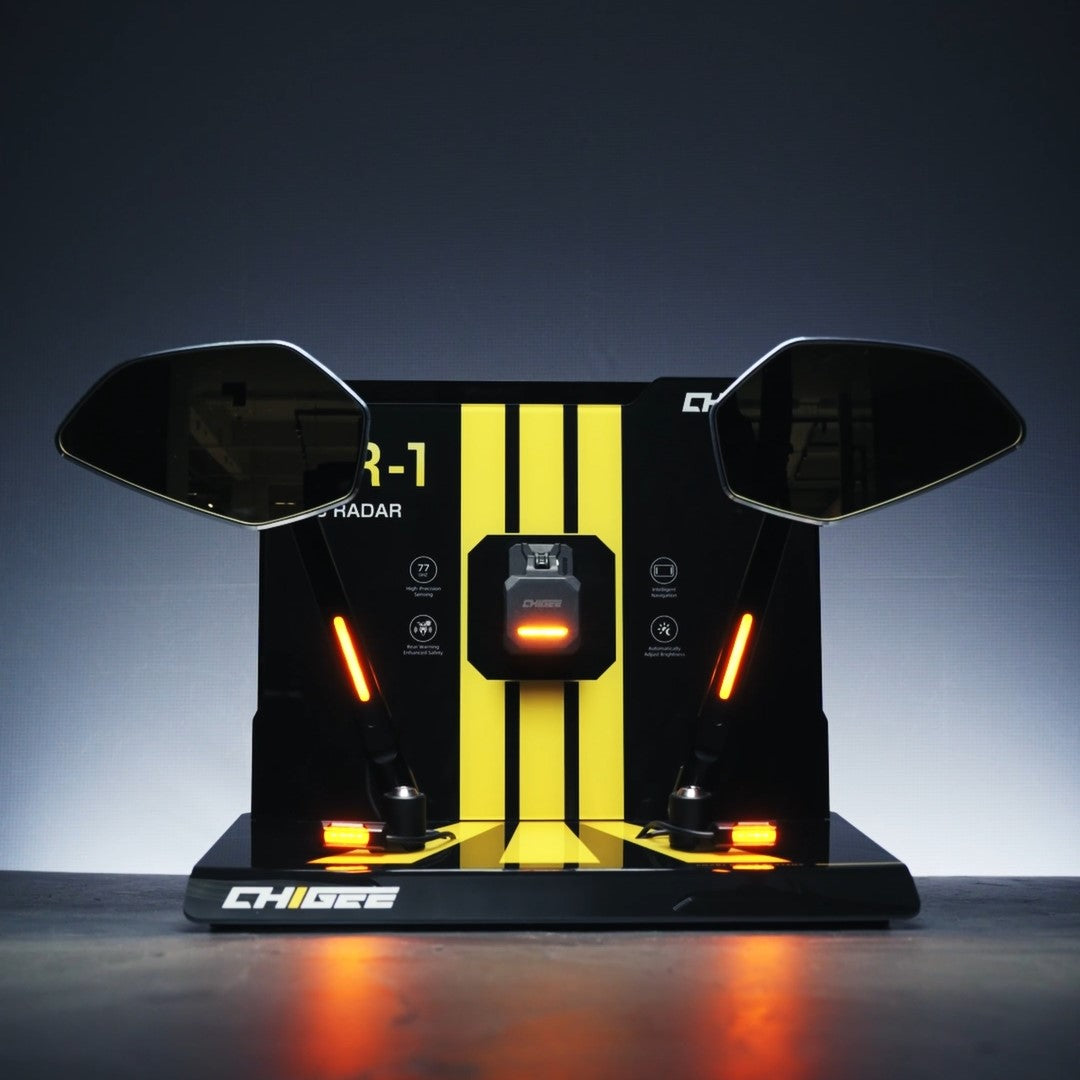
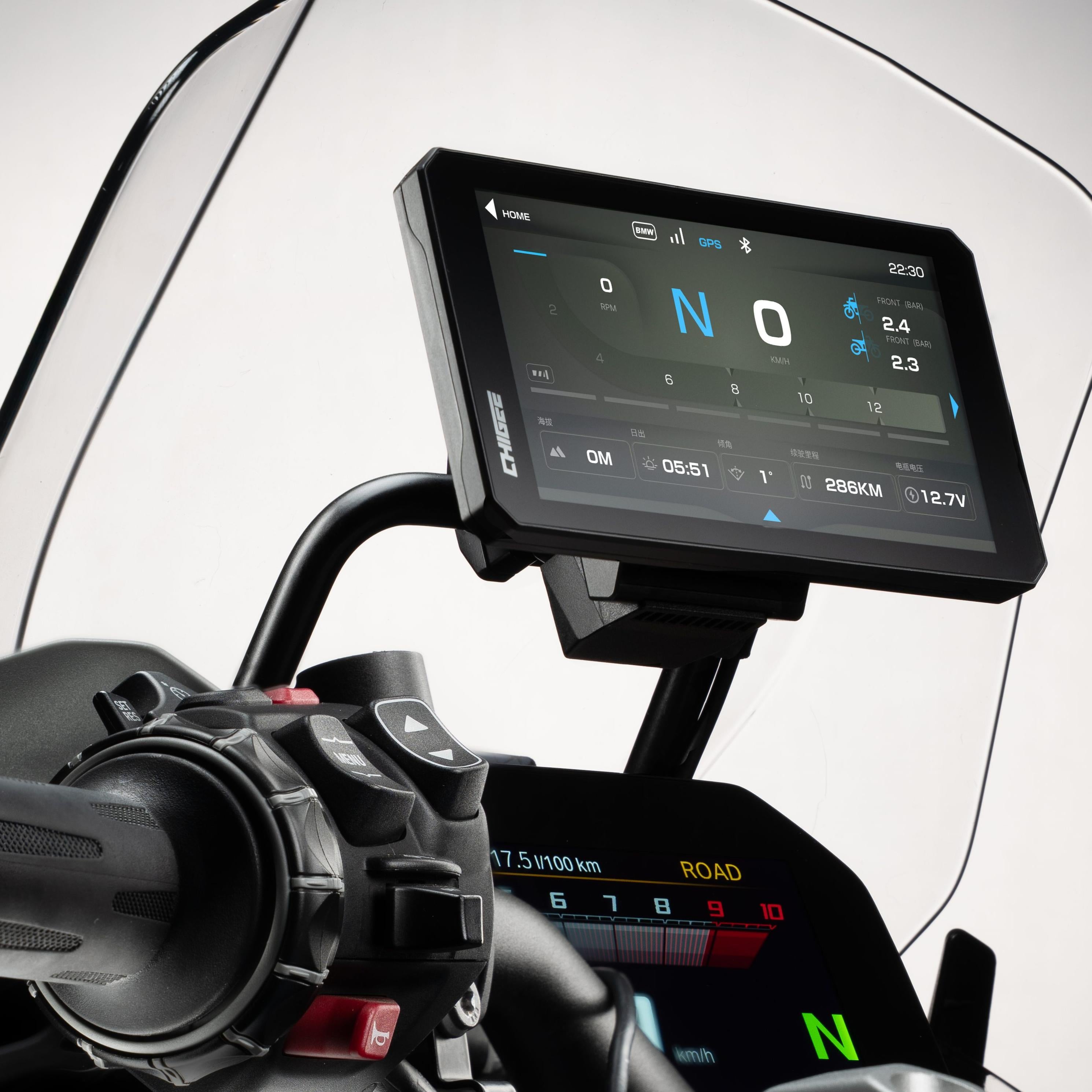
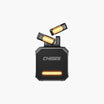
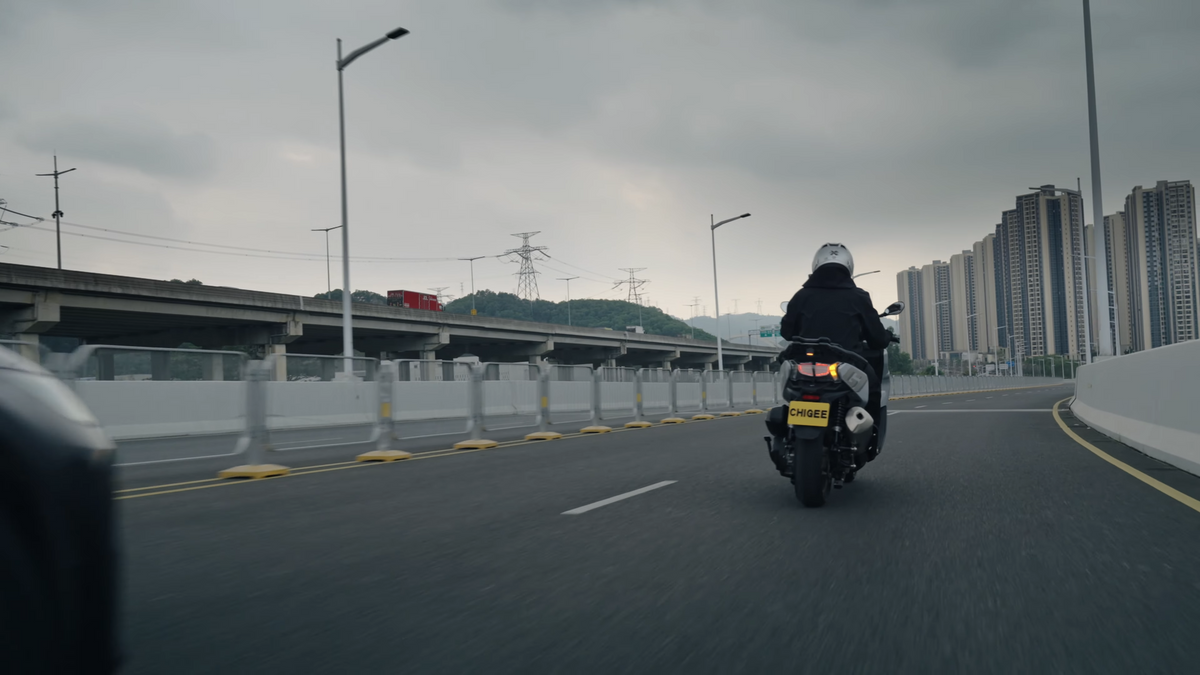
The aftermarket has grown faster than the factory market. Notable options include the Garmin Varia series ($200–600, rear-only radar adapted from a cycling product) and the CHIGEE SR-1 ($199.95 to $239.95, purpose-built rear radar for motorcycles, with optional pairing to CHIGEE displays for on-screen visualization). Honda has been working on radar for the Gold Wing for several years, but as of model year 2026, the bike still ships without it.
What Radar Does Well
The big one is weather. The waves used by radar (3.9 mm at 77 GHz) are much larger than fog droplets (10–50 micrometers) and dust. The radar wave passes through them as if they weren't there. Rain droplets are closer in size and cause some scattering, but the impact on detection range is small.
The other big one is speed. Radar reads Doppler directly, so it can track an approaching vehicle at any closing speed a motorcycle is likely to meet. There's no upper limit that matters.
What Radar Can't Do
Radar can't tell you what it's looking at. A person, a bike, a parked car, and a metal guardrail all show up as "an object with this radar cross-section, moving at this speed." For collision warning that's fine — you brake either way. For smarter behavior — like ignoring a roadside post but flagging a person stepping into the road — it's a real limit.
Radar also has a hard time with stationary objects, because the same Doppler filter that rejects ground noise also tends to reject anything that isn't moving. And on a motorcycle specifically, the radar usually mounts low — near the tail or behind the windscreen — which means more of its beam hits the road. Research from Germany's Federal Highway Research Institute (BASt) has shown that bike-mounted radars deal with much more ground clutter than car-roof radars, and signal processing has to work harder to filter it out.
Camera Vision
How Cameras Work
A camera is a passive sensor. It takes in visible light through a lens, records it on an image chip (typically CMOS, 1–8 megapixels in current car-grade units), and runs a neural network on the result to spot and label what's in the frame.
The chain has three parts:
- An image sensor that turns photons into electrical signals
- A lens that sets the field of view (60–120° wide is typical for cars)
- A compute chip that runs the recognition model — Mobileye EyeQ, Nvidia Orin, and Ambarella CVflow are the common platforms
The output is very different from radar's. A camera doesn't just say "an object is here." It says "a motorcycle is here, 50 meters ahead, with a rider in hi-vis." That's the whole point — and it's exactly what radar can't do.
Where Cameras Show Up on Motorcycles
Cameras are everywhere in the car world: lane departure warning, traffic sign reading, automatic emergency braking. On motorcycles they've lagged behind for one simple reason: mounting.
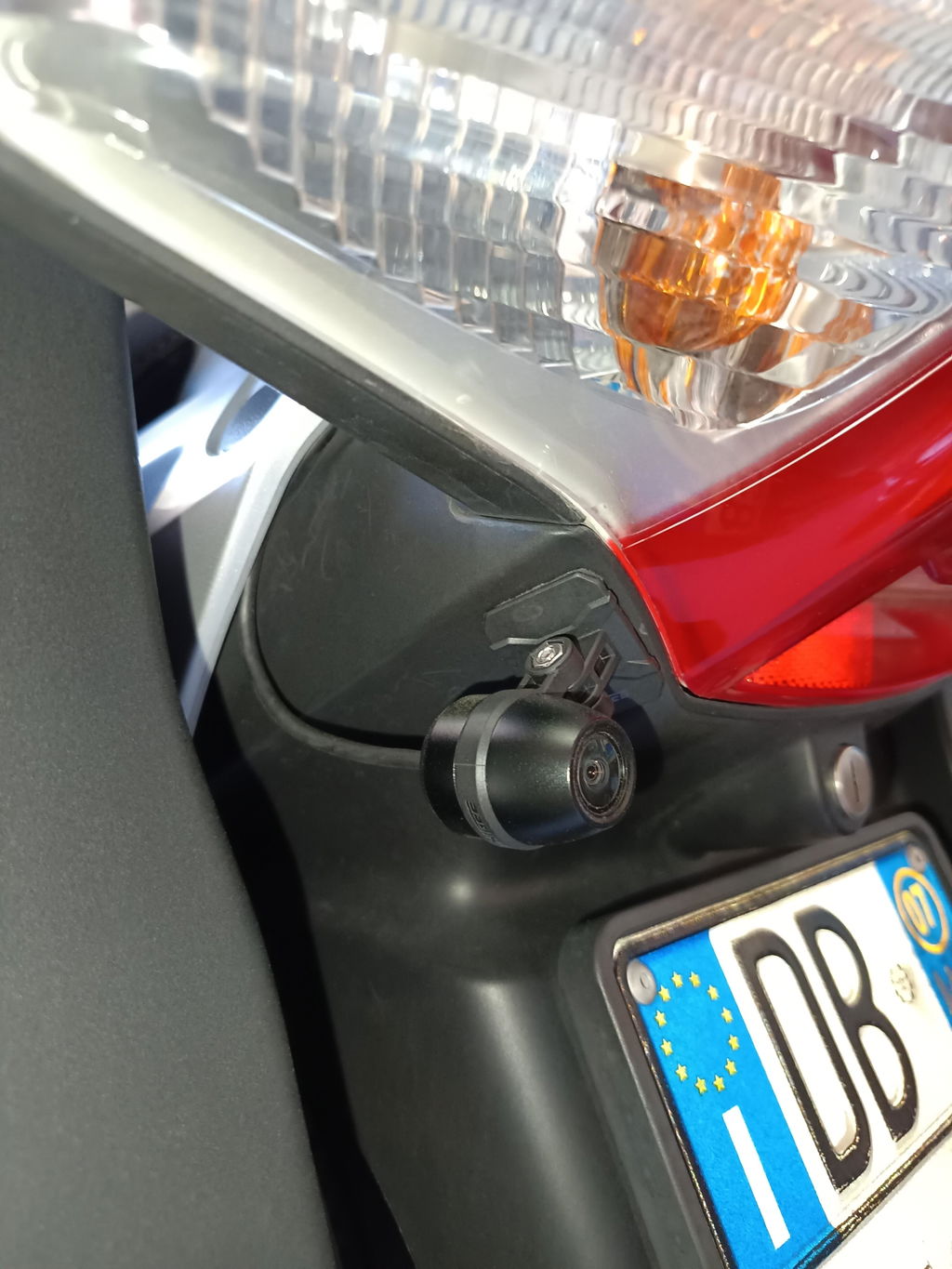
A car camera lives behind a windshield. It stays clean, dry, and pointed at a stable angle. A motorcycle camera is exposed — to rain, dust, direct sun, and constant vibration. Just keeping the glass clean is a problem most car drivers never think about.
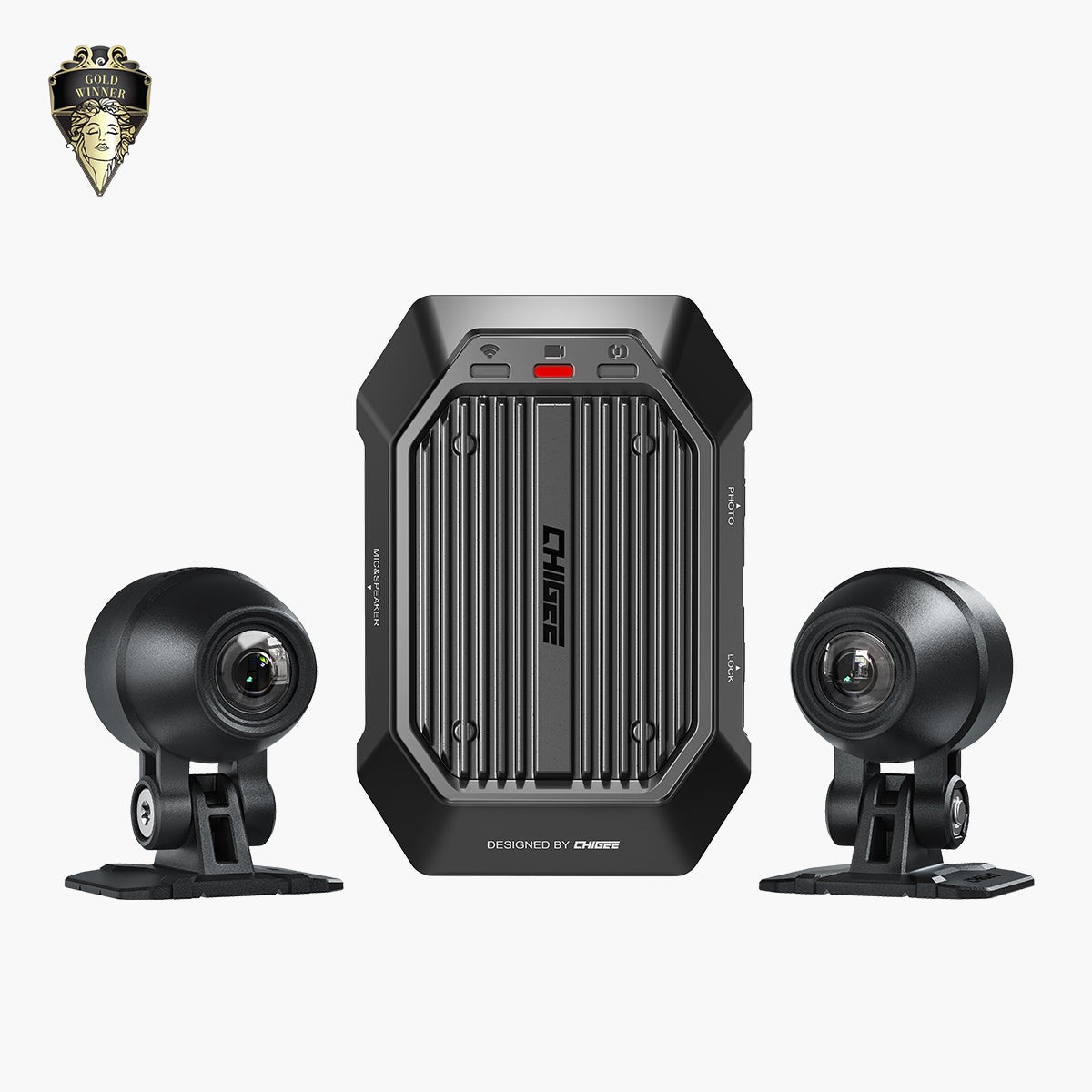
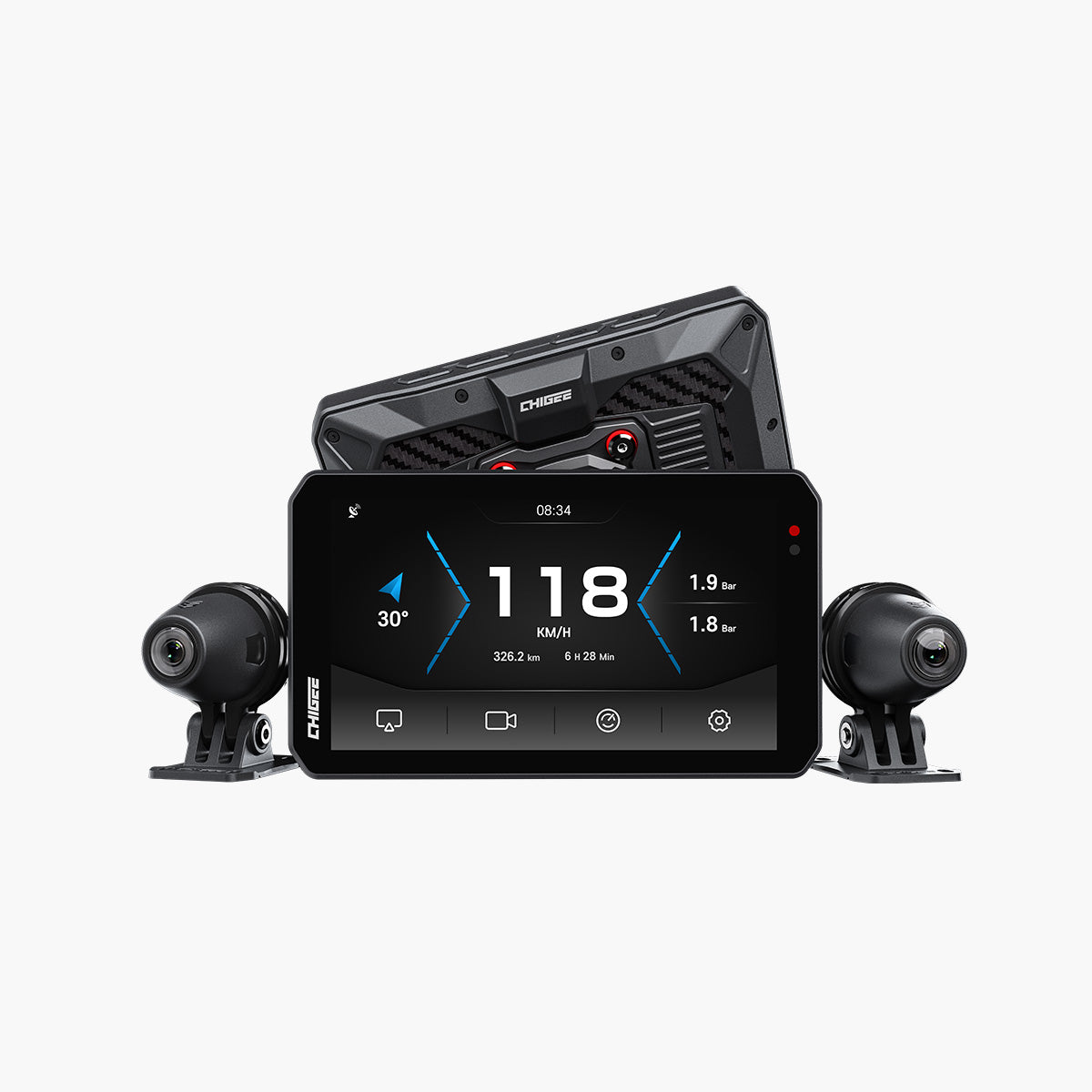
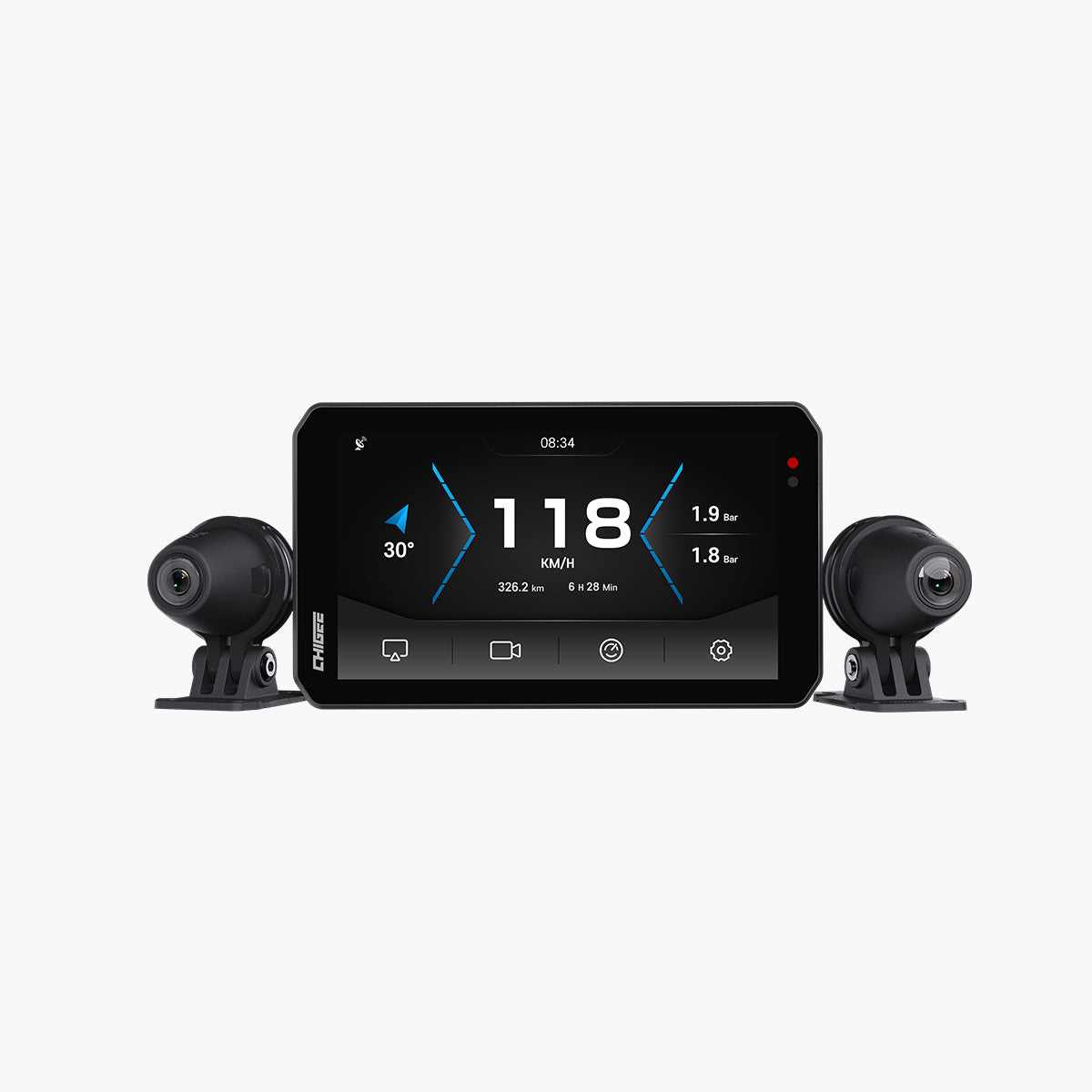
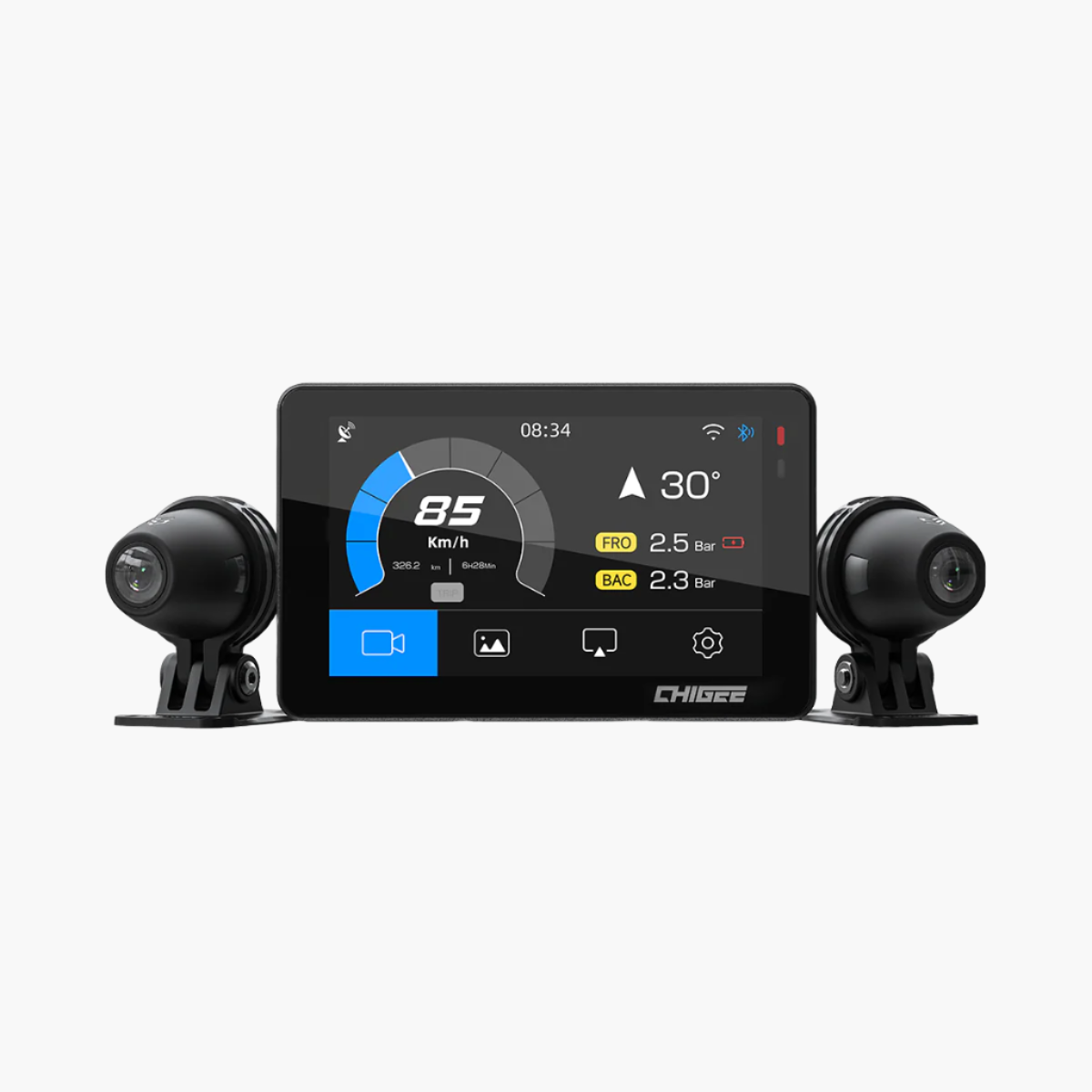
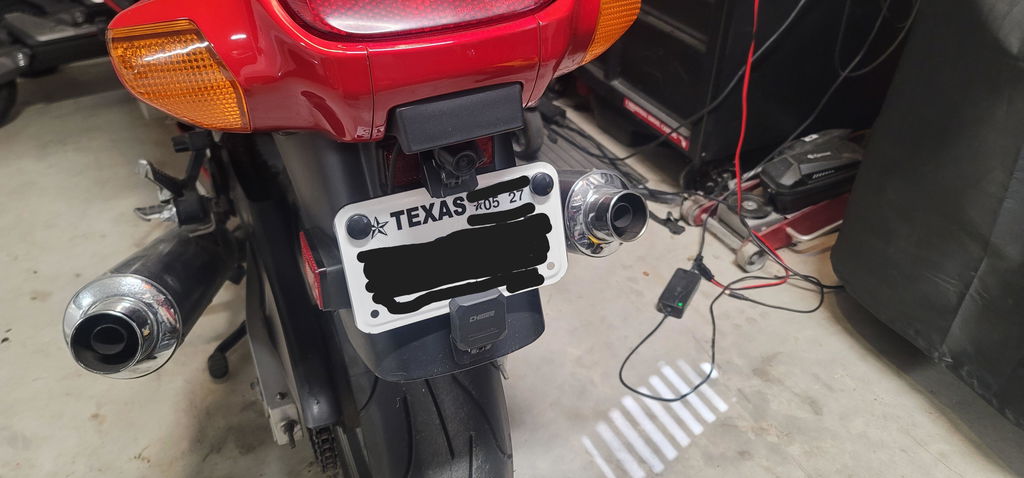
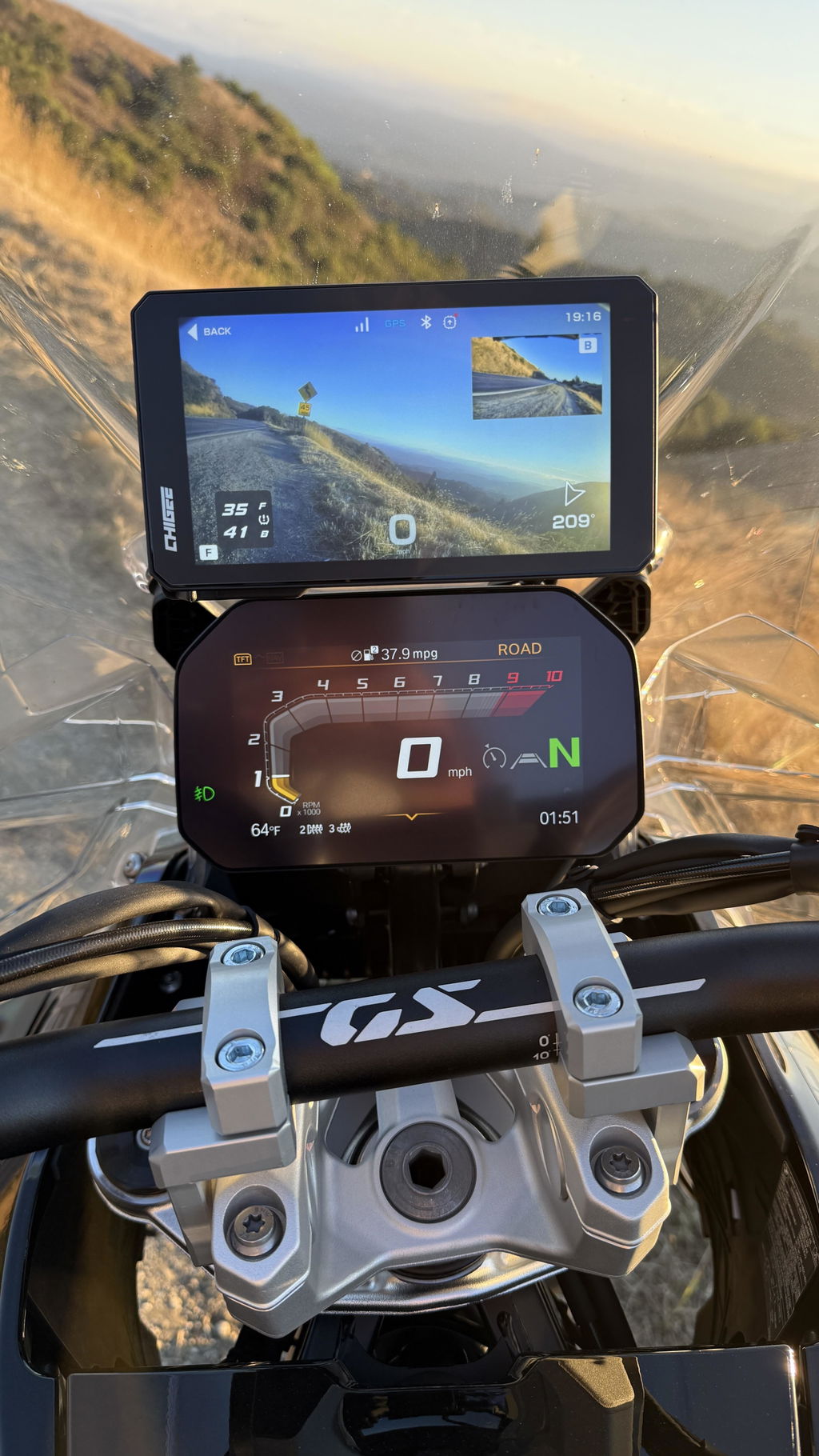
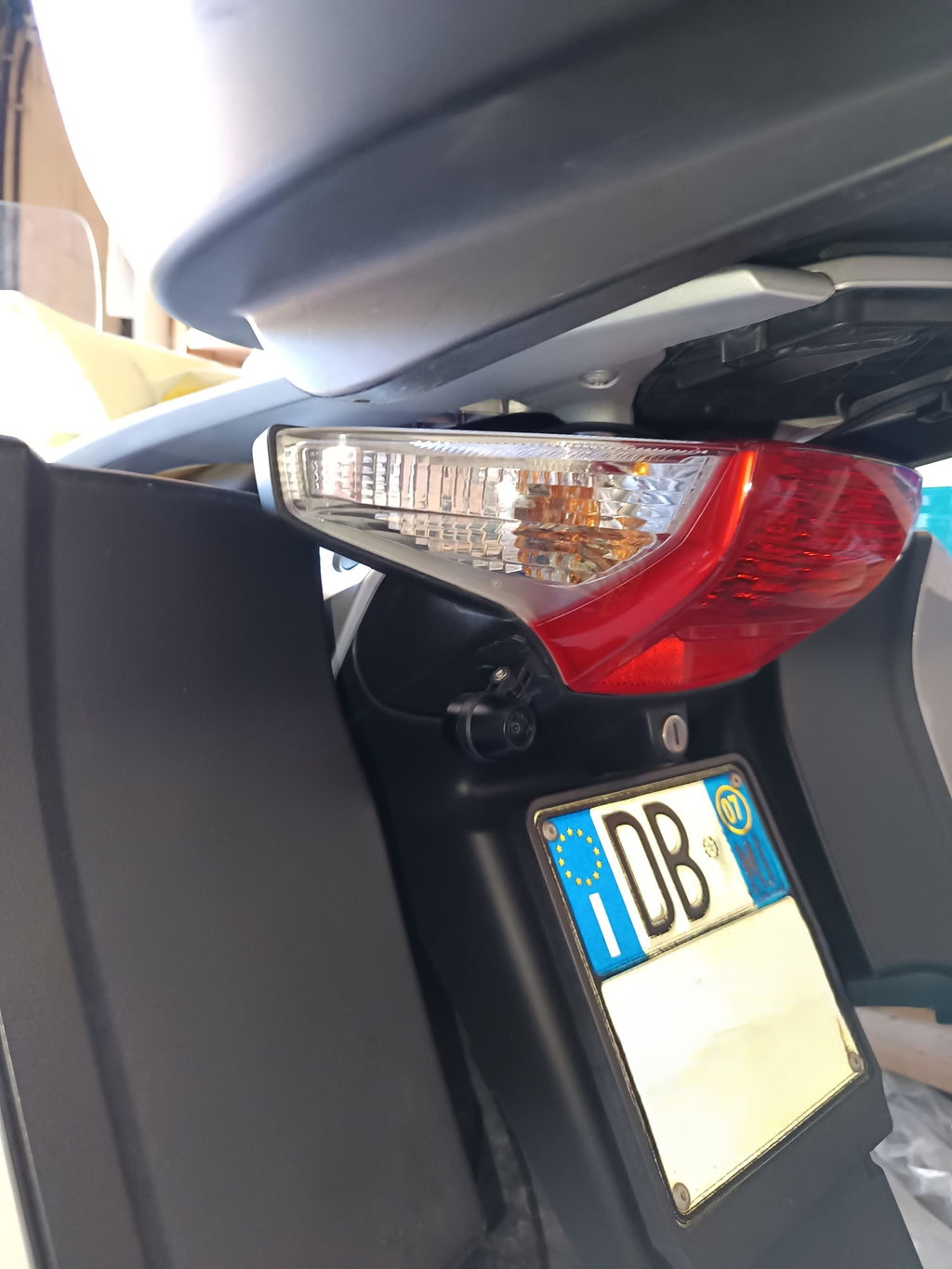
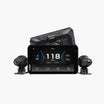
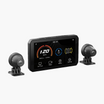
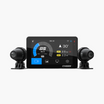
So on motorcycles, the most common camera use today is dashcam recording, where the camera captures footage for later review rather than making real-time calls. Brands like Innovv, VIOFO, and CHIGEE's own AIO-6 cover this category well.
For active safety, cameras on bikes are almost always paired with radar. The radar finds the objects; the camera names them. This is called sensor fusion, and it's how every production bike with serious ADAS handles the gap radar leaves on its own.
There is currently no production motorcycle that relies on cameras alone for blind-spot detection or collision warning.

What Cameras Do Well
Object recognition is the killer feature. Cars, bikes, people, cyclists, deer, signs, lane lines, traffic lights — a camera can tell them apart. Radar can't.
Lane and road geometry are also camera strengths. Radar sees objects in space, but it has no concept of "your lane." A camera reads the painted lines and knows where the lane edges are.
What Cameras Can't Do
Camera performance falls off a cliff when the light goes away.
In bright daylight (around 100,000 lux), each pixel takes in roughly 10 million photons per second. Plenty of signal. At 10 lux — typical for streetlight-only urban riding — that drops to about 1,000 photons per pixel per second. At 1 lux (moonlight), it's about 100. Below that, sensor noise starts to dominate, and reliable detection gets very hard.
Bad weather makes it worse. Heavy rain causes detection confidence to drop sharply, and effective range falls by half or more. Moderate fog (about 100 meters of visibility) cuts useful detection inside 50 meters. Heavy dust effectively blinds the camera beyond 10–15 meters.
There's also a separate problem called glare and blooming — when the sun or an oncoming headlight saturates the sensor, the camera goes blind in a wide cone around the bright source. This is the failure mode that makes camera-only night riding such a hard problem.
The SAE technical paper series (2018-01-0526, 2019-01-1003, 2020-01-0100) and NHTSA's nighttime pedestrian studies are the standard references for camera behavior in bad conditions. The numbers vary across studies, but the direction is the same: cameras need light.
Ultrasonic Sensors
How Ultrasonics Work
Ultrasonic sensors send out a short burst of sound — typically 40–50 kHz, well above human hearing — and time the echo coming back. The wavelength at 40 kHz is about 8.5 mm in air, and the principle is the same as sonar.
Ultrasonic sensors read only one thing: distance. No velocity. No angle (without multiple receivers). No object recognition. They're "dumb distance meters," and they don't pretend otherwise.
Why They're Almost Absent from Motorcycles
A handful of large touring bikes, like the Honda Gold Wing's optional parking package, include ultrasonic sensors for parking-distance warning. A few scooters use them for low-speed maneuvering. That's about it.
No production motorcycles use ultrasonic sensors for any safety feature that turns on above parking speeds.
The advantages of paper are real. Ultrasonics are cheap (a few dollars per sensor), weather-proof (sound doesn't care about fog or darkness), and very accurate at close range (0.2 to 2 meters).
But there's one core problem: wind noise.
The turbulence over an exposed sensor face produces sound at exactly the frequencies the sensor is trying to listen for. At 30 km/h, that wind noise can drown out the echo by 15–20 decibels. At 50 km/h, useful range drops from several meters to less than half a meter. At highway speeds, an ultrasonic sensor on a motorcycle is basically deaf — false alarm rates above 90% have been reported in NHTSA low-speed maneuver testing.
A car has a bumper that shields its parking sensors from direct airflow. A motorcycle doesn't. That structural gap is why ultrasonics never made the jump from car parking-aid to motorcycle safety gear.

How They Work Together
The clean way to think about these three sensors is as a division of labor by speed and distance:
- 0–10 km/h (parking, garage maneuvering): ultrasonics, if they're fitted at all
- 10 km/h to highway: radar handles main detection, with cameras adding object recognition when fitted
- Long range, all conditions: radar alone
The 10–30 km/h zone — where ultrasonics have already failed but radar is just waking up — is the most awkward gap in the current sensor stack. It's not a serious safety issue (collision risk is lower at those speeds), but it's a reminder that no single sensor covers every case.
For the safety features, riders actually care about — blind-spot detection, rear collision warning, lane change help, adaptive cruise control — the answer is radar. Cameras play a backup role when fitted, but they aren't a substitute.
What This Means When You're Shopping
If you're sizing up a motorcycle safety system, the sensor type tells you a lot before you read any spec sheet.
If a system needs to work in the dark, in rain, or at highway speed, it needs radar. Camera-only setups have a reliability gap in exactly the conditions where bike visibility is already worst — the marketing copy will rarely say so out loud, but the physics doesn't budge.
If a system needs to recognize what it's seeing, it needs a camera — but read carefully when brands quote detection range. A camera that "spots pedestrians at 100 meters" is doing that in ideal daylight, not at twilight in rain.
If a system is sold as a parking aid or low-speed tool, ultrasonics are fine — but don't confuse a parking sensor with active safety gear. Something that works at walking pace tells you nothing about what happens at 80 km/h.
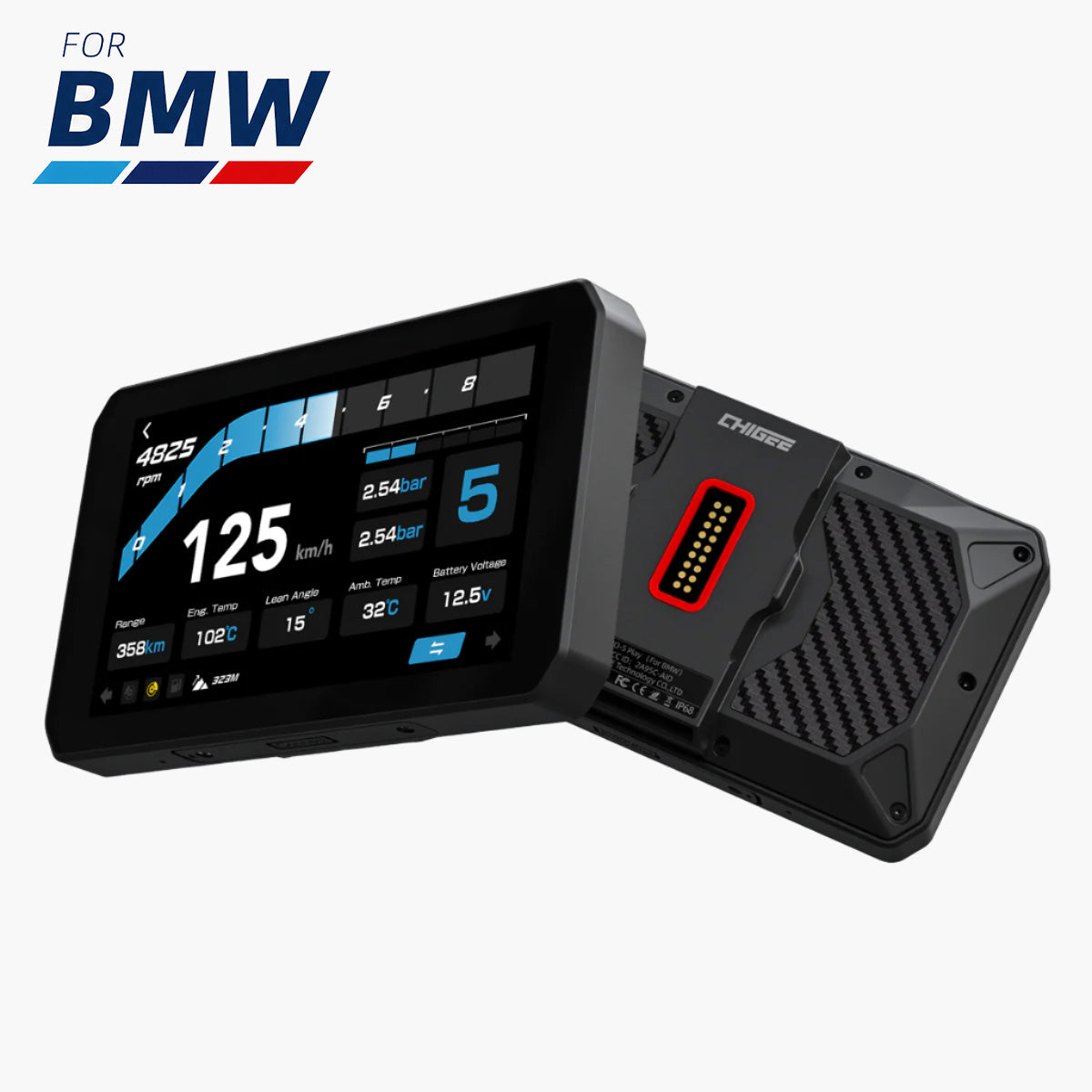
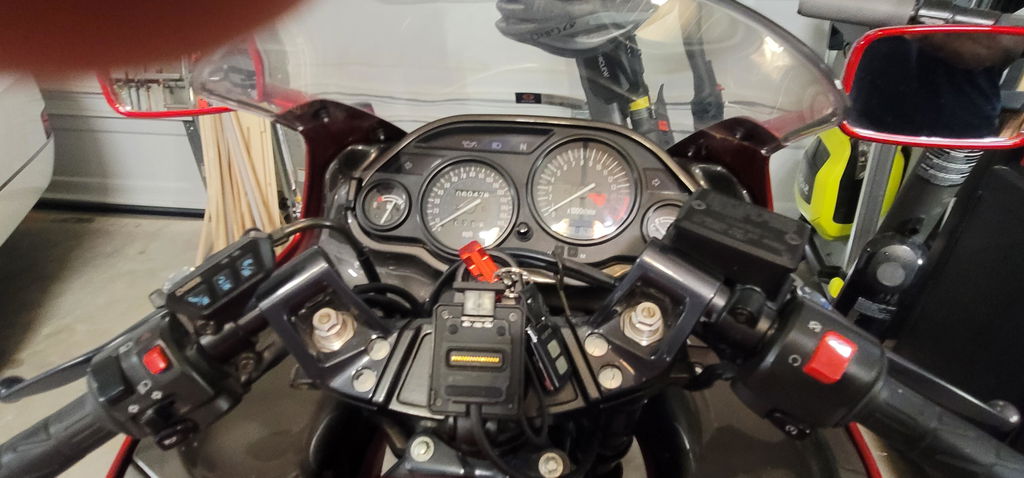
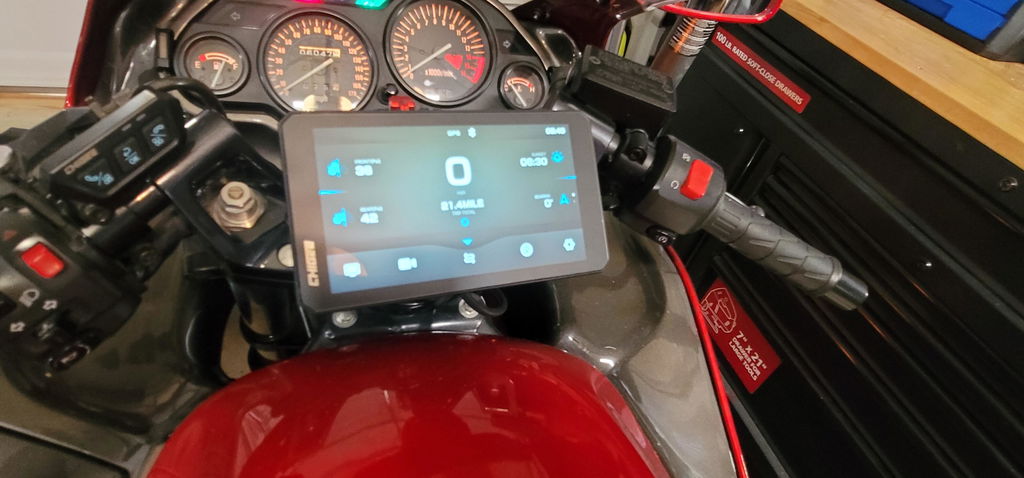
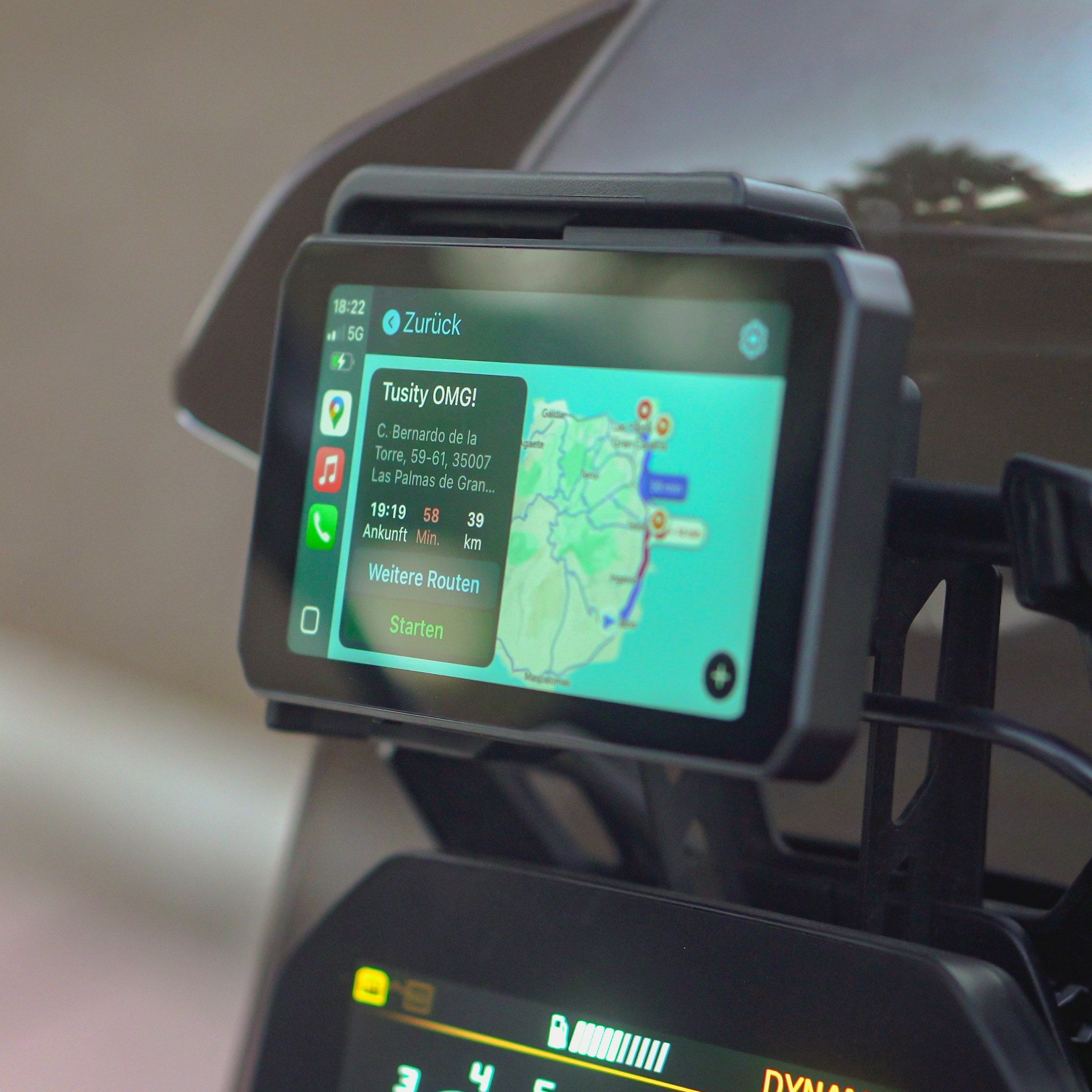
The best current motorcycle ADAS setups combine radar (main detection) with cameras (recording and object recognition) and skip ultrasonics entirely. That's the configuration on every premium factory radar bike, and it's becoming common in the aftermarket too — including in CHIGEE's own ecosystem, where the SR-1 radar pairs with AIO-series displays that handle the camera and recording side.
Sources and methodology: Sensor performance figures in this article are drawn from publicly available NHTSA test reports, and tier-one supplier white papers. The vast majority of published sensor performance data is from passenger-car testing; this article notes where conclusions are extrapolated from automotive sources to motorcycles. Production motorcycle specifications reflect manufacturer information current as of early 2026 and are subject to change with model-year updates and firmware revisions.


留言
所有評論在發佈前都會經過審核。
此網站已受到 hCaptcha 保護,且適用 hCaptcha 隱私政策以及服務條款。