


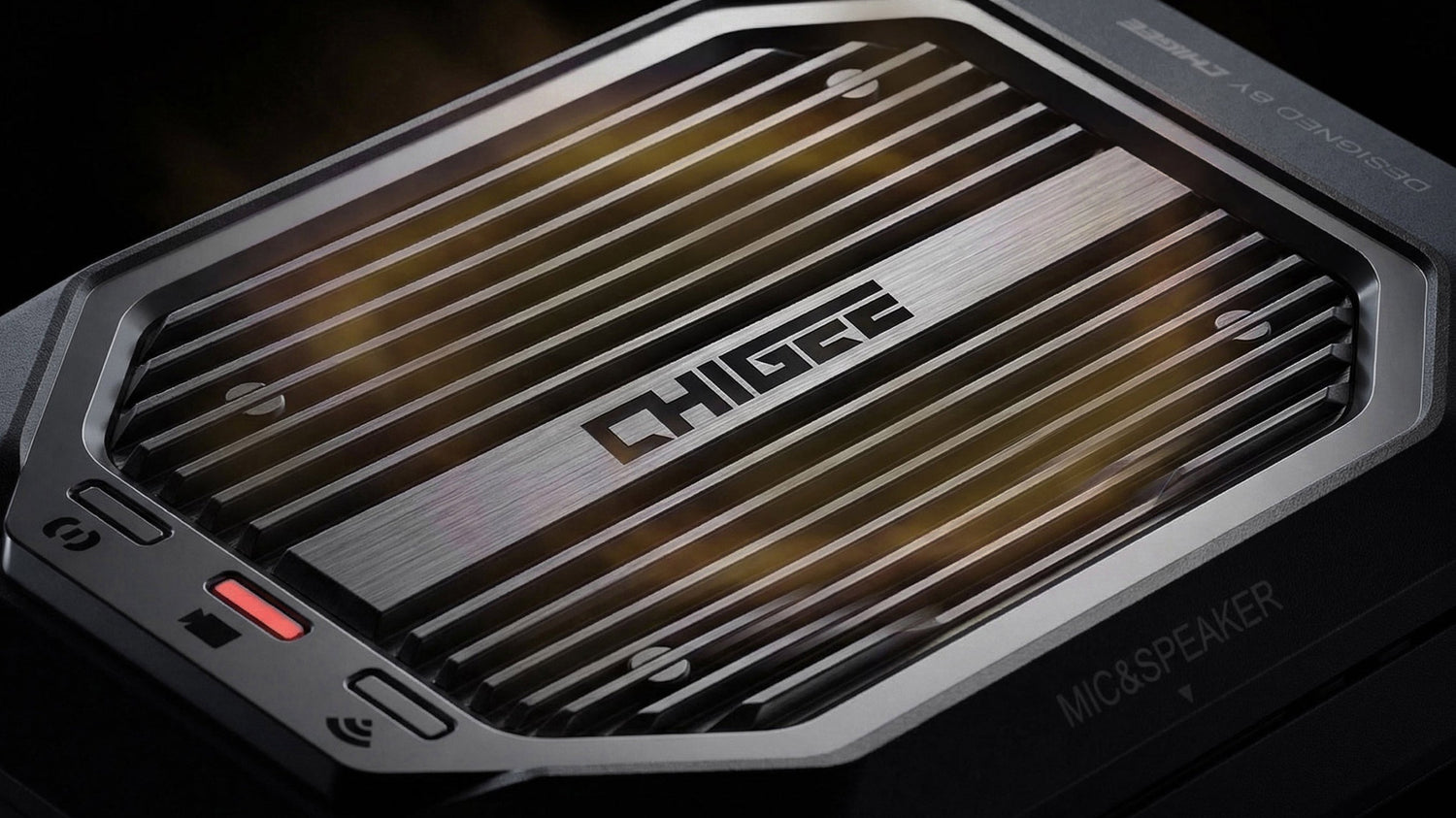
Walk through any motorcycle dash cam lineup and you'll notice most models compete on the same thing: a bigger, brighter screen. So when riders first see the CHIGEE XR-1 — a dual-channel motorcycle dash cam with no screen at all — the natural question is: is something missing?
Short answer: no. The screen was left out on purpose.
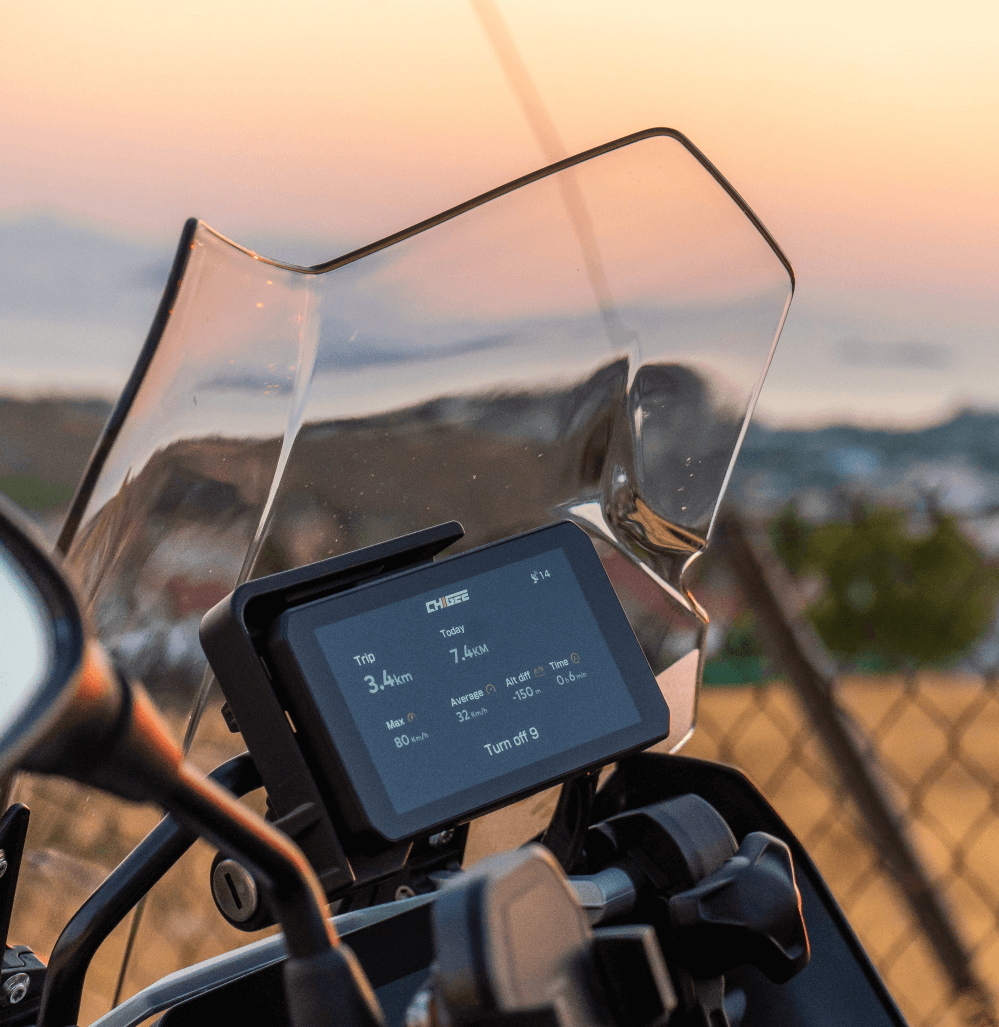
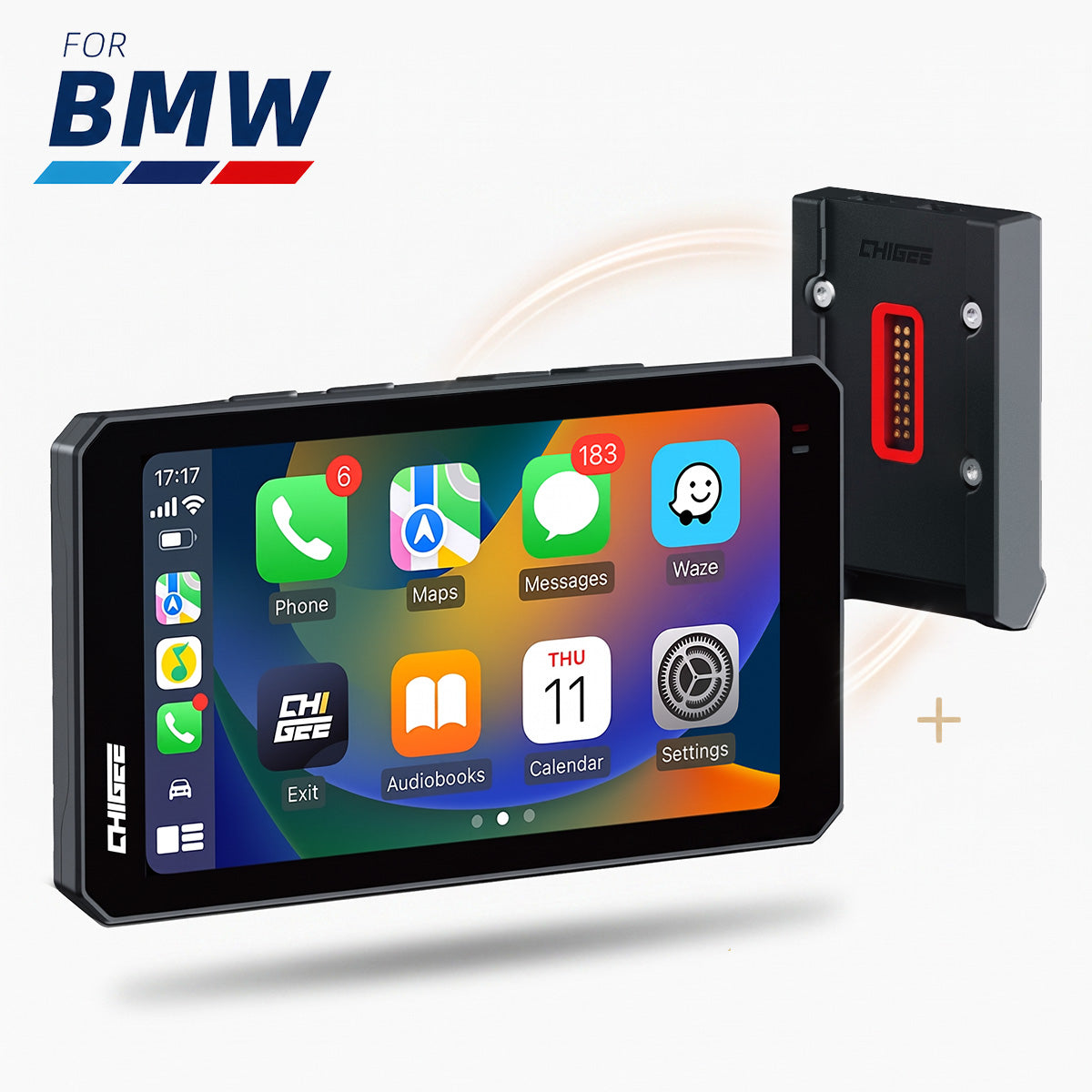
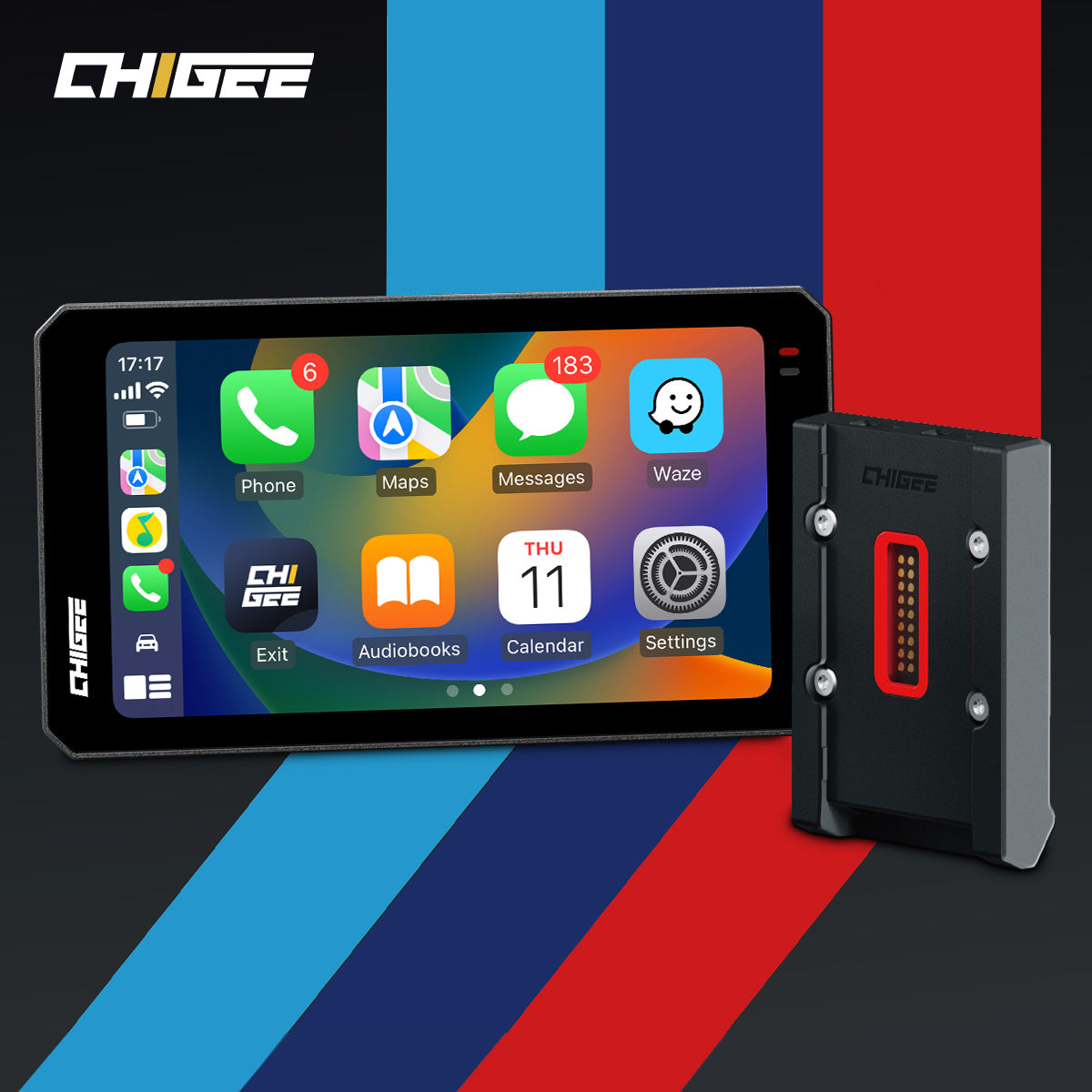
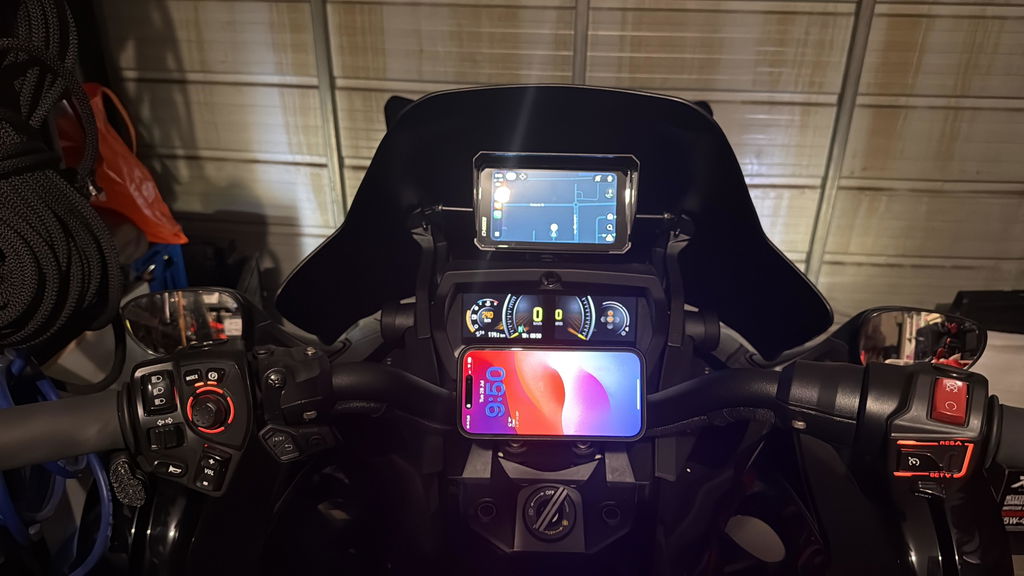
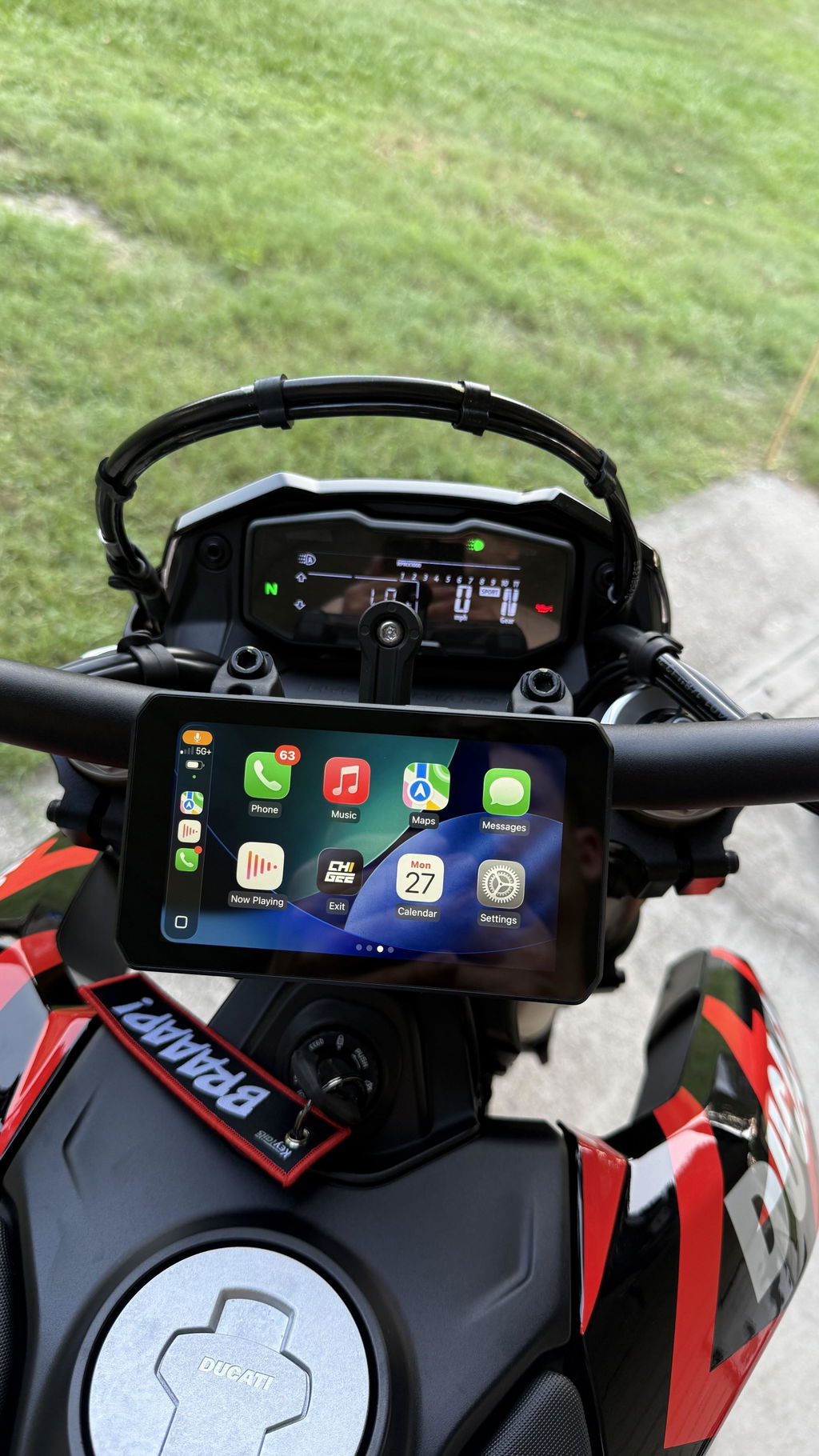
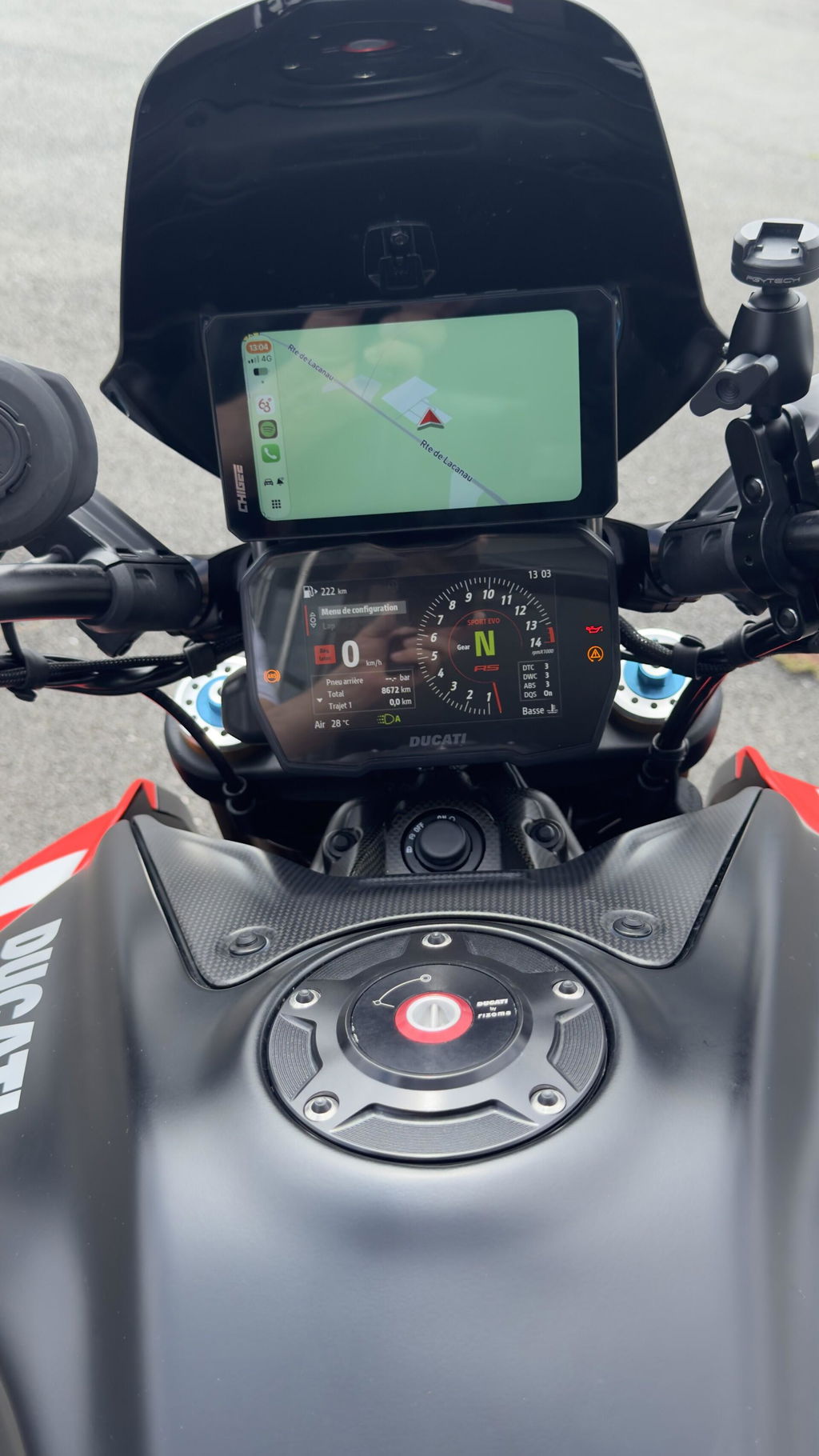
One thing to be clear about up front. This article is about dedicated dash cams — devices whose only job is recording the road. If you want navigation, CarPlay, and music on your handlebar plus recording, that's a different category entirely: a smart riding display like the AIO-6 is built for exactly that, and a screen is essential there. But when a device exists purely to record, a screen stops being a feature and starts being a cost. Here's why.
What Is a Screenless Motorcycle Dash Cam?
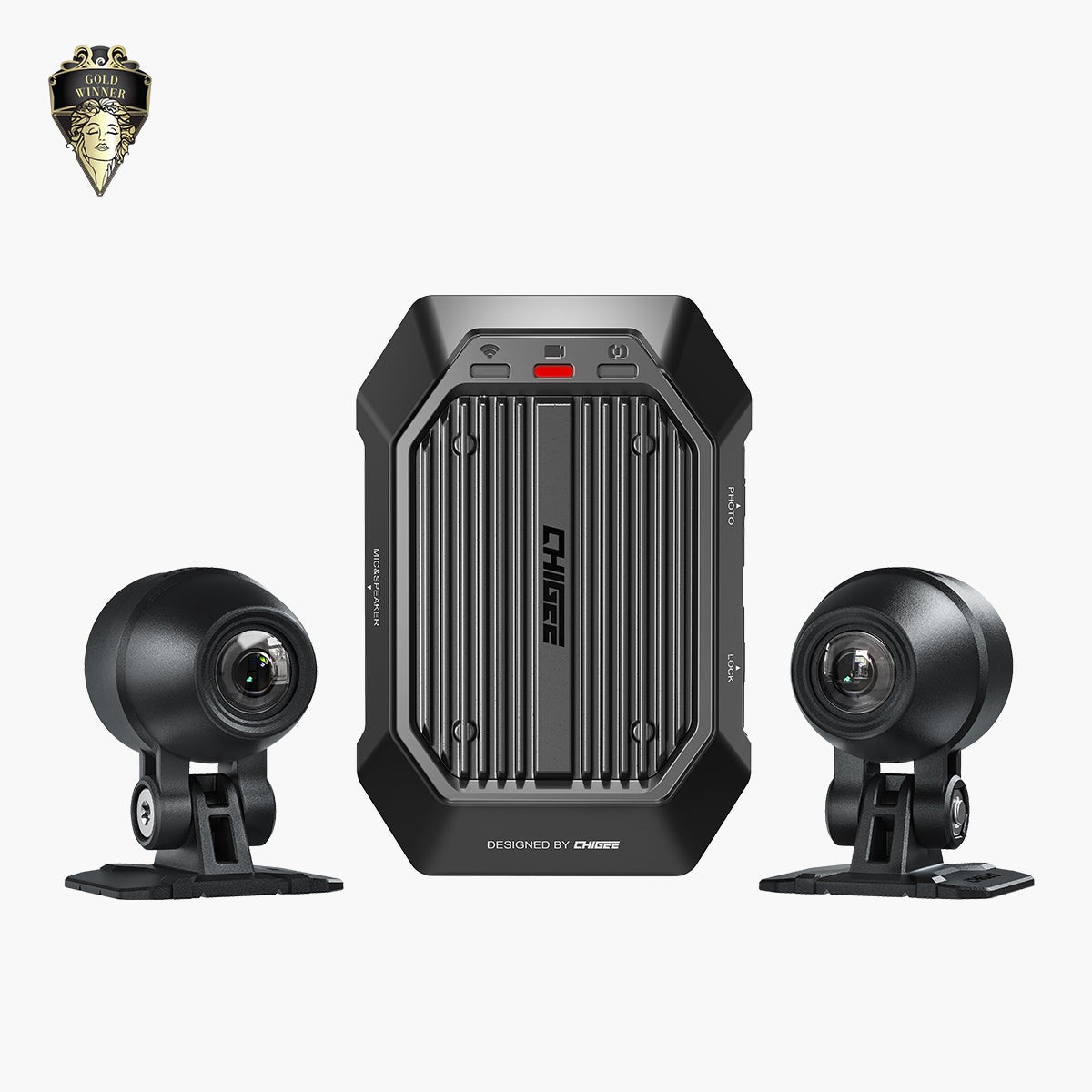
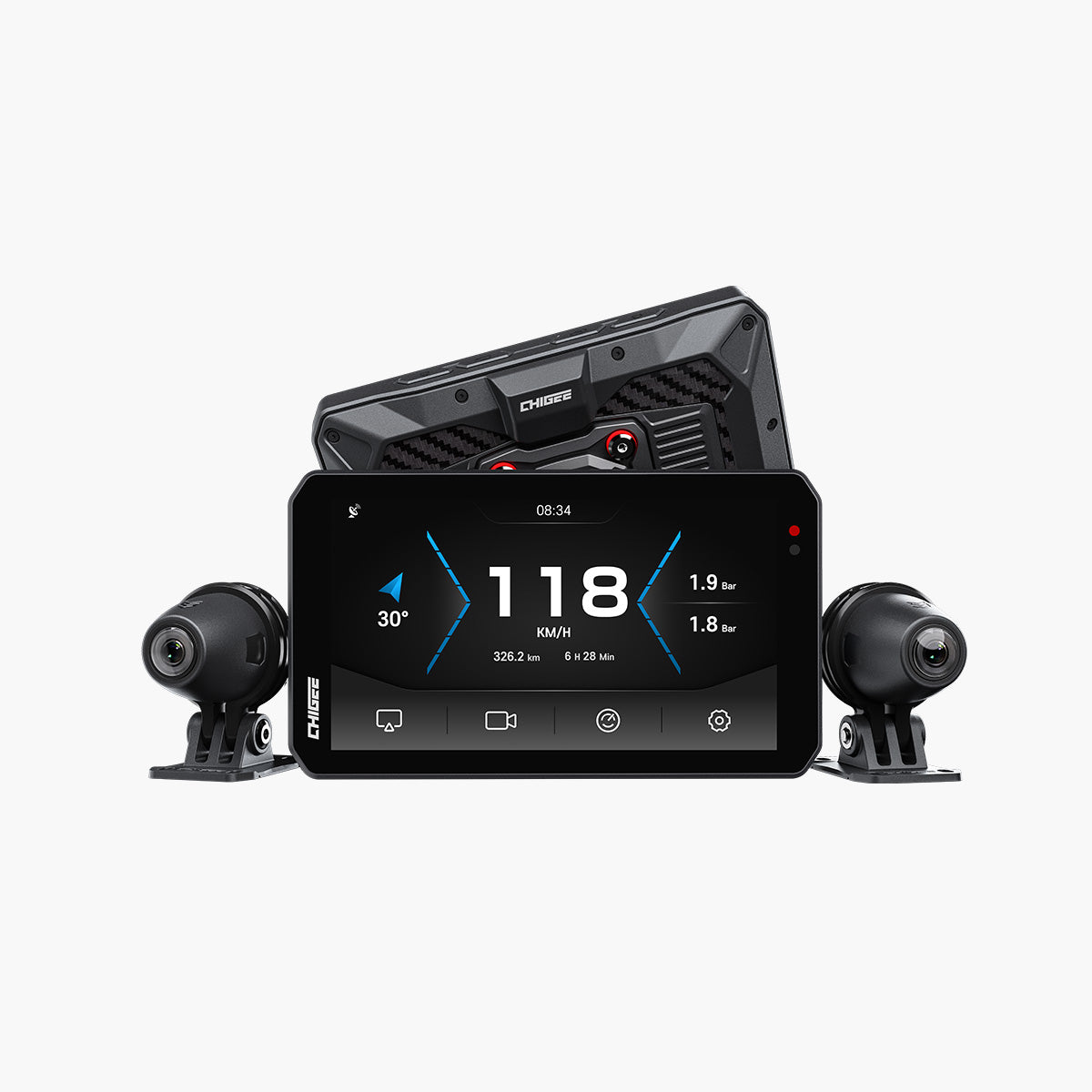
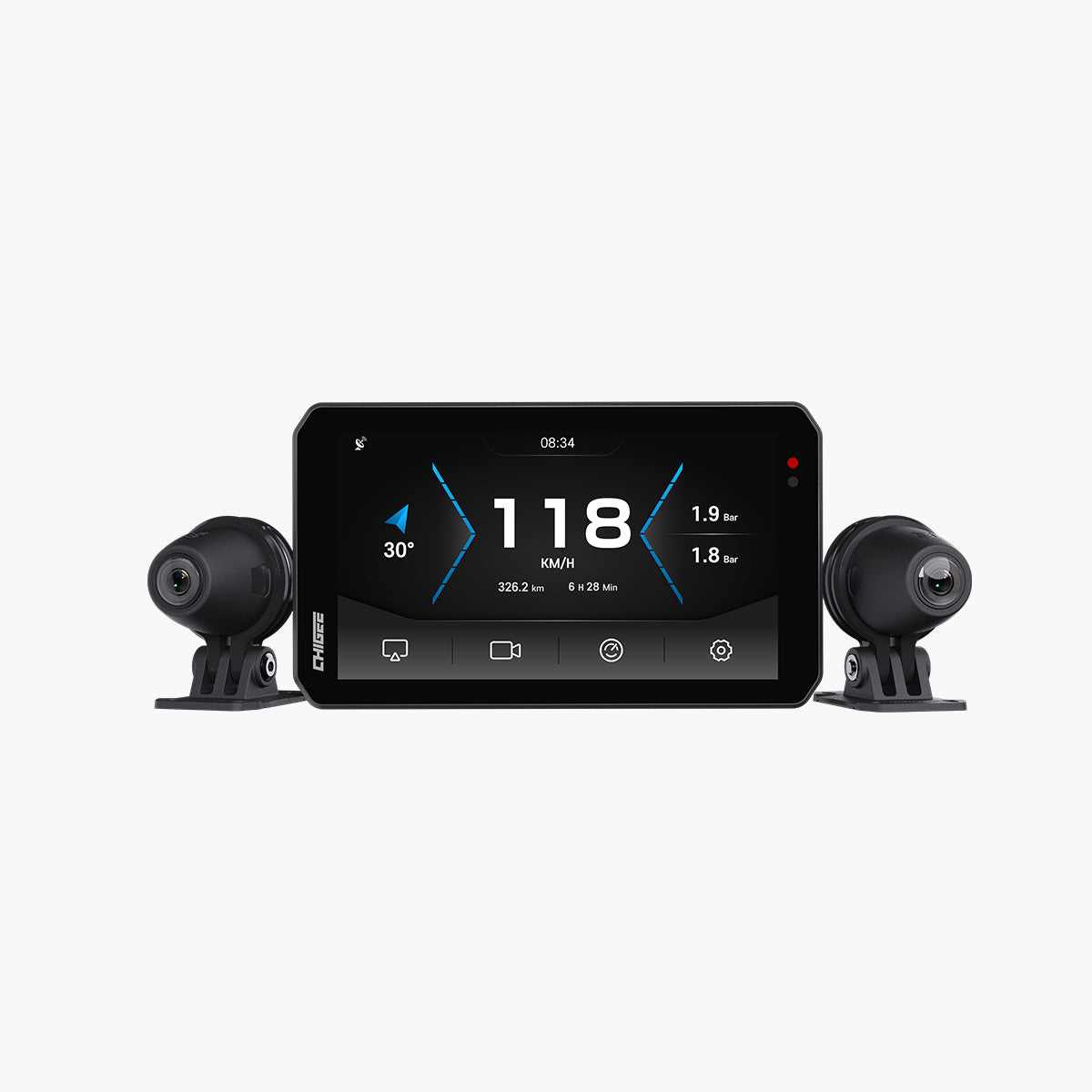
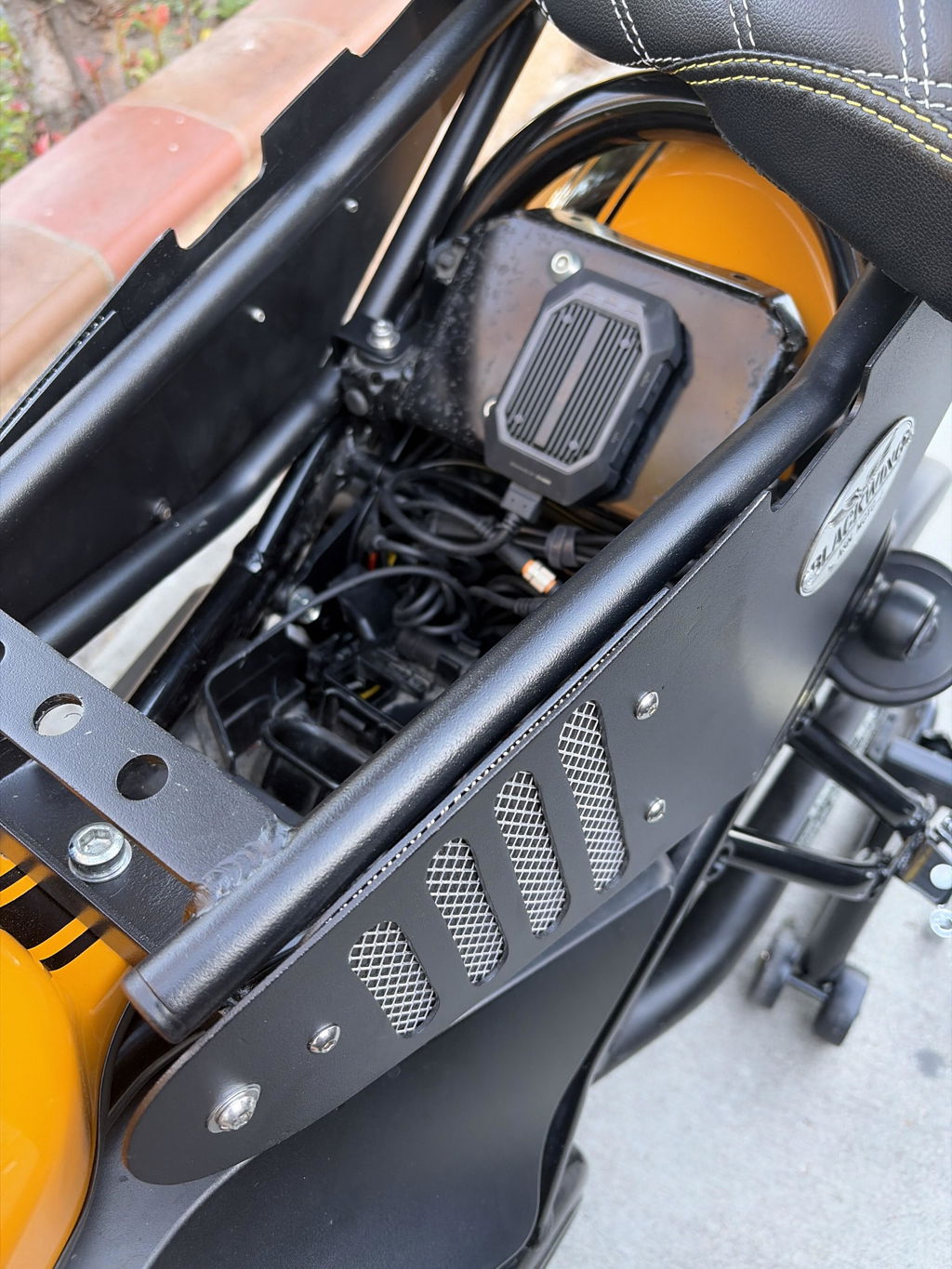
A screenless motorcycle dash cam is a front-and-rear recording system with no built-in display. The XR-1 works like this: the main unit hides inside your bike's bodywork or under the seat, a front and rear camera mount at each end of the bike, and everything wires into the bike's 12V power. Turn the key, and this motorcycle dash cam with no screen records automatically — front and rear, every ride, without a single button press.
Instead of a screen, the XR-1 uses two things to talk to you:
- Voice prompts. The XR-1 monitors its own recording status, SD card health, and camera connections, and speaks up if something needs attention — before you ride off assuming it's working.
- Your phone. The CHIGEE GO app handles preview, playback, settings, and downloads over a fast Wi-Fi link.
So you don't lose visibility into what the dash cam is doing. You just stop paying for a screen you'd rarely look at.

1. Fewer Exposed Parts, Simpler Sealing
A display module is one more assembly that has to be integrated and sealed against pressure washing, driving rain, and years of thermal cycling. Removing it lets the housing be designed as a simpler, more consolidated enclosure.
The XR-1's main unit is rated IP69K — the standard that covers high-pressure, high-temperature washdowns — with IP68-rated cameras, built with PC+TPU dual-shot construction and an aluminum-alloy heat structure. And because the main unit lives inside the bodywork rather than out on the handlebar, it isn't sitting in direct spray, road grime, and UV in the first place.
To be fair: screened devices can be sealed to high standards too. The point isn't that screens leak — it's that a waterproof motorcycle dash cam built purely to record simply doesn't need to take on that design burden at all.
2. Less Hardware Riding the Handlebar
Handlebars are one of the harshest places to mount electronics on a motorcycle — constant high-frequency vibration, direct sun, direct weather. A screenless system moves the most valuable component off the bars entirely: the XR-1's main unit tucks into the bodywork, and only the compact cameras and wiring live outside.
The result is a system with no display glass out in the environment and fewer large components hanging off the cockpit. For riders on big singles and twins — where handlebar vibration is a daily fact of life — that's a meaningful simplification.
3. A Cleaner, Distraction-Free Cockpit
No screen means nothing new catching sunlight in your peripheral vision at noon, and no extra glowing rectangle on a dark backroad at night. Your cockpit stays exactly as the manufacturer designed it.
Plenty of riders bought their bike partly for how it looks. A screenless dash cam respects that: after installation, the XR-1 leaves the bike's original lines intact. It records in the background and stays out of the conversation.

4. A Hidden Motorcycle Dash Cam Draws Less Attention
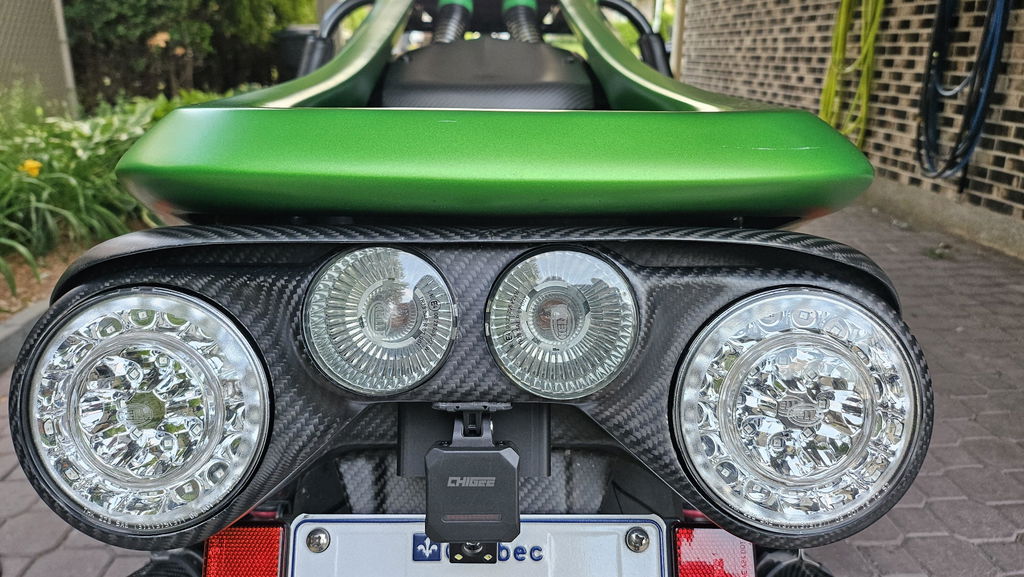
A visible screen on the handlebar tells everyone in the parking lot there's removable electronics on your bike. A hidden motorcycle dash cam flips that: with the XR-1, the main unit tucks inside the bodywork, so there's less to catch a passerby's eye — which helps reduce the risk of tampering or theft attempts targeting the device itself.
One honest note: the front and rear cameras still need to be externally mounted and visible to do their job — no dash cam can record through bodywork. What stays hidden is the brain of the system, where the recordings live.
And while your bike is parked, the XR-1 keeps working. Parking Monitor keeps the system in low-power standby after the engine is off, waking to record when it detects a knock or vibration — helping you capture what happened during tip-overs or parking-lot contact while you're away.
5. Your Phone Is a Better Screen Anyway
Here's the practical reality: even on dash cams that have screens, most riders end up managing footage on their phone — because that's where clips get trimmed, saved, and shared.
The XR-1 leans into this as an app-controlled motorcycle dash cam. It connects to the CHIGEE GO app over a dedicated 5GHz Wi-Fi link (that's the Wi-Fi frequency band, not 5G cellular) at transfer speeds above 10MB/s. From the app on your phone you can:
- Preview both camera angles to check framing after installation
- Adjust recording settings
- Play back, download, and share clips — no card swapping, no cables
Prefer physical controls on the move? The optional Wired GPS Handlebar Controller adds one-press video lock and photo capture at your thumb, plus automatic ride-track logging you can review in the app afterward.
The Honest Trade-Offs
No design choice is free, so here's what you give up:
- No at-a-glance playback on the bike. Reviewing footage means pulling out your phone. For most riders that's a once-in-a-while task; if you review clips constantly mid-ride, a screen may suit you better.
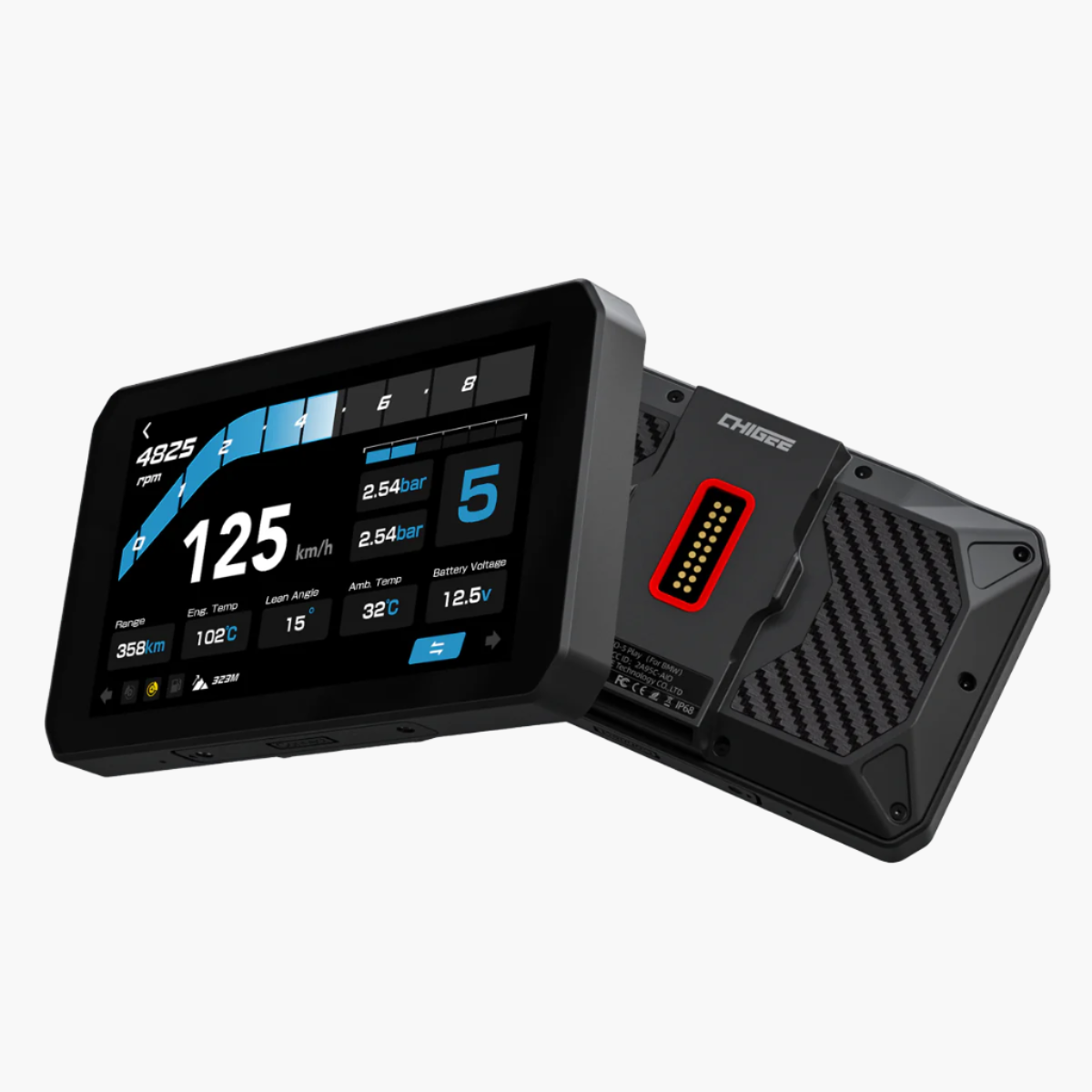
- It only records. The XR-1 won't show you navigation, calls, or music — by design. If you want one device that does all of that and records, that's the smart display category: the AIO-6 pairs a 6-inch, 2300-nit display with built-in dual-channel recording, and is the stronger choice for that job.
Screenless isn't universally better. It's better for a device whose entire purpose is recording — and it's the wrong choice if what you actually want is a riding display.

Who the XR-1 Fits
The XR-1 makes the most sense if you:
- Want continuous front-and-rear recording as quiet, always-on documentation for commutes, tours, and disputes
- Already navigate by phone, helmet audio, or your bike's own dash — and don't want another screen
- Care about keeping your bike's stock cockpit and original look
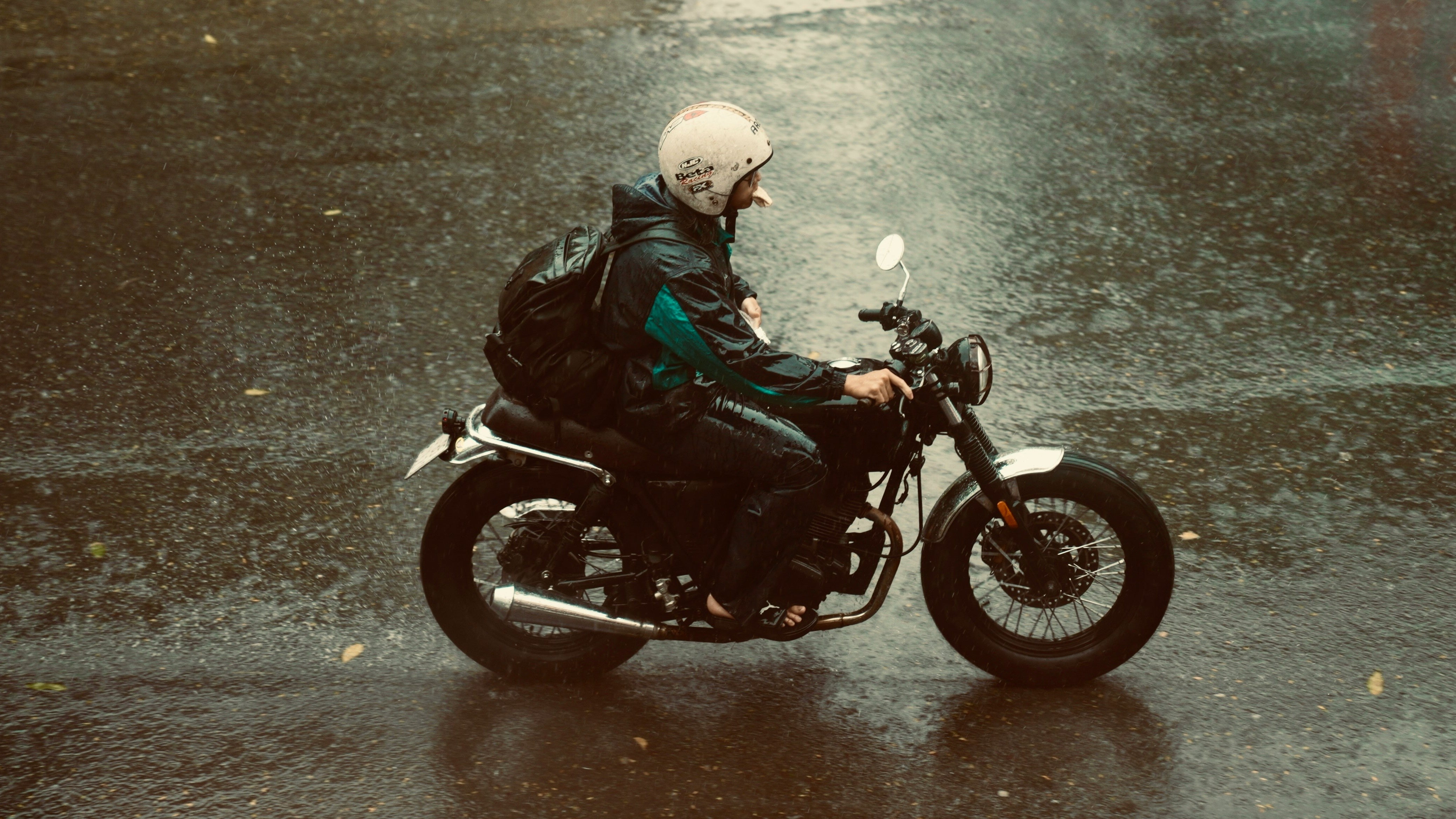
- Ride year-round in real weather and want sealed, hidden hardware
When something does go wrong, the XR-1 is built to help protect the moment that matters: Collision Lock detects sudden impact or abnormal movement and locks the current clip so loop recording can't overwrite it, helping preserve footage even if power cuts out without warning.
It records at 1080P up to 60FPS front and rear, with Smart HDR and a 136° wide-angle view, driven by the same 64-bit Arm Cortex-A53 platform behind CHIGEE's flagship AIO-6 display.
FAQ
How do you view footage on a dash cam with no screen?
Through the CHIGEE GO app over the XR-1's 5GHz Wi-Fi connection — preview, playback, download, and sharing all happen on your phone. You can also read the card directly on a computer; clips are standard MP4 files.
Does the XR-1 start recording automatically?
Yes. It powers on with the bike and records front and rear continuously, with loop recording overwriting the oldest unlocked clips so the card never "fills up."
Is a screenless motorcycle dash cam waterproof?
The XR-1's main unit is rated up to IP69K, with IP68-rated cameras — built to handle rain, vibration, heat, and pressure washing.
How do I know it's working if there's no screen?
The XR-1 tells you. Voice prompts confirm recording status and flag SD card or camera issues out loud, so you're not guessing before you ride.
Is a screenless motorcycle dash cam worth it?
For a device whose only job is recording, yes — you get simpler sealing, a cleaner cockpit, and discreet hidden hardware, and you still get full control from your phone. It's the wrong pick only if you actually want a riding display with navigation and music, which is a different product category.
Does the XR-1 record front and rear at the same time?
Yes. It's a dual-channel motorcycle dash cam that captures front and rear footage simultaneously at up to 1080P 60FPS, so you get a fuller picture of rear-end incidents, lane changes, and parking scrapes.
Can a screen-free dash cam still lock crash footage?
Yes. Collision Lock detects sudden impact or abnormal movement and locks the current clip so loop recording can't overwrite it — helping preserve the moment that matters, no screen required.




Leave a comment
All comments are moderated before being published.
This site is protected by hCaptcha and the hCaptcha Privacy Policy and Terms of Service apply.