


Choosing your first motorcycle—or your next one—always starts with a simple question: how do you actually want to ride? I learned quickly that it’s not just about what looks good in photos. It’s about what you feel confident controlling every single day, especially when you’re a smaller rider like me. At 5'4 height, seat height, center of gravity, and low-speed balance matter more than horsepower specs. If a bike doesn’t fit me, I know I won’t enjoy owning it no matter how cool it looks.
My first love was the Keeway CR152. It wasn’t the fastest, but it felt right the moment I sat on it. Lightweight, raw, and honest, it taught me how fun it is to be fully connected to a machine without electronics or shortcuts. You feel everything—every vibration, every shift, every mistake—and somehow that makes you a better rider. That experience shaped how I choose bikes today.

Find the bike that fits how you ride - not just how you imagine riding. Source
I eventually tried the modern route and bought an NK450, which is a great bike on paper. Smooth, powerful, and packed with features, it checked every “logical” box. But on the road, I realized something was missing. I wanted more character, more mechanical soul, and more of that old-school feeling of earning every moment. That’s why I sold it and went for the Yamaha XJR400 instead.
The XJR400, just like the CR152, brought me back to what I truly enjoy: a timeless design with a raw connection between rider and machine. No ride modes, no filters, no distractions—just pure control with your hands and body. Classic bikes make you feel like you’re actually riding with the motorcycle, not just sitting on top of it. Every sound and movement reminds you that you’re part of the process. And that kind of riding never gets old.

Choosing a bike isn’t about specs—it’s about fit, confidence, and soul. Classic bikes let me connect, customize, and ride with a style that’s truly mine. Source
So this guide isn’t about what looks coolest in photos—it’s about helping you figure out how you actually want to ride and choosing a bike that fits that life with real confidence. That’s why I keep coming back to classic bikes: they match my riding style and feel like a personal canvas I can customize around what inspires me. In the end, the best bike is the one that makes you want to ride again tomorrow and feels truly yours.
Adventure Motorcycles (ADV): Go-Anywhere Versatility
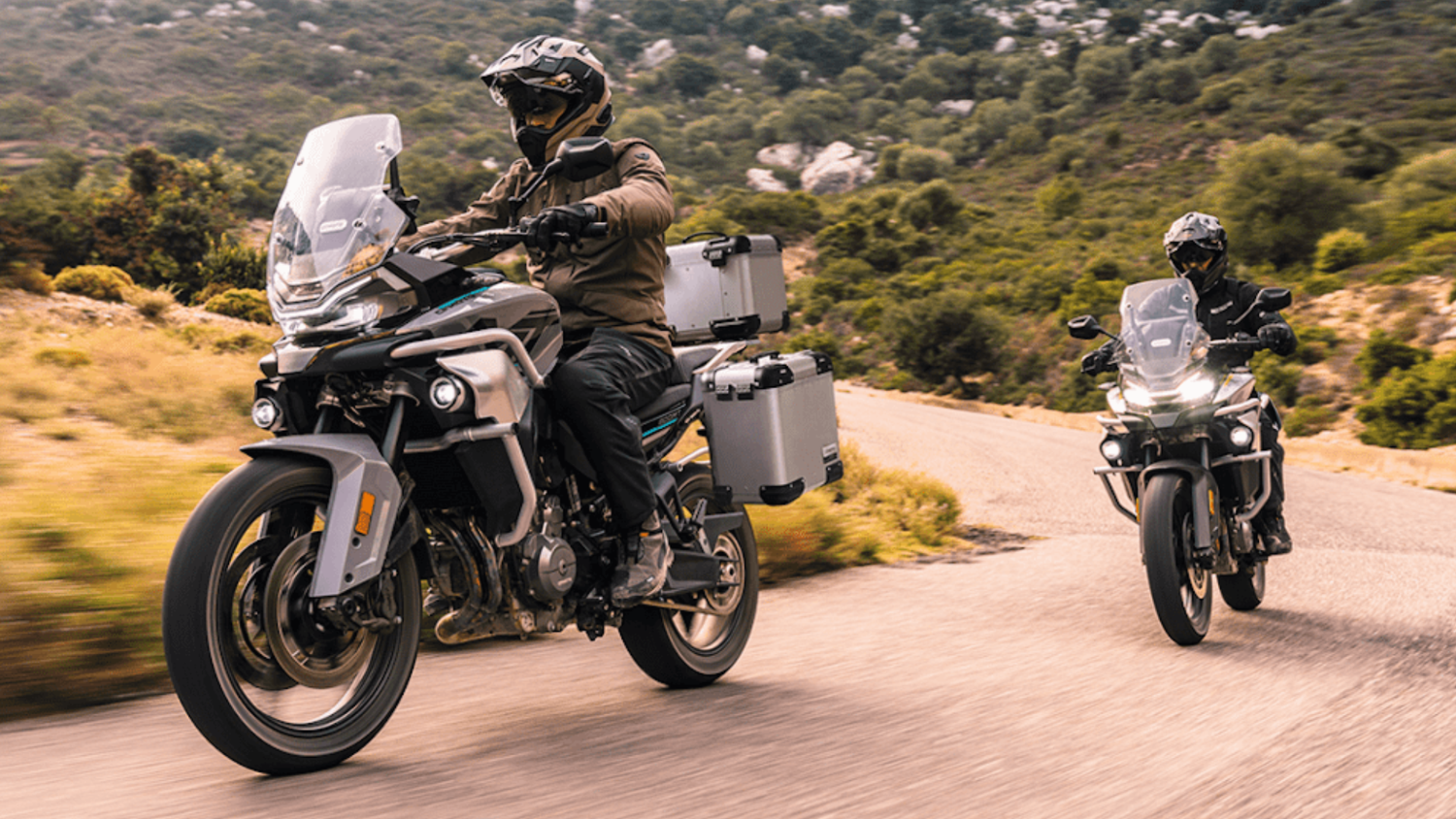
Adventure motorcycles are the Swiss Army knives of the moto world. They're built to handle tarmac, gravel, dirt, and everything in between. Tall suspension, upright ergonomics, and long-travel shocks let you roll over broken pavement, fire roads, and light off-road trails without bottoming out or fighting the bike.
ADV bikes shine for riders who want one machine that commutes during the week and explores on weekends. The riding position reduces fatigue on long days. Large fuel tanks stretch your range between stops. Windscreens and hand guards block wind and debris. Most adventure bikes accept luggage systems easily, turning them into capable touring platforms when the road calls for distance.

ADV bikes reward riders who refuse to choose between pavement and dirt—and want range to match. Source
The trade-off is size and weight. A fully loaded ADV bike isn't nimble in parking lots or tight city traffic. Seat heights often exceed 850mm, which can be challenging for shorter riders. And while they handle light trails well, they're not true dirt bikes—technical single-track will expose their weight and road-biased tires.
Who Should Ride an ADV?
Adventure motorcycles fit riders who value versatility over specialization. If your ideal weekend includes both highway miles and unpaved forest roads, an ADV handles both without complaint. They suit commuters who face rough city streets and want suspension that absorbs potholes. They're ideal for long-distance travelers who need cargo capacity and all-day comfort.

Adventure bikes suit riders who want comfort on highways and confidence on dirt. Perfect for commuters, tourers, and travelers who explore both pavement and easy trails. Source
If you're drawn to motorcycle travel—crossing borders, camping roadside, exploring routes that mix pavement and gravel—an ADV bike is purpose-built for that life. Just be realistic about off-road ambitions: these bikes handle fire roads and easy trails, not enduro courses.
Sport Bikes: Precision and Performance
Sport bikes exist for one reason: cornering performance. Low handlebars, rear-set footpegs, and aggressive body positioning put your weight over the front wheel for maximum control through turns. Stiff suspension, sticky tires, and powerful brakes let you carry speed and brake late with confidence.
These bikes reward riders who chase the feeling of a perfect apex. On twisty mountain roads or track days, nothing else delivers the same feedback and precision. The riding position connects you directly to what the tires are doing. Every input matters. That immediacy is addictive for riders who treat every curve as a puzzle to solve faster.

Sport bikes turn every twisty road into a conversation between you and the asphalt. Source
The cost of that performance is comfort. Sport bikes punish you on long rides. The forward lean loads your wrists. The seat padding is minimal. Wind protection is designed for tucking at speed, not upright cruising. They're also less practical for errands—low bars and high pegs make slow-speed maneuvering awkward, and cargo space is essentially zero.
Who Should Ride a Sport Bike?
Sport bikes fit riders who prioritize the sensation of cornering above all else. If you're planning weekend canyon runs, occasional track days, or simply want the most engaging ride possible on paved roads, a sport bike delivers. They suit riders who don't mind sacrificing comfort for performance and who keep their rides under two hours.

Sport bikes are for corner addicts—short, fast paved rides and track sessions—who don’t mind sacrificing comfort on weekends. Source
They're less ideal as only bikes. If you need to commute daily, carry passengers regularly, or ride long distances, the aggressive ergonomics will wear you down. Many sport bike owners eventually add a second, more practical machine—or move to a sport-touring compromise.
Cruisers: Relaxed Style and Low-Speed Comfort
Cruisers prioritize feel over function. Low seats, forward controls, and pulled-back handlebars create a laid-back riding position that looks as relaxed as it feels. These bikes are designed for boulevard cruising, coastal highways, and any ride where the journey matters more than the pace.
The low seat height often under 700mm makes cruisers accessible to shorter riders and builds confidence at stops. The feet-forward position reduces knee strain on longer rides. V-twin engines deliver punchy low-end torque with a satisfying exhaust note that's part of the cruiser experience.

Cruisers turn every ride into a statement: low, slow, and unapologetically styled. Source
Cruisers trade away cornering clearance and suspension travel for that low stance. Hard turns will scrape pegs. Potholes and rough roads transmit directly through the rigid chassis. They're not built for speed or aggressive riding—they're built for enjoying the ride at a relaxed pace.
Who Should Ride a Cruiser?
Cruisers fit riders who value style, comfort at moderate speeds, and the social side of motorcycling. If your ideal ride is a Saturday morning coffee run with friends, a sunset cruise along the coast, or rolling through town on a machine that turns heads, cruisers deliver that experience.
They suit riders who want easy ergonomics, low seat heights, and a relaxed pace. They're also deeply customizable—paint, exhaust, handlebars, and accessories let you make the bike distinctly yours. If you're drawn to motorcycle culture as much as motorcycle riding, cruisers sit at the center of that world.
They're less ideal for aggressive riding, long highway stretches at high speed, or any terrain beyond smooth pavement. Wind protection is minimal on most models, and the riding position creates fatigue above certain speeds.
Touring Motorcycles: Built for Distance
Touring bikes are engineered for comfort over hundreds of miles. Large fairings block wind and weather, spacious seats support you and your passenger for full days in the saddle, and integrated luggage carries what you need for multi-day trips. The riding position is upright and relaxed, with floorboards or mid-controls that let you shift your feet and settle in. Engines and suspension are tuned for smooth, effortless highway cruising, not sharp, aggressive response.
But “touring” isn’t just one shape of motorcycle—it overlaps with other categories. Adventure-touring bikes like the BMW GS or Suzuki V-Strom add long-travel suspension, taller stance, and real rough-road ability, so distance can include dirt and broken pavement. Sport-touring bikes like the Yamaha Tracer 9 GT or Kawasaki Ninja 1000SX keep the bags and wind protection but stay lighter and sharper, letting you carve corners on the way to the next city. Cruiser-touring bikes like a Harley Ultra Limited or Indian Roadmaster focus on low-RPM torque, deep comfort, and big-fairing highway stability.

Touring bikes don't make you survive long rides—they make you enjoy them. Source
Each style tours differently even if the goal is the same. A GS encourages “go anywhere” trips where the route doesn’t have to be perfect. A sport-tourer is for riders who want long-distance comfort without giving up speed and agility. A cruiser-tourer is about relaxed miles, passenger comfort, and that heavy-but-stable road-sofa feel.
The trade-off is weight and size. Full-dress touring bikes can push 400 kg and feel long in tight spaces, so low-speed maneuvering takes patience and good clutch control. Parking and U-turns demand more planning than on lighter bikes, especially when fully loaded. They aren’t built to be nimble—they’re built to make big days feel easy and enjoyable.
Who Should Ride a Touring Bike?
Touring motorcycles fit riders who measure trips in days rather than hours. If you're planning cross-country routes, two-up travel with a passenger, or rally rides that cover serious ground, touring bikes are purpose-built for that mission. They suit riders who want to arrive fresh rather than exhausted.
They're ideal for riders who've already learned what they want from a motorcycle and know that distance comfort matters most. Many touring riders graduate from other categories after years of making do with bikes that weren't quite right for how they actually ride.
They're less suitable for new riders (the weight demands experience), city commuters (the size is a liability), or anyone who values nimble handling and light weight.
Naked/Standard Bikes: The Balanced Middle Ground
Naked bikes—also called standard or streetfighter motorcycles—strip away the fairing and offer a neutral, upright riding position. They're designed to do most things reasonably well without specializing in any single task. Moderate seat heights, centered footpegs, and natural handlebar reach create comfortable ergonomics for varied riding.
These bikes work in the city, handle weekend backroads, manage short tours, and even take occasional passengers without major compromise. They're often lighter than their faired siblings, which translates to easier handling and more confidence at low speeds. Maintenance and repairs cost less without bodywork to remove.

Naked bikes prove you don't need specialization to have serious fun on two wheels. Source
The compromise is exposure. Without a fairing, wind fatigue builds faster at highway speeds. Weather hits you directly. And while naked bikes handle well, they don't match the outright precision of sport bikes or the plush comfort of touring machines.
Who Should Ride a Naked Bike?
Naked bikes fit riders who want a versatile, approachable motorcycle without paying for features they won't use. They're excellent first bikes—manageable weight, forgiving ergonomics, and enough performance to stay interesting as skills grow. They suit commuters who also want weekend fun without owning two motorcycles.

Naked bikes offer neutral ergonomics and versatile performance—great for beginners, commuters, and riders who want one bike for everything. Source
If you're unsure what kind of rider you are yet, a naked bike lets you explore. Its neutral character reveals what you actually enjoy and what you'd want more of in a future machine. Many riders keep naked bikes as their only bike for years; others use them to discover they really want a dedicated sport bike, ADV, or tourer.
Who Should Ride a Cafe Racer / Classic Bike?
Cafe racers and classic bikes fit riders who want a motorcycle with character, simplicity, and a real mechanical connection. They’re for people who care as much about how a bike feels and looks as how fast it is, and who enjoy a more involved riding experience. Most classics have neutral-to-slightly-forward ergonomics, manageable power, and a “slow is fun” personality that makes everyday rides feel special. They suit riders who love timeless design and want a bike that can be shaped into something personal over time.

Timeless style, raw feel, and endless customization. Perfect for riders who value character, simplicity, and a bike that feels personal. Source
Cafe racers / classics offer raw control and timeless style—great for riders who value soul, simplicity, and customization. Source
If you’re inspired by old-school bikes, custom builds, or that rider-to-machine bond, this category makes sense. These bikes are also perfect if you want to learn your preferences through riding, because they don’t hide feedback behind electronics. The trade-off is that some builds sacrifice comfort or practicality for style, especially on longer trips. But if you want a bike that feels like yours and reflects your taste, classics are hard to beat.
Who Should Ride a Dirt Bike?
Dirt bikes fit riders who want to ride off-road first and foremost—trails, motocross tracks, mountains, and rough terrain where street bikes don’t belong. They’re lightweight, tall, and built to take abuse, with sharp throttle response and long-travel suspension that makes bumps feel normal. Dirt bikes reward active riding: standing up, shifting body weight, sliding corners, and using momentum to stay smooth. They suit riders who want skill-building, adrenaline, and the freedom to go where roads end.

Light, tall, and built for rough terrain. Ideal for riders who want off-road skill, adrenaline, and freedom beyond paved roads. Source
Dirt bikes are pure off-road tools—best for riders chasing trails, jumps, and technical terrain. Source
If your rides involve dirt, mud, rocks, or track days, a dirt bike is the right weapon. They also make you a better rider fast because they force you to develop balance, throttle control, and confidence on loose surfaces. The trade-off is that they’re not meant for pavement—comfort is minimal, and most aren’t street legal without modifications. Think of them less as transportation and more as a sport machine.
Who Should Ride a Scooter?
Scooters fit riders who want simple, stress-free transportation—especially in traffic-heavy cities. They’re automatic, easy to mount, easy to balance at low speeds, and usually come with built-in storage for daily life. The riding position is upright and relaxed, making them comfortable for short to medium trips without the learning curve of clutch and gears. Scooters suit commuters, new riders, smaller riders, and anyone who values practicality over performance drama.

Easy, practical, and perfect for city life. Great for new riders, commuters, and anyone who wants simple, stress-free everyday transport. Source
If your riding life is mostly city streets, stop-and-go traffic, and quick trips, scooters just make sense. They’re also surprisingly fun because they’re light and flickable, and bigger models can even handle longer rides. The trade-off is that they won’t give you the same high-speed thrill or aggressive cornering feel as motorcycles. But for real-world riding, scoots are often the smartest tool for the job.
How to Choose: Match the Bike to Your Reality
The right motorcycle fits how you actually ride, not how you imagine riding. Be honest about your typical trips: distance, terrain, pace, passengers, cargo. A bike that's perfect for hypothetical adventures but miserable on your daily commute is the wrong bike.
Consider seat time. Sport bikes reward short, intense sessions. Touring bikes reward long days and multiple-day trips. Cruisers reward relaxed, social riding. ADVs reward variety and exploration. Naked bikes reward riders who want a bit of everything.

Your perfect motorcycle matches your riding life & style—not your fantasy one. Source
Think about ergonomics and physical fit. Seat height, handlebar reach, and footpeg position should work with your body, not against it. If you're uncomfortable at the dealership, you'll be miserable at mile fifty.
Finally, consider growth. First-time riders benefit from forgiving power and manageable weight. Experienced riders can prioritize performance or comfort knowing they have the skills to handle the trade-offs. Buy for where you are now, but choose something that won't bore you in six months.
Frequently Asked Questions
What motorcycle type is best for beginners?
Naked/standard bikes and smaller cruisers generally make the best first motorcycles. They offer manageable weight, approachable seat heights, and forgiving ergonomics that let new riders focus on developing skills. Avoid starting on heavy touring bikes or high-performance sport bikes—the weight and power can overwhelm new riders and build bad habits.
Can I use an adventure bike for daily commuting?
Yes—many riders commute on ADV bikes and appreciate the upright position, suspension that handles rough city streets, and all-weather capability. The main challenges are height (tall seats can be difficult at stops in traffic) and size (large ADVs are harder to lane-filter or park in tight spaces).
Are sport bikes uncomfortable for all riders?
Sport bikes trade comfort for performance by design. However, comfort is subjective—some riders prefer the connected, precise feeling of an aggressive riding position and don't mind the wrist and back load. Short rides under an hour are manageable for most. Problems compound on longer trips.
Can cruisers handle highway riding?
Cruisers handle highways adequately but aren't optimized for sustained high-speed cruising. Wind protection is typically minimal, and the relaxed riding position creates fatigue over long distances at speed. Windshield and fairing accessories help. Bagger-style cruisers with touring features split the difference.
How do I know if I should get a touring bike?
If you're regularly planning trips over 300 miles, traveling with a passenger, or finding that your current bike leaves you exhausted after long days, a touring bike solves those problems. They're overkill for riders who mostly take short trips or ride solo. The weight and size become liabilities without the miles to justify them.
What's the difference between a naked bike and a standard?
The terms are often used interchangeably. "Standard" traditionally described any upright, unfaired motorcycle. "Naked" emerged to describe sport bikes stripped of bodywork for a more aggressive streetfighter look. Today, most unfaired bikes with upright ergonomics fall under both labels.
Ride What Fits
Every motorcycle type exists because different riders want different experiences. There’s no objectively “best” category—only the best fit for how you ride. Sport bikes, cruisers, adventure bikes, and touring machines all prioritize different strengths. The key is being honest about where and how you actually ride most of the time.
Spend time on different bikes before you buy. Demo days, short-term rentals, and riding friends’ machines reveal more than spec sheets ever will. You’ll quickly notice differences in weight, comfort, throttle feel, and how confident you are at low speeds. Those impressions matter more than peak horsepower or top speed. Once you’ve found the right type of bike, choosing a specific model becomes much easier.

Choose the bike that fits how and where you ride. Test different types, trust real feel over specs, and use tech that supports your actual riding needs.
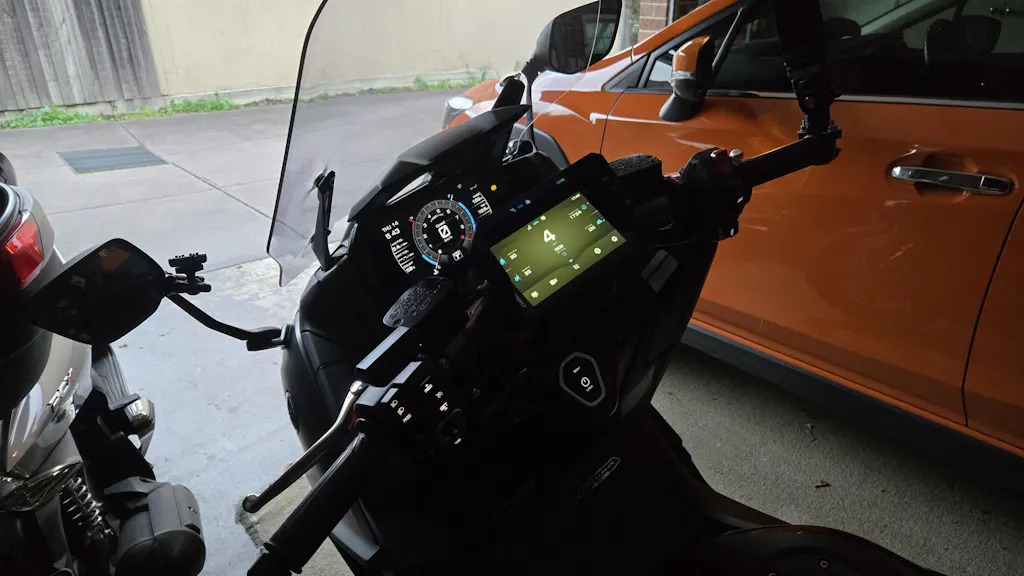
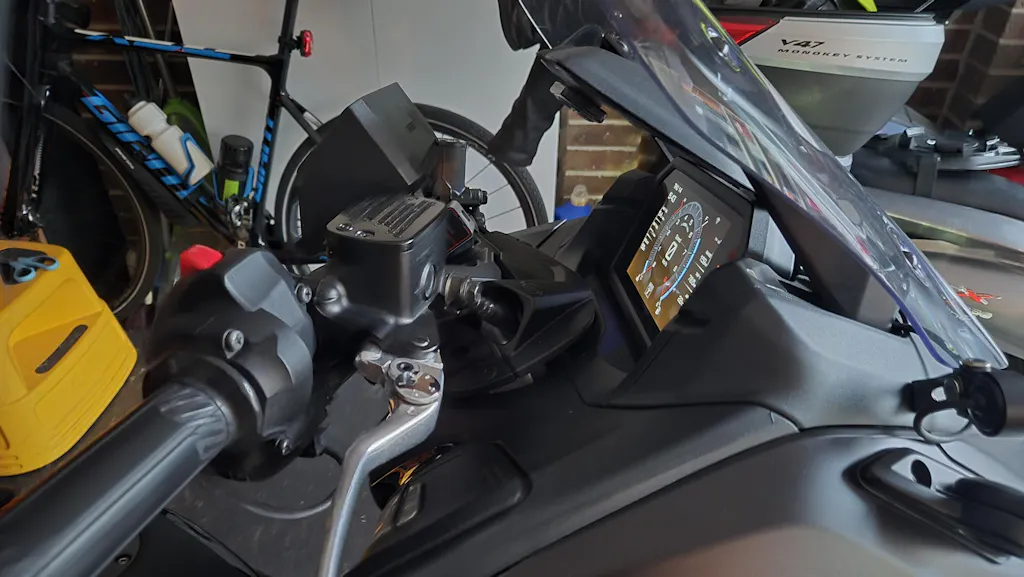
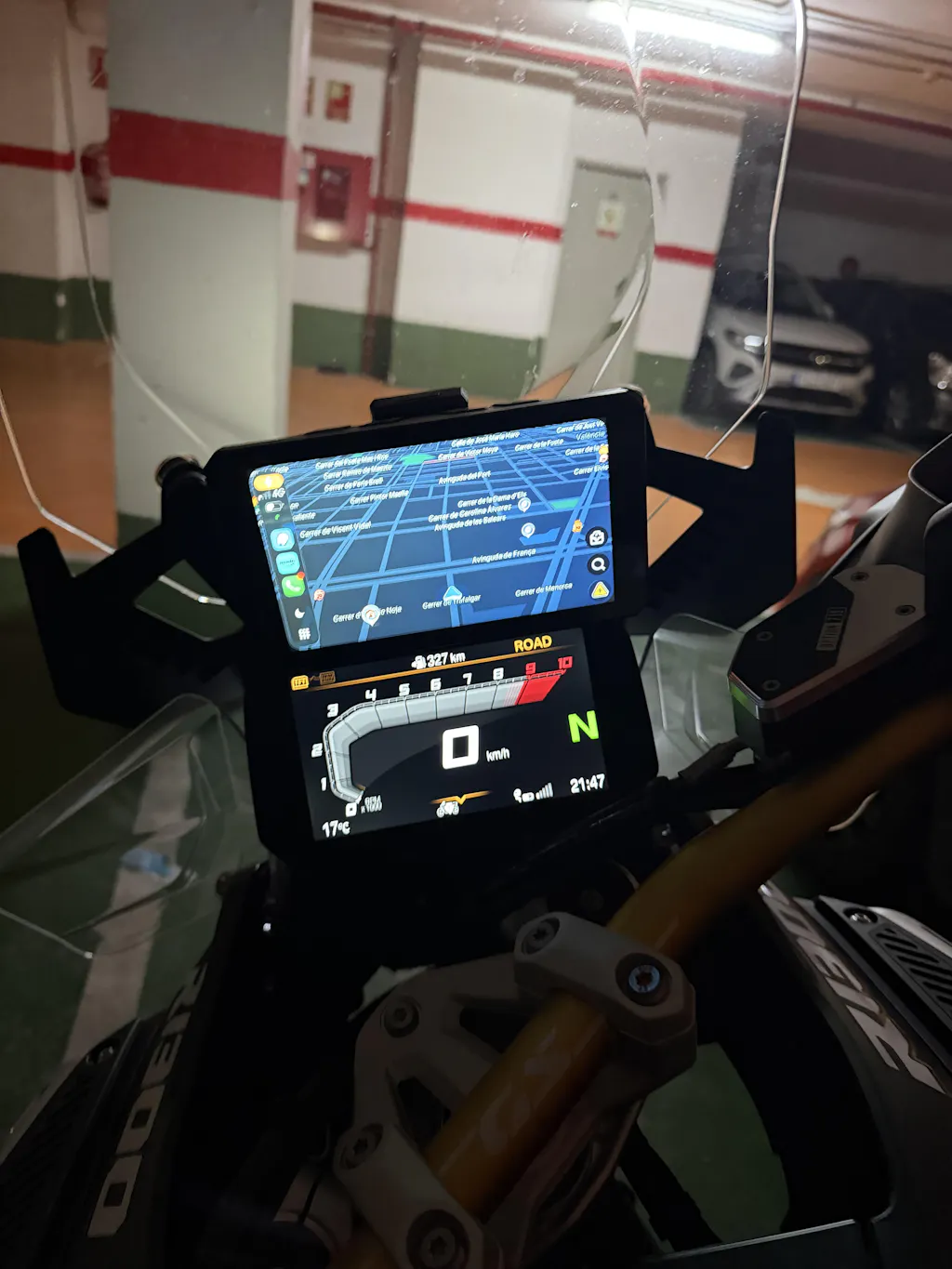
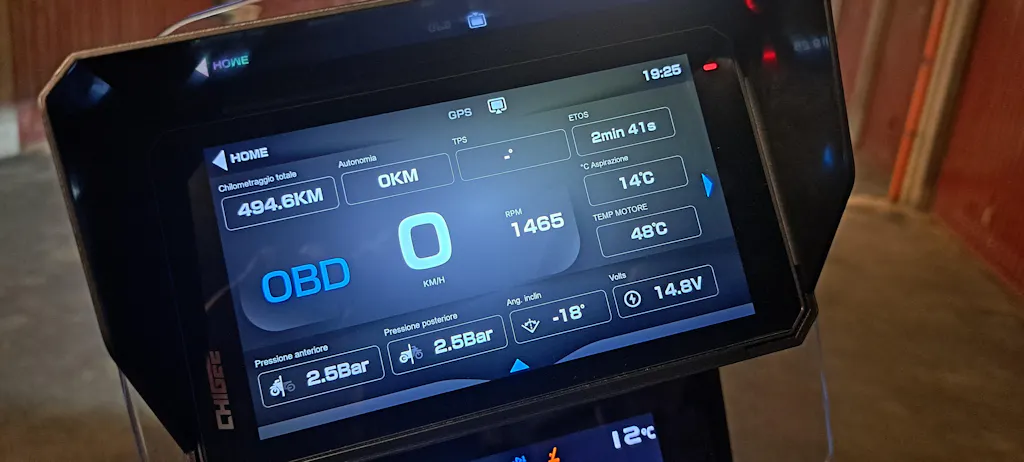
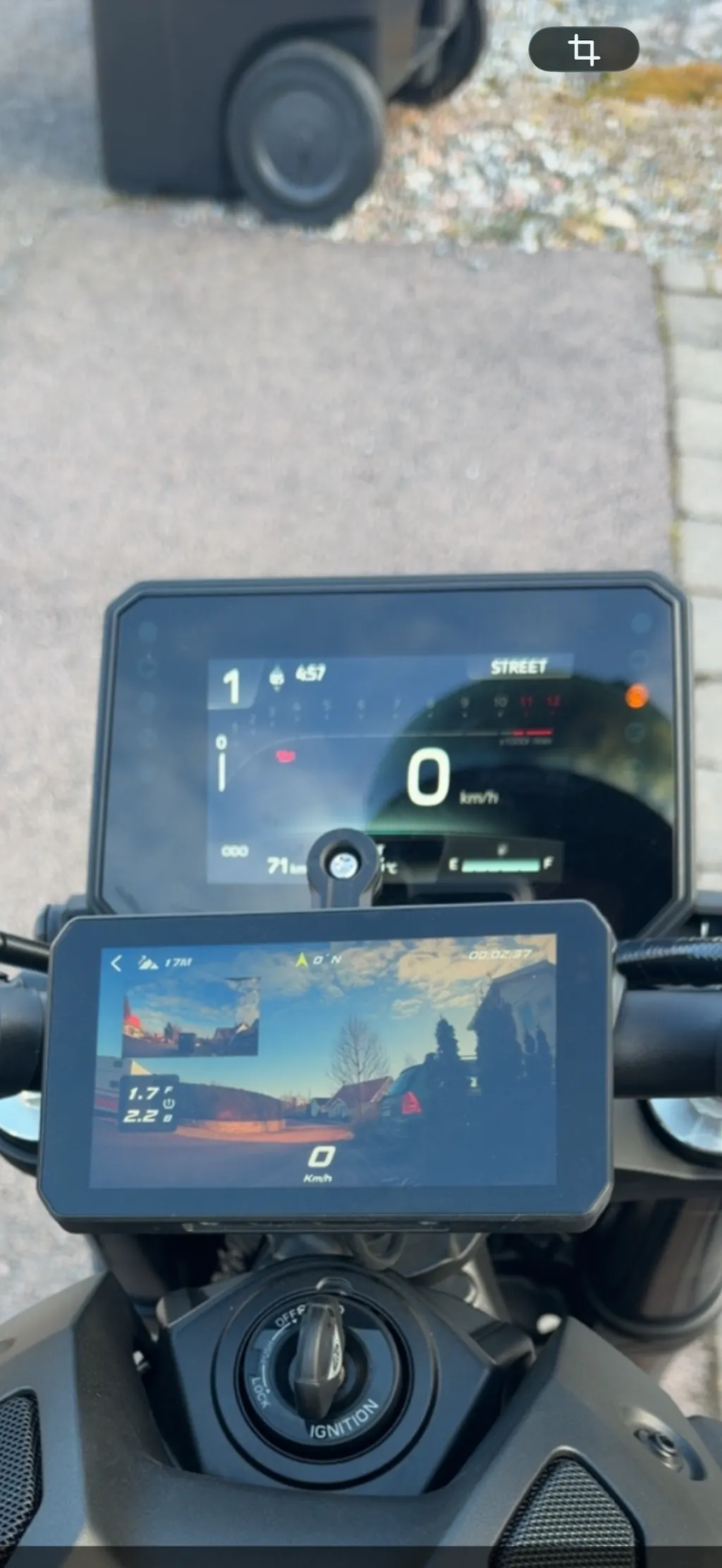
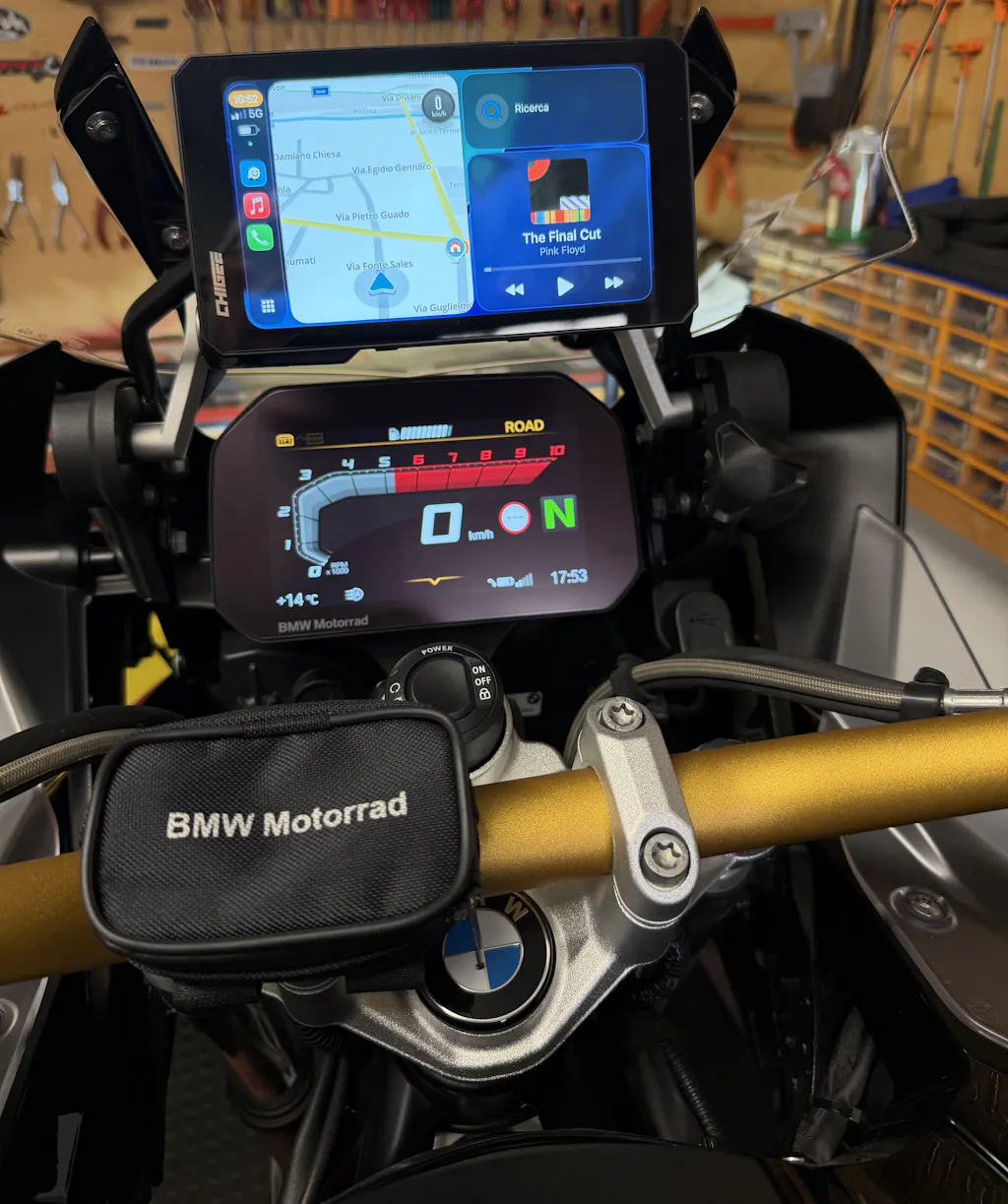
From there, the right technology can help you get more from every ride. Navigation that stays readable in rain and glare, dashcams that quietly record when things go wrong, and safety alerts that extend your awareness all make sense on any motorcycle. None of that replaces the basics, though. The fundamentals stay the same: find a motorcycle that fits your body and gear that actually protects you, and tech that supports how you actually ride—not how you imagine you ride.
Want to connect with other riders and see how they've set up their bikes? Join the Chigee Facebook Group for tips, installations, and riding content.


Leave a comment
All comments are moderated before being published.
This site is protected by hCaptcha and the hCaptcha Privacy Policy and Terms of Service apply.