


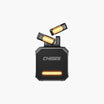
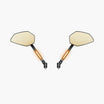
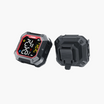
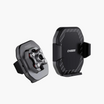

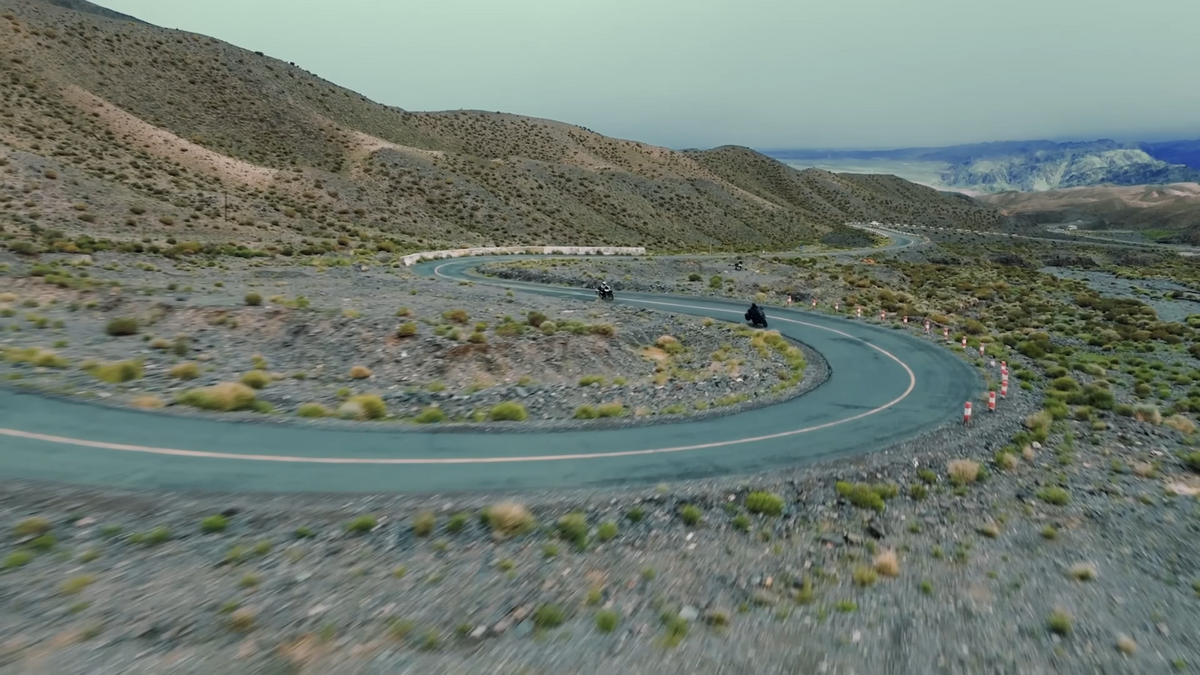
When a car has radar, you can't see it. It sits behind the bumper, sheltered by sheet metal and headlight housings. When a motorcycle has radar, it's bolted to the outside of the bike — in the sun, in the rain, in the path of every rock the front tire kicks back. Same technology. A much harder life.
And yet, in the few years that aftermarket motorcycle radar has been on the market, there's been very little written about how to take care of it. Some of the clearest guidance lives quietly inside the owner's manuals of factory-equipped touring bikes — waiting for someone to translate it for the aftermarket world. This article is that translation.
What the OEMs already tell us
Start with what the factory installers have already written. The 2022 model year Triumph Tiger 1200 GT was one of the first production motorcycles to ship with built-in blind spot radar. Its owner's manual is direct:
"The blind spot radar sensor cover may become covered by road dirt, mud, rain, ice, snow, etc. Always make sure to check and clean the blind spot radar sensor cover before riding the motorcycle."
Triumph also warns against attaching stickers or decals to the sensor cover, and against letting luggage or a passenger's gear block it. The same playbook shows up on the car side. Polestar's owner's manual for the Polestar 2 keeps it simple: keep surfaces in front of the radar clean, never attach anything to them, and remember that dirt or snow can cause reduced function — or no function at all. Suzuki goes one step further in the Across owner's manual. After cleaning a covered sensor, the system may need around ten minutes of driving in valid conditions before the warning clears.
Three OEMs, two vehicle categories, the same short list of instructions. That's a useful signal about what radar actually needs. The aftermarket world inherited the same physics — we just haven't inherited the user-education habit yet.

3D Schematic Illustrating the Operation of a Motorcycle Radar Blind Spot Detection System source:Triumph Tiger 1200 GT
Why motorcycles are harder on radar than cars
OEMs publish these instructions because cars need them. Motorcycles need them more.
A car's radar sits behind a bumper that slows airflow, breaks rain impact, and blocks direct sunlight. A motorcycle's radar has none of that protection. It's mounted in the open, on a bike that vibrates from a high-revving engine, takes road spray at full speed, and gets pressure-washed at close range by riders who treat the whole bike as one washable object.
This is where one spec on the product page matters in real life: the IP rating. The IEC 60529 standard separates two very different kinds of water protection. IP67 and IP68 cover immersion — the device can sit in still water without leaking. IP69 (defined by ISO 20653 and IEC 60529) covers something else entirely: close-range water jets at 80–100 bar (1,160–1,450 psi) and 80°C, sprayed from 10–15 cm away at multiple angles.
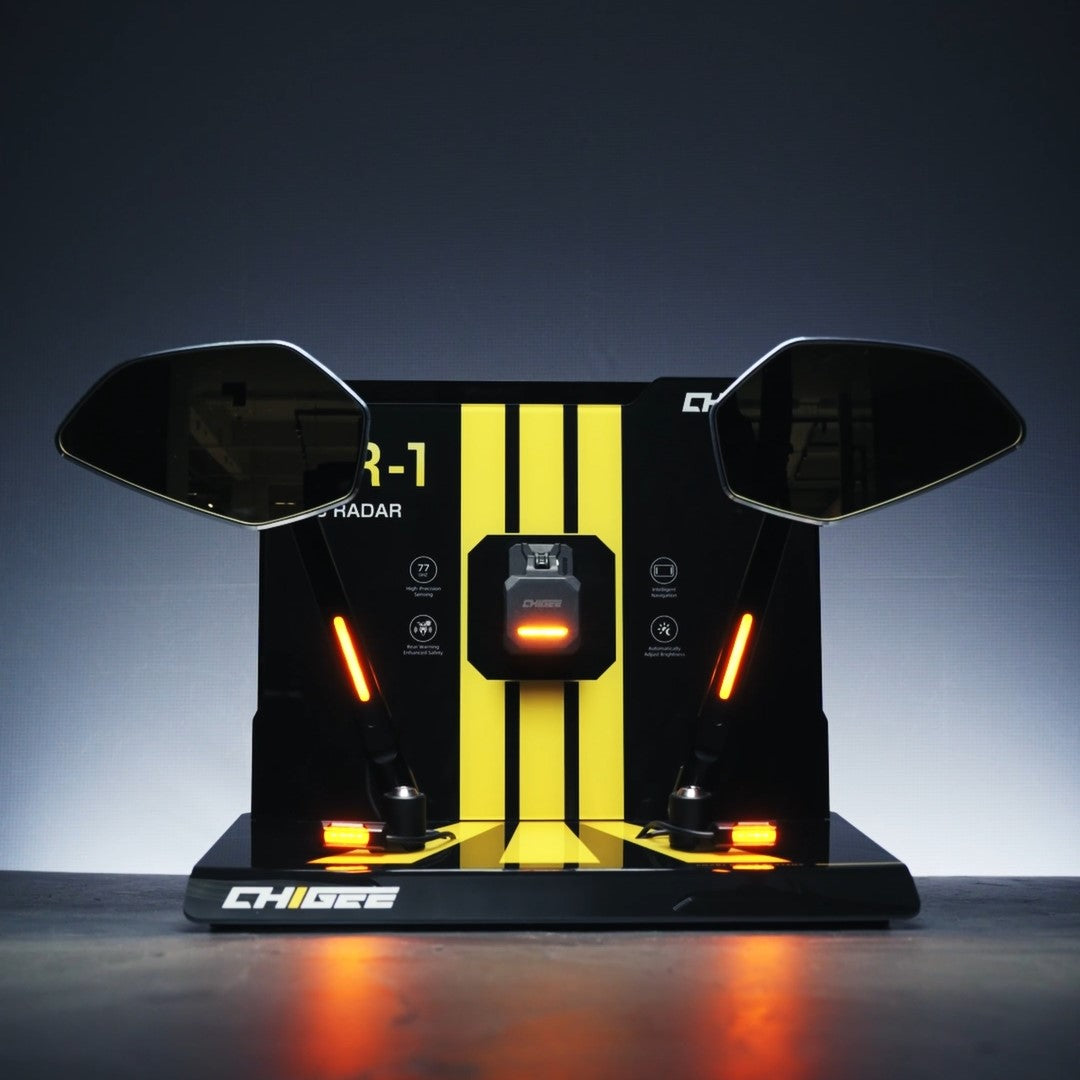
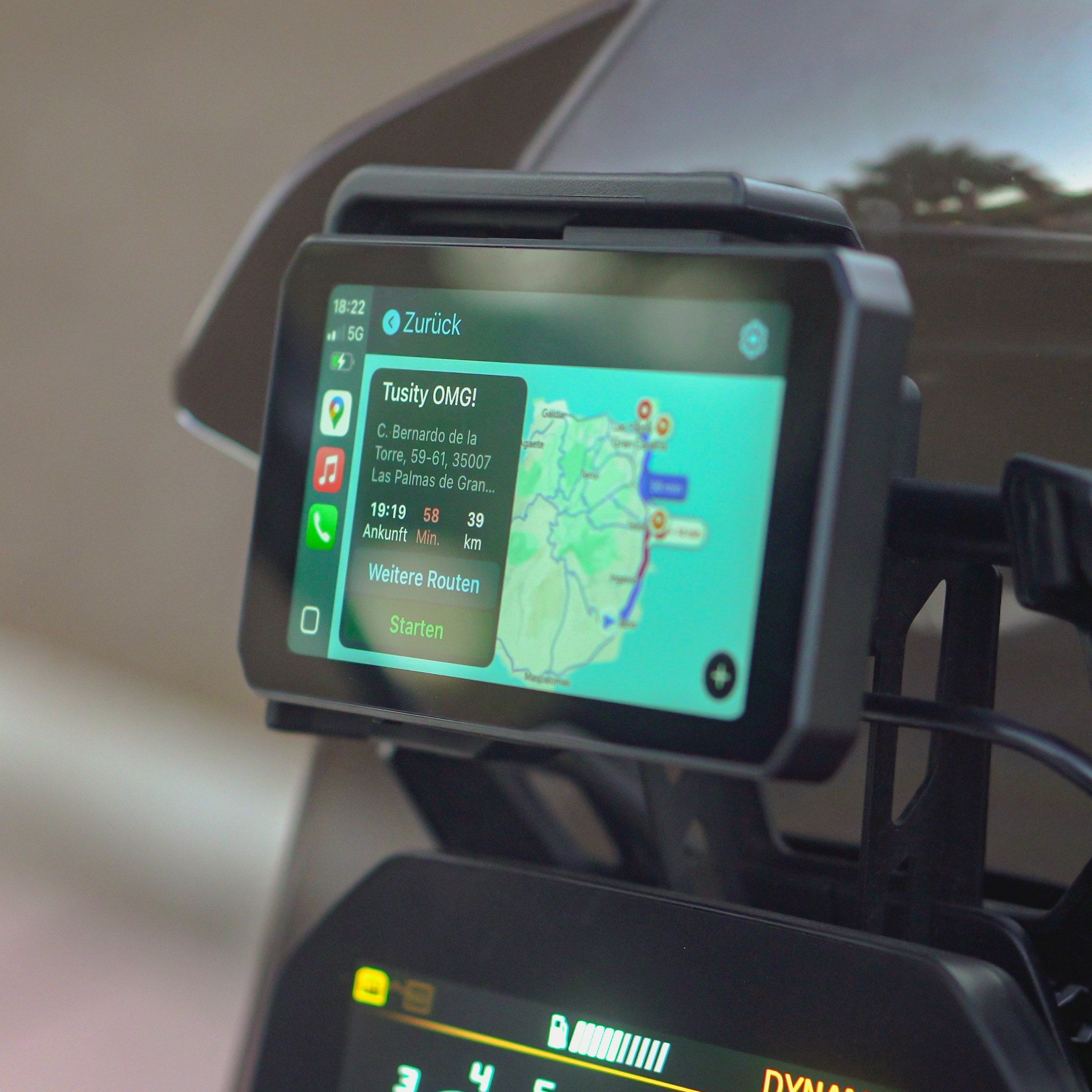
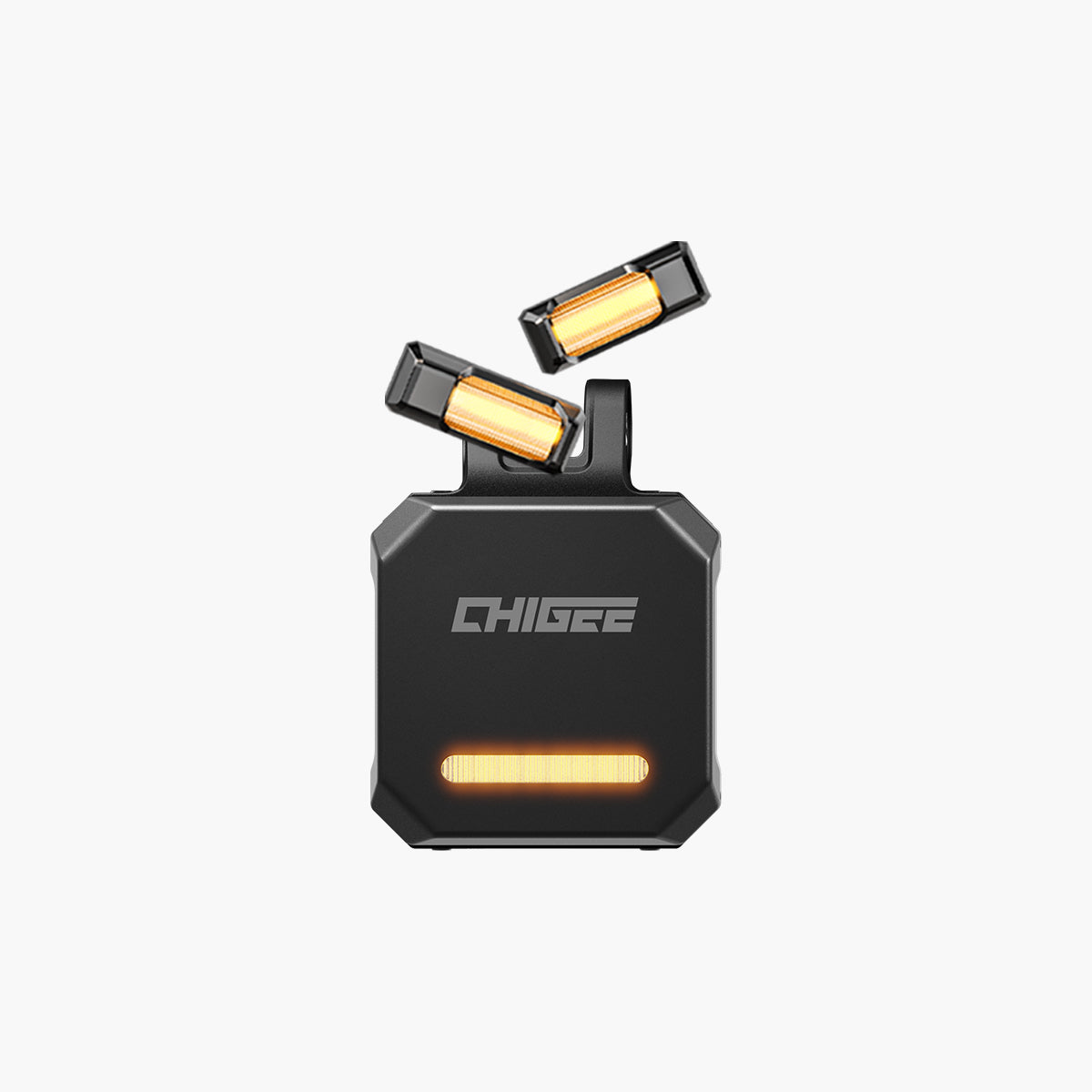
The two tests measure different threats. A device rated only IP69 isn't necessarily safe under long immersion, and a device rated only IP67 or IP68 isn't necessarily safe under hot pressure-washing. A radar that carries both ratings has been tested against both. Many aftermarket motorcycle radars on the market today carry IP67. Some, including CHIGEE's SR-1, carry IP68 and IP69 together. The difference shows up the first time a rider walks up to their bike with a pressure washer.

Water and Dust Resistance Standards source: IEC 60529
What a real maintenance routine looks like
Here's where this article puts most of its weight — because this is the part that's hardest to find written down. The simplest way to think about radar care is by frequency.
Before every ride. Wipe the sensor face. Five seconds. Mud, bug strike, road salt, ice, a stuck leaf — anything on the radome reduces detection accuracy. Triumph requires this on its own bikes for a reason, and the same physics applies to any aftermarket setup. While you're back there, glance at what's loaded on the bike: a new tail bag, a passenger's jacket sleeve, a strap that's drifted into the radar's line of sight. The sensor doesn't know what's in front of it — only that something is. Furthermore, minor accumulations of dust or mud spots, as well as exposure to rain, will not cause the radar to malfunction. However, if the radar surface becomes obstructed by thick dirt, wet mud, large leaves, stickers, metal objects, accumulated snow, or heavy grime, the radar waves may be attenuated; this could result in a reduced detection range, delayed recognition of vehicles behind you, inconsistent alerts, or an increased probability of false alarms or missed detections.
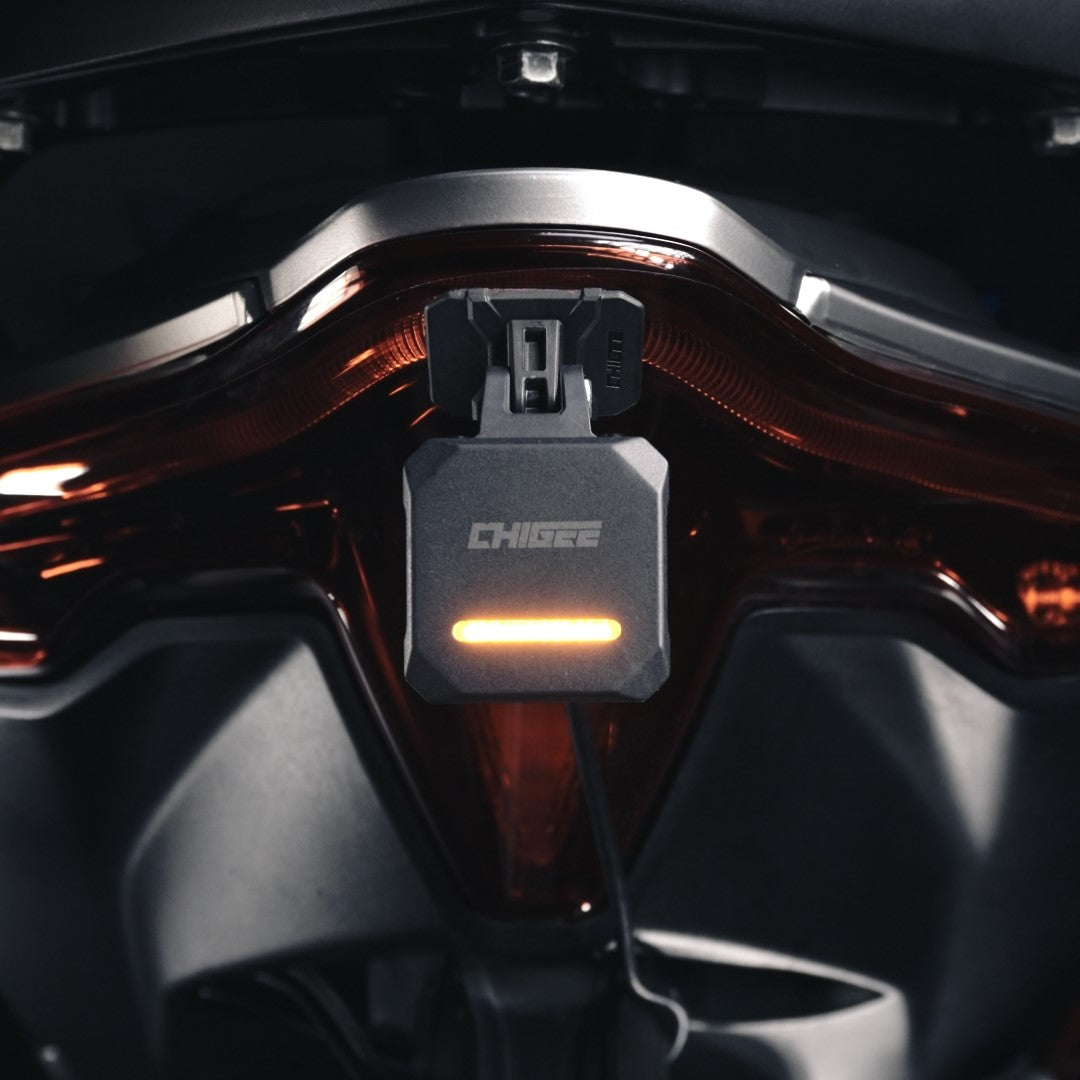
Monthly, or every 1,000 km — whichever comes first. Check the mounting hardware. Motorcycle vibration loosens fasteners, and this is the most under-appreciated maintenance task on any bike, not just the radar. Check whether the 3M adhesive has loosened or shifted its orientation. If there are any signs of loosening or misalignment, please replace the adhesive immediately and correctly remount the radar. While you're back there, check the cable for chafe points, especially where it crosses the frame edge.
When to stop and contact support. Persistent false alerts in conditions where the radar used to behave normally. Missed alerts where the system clearly should have caught something. Visible cracks, moisture, or fogging behind the sensor face. Any front-end repair work or accident, however minor. These aren't user-fixable. At this point, the radar has stopped being a maintenance question and become a service question.

After riding over long distances or on complex terrain, a backpack or jacket may shift due to vibrations and obstruct the radar. Please promptly check the area around the radar for any obstructions, or verify whether the radar itself has become loose or displaced.
Five things that often get overlooked
A few details that don't usually make the checklist, but matter:
Stickers and reflective decals near the license plate. Polestar's manual explicitly bans them on car radar surfaces. The same physics applies to motorcycles.
Vanity plate frames with metallic finishes can interfere with radar return when the radar is plate-mounted.
A top case tall enough to mask the rear arc can quietly cut detection in zones the sensor used to cover.
A pillion passenger's loose jacket flapping in the wind can break the detection cone without the rider ever seeing it from the saddle.
An aftermarket exhaust positioned too close to the radar — its heat plume drifts past the sensor face over time and can affect performance.
Each of these changes what the radar sees without changing what the rider sees. That gap is the problem.

In rainy or snowy weather, mud, sand, or clumps of snow kicked up by the rear wheel may adhere to the motorcycle's radar, thereby affecting the accuracy of its operation.
What it all comes down to
A car protects its radar with sheet metal. A motorcycle protects its radar with the rider's attention. The five seconds before a ride, the monthly check on the mounting hardware — these are the cheapest insurance policies on the whole motorcycle.
Good radar modules are built for this environment. They're rated for it, tested for it, designed around it. But hardware ratings describe what a device can survive in a lab. Whether the radar still works correctly three summers from now is a different question — and that one is answered by what the rider does on the way out of the garage.







Leave a comment
All comments are moderated before being published.
This site is protected by hCaptcha and the hCaptcha Privacy Policy and Terms of Service apply.