

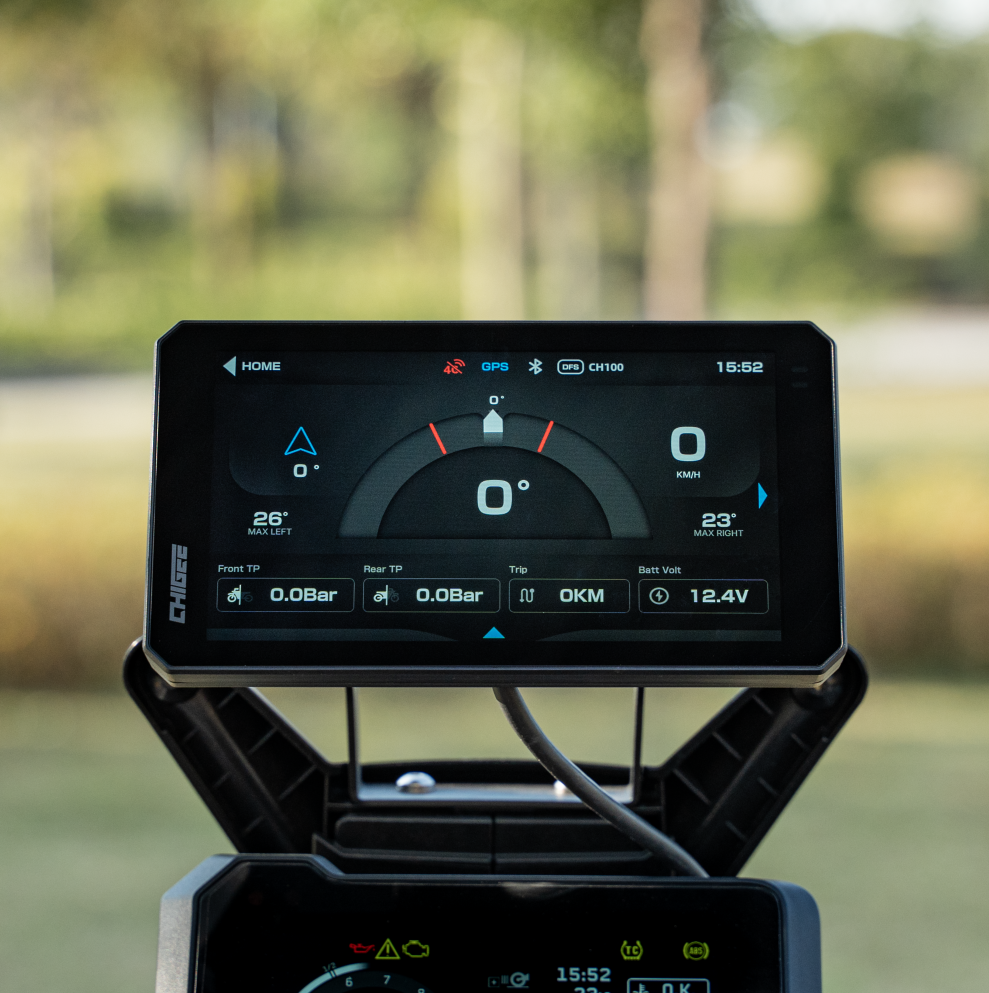
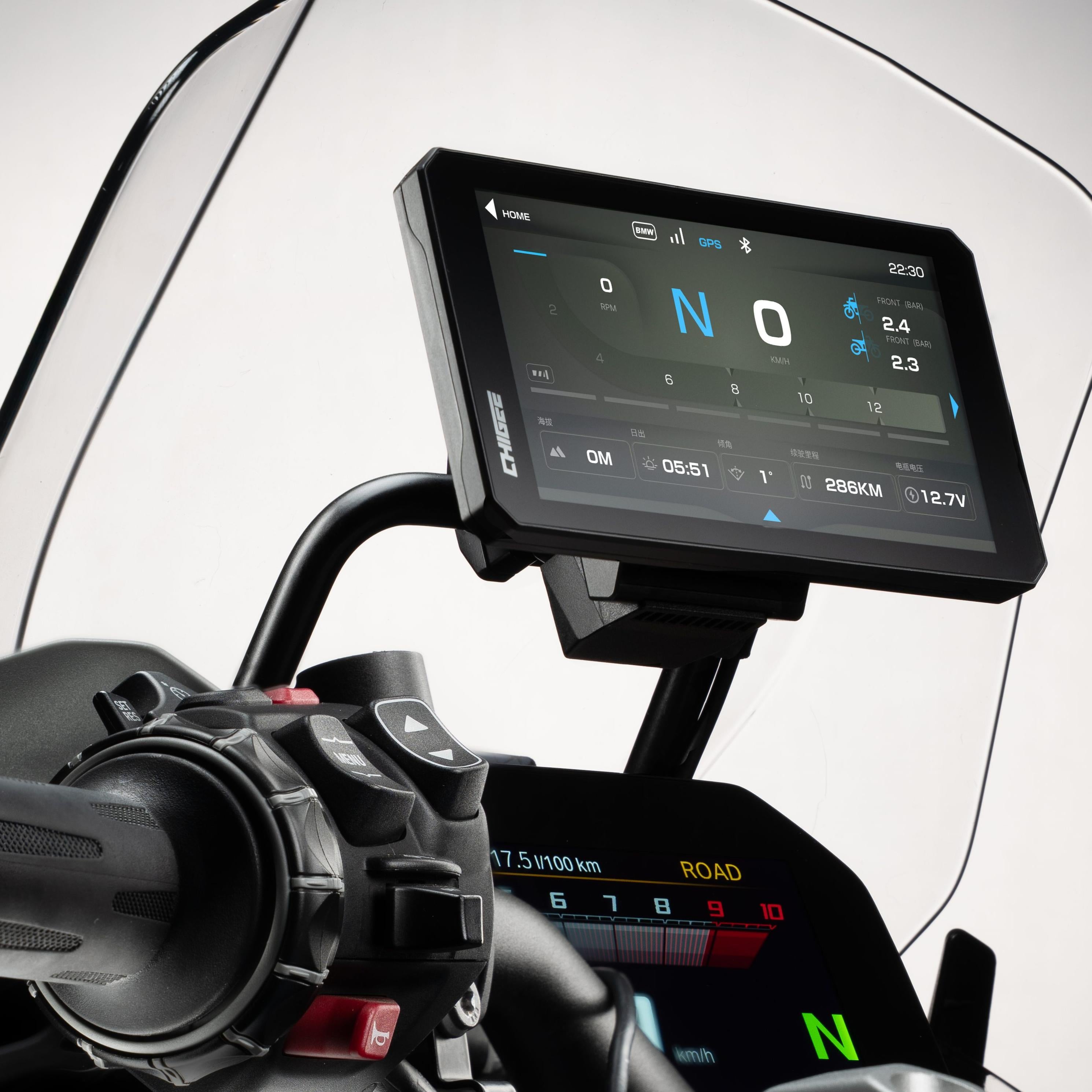
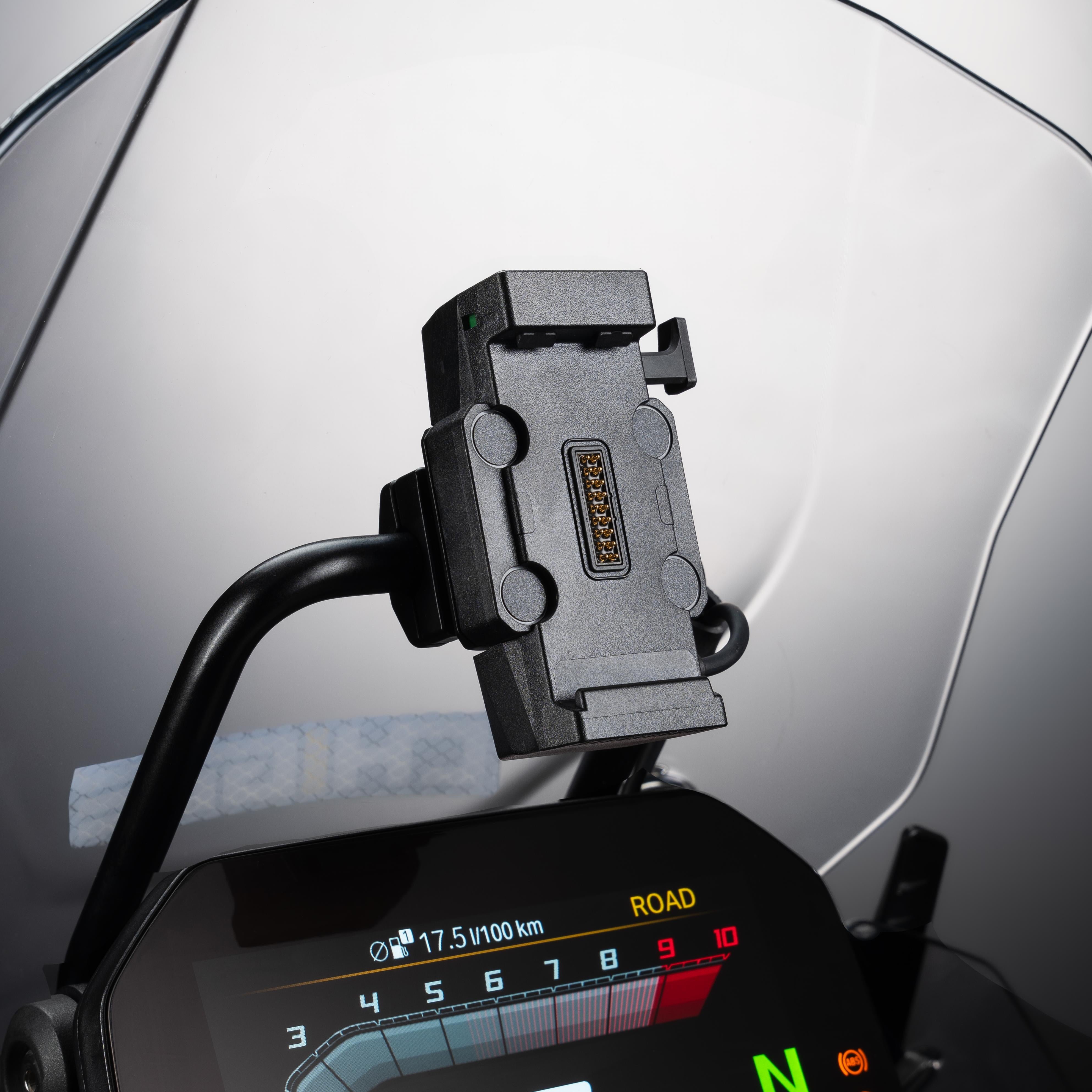
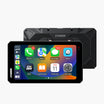
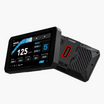
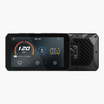
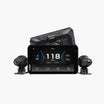
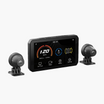
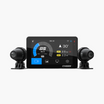
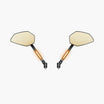
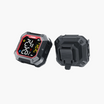
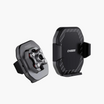

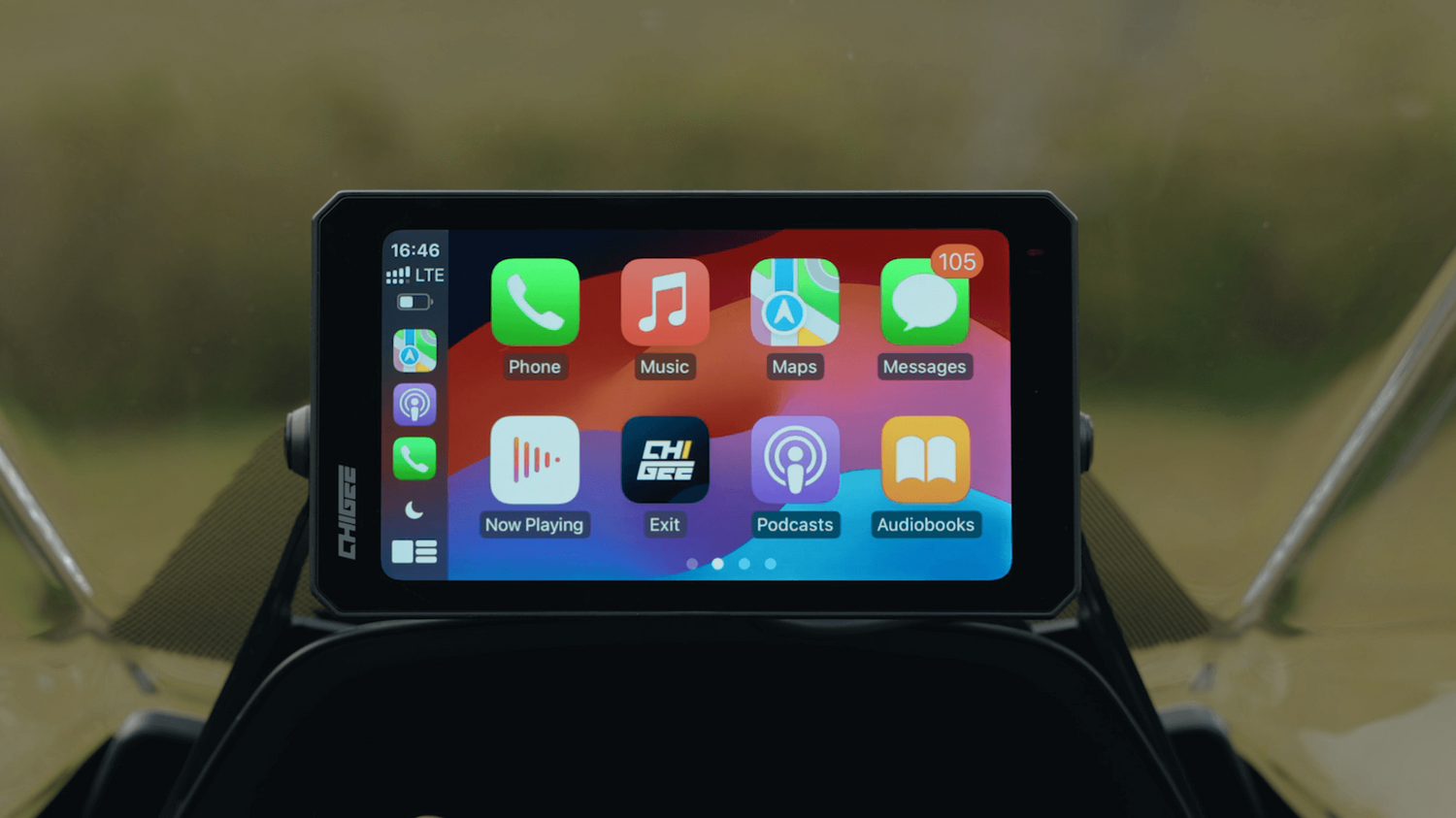
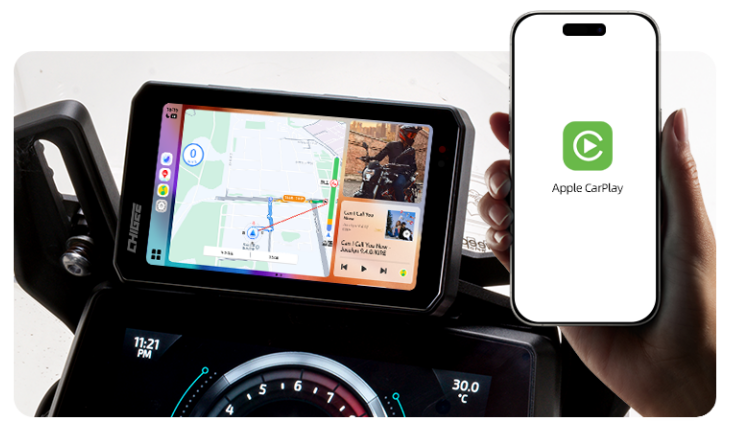
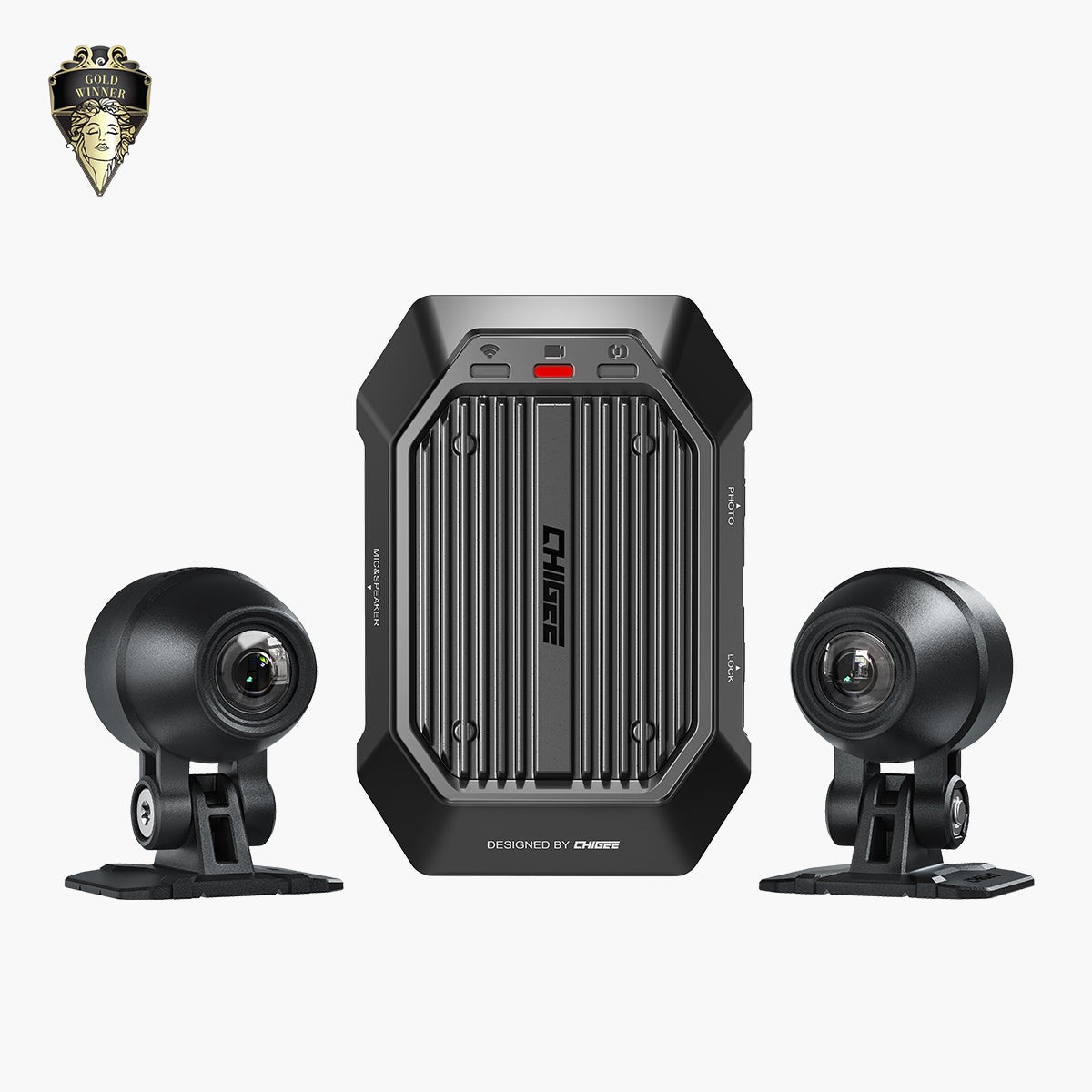
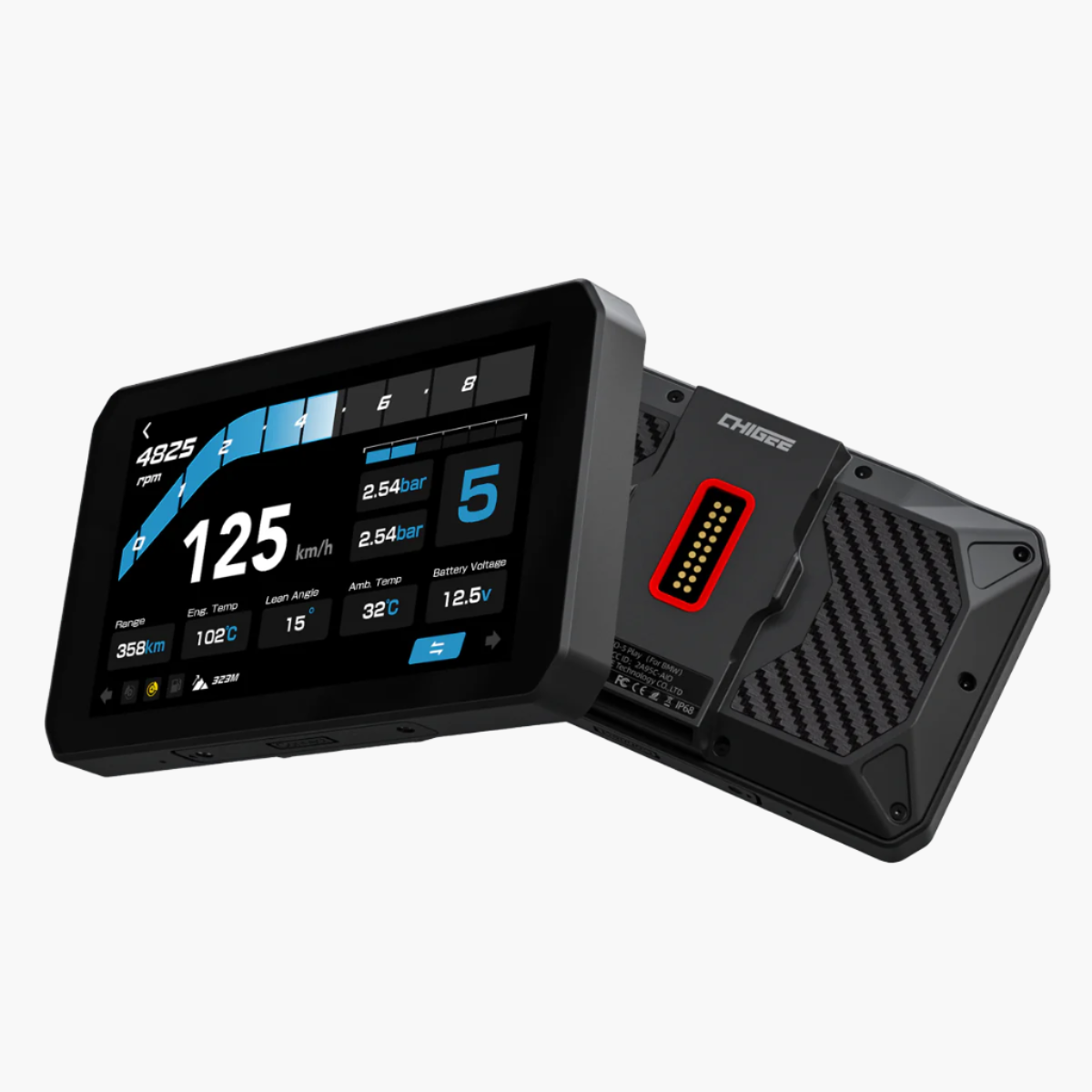
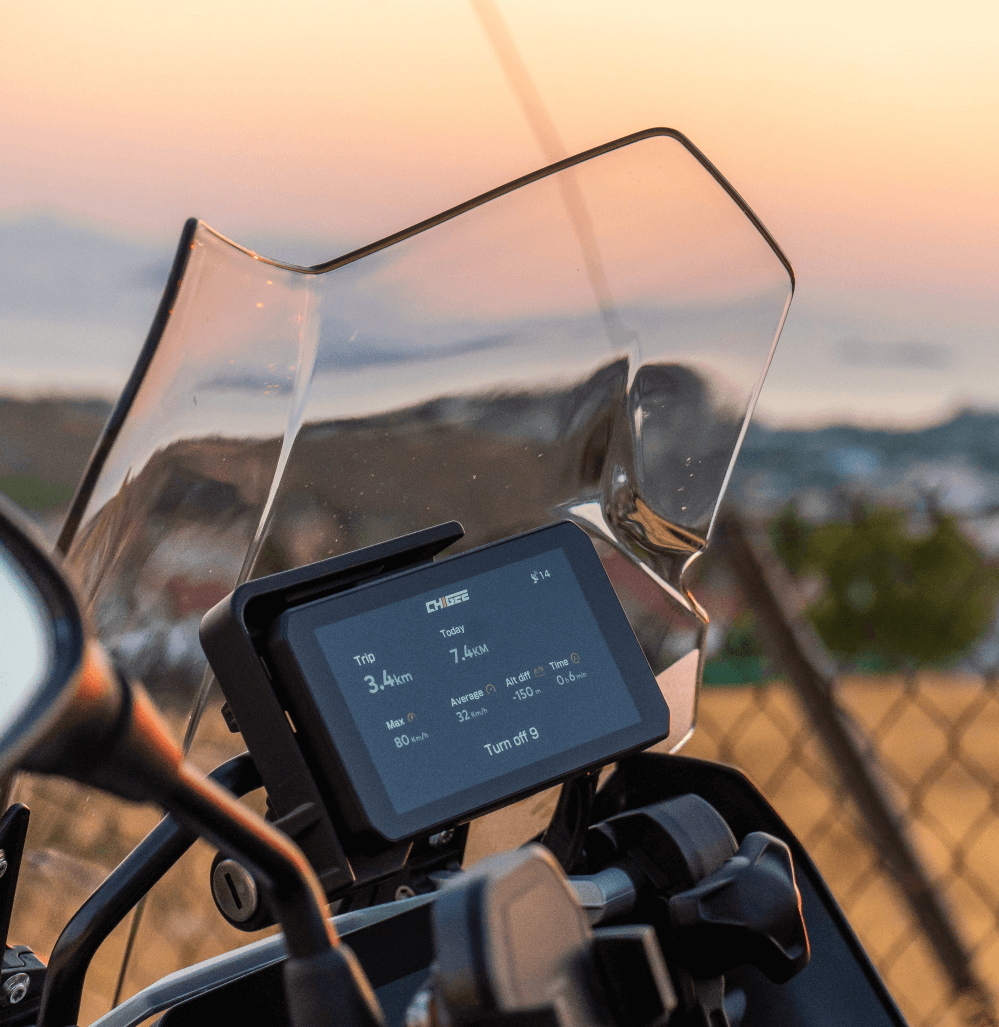
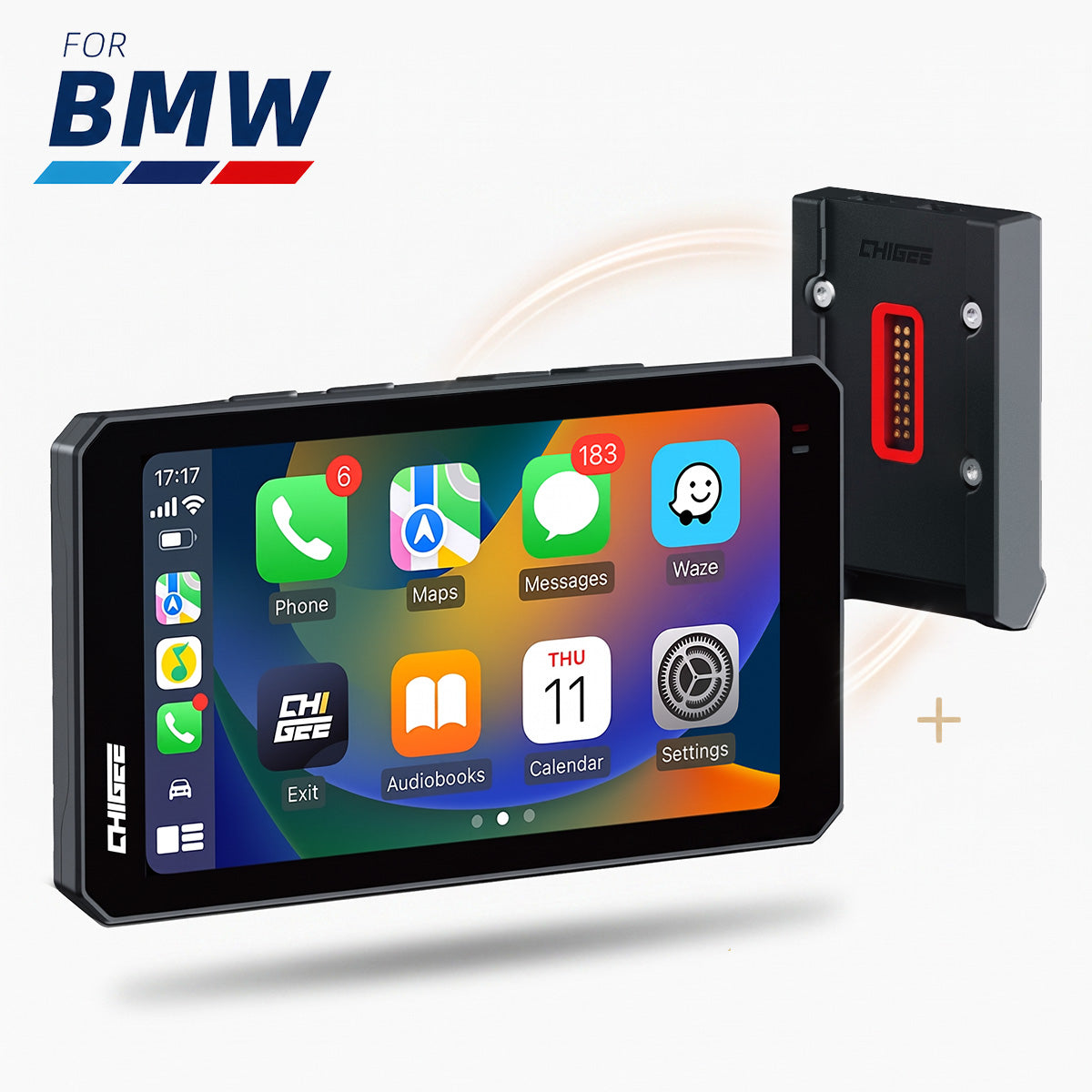
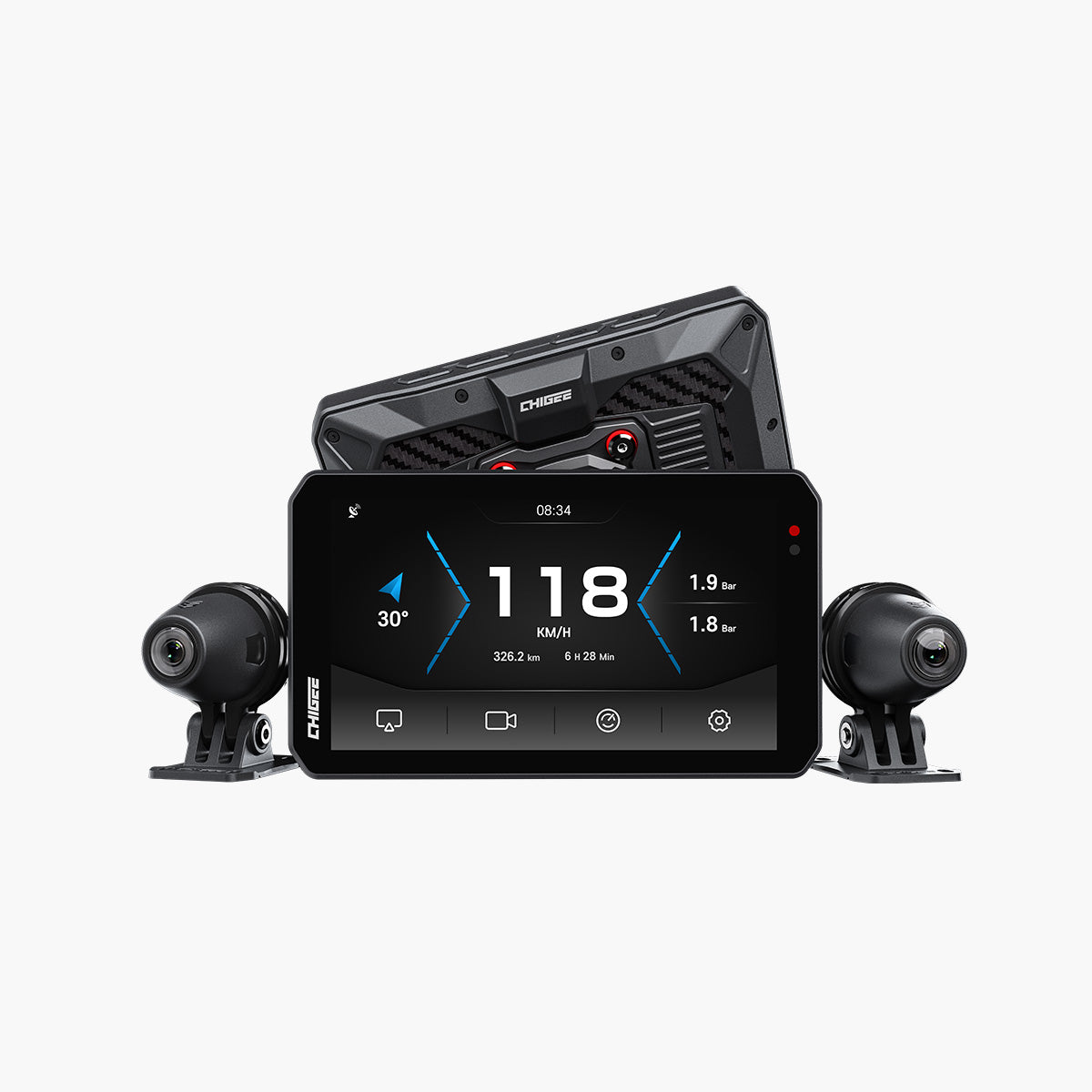
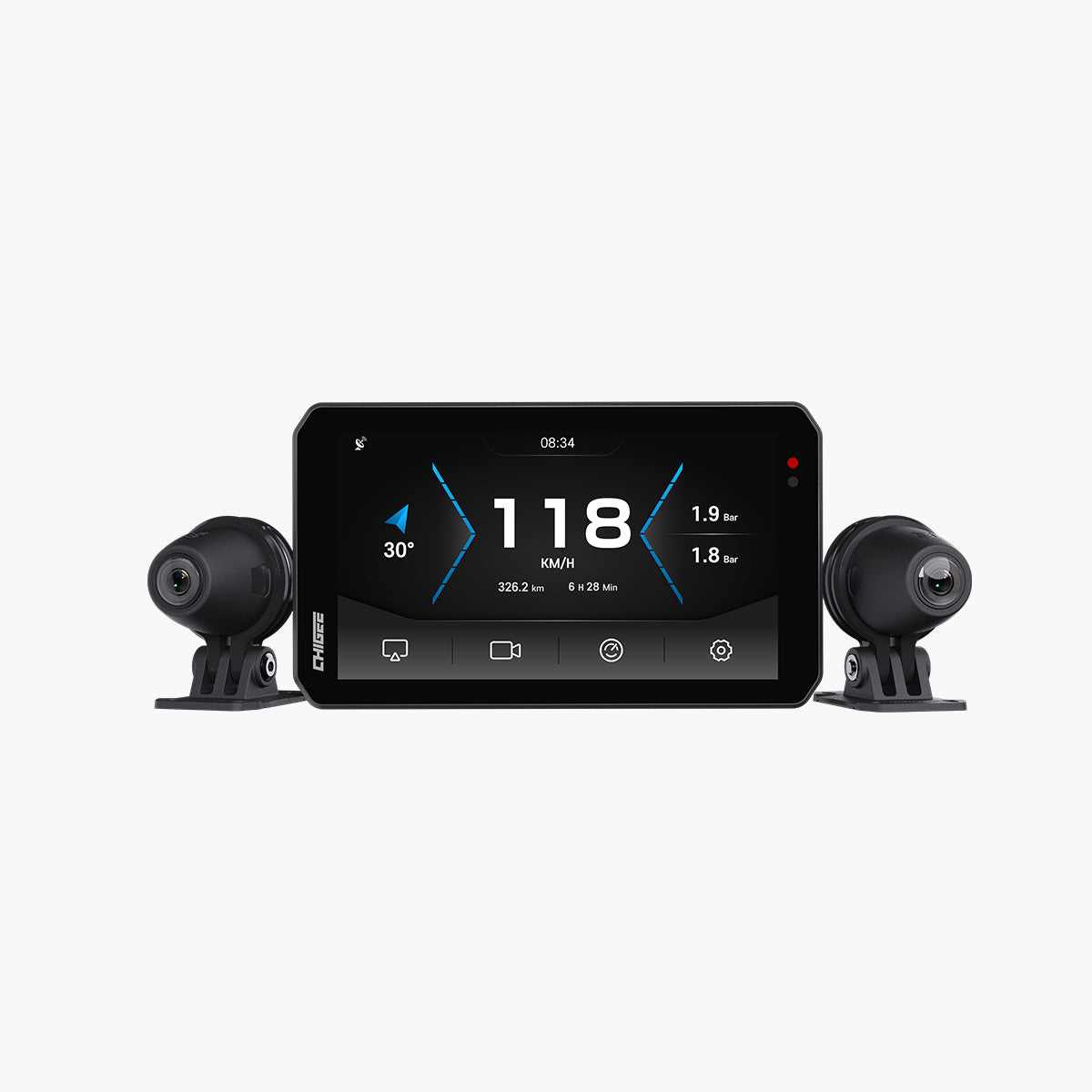
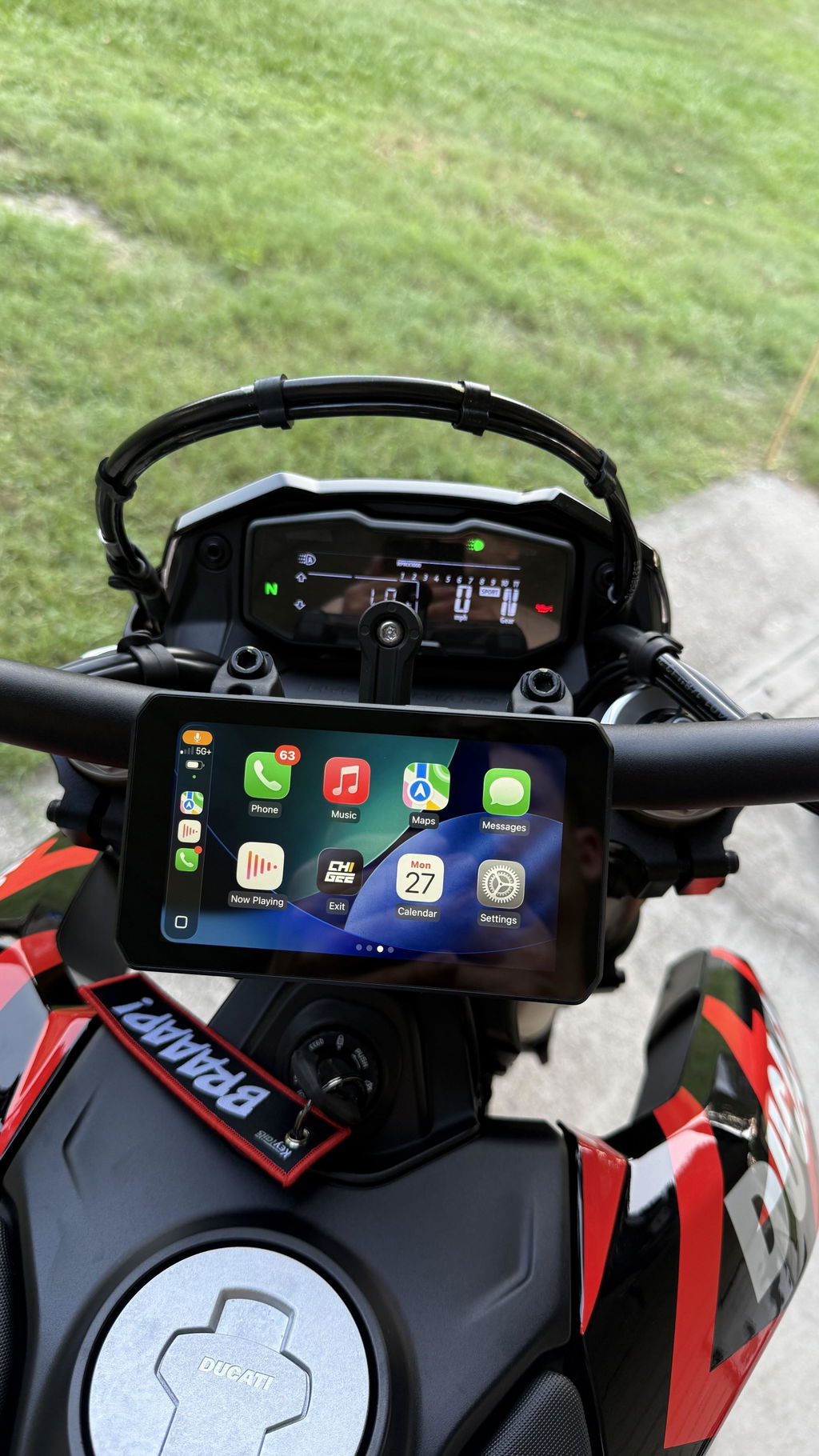
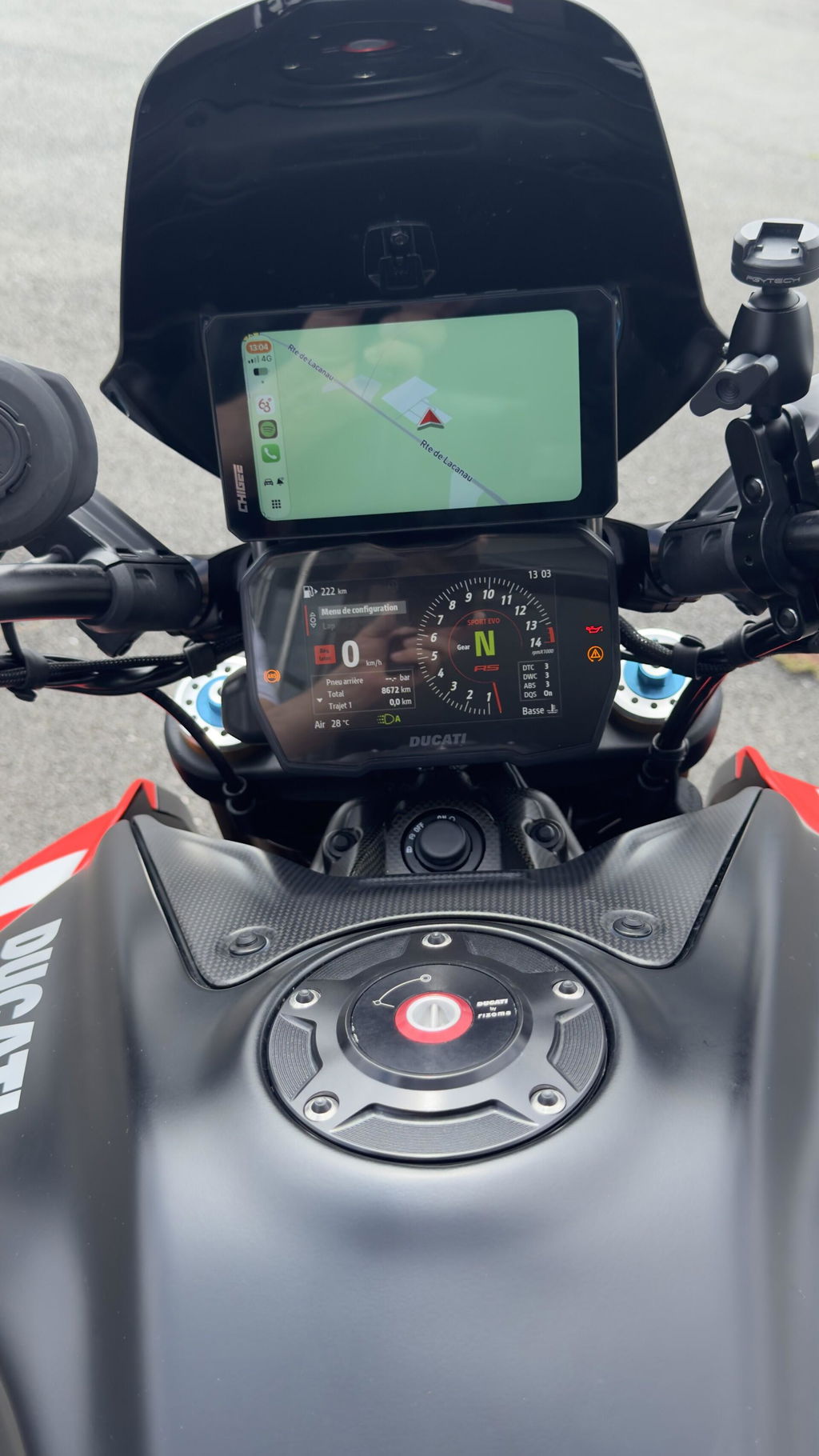
The CHIGEE AIO-6 series already set a new benchmark for motorcycle dash displays: a 6-inch 2300-nit screen, quick-release mounting, optional dashcam with blind-spot and parking monitoring. Solid hardware. Job done, right?
Not quite.
The CHIGEE AIO-6 LTE takes everything the AIO-6 MAX does well and adds a layer of connectivity that fundamentally changes what a riding display can be. The AIO-6 MAX is a recorder. The AIO-6 LTE is a guardian - one that stays online when you walk away, watches the road ahead, and even calls for help when you can't.
Here are the six features that make the AIO-6 LTE different. Some of them will change how you ride. Others will just make your life easier. We'll let you decide which is which.
Part One: On the Road — Two Features That Cover the Whole Arc of a Ride
Weather at a Glance, Before It Becomes a Problem
Picture this: you're three hours into a six-hour tour and the sky ahead has that sickly green-gray look. You know what it means, but you're not sure how fast it's moving or whether you should take the ridge route or cut through the valley.
Most riders would pull over, fumble for a phone, unlock it, open a weather app, and try to read a radar map on a sun-washed screen. That's not a quick check — it's a full stop in the middle of a decision that needs to happen in seconds.
The AIO-6 LTE puts live weather on your display before you even think to check it. Current conditions, temperature, humidity, and sunrise — right there, at a glance, between your GPS route and your speed. You read the situation, decide to cut through the valley instead of staying on the ridge, and ten miles later the sky opens up behind you.
Weather on a motorcycle isn't an annoyance — it's a safety hazard. Reduced visibility, hydroplaning, hypothermia, lightning on exposed ridgelines. The LTE keeps live data on your display the entire ride, so a glance is all it takes to know what you're heading into. And to make your own call before the weather makes it for you.
Which brings us to the harder question: what happens when things go wrong anyway?
Emergency SOS— The One You Hope You Never Use
You're on a solo ADV run through the high desert. The nearest town is 40 miles back. Cell signal flickers in and out. You hit a patch of loose gravel mid-corner, the front wheel washes out, and you go down hard. You're conscious, but your arm isn't working right, and your phone is buried in a jacket pocket you can't reach.

This is the scenario every solo rider has imagined and hoped would never happen. The AIO-6 LTE's G-force sensors register the impact. A 60-second countdown appears on screen — there to cancel if you're okay, but otherwise it just counts. When it expires, the unit sends an SOS SMS to your pre-set emergency contacts. A plain SMS, which in most regions includes your exact GPS coordinates.
Every rider knows the math: you're most vulnerable when you're alone. Group rides have built-in safety nets. Solo rides don't. Emergency SOS is the feature you hope you never use — but if you ever need it, nothing else on this device matters as much.
For ADV riders, long-distance tourers, and anyone who has ever looked at a stretch of empty road and thought "what if" — this alone justifies the step up to the AIO-6 LTE.
A few things to know before you rely on it: The alert is sent via SMS, so it requires cellular signal — service availability varies by region, so confirm coverage in your area first. Crash detection also requires an active GPS fix to trigger. In some markets, including parts of Southeast Asia, Africa, and India, local SMS regulations prevent location data from being included; the alert still goes through, but your contacts will need another way to find you. Know the limits, but don't let them overshadow what this feature does: it gives you a safety net that didn't exist on a handlebar display before.
And that covers the ride itself — the live info you need to make good decisions, and the backup when a decision can't undo what happened. But a ride doesn't end when you kill the engine. In some ways, that's when a different kind of anxiety starts.
Part Two: The Parking Lot — Three Layers of Protection, One Built Right In
Geofencing — You Know Before You Could Possibly Notice
You're home. It's 3:17 AM. Your phone lights up: "Your bike has left the geofenced area."
You didn't move it. You know exactly what that means.

Motorcycle theft is a numbers game — the faster you know, the better your odds. Geofencing gives you a reaction window measured in minutes, not hours. By the time you'd notice your bike was missing the old-fashioned way — morning commute, walking past the garage — the bike could be in a shipping container headed for a different port.
The setup is simple: draw a virtual perimeter around your home, your office, or anywhere you regularly park. The moment the bike crosses that line without the ignition being on? Instant alert. No third-party tracker. No monthly subscription for a separate device. It's built into the AIO-6 LTE itself.
And it's not just for theft. Let a friend borrow the bike? Drop a geofence around their neighborhood and get notified when they're back. Valet parking at a motor event? Set a temporary boundary and enjoy the show without checking your phone every five minutes.
So geofencing tells you something happened. But what exactly happened? That's where the second layer comes in.
Live View — Not Just "Something Happened," But What's Happening Now
Parking anxiety is real. You park in unfamiliar places all the time — group ride meetups, overnight stops on a tour, a trailhead you found on a map and no one you know has ever been to. You walk away and wonder: is it still there? Did someone bump it? Is that kid eyeing it?
Parking monitoring already covers the basics — it detects impacts and records while parked. But that's a retrospective tool: you find out something happened after the fact. Live View takes it one step further. Open the app from anywhere, and you're looking at a real-time feed from your bike's camera. You can see whether the person leaning on it is just curious or up to something. You can check if that delivery truck parked too close.
Parking monitoring is your security footage. Live View is you looking out the window.
It gives you the ability to decide: do I need to go back, or can I relax? And that small distinction — between wondering and knowing — makes a bigger difference than you'd expect over a long trip with multiple overnight stops.
Location Tracking — The Last Layer, Just in Case
Sometimes the first two layers aren't enough. Geofencing catches the moment it happens. Live View lets you see what's going on. But if the bike is already gone, you need to know where it is now.

You park in a sea of identical bikes at a weekend rally. Same brand, same color, same row. Fifteen minutes of walking later, you pull out your phone, open the app, and the AIO-6 LTE pings its exact GPS coordinates. You walk straight to it.
Inconvenient? Sure. But the real value shows up in worse circumstances. If your bike gets stolen and Geofencing didn't catch it in time, Location Tracking gives law enforcement a real-time target instead of a cold case. Two layers — Geofencing for instant awareness, Location Tracking for recovery. The MAX, with its local-only recording, has neither.
Between the ride itself and the parking lot, the LTE already covers the two most stressful parts of motorcycle ownership — being on the road when things go wrong, and being away from your bike when you can't watch it. But there's one more layer, and it's quieter than the others. It's the layer that keeps you from worrying in the first place.
Part Three: The Quiet One — Peace of Mind Between the Big Moments
Real-Time App Alerts — Your Bike Checks In So You Don't Have To
The MAX records everything silently. Crashes, impacts, camera status changes — it's all logged, but you only find out when you check.
The LTE tells you.
 A gentle bump in a crowded parking lot. Somebody leans their bike against yours at a meetup. A curious passerby touches the display. The AIO-6 LTE sends a real-time alert, and you know about it the moment it happens — not at the end of the day when you're checking footage.
You might scoff at this one at first. "Do I really need a notification every time someone breathes on my bike?" But the value isn't in a single alert. It's cumulative. Over weeks of ownership, you build a sense of what's normal for your parking situation. You stop checking on the bike constantly because you trust the device will tell you if something matters. It's the difference between parenting by hovering and parenting with a baby monitor — you're not less attentive, you're just less anxious.
Choosing Between MAX and LTE: What Actually Changes
Three features on this list — Emergency SOS, Geofencing, Location Tracking — are security tools that the MAX simply cannot match. They're not incremental upgrades. They're new capabilities that change what the device can do for you when you're not on the bike, and when you're in trouble.
The other three — Live View, Weather, App Alerts — are quality-of-life improvements that make the LTE a more thoughtful daily companion.
Choose the MAX if you want a brilliant dash display with recording and monitoring, ride mostly in groups, and always park in a secure garage.
Choose the LTE if you ride solo, park on the street, travel to unfamiliar places, or simply want a device that watches your back — on the road, in the parking lot, and when you're alone on a road where no one else is coming.
FAQ
Q: Do I need a monthly data subscription for the LTE?
Yes, 4G connectivity requires a SIM card. Data plan availability varies by region - check with CHIGEE for supported carriers and current plans.
Q: Can I upgrade my AIO-6 MAX to LTE?
No. The 4G cellular module is built in at the factory. The hardware is otherwise identical (same screen, cameras, sensors, and mount).
Q: Does 4G drain the battery significantly?
Minimal draw in standby. Under normal riding, the bike's charging system handles it easily. Parking monitoring uses onboard power management to conserve battery over longer stops.
Q: How does Emergency SOS work without app access?
It's sent as a plain SMS, not an app notification. It works even if your phone is locked or data signal is weak — SMS has broader reach than data-dependent messaging.
Q: Do I need the LTE if I only ride locally?
If you park on the street, commute daily, or ever ride solo, the safety and security features are worth considering. If you always ride with a group and park in a private garage, the MAX is likely sufficient.
Q: Can I use all LTE features in any country?
4G coverage and SMS regulations vary. Emergency SOS location data may not be available in all regions (notably parts of Southeast Asia, Africa, and India). Always verify local cellular support and SMS regulations before relying on these features as your primary safety net.
The CHIGEE AIO-6 LTE — because the road doesn't owe you anything, but your gear should always have your back.




Leave a comment
All comments are moderated before being published.
This site is protected by hCaptcha and the hCaptcha Privacy Policy and Terms of Service apply.