


Estás a punto de comprar un radar para motocicleta. Vas a comparar alcances de detección, grados de protección IP, bandas de frecuencia, modos de alerta. Todas las páginas de producto dicen lo mismo: 77GHz de onda milimétrica, hasta 100 metros de alcance, protección IP67, alertas BSD y RCW. Los números encajan perfectamente. Elegirás el que ofrezca más.
Pero hay una especificación que determina si seguirás confiando en tu radar dentro de seis meses—y no aparece en ninguna página de producto. No se mide en metros ni en decibelios. Ningún reseñador la evaluará. Y, sin embargo, define toda la experiencia a largo plazo de tener el dispositivo.
Es del radar filosofía de alertasen crema o óxido profundo para resaltar los
Los dos extremos
Cada radar en el mercado se sitúa en algún punto de un espectro entre dos modos de fallo. Ambos son técnicamente funcionales. Ambos pasarán cualquier prueba de referencia. Pero crean relaciones radicalmente diferentes entre tú y el dispositivo en tu motocicleta.

Sobre-alertadores: donde la confianza muere lentamente
Algunos sistemas están ajustados para máxima sensibilidad. Alcance de detección largo, umbral bajo, geometría de zona amplia. Cada vehículo que se acerca por detrás activa una advertencia. Cada coche que se desliza en un carril adyacente se marca. El radar siempre está hablando.
La primera semana, esto se siente genial. Estás hiperalerta. Te descubres revisando los espejos más seguido. Te sientes más seguro.
Para la tercera semana, algo cambia. Tu cerebro empieza a notar que la mayoría de las alertas no requieren acción. Un coche pasando en una autopista de varios carriles no es una amenaza. Un SUV tres carriles más allá no necesita tu atención. Pero el sistema sigue sonando igual. Lentamente, casi sin darte cuenta, empiezas a filtrar.
Para el segundo mes, las alertas se han vuelto ruido de fondo. Técnicamente las sigues escuchando, pero tu reacción ha pasado de "frenar y mirar por el hombro" a "sí, ya sé, lo que sea".
Esto es fatiga de alertas, y está bien documentado en la investigación de seguridad automotriz. Cuando las advertencias se activan demasiado seguido, los conductores aprenden a ignorarlas. La función diseñada para mantenerte seguro te entrena para no hacerle caso. Lo cual está bien—hasta que aparece una amenaza real y tu cerebro la confunde con el ruido.
Sub-alertadores: donde la confianza nunca empieza
La filosofía opuesta falla de manera diferente. Estos sistemas se mantienen en silencio hasta que la amenaza es inmediata. El alcance de detección es corto. El umbral es alto. Las alertas son raras, pero cuando se activan, casi siempre importan.
La atracción es obvia. Sin falsas alarmas. Cuando este radar emite un pitido, tú respondes. Señal real, sin ruido.
Pero en las primeras semanas, empiezas a preguntarte si el sistema funciona en absoluto. Un coche se desliza en tu punto ciego — ¿por qué no pitó? Haces un cambio de carril sin advertencia. Revisas el manual. Lo pruebas con un amigo que va detrás de ti. Esto es latencia de confianza — el sistema pide confianza que aún no ha ganado. Algunos motociclistas nunca pasan de esta fase. Devuelven el producto convencidos de que está roto.
Entre fatiga y latencia, hay un punto medio. Pero ninguna hoja de especificaciones te dice dónde se sitúa un sistema dado.

Lo que realmente determina la experiencia
La diferencia entre un sobre-alertador y un sub-alertador se reduce a cuatro decisiones de diseño que nunca verás en una página de producto:
Umbral de detección. ¿A qué velocidad de cierre trata el radar a un vehículo como una amenaza? Un umbral alto significa menos alertas, pero más dirigidas. Un umbral bajo marca todo.
Geometría de la zona. ¿Qué tan amplio es el cono de detección y se ajusta con la velocidad? Zonas estrechas solo detectan vehículos directamente detrás. Zonas más amplias cubren carriles adyacentes—pero inevitablemente alertan sobre tráfico que no representa peligro.
Filtrado temporal. ¿Cuántas retornos consecutivos del radar se requieren antes de que el sistema se comprometa a una alerta? Un retorno es rápido y ruidoso. Múltiples confirmaciones son más lentas pero más confiables.
Lógica con umbral de velocidad. ¿La sensibilidad se adapta al contexto? Un sistema que alerta por cada vehículo en el carril adyacente en tráfico denso te volverá loco en una semana. Un sistema que entiende la diferencia entre autopista, ciudad y estacionamiento es selectivo por diseño.
Nada de esto aparece en el número del alcance de detección. Nada de ello es comparable en una prueba de referencia. Y, sin embargo, lo define todo.

Cómo interpretar más allá de las especificaciones
Si los fabricantes no publican su filosofía de alertas, tú tienes que inferirla. Tres señales te dicen la mayor parte de lo que necesitas saber.
Busca en la descripción del producto un lenguaje sobre "reducción de alertas falsas". Si una marca habla abiertamente sobre minimizar falsas alarmas, están reconociendo el problema de fatiga y probablemente han ajustado el sistema para ser selectivo. El silencio en este punto generalmente significa que el sistema está ajustado para máxima sensibilidad — y máximo ruido.
Observa las alertas en videos de reseñas reales. Presta atención a la frecuencia con la que parpadean los indicadores durante la conducción normal. Un sistema bien calibrado no debería estar parpadeando constantemente en tráfico moderado. Si los LED destellan sin parar incluso en tráfico ligero, estás ante un sistema sobre-alertador.
Busca controles de sensibilidad. ¿El sistema te permite ajustar el rango de detección o los umbrales de alerta? ¿Ofrece modos separados para autopista, ciudad o touring? La capacidad de ajuste importa: significa que el fabricante acepta que una sola filosofía de alerta no sirve para todos los motociclistas.
Hacia dónde se mueve el mercado
Durante la corta historia de esta categoría de producto, los sistemas de radar para motocicleta han tendido a sobre-alertar por defecto. La lógica era conservadora: un sistema que alerta demasiado es molesto, pero más seguro que uno que omite una amenaza. Para una categoría aftermarket de primera generación, es una inclinación razonable.
Pero la siguiente generación está empezando a cambiar. No porque el hardware haya cambiado—en la mayoría sigue siendo 77GHz mmWave—sino porque el firmware ha madurado. Los ingenieros han acumulado suficiente información de conducción real para distinguir señal de ruido. Ahora pueden ajustar el algoritmo de detección para filtrar lo irrelevante.
El resultado es un radar que alerta con menos frecuencia pero con mayor precisión. No te da más información. Te da mejor información. Es un producto diferente, incluso cuando la hoja de especificaciones parece igual.

Qué elegir
Si estás buscando un radar para motocicleta hoy, aquí está la pregunta que realmente importa:
No "qué tan lejos detecta?" — sino "cuando alerta, ¿responderé realmente?"
Un radar que detecta a 150 metros pero te entrena para ignorarlo es menos seguro que uno que detecta a 50 metros pero gana tu confianza cada vez que emite un pitido.
El rango de detección se mide una sola vez, en línea recta, en condiciones ideales. La confianza se mide a lo largo de miles de millas, en tráfico variable, a medida que la novedad desaparece.
Elija el radar que aún tenga su atención dentro de seis meses.
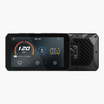
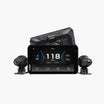
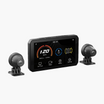
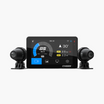
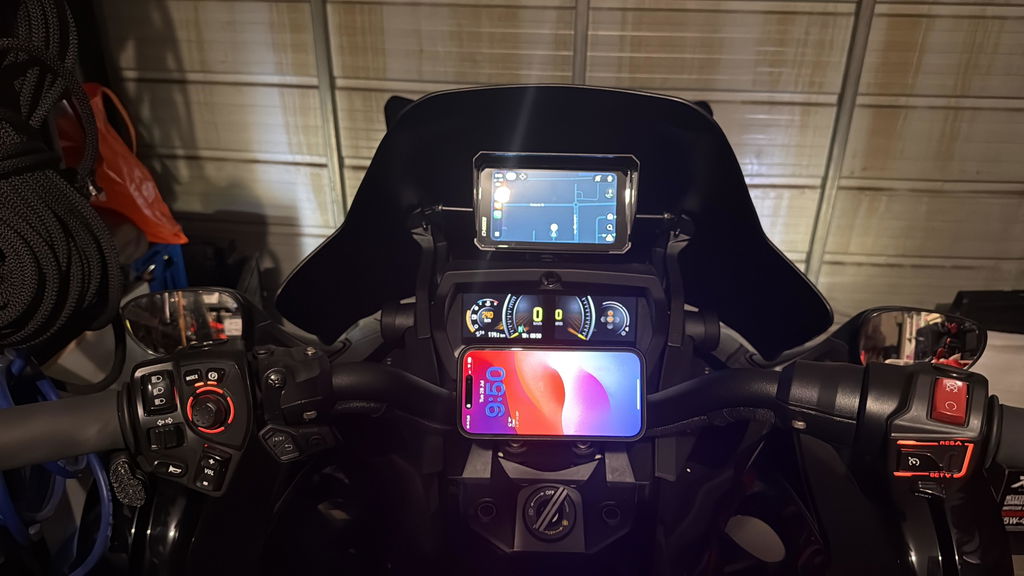
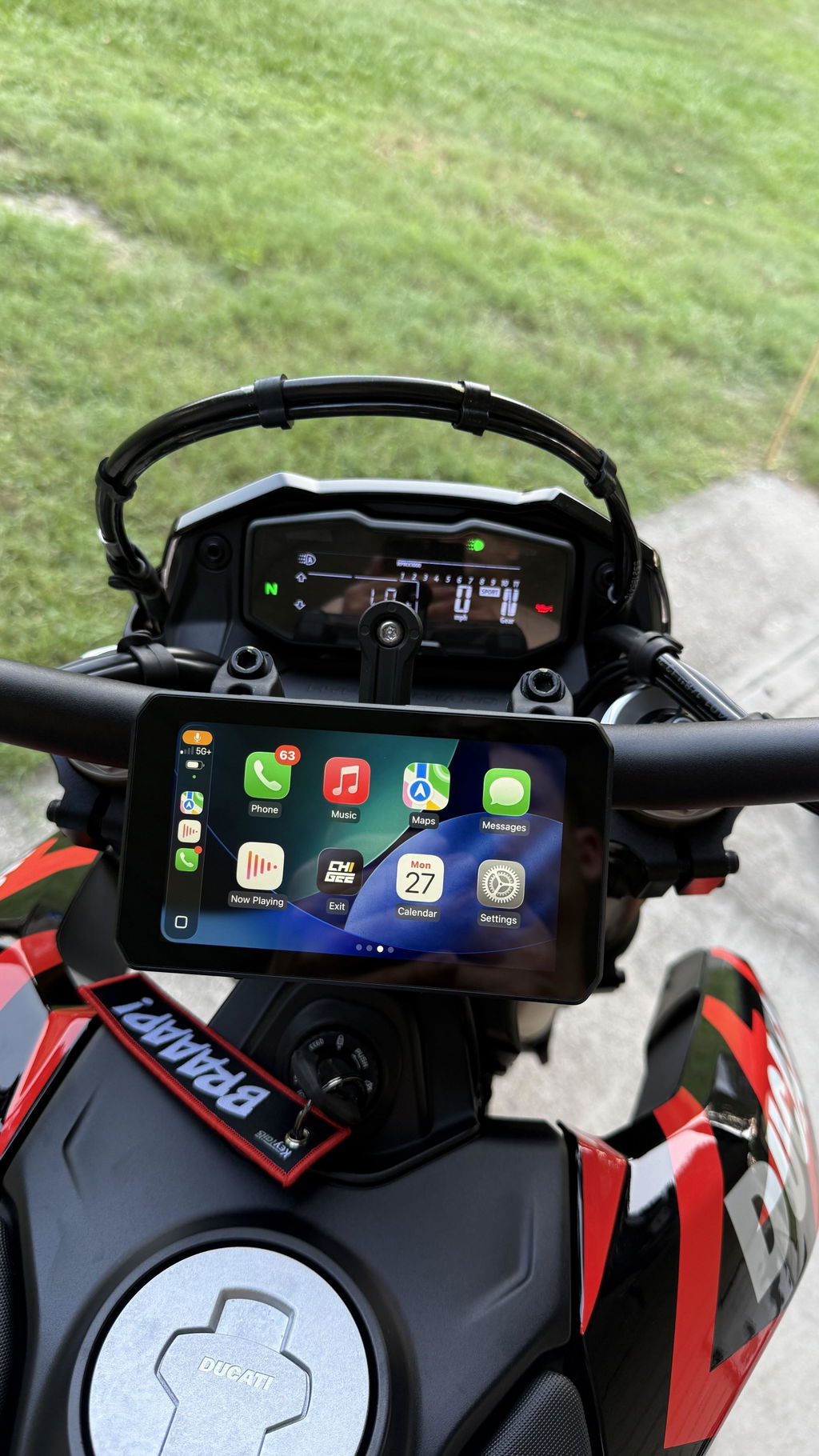
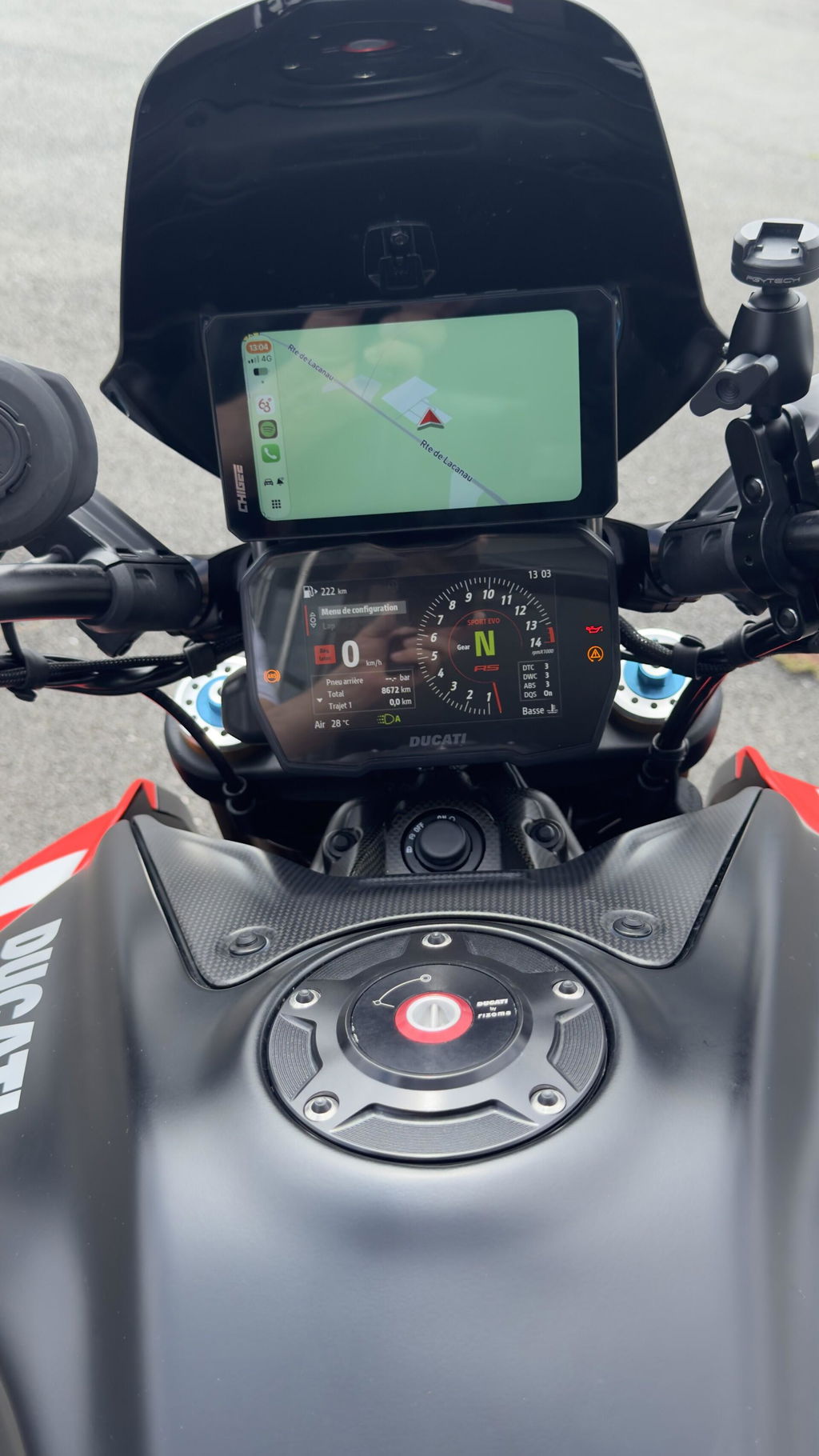
¿Cómo lo logró CHIGEE?
El equipo de I+D del SR1 insiste en realizar pruebas empíricas en carreteras reales. No solo nos enfocamos en métricas de rendimiento en frío; nos importa más cómo esos datos se traducen en la "calidez" de la conducción, porque el verdadero rendimiento, al final, es una inversión en la experiencia definitiva.
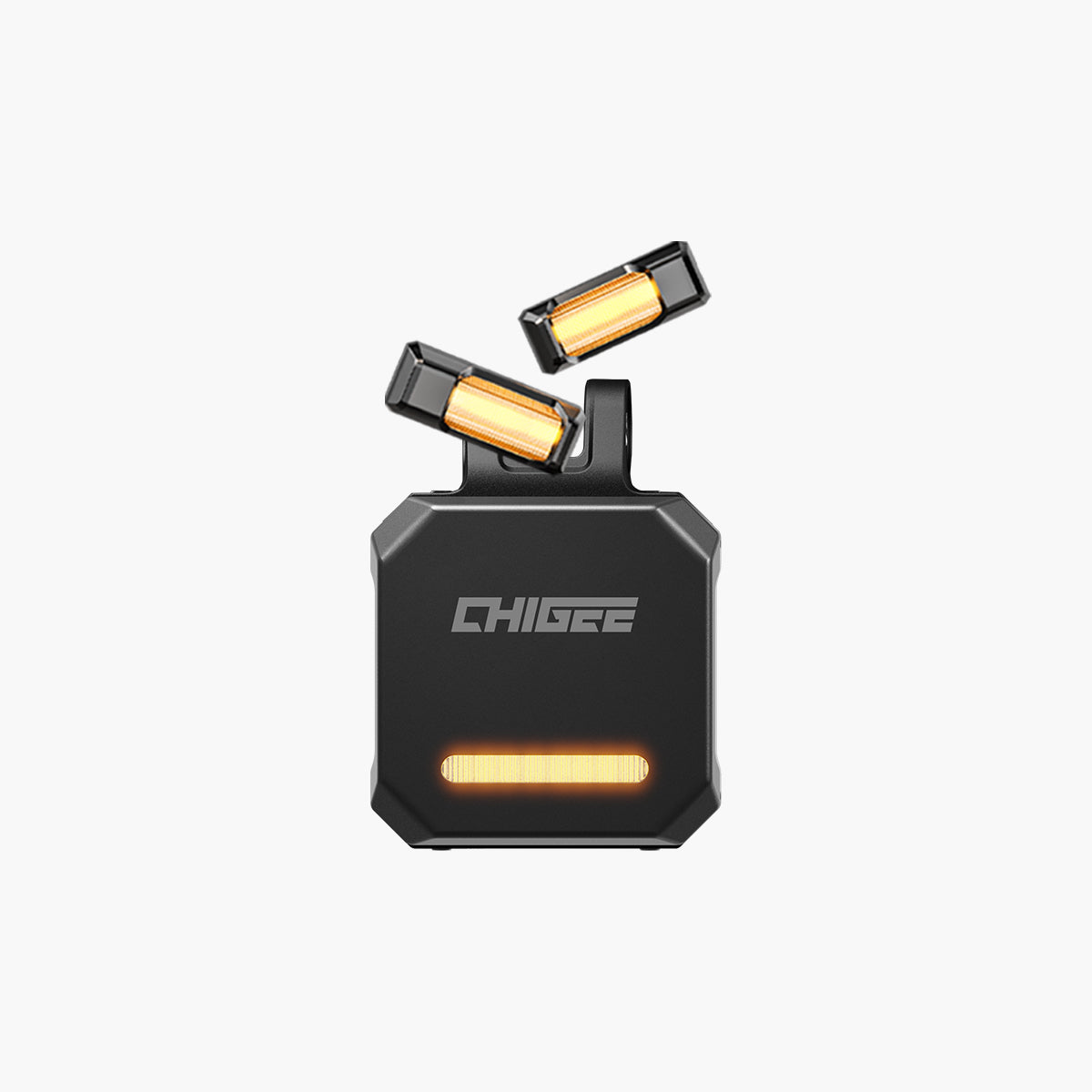
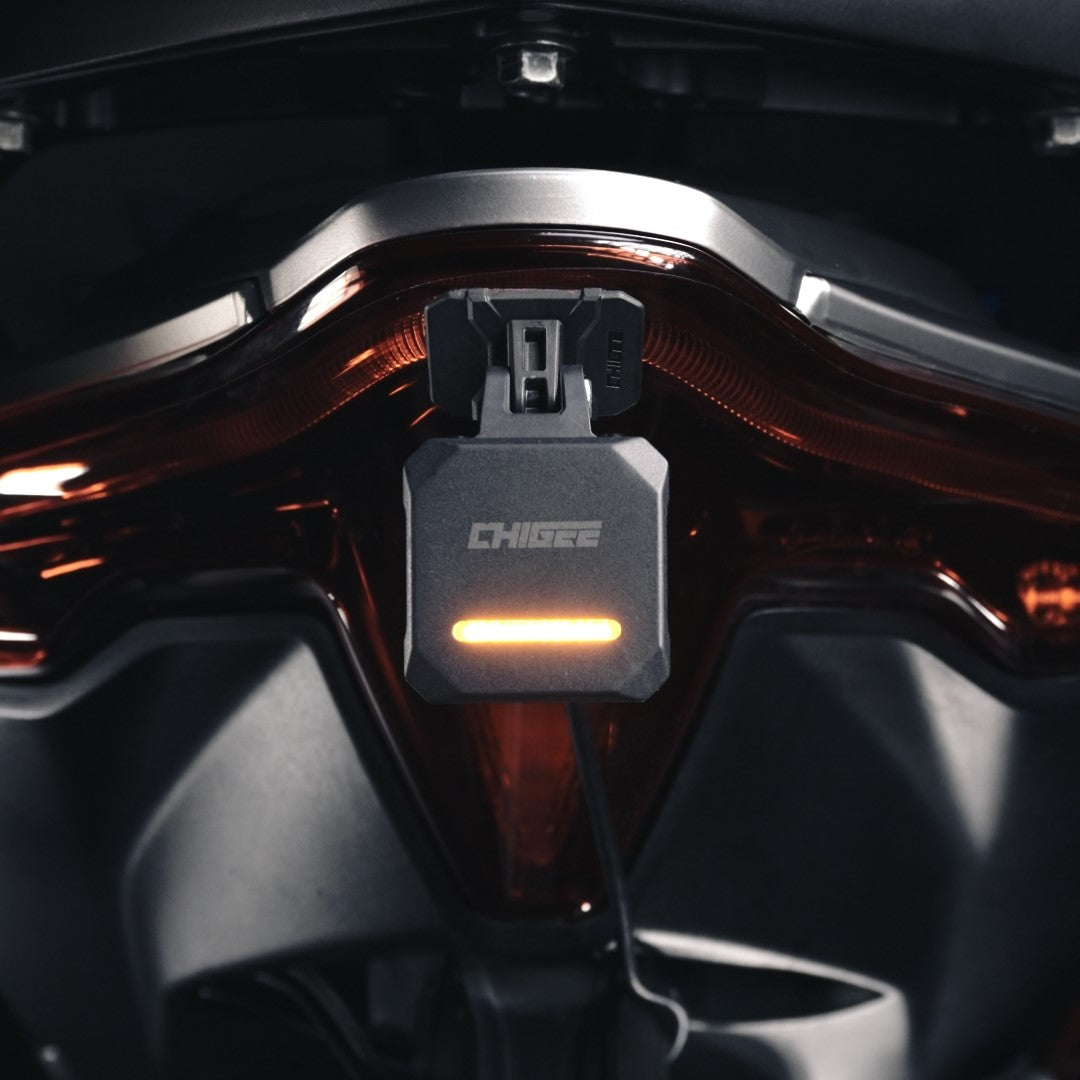
A diferencia de los radares convencionales que simplemente detectan la presencia de vehículos traseros, el Radar de onda milimétrica CHIGEE incorpora un avanzado Algoritmo de Confianza en Peligro. Al establecer un sistema de umbral de riesgo Basado en condiciones reales de la carretera, evalúa inteligentemente escenarios específicos de conducción. Los indicadores de advertencia solo se activan cuando un vehículo por detrás representa una amenaza real, filtrando eficazmente los falsos positivos para ofrecer una evaluación precisa y confiable del riesgo.
Conducir es un juego que exige máxima concentración. Ya sea por seguridad o por puro placer, los motociclistas nunca deberían distraerse con ruido redundante. Por eso, el algoritmo de CHIGEE identifica con precisión cuatro escenarios clave de conducción y realiza ajustes dinámicos específicos. Así, solo se proporciona información precisa en los momentos críticos, devolviendo al motociclista el puro placer del control.
SR-1 es un sistema de asistencia al motociclista diseñado para mejorar la percepción trasera, no para reemplazar los hábitos de conducción segura. Los motociclistas siempre deben revisar los espejos, estar atentos al tráfico circundante y usar su propio criterio en todo momento.






Dejar un comentario
Todos los comentarios se revisan antes de su publicación.
Este sitio está protegido por hCaptcha y se aplican la Política de privacidad de hCaptcha y los Términos del servicio.