


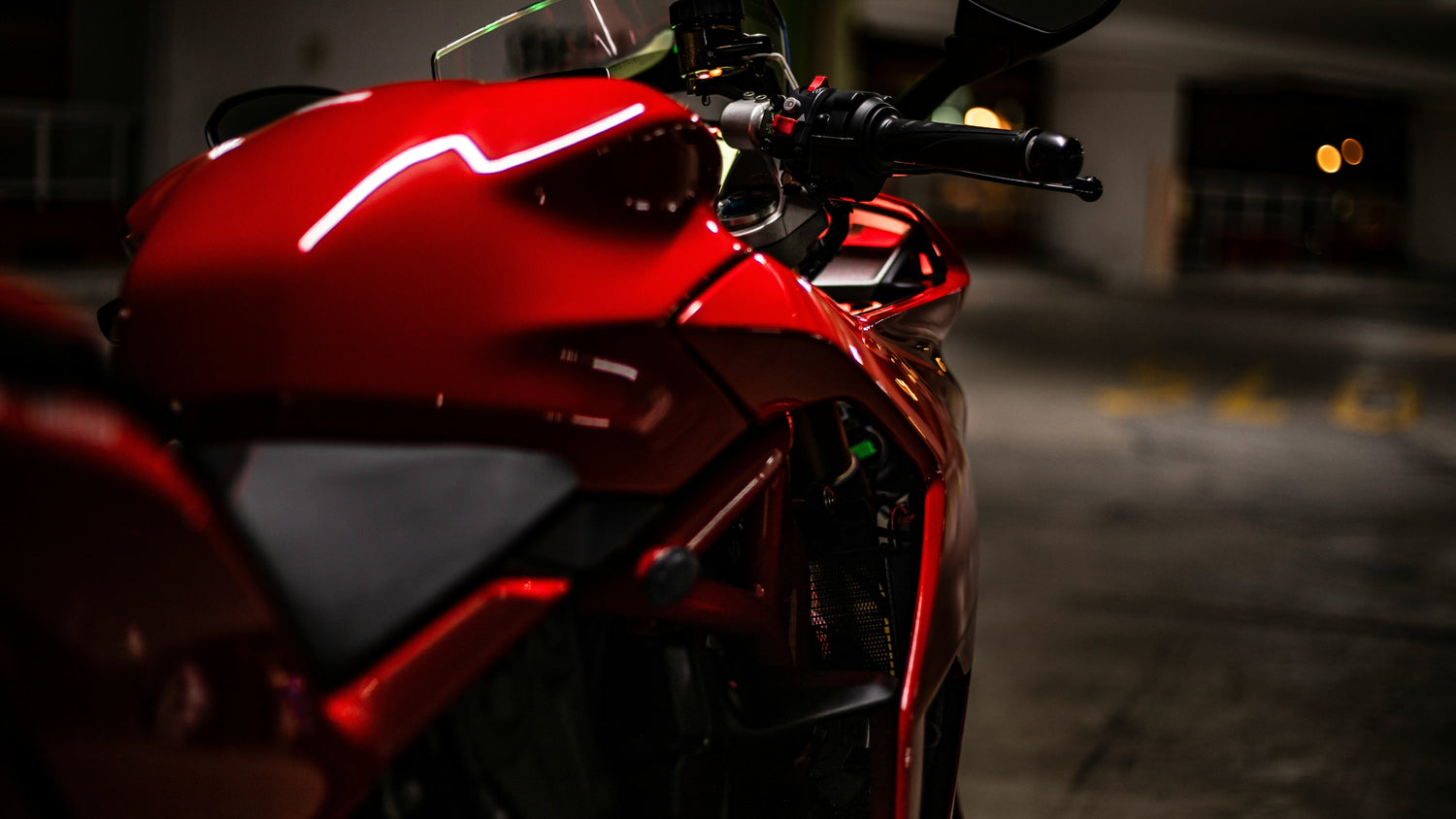
You don't think about your dashcam. Not on a good ride. It sits there, out of mind, right up until the one moment you suddenly need it — the car that drifted into your lane without looking, the one that turned across your path at the junction, the driver who clipped you and rode off before you'd even stopped wobbling, the fresh scrape on your tank that wasn't there when you parked.
In that moment, only one question matters: did I get it?
Everything else a dashcam does is in service of that one answer. So it's worth setting the spec sheet aside and asking the simple version of the question instead — what does a motorcycle dashcam actually have to get right in the few seconds you'll really lean on it? Work through that honestly, and something falls out the other end: a short list of things that matter, and at least one thing that turns out not to matter at all.
It has to be recording — without you ever thinking about it
The worst outcome isn't bad footage. It's no footage — reaching for the clip after an incident and finding the camera was off because you forgot to start it, or that it quietly stopped somewhere back down the road.
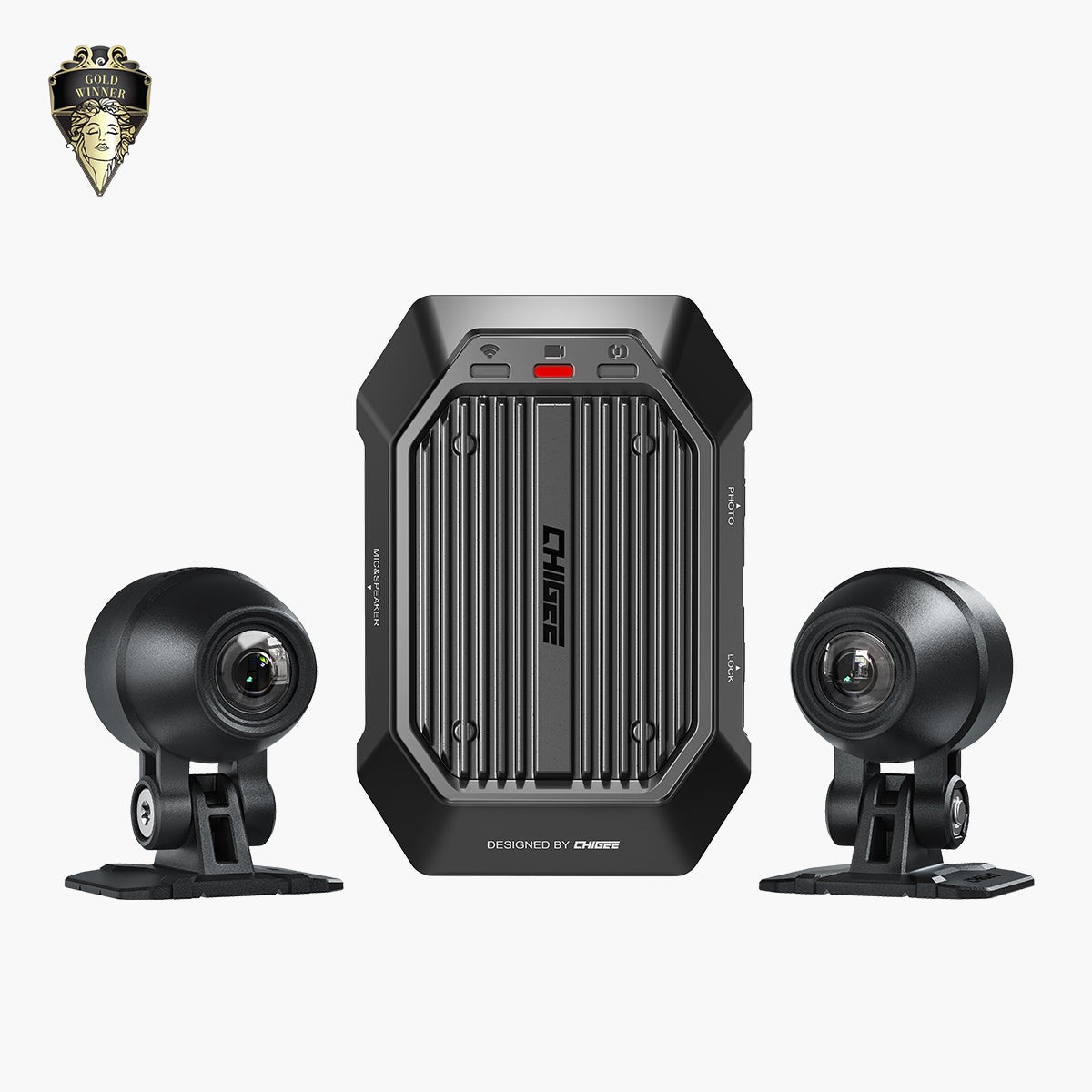
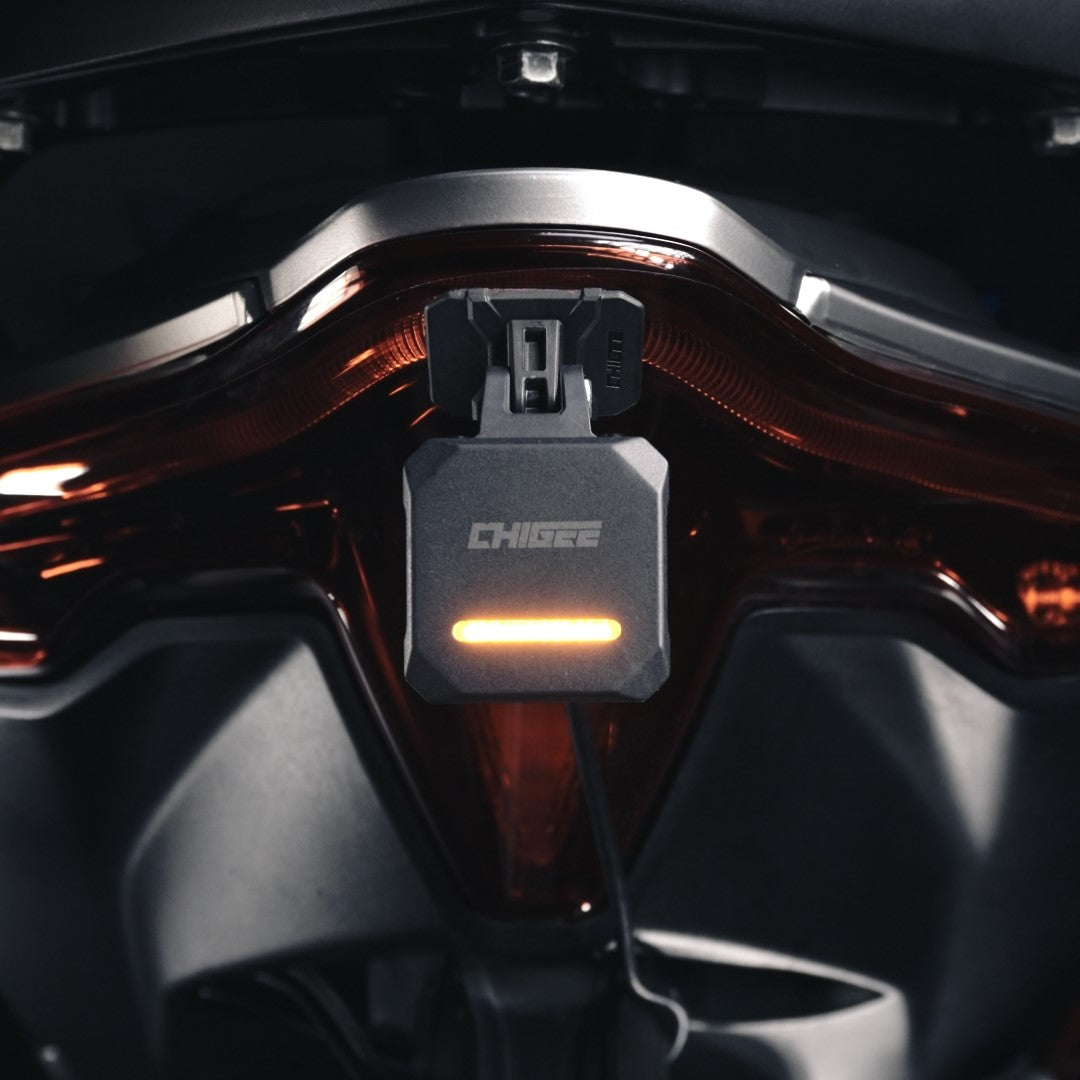
So the first job is the dullest one: just be running, every single time, with zero effort from you. That means starting on its own the moment the bike wakes up, and recording in a continuous loop that overwrites the oldest clips so it never fills up and quits. The CHIGEE XR-1 does both — it powers up with the ignition and records in the background from the first turn of the wheel, nothing to switch on, nothing to remember.
But there's a catch unique to a bike: you can't be glancing down to check a status light at speed. So the camera has to tell you it's working in a way you can take in without looking. The XR-1 does this out loud — a short voice prompt confirms it's recording, and it speaks up if something needs attention, like a full SD card or a camera that's come unplugged. You set off knowing it's on, instead of hoping.

The clip has to survive the crash — and what comes after it
Recording the moment is only half of it. The footage then has to live long enough to be useful, and a real incident throws two ways to lose it.
The first is your own camera erasing it. In the chaos after a crash, that continuous loop keeps running, and the clip you need can be overwritten before you've got the bike upright again. The fix is impact detection: the XR-1's G-sensor feels a sudden jolt and locks the current clip, so the loop can't touch it. The second way is power. If a crash cuts the feed, a lesser device just loses whatever it hadn't saved; the XR-1 is built to hold on to the footage even when power drops without warning.
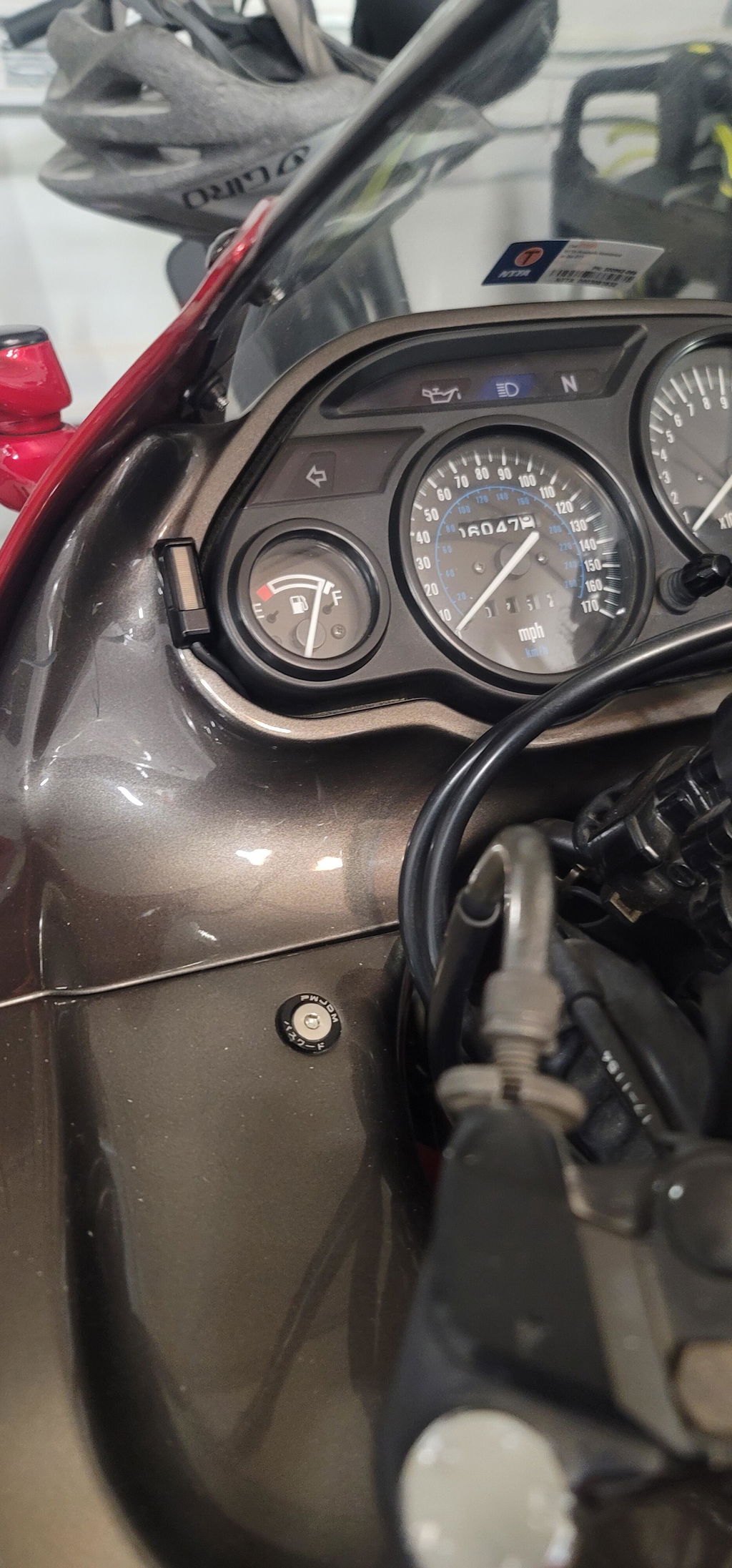
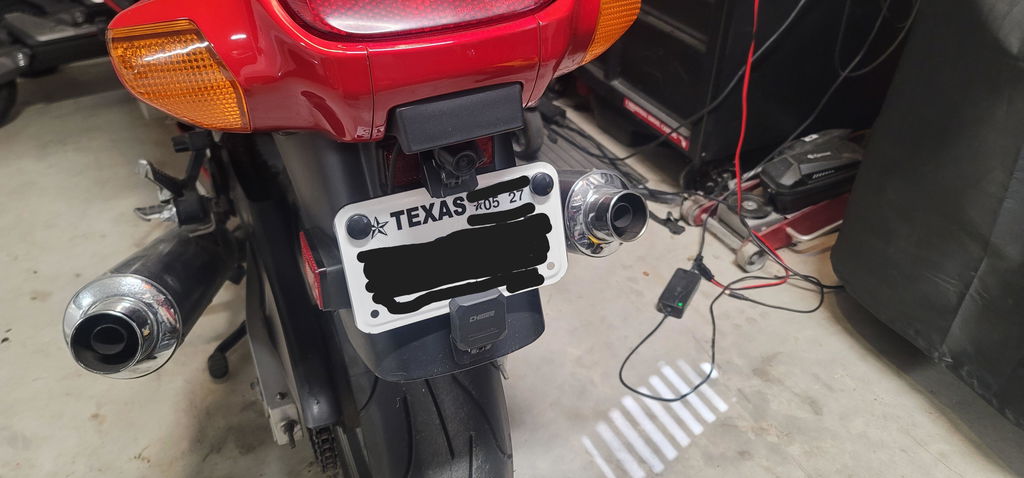
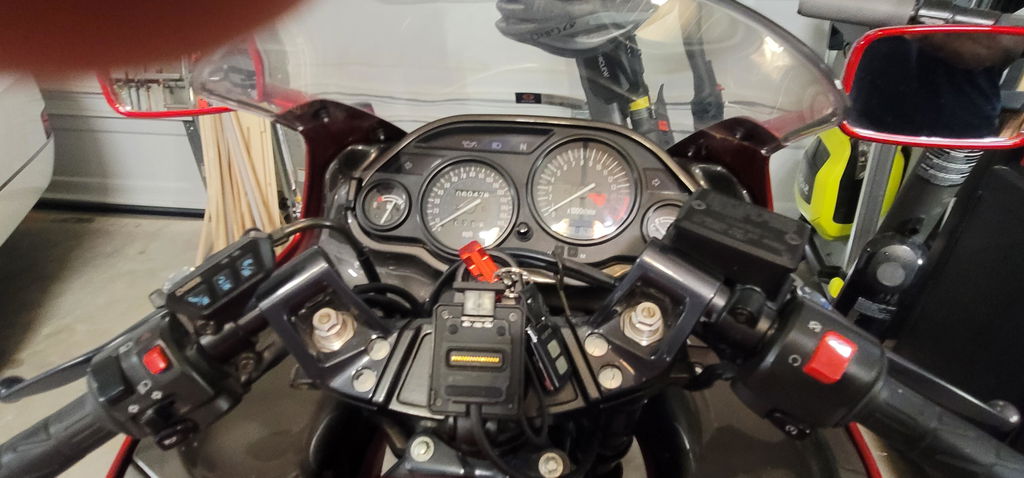
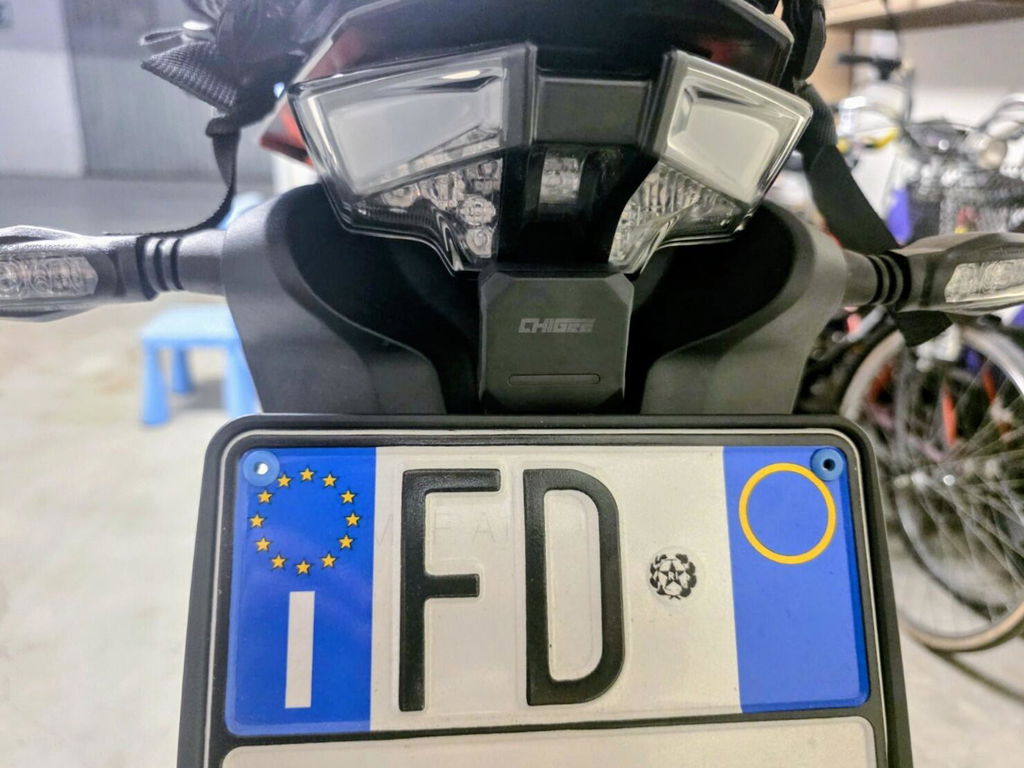
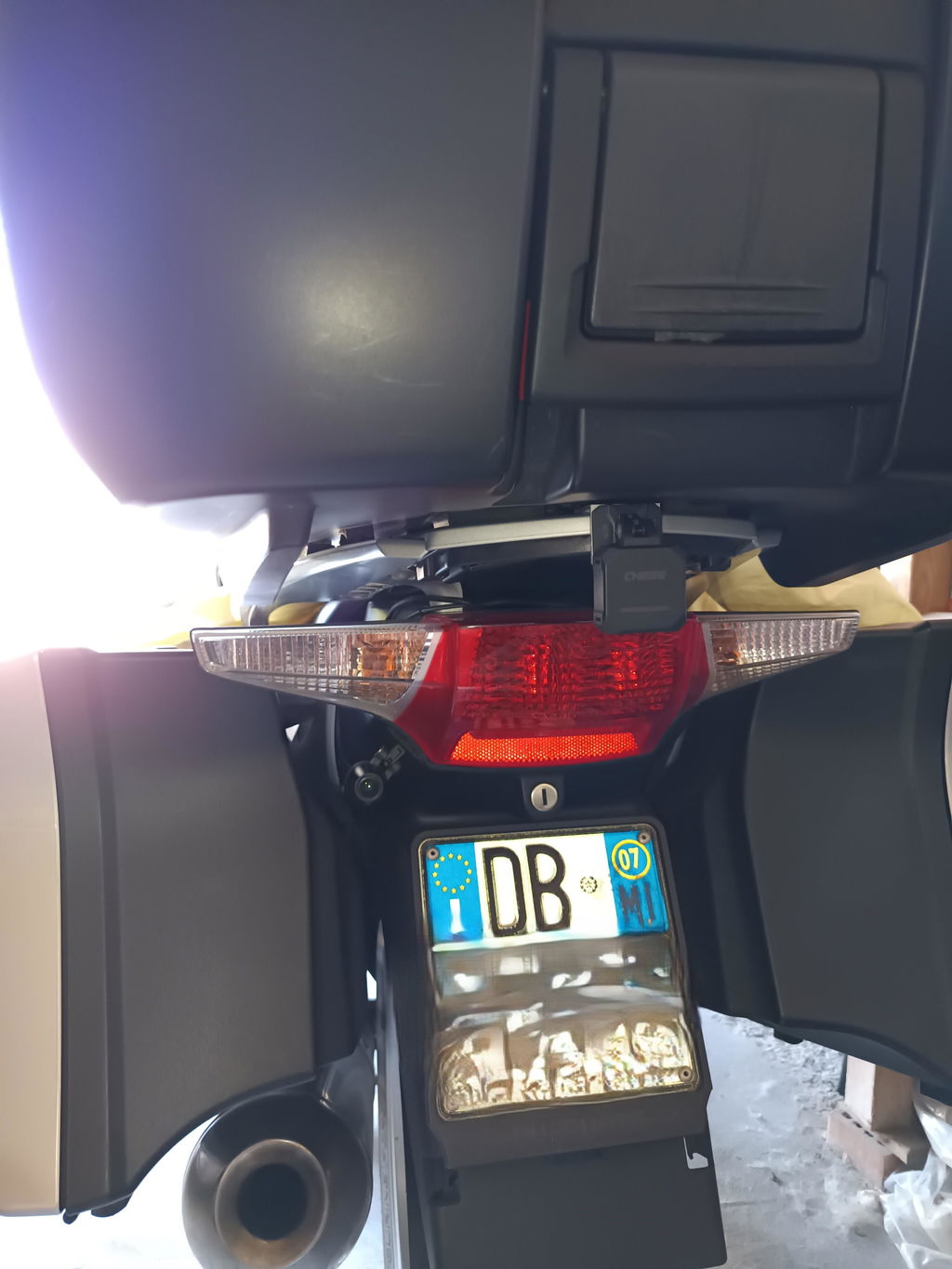
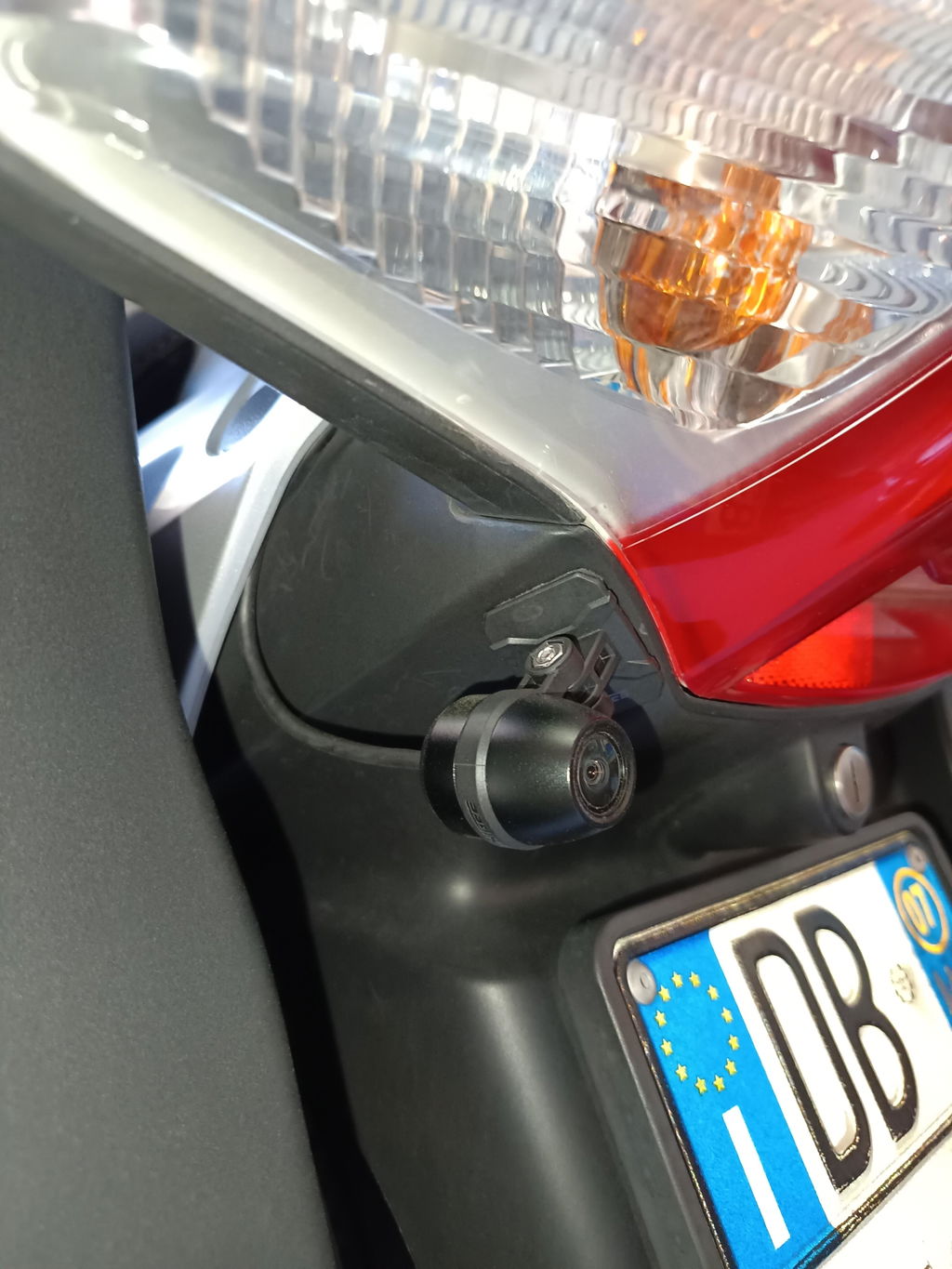
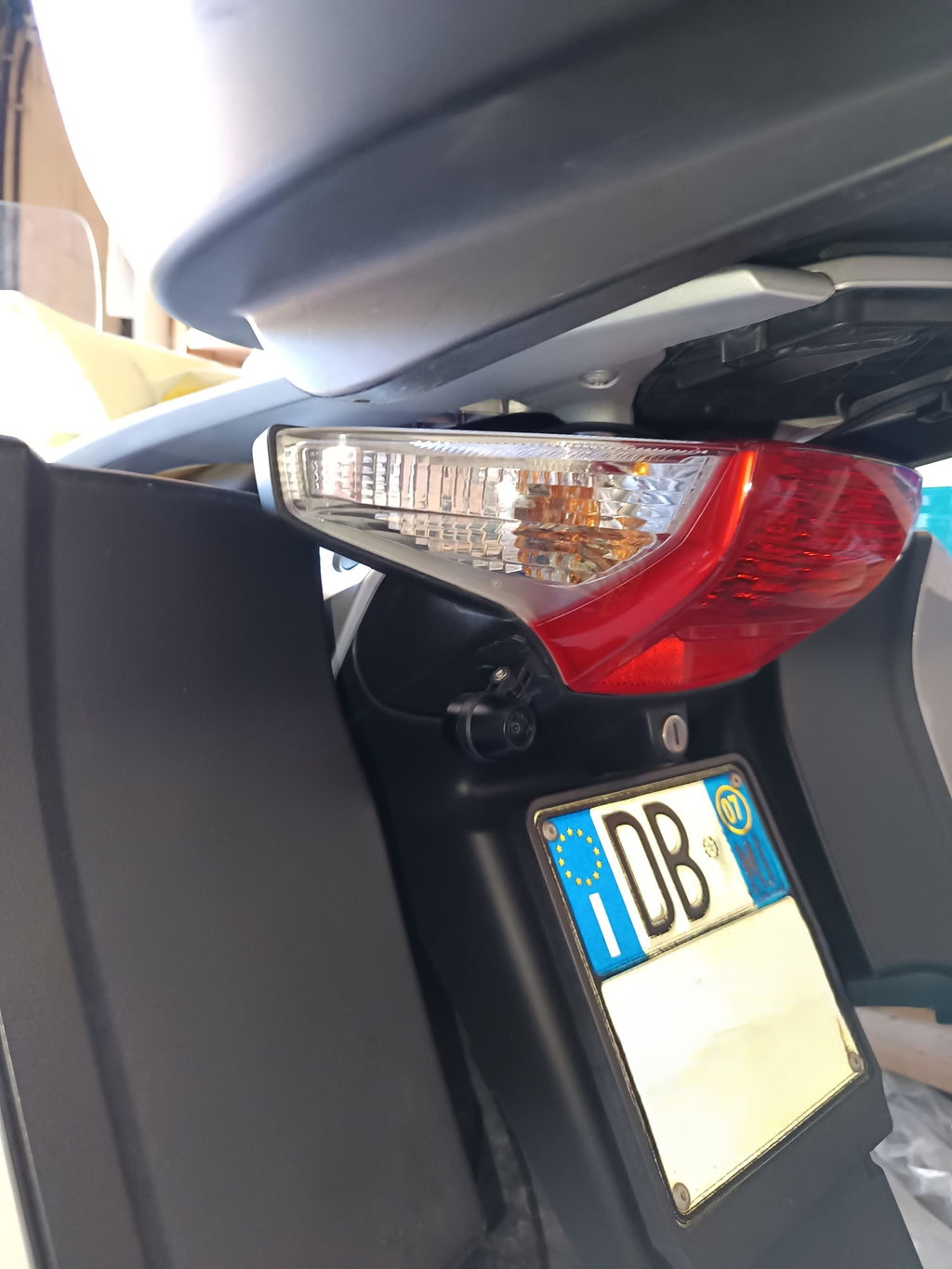
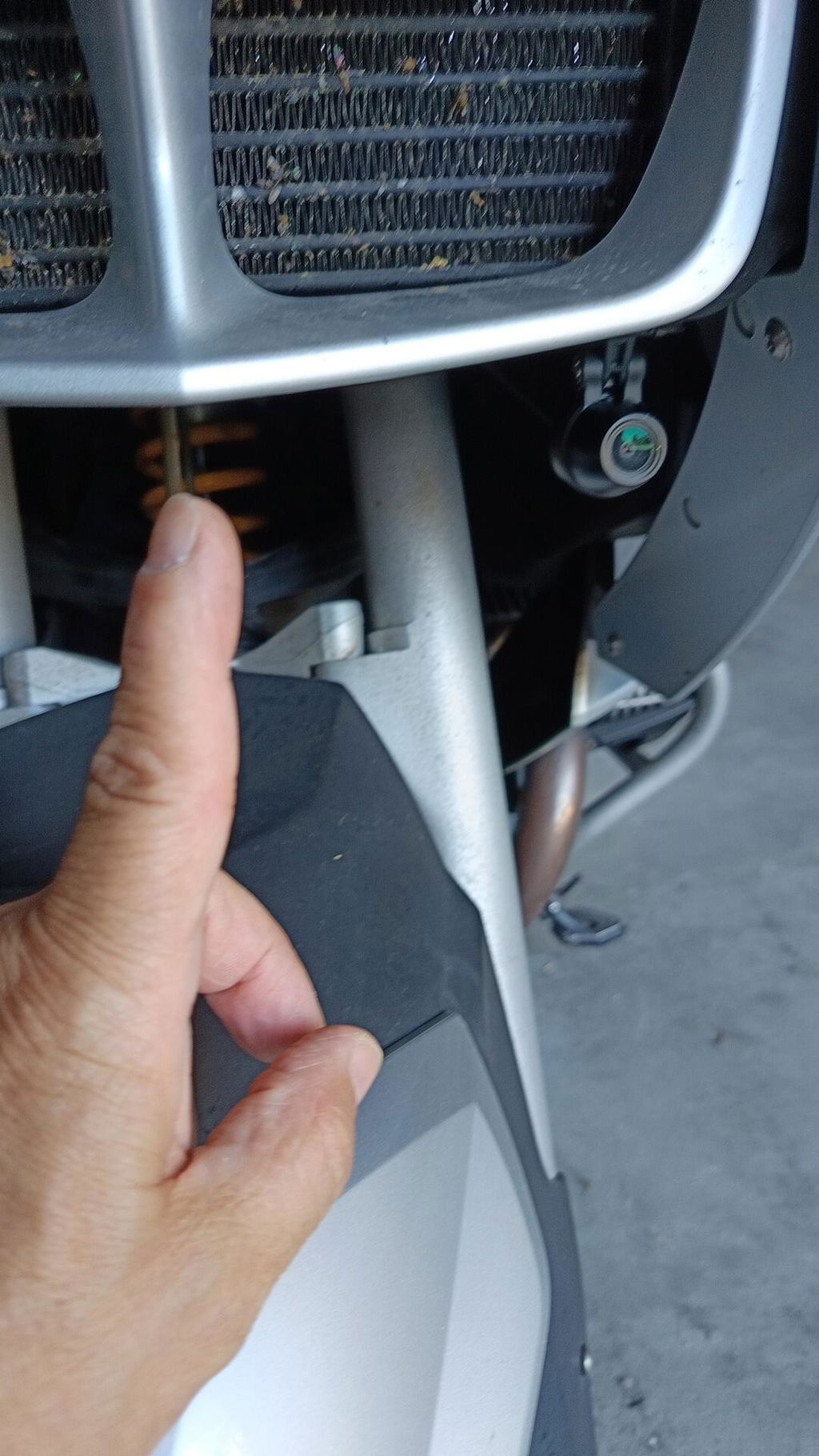
Then there's the incident you're not even present for — the scrape that shows up while the bike's parked, the knock from a car squeezing in beside it. For that, the camera has to keep watch after you've walked away. The XR-1's Parking Guard sits in low-power standby and wakes to record the moment it feels a bump or a tip-over. It helps that the unit installs out of sight, too: tucked into the bodywork, it's both still there to have caught the moment, and a lot less obvious to anyone thinking of helping themselves to it.
You have to get the footage out — right there, at the roadside
Picture the aftermath. You're at the side of the road, the other driver is telling a very different story than you remember, and an officer is asking what happened. The clip that backs up your version is sitting on a memory card buried behind your fairing. In that moment, footage you can't reach is footage you don't have.
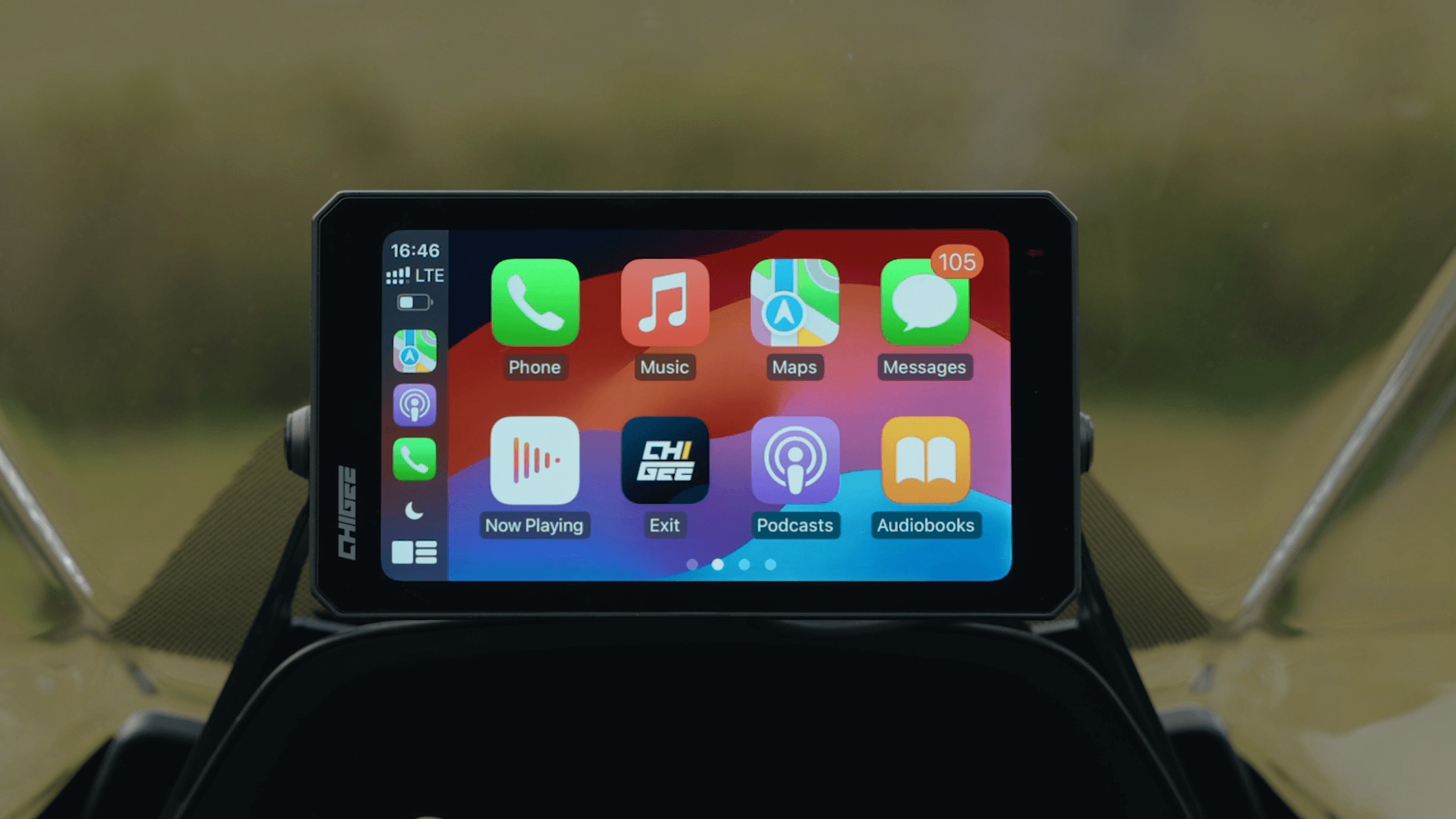
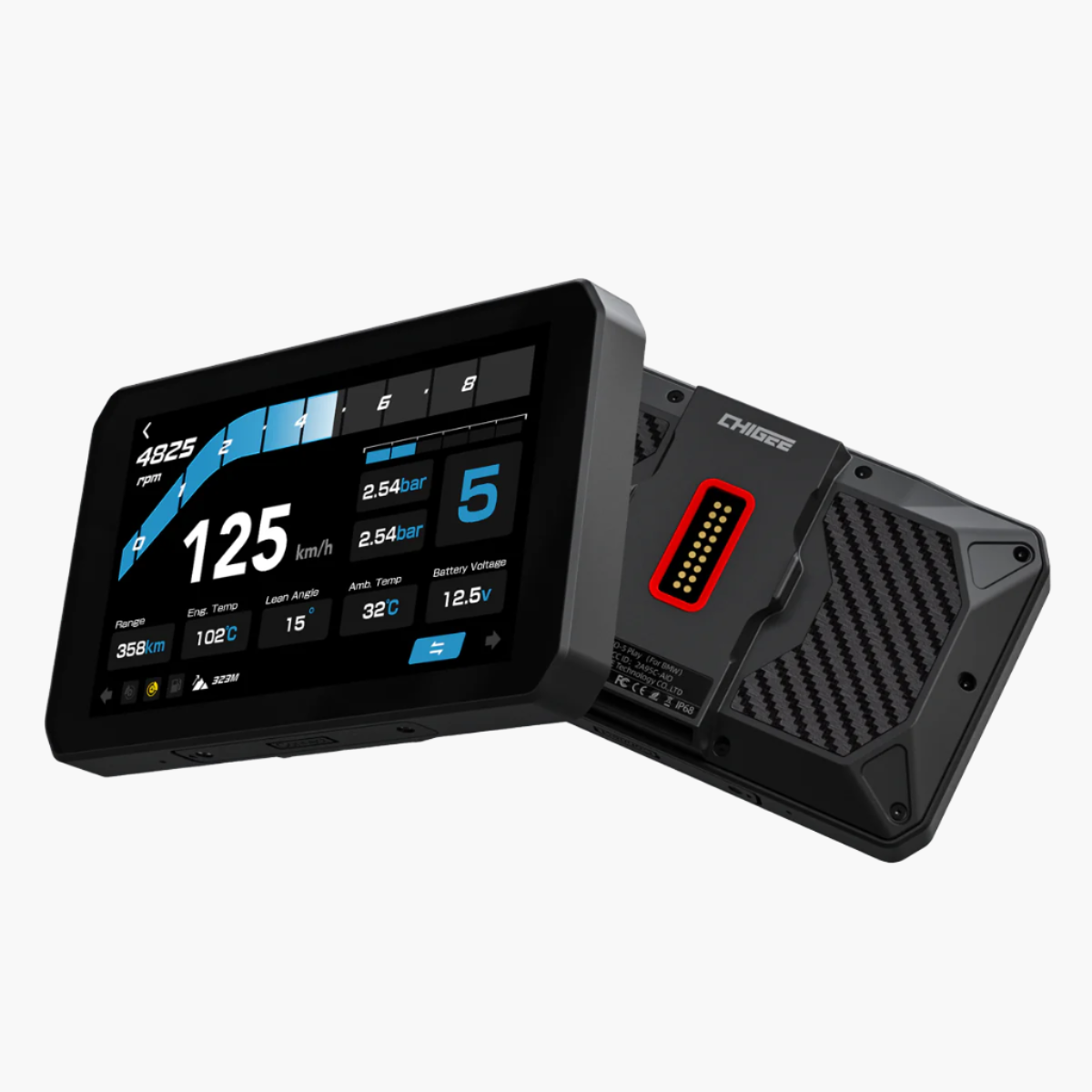
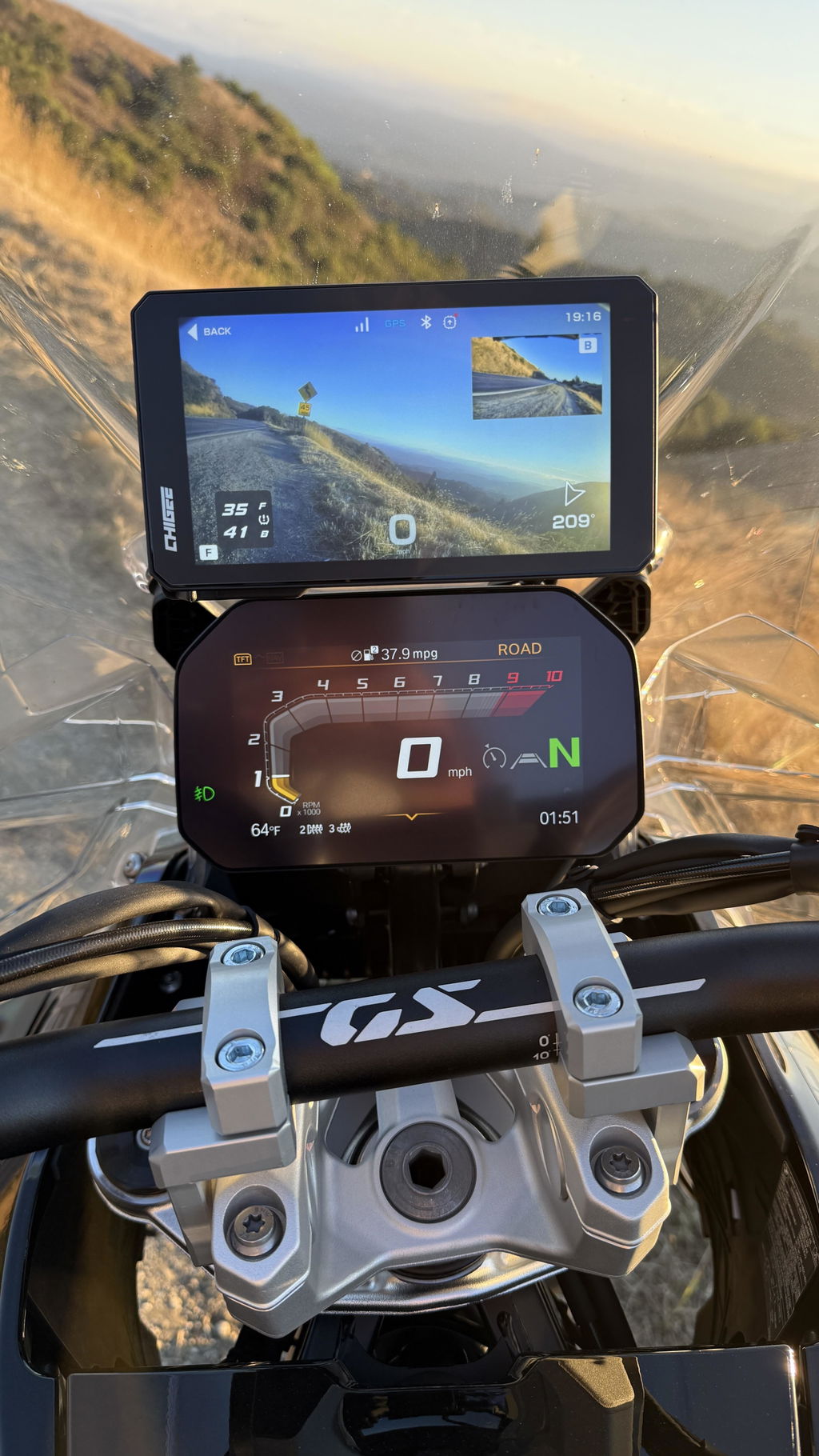
So the last link in the chain is getting it out, and it has to be quick. The XR-1 connects to the CHIGEE GO app on your phone over a dedicated 5GHz Wi-Fi link, fast enough to pull a clip, check the front and rear views, and share it on the spot — before tempers cool or stories change. This is worth being precise about: that's the phone doing an after-the-fact job, pulling evidence once you've stopped. It is not a riding screen. The live navigation and alerts you glance at while moving are a different task for a dedicated cockpit display — which is exactly why a dashcam doesn't need to be one.
It has to still be alive a year from now
Here's the failure that's easiest to miss, because it's silent. A dashcam that died months ago from rain or vibration doesn't warn you. It just sits there looking installed, until the day you reach for it and find there's nothing — which is worse than having no camera at all, because you rode trusting one that wasn't working.
And bikes are genuinely hard on electronics. Apple warns that the high-amplitude vibration from a powerful engine can degrade delicate camera components over time (Apple Support), and gear retailer RevZilla notes that vibration-killed cameras are something its team sees regularly. Add rain, road spray, engine heat, and grit, and a dashcam adapted from a car part doesn't stand much chance.
A camera built for the bike has to be sealed and shock-proofed from the start. The XR-1's main unit carries an IP69K rating and its cameras are rated IP68 against heavy rain and dust, and inside it uses a floating shock-absorption circuit board and a PC+TPU body made to take engine and road vibration. None of that makes it immortal — but it's the difference between a camera that's still recording next season and one that quietly gave up.

Notice What None of That Needed — a Screen
Read back over the list. Recording reliably, every ride. Holding on to the clip through the crash. Handing it to you at the roadside. Surviving a year of weather and vibration. Now notice the one thing none of it asked for: a screen.
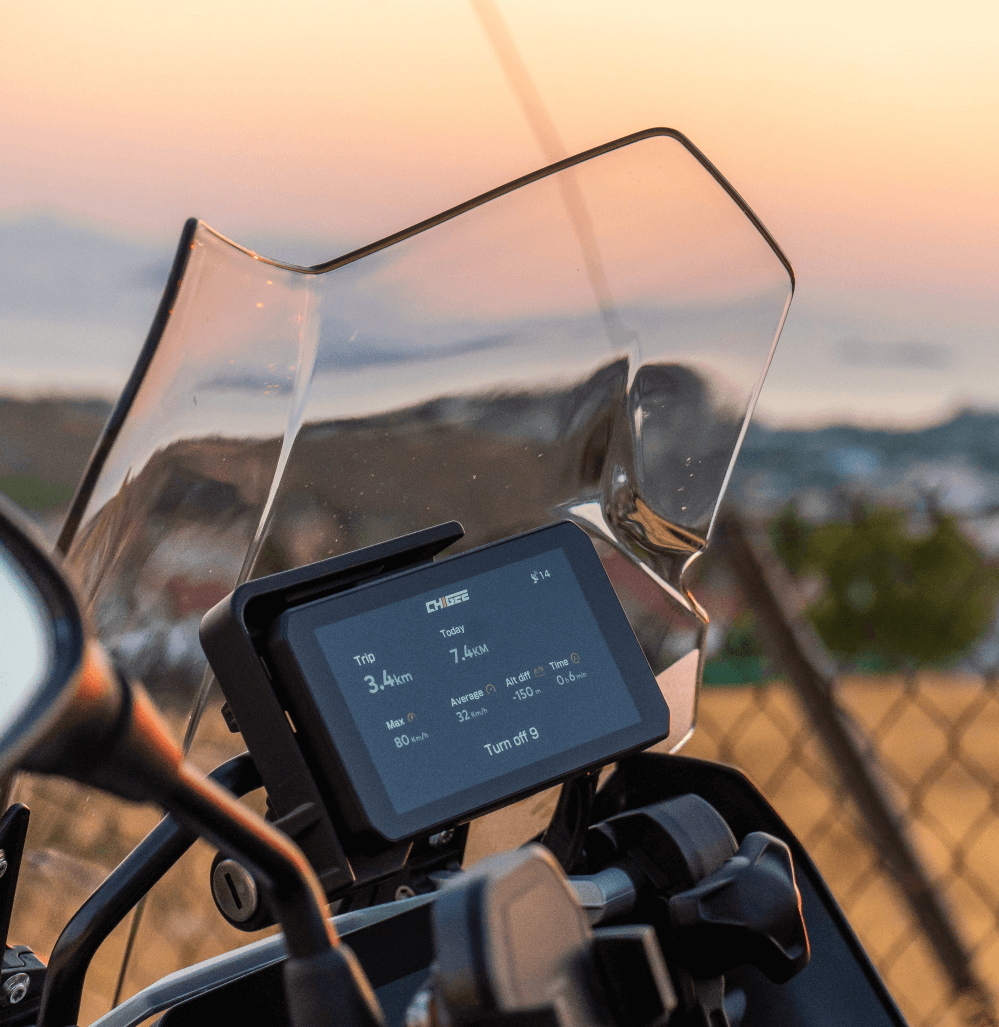
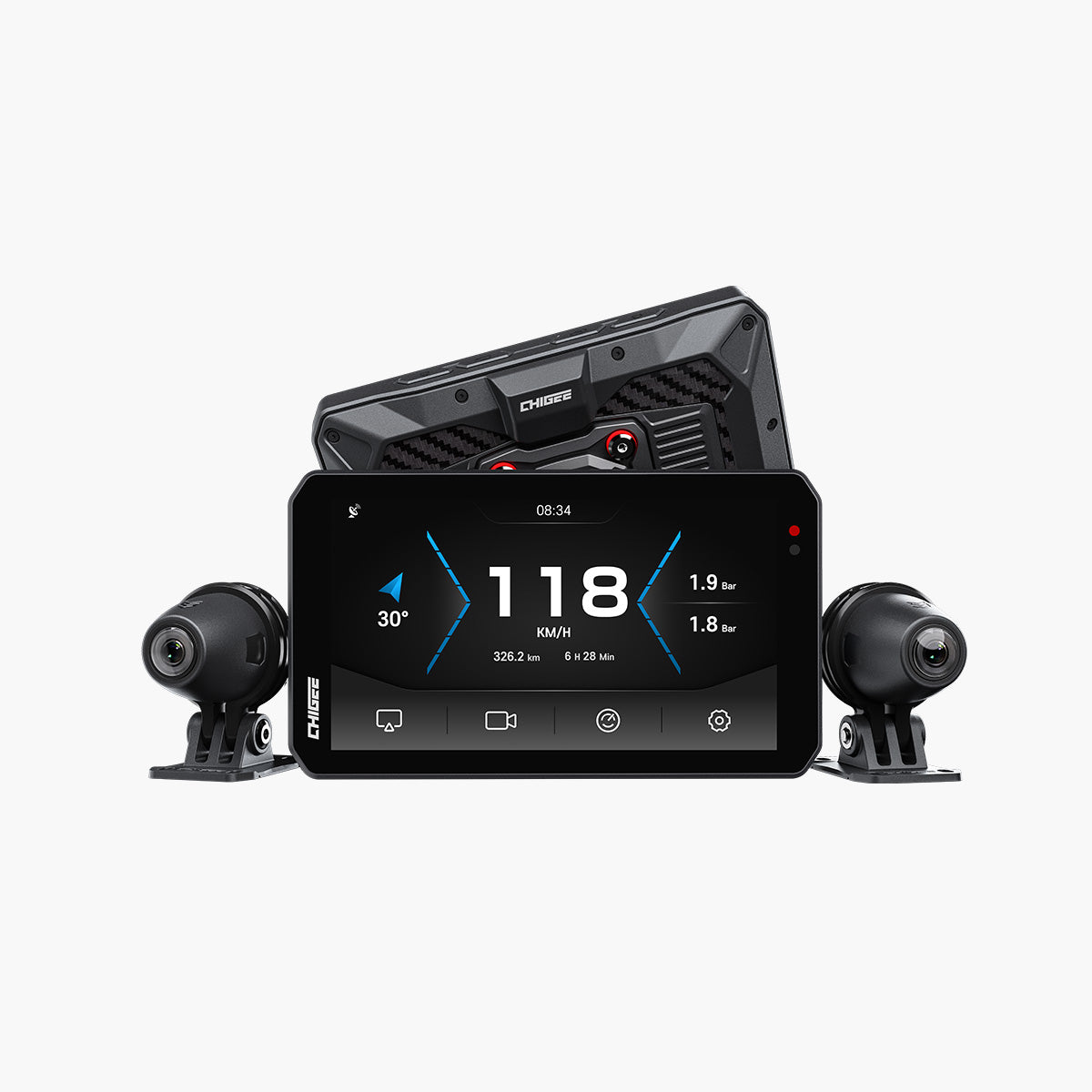
You never watch a dashcam while you ride — your eyes are on the road. The job a screen does well, the live navigation and alerts you glance at, belongs to a dedicated cockpit display, and that's a genuinely different tool. A device built only for the four things above has no use for a screen of its own. Leaving it out isn't a gimmick; it's part of how the thing stays sealed against water, stays tough against vibration, and stays out of sight on the bike. That's the honest case for a screenless motorcycle dashcam — not that the missing screen is clever, but that nothing a dashcam actually has to do ever needed one.
One last thing worth saying plainly: none of this changes what happens on the road. Your mirrors, your lane position, your judgment — that's still the whole game, and no camera replaces it. What a dashcam changes is narrower, and it only matters afterward: whether you can show what really happened, instead of arguing about it.

Frequently asked questions
How do I know a screenless dashcam is actually recording?
The XR-1 starts recording automatically when the bike powers on, so there's nothing to switch on. Because there's no screen to check, it uses voice prompts to confirm it's working and to flag issues like a full SD card or a disconnected camera before you ride.
Can I show the footage to police or insurance at the scene?
Yes. The XR-1 sends clips to the CHIGEE GO app on your phone over 5GHz Wi-Fi, so you can preview the front and rear views, download a clip, and share it right there at the roadside rather than waiting until you're home.
What happens to the footage if my bike loses power in a crash?
The XR-1 detects a sudden impact and locks the current clip so loop recording can't overwrite it, and it's built to preserve footage even if power is cut without warning.
Will a motorcycle dashcam survive rain and engine vibration?
The XR-1's main unit is rated IP69K and its cameras IP68 against rain and dust, and it uses a floating shock-absorption board and PC+TPU construction to handle engine and road vibration — two of the most common reasons bike electronics fail early.
Does it still record when the bike is parked?
Yes. Parking Guard keeps the camera in low-power standby and wakes it to record when it senses a knock or tip-over, covering scrapes and hit-and-runs while you're away from the bike.
Is a motorcycle dashcam with no screen worth it?
For most riders, yes. The things that decide whether a dashcam saves you — reliable recording, surviving an impact, getting the clip to your phone, and lasting through weather and vibration — don't depend on a screen at all. You review footage after you stop, not while riding, so a no-screen unit simply drops a part you'd never use mid-ride and puts that into durability instead.





コメントを書く
全てのコメントは、掲載前にモデレートされます
このサイトはhCaptchaによって保護されており、hCaptchaプライバシーポリシーおよび利用規約が適用されます。