



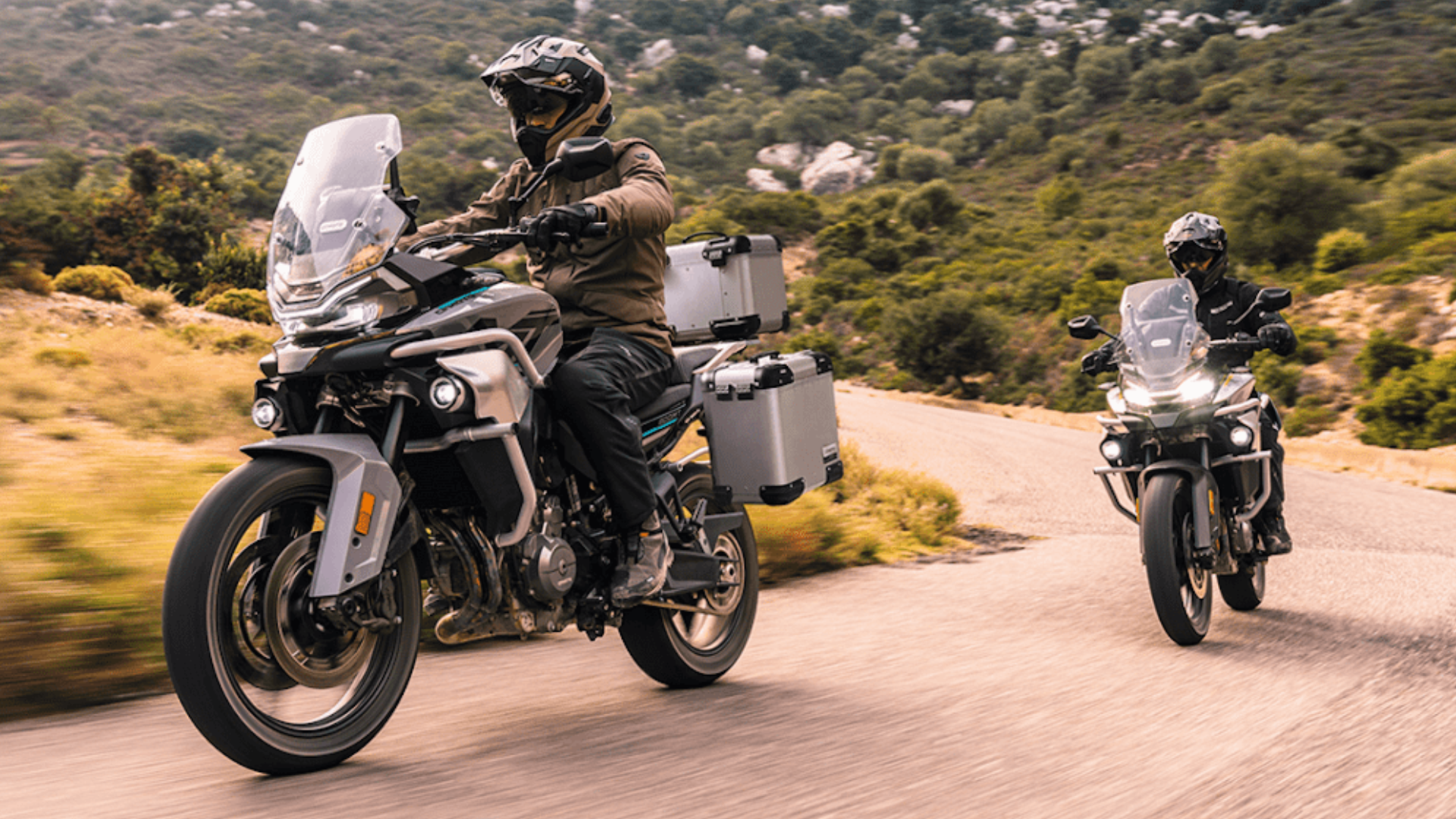
Riding a motorcycle to work completely changed how I saw my commute. The same route that used to feel like a daily punishment suddenly felt like something I wanted to do. I’d be slipping through traffic, sliding into tiny parking spots, and getting home faster even on bad days. That’s when I realized a bike isn’t just weekend fun—it can actually make your weekday life better.
But I also learned quickly that not every bike works for daily use. The motorcycle that feels amazing on a Sunday blast can be annoying in Tuesday morning traffic. I started to appreciate the “boring” things: a bike that feels light and predictable in stop-and-go, doesn’t leave me stiff or sweaty, and doesn’t drink fuel like crazy. I began caring about practical details—an easy clutch, good mirrors, usable low-end torque, a place to stash a bag, and real wind or rain protection when the weather turns ugly.

The best commuter bike makes every trip better, not just the scenic ones. แหล่งที่มา
Over time, I realized commuting by bike isn’t about chasing adrenaline. It’s about making the daily grind smoother, cheaper, and more enjoyable. The right commuter bike doesn’t just get me to work—it quietly makes my whole week better.
Perfect! Here's a roundup section you can insert right after the "What Makes a Great Commuter Motorcycle" section:
Quick Comparison: The 7 Best Beginner Commuter Bikes
Before diving into detailed reviews, here's how these seven motorcycles stack up:
|
Motorcycle |
Engine |
Price |
Fuel Economy |
Weight |
ดีที่สุดสำหรับ |
|
ฮอนด้า NC750X DCT |
745cc parallel-twin |
~$9,000 |
60+ mpg |
472 lbs |
Automatic transmission, integrated storage, ultimate practicality |
|
Honda CB500X |
471cc parallel-twin |
~$7,000 |
60–70 mpg |
439 lbs |
Adventure versatility, highway confidence, all-around capability |
|
Kawasaki Z400 |
399cc parallel-twin |
~$5,000 |
55–65 mpg |
364 lbs |
Fun factor, lightweight handling, sporty commuting |
|
รอยัล เอนฟิลด์ ฮันเตอร์ 350 |
349cc single |
~$4,500 |
75–80 mpg |
399 lbs |
Budget buyers, maximum fuel efficiency, urban riding |
|
Triumph Speed 400 |
398cc single |
~$4,995 |
70–80 mpg |
375 lbs |
Premium quality, refined engineering, long service intervals |
|
Honda Rebel 500 |
471cc parallel-twin |
~$6,800 |
55–65 mpg |
414 lbs |
Cruiser comfort, low seat height, relaxed ergonomics |
|
Yamaha MT-07 |
689cc parallel-twin |
~$8,000 |
50–55 mpg |
403 lbs |
More power, weekend capability, room to grow |
What Makes a Great Commuter Motorcycle
Before examining specific models, understanding what matters most for daily riding helps you evaluate any bike against your commute.
Fuel economy affects your wallet every single day. A bike averaging 60 mpg versus 45 mpg saves hundreds of dollars annually on a typical commute—money that compounds year after year. Most commuter-focused motorcycles deliver 50–80 mpg depending on riding style and engine size, dramatically outperforming even the most efficient cars.
Ergonomics matter more than you'd expect when you're riding the same route repeatedly. Aggressive sportbike positions that feel exciting for an hour become exhausting after months of daily use. Upright naked bikes and standards keep your back straight, your wrists unloaded, and your vision high enough to track traffic patterns. Seat comfort becomes critical when you're on the bike ten times a week instead of once.

Daily riding reveals what spec sheets hide: the small conveniences that add up over thousands of trips. แหล่งที่มา
Stop-and-go traffic rewards smooth, forgiving power delivery. Engines with strong low-end torque and progressive throttle response reduce clutch hand fatigue and make slow-speed maneuvering less stressful. Some bikes offer automatic or semi-automatic transmissions that eliminate clutch work entirely—a genuine quality-of-life improvement in heavy traffic.
Storage transforms a motorcycle from recreational vehicle to practical transportation. Integrated storage lets you carry work essentials without a backpack—laptop, lunch, change of clothes, whatever your day requires. Without it, you're limited to what fits in your pockets or strapped to your back.swallow a full-face helmet
1. Honda NC750X DCT
Engine: 745cc parallel-twin | Fuel Economy: 60+ mpg | Weight: 472 lbs
The Honda NC750X DCT might be the most purpose-built commuter motorcycle ever made. Its defining feature is the 23-liter storage compartment where the fuel tank normally sits—large enough to or a day's worth of work essentials. Swing by the grocery store on the way home and put your purchases inside the bike, not on your back.
The 745cc parallel-twin produces around 58 horsepower, tuned specifically for low-rpm torque and fuel efficiency rather than peak power. Honda claims over 80 mpg in ideal conditions, with riders consistently reporting 60–70 mpg. That efficiency means potential range exceeding 200 miles from the 3.7-gallon tank—fill up once a week instead of twice.

The NC750X DCT doesn't pretend to be anything other than what it is: the ultimate commuting tool. แหล่งที่มา
The DCT (Dual Clutch Transmission) is the commuter's secret weapon. In automatic mode, it handles all gear changes while you focus on traffic. In manual mode, you shift with thumb buttons—no clutch lever, no footwork. After a week of stop-and-go riding without clutch hand fatigue, you'll wonder why more bikes don't offer this option.
For 2026, Honda added dual front disc brakes, a new TFT display with smartphone connectivity, and refined DCT response at low speeds. The upright riding position, adjustable windscreen, and plush suspension make it comfortable for riders across a wide size range. It's not exciting, but that's kind of the point—it's dependable, economical, and supremely practical.
2. Honda CB500X
Engine: 471cc parallel-twin | Fuel Economy: 60–70 mpg | Weight: 439 lbs
The Honda CB500X offers adventure-bike styling and versatility in a package that beginners can actually handle. Its 471cc parallel-twin produces 47 horsepower—enough for confident highway merging and passing, but delivered smoothly enough that new riders won't feel overwhelmed. It's also fully A2-license compliant in markets with tiered licensing.
Fuel economy rivals the larger NC750X, with riders reporting 60–70 mpg consistently. The 4.7-gallon tank means potential range approaching 300 miles—exceptional for a middleweight. That efficiency comes from an engine tuned for midrange torque rather than top-end power, which is exactly what commuting requires.

Adventure capability in a commuter-friendly package—without the adventure-bike price or intimidation. แหล่งที่มา
The upright riding position provides excellent visibility in traffic, while the adjustable windscreen (two positions via hex key) blocks enough wind for comfortable highway cruising. The inverted Showa fork and Pro-Link rear suspension handle rough city roads well and provide composed handling on weekend backroads. The assist and slipper clutch keeps lever effort light through hundreds of daily gear changes.
The CB500X lacks the NC750X's integrated storage but accepts Honda's accessory panniers and top box easily—practical additions if you need to carry more than a backpack. The bike weighs 439 pounds, nearly 35 pounds lighter than the NC750X, making it easier to manage at slow speeds and in parking lots. For riders who want adventure-bike versatility without adventure-bike size, the CB500X delivers.
3. Kawasaki Z400
Engine: 399cc parallel-twin | Fuel Economy: 55–65 mpg | Weight: 364 lbs
The Kawasaki Z400 proves that practical doesn't have to mean boring. Its 399cc parallel-twin produces around 45 horsepower and loves to rev—it's genuinely fun to ride in ways that pure commuter bikes aren't. The naked styling looks aggressive rather than utilitarian, and the handling rewards riders who want to push a little harder on weekend backroads.
Despite the sporty character, the Z400 works well for commuting. The upright riding position is comfortable for daily use, the lightweight chassis (364 pounds) makes it nimble in traffic, and fuel economy typically falls between 55–65 mpg depending on how aggressively you ride. Commuters who keep the revs down consistently report numbers in the mid-60s.

Commuter practicality with genuine sport-bike DNA—proof that responsible choices can still be fun. แหล่งที่มา
The 14-liter tank and strong fuel economy translate to 170+ miles of range—enough for most weekly commutes without midweek fill-ups. The assist and slipper clutch keeps lever effort manageable, important when you're pulling the clutch hundreds of times per ride. The 310mm front brake with ABS provides confident stopping power.
The Z400 is essentially the naked version of the Ninja 400, sharing the same engine, frame, and fundamentals but with a more upright position and slightly lighter weight. For commuters who want their daily rider to double as a genuinely enjoyable weekend bike, the Z400 delivers both without meaningful compromise in either direction.
4. Royal Enfield Hunter 350
Engine: 349cc single-cylinder | Fuel Economy: 75–80 mpg | Weight: 399 lbs
The Royal Enfield Hunter 350 delivers exceptional value for urban commuting. At under $4,500, it's one of the most affordable options on this list while offering retro-modern styling that looks far more expensive than its price suggests. The lightweight chassis and narrow profile make it exceptionally easy to manage in dense traffic and tight parking spaces.
The 349cc J-series single-cylinder engine produces 20 horsepower and 27 Nm of torque—modest numbers that suit city riding perfectly. Peak torque at 4,000 rpm means usable power is available immediately without needing to rev. Fuel economy is outstanding, with riders consistently reporting 35–40 km/l (75–80+ mpg), making it one of the most efficient motorcycles you can buy.

Budget-friendly commuting with style and efficiency that punches above its price class. แหล่งที่มา
The 2026 update addressed previous criticisms with revised suspension, denser seat foam, and increased ground clearance. The Metro variant adds an LED headlight and Tripper navigation pod—turn-by-turn directions via smartphone connectivity displayed on a dedicated screen. That's genuinely useful commuter tech at a budget-friendly price.
The Hunter 350's limitations are predictable: the single-cylinder engine runs out of steam at highway speeds above 70 mph, and sustained high-speed cruising isn't its forte. But for urban and suburban commuting with occasional highway stretches, it does everything you need while costing less to buy, insure, and fuel than nearly anything else on the market.
5. Triumph Speed 400
Engine: 398cc single-cylinder | Fuel Economy: 70–80 mpg | Weight: 375 lbs
The Triumph Speed 400 brings genuine premium quality to the entry-level commuter segment. At $4,995, it delivers signature build quality, beautiful paint finishes, and refined engineering in a package that newer riders can actually handle. It looks and feels more expensive than it is—important if you're going to see your bike every day.
The 398cc TR-series single-cylinder produces 40 horsepower, making it the most powerful single on this list. That power arrives progressively through a 6-speed gearbox, with strong low-end torque that suits city riding. Triumph claims around 80 mpg, with riders typically seeing 60–70 mpg during mixed commuting.

Premium quality at an entry-level price—the commuter bike you won't be embarrassed to park anywhere. แหล่งที่มา
The ergonomics are excellent for daily use. The neutral riding position puts your back upright with an easy reach to the handlebars, while the 31-inch seat height suits a wide range of rider sizes. At 375 pounds, it's light enough to manage confidently in traffic. The slip-and-assist clutch provides a light lever pull that reduces hand fatigue.
Triumph backs the Speed 400 with a two-year unlimited mileage warranty and 10,000-mile service intervals—unusually long for this displacement class and a meaningful cost saver over time. An extensive accessory catalog lets you add practical items like crash bars and luggage as your needs evolve. For commuters who want entry-level practicality without entry-level compromise, the Speed 400 delivers.
6. Honda Rebel 500
Engine: 471cc parallel-twin | Fuel Economy: 55–65 mpg | Weight: 414 lbs
The Honda Rebel 500 offers cruiser-style comfort in a package that works surprisingly well for commuting. The feet-forward riding position and ultra-low 27.2-inch seat height provide all-day comfort and easy flat-footing at stops—valuable in stop-and-go traffic where you're putting your feet down constantly.
The 471cc parallel-twin shares its architecture with the CB500X, producing around 45 horsepower with strong low-end torque. The power delivery is exceptionally smooth, making slow-speed maneuvering easy for new riders. Fuel economy typically falls between 55–65 mpg, respectable for a bike with this much usable performance.

Cruiser comfort for daily commuting—relaxed ergonomics that make traffic less stressful. แหล่งที่มา
The Rebel 500's narrow tank-to-seat junction makes it feel lighter than its 414 pounds, and the low center of gravity improves confidence at slow speeds and stops. Standard ABS provides a safety margin for newer riders still developing brake feel. The assist and slipper clutch reduces lever effort by about 30 percent.
The trade-offs are predictable for a cruiser: minimal wind protection, limited lean angle in corners, and no integrated storage. But if your commute doesn't involve sustained highway speeds and you value the relaxed, upright cruiser position, the Rebel 500 makes daily riding comfortable in ways that sportier options don't. Plus, it looks the part parked outside any office building.
7. Yamaha MT-07
Engine: 689cc parallel-twin | Fuel Economy: 50–55 mpg | Weight: 403 lbs
The Yamaha MT-07 is for commuters who want more power, more excitement, more capability for weekends. Its 689cc parallel-twin produces around 73 horsepower, significantly more than anything else on this list. That power makes highway commuting effortless, passes instantaneous, and backroads genuinely thrilling.
Despite the larger displacement, the MT-07 remains remarkably light at 403 pounds. Combined with the upright naked-bike position, it's nimble in traffic and easy to manage at slow speeds. The smooth CP2 engine delivers torque progressively from low rpm, avoiding the sudden power delivery that can overwhelm new riders on larger bikes.

More power than beginners need, but capability you'll appreciate as skills grow. แหล่งที่มา
Fuel economy drops compared to smaller alternatives—expect 50–55 mpg during typical commuting. That's still excellent for a 700cc bike and far better than any car. The 3.7-gallon tank provides 160–180 miles of range depending on riding style. Yamaha's reputation for reliability means low maintenance costs over time.
The MT-07 is technically more bike than beginners need, but many riders appreciate having capability they can grow into rather than quickly outgrow. If your commute involves significant highway miles or you want one bike that handles both daily transport and weekend fun without compromise, the MT-07 delivers both. Just respect the power during your learning curve.
Essential Commuter Gear and Accessories
The right gear makes daily riding sustainable across seasons and conditions.
Rain gear transforms your commute possibilities. Waterproof jacket and pants that fit over work clothes let you ride through weather that would otherwise force you into a car. Look for gear with reflective elements for visibility in rain and low light. Waterproof gloves and boots complete the package.

The right gear turns a fair-weather hobby into year-round transportation. แหล่งที่มา
A quality helmet with a Pinlock-ready visor prevents fogging in cold weather and rain—critical for visibility on your morning commute. Consider helmets with built-in sun visors for changing light conditions without carrying separate eyewear.

Choose a quality helmet with a Pinlock-ready visor to prevent fogging and a built-in sun visor for clear vision in changing light. แหล่งที่มา
Storage solutions expand what you can carry. Magnetic tank bags provide quick-access storage without permanent commitment. Tail bags and backpacks with integrated rain covers keep contents dry. If your bike accepts hard luggage, panniers and top boxes transform it into legitimate cargo transport.
Heated grips extend your riding season dramatically. When your hands are comfortable, 40°F mornings become manageable instead of miserable. Most bikes accept aftermarket heated grip kits, and many manufacturers offer them as factory accessories.
Making Commuting Work Long-Term
Successful motorcycle commuting requires systems, not just enthusiasm.
Plan your route deliberately. Identify roads with better surfaces and lighter traffic even if they're slightly longer. Avoid construction zones and roads with poor drainage. The "fastest" route by car may not be the best route by bike.
Prepare for weather variability. Keep rain gear accessible, not buried in luggage. Check forecasts the night before and have a backup plan for severe weather. Most days you'll ride, but some days you shouldn't.

Motorcycle commuting works best as a system—weather, route, parking, and maintenance all planned in advance. แหล่งที่มา
Maintain your bike religiously. Commuter bikes accumulate miles quickly, which means faster-arriving service intervals. Keep up with oil changes, chain maintenance, tire inspections, and brake checks. A breakdown on your commute creates problems a weekend breakdown doesn't.
Secure parking matters. Know where you'll park at both ends of your commute before you start riding. Investigate if your workplace has motorcycle parking or can accommodate one. Use quality locks even in "safe" areas—commuter bikes are targeted precisely because they're left in the same place daily.
คำถามที่พบบ่อย
What's the best beginner motorcycle for a 20-mile highway commute?
For significant highway miles, the Honda NC750X DCT or CB500X provide the best combination of fuel economy, wind protection, and comfortable ergonomics for sustained speeds. The NC750X's automatic option reduces fatigue in traffic, while the CB500X's lighter weight helps if your route includes city sections. The Yamaha MT-07 handles highways effortlessly but uses more fuel and offers less wind protection.
How much can I save commuting by motorcycle?
Savings vary by distance and local fuel prices, but typical calculations show 50–70% fuel cost reduction versus an efficient car, plus reduced parking costs in many cities. Insurance may be cheaper depending on your profile. However, factor in gear costs (helmet, jacket, gloves, boots), maintenance (more frequent tire and chain replacement due to higher miles), and potential need for a backup transportation method in severe weather.
Can I commute on a motorcycle year-round?
In temperate climates, yes—with proper gear. Heated grips, layered clothing, and waterproof gear extend the season dramatically. The limiting factors are typically ice, snow, and extreme cold rather than rain or moderate cold. In regions with harsh winters, many riders commute spring through fall and use alternative transport during winter months.
Do I need motorcycle-specific storage for commuting?
Not strictly, but it helps significantly. A quality backpack works for light loads, but carrying a laptop, lunch, and gym clothes on your back every day gets old. Bikes with integrated storage (like the NC750X) or luggage mounting points that accept hard cases make commuting more practical long-term. Consider your actual daily cargo needs before buying.
Is a smaller or larger displacement better for commuting?
It depends on your commute profile. Highway-heavy commutes benefit from larger displacement (500cc+) for relaxed cruising and passing power. Urban-only commutes work well with smaller bikes (300–400cc) that offer better fuel economy, lighter weight, and easier maneuvering. Most commutes are mixed, where middleweight bikes (400–750cc) offer the best balance.
How important is ABS for commuting?
Very important. Commuting means riding in all conditions—wet roads, oil patches, emergency stops in traffic. ABS provides a meaningful safety margin when you need to brake hard unexpectedly. All bikes on this list offer ABS either standard or as an option. For a daily-use motorcycle, consider it essential rather than optional.
Start Commuting Smarter
Every motorcycle on this list can transform your daily commute from wasted time into time well spent. The "best" choice depends entirely on your specific commute—distance, highway percentage, parking situation, weather tolerance, and how much you want your commuter to double as a weekend bike.
Test ride multiple options with your actual commute in mind. Pay attention to how the seat feels after 20 minutes, how easily you can see around traffic, how the bike handles slow-speed maneuvering. The bike that looks best in photos might not be the one that feels best on your daily route.

Your commute happens every day. The right motorcycle makes every day better. แหล่งที่มา
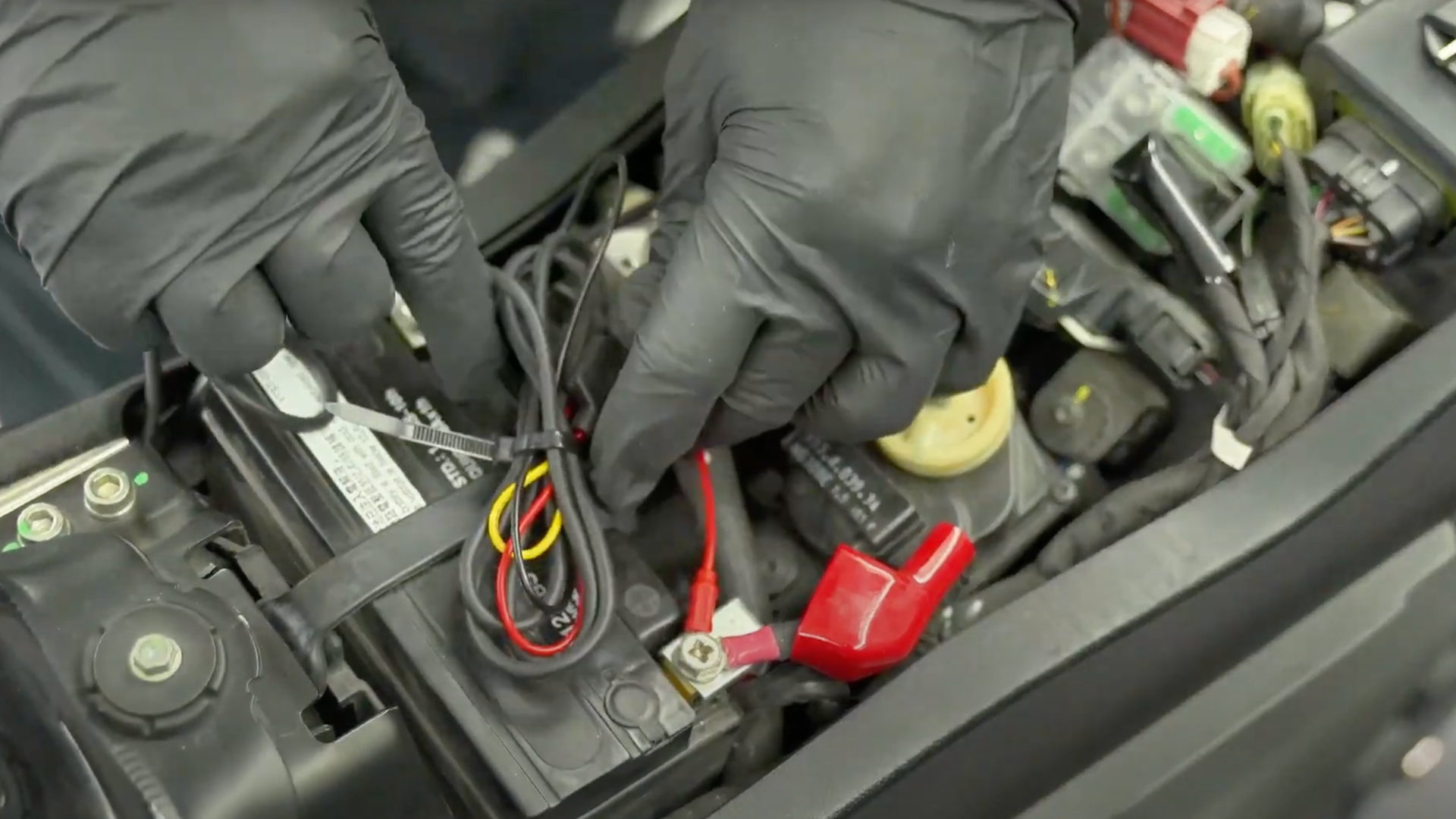
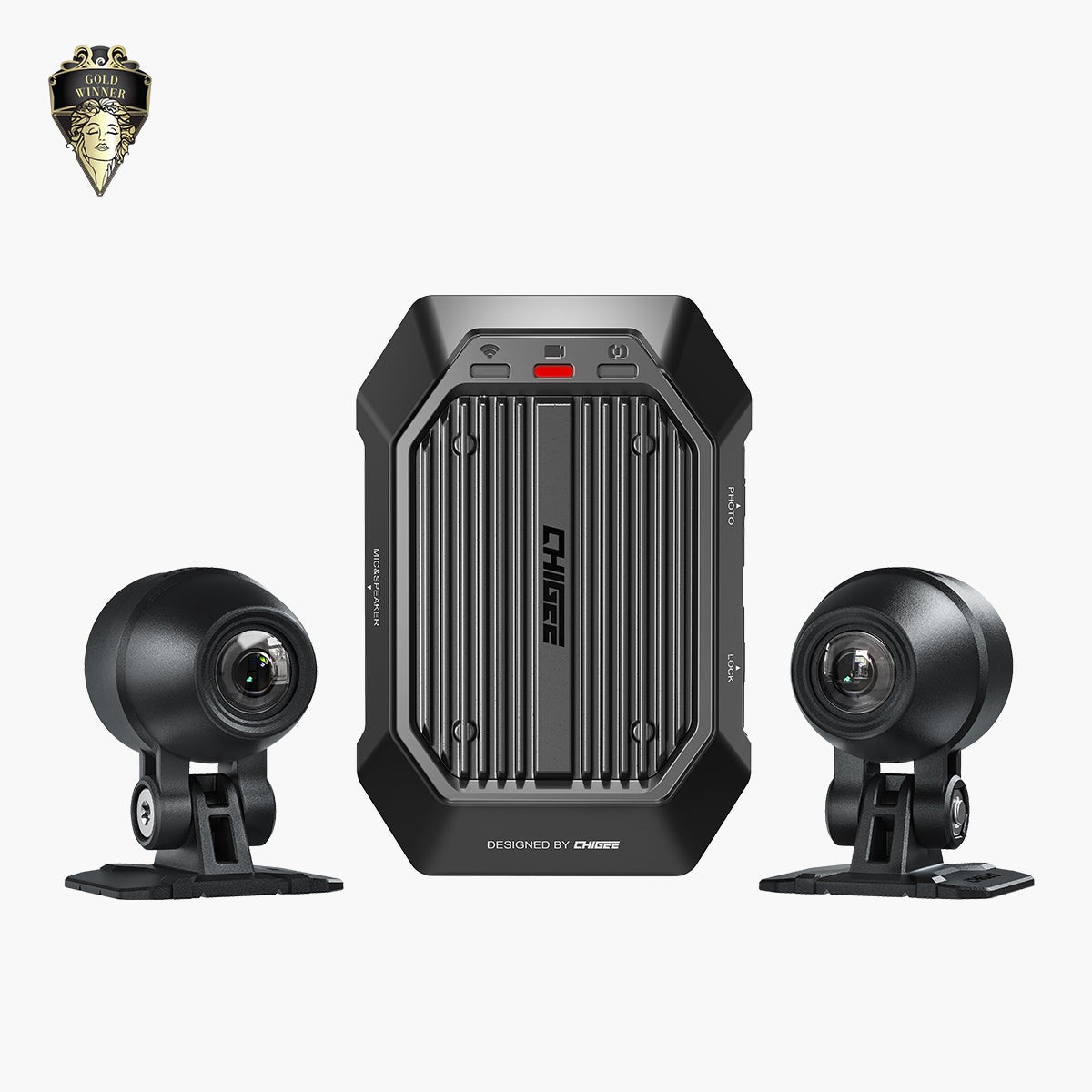
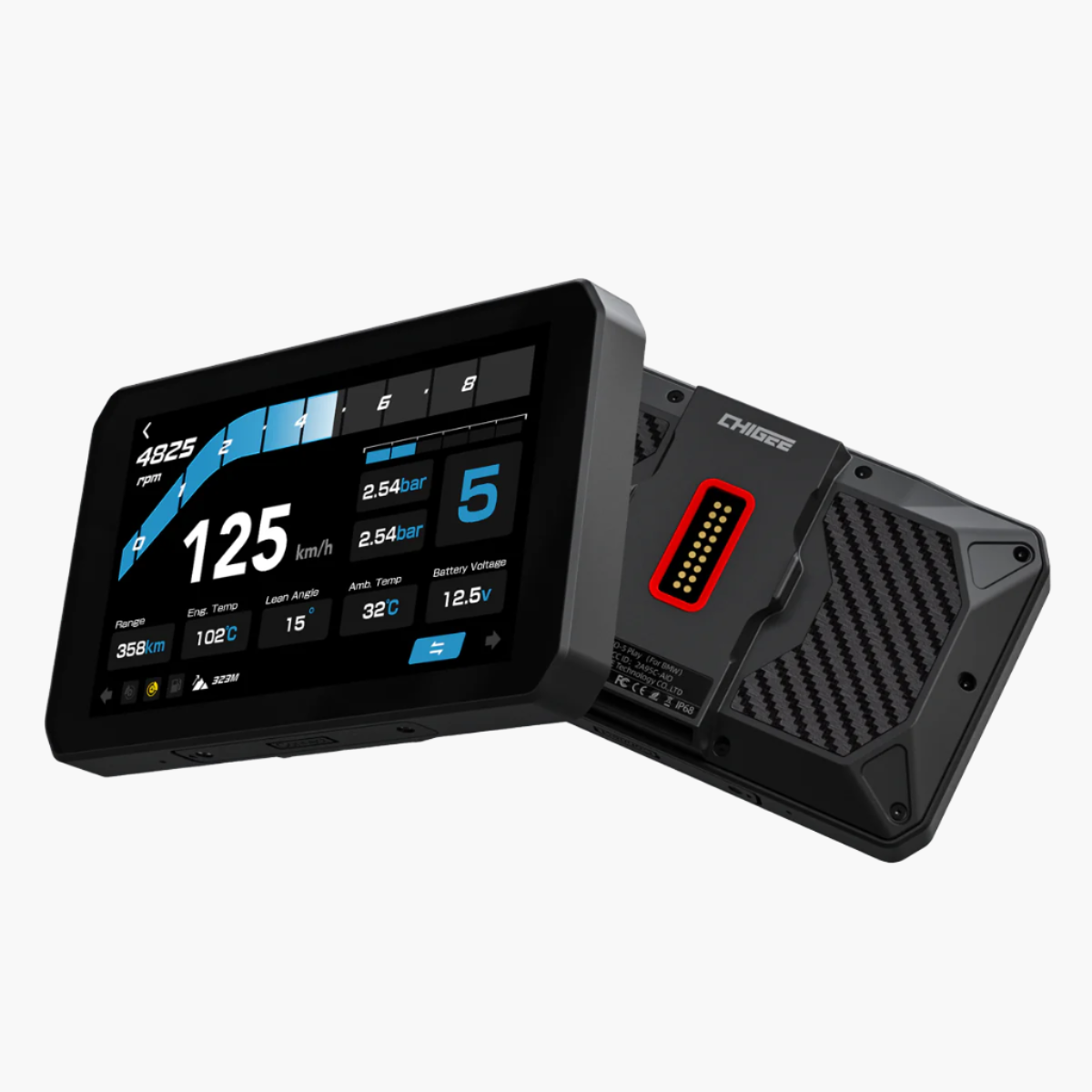
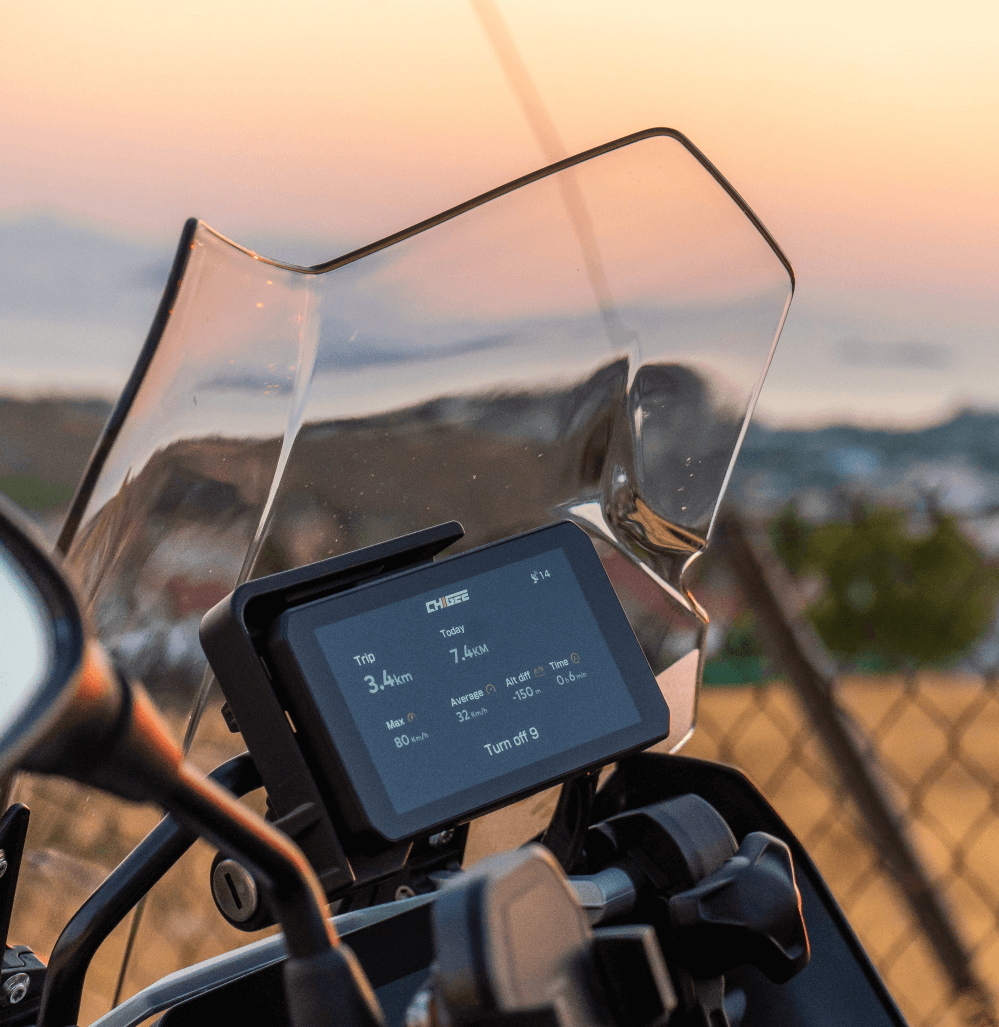
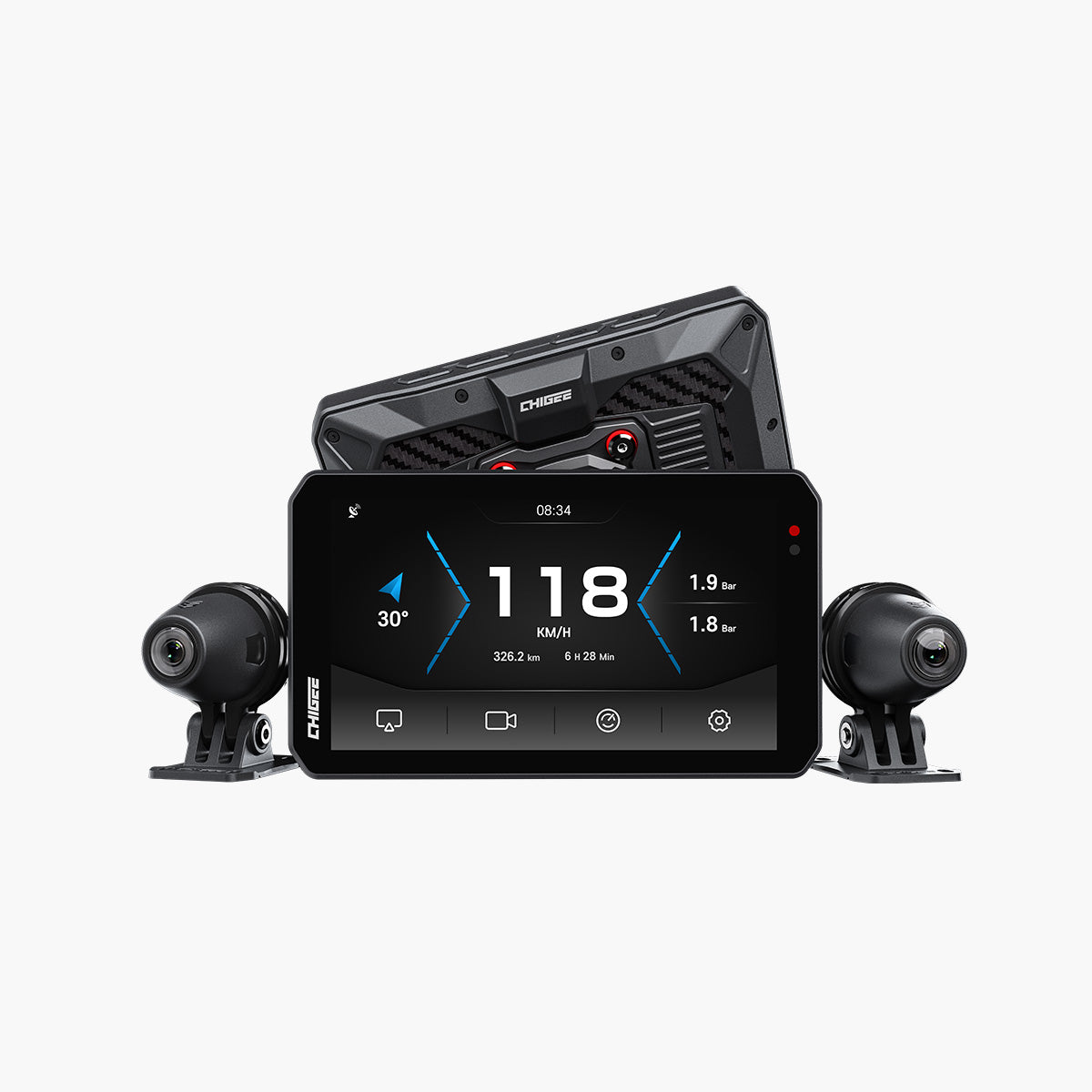
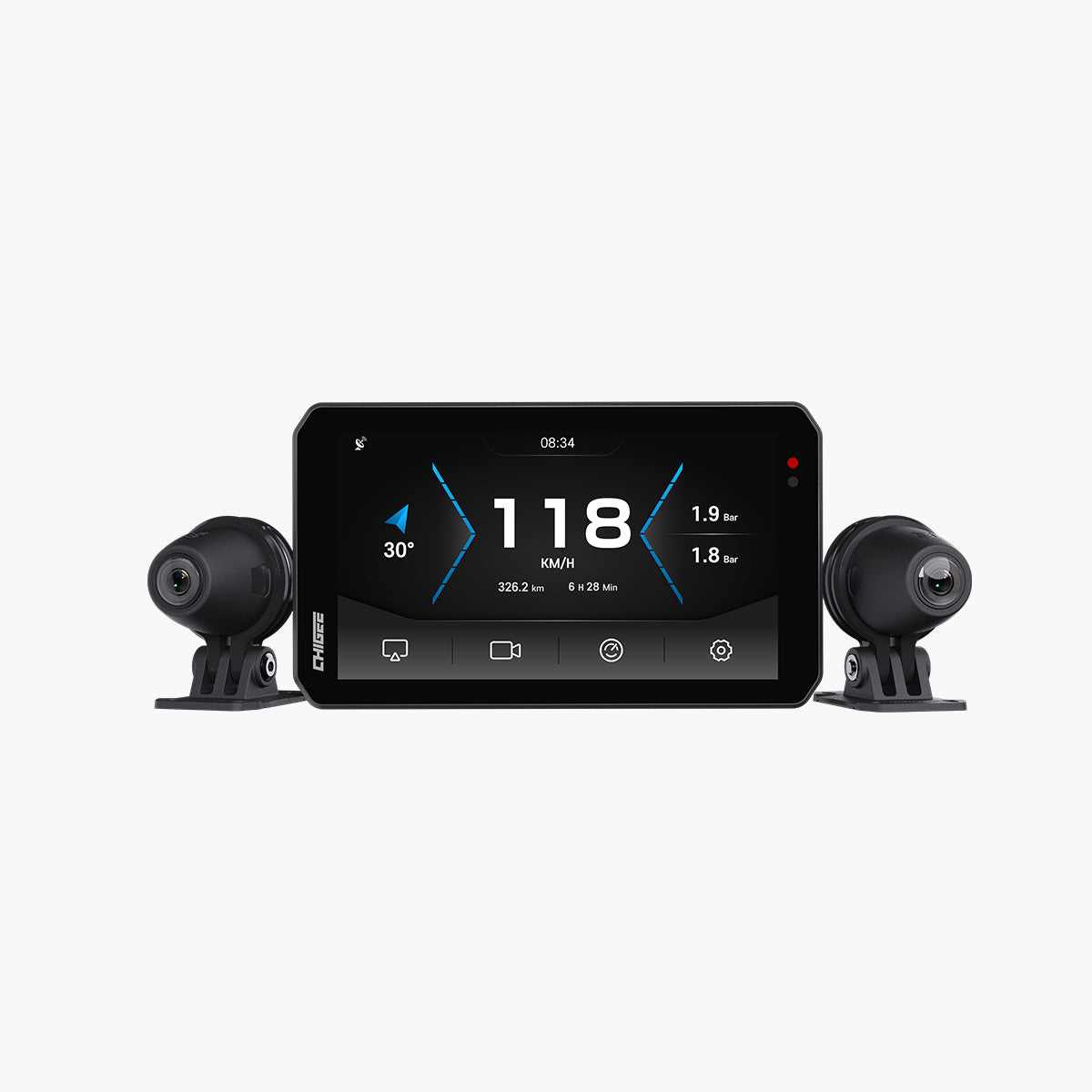
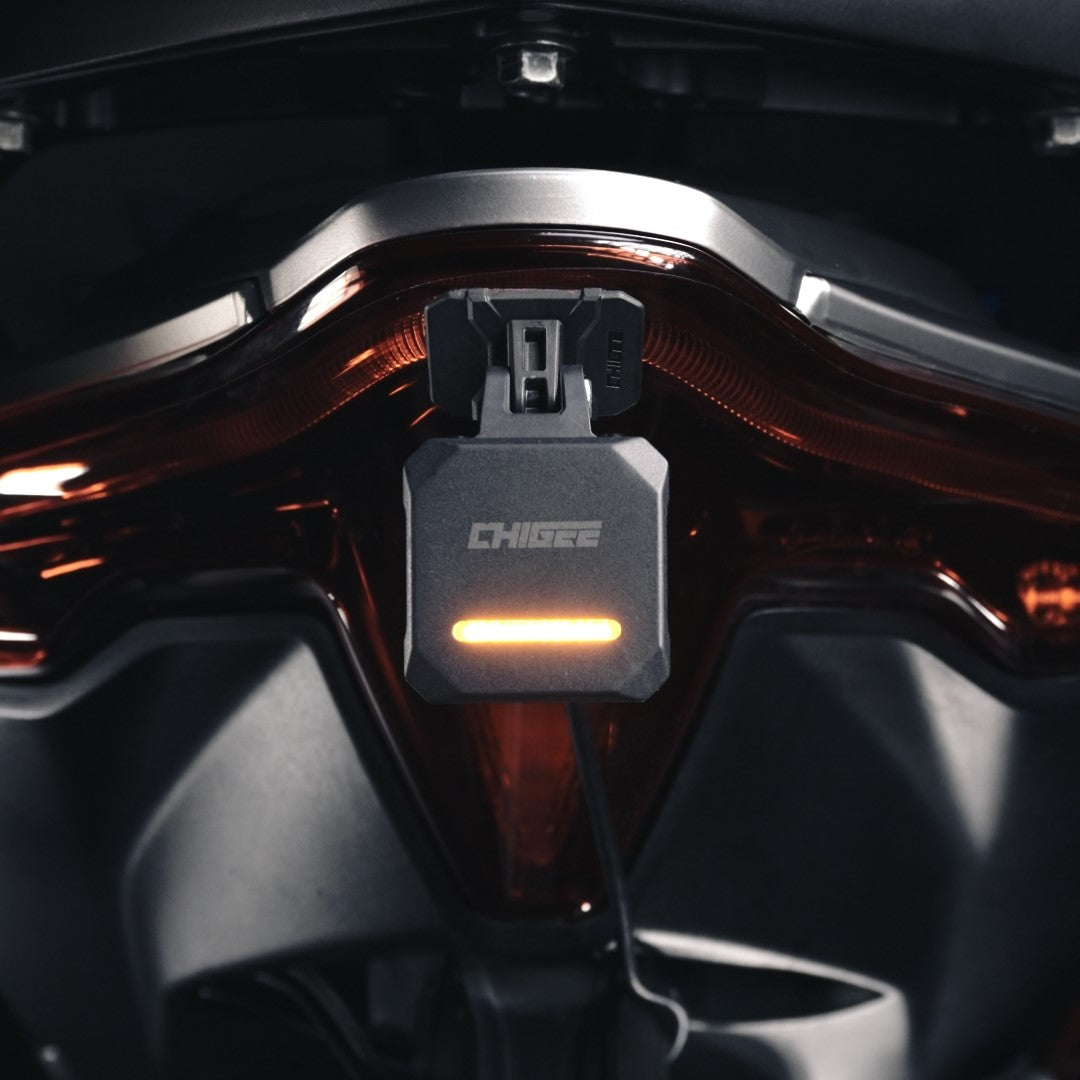
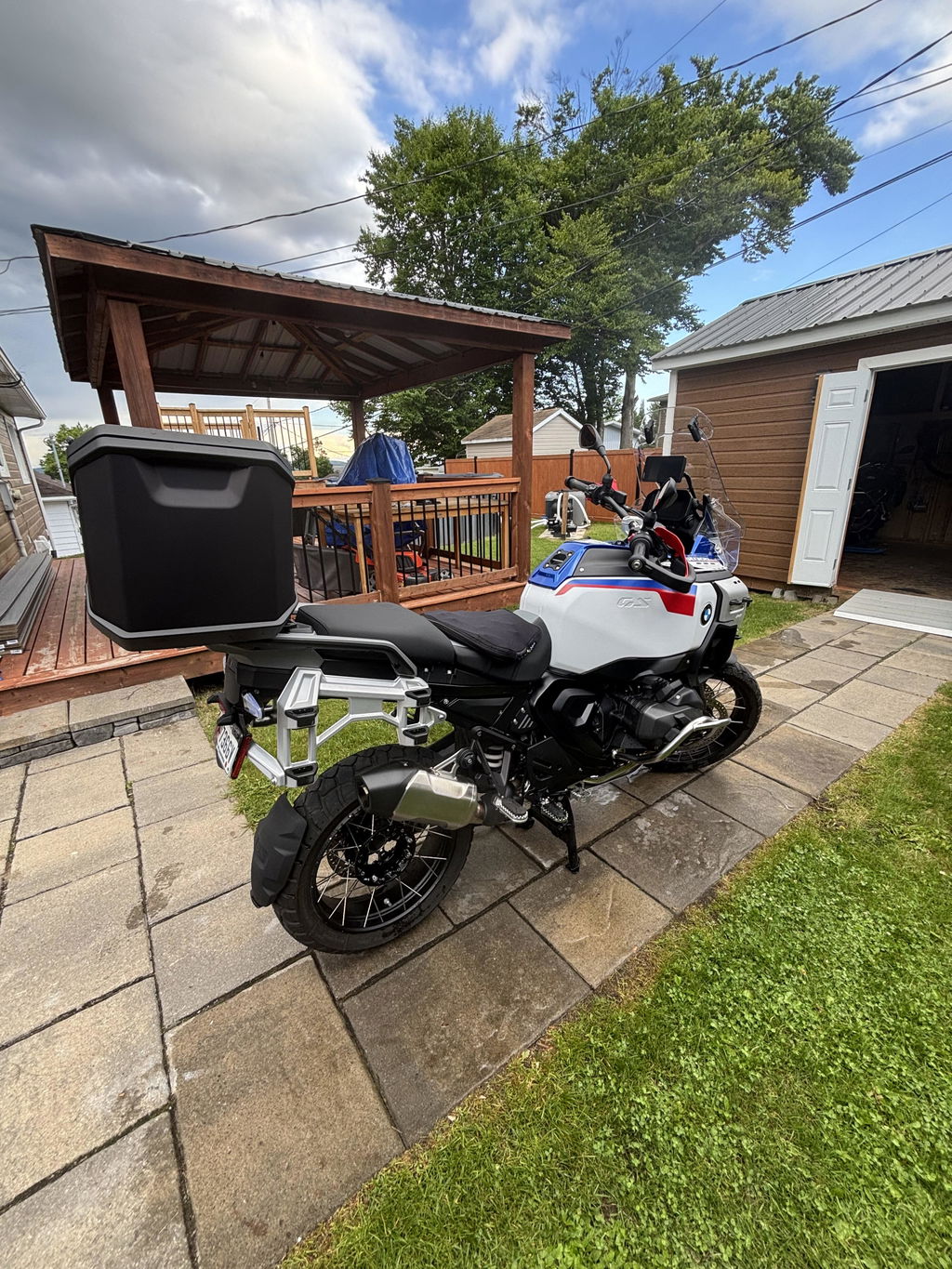
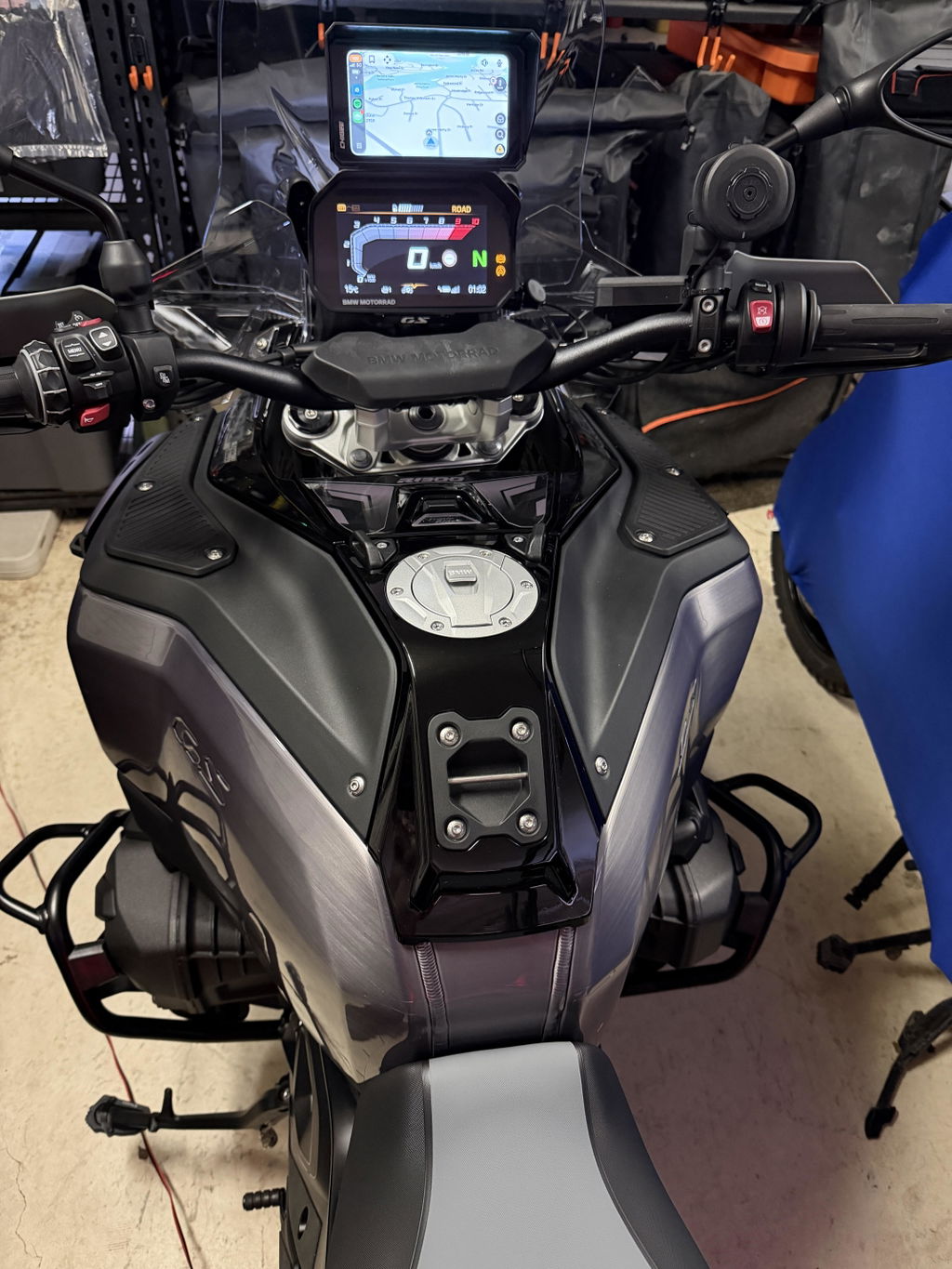
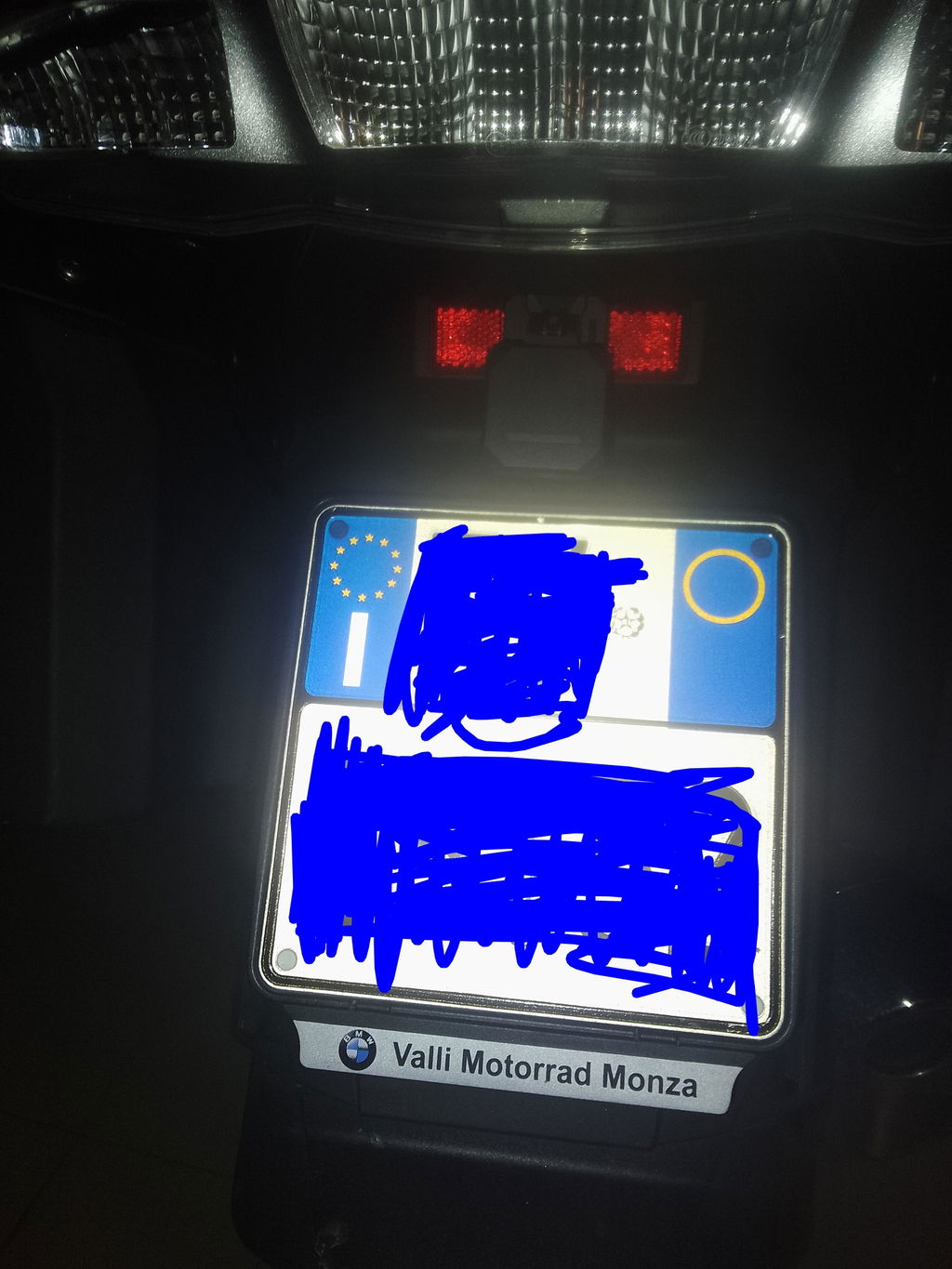
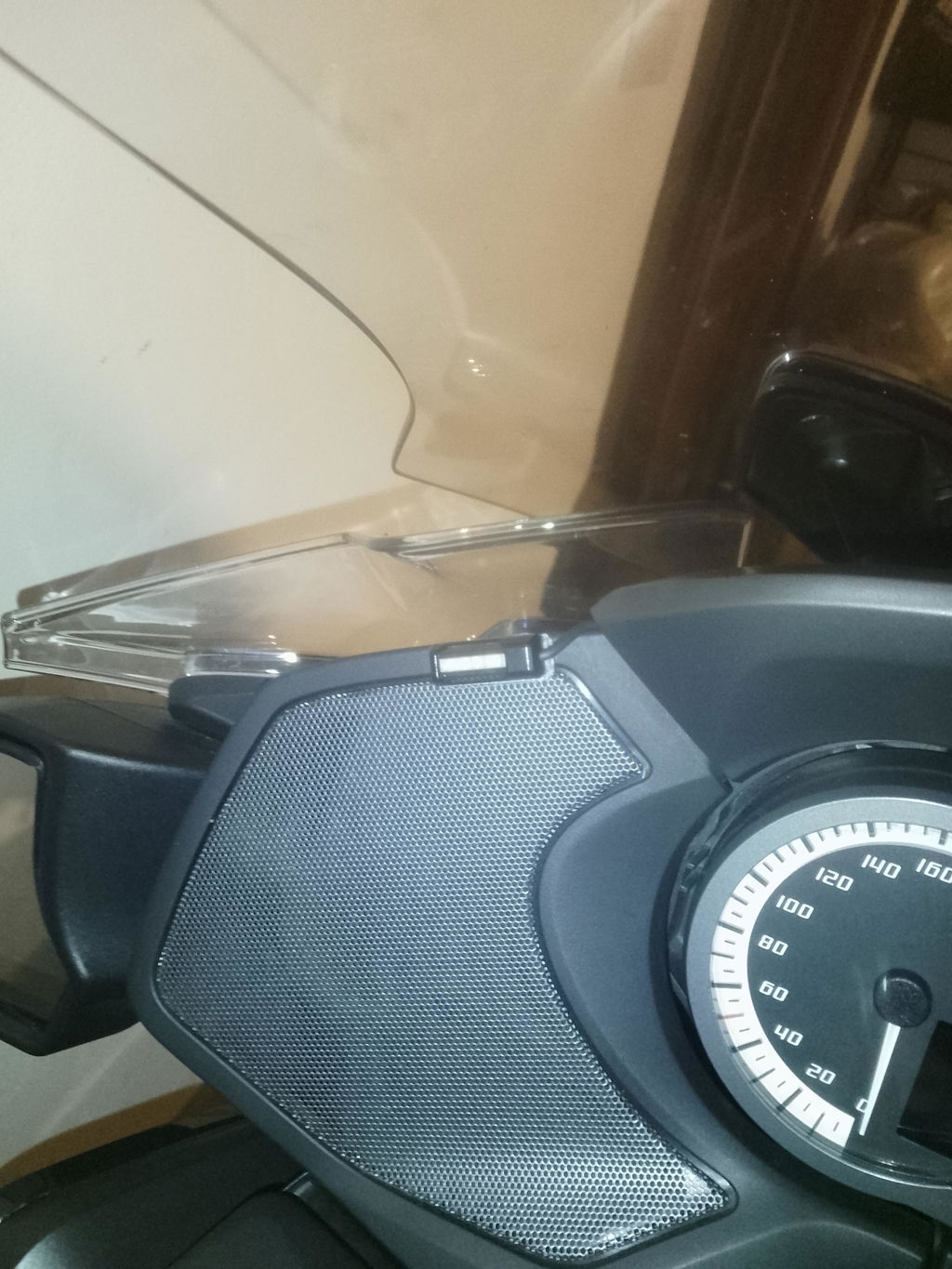
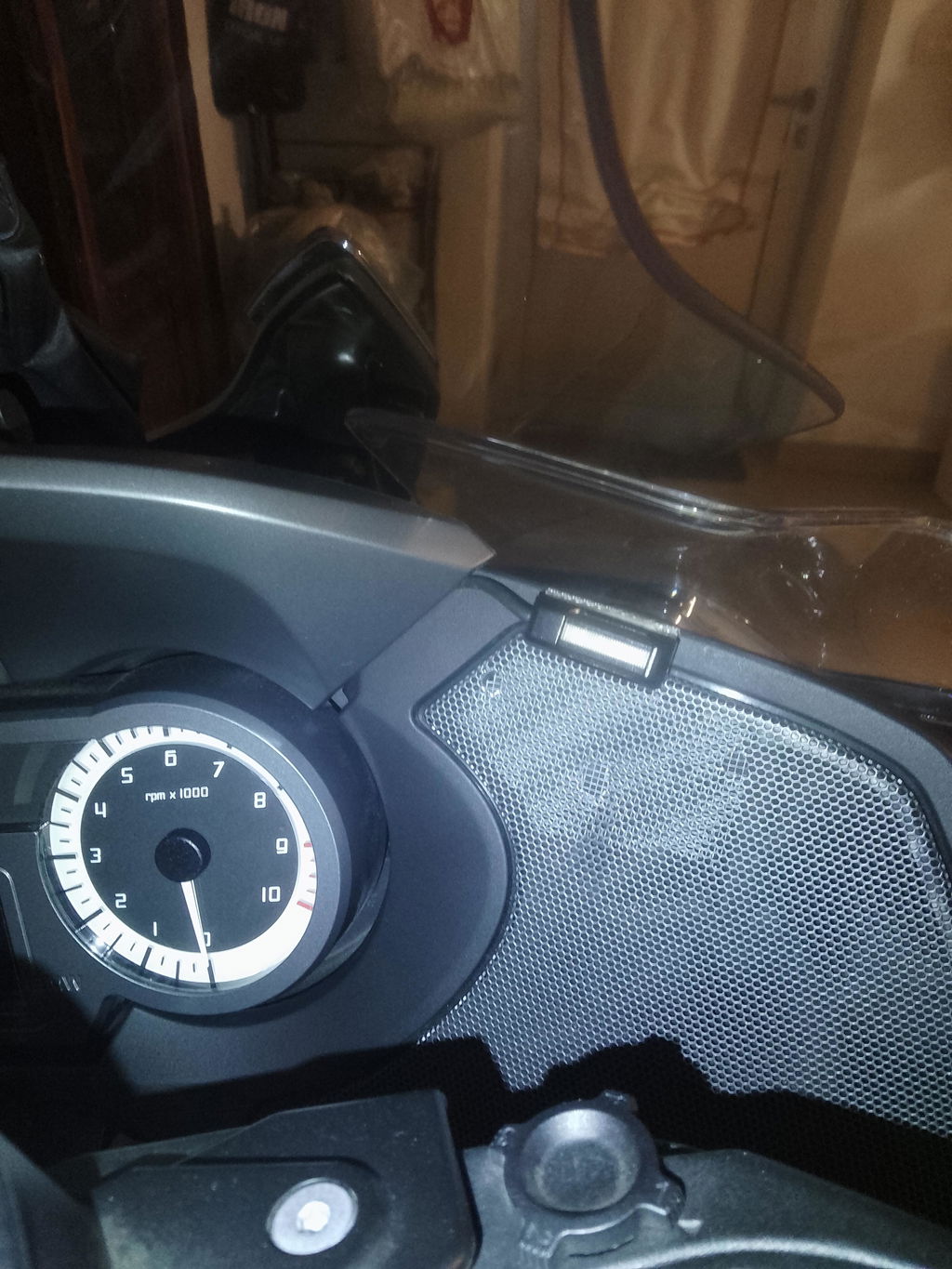
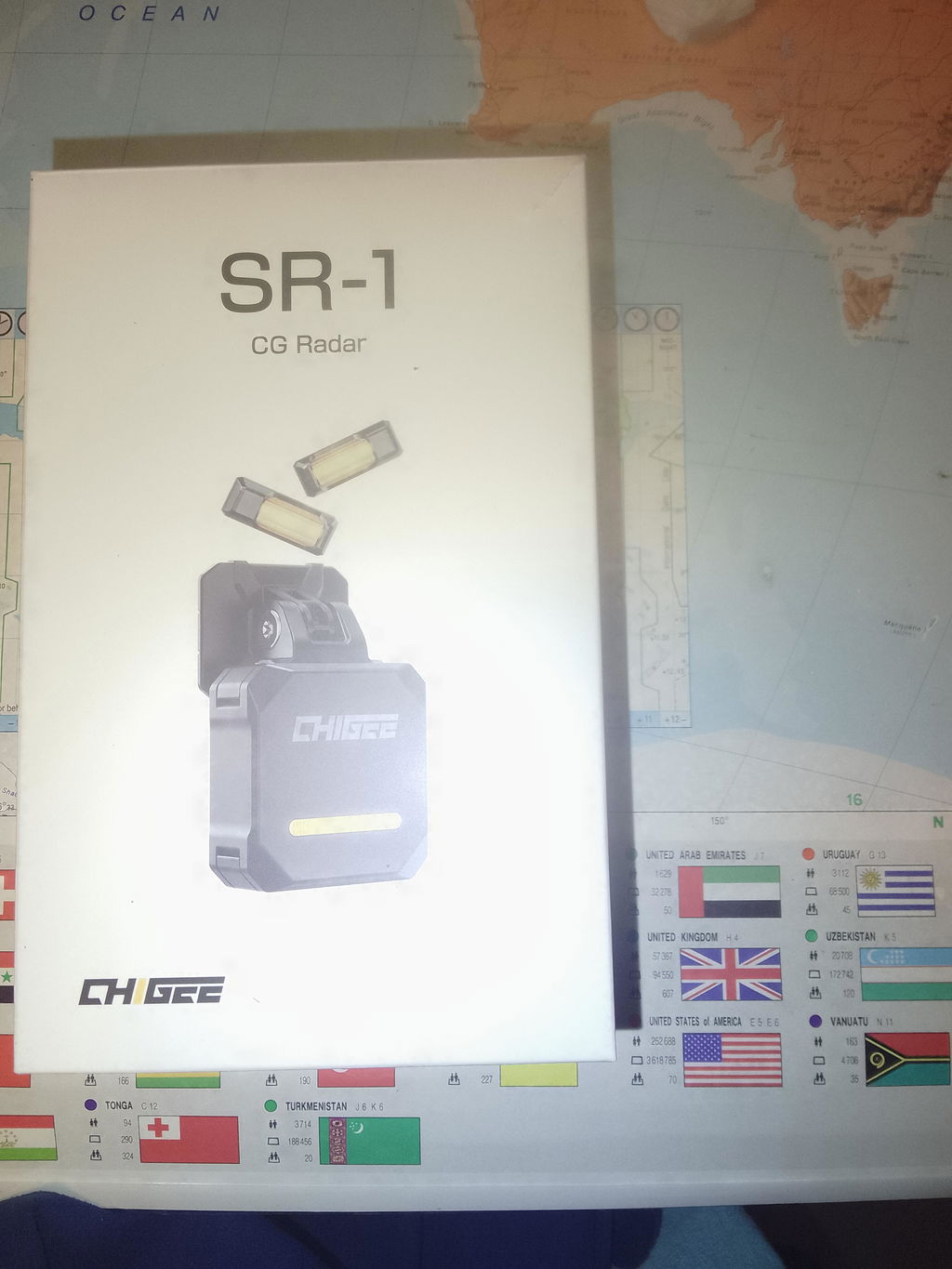
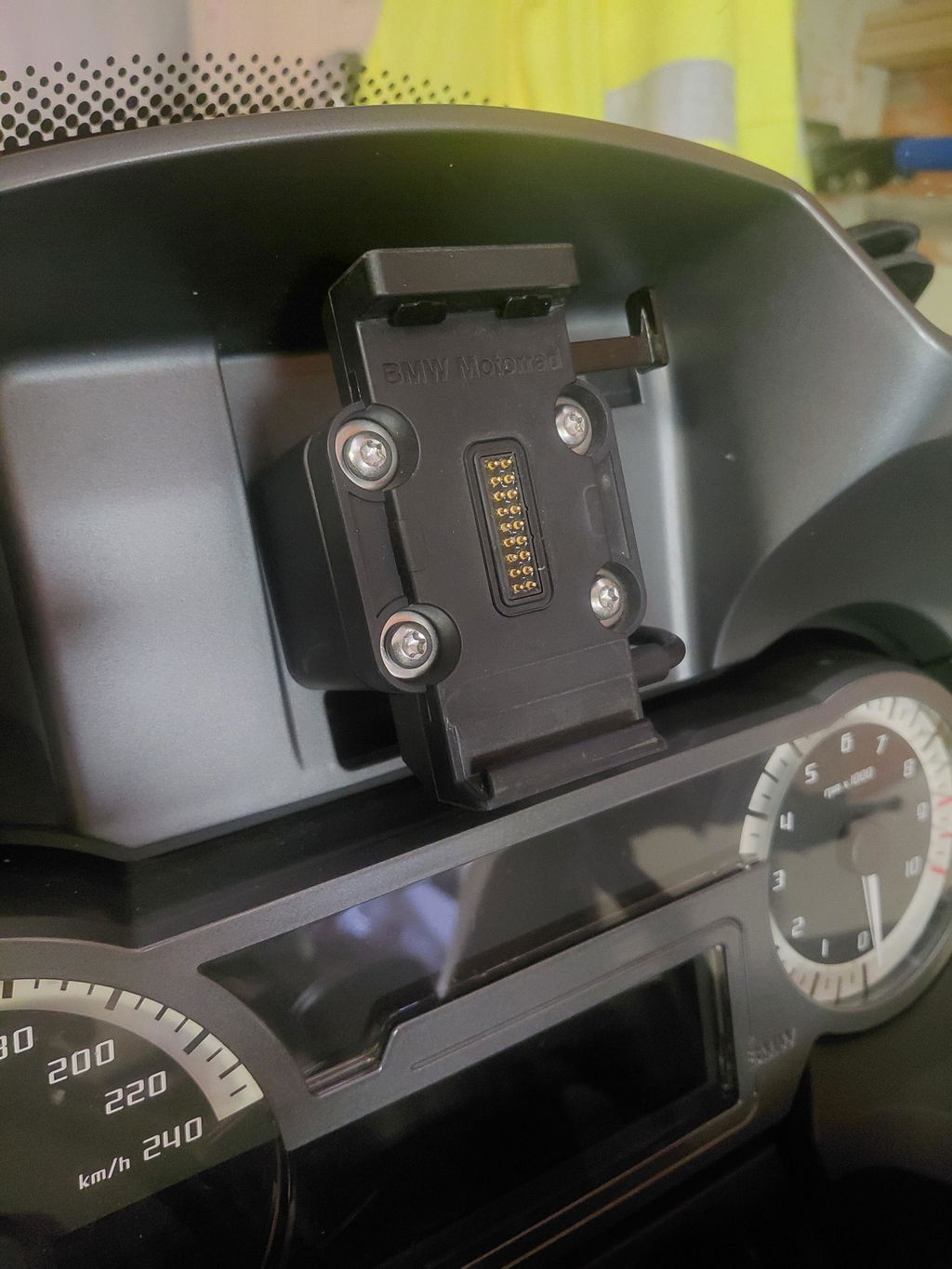
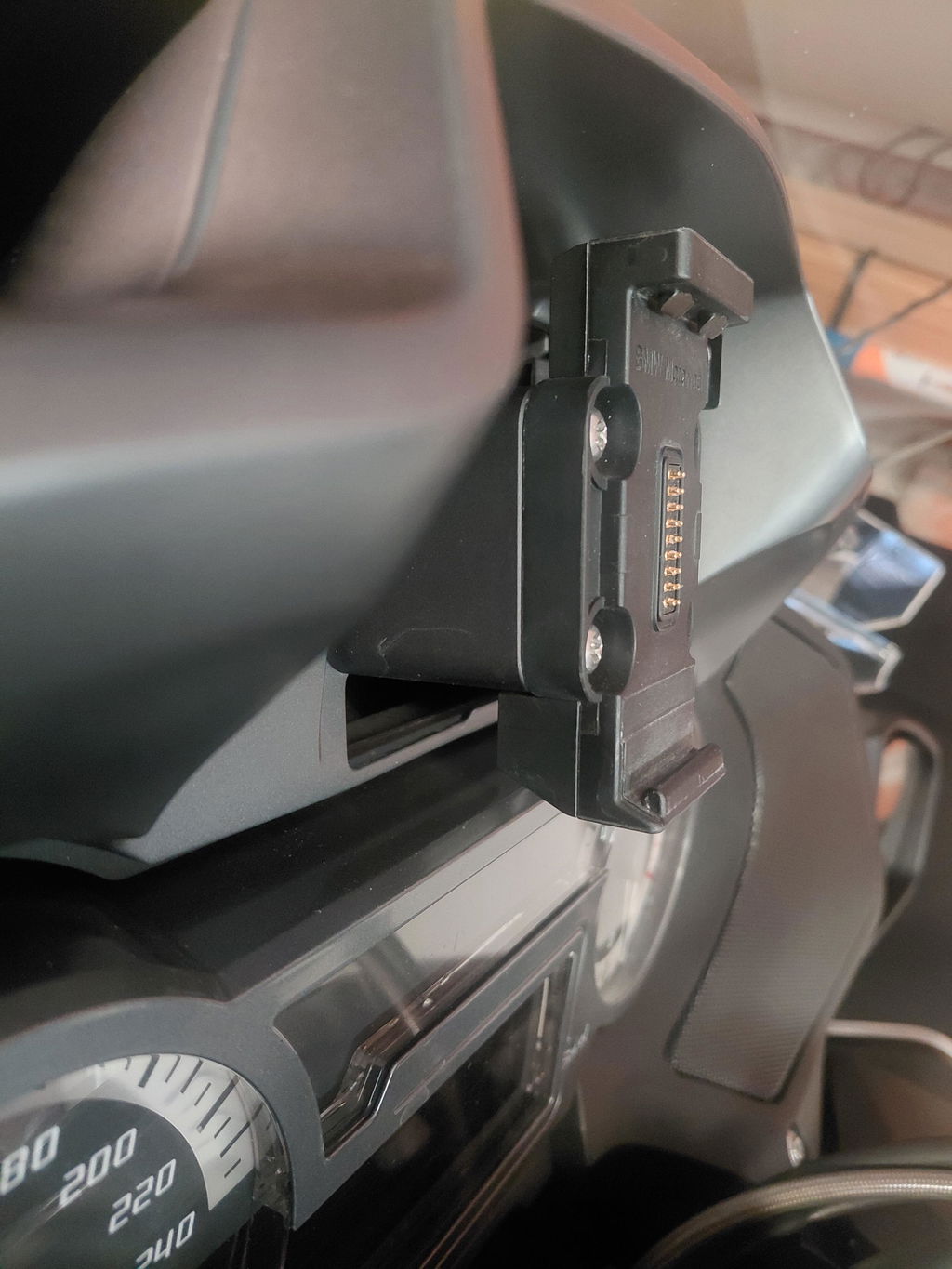
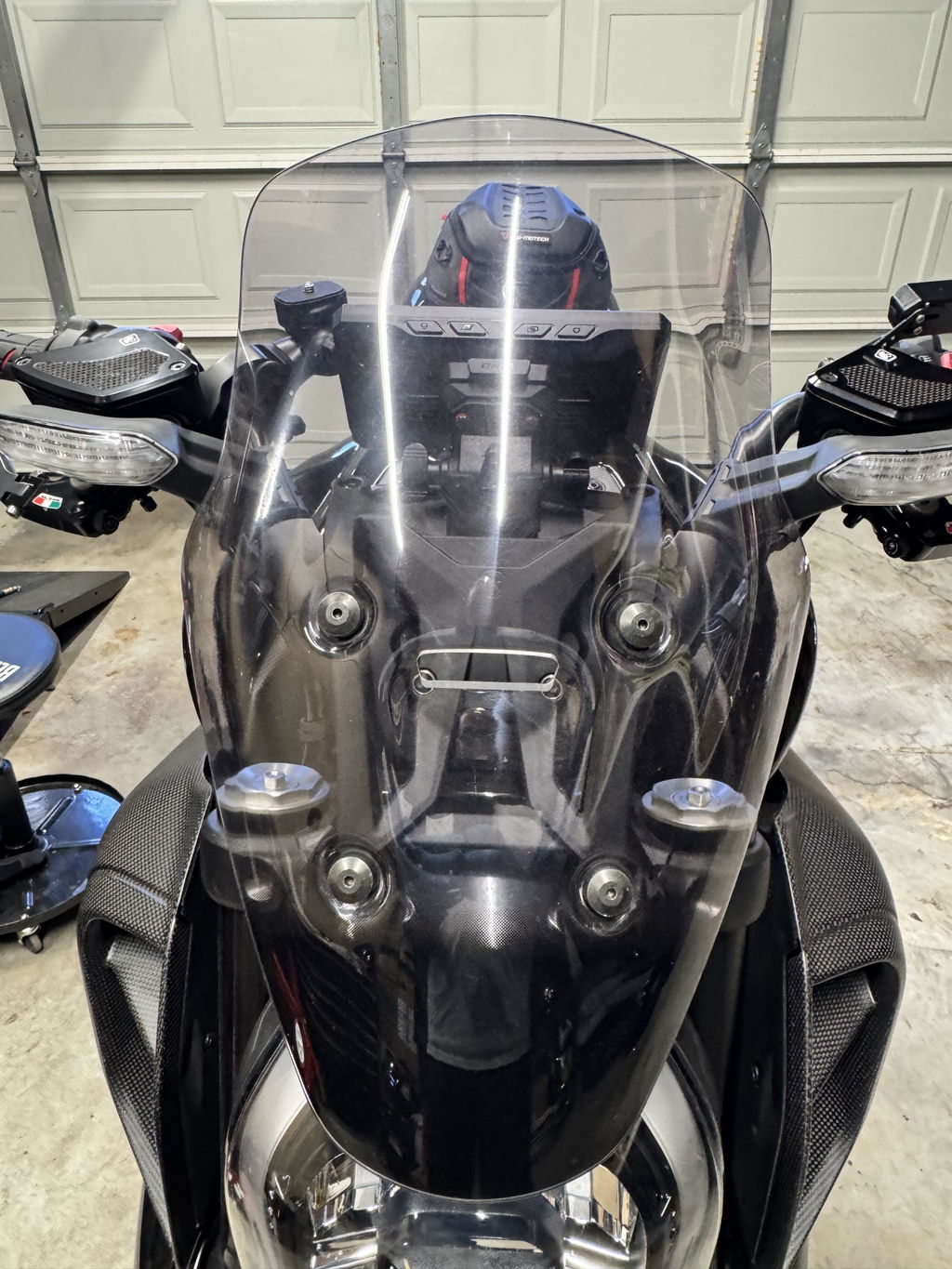
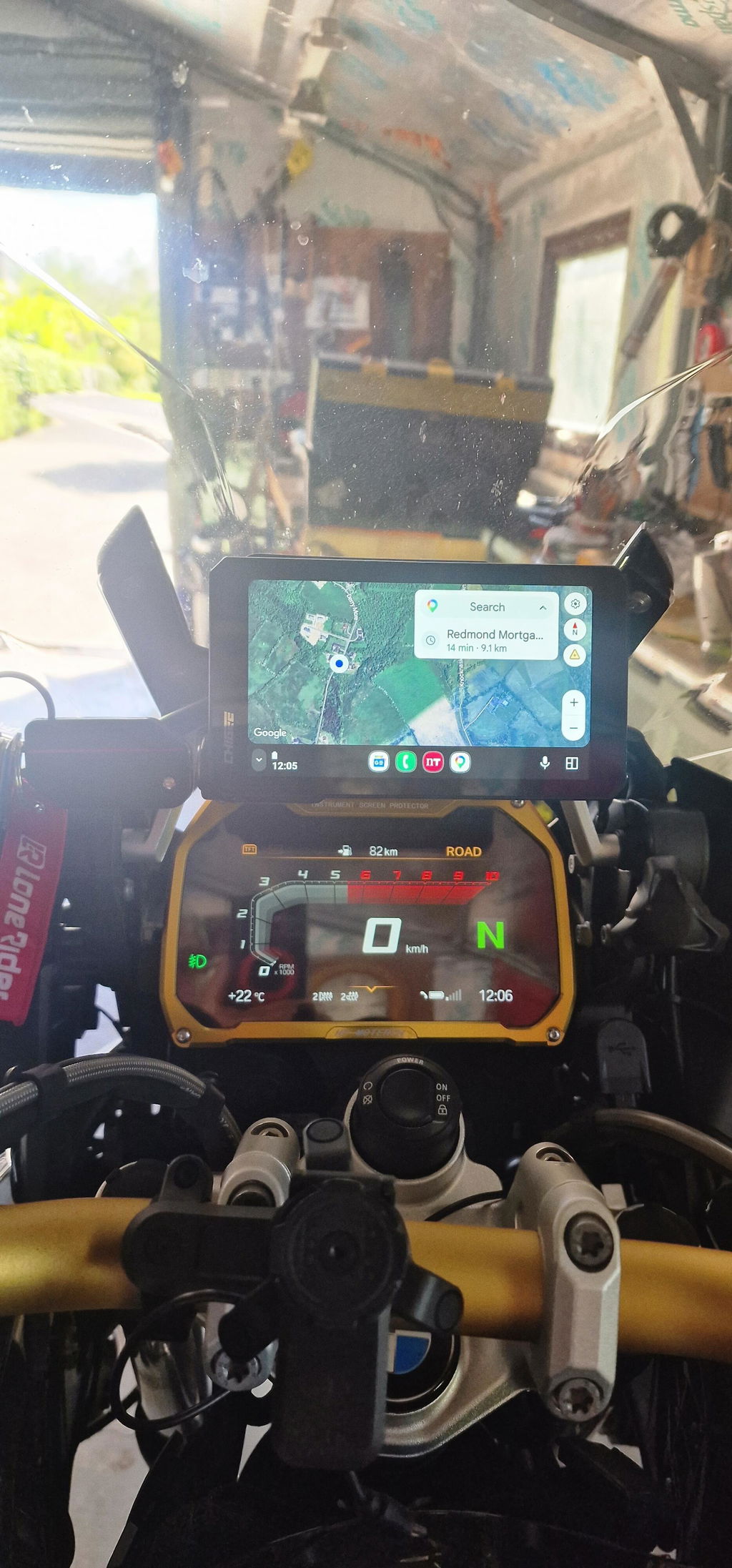
Once you've found the right bike, the right technology makes every commute smoother. Clear navigation through unfamiliar detours, dashcam footage when things go wrong, tire pressure monitoring before you leave—these tools solve real commuting problems. Start with the bike that fits your route. Build from there.
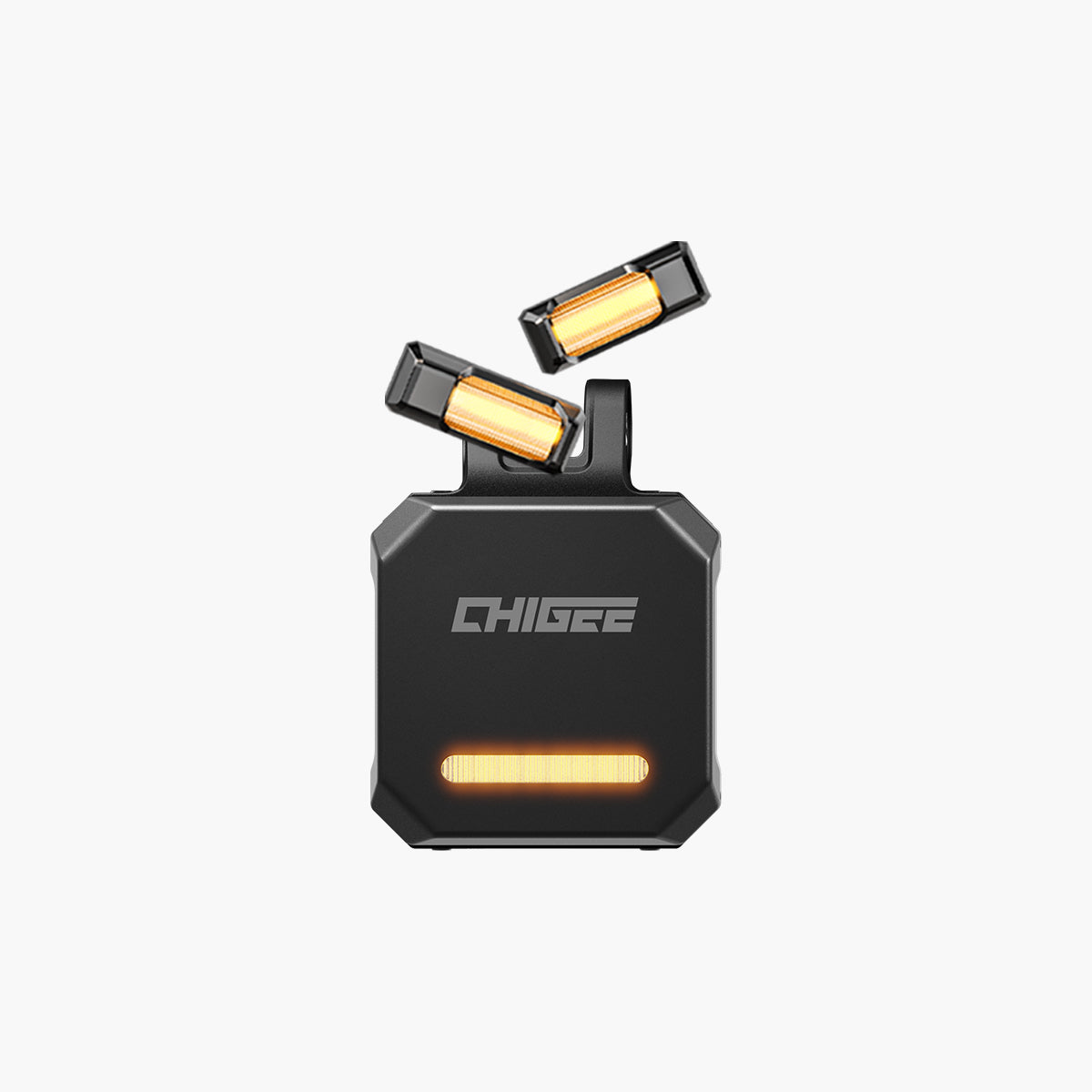
Want to make your commute even smarter? Check out Chigee's motorcycle display systems for navigation, dashcam, and safety features designed for daily riders.




แสดงความคิดเห็น
ทุกความคิดเห็นจะถูกตรวจสอบก่อนเผยแพร่
เว็บไซต์นี้ได้รับการคุ้มครองโดย hCaptcha และมีการนำนโยบายความเป็นส่วนตัวของ hCaptcha และข้อกำหนดในการใช้บริการมาใช้