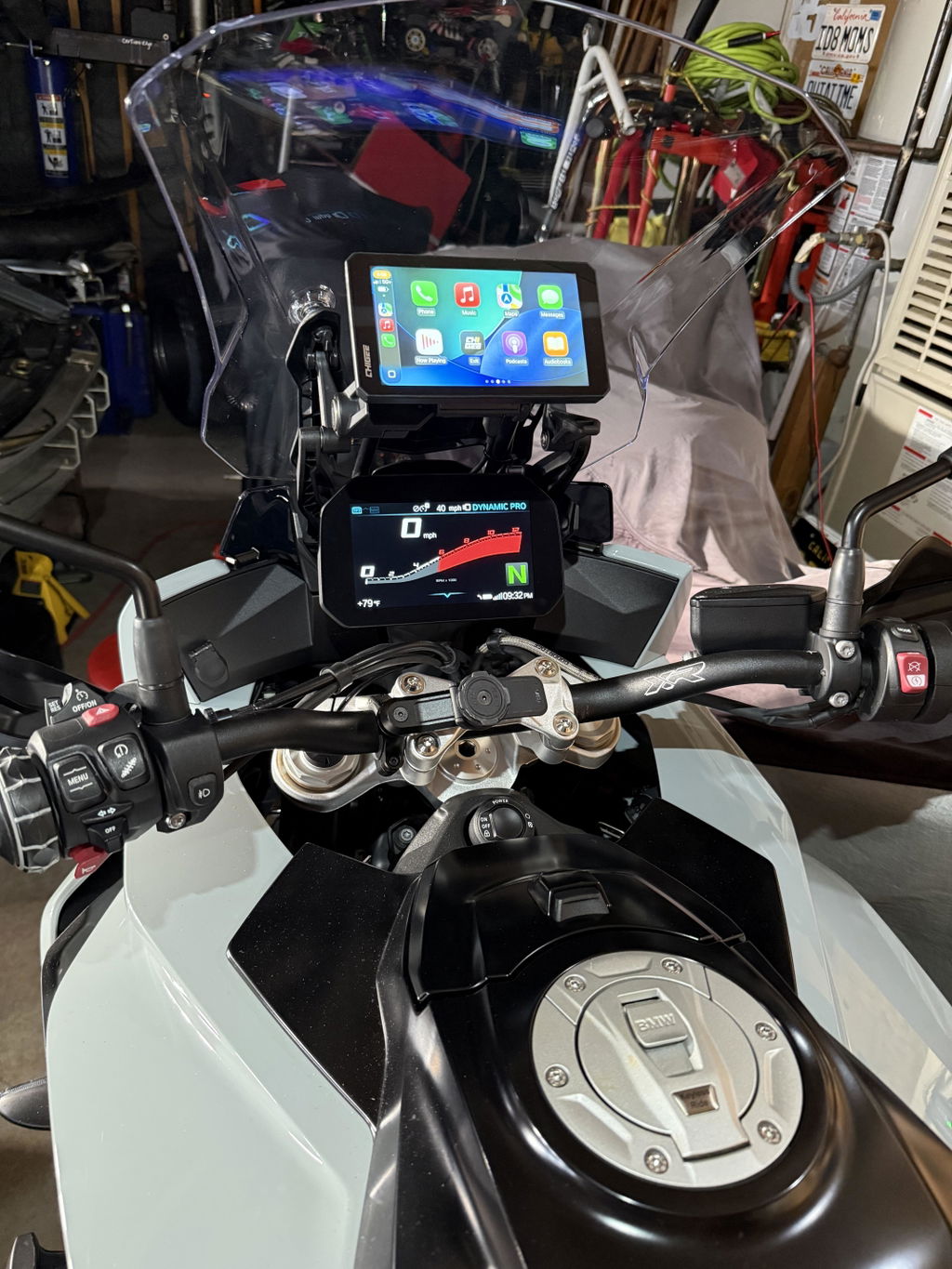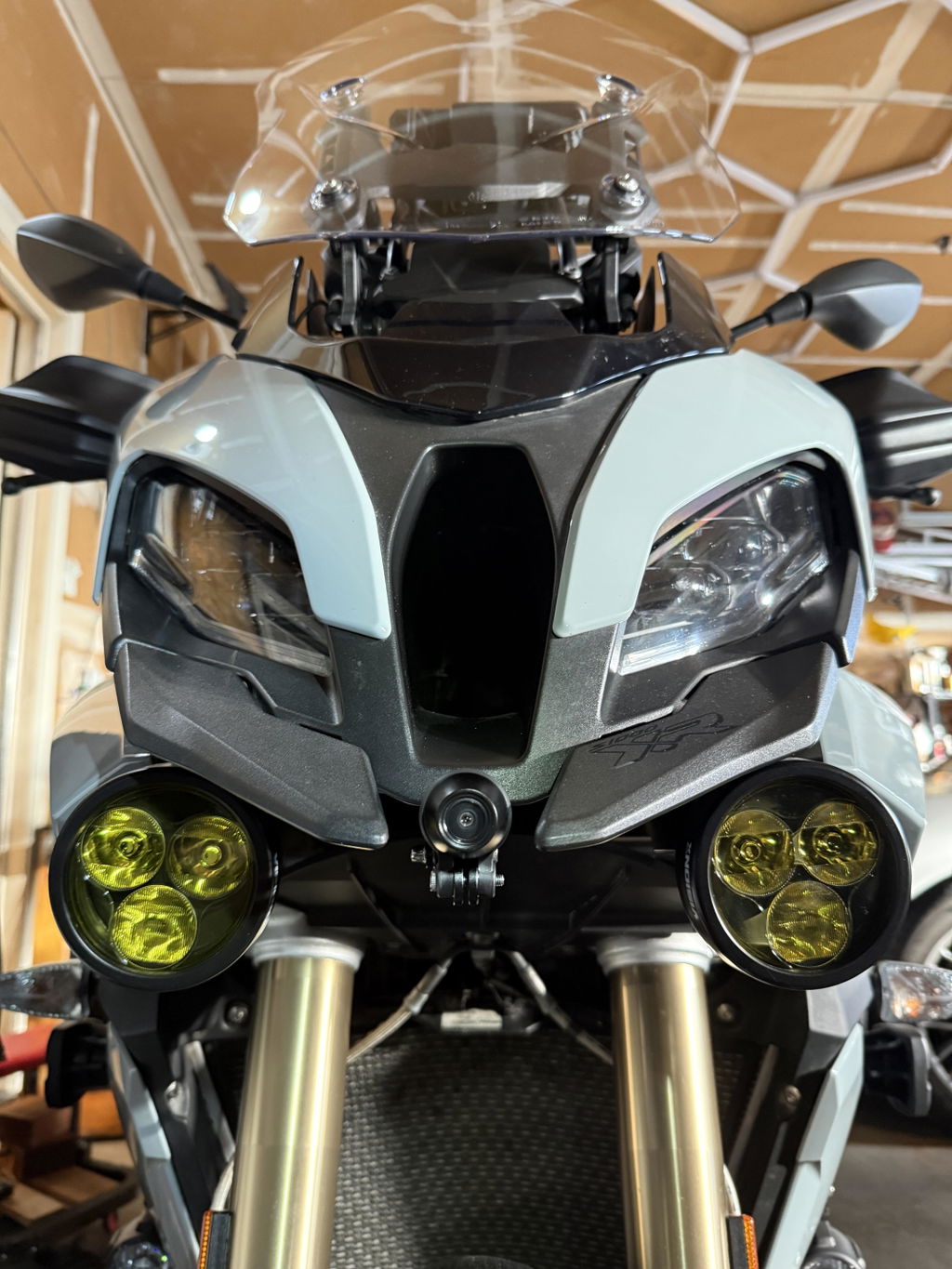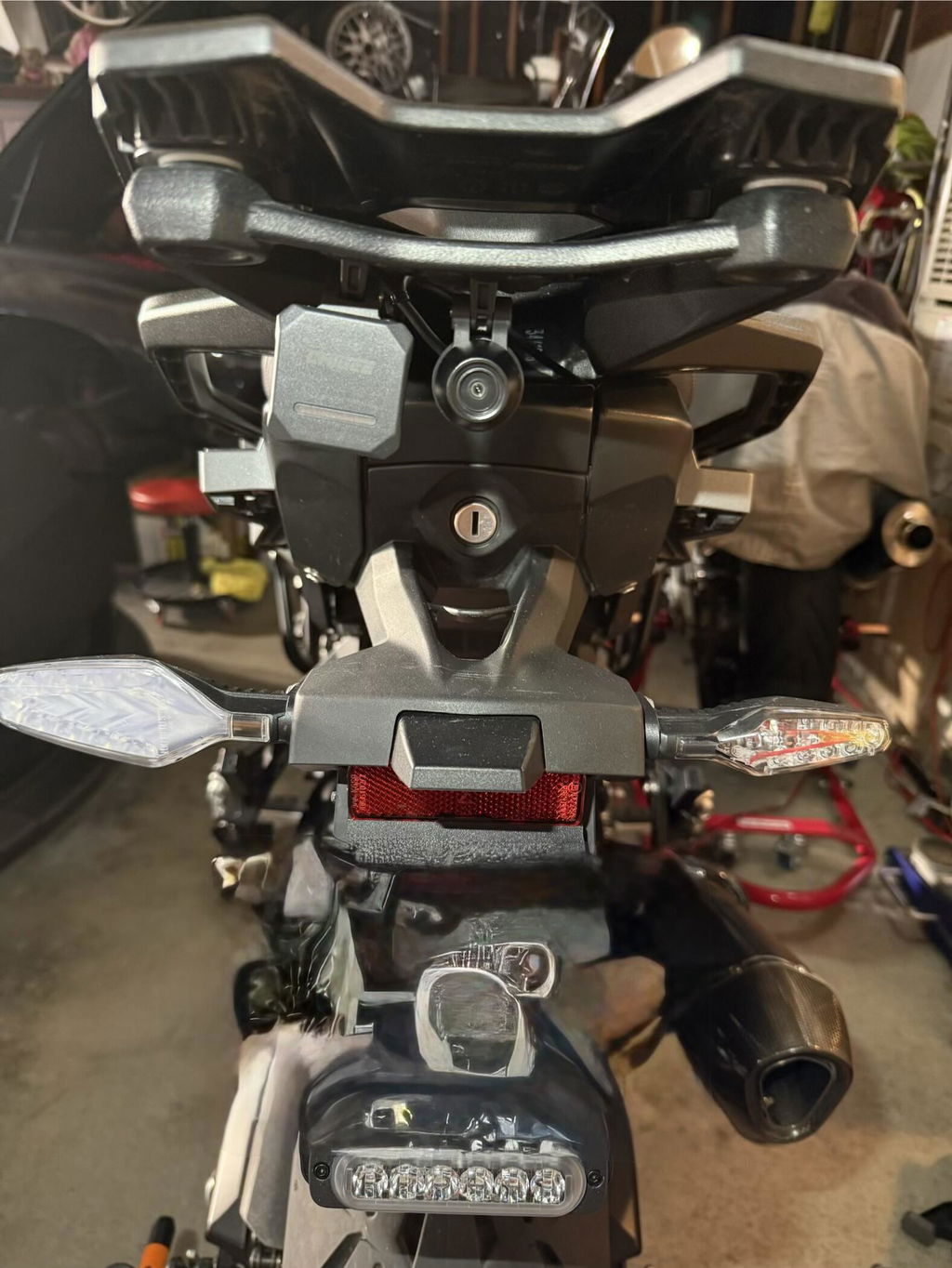
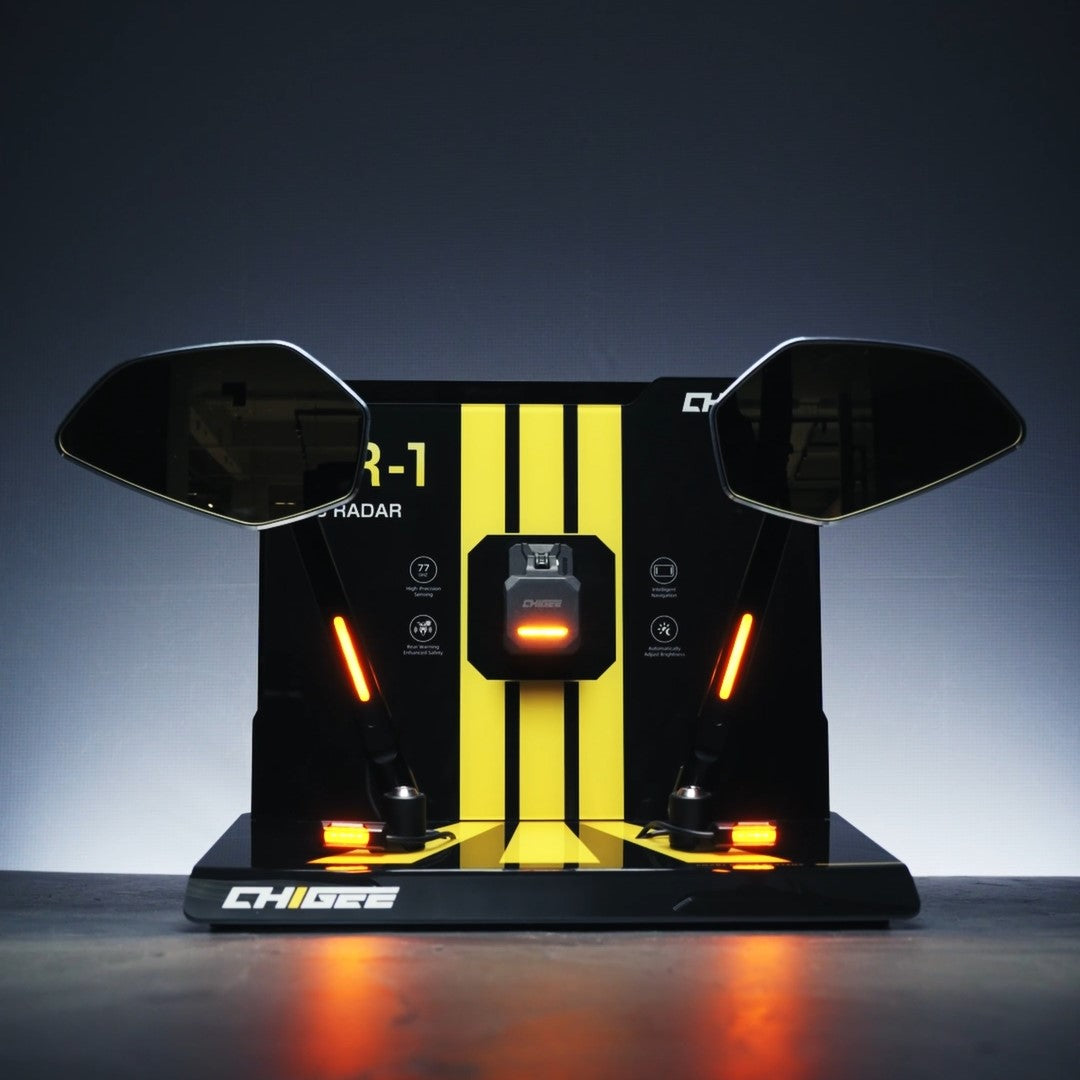
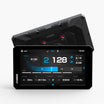
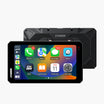
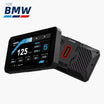
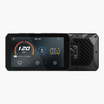
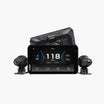
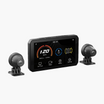
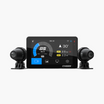

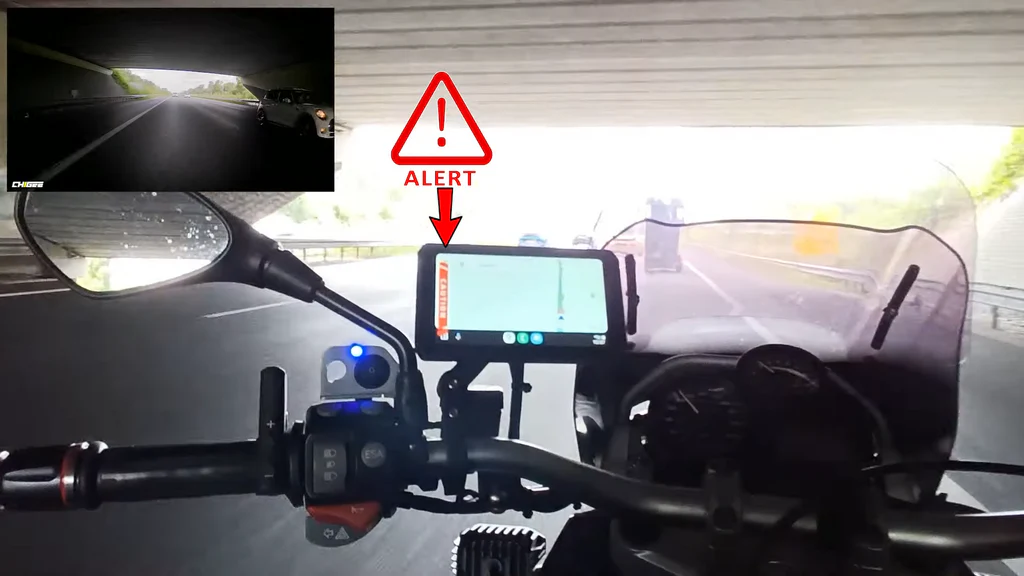






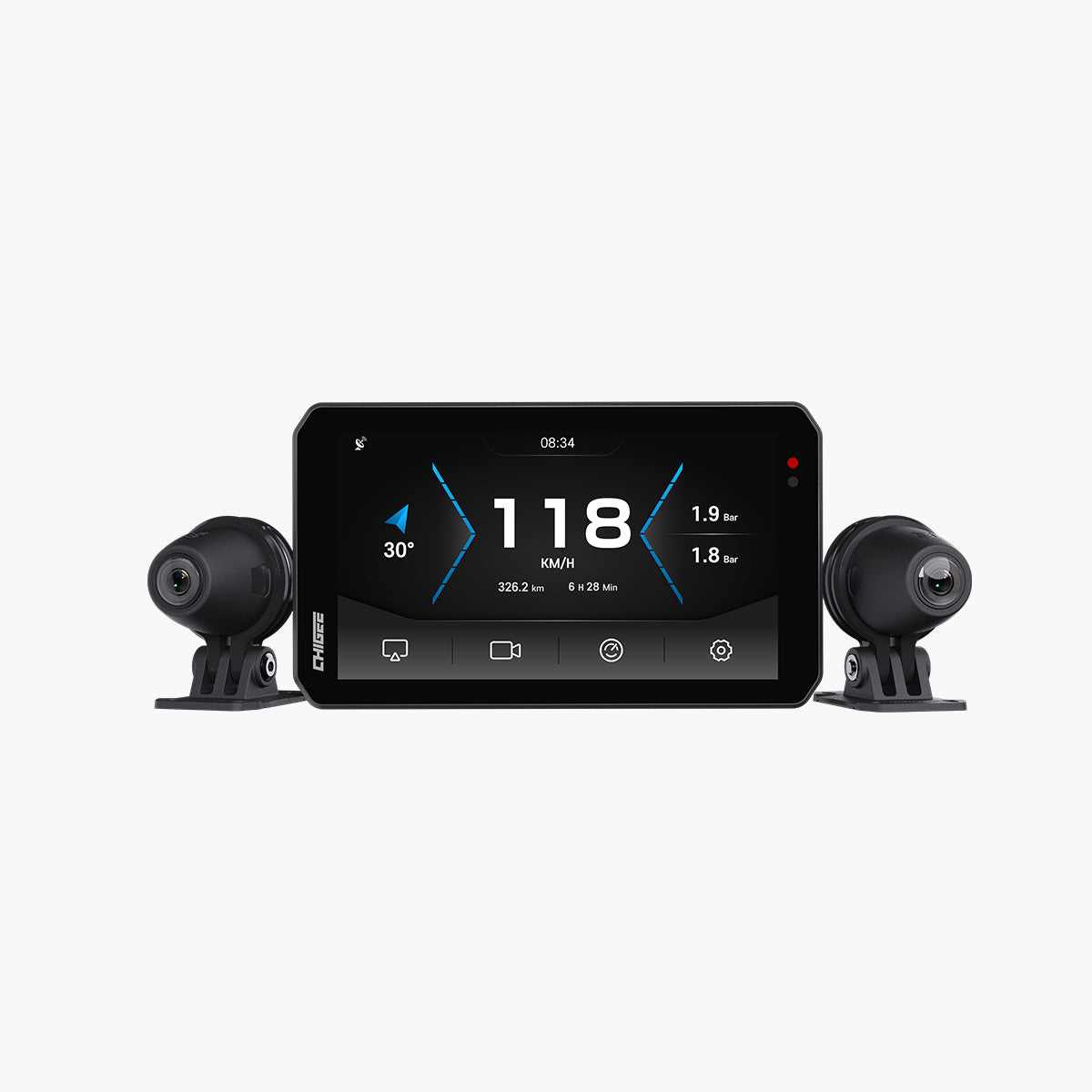
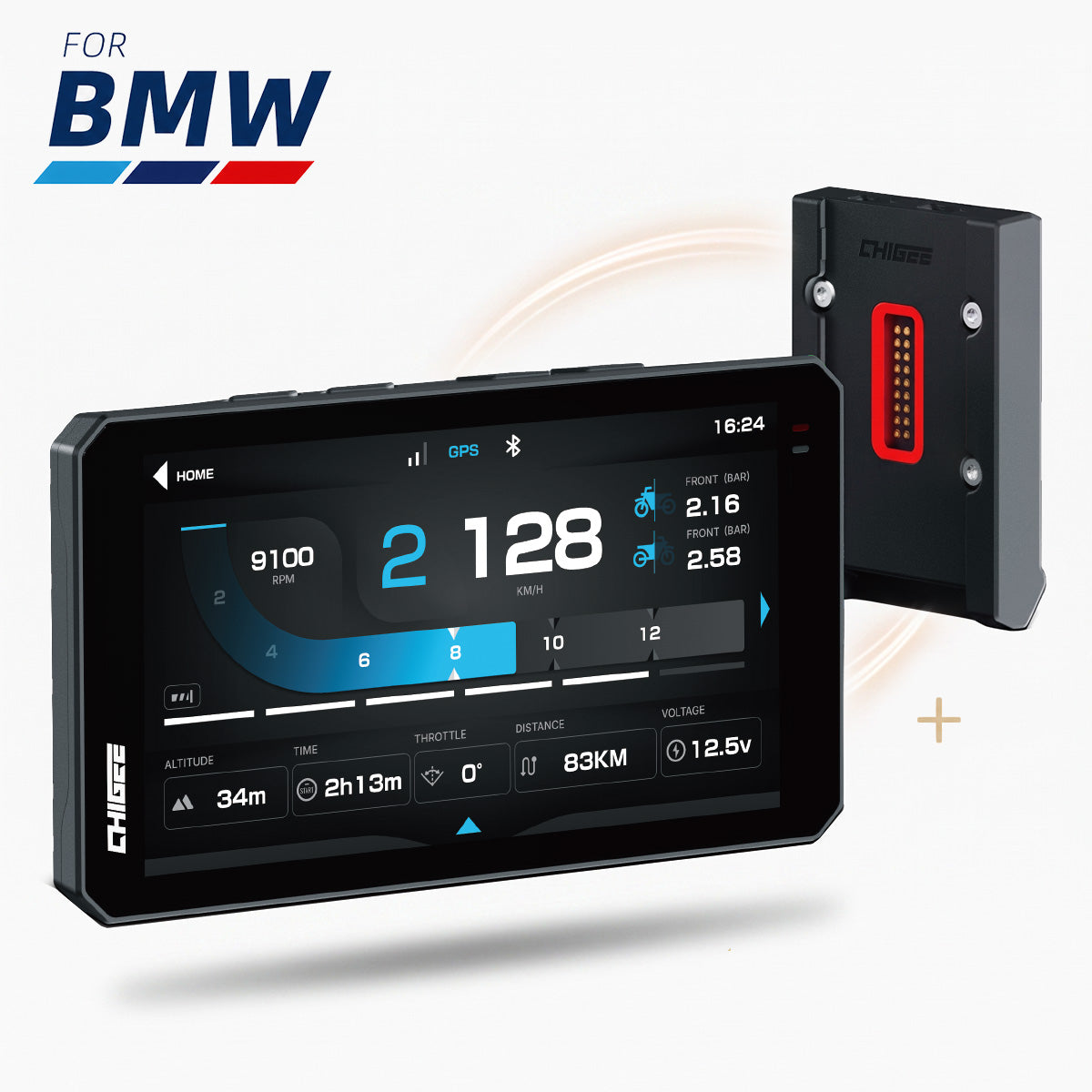
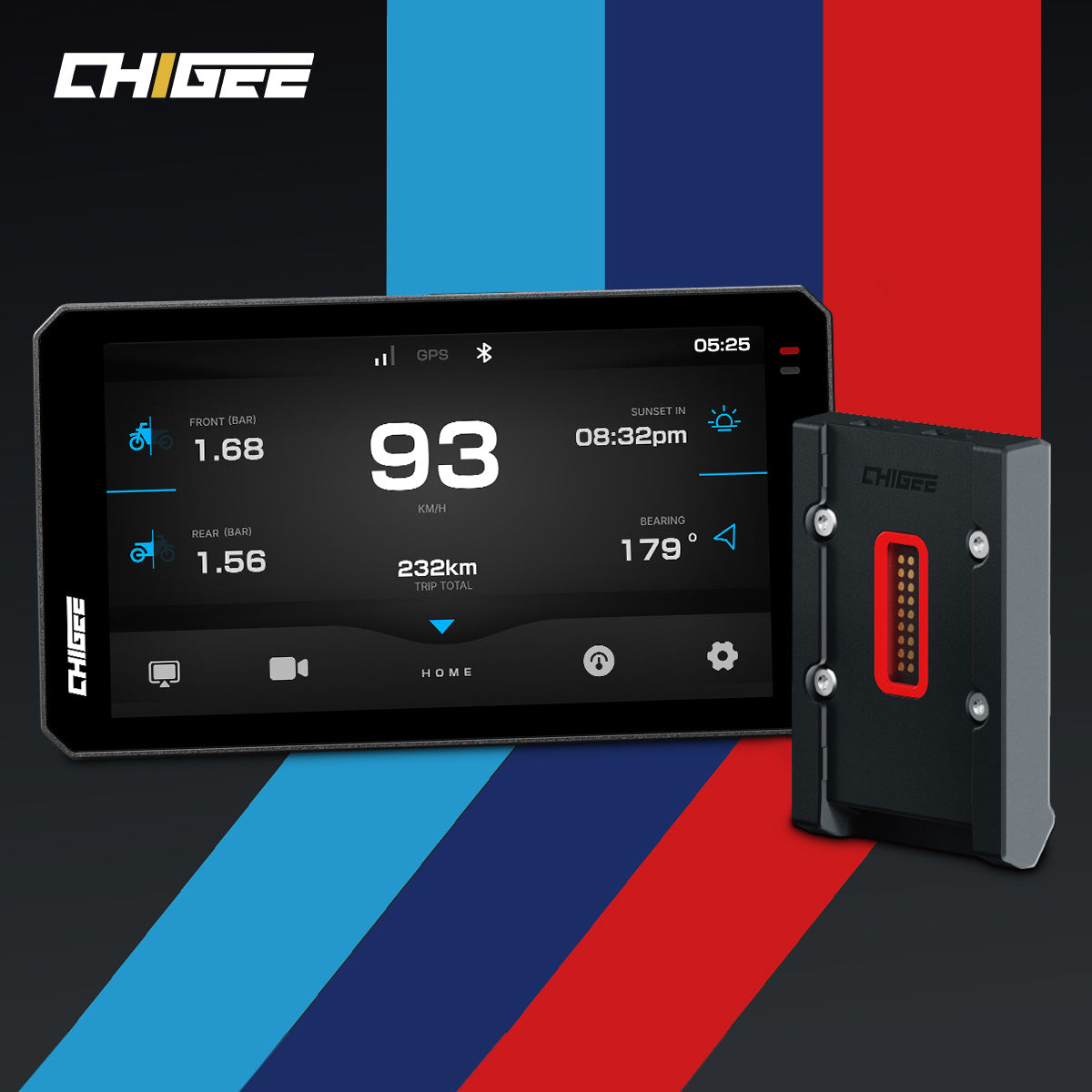
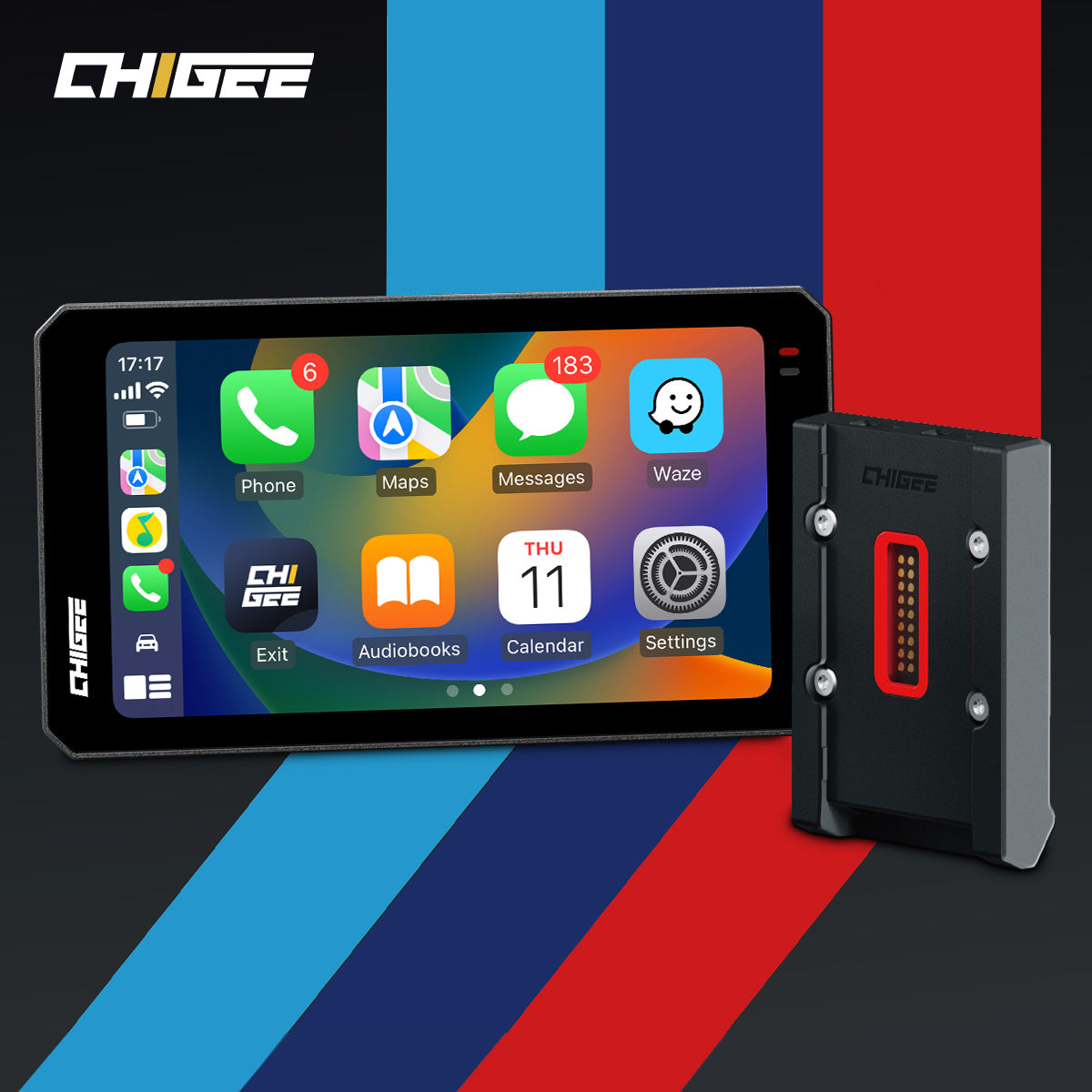
Simply the best upgrade I've installed on the bike works with BMW like it was a native device I love it, and I feel so much safer on the road now with the radar its like having eyes in the back of my head.
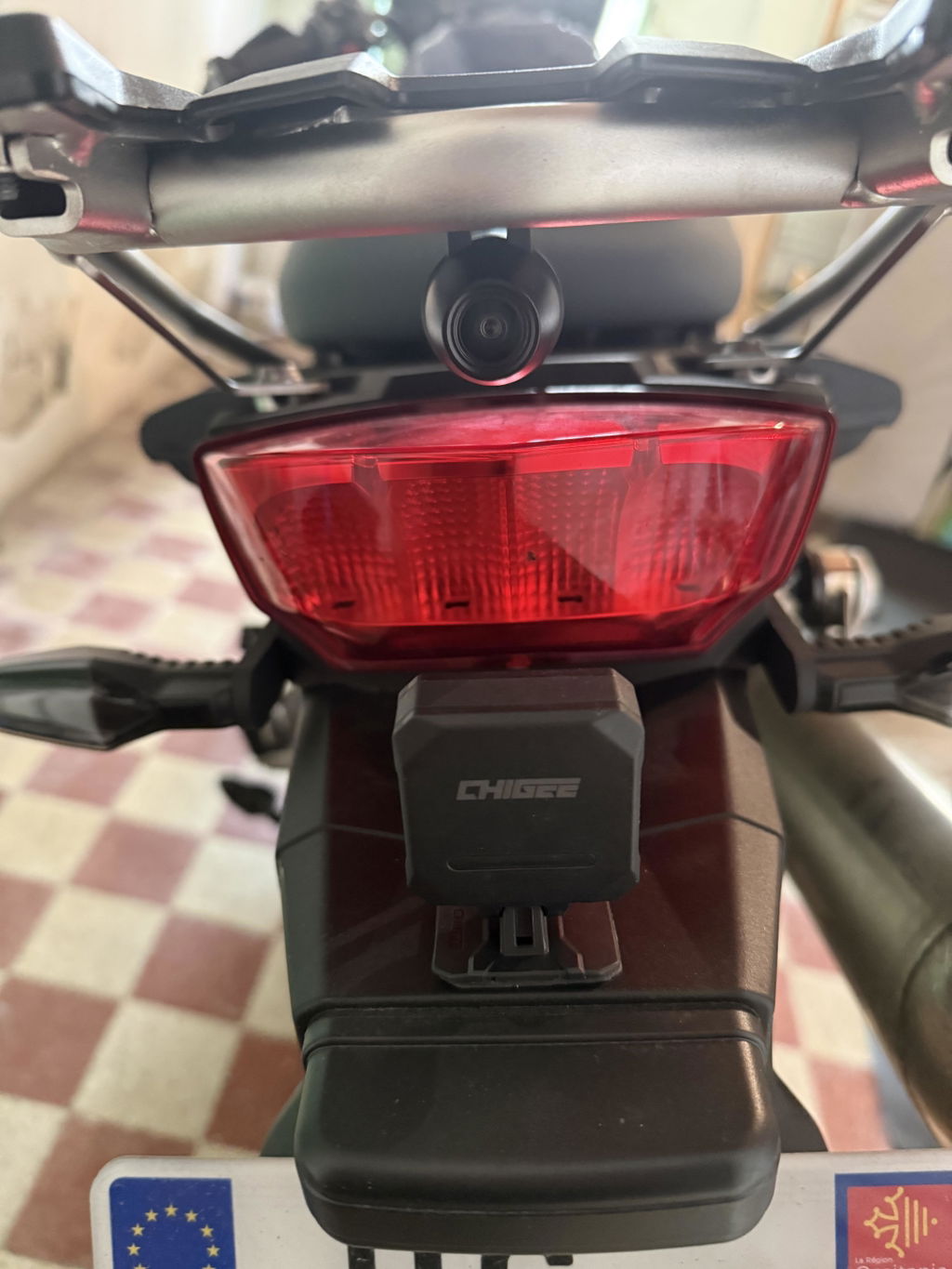
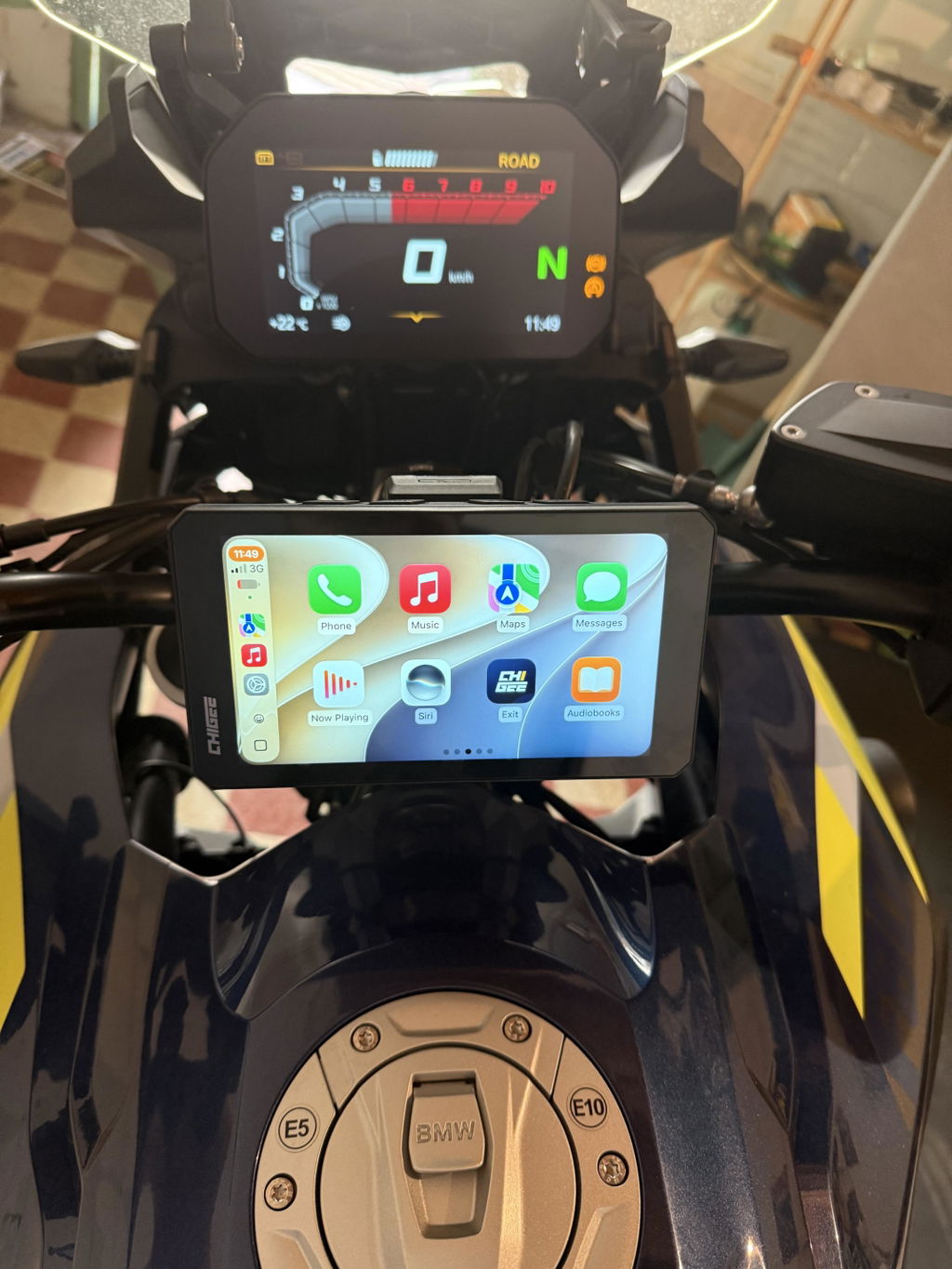
Absolutely. I’d write this as a first-hand, practical review, emphasizing that you used the AIO-5 Play as a real Navigator V replacement rather than reviewing it just from a feature checklist.
CHIGEE AIO-5 Play for BMW — A Real-World Review on a 2014 BMW R1200RT
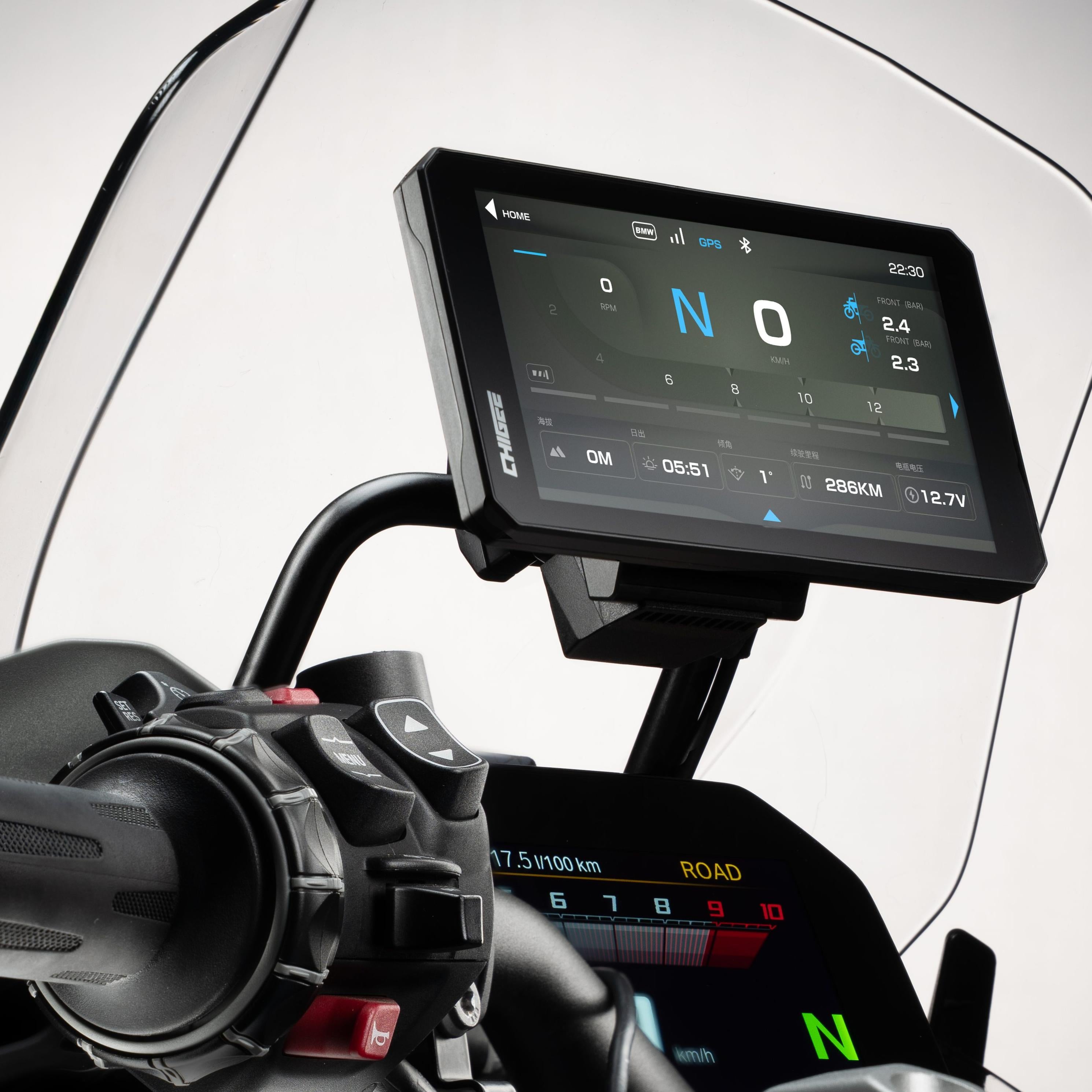
I purchased the CHIGEE AIO-5 Play for BMW as a replacement for the aging Garmin Navigator V on my 2014 BMW R1200RT. After using it on a recent 1,900-mile motorcycle trip to upstate New York, I have a pretty good sense of what it does well—and where the limitations are.
My Setup
My 2014 R1200RT is an older model year, so BMW’s Wonder Wheel integration isn’t available with the AIO-5 Play. To address that, I purchased the CHIGEE CGRC Multi wireless controller.
For navigation, I paired the AIO-5 Play with my iPhone 17 and used MyRoute-app (MRA) for both route planning and navigation. This combination worked particularly well for the kind of riding I do.
The Good
Excellent Display
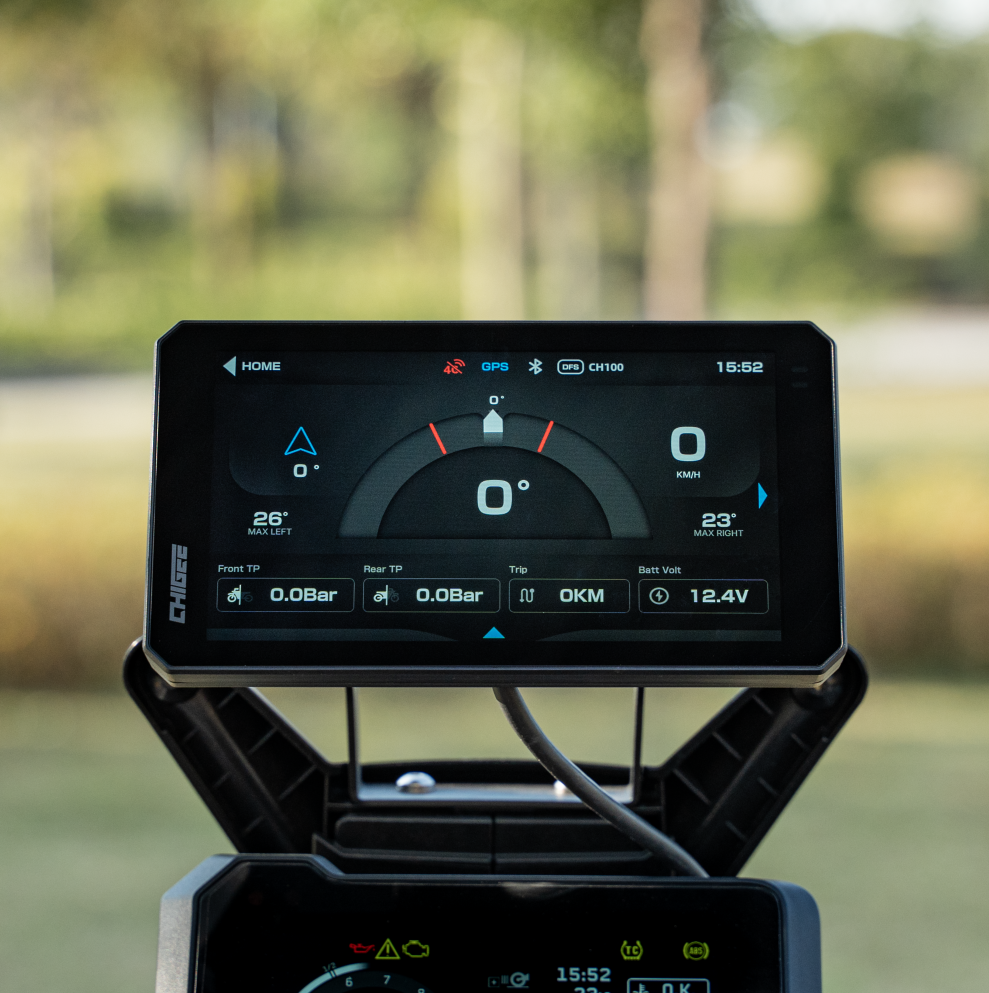
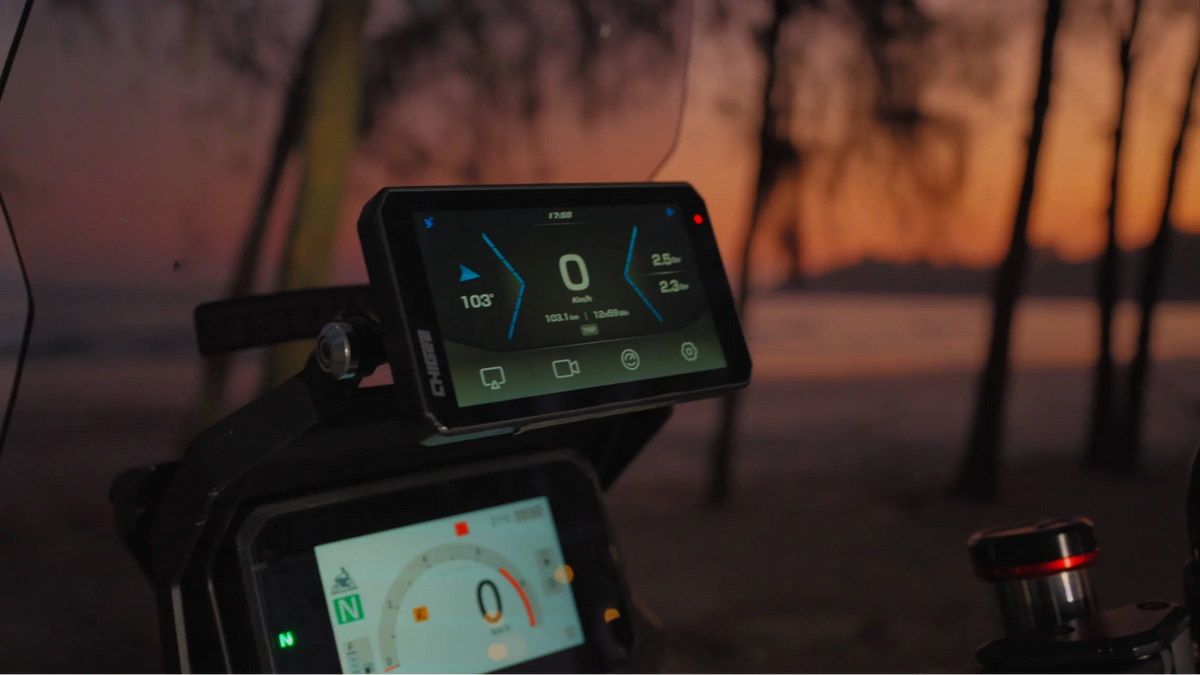
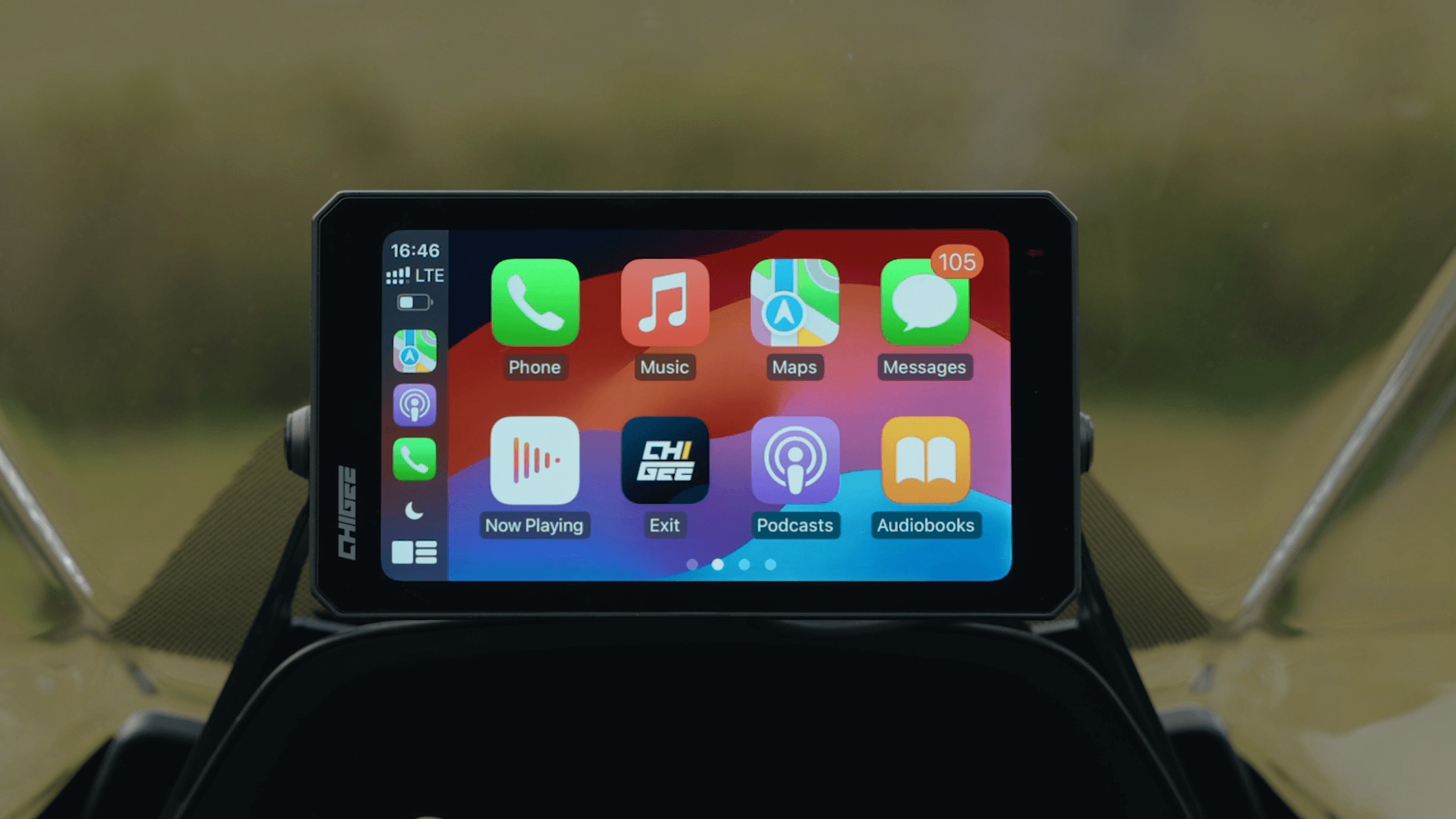
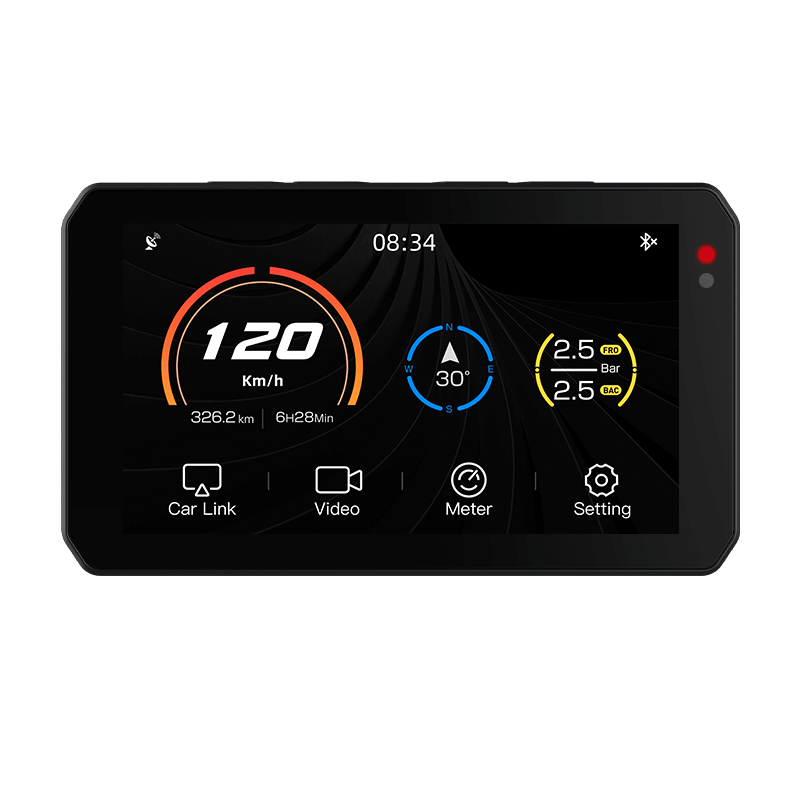
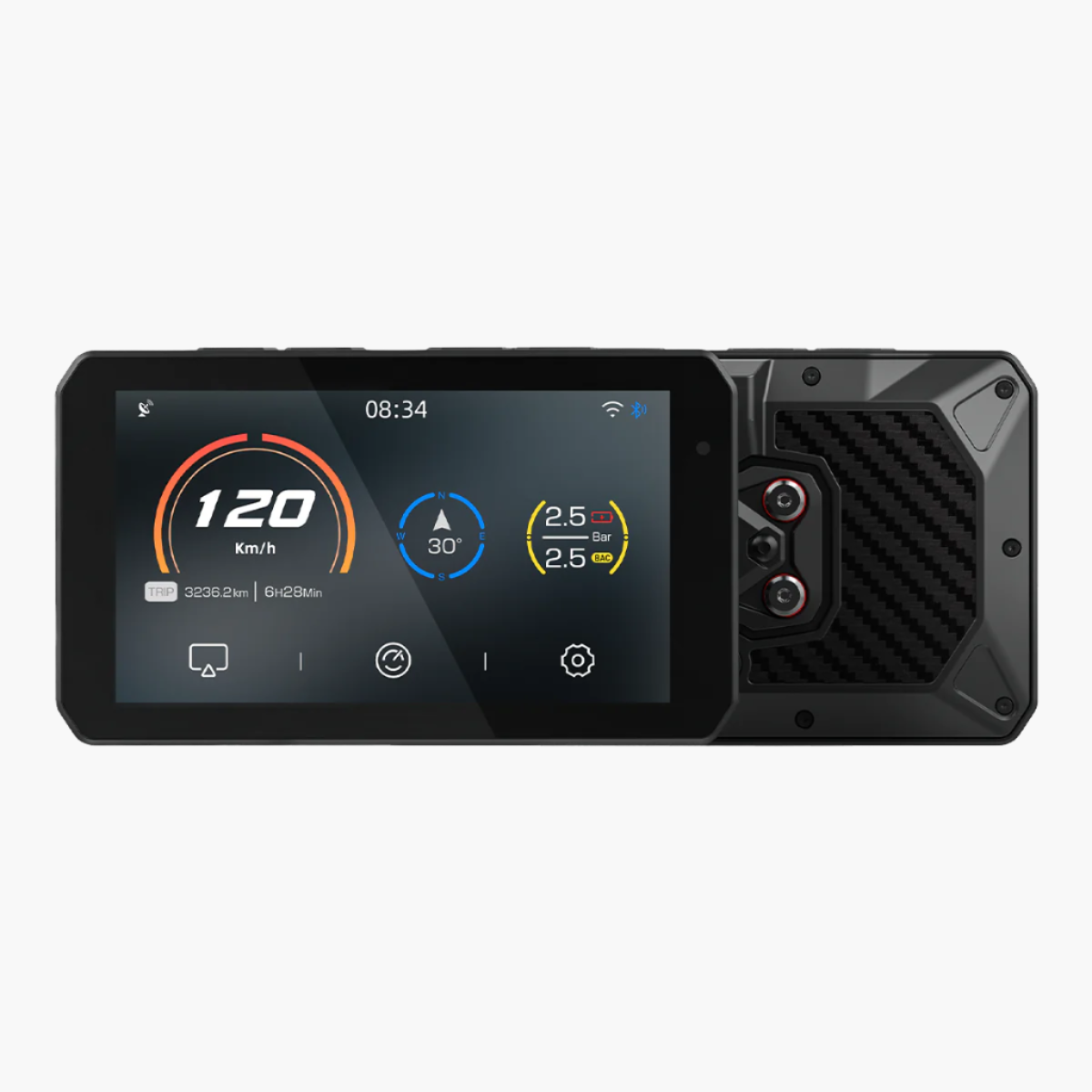
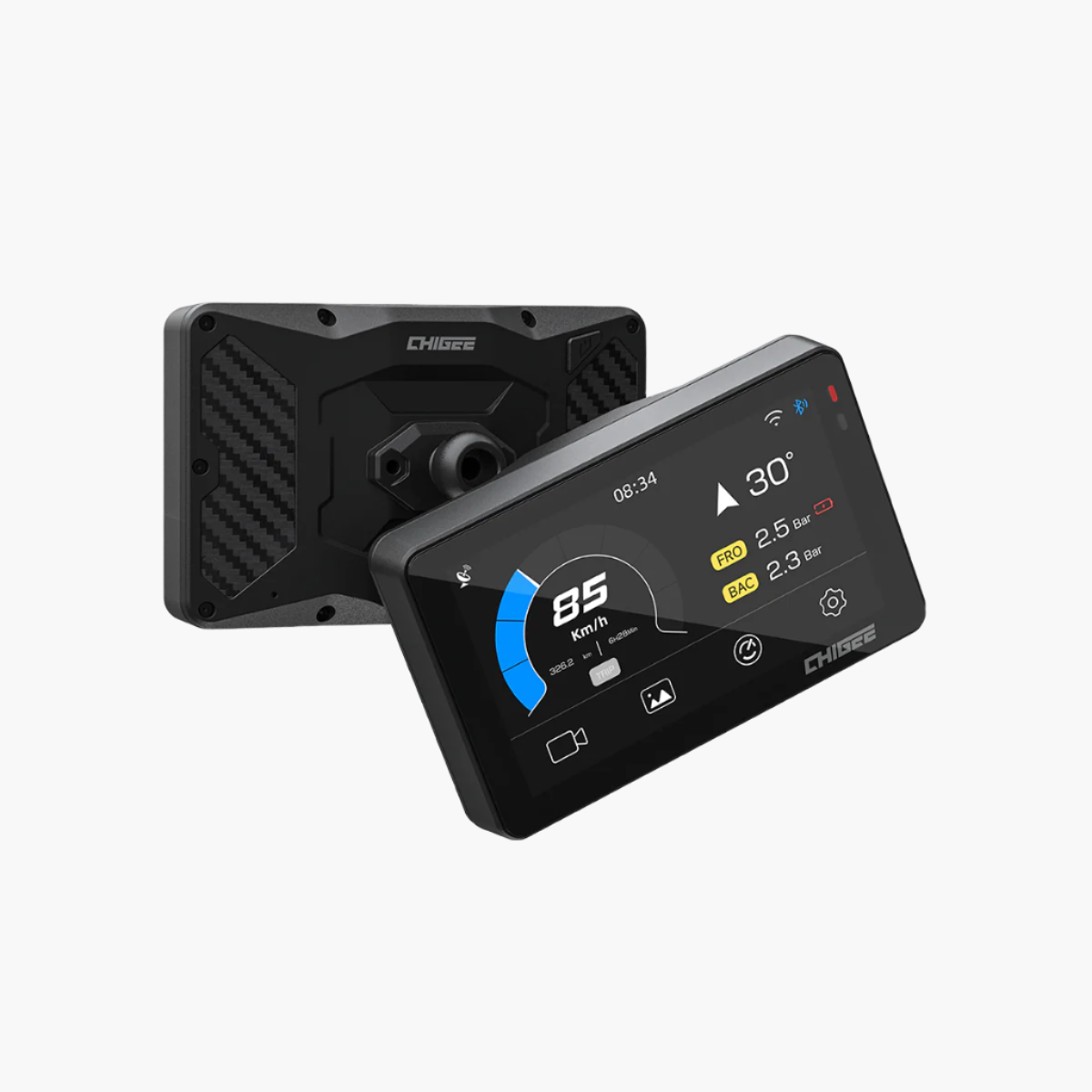
The AIO-5 Play has a clean, easy-to-read and responsive display. That’s particularly important on a motorcycle, where you don’t want to spend time trying to interpret a cluttered screen.
More importantly, it worked without any issues throughout my recent 1,900-mile trip. I had plenty of opportunity to put it through its paces, and it performed reliably throughout the trip.
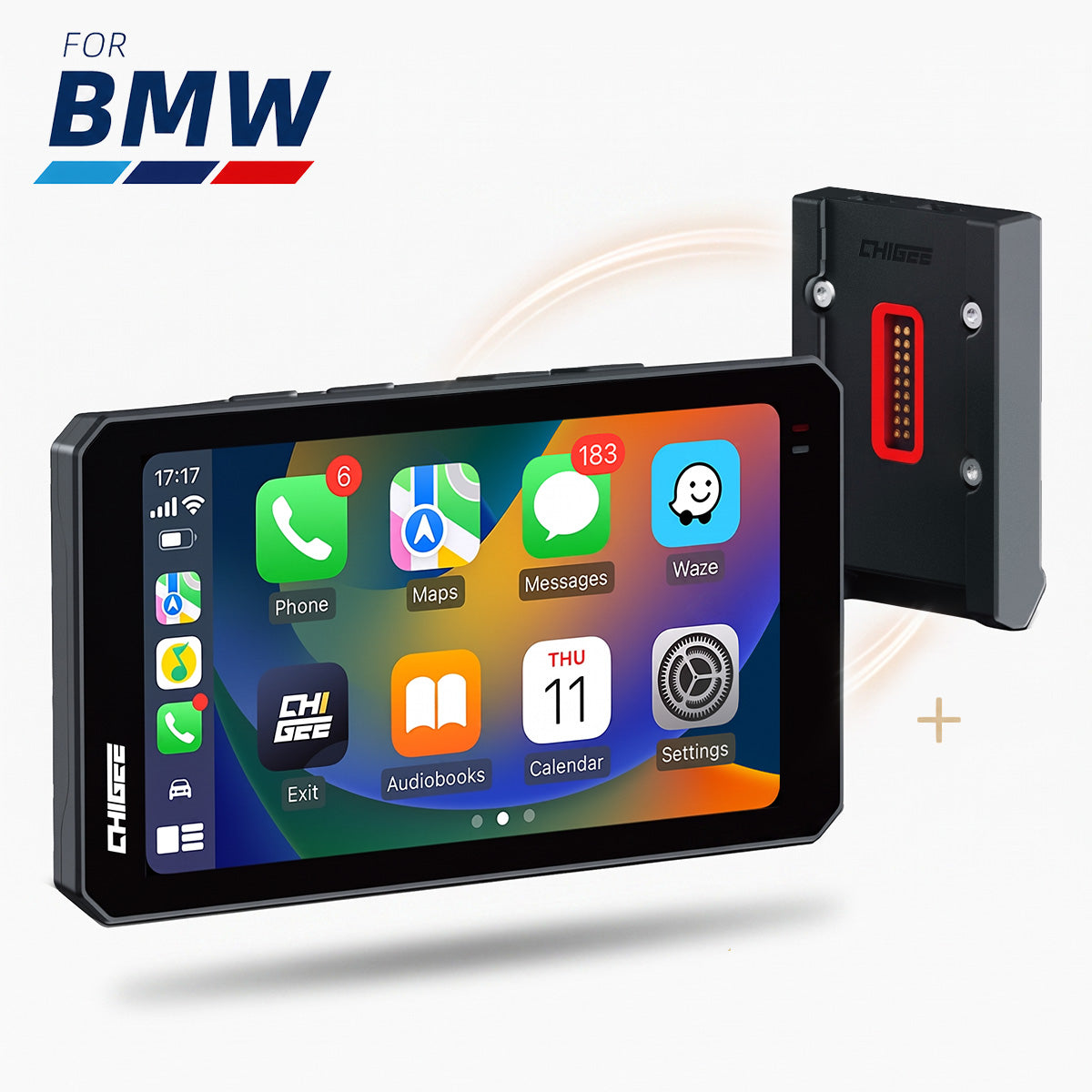
Apple CarPlay Works Well
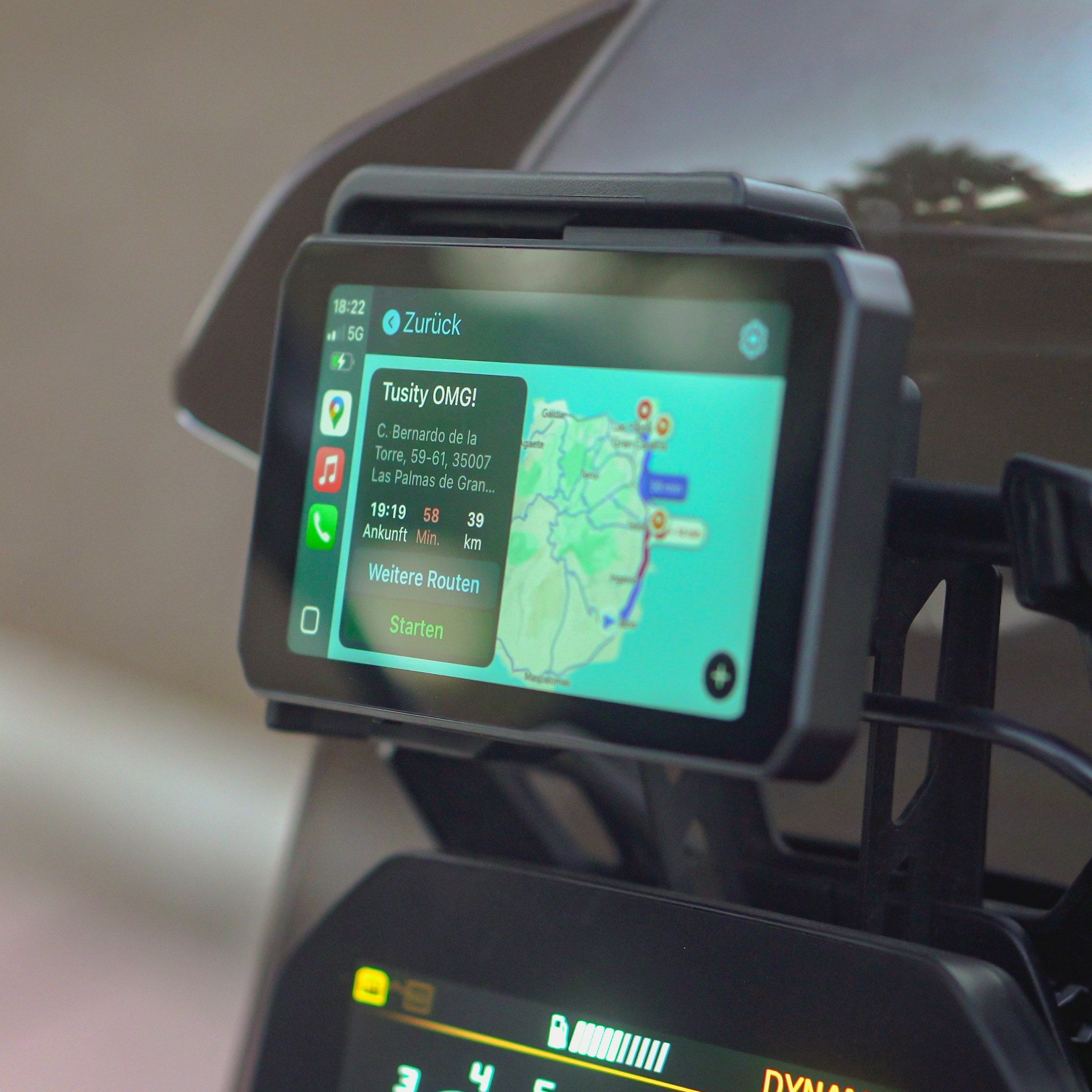
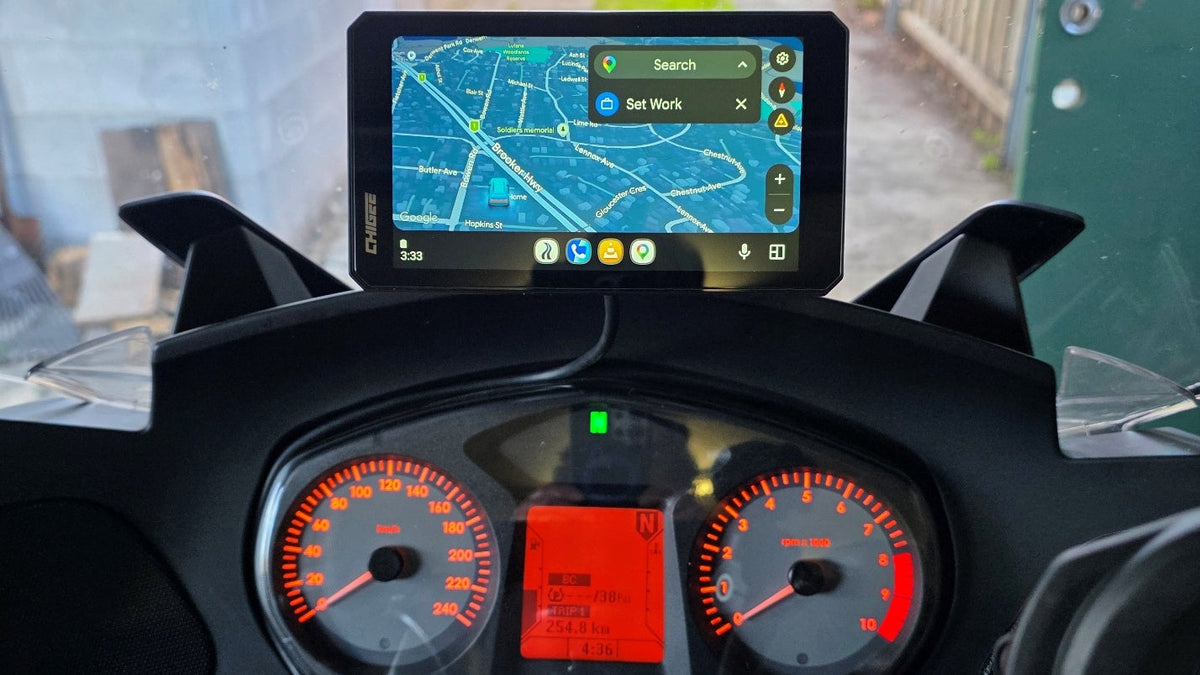
I used the AIO-5 Play primarily in Apple CarPlay mode, and this worked very well with my iPhone.
I used:
* MyRoute-app for navigation
* Apple Maps
* YouTube Music
All worked as expected, and having the navigation and entertainment functions available through CarPlay made the AIO-5 Play a very useful replacement for the Navigator V.
CGRC Multi Controller
Since my 2014 RT can’t provide the BMW Wonder Wheel integration that newer bikes can, I added the CGRC Multi wireless controller.
I found it easy to reach and manipulate while riding, and it provides a convenient way to interact with the AIO-5 Play without having to reach up to the display.
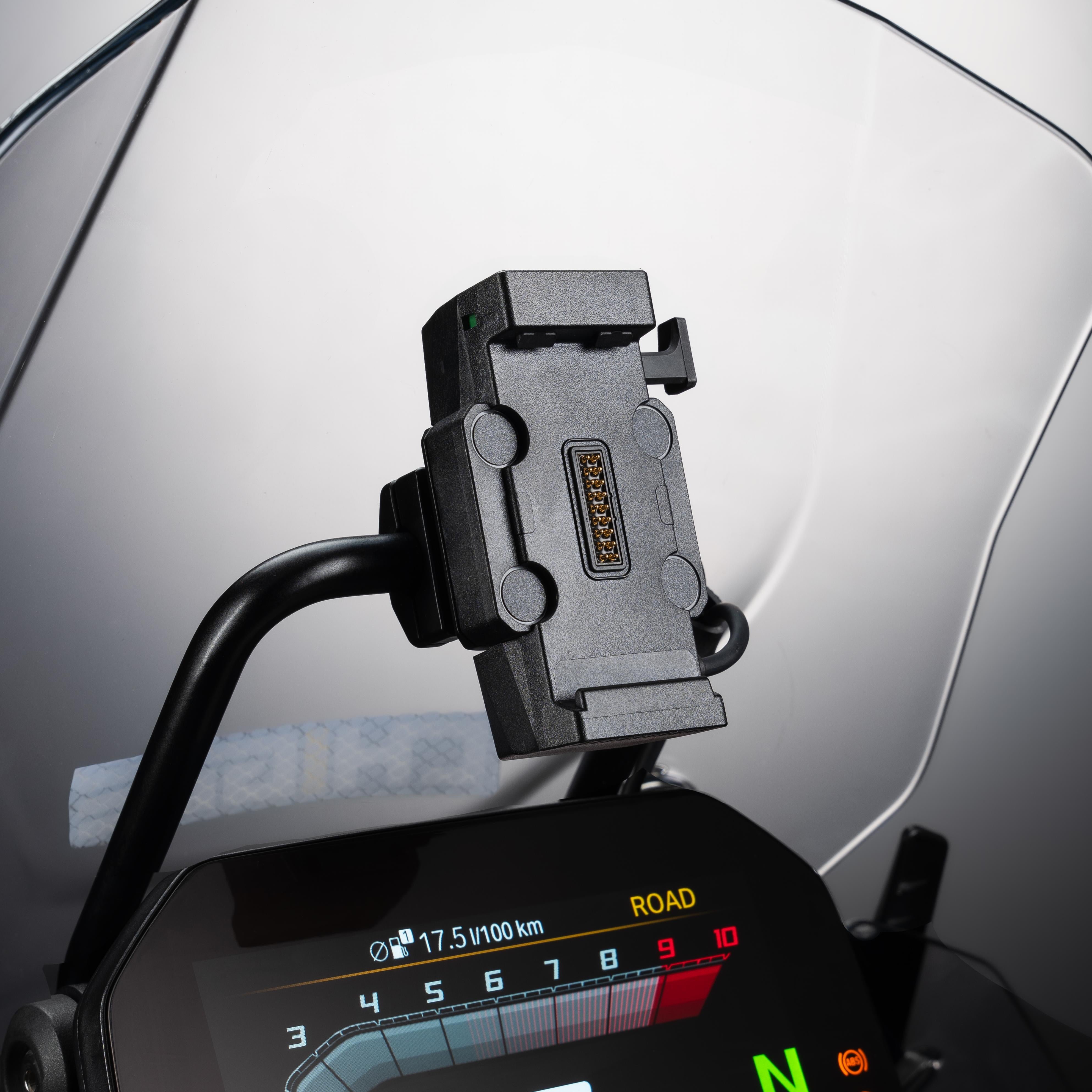
Perfect Fit on the BMW Navigation Mount
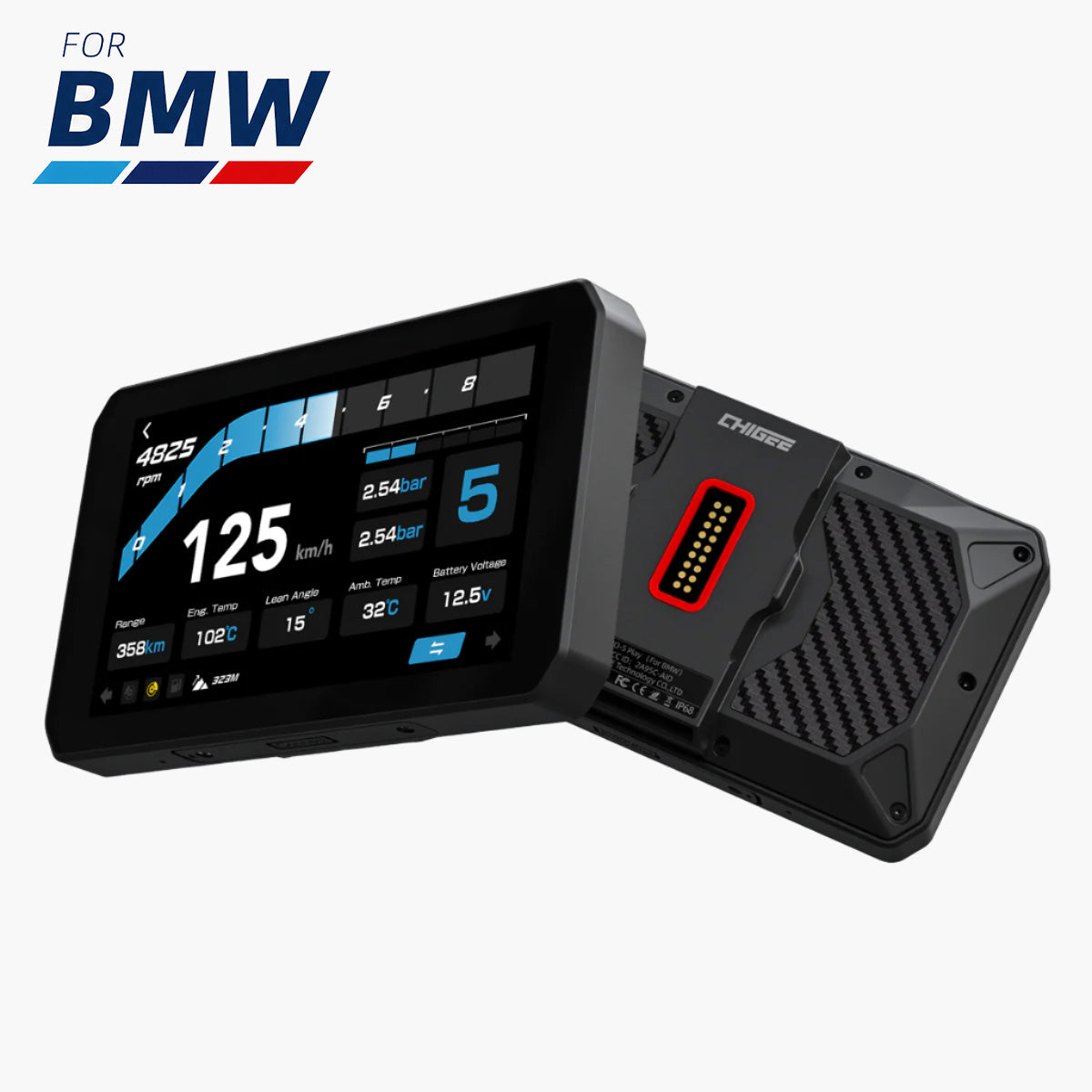
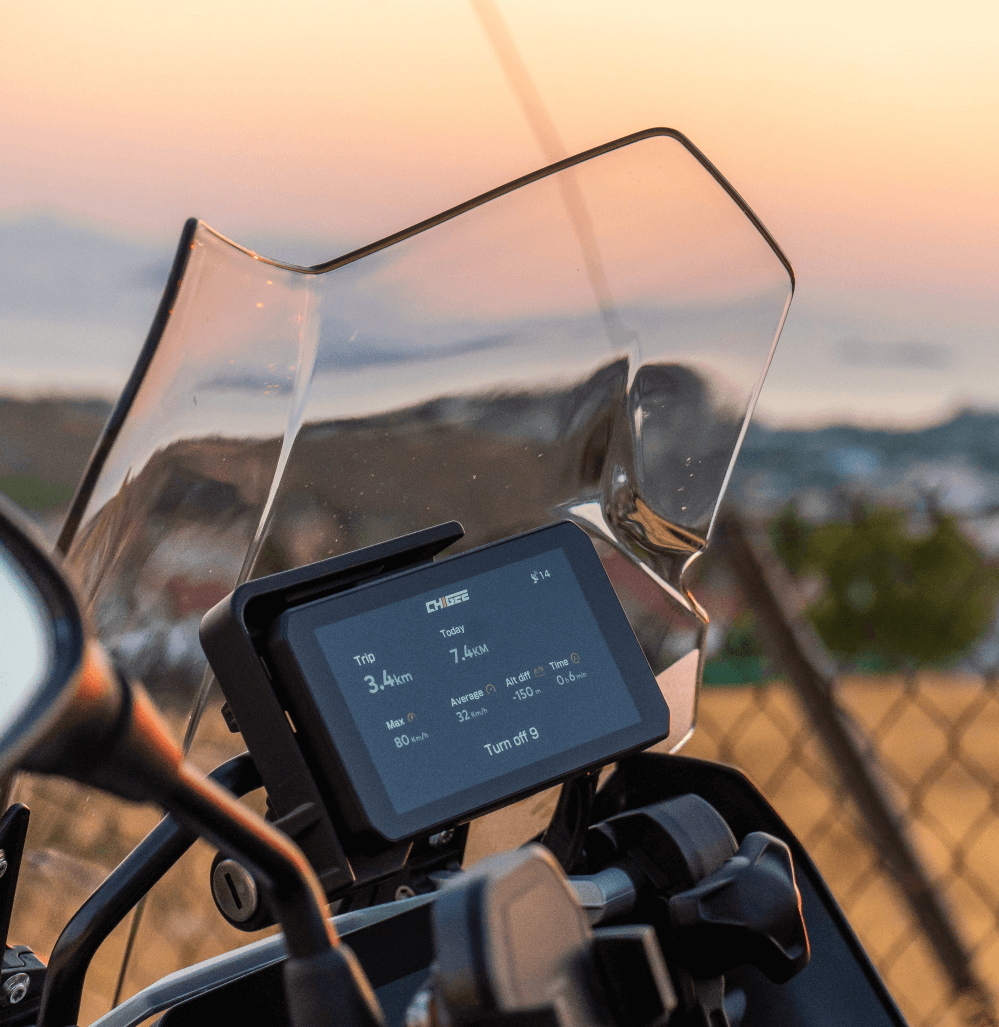
One of the things I particularly like is that the AIO-5 Play fits perfectly onto my existing BMW navigation mount.
That makes the installation look clean and factory-like rather than requiring some kind of aftermarket mounting solution.
The Limitations
It’s Expensive
There’s no getting around the price. Once you add the AIO-5 Play and the CGRC Multi controller, this is a significant investment for a motorcycle navigation setup.
Older BMWs Lose Some of the BMW-Specific Functionality
This is the biggest limitation for my particular motorcycle.
Because my 2014 R1200RT cannot provide the necessary BMW data-bus information to the AIO-5 Play, it can’t access the same BMW-specific data that owners of compatible newer BMW motorcycles can.
As a result, the BMW-specific screen is essentially useless on my bike, and some of the information displayed on the CHIGEE screen isn’t available either.
However, this wasn’t a surprise. CHIGEE clearly documents these compatibility limitations in its online support information, and I knew about them before purchasing the unit.
In practice, it didn’t matter much to me because I intended to use the AIO-5 Play primarily as a CarPlay display rather than as a BMW vehicle-information display.
MRA Makes a Difference
For me, one of the biggest advantages of replacing the Navigator V with the AIO-5 Play is the ability to use MyRoute-app.
I’ve been using MRA’s route-planning software to create my motorcycle routes and then using the MRA navigation app through CarPlay.
That combination gives me a much more flexible route-planning workflow than I had with the Navigator V. I can plan routes on my computer using MRA and then have the navigation app display them on the AIO-5 Play.
For a rider who spends a lot of time creating and following motorcycle-specific routes, I find this approach considerably more enjoyable.
Bottom Line
For my 2014 BMW R1200RT, the CHIGEE AIO-5 Play has worked very well as a replacement for my Garmin Navigator V.
Yes, my older BMW means I don’t get all of the BMW-specific data and integration that newer bikes can provide. But I knew that going in, and since I use the unit primarily with CarPlay, it hasn’t been a significant drawback.
After putting it through a 1,900-mile trip, I’m very happy with the combination of the AIO-5 Play, CGRC Multi controller, iPhone 17 and MyRoute-app.
I would highly recommend the AIO-5 Play, particularly for riders who want a modern, responsive motorcycle display and the flexibility of CarPlay-based navigation. If you’re also using the MRA software suite for route planning and navigation, the combination makes for a very capable and enjoyable touring setup.
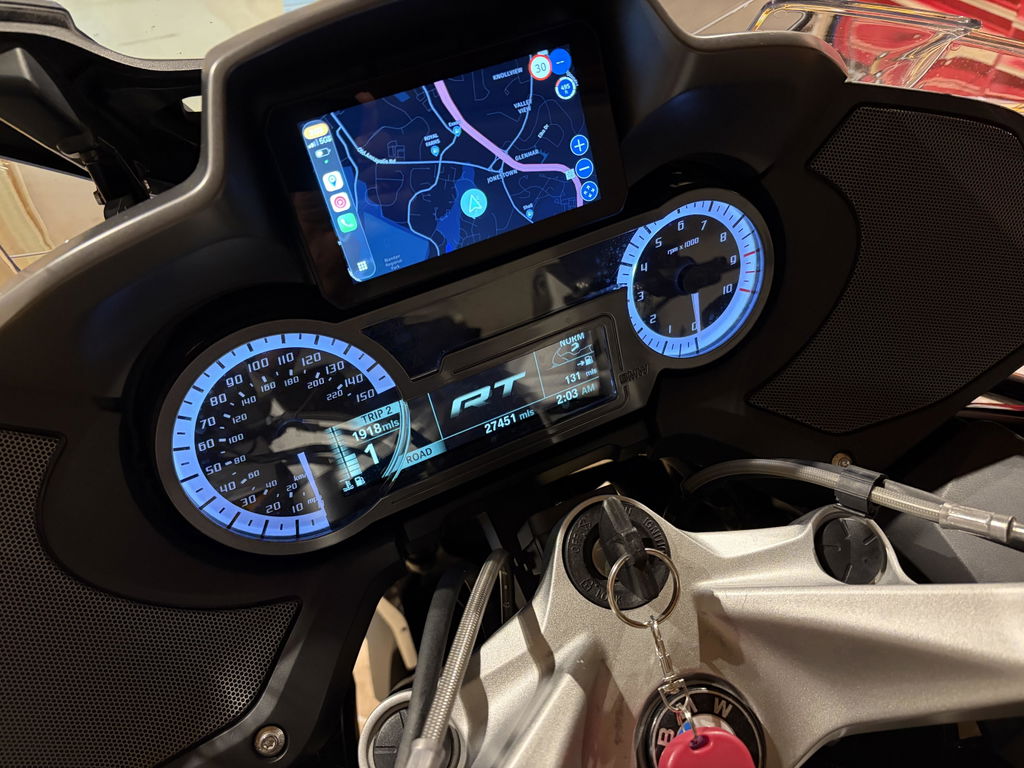
this is the second display I have bought. I had the AIO-5 before. I love bout of the, I can imagine riding a bike with out
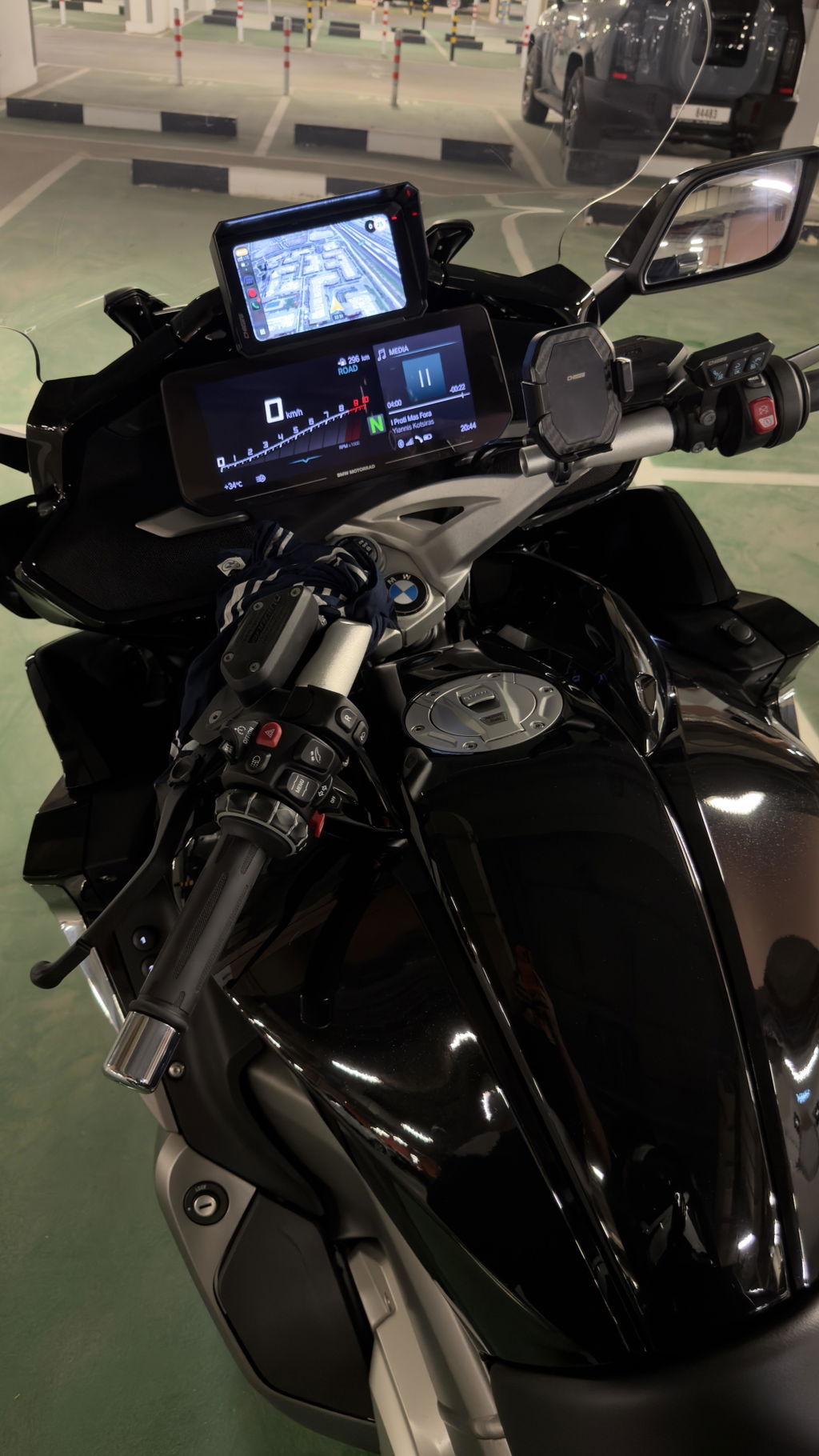
Amazing - the new CHIGEE joystick multi controller is the perfect accessory. My hand remains on the bar and my thumb does the commanding. Safe , efficient and very effective. I love it!
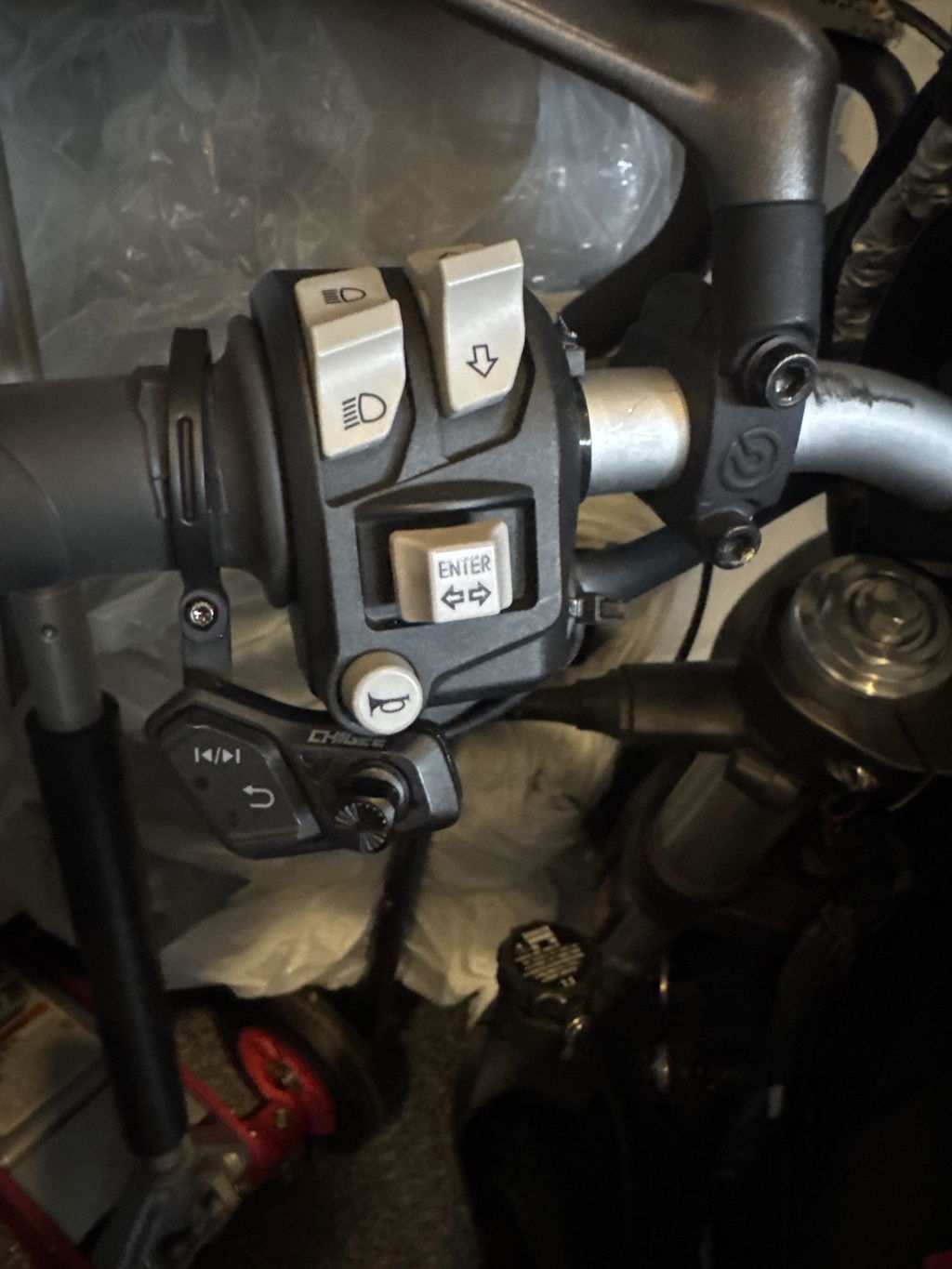
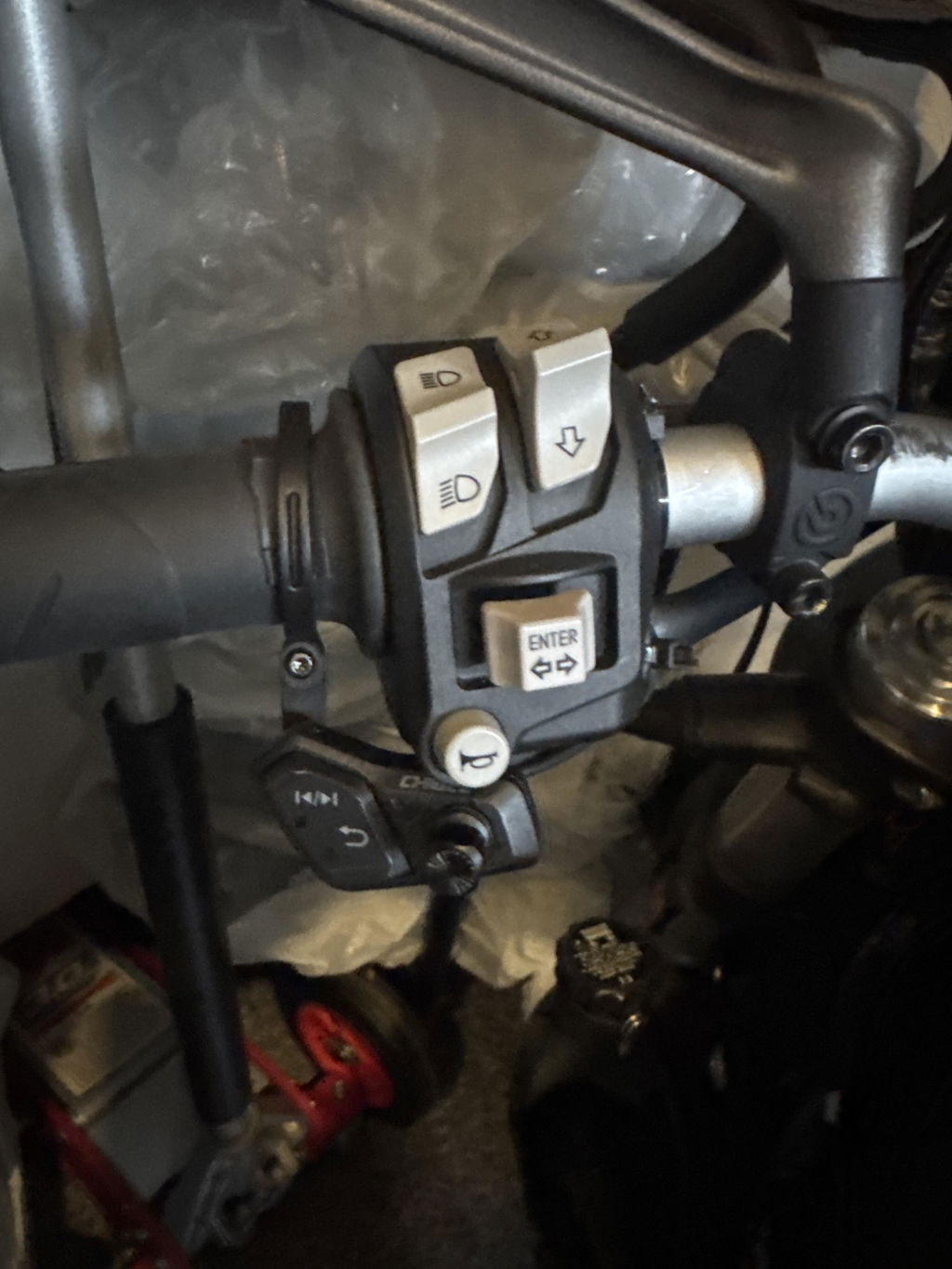
Just received the Chigee SR-1 for my 2023 KTM 790 Adventure and the build quality is outstanding. Since I ride off-road, I use foldable RAM-mount mirrors, so the independent LED warning lights of the SR-1 were exactly what I needed. It allows me to get high-end blind-spot detection without sacrificing my durable mirror setup. The unit feels incredibly premium and the DIY installation looks straightforward. Great addition to the bike!
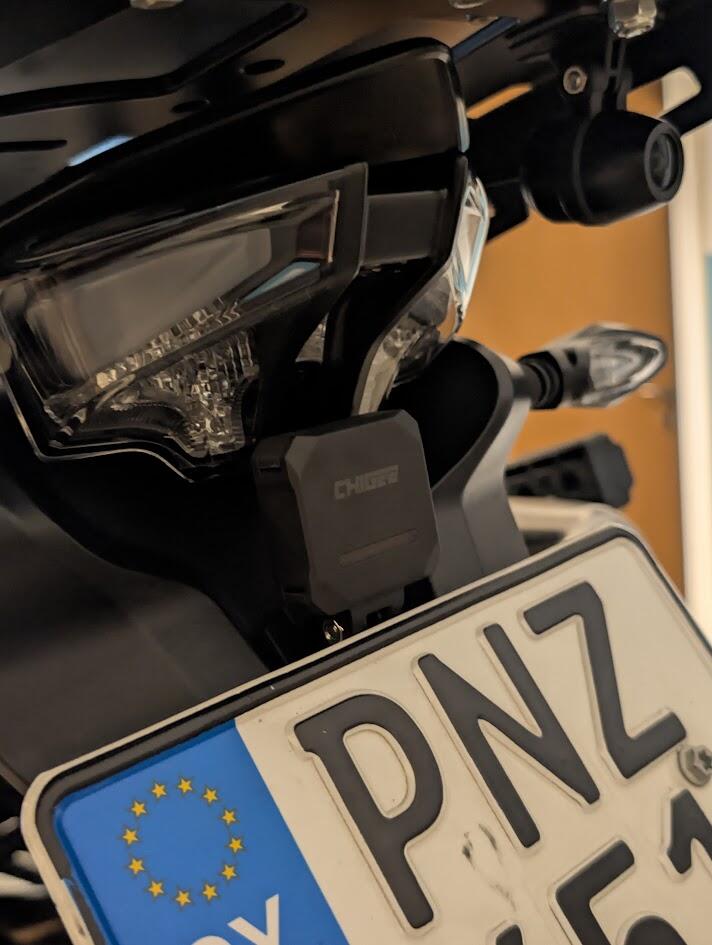
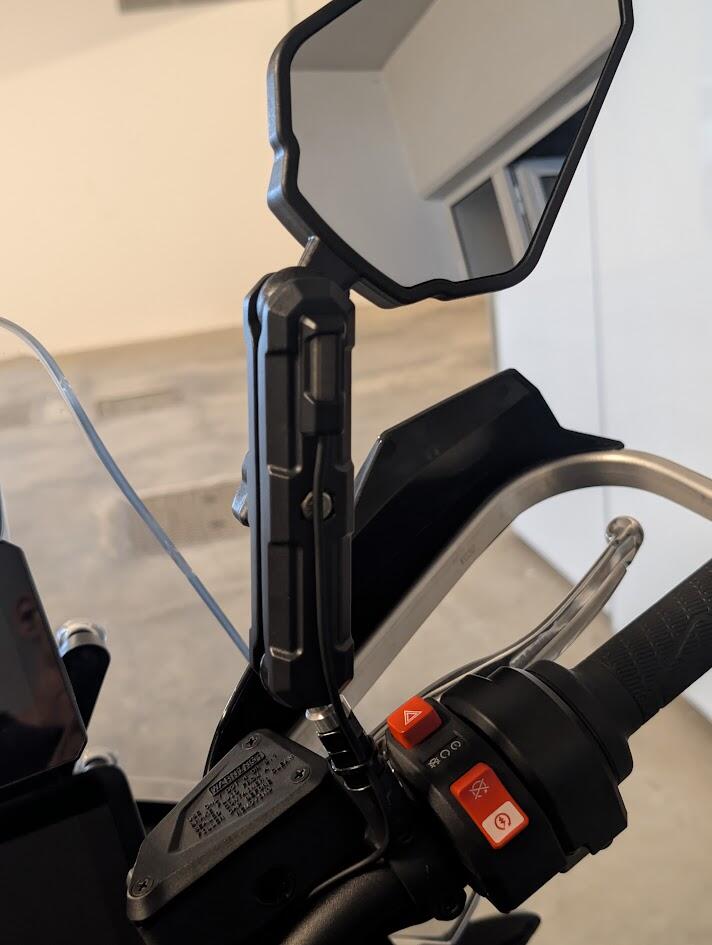
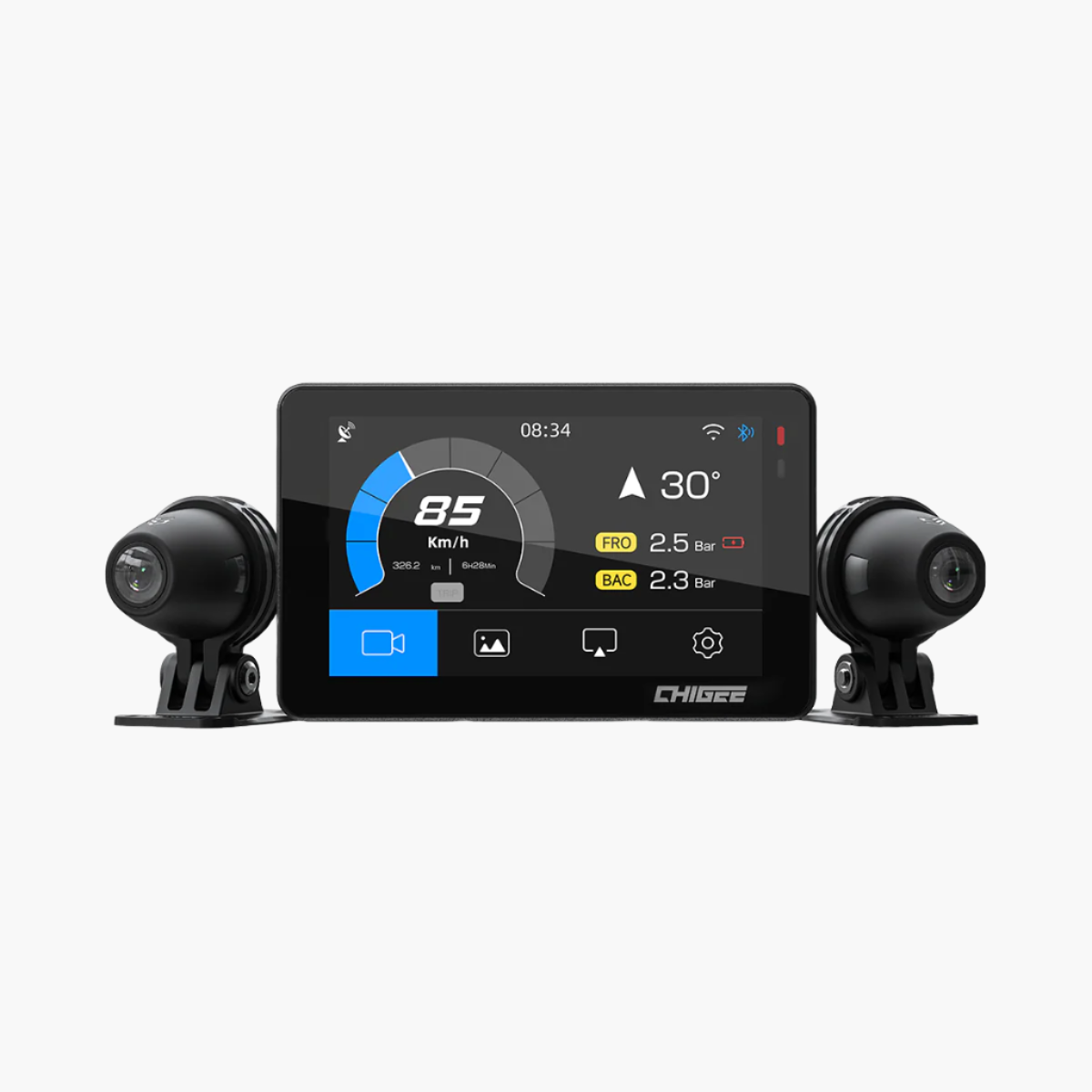
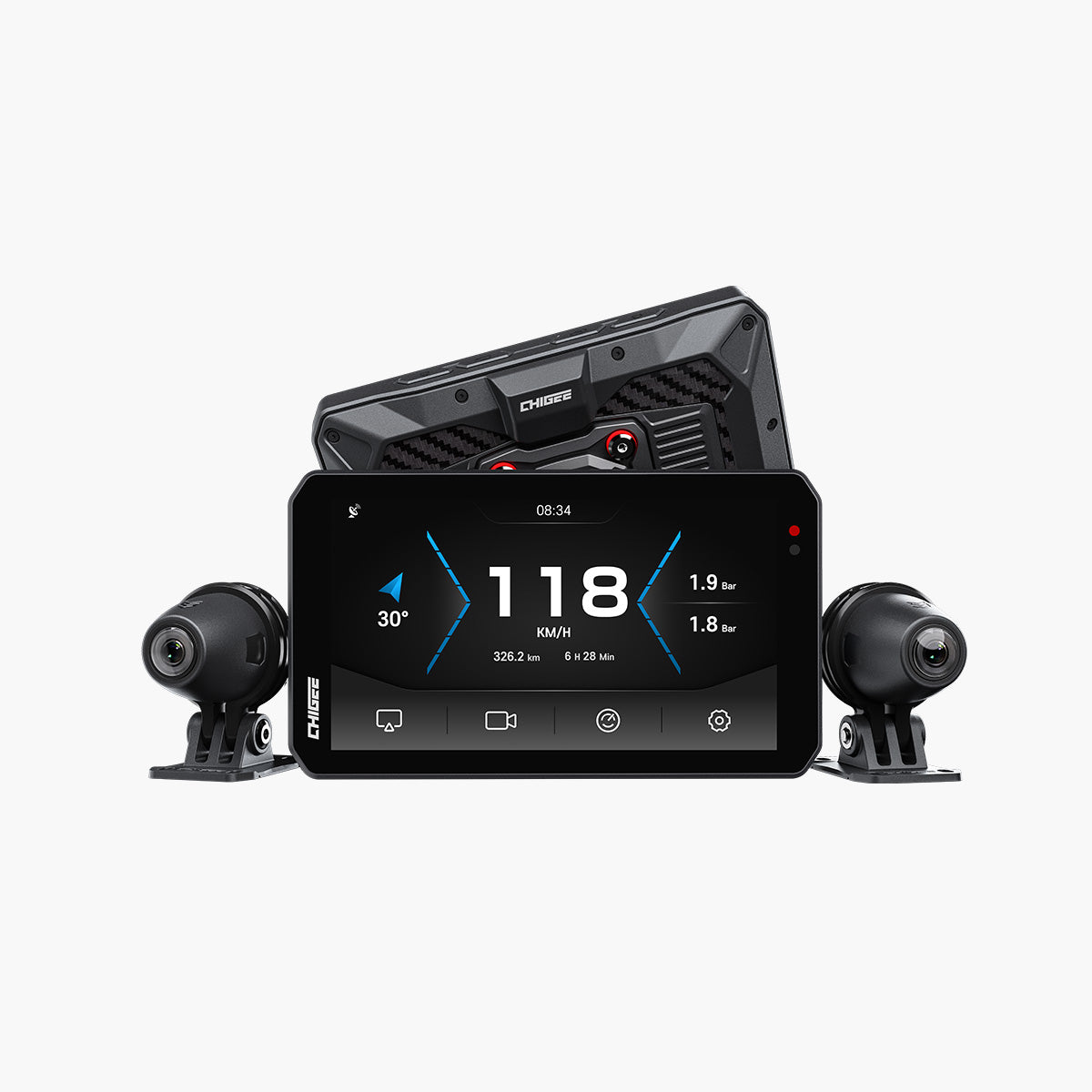
The installation went absolutely straight forward and it came out perfect with zero troubleshooting. Love how bright the screen is and the ease of use. Cameras are clear and sharp and the radar is really cool.