


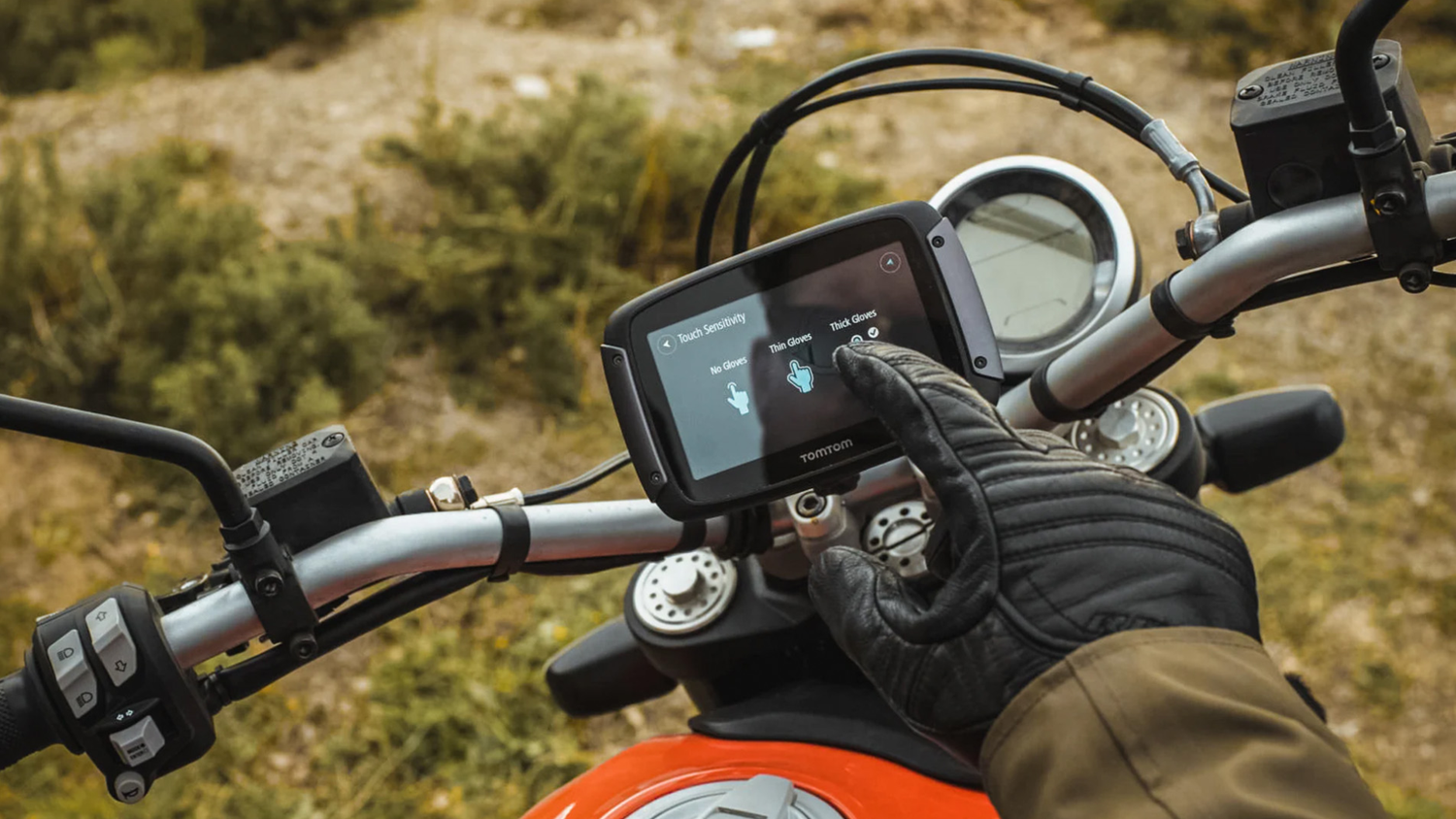
The TomTom Rider had one job: get you where you're going without fuss. No phone dependency, no app juggling, just a rugged, purpose-built GPS that worked in the rain, under gloves, and in the middle of nowhere. For years, that was enough.
It isn't anymore.

TomTom Rider was reliable and simple for years, but as live navigation and CarPlay evolved, many riders are now switching to CHIGEE displays for more capability and flexibility.
The world around the TomTom Rider evolved faster than the device itself did. Live traffic data got smarter, smartphone navigation caught up and surpassed what a closed GPS unit could offer, and the app ecosystem exploded in ways TomTom simply hasn't kept pace with. Riders who once swore by their Rider 550 are now looking at CarPlay displays not out of frustration, but out of opportunity.
Why TomTom Riders Are Feeling the Pressure to Move On
The TomTom Rider earned its reputation honestly. The Rider 550 offered glove-friendly touchscreen control, IPX7 weatherproofing, lifetime map updates, and an interface designed around riding not adapted from a car GPS. For riders who wanted independence from their phone, that was hard to argue with.

TomTom Rider was solid with glove use, IPX7 and lifetime maps, but slow updates and a closed system limit modern navigation.
The problem isn't what TomTom built. It's what TomTom stopped building. Product development across the Rider series has visibly slowed, with no meaningful hardware refresh in several years. More critically, TomTom's ecosystem is closed; what ships on the device is essentially what you get, with no access to third-party navigation apps or live-data routing services. What once felt like self-contained simplicity increasingly feels like a limitation.
What You Give Up and What You Gain
Leaving a dedicated GPS unit isn't trivial, so here's an honest breakdown.
What you give up is primarily the fully offline experience. The TomTom Rider 550 stores maps locally at up to 16GB, meaning you can navigate without any cellular connection. For riders in remote areas or on international trips where data roaming is expensive, that's a genuine advantage CarPlay setups can't fully replicate without additional prep.
You also give up the physical button interface many TomTom users love. Glove-compatible touchscreen performance has improved significantly, but muscle memory matters on a moving motorcycle, and dedicated buttons remain more intuitive for some riders at speed.

Switching from TomTom means losing full offline maps and buttons, but gaining real-time navigation, smarter routing, and full app access via CarPlay.
What you gain, though, is substantial. Google Maps, Waze, Apple Maps, and any navigation app in your phone's ecosystem become available instantly all with live traffic data drawn from millions of active users. Moto-specific route planning apps like Scenic or Calimoto, which load curated twisty roads, become accessible directly from your display. Your maps are always current, updated automatically without waiting on a manufacturer push. And your phone's processing power far exceeds what's inside a TomTom Rider 550.
For riders doing regular commutes or touring where data is reliably available, live routing alone changes how confidently you can navigate. Traffic incidents, lane closures, and road condition alerts appear in real time.
What TomTom Converts Are Actually Saying
Across forums like ADVrider and dedicated Facebook groups for touring riders, the pattern is consistent. TomTom users who made the switch aren't expressing regret they're expressing surprise at how long they waited.
The learning curve was shorter than expected. Riders who assumed CarPlay displays would feel cobbled-together found the integration more seamless than anticipated. The interface they already knew from daily phone use transferred directly to the screen on their bars.

TomTom riders report quick adaptation to CarPlay, with seamless use and strong visibility especially on bright, anti-glare displays.
Riders who had concerns about screen visibility also report it was a non-issue with quality displays. The CHIGEE AIO-5 EVO's 1,200 nits of peak brightness combined with its anti-glare coating keeps the display readable in direct sunlight without squinting.
What Makes a CarPlay Display Worth Switching To
Not every CarPlay display is worth making the jump for. TomTom riders should know what specs actually matter.
Screen brightness is the first filter. Anything below 700 nits will struggle in direct afternoon sun. The CHIGEE AIO-5 EVO delivers up to 1,200 nits holding up under the harshest riding conditions.
Weather resistance matters just as much. TomTom's IPX7 is the benchmark riders are used to. The AIO-5 EVO carries an IP69K rating which goes beyond IPX7, covering high-pressure water jets and complete dust ingress protection.

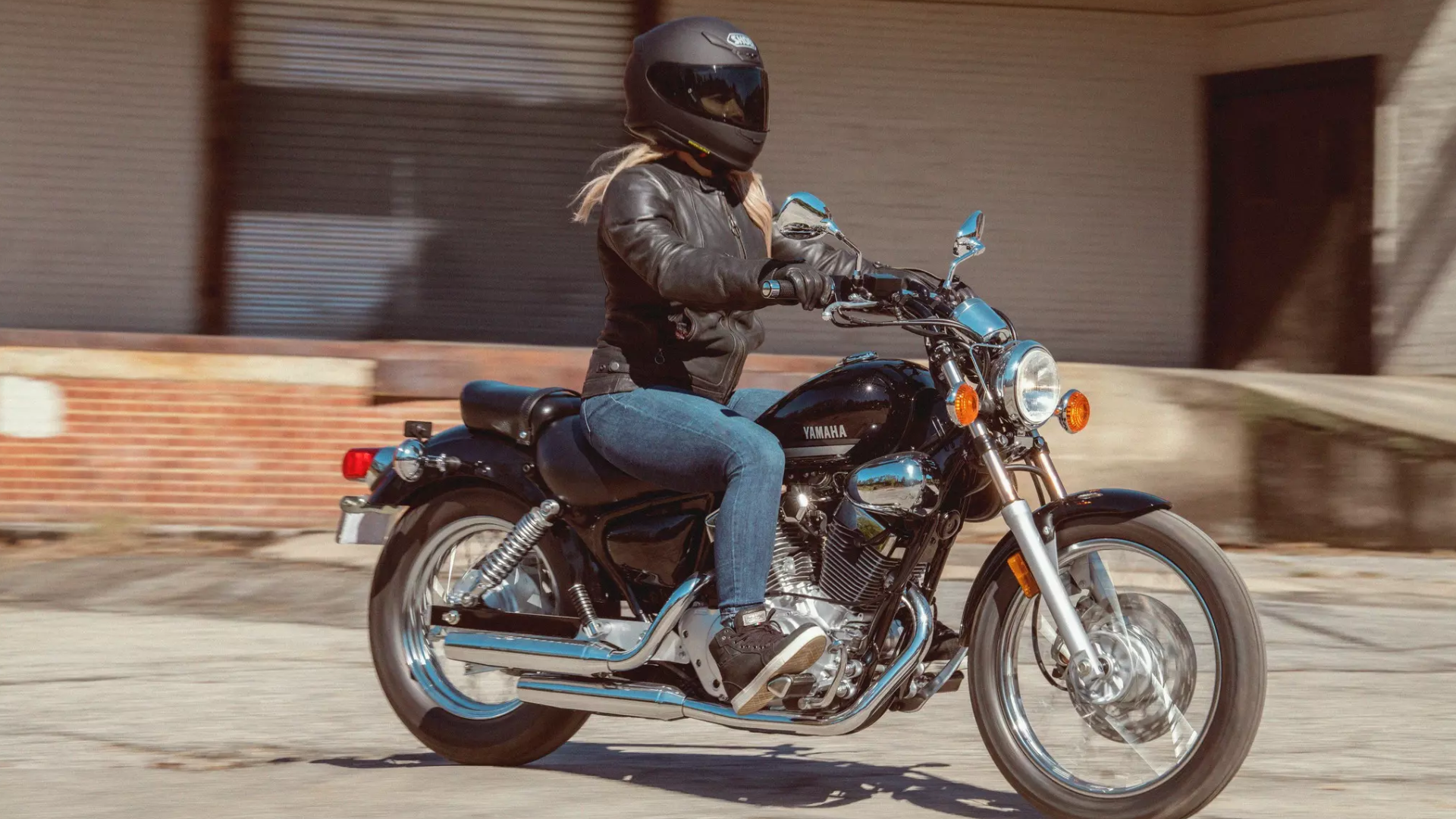
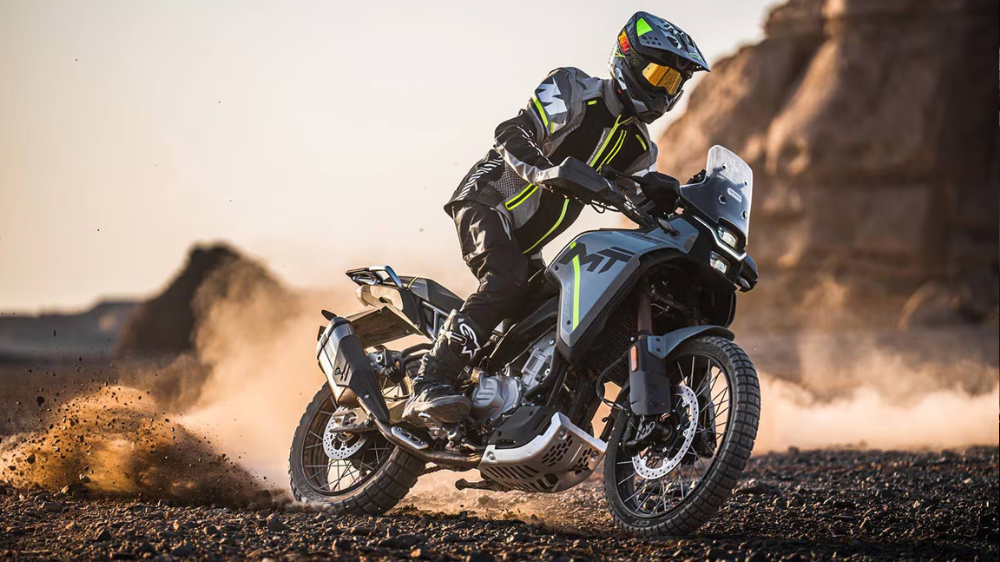
Not all CarPlay displays are equal. CHIGEE stands out with high brightness, IP69K durability, glove-friendly controls, and stable mounts for real riding. Source
Glove compatibility determines daily usability. The AIO-5 EVO's capacitive touchscreen is tuned for gloved input, and it also supports an optional Bluetooth handlebar remote for physical button access if you prefer tactile controls.
Mount stability is often overlooked until it isn't. A display that shifts on rough roads quickly becomes a liability. Purpose-built motorcycle displays handle this properly in a way improvised phone mounts don't.

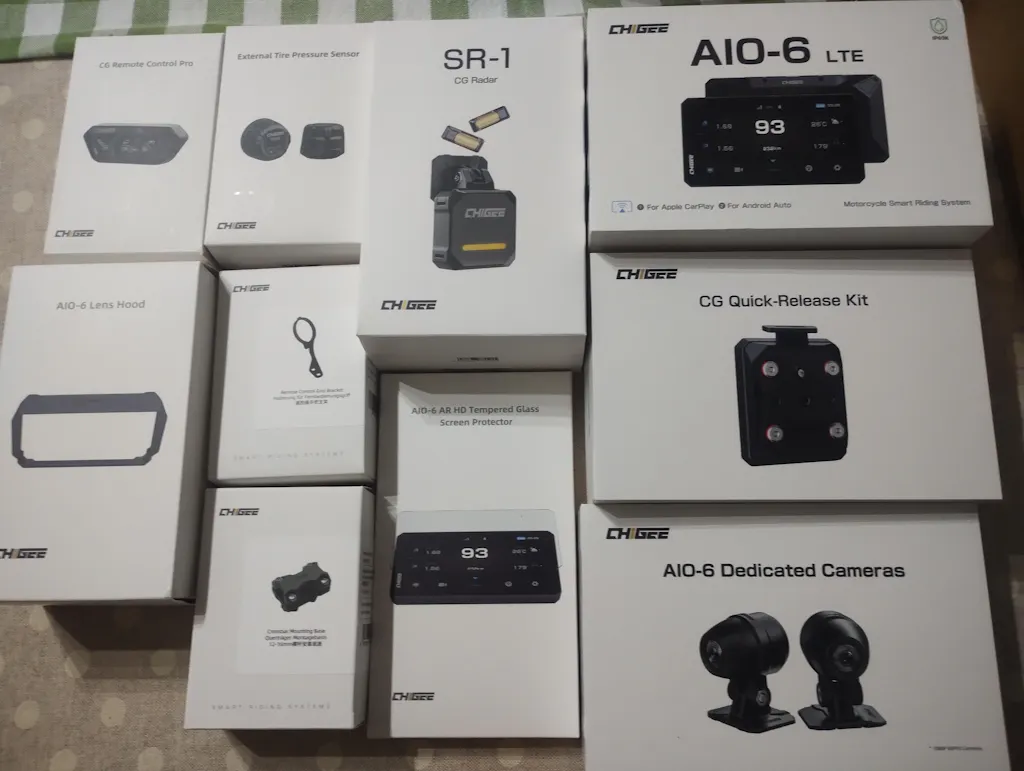
Stable mounts matter. CHIGEE AIO-5 EVO adds dual 1080p cams and AI blind-spot detection, while AIO-6 LTE offers a bigger screen and 4G. Source
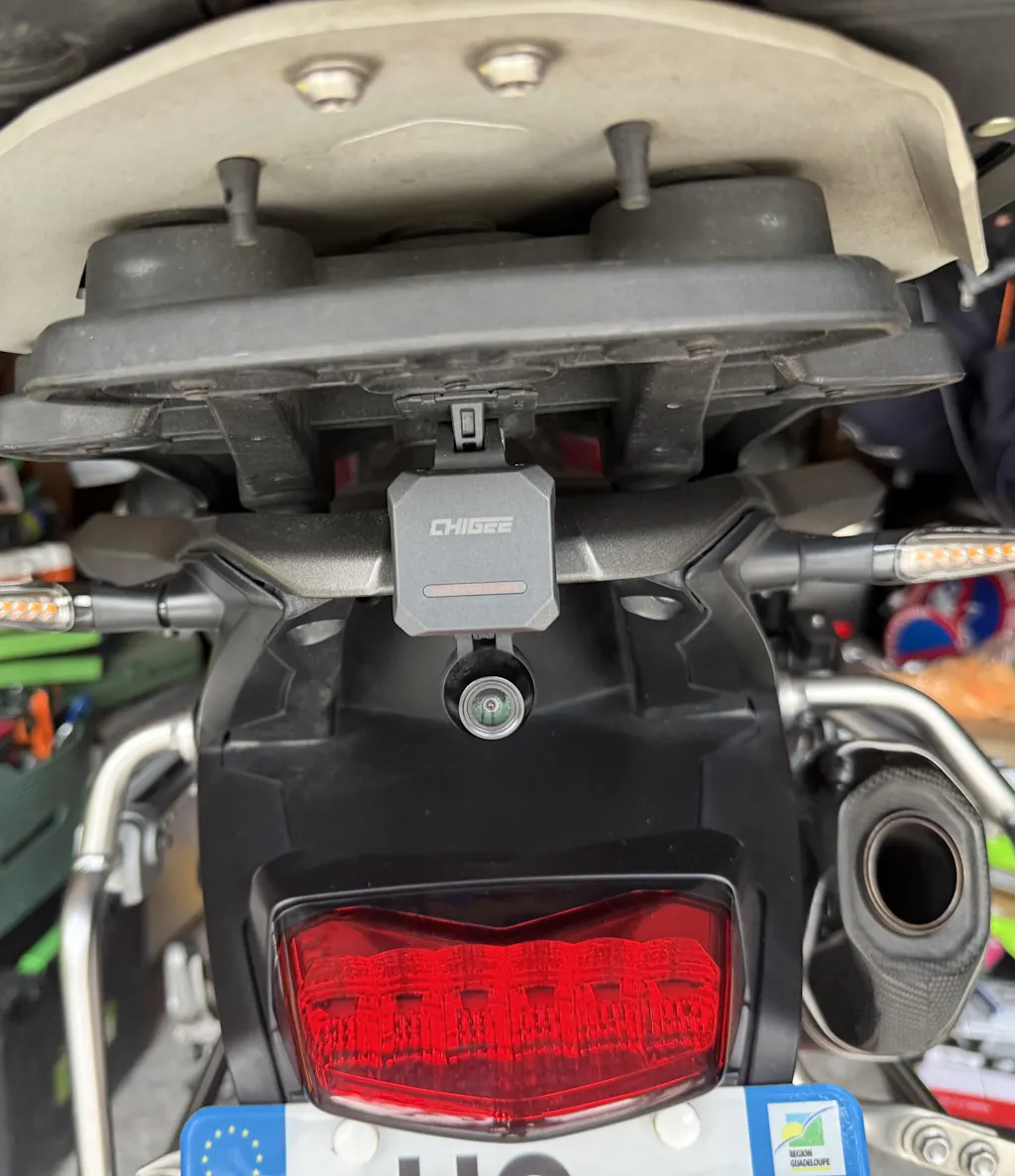
The AIO-5 EVO adds dual 1080p front and rear dashcams and AI-powered blind-spot detection out of the box. Riders who want a larger screen with 4G LTE connectivity can step up to the AIO-6 LTE within the same CHIGEE ecosystem.
Practical Tips for Making the Switch
Spend a week using your preferred navigation app on your phone while the TomTom is still mounted. This rebuilds muscle memory around the interface before it becomes your only option on the road.
Download offline maps in Google Maps for the regions you ride most frequently. This eliminates the most legitimate concern about leaving local-storage GPS behind, and it takes only a few minutes per region.

Relearn phone navigation, download offline maps, and fine-tune display setup on short rides before fully switching from TomTom. Source
Give yourself one or two shorter rides to calibrate your display position, brightness preference, and glove interaction with the touchscreen, not something you want to sort out on a 400-kilometer day.
Frequently Asked Questions
Can a CarPlay display fully replace a TomTom Rider for long-distance touring?
For most scenarios on established roads, yes. The main exception is extended stretches without cellular data. Downloading offline maps in advance covers most of that gap, though you'll lose live traffic in those zones.
Will I lose glove-friendly controls when I switch from TomTom?
Not necessarily. The AIO-5 EVO's touchscreen is tuned for gloved input, and an optional Bluetooth handlebar remote gives you physical button access if you prefer it.
What happens to my TomTom if I switch is there any reason to keep it?
Keeping it as a backup for the first few months is a smart move, especially for remote rides or international legs where data costs are a concern. Most riders stop reaching for it as their confidence in the new setup grows.
Is the CHIGEE AIO-5 EVO compatible with both iPhone and Android?
Yes, wireless Apple CarPlay and wireless Android Auto, no USB cable required for either.
How does screen visibility compare between TomTom and a CarPlay display?
The AIO-5 EVO's 5-inch screen at 1,200 nits outperforms the Rider 550's 4.3-inch display in both size and brightness. The anti-glare coating handles reflective sunlight that sometimes trips up smaller GPS screens.
Do I need a data plan, or can I use the display without cellular service?
No, separate data plan needed the AIO-5 EVO mirrors your phone's connection. You can even run offline navigation apps through CarPlay or Android Auto with no active data, though live traffic won't be available.
Making the Call
TomTom built something genuinely good with the Rider series, and the loyalty it earned wasn't misplaced. But loyalty to a product shouldn't outlast the product's ability to serve you well. For riders already using their phones for navigation, frustrated by waiting on map updates, or simply curious about the CarPlay ecosystem, the CHIGEE AIO-5 EVO is a natural starting point. For those who want a larger screen and 4G LTE connectivity, the AIO-6 offers a clear upgrade path.
If you've been riding with a TomTom for years and quietly wondering whether it's time to move on for most riders, the answer is yes, and the move is less complicated than you'd expect.
About the Author
Reuben CabreraReuben Cabrera is a motorcycle gear reviewer and content creator based in the Philippines, writing for phtoll.com. He has been riding for over a decade with more than 60,000 km of accumulated seat time, currently putting miles on a 1990 Yamaha XJR 400 across Metro Manila and the surrounding provinces. His reviews focus on practical, honest assessments of gear and technology for everyday and long-distance riders.

Efterlad en kommentar
Alle kommentarer er modereres, før de bliver offentliggjort.
'Denne side er beskyttet af hCaptcha, og hCaptchas Politik om beskyttelse af persondata og Servicevilkår er gældende.