

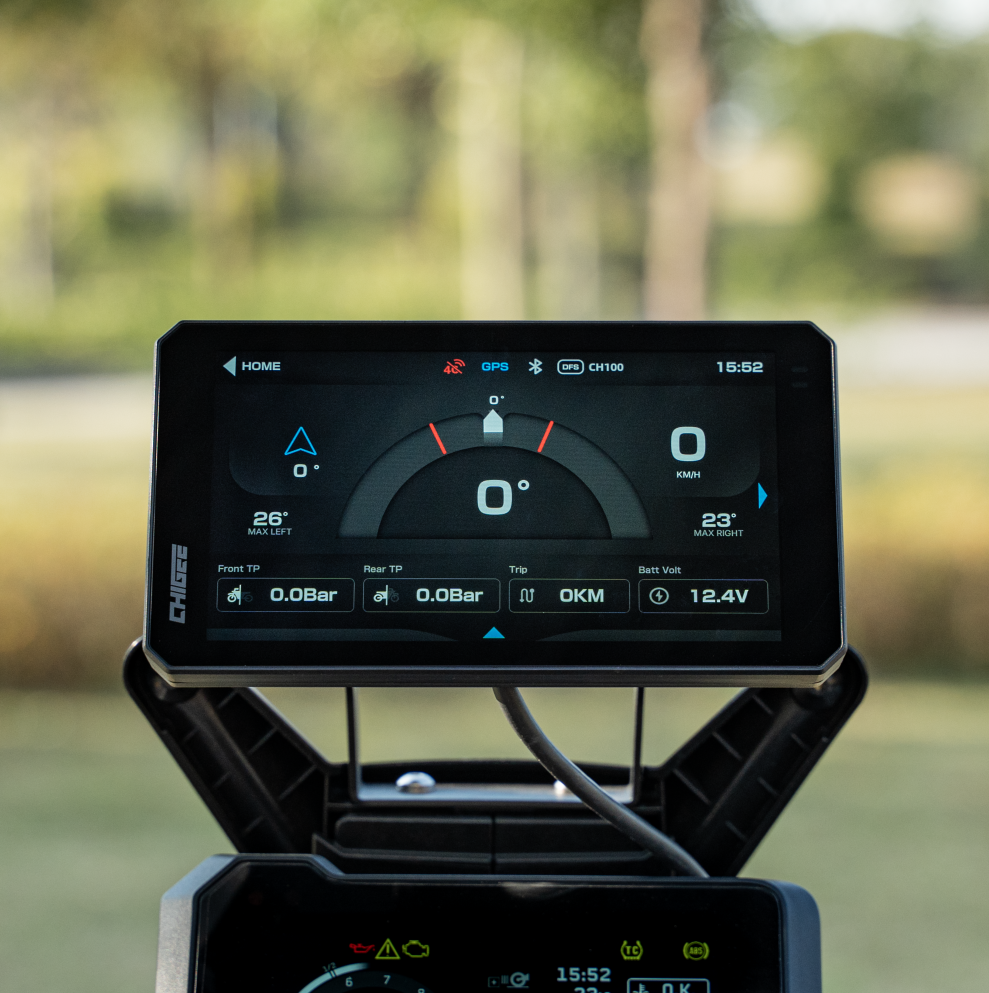
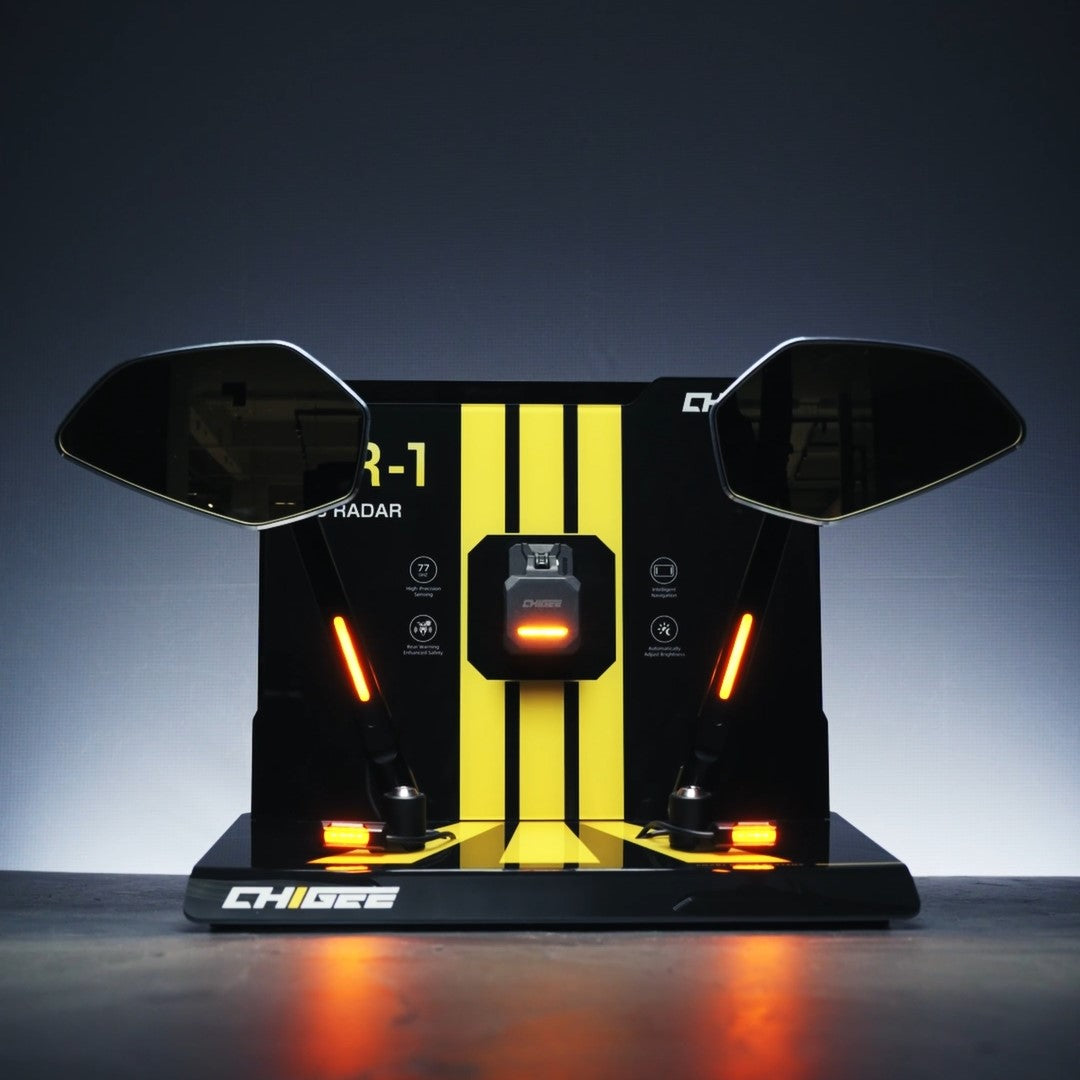
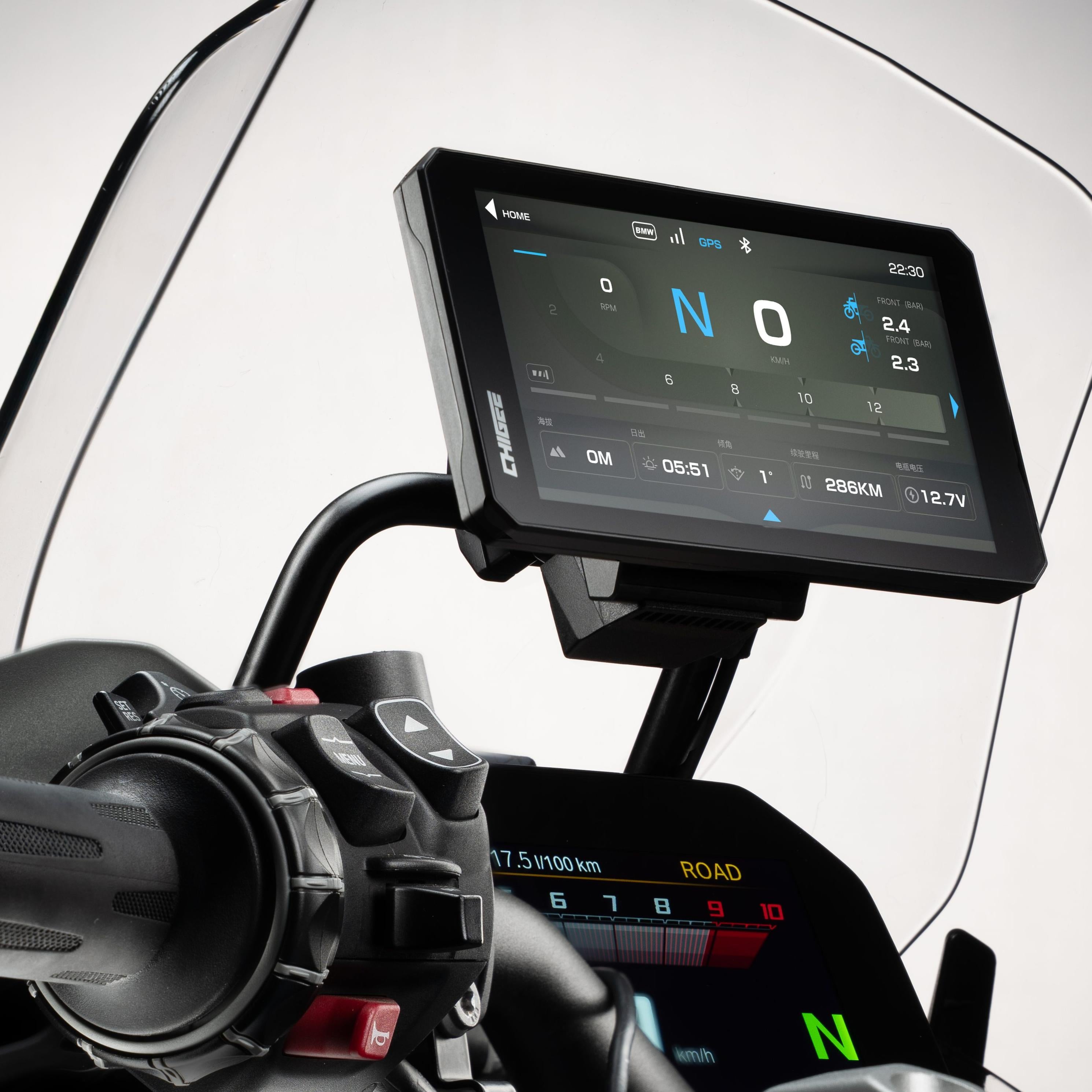
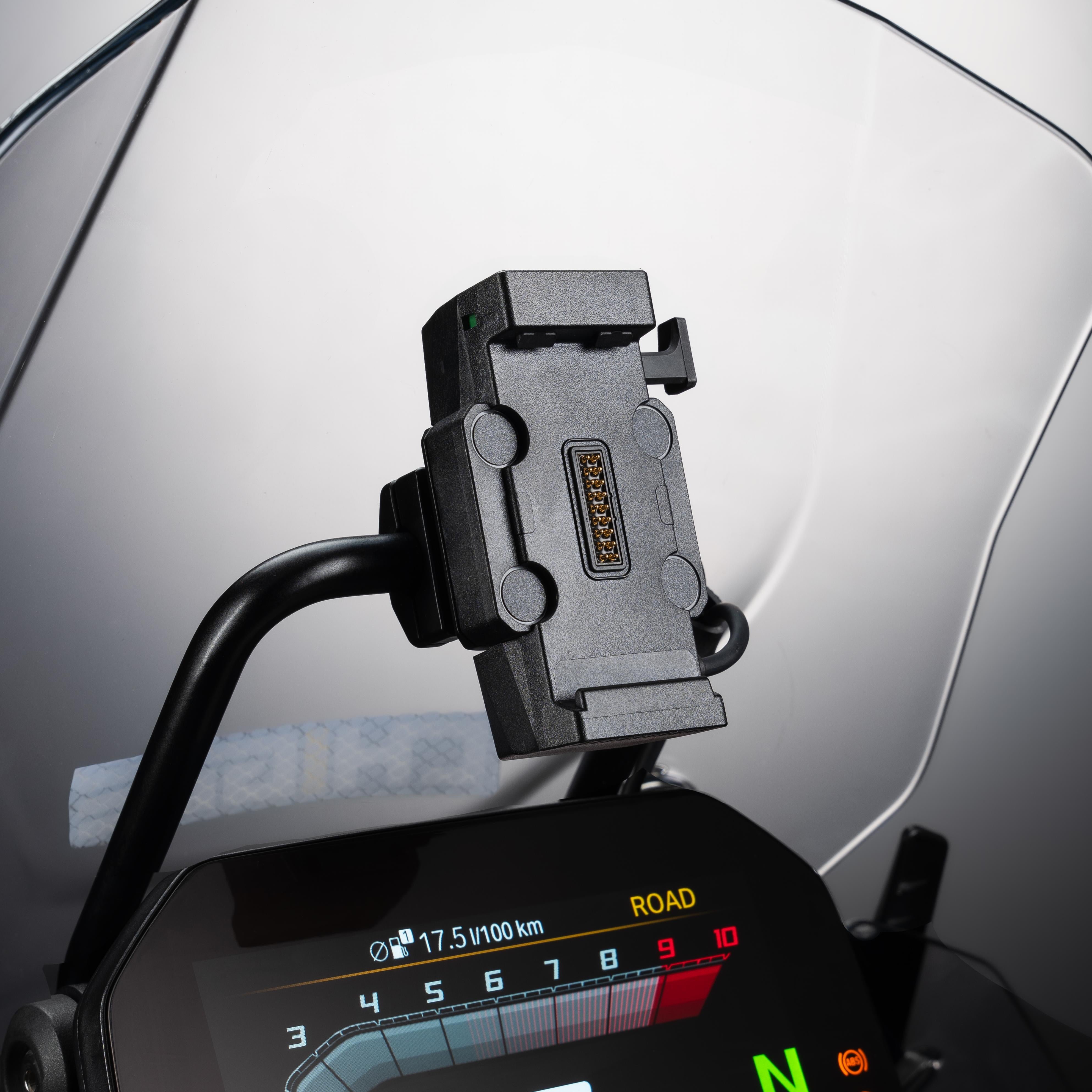
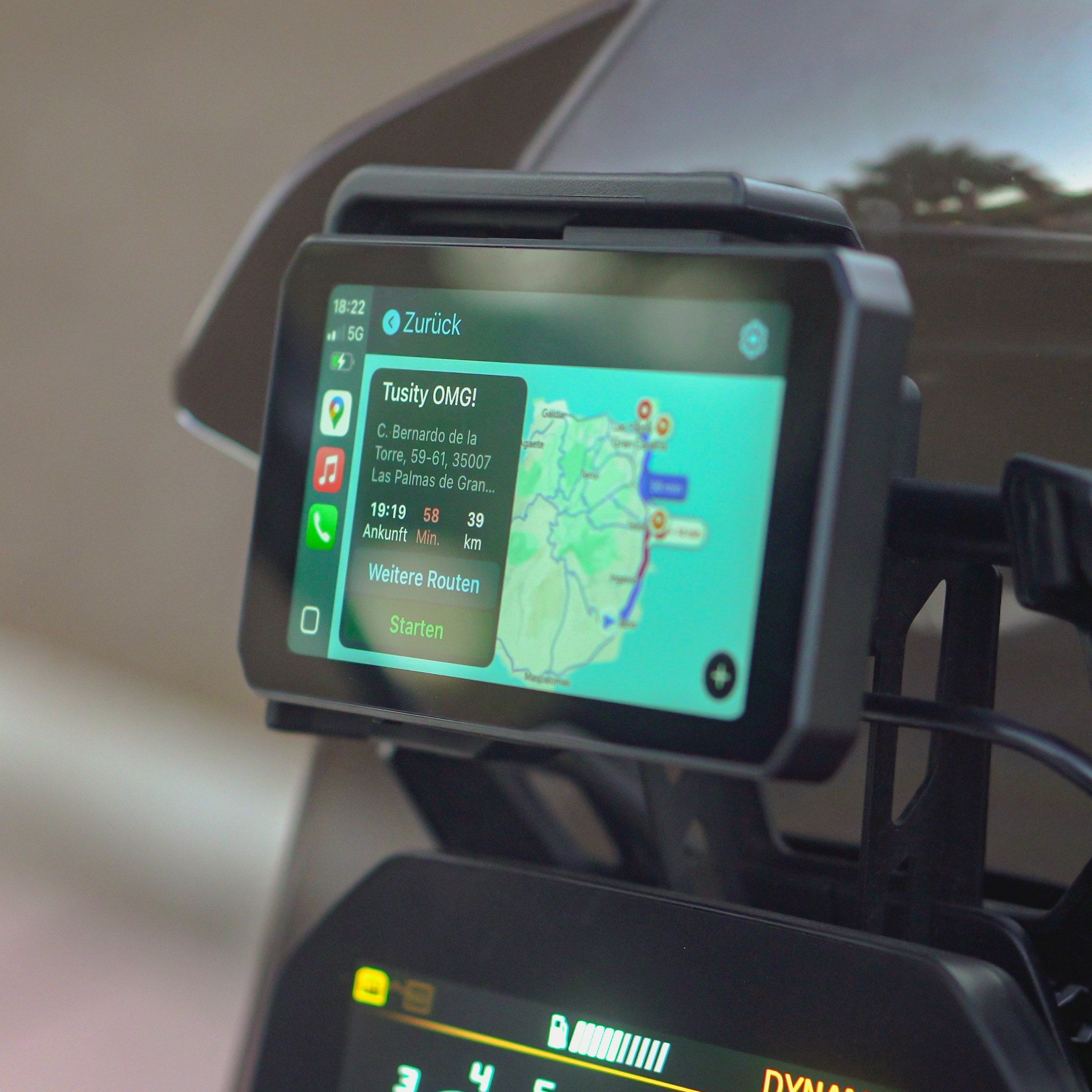
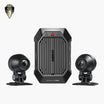


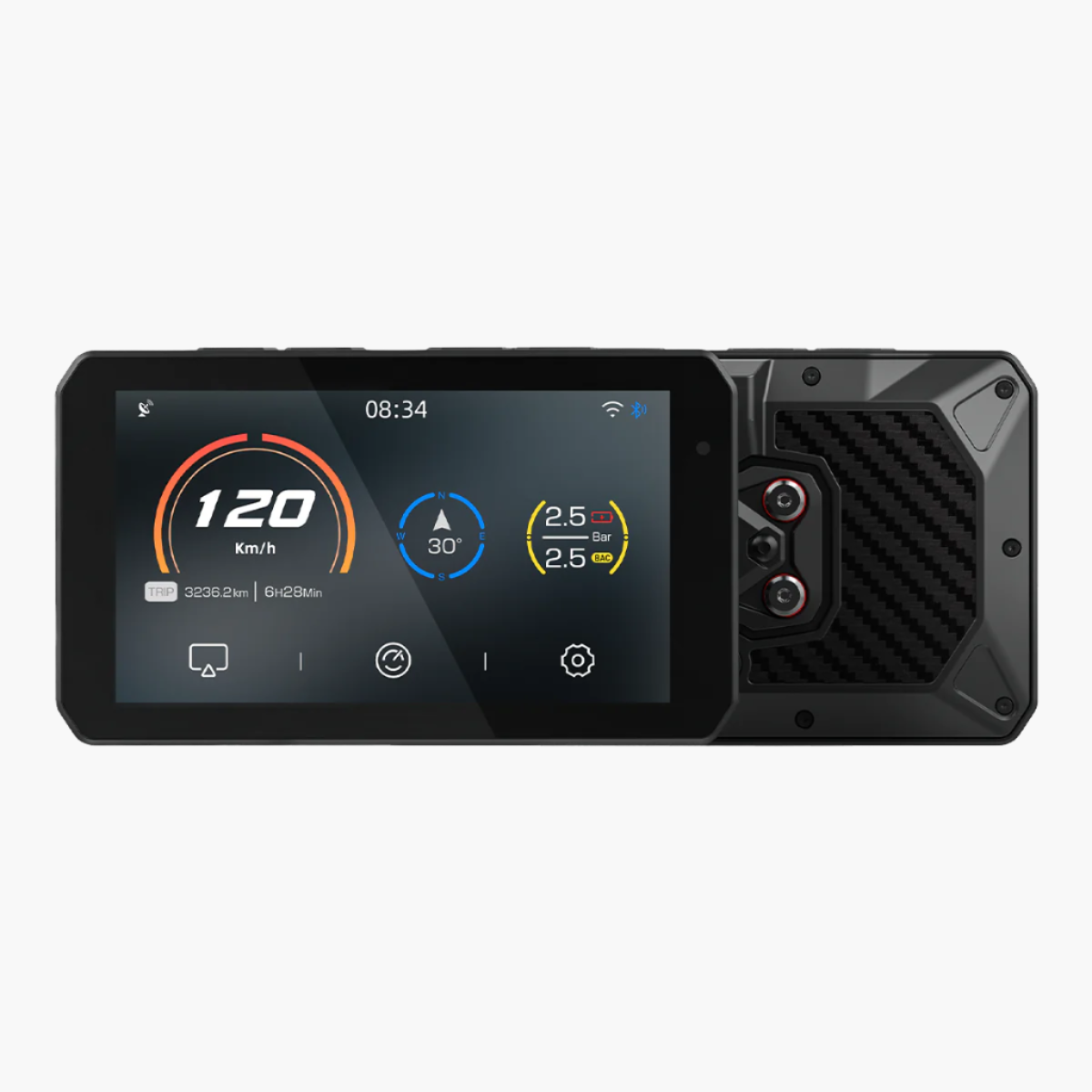
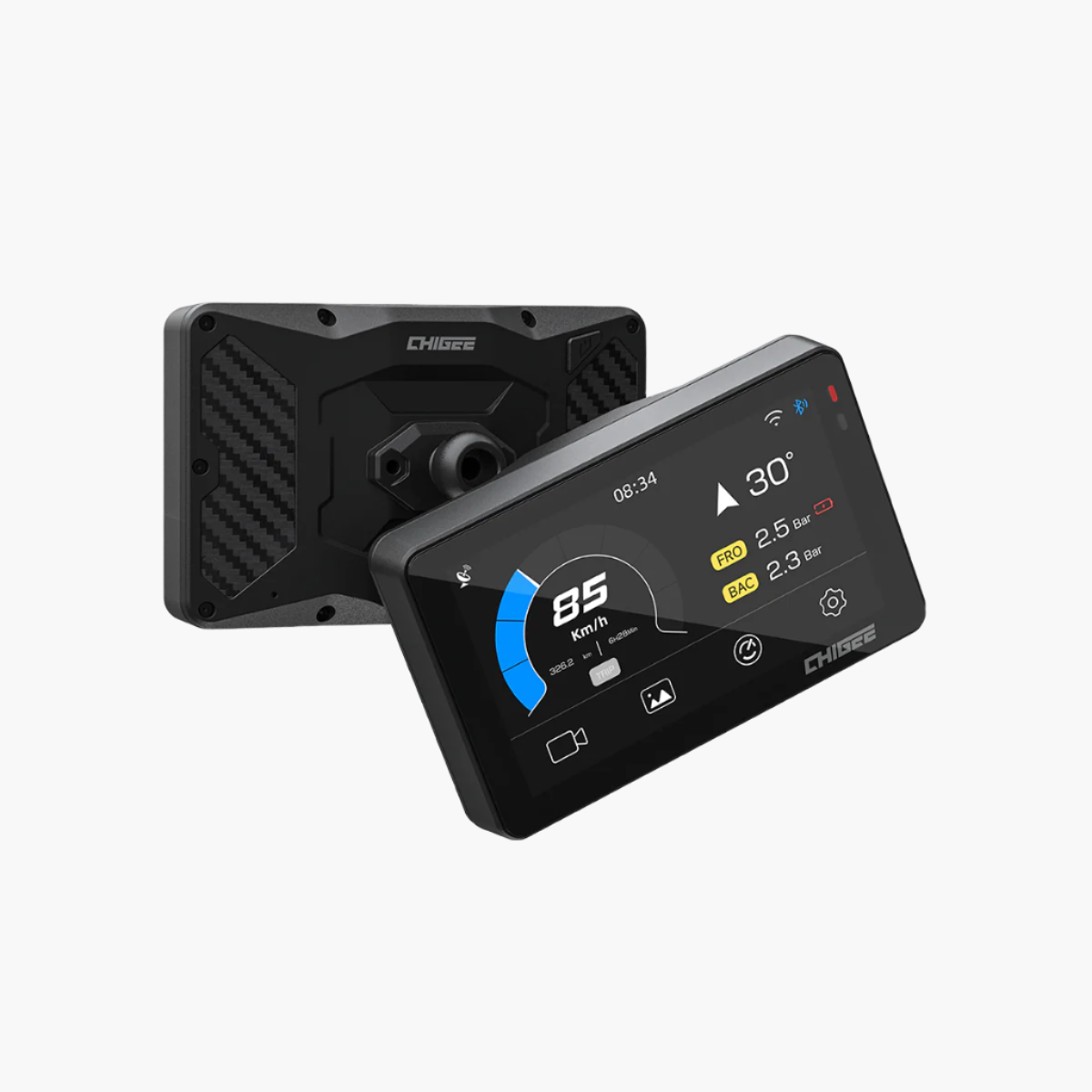
The AIO-6 gives you CarPlay, Android Auto, and a bright, glove-friendly display right out of the box. But every rider’s needs are different, and that is where accessories come in. They shape how the AIO-6 works in your cockpit, how well it holds up over time, and how much confidence it gives you in different conditions.
This guide looks at the main categories of AIO-6 add-ons, from screen protection and mounts to cameras, sensors, and data modules, and explains how each one changes the ride. Instead of scrolling through endless product pages, you will see which options matter most for the way you ride. You can also browse the full lineup directly on the AIO-6 accessories page.
And if you want advice from riders who are already running these setups, join the Chigee Facebook group. It is an active space where people share their installs, talk about what works for them and what does not, and swap tips for getting the most out of the AIO-6.
Display Protection & Usability
The AIO-6 screen takes the most abuse from sun, grit, and gloves. Chigee offers a few accessories here, each solving a different problem.
Protection
The tempered glass protector is a clear sacrificial layer for scratches and small impacts. If it gets marked up, you replace the protector instead of the display. It is the simple way to keep the screen looking sharp on mixed city and weekend riding.
On long highway days, the anti-glare screen protector makes the biggest difference. It also guards against scratches, and its main job is to cut reflections so maps stay legible in bright sun or low-angle light. Tourers and highway commuters benefit most because visibility matters more than showroom gloss.
The protective frame is a rigid bumper that surrounds the unit’s body for added impact resistance. It comes in handy when the bike is exposed to crowded parking or spends time on rougher roads. Note that it cannot be used together with the silicone cover or the storage case.

Keep your GPS screen clear and scratch-free on city commutes or long tours with the right protection setup. Source
The silicone cover is a full-edge liquid silicone shell that encloses the device and covers the front, shielding against scratches, water, and dust when the unit is exposed outdoors. It is not compatible with the protective frame or the storage case. This makes it a good pick for riders who leave the AIO-6 on the bike when parked in dusty or wet environments and want quick on-off protection.
For riders who remove the device often, a protective storage case keeps the AIO-6 safe in transit. Its rigid design shields against knocks and screen scratches, and it fits with the Quick-Release Module still attached. What it doesn’t allow is extra bulk, so the frame or silicone cover have to come off before stowing it. It’s a smart choice when the unit travels in a backpack or pannier.
Remote Control
Safe control means keeping your hands on the grips, and that’s where remote options earn their place. They give you full access to the AIO-6 without stretching for the screen or losing focus on the road.
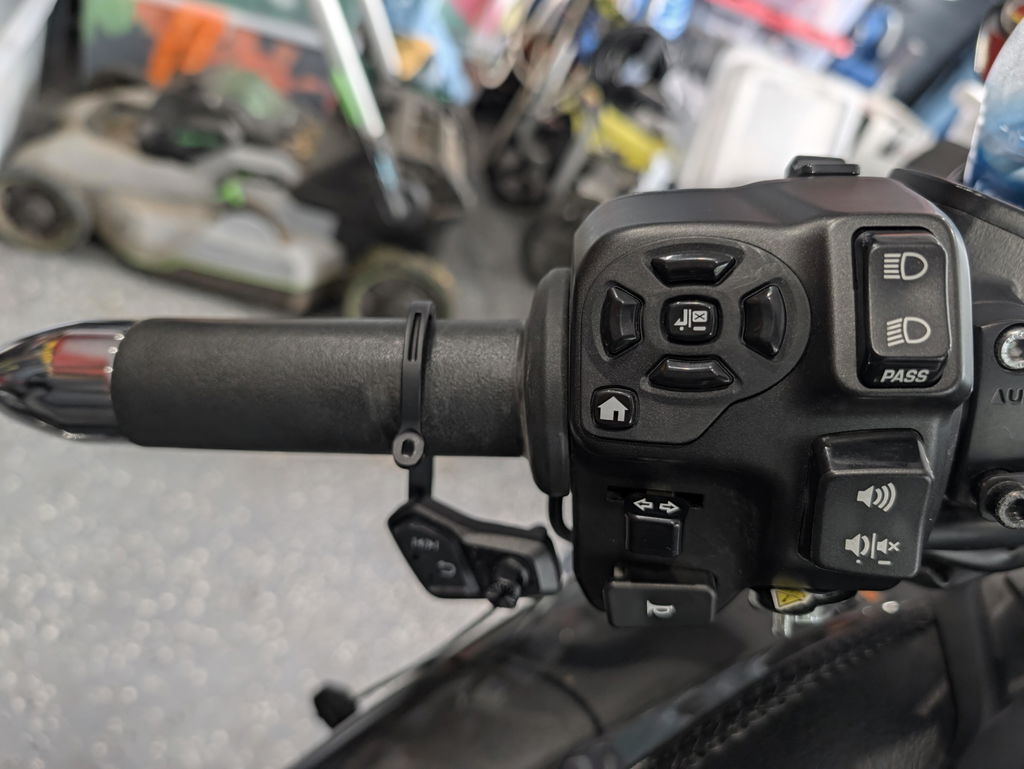
The CG Wireless Remote Controller runs on a 2.4 GHz signal, so installation is quick and doesn’t involve any wiring. It’s designed for use with gloves and covers every key function: controlling apps in Mirroring Mode, switching songs and managing playback, handling recording tasks like changing camera preview, locking video, or snapping photos, and accessing any screen actions, including answering and ending calls. Built for durability, it integrates seamlessly with the AIO-6 and adds real day-to-day convenience.

Glove-friendly wireless control for the AIO-6 lets you manage music, calls, and camera safely on the move. Source
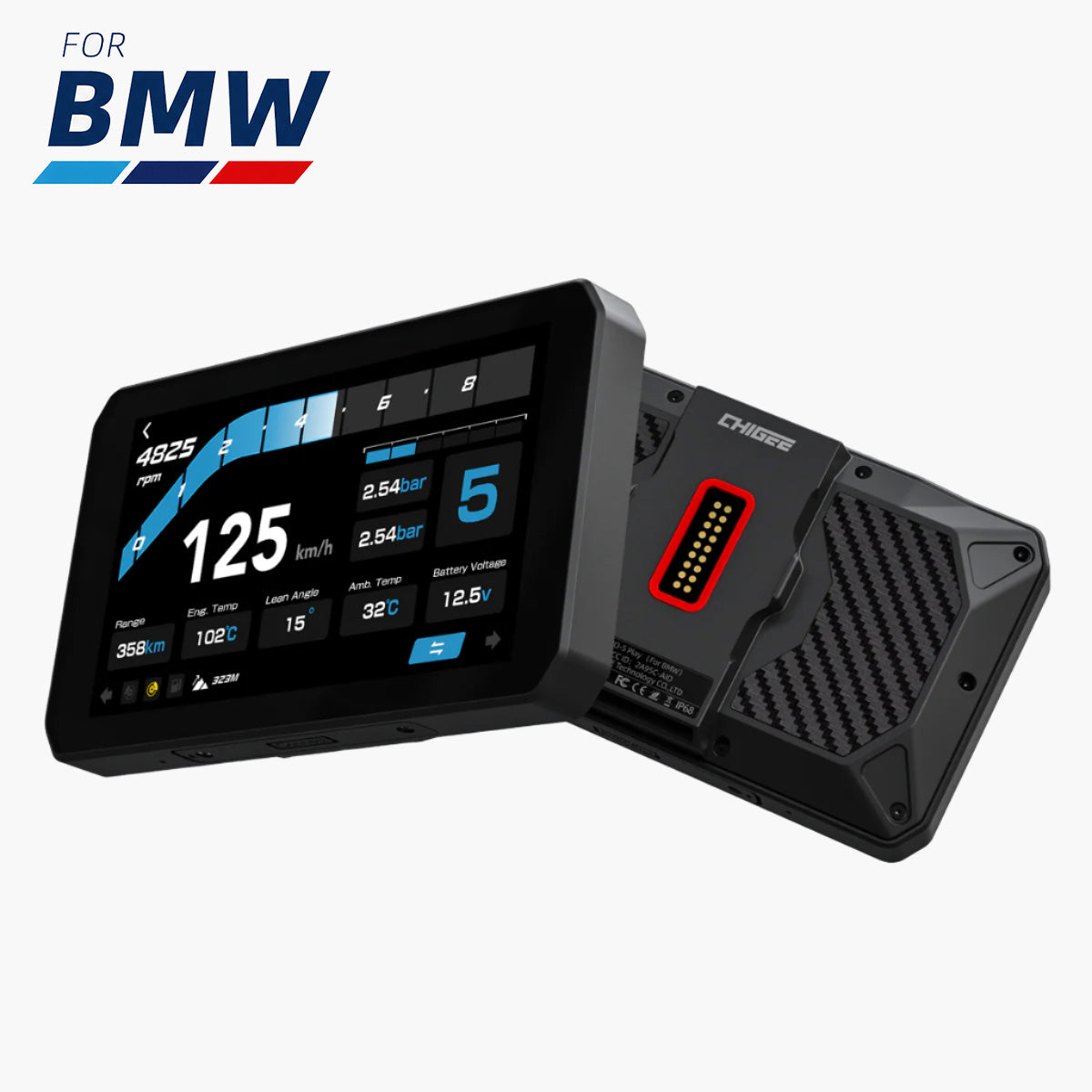
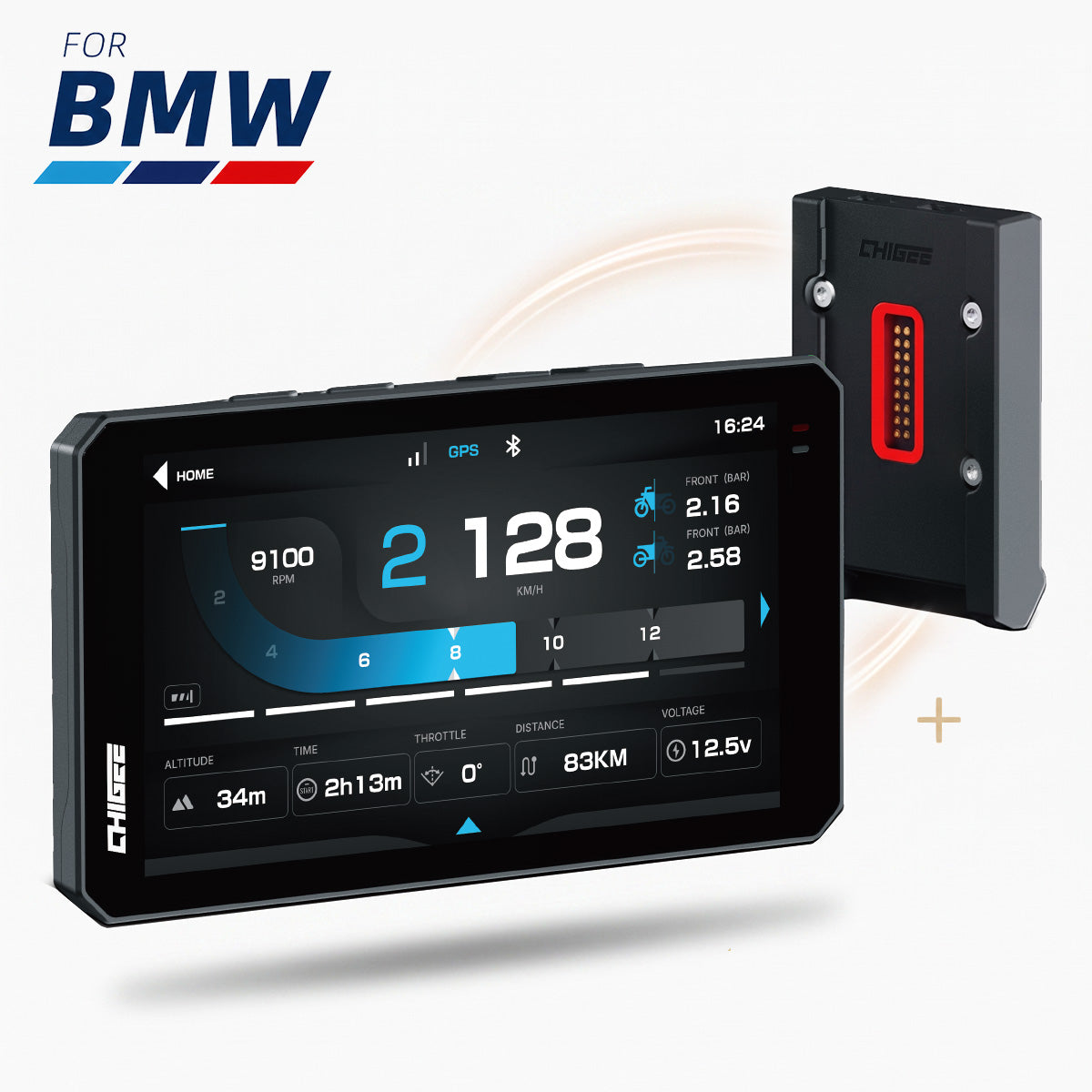
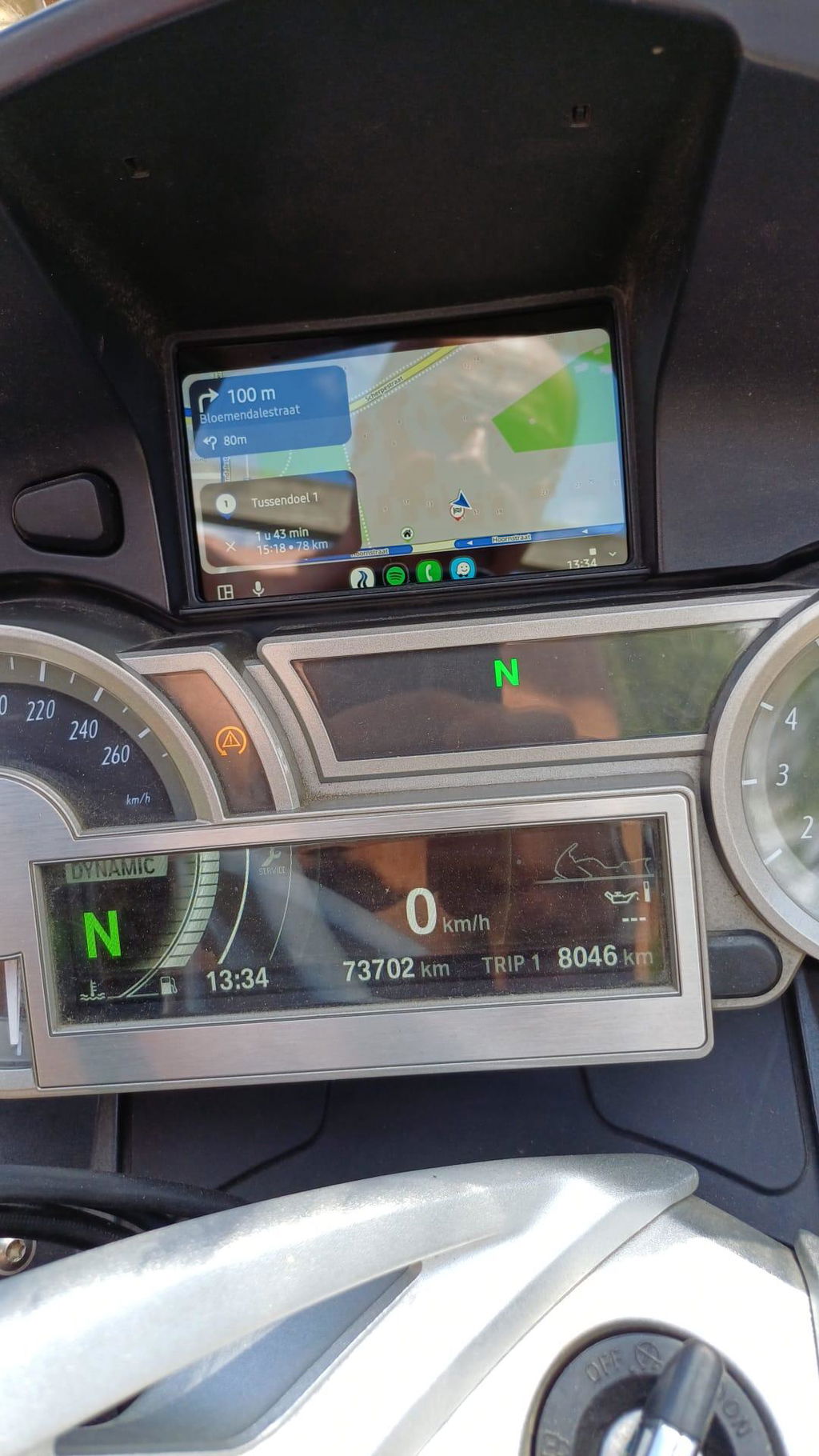
For those on BMWs equipped with Nav Prep and the Wonder Wheel, the integration feels almost factory. With the BMW Quick-Release Module fitted, the AIO-6 can lock into the Navigator cradle and respond directly to Wonder Wheel inputs. On some models this works natively, while others require the CGRC CAN module to bridge the connection. Either way, being able to zoom maps, move through menus, and switch functions from the left grip makes long hours in the saddle easier and safer.
Both setups achieve the same goal: keeping you in control without taking your hands off the bars. Which one makes sense depends on the bike you ride.
Sensors, Cameras & Data
Adding cameras and sensors turns the AIO-6 from a simple navigator into a central hub for safety and bike data. These extras aren’t cosmetic — they change how much you know about the ride in real time.
Cameras
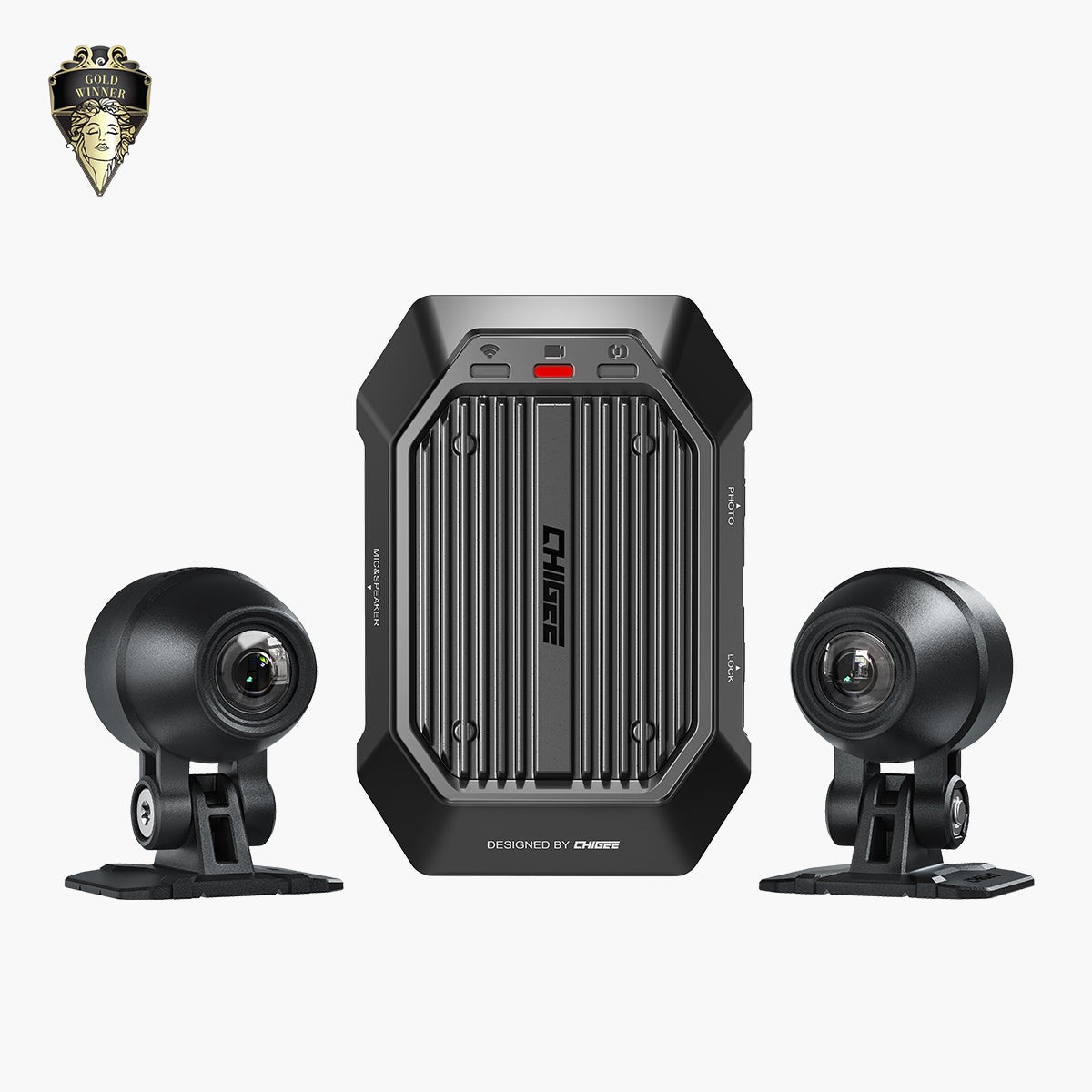
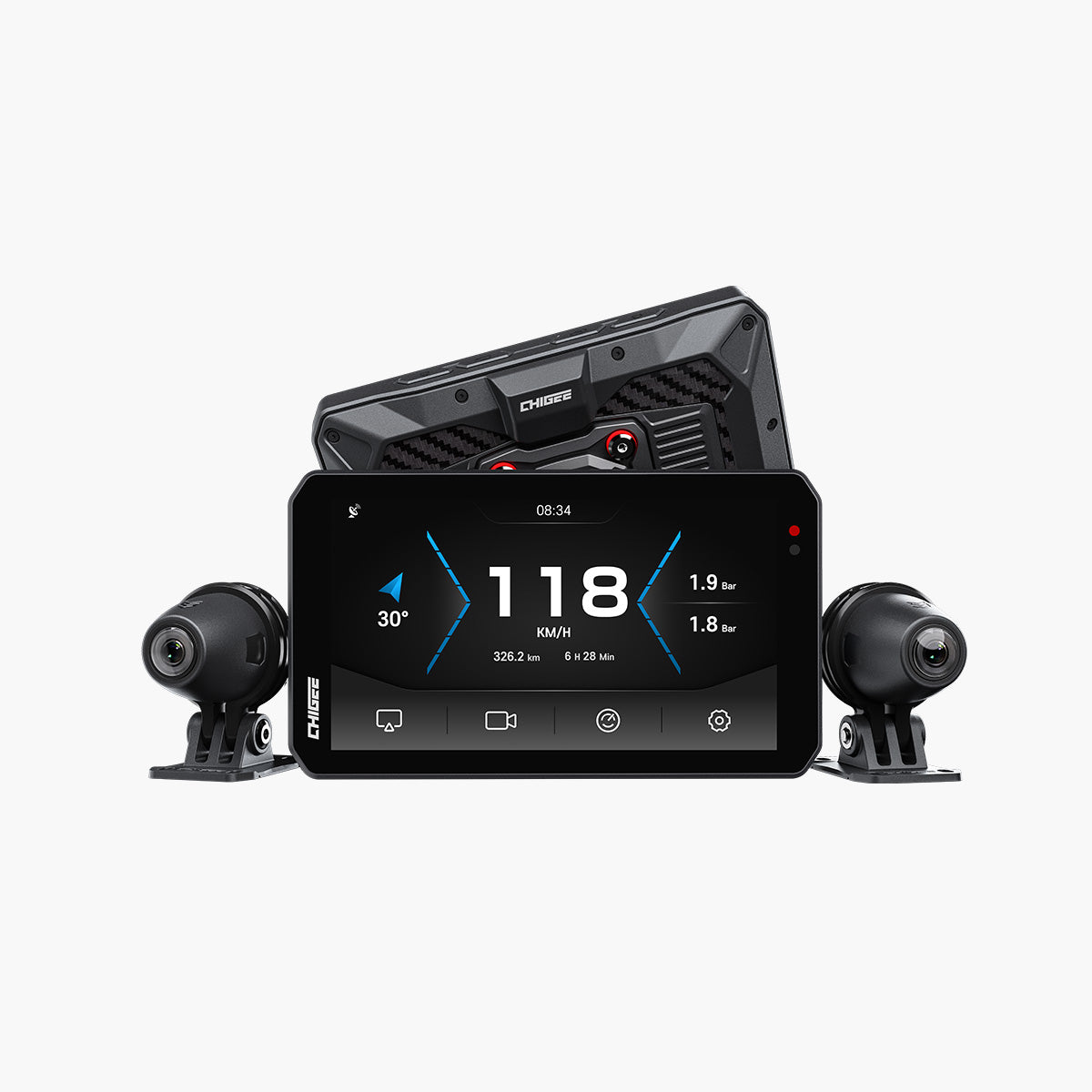
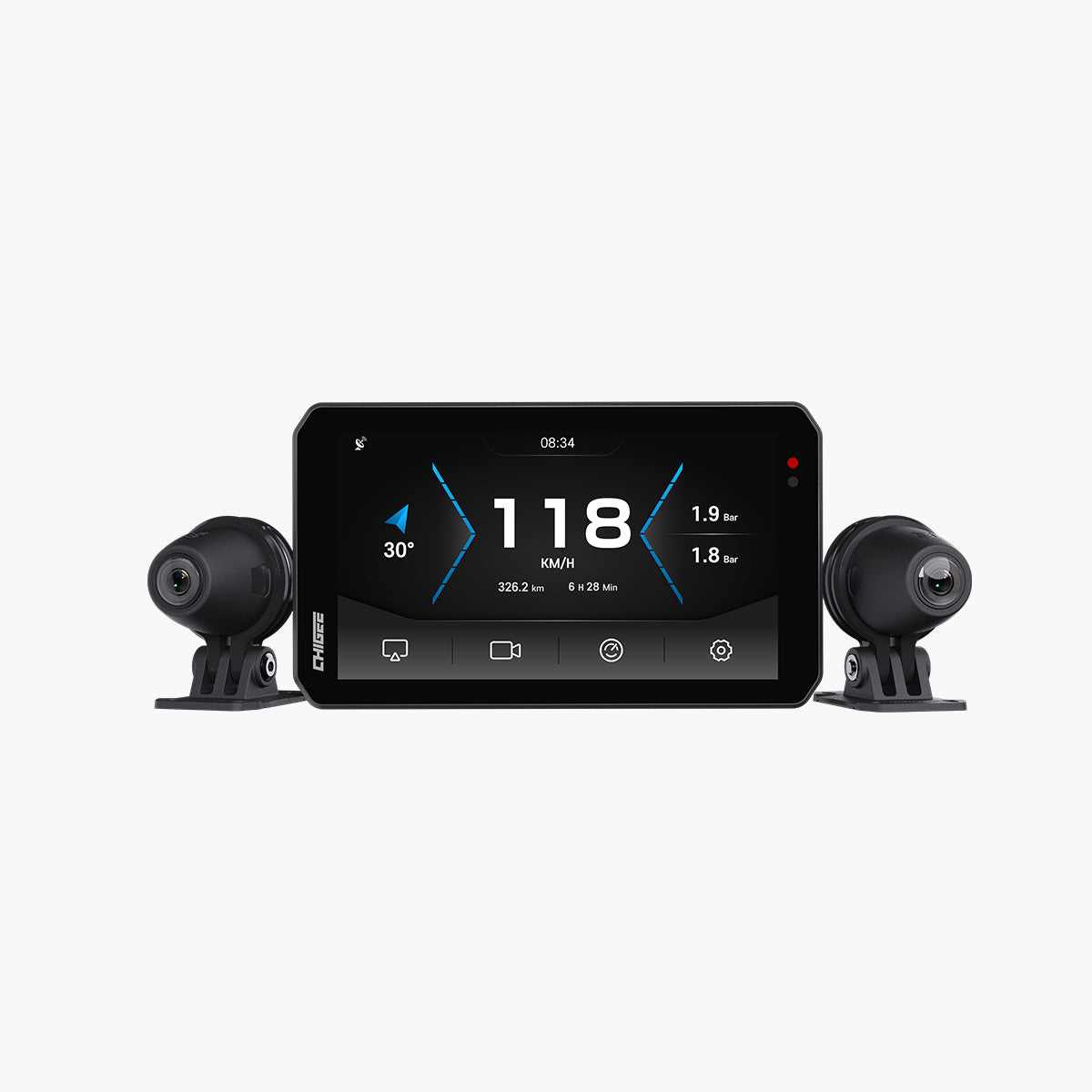
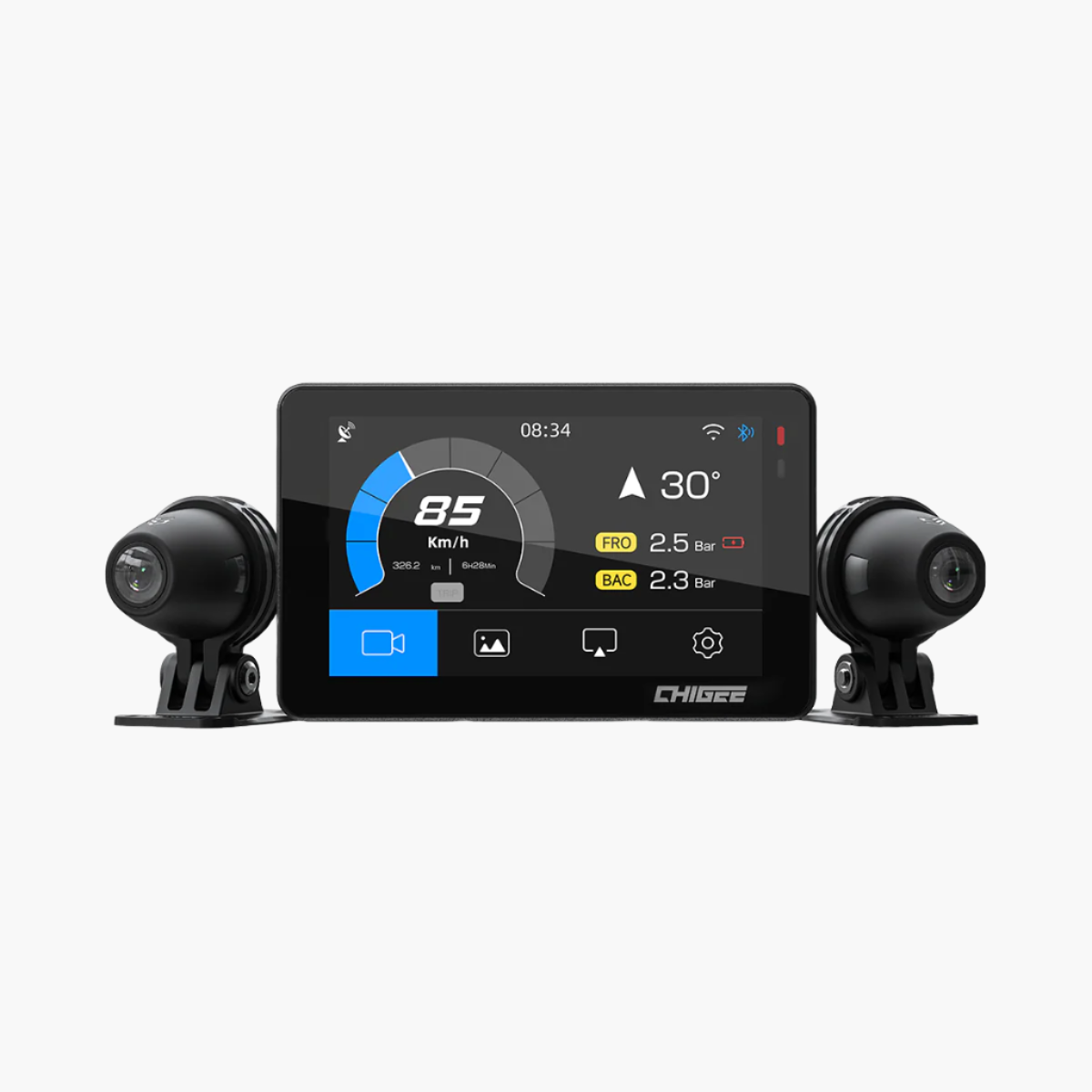
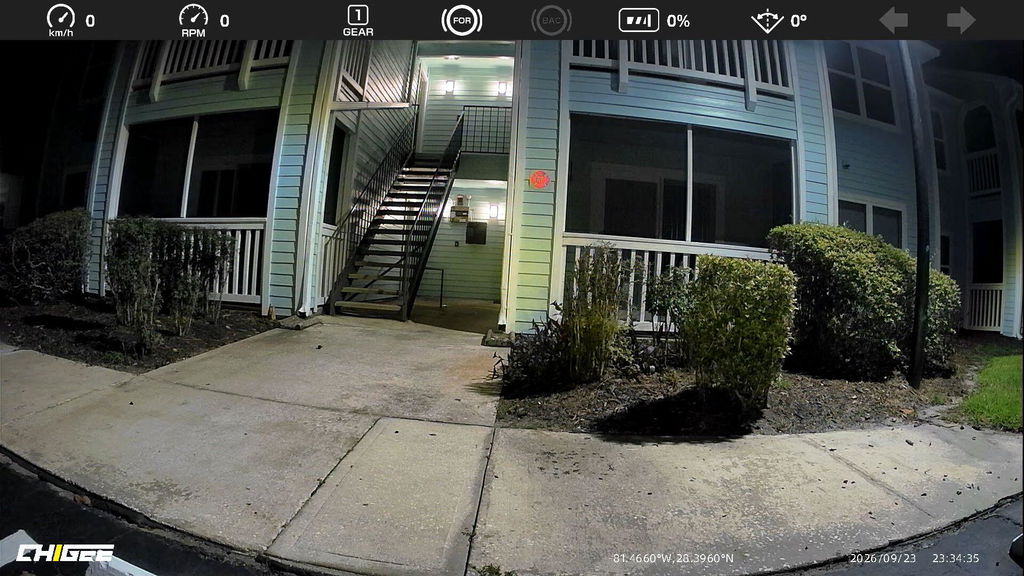
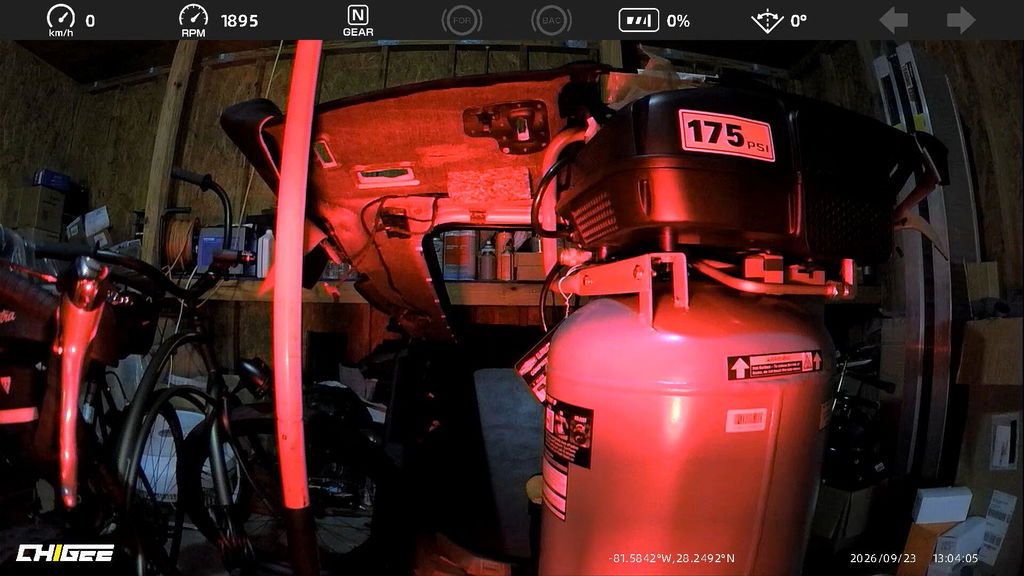
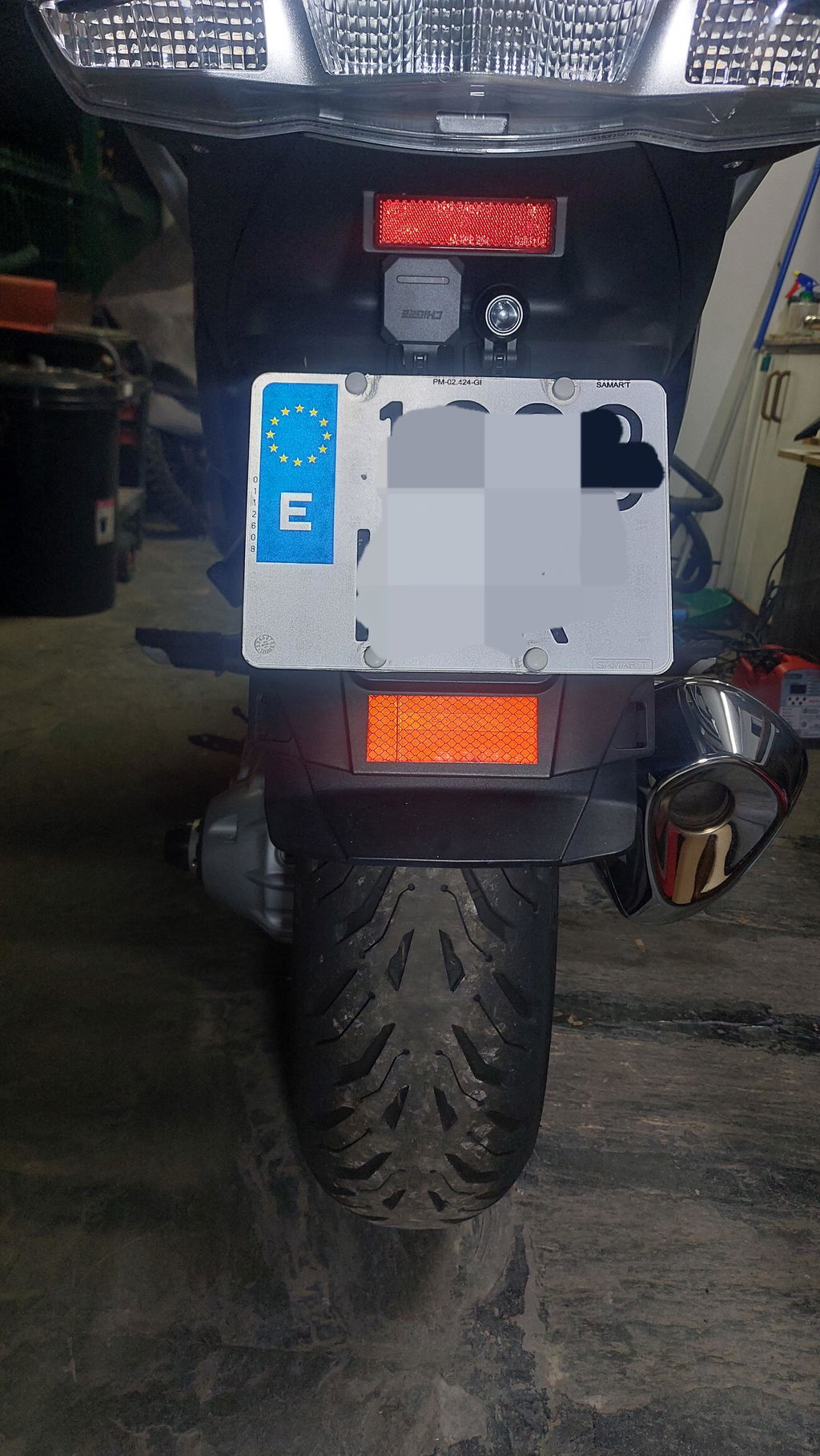
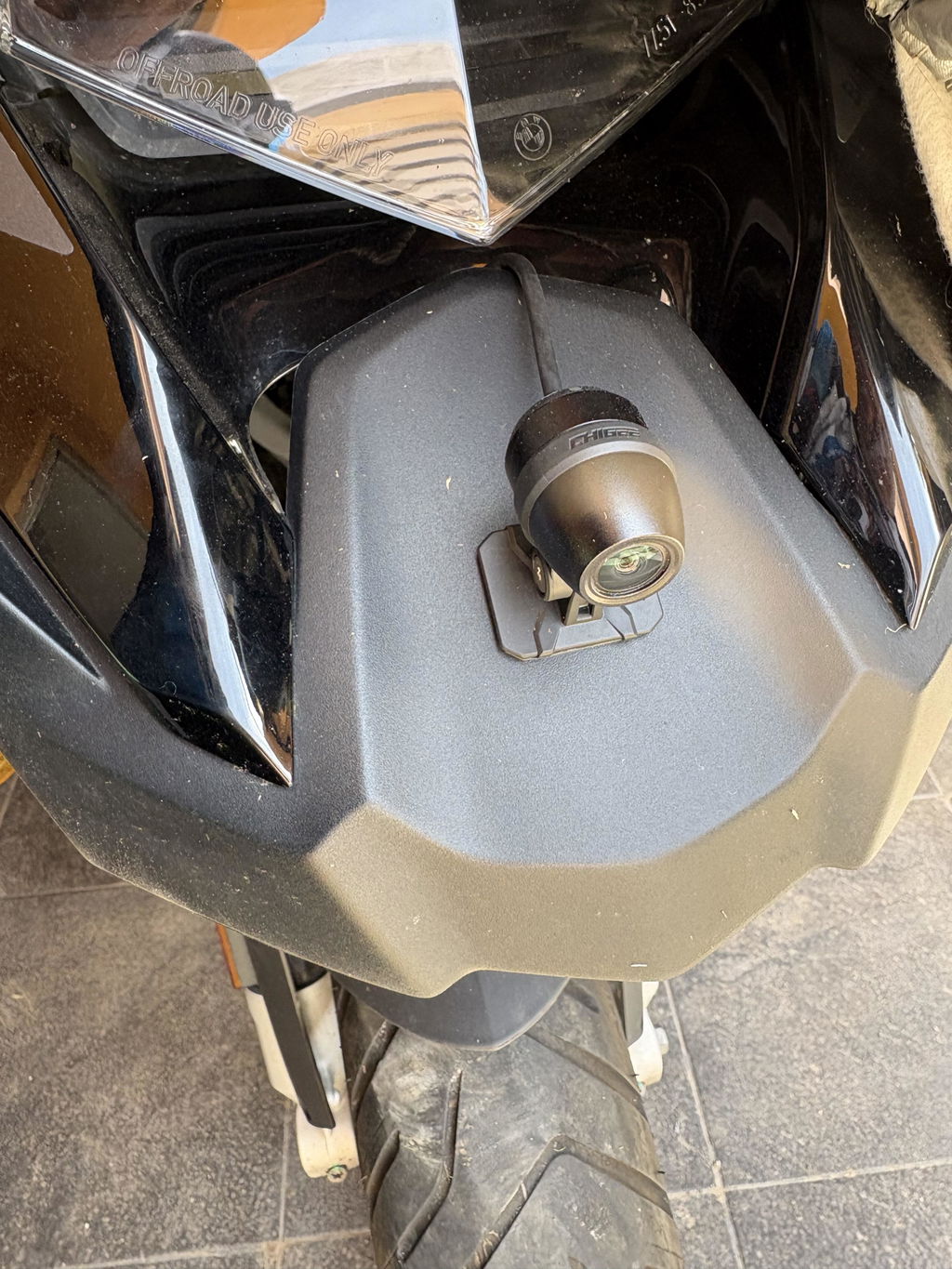
A pair of 60fps HDR cameras adds both dashcam recording and Blind Spot Detection. Mounted front and rear, they capture sharp 1080p footage with smooth detail even in fast-changing light, making traffic situations easy to read.

Because safety looks better in HD—AIO-6 cameras keep every ride crystal clear. Source
Recordings are managed through the CHIGEE GO app, so rides can be saved, reviewed, or shared with ease. The footage doubles as evidence in traffic incidents and as a way to document trips, something touring riders often value as much as commuters.
Beyond recording, the rear camera also feeds the BSD function. When a vehicle lingers in your blind spot, a clear warning appears on the display so you know not to change lanes. This extra layer of awareness makes the cameras more than just a dashcam kit — they become an active safety feature. Riders who spend hours on highways or cut through dense city traffic will find this combination particularly useful.
When paired with the LTE version of the AIO-6, the system also supports remote wake-up and live streaming. That means you can check in on your bike in real time from your phone, whether it’s parked outside overnight or moving on the road.

Stay connected wherever you ride—check your bike live from your phone, even miles away from the trail. Source
The AIO-6 is built with 32 GB of internal storage, which can handle a short burst of video recording. That’s often enough to capture the critical moments around an accident or an unexpected incident on the road. However, if you want continuous recording on longer rides, or simply the peace of mind of having every mile documented, you’ll need to add a microSD card. The unit requires one not only for extended video storage but also for performing OTA updates —if you don’t have cameras, a standard microSD card is sufficient. The slot accepts cards up to 256 GB, and for best results a fast U3 / A2 / V30 card is recommended.
TPMS
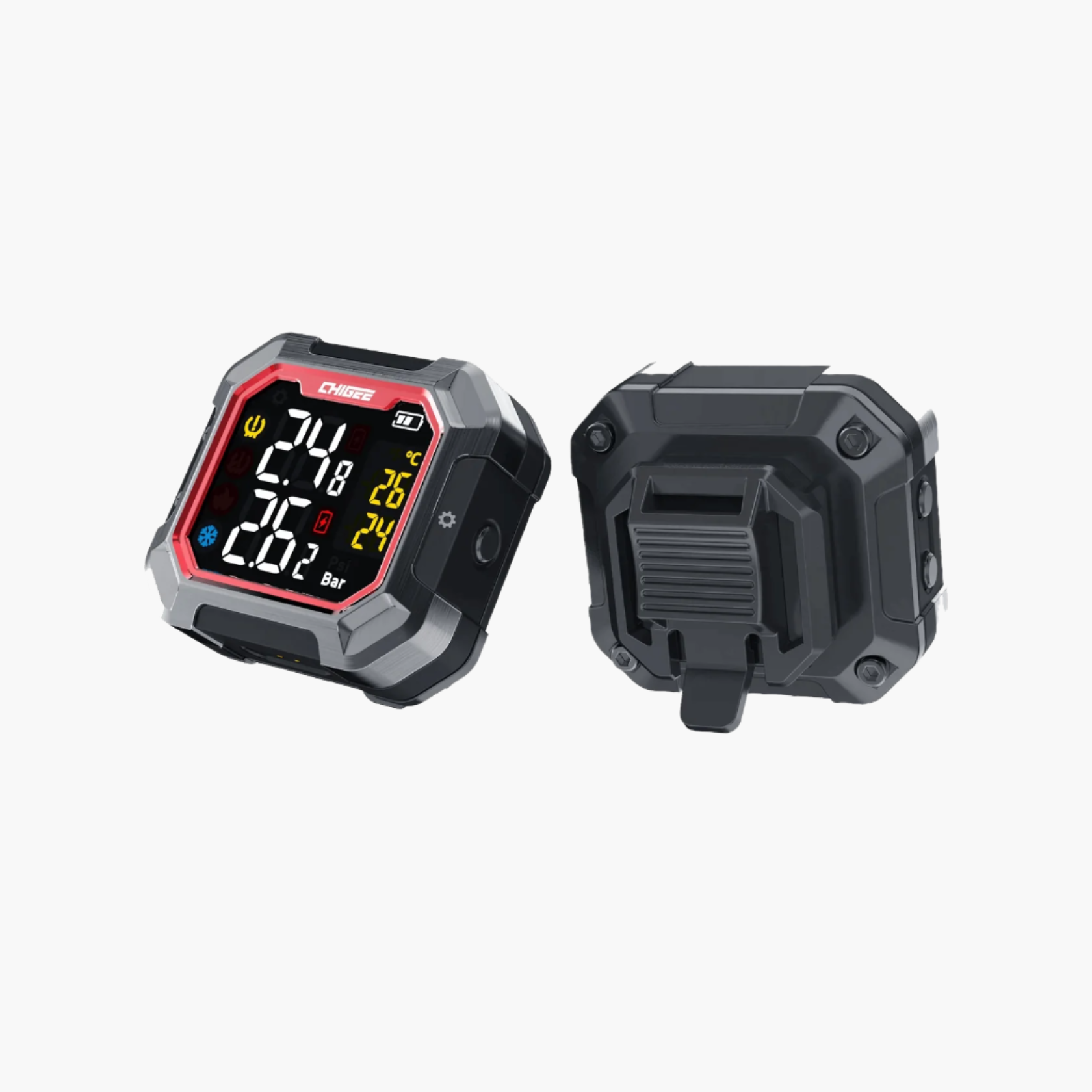
Real-time tire feedback comes from two versions of TPMS sensors, both linking directly to the AIO-6 display. The external set replaces the standard valve caps. It installs in minutes, can be moved from bike to bike, and the batteries are easy to replace — a practical option for riders who want a plug-and-play solution.

Simple, smart, and swappable—external TPMS caps keep your tire data live and your setup stress-free. Source
The internal TPMS sits inside the rim, just like factory systems. It’s shielded from the elements and theft, and it delivers highly accurate readings, though fitting requires a proper tire change.
A tire valve stem upgrade is also available. By swapping out the stock stem, the sensors mount securely without the risk of catching on the brake caliper. It’s a small change that prevents interference and damage, while ensuring the system delivers accurate and reliable readings over the long term.
Whichever route you choose, both systems show live pressures on the screen and trigger alarms for slow leaks or sudden drops. Touring riders gain the most peace of mind, catching punctures before they become roadside delays. Adventure riders also benefit, since dropping pressures for gravel and then bringing them back up on tarmac becomes a precise process rather than guesswork. Even commuters stand to gain, with a silent nail or screw flagged early instead of showing up as vague instability on the way to work.
OBD
For riders who want deeper insight into their machine, the OBD wireless module plugs into the diagnostic port and streams data directly to the AIO-6. It goes well beyond speed and temperature, giving a full picture of how the bike is running in real time.

Tough tours demand good data — AIO-6 OBD keeps riders in tune with every rev, climb, and curve. Source
Key features include:
- Real-time engine data like RPM, throttle position, engine temperature, and more, all visible on the screen at a glance.
- Driving status analysis, so you can review patterns in your riding behavior and adjust for smoother or more efficient performance.
- Auto power-off sleep mode, which shuts the module down when the bike is off to protect the battery.
- Non-intrusive installation, requiring no wiring changes or modifications, just plug and go to system settings to pair with the AIO-6.
- Data overlay with video files, an upcoming feature that will let you synchronize engine data with camera footage for a complete view of performance during any ride.
This extra layer of feedback is valuable for touring riders who want early warnings of issues, for commuters who rely on their bike every day, and for enthusiasts who like tracking how their machines behave. It turns the AIO-6 from a navigation hub into a live diagnostic tool.
Compatibility depends on the model and year of your motorcycle, so it’s worth checking the details on the product page before buying.
Mounts & Brackets
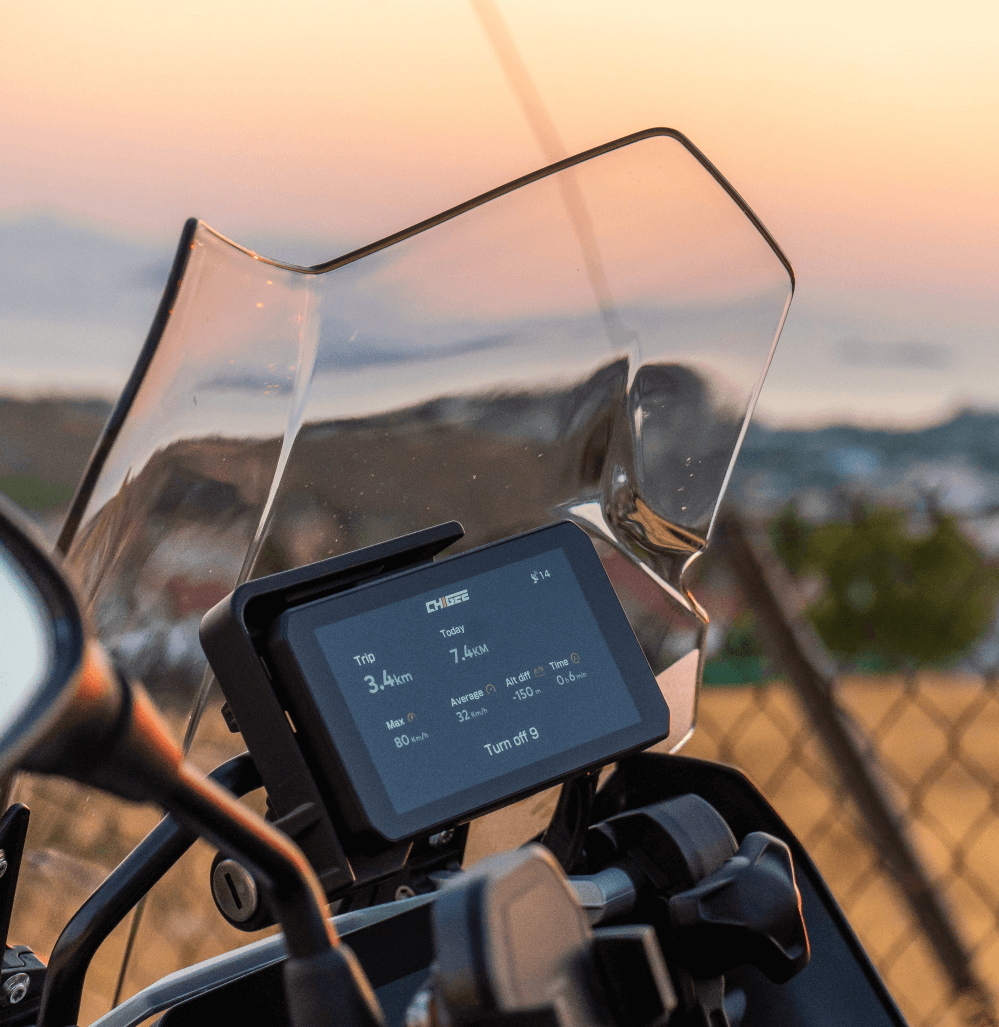
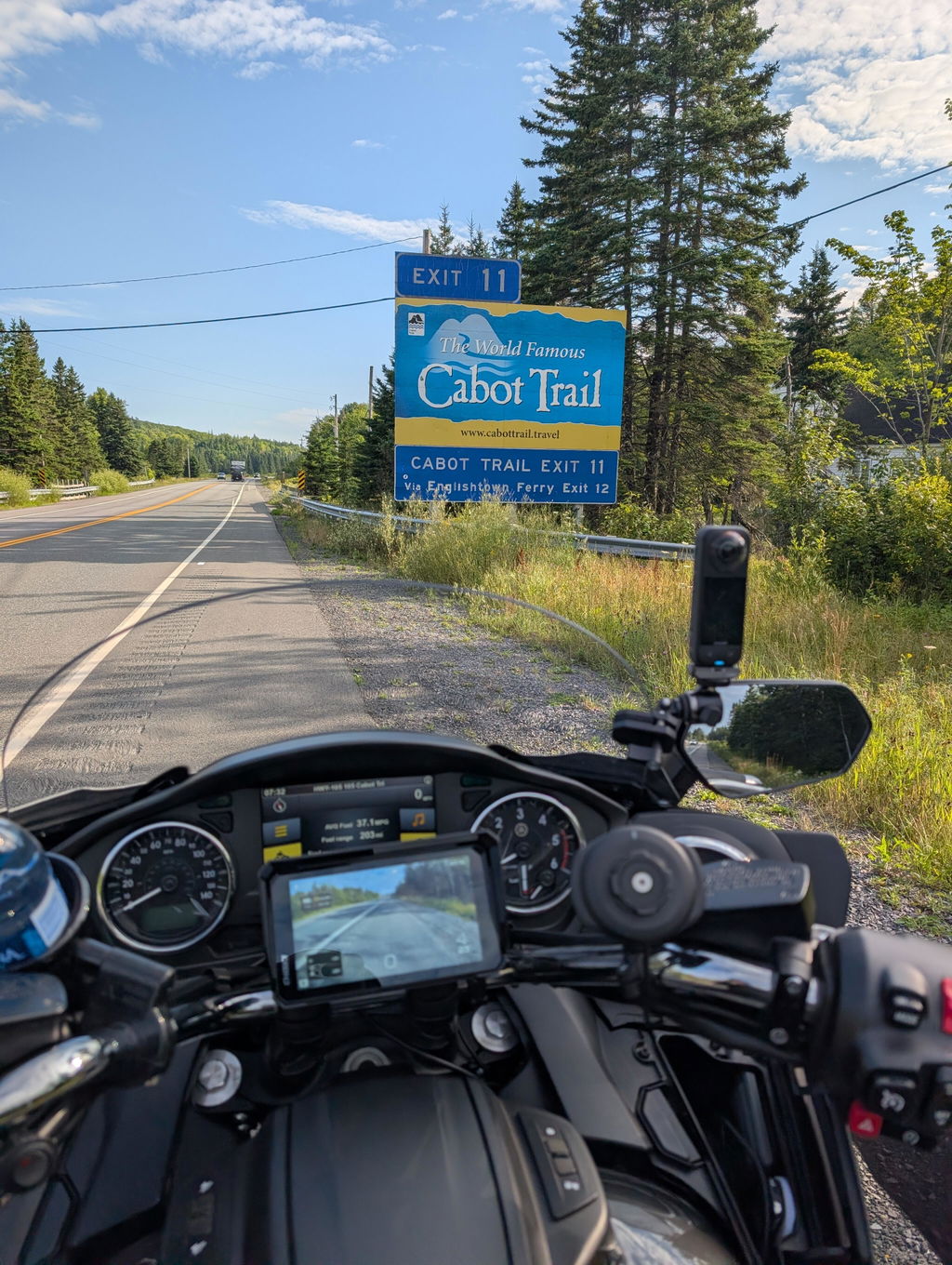
Out of the box, the AIO-6 ships with a standard handlebar mount that works well for most bikes. It’s simple, stable, and gives you a starting point for getting the screen onto your cockpit. Riders who want a cleaner fit, extra flexibility, or integration with factory systems can upgrade with dedicated modules and brackets.
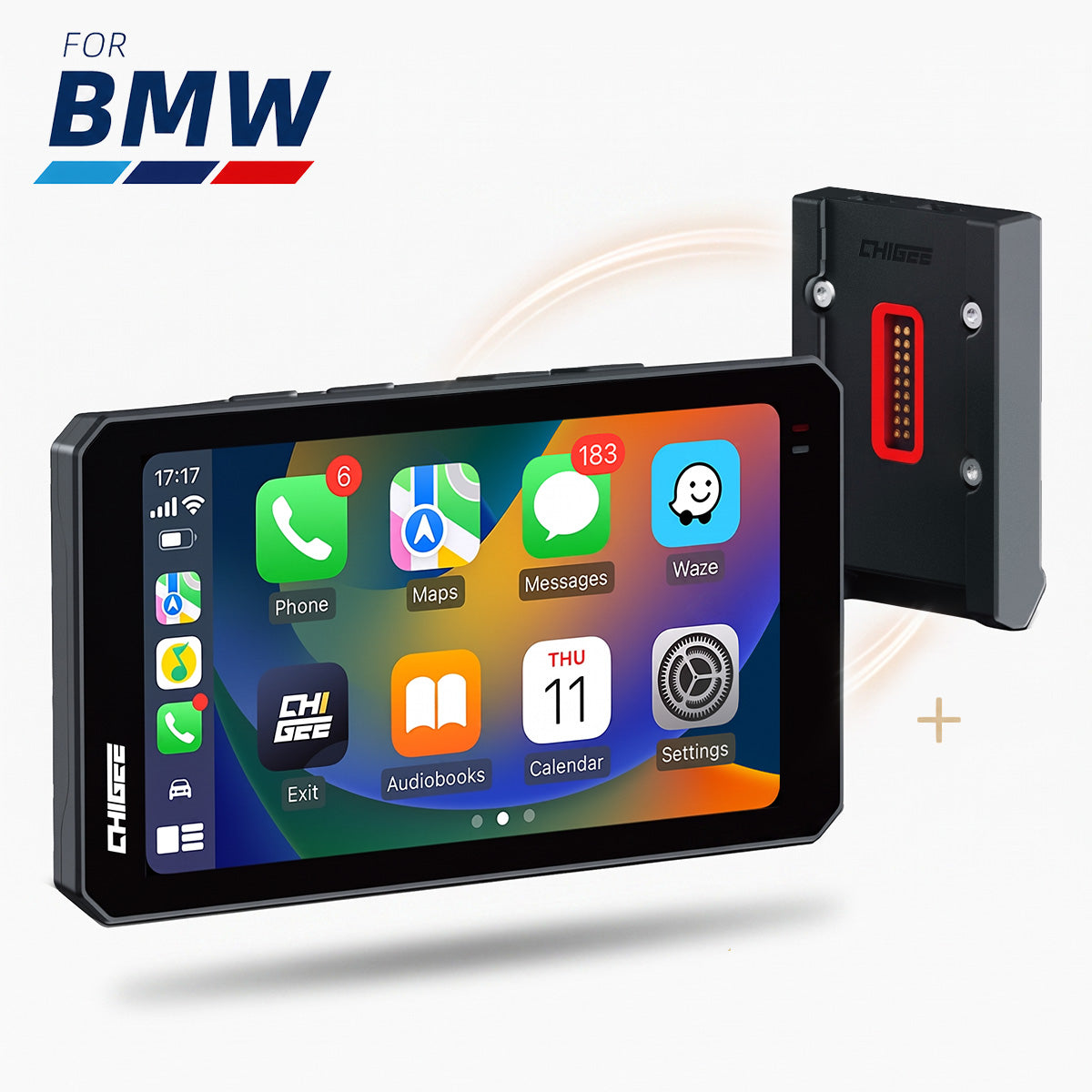
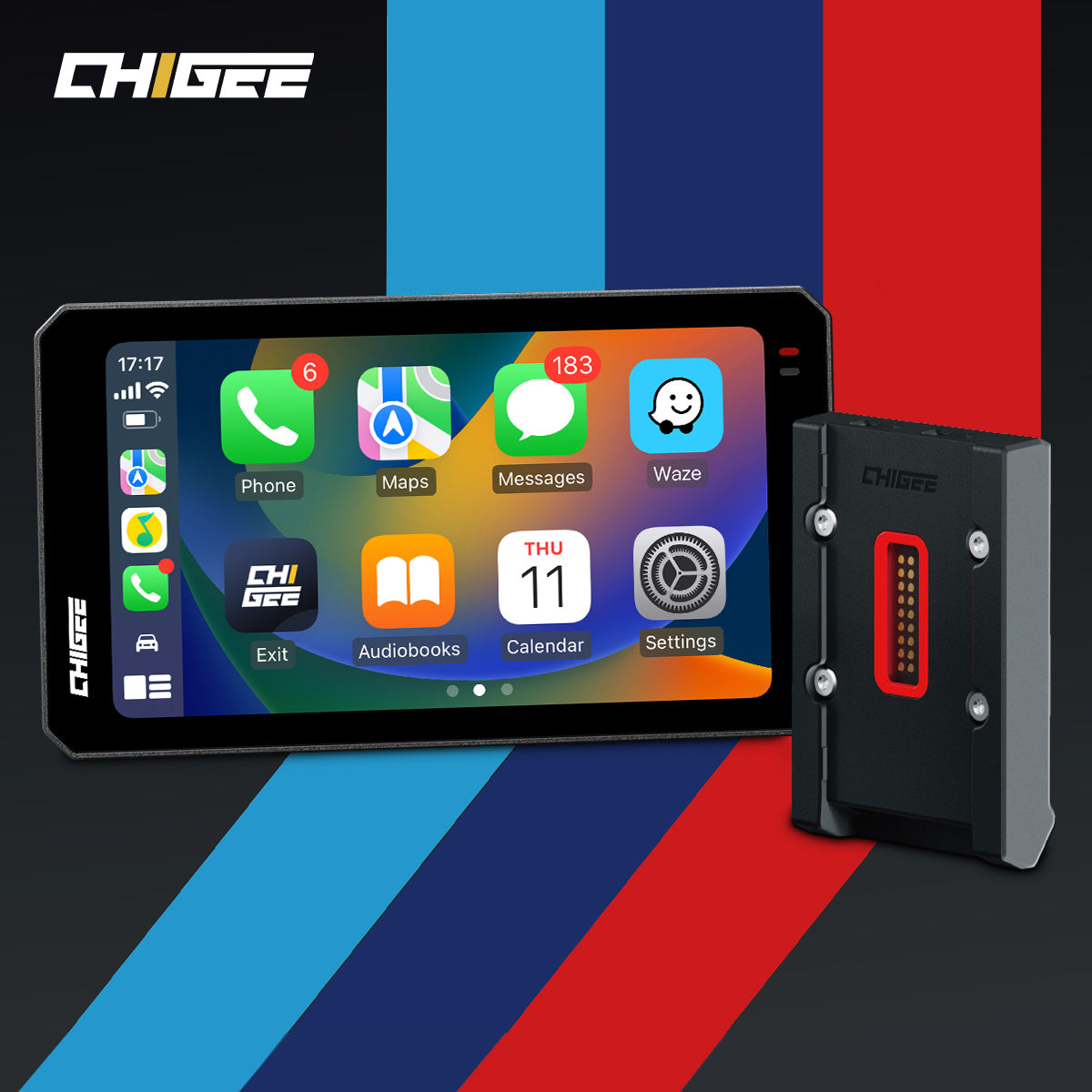
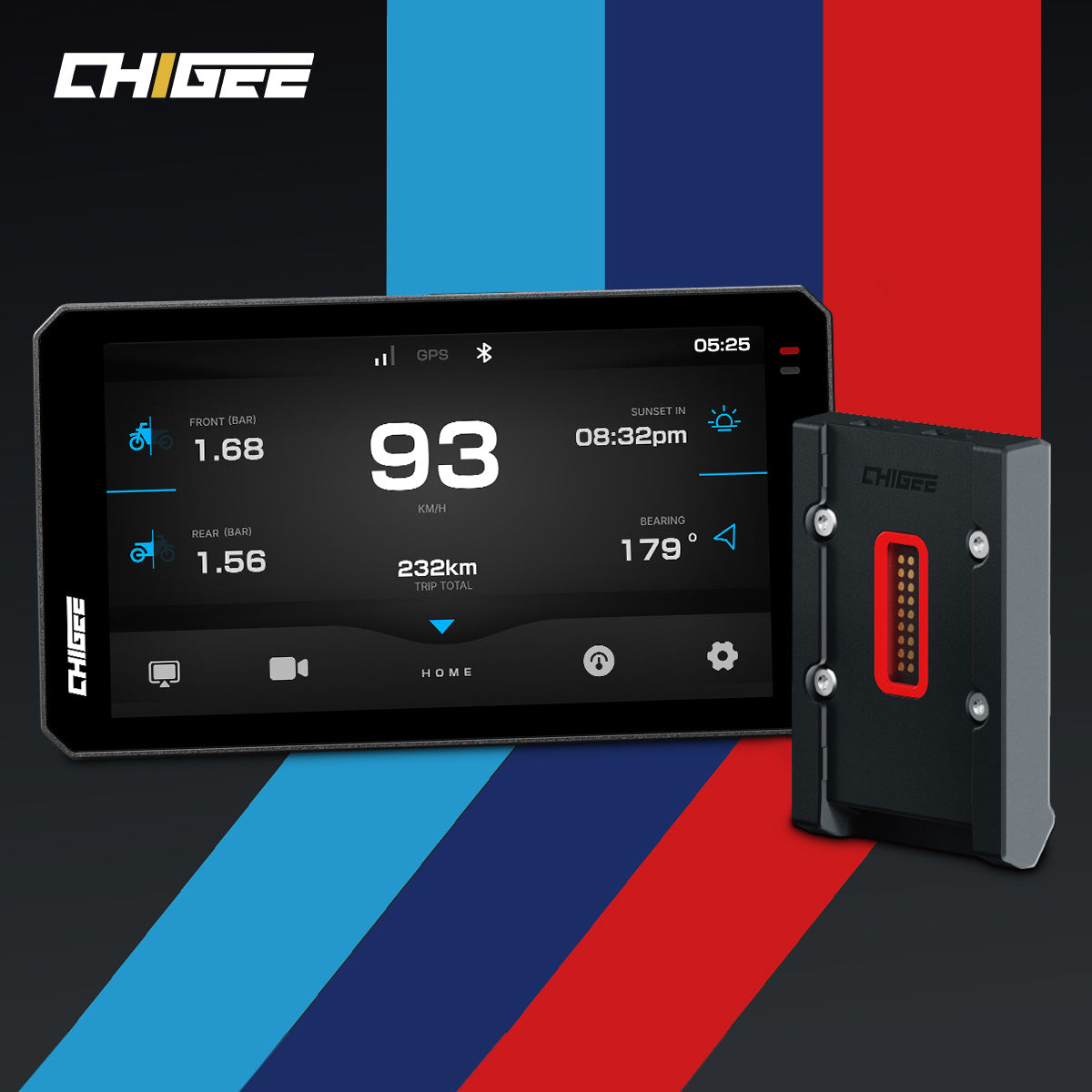
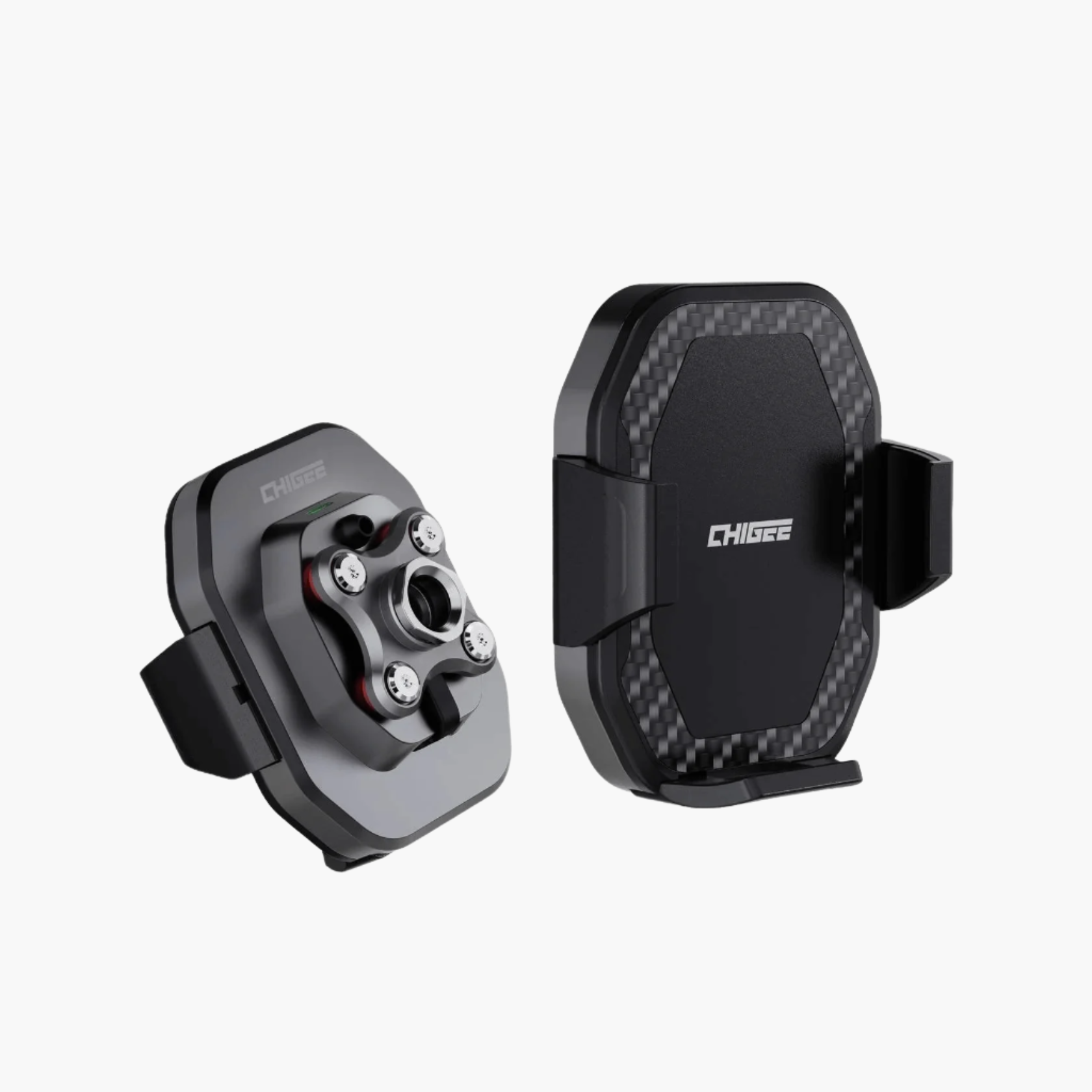
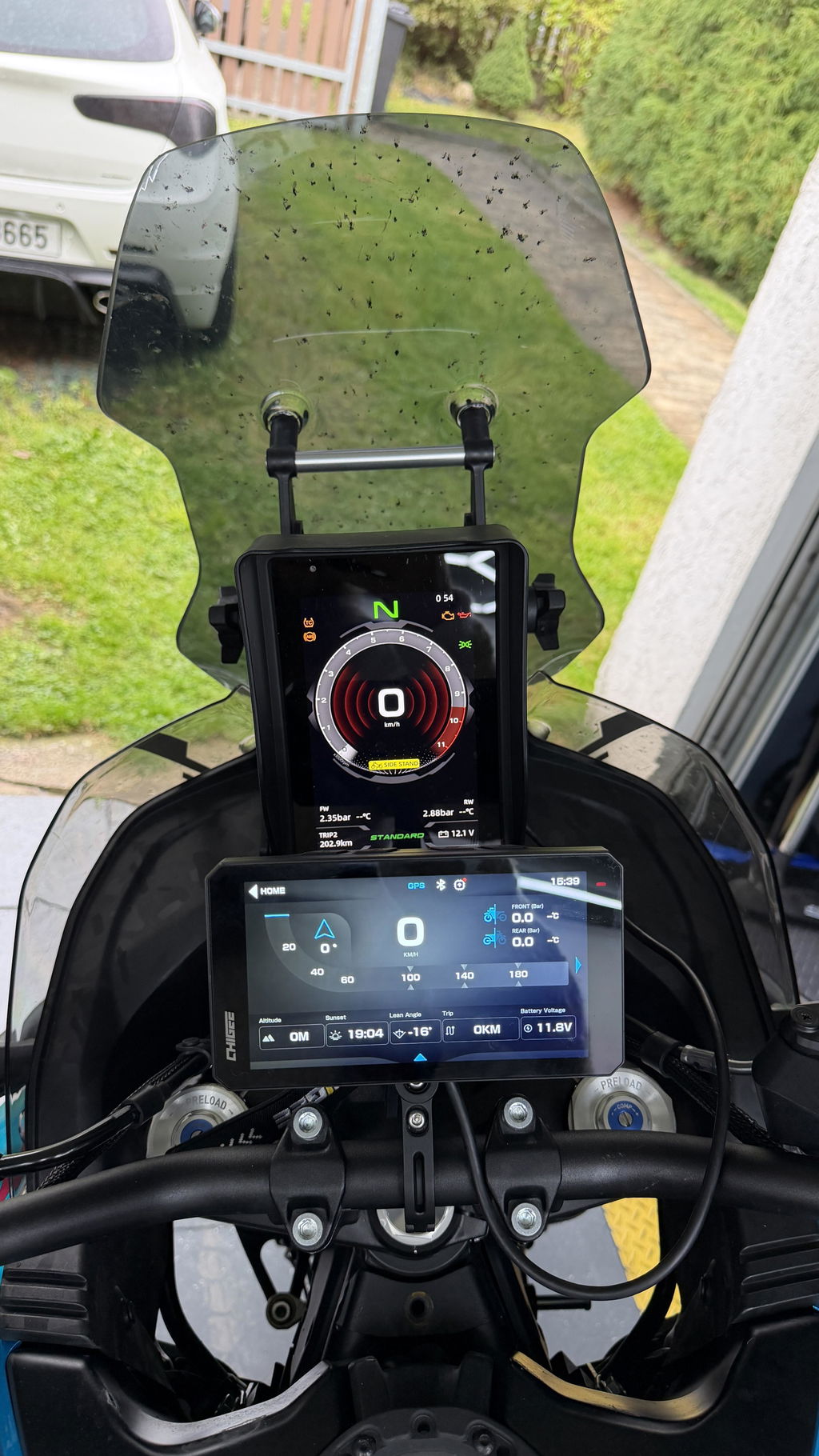
For BMW riders with Nav Prep, the BMW Quick-Release Module adapts the AIO-6 to the Navigator 5/6 cradle. It clicks straight into place, uses the factory power and data pins, and even unlocks Wonder Wheel control on many models. It’s the most seamless way to run Apple CarPlay or Android Auto while keeping the cockpit tidy.
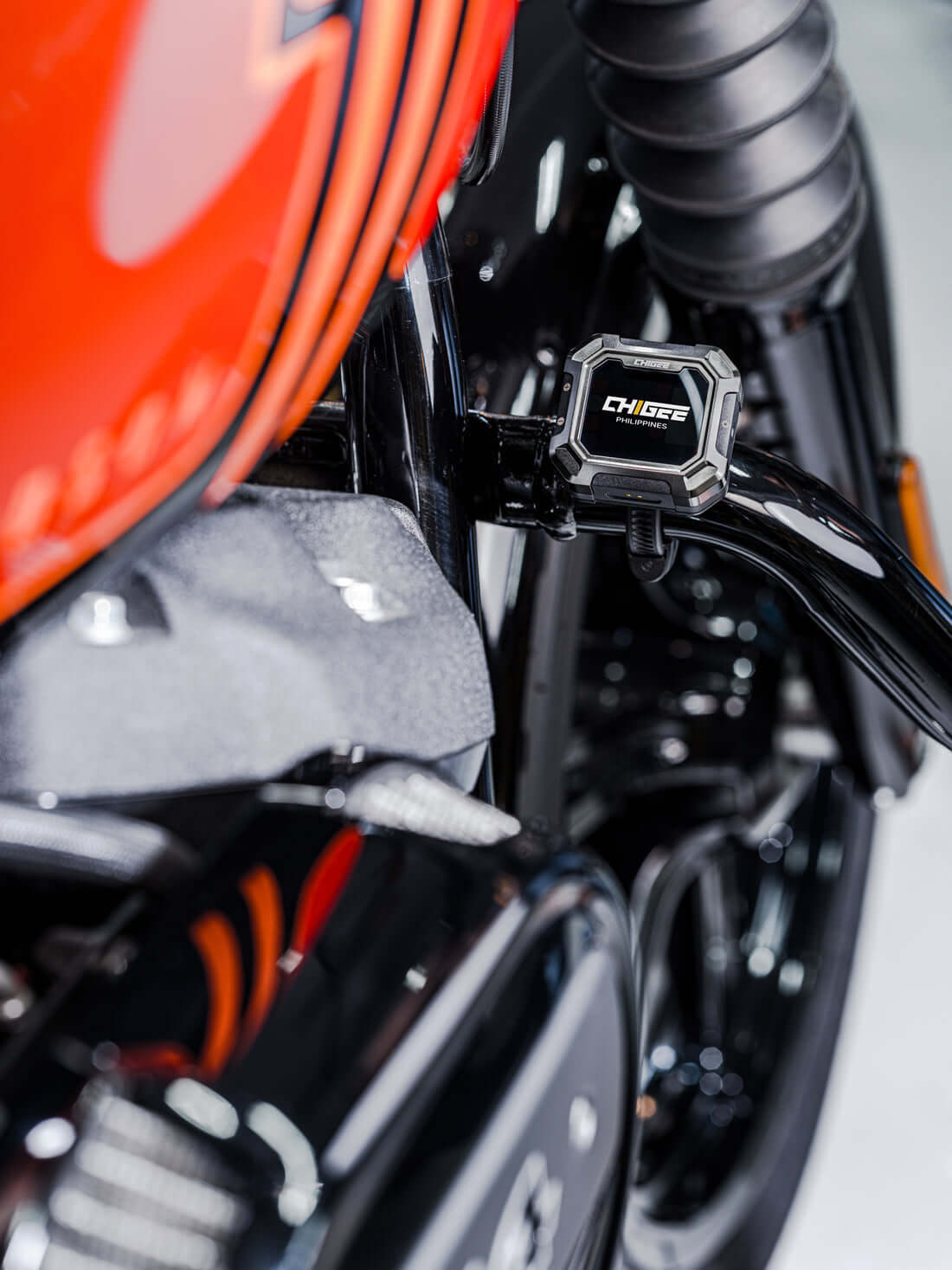
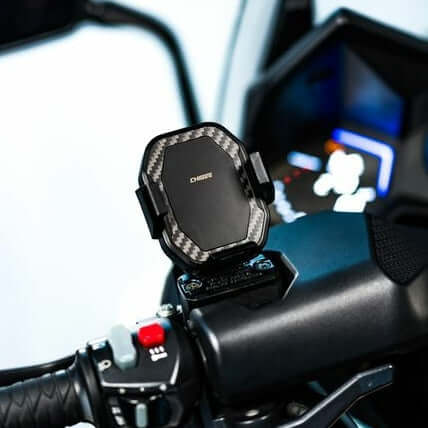
Everyone else has options through the CG Quick-Release system. mounts to the back of the AIO-6. On the bike side, you use a CG quick-release base to dock the display. To set up a second motorcycle, there is a Second Motorcycle Kit that supplies the bike-side hardware only. It does not include the quick-release module for the back of the display.
The quick-release module means you can easily pop off the unit when you park your bike, but the main mount that’s wired to your bike could still be torn off (who knows why someone would want that, though!). For riders who want more protection, an anti-theft lock is available to secure the quick-release base itself to the motorcycle, preventing the entire mount from being removed.

Pop it off when you park—AIO-6’s quick-release mount and lock keep your setup safe wherever you stop. Source
There’s also a suction-cup quick-release for car use, turning the display into a versatile screen off the bike.
Positioning matters too. Riders with crossbars can choose between 22 mm or 12–16 mm mounts, while sport and naked bikes may find the fork stem mount a better fit. Yamaha TMAX owners get a dedicated bracket, and BMW RT models can be paired with an extension bracket to lift the display into better view.
Each of these solutions tackles the same challenge: putting the screen where it’s visible without blocking gauges or interfering with steering.
Frequently Asked Questions
Riders often ask about compatibility, protection, and how the AIO-6 accessories fit into daily use. This FAQ brings together the most common questions, covering screen care, storage, control options, sensors, and mounts, so you can decide which add-ons matter most for your setup.
Can I install the accessories myself or do I need a shop?
Most accessories, including screen protectors, mounts, the wireless remote, and external TPMS sensors, are designed for easy self-installation. Internal TPMS sensors may require a shop visit since the tire must be removed.

Most riders can DIY their setup—mounts, remotes, and sensors are built for easy install right at home. Source
Will adding accessories void the warranty?
No. Official accessories are designed for the AIO-6 and do not affect warranty coverage when used correctly. Just avoid using screw glue on the wireless remote, since that can cause damage not covered under warranty.
Can I use accessories from older AIO models with the AIO-6?
Most accessories designed for the AIO-5 are not compatible with the AIO-6. The newer model has different dimensions and fittings, so it requires its own dedicated accessories. Check the accessory product page for compatibility details.
Do the TPMS sensors use batteries?
Yes. External sensors use replaceable batteries and need occasional swaps, while internal sensors have fixed batteries that last for around 2-3 years; once the battery is depleted, the entire sensor must be replaced.
What happens if the SD card gets full?
The system uses loop recording, so older files are automatically overwritten when space runs out. Important clips can be locked manually so they are not deleted.
Does using the OBD module drain the battery?
No. The module has an auto power-off sleep mode that shuts it down when the engine is off, protecting the bike’s battery.
Can I swap between BMW and CG Quick-Release modules on the same AIO-6?
It is not recommended. Each swap requires unscrewing and reattaching backplates, which risks damaging the mounting points and seals. Riders with both BMW and non-BMW setups are better off dedicating one AIO-6 to each system.

Swapping mounts isn’t worth the risk—each backplate change can wear out seals meant to protect your AIO-6. Source
Is the AIO-6 waterproof?
Yes. The unit is IP69K rated for rain and road spray. Accessories like the silicone cover can add extra protection against dust and splashes when the device is left mounted outdoors.
Can the cameras record while the bike is parked?
Yes, but only with the LTE version when remote wake-up is enabled. This allows the cameras to be accessed from your phone even if the bike is not running.








1 comment
Mike M
Excellent article breaking down how the various accessories work together.
Leave a comment
All comments are moderated before being published.
This site is protected by hCaptcha and the hCaptcha Privacy Policy and Terms of Service apply.