


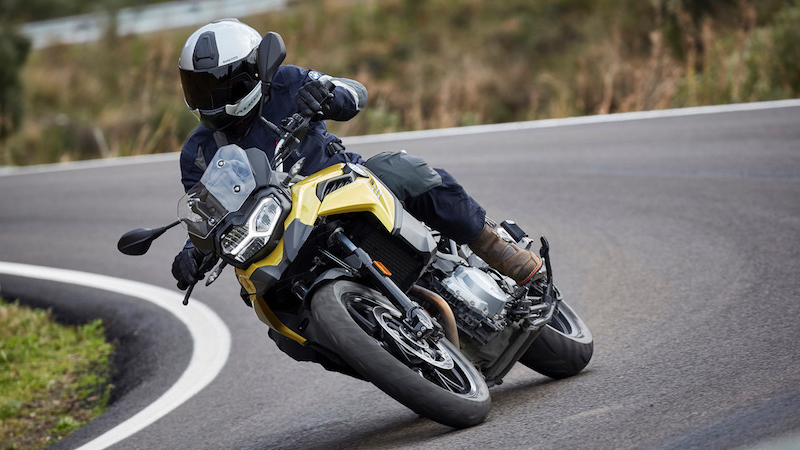
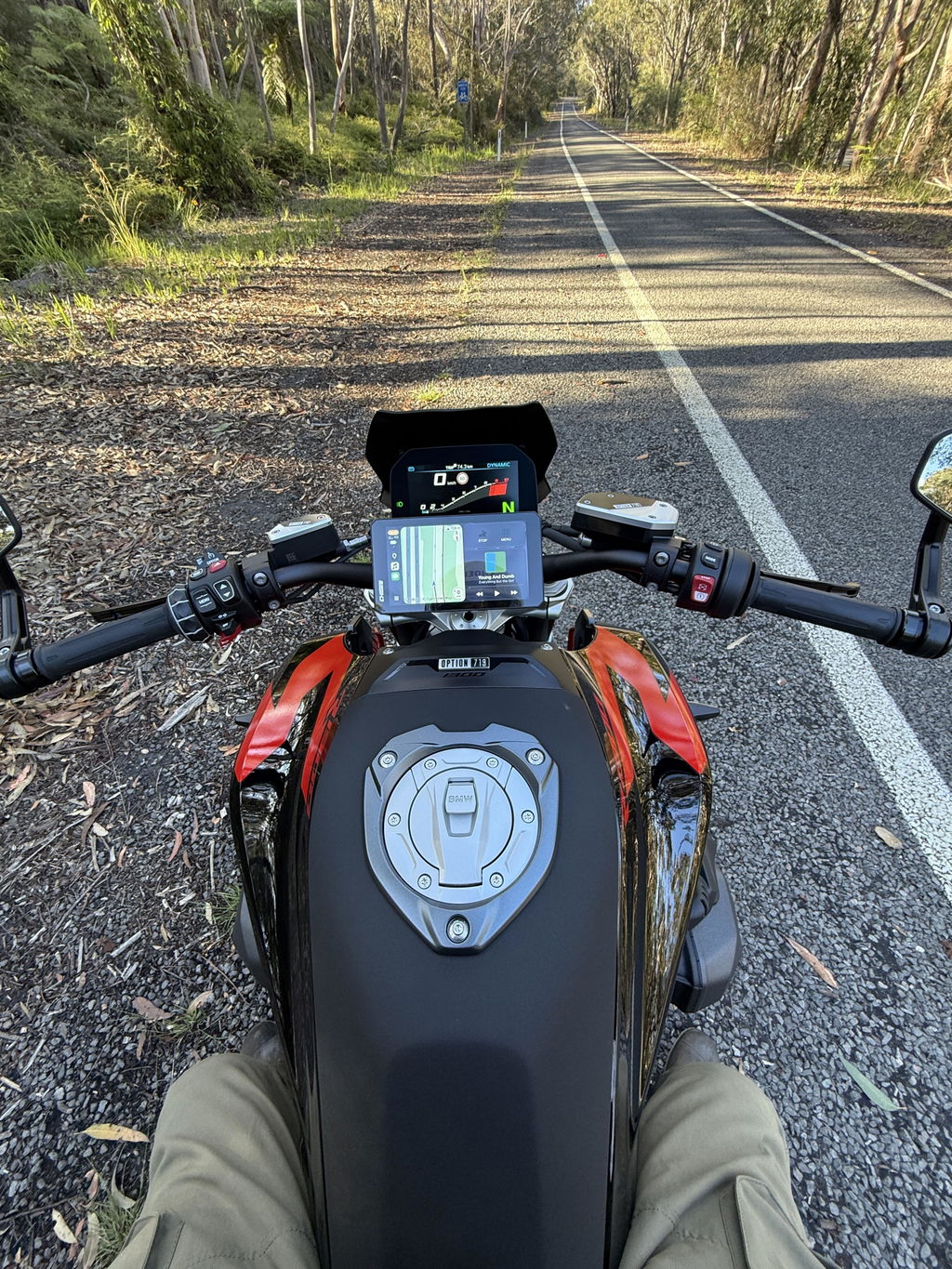
I've spent years moving through different bikes, but BMW is where I landed twice: a 2021 F750 GS 40th Anniversary Edition, and now, a 2018 S1000R. These two bikes share almost nothing in character, one built for distance and gravel, the other built to bite through corners. What connects them is the badge, and how quickly other riders recognize it on sight.
Ownership hasn't handed me anything dramatic in the way of problems. Every bike, Japanese or European, comes with its own list of quirks, and mine have stayed minor enough that I've never once doubted the brand. That track record matters more to me than any spec sheet ever could.
Before anyone gets to the emotional part of owning a BMW, the price tag forces a conversation first. Most riders start their search with Japanese brands because they're the industry's proven, affordable, easy to service default. BMW asks you to pay more upfront, and that number sets the tone for everything that follows.

Open roads, dirt trails, motorcycle meets- the R 1300 GS shows up everywhere
What the Higher Price Point Actually Buys
Checking BMW Motorrad's lineup for the first time makes the price gap obvious right away, sitting well above comparable Japanese options across almost every class. A fair rule I've settled on after owning two of these bikes: budget for roughly 50% more than a comparable Japanese motorcycle, across the purchase price and the cost of keeping it running. That premium isn't just a badge tax. It comes down to the materials BMW uses, the engineering behind each component, and features that competitors either skip entirely or reserve for higher trims.
A rival brand can build something that looks like a direct alternative to a given BMW model, but once you line up what's actually bolted onto each bike, the cheaper price starts making a lot more sense. Buying into BMW means buying into a specific standard of build quality, and a community that recognizes it instantly.
Maintenance, Service Intervals, and the Running Cost
Routine maintenance on a BMW doesn't look wildly different from any other bike on paper. Oil changes, brake fluid and coolant swaps, spark plugs, chain care: these all happen on the same rough schedule you'd expect anywhere else. What changes is the bill. Parts and labor both carry a BMW markup, so the same oil change that costs a certain amount on a Japanese bike climbs noticeably once you're paying dealer rates for BMW specific fluids and filters.
Certain models add their own wrinkles too. My S1000R calls for a valve clearance inspection around the 30,000 km mark, a heavier maintenance item that comes with owning a more heavily engineered machine built for that level of performance. It isn't a hidden cost as much as an expected one, and knowing it's coming makes it far easier to plan around.

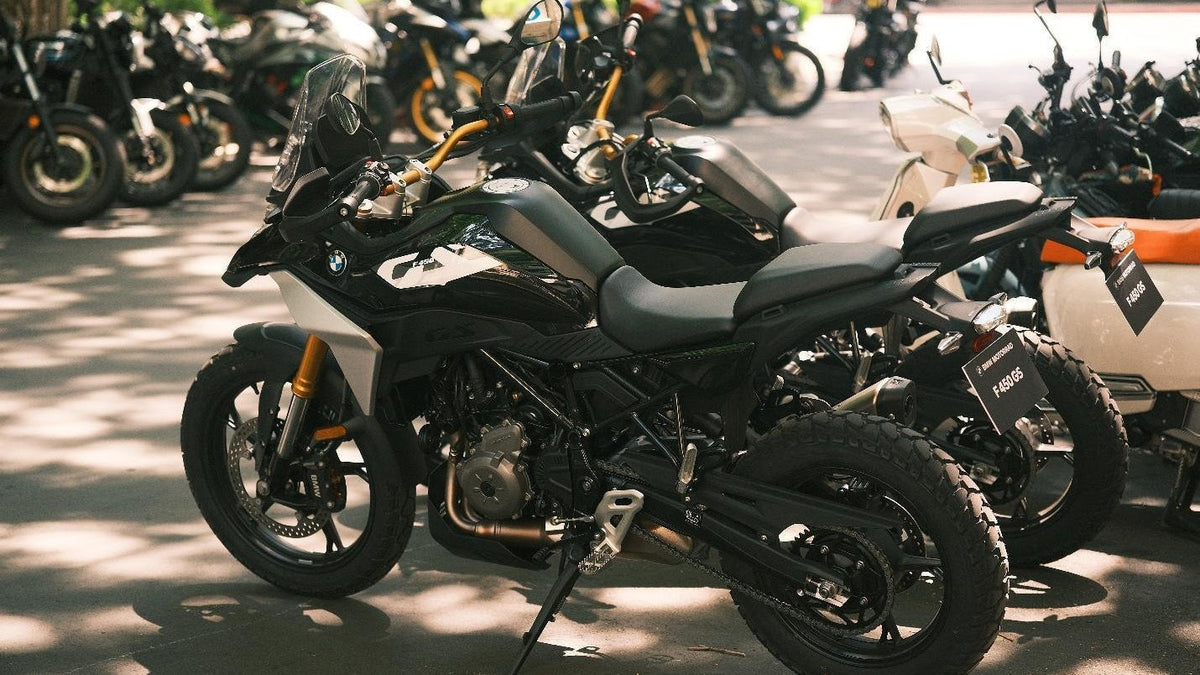
The BMW F 450 GS : new displacement, new class, a different kind of GS altogether.
Dealer Support Versus Independent Shops in the Philippines
BMW's aftersales network in the Philippines does right by its owners most of the time. Parts and service are generally available at dealerships, and when something needs to be ordered from abroad, they tend to flag it early rather than let you find out the hard way. Still, waiting weeks or months for a part isn't realistic for every rider, especially those who'd rather be riding than sidelined.
That's where the country's growing independent shop scene comes in. Rising fuel costs pushed more Filipinos toward two wheels over the past several years, and as the bigger displacement segment grew alongside it, so did the pool of independent mechanics who specialize in exactly these bikes. A good independent shop can sometimes turn a repair around in days rather than the weeks a dealership might need, simply because they keep more parts on hand and know the community's needs firsthand. The catch is that this network sits mostly around Metro Manila, so riders outside the capital may still lean on dealerships by necessity.
Upgrades, Accessories, and Where the CHIGEE AIO-5 EVO Fits In
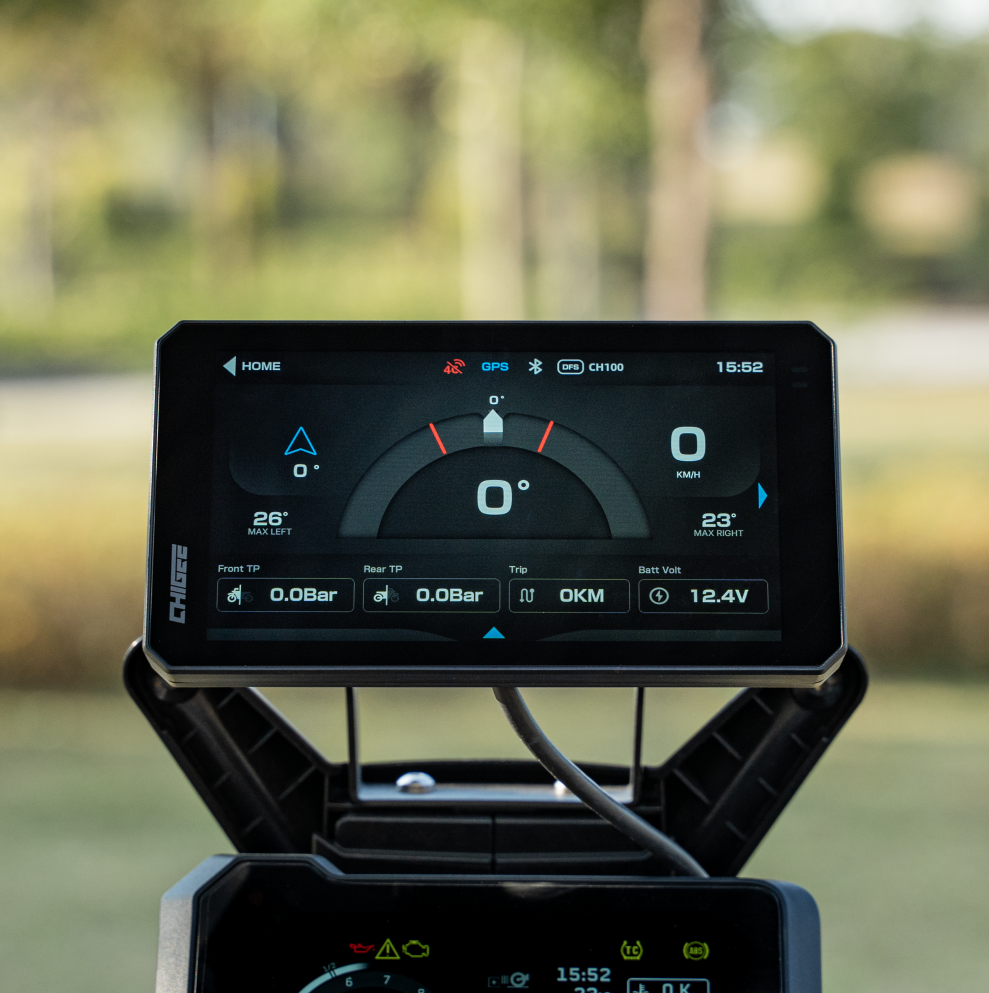
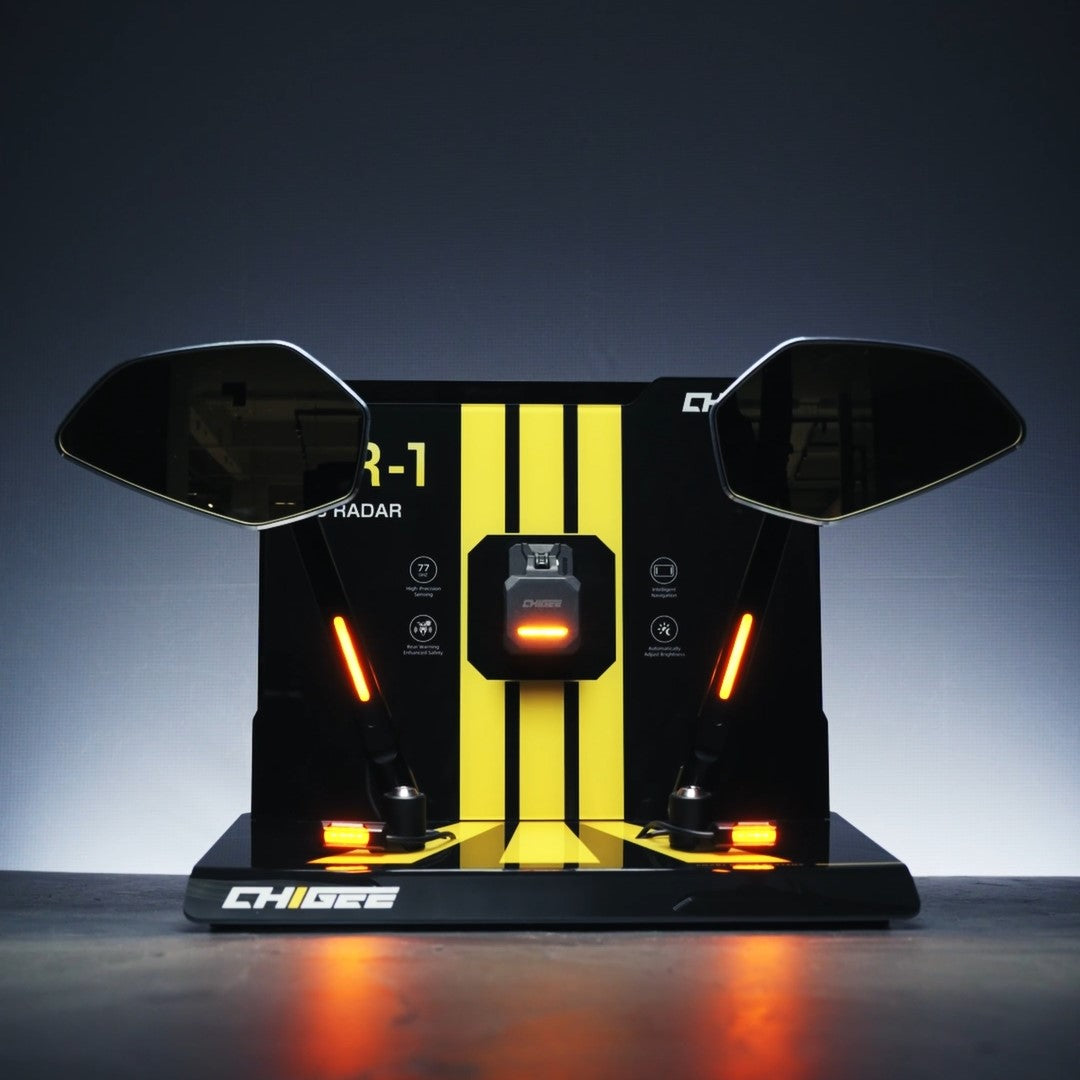
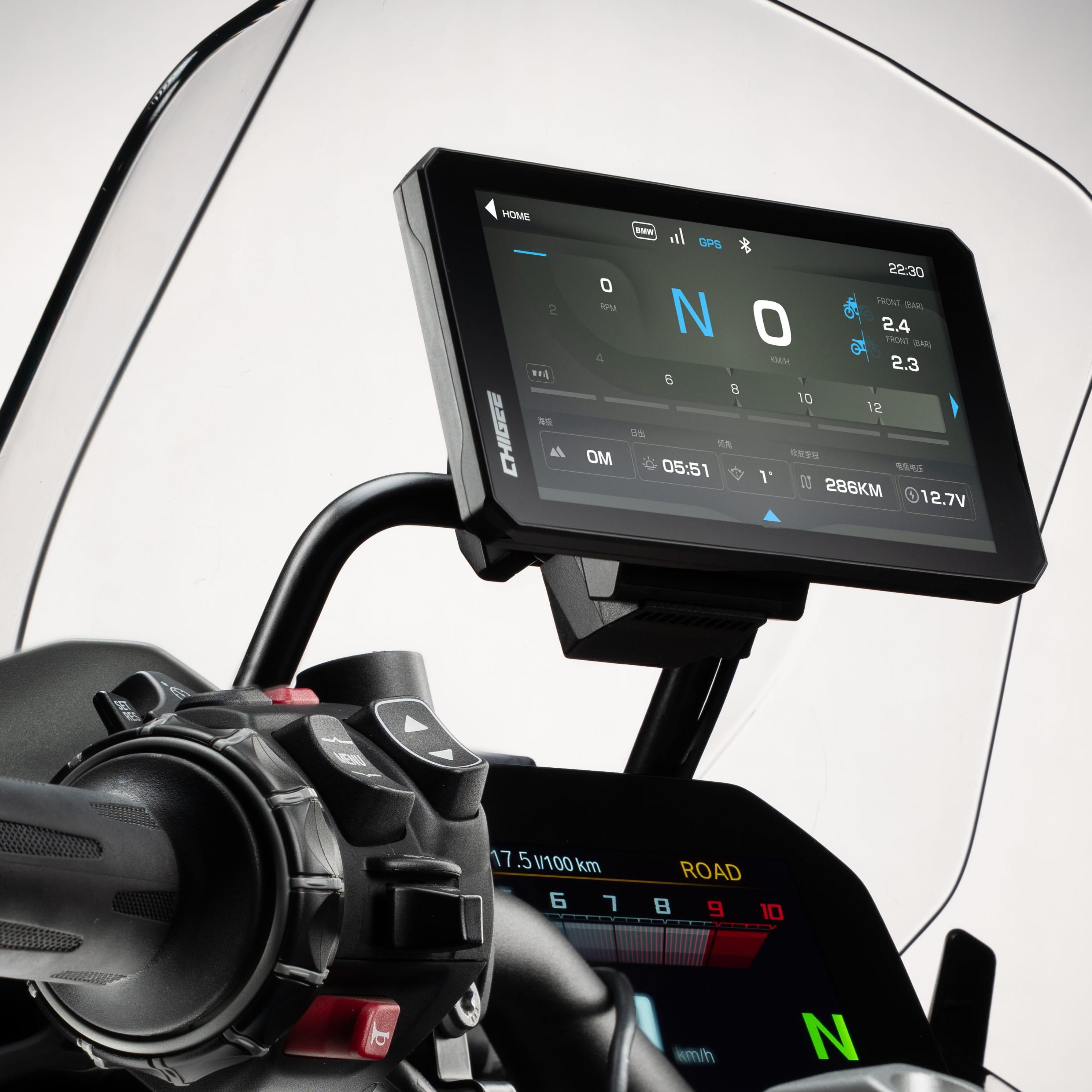
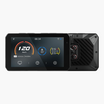
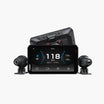
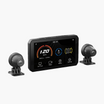
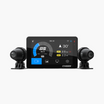
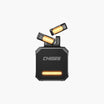
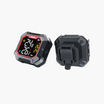
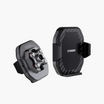
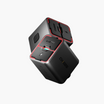
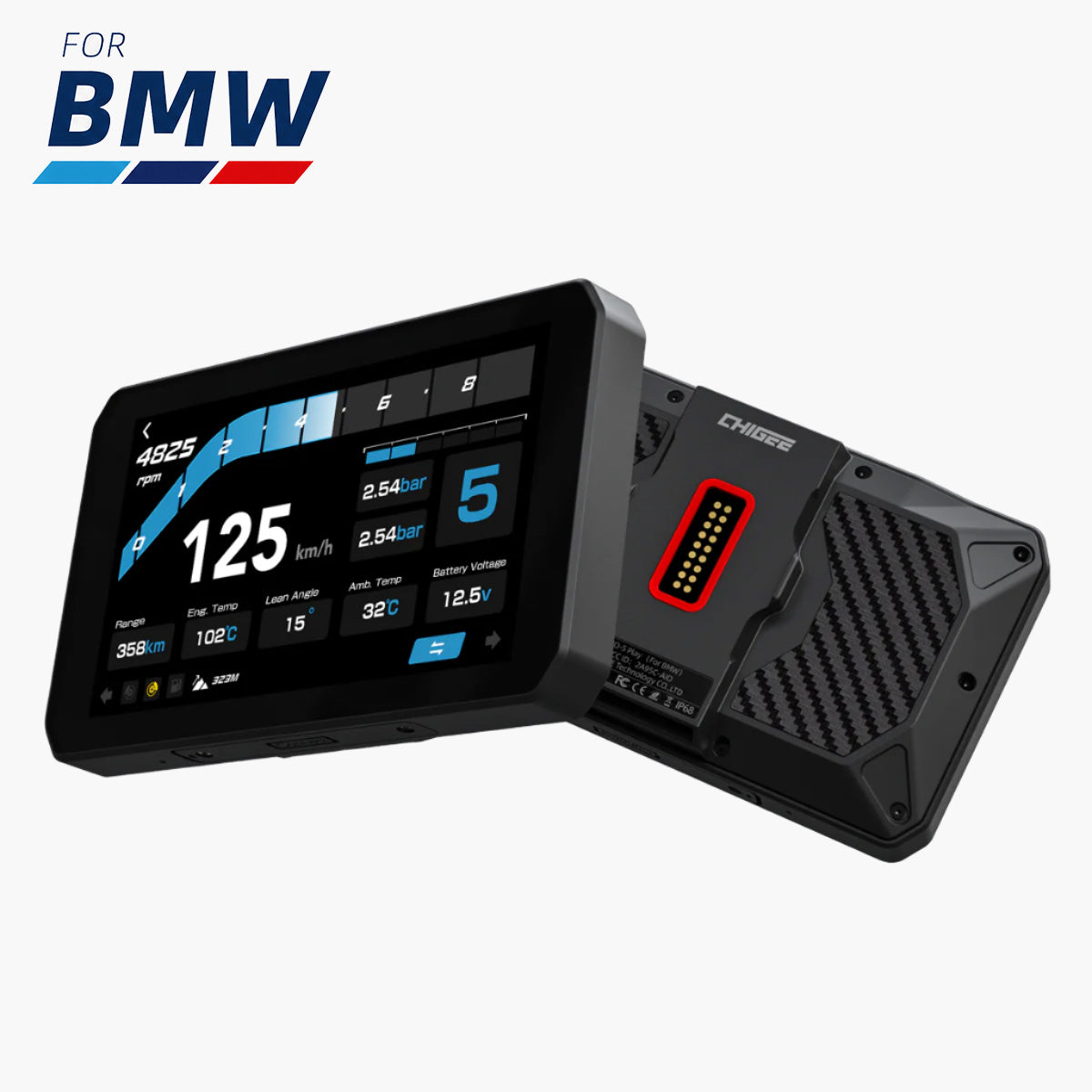
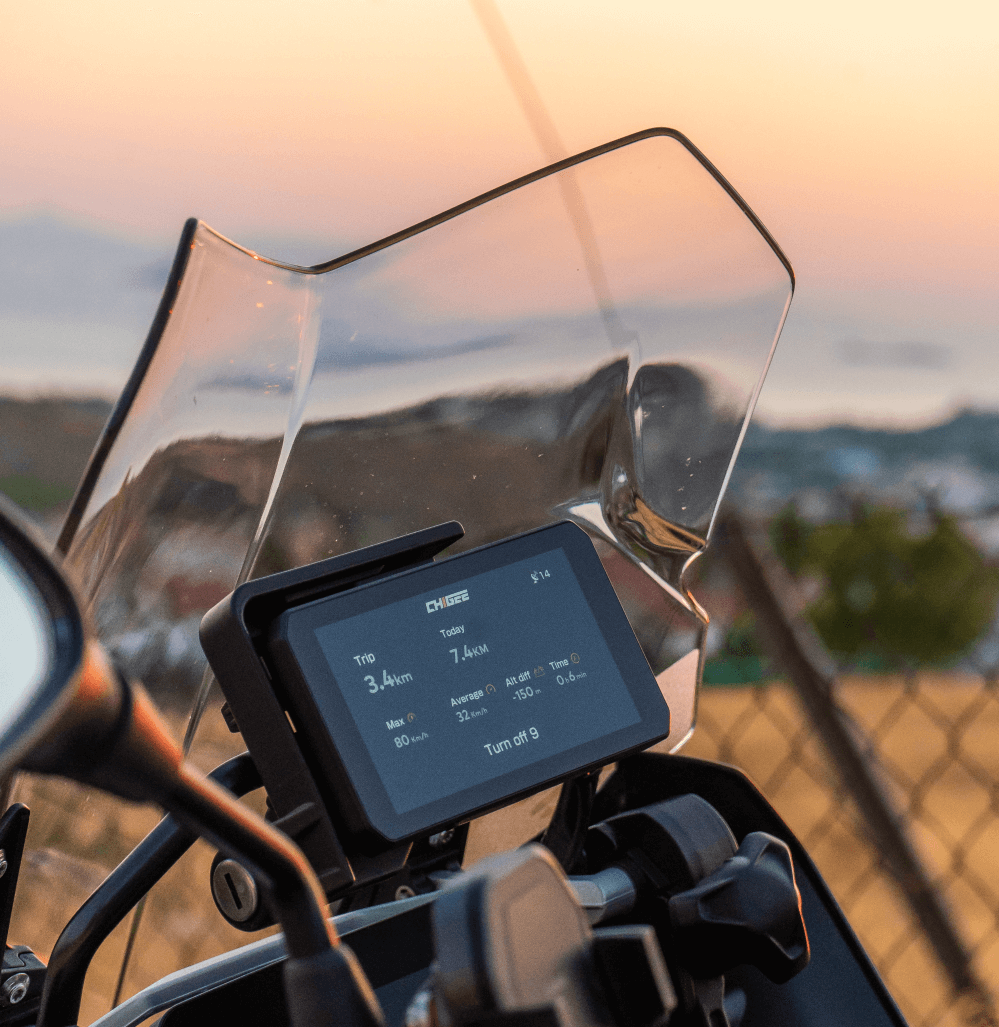
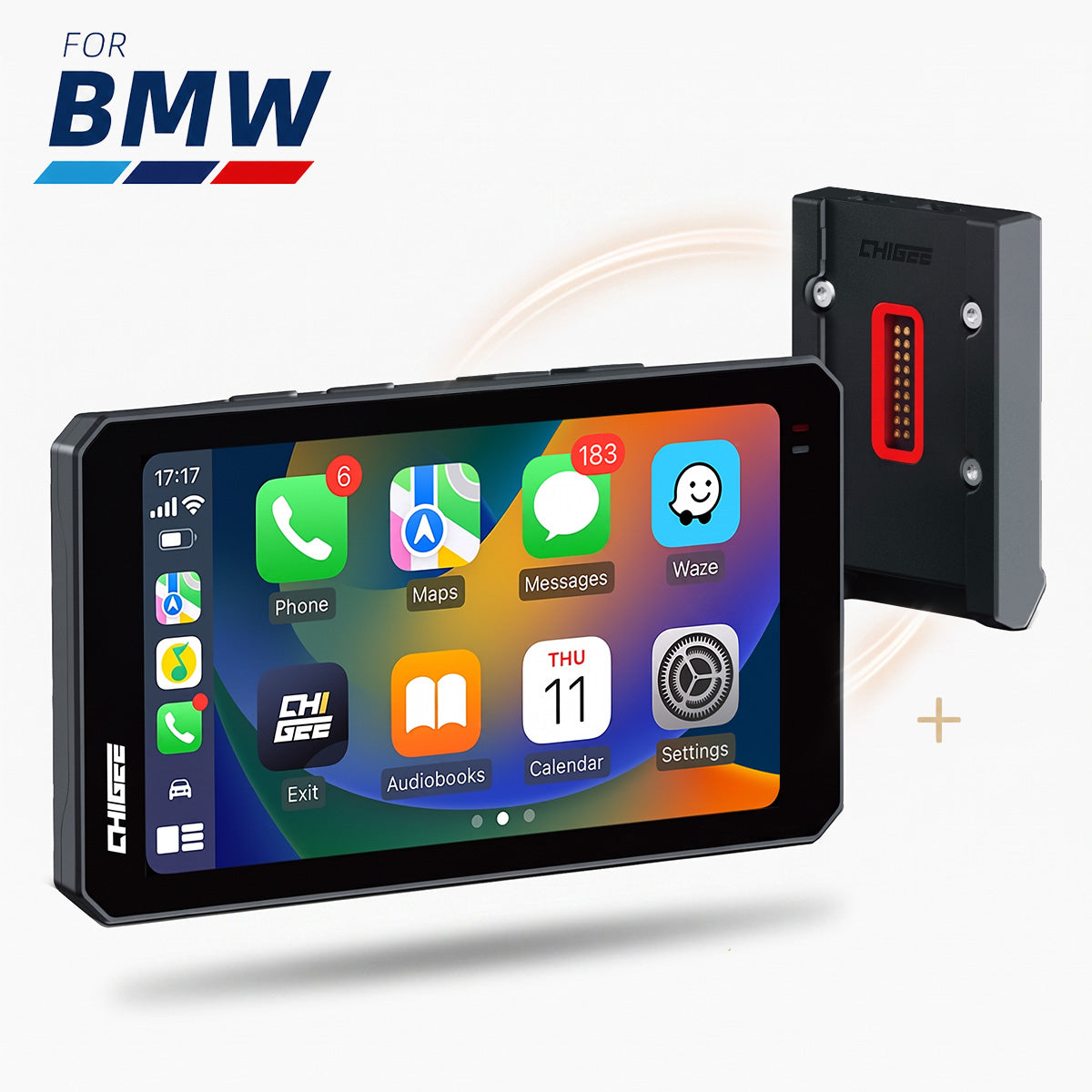
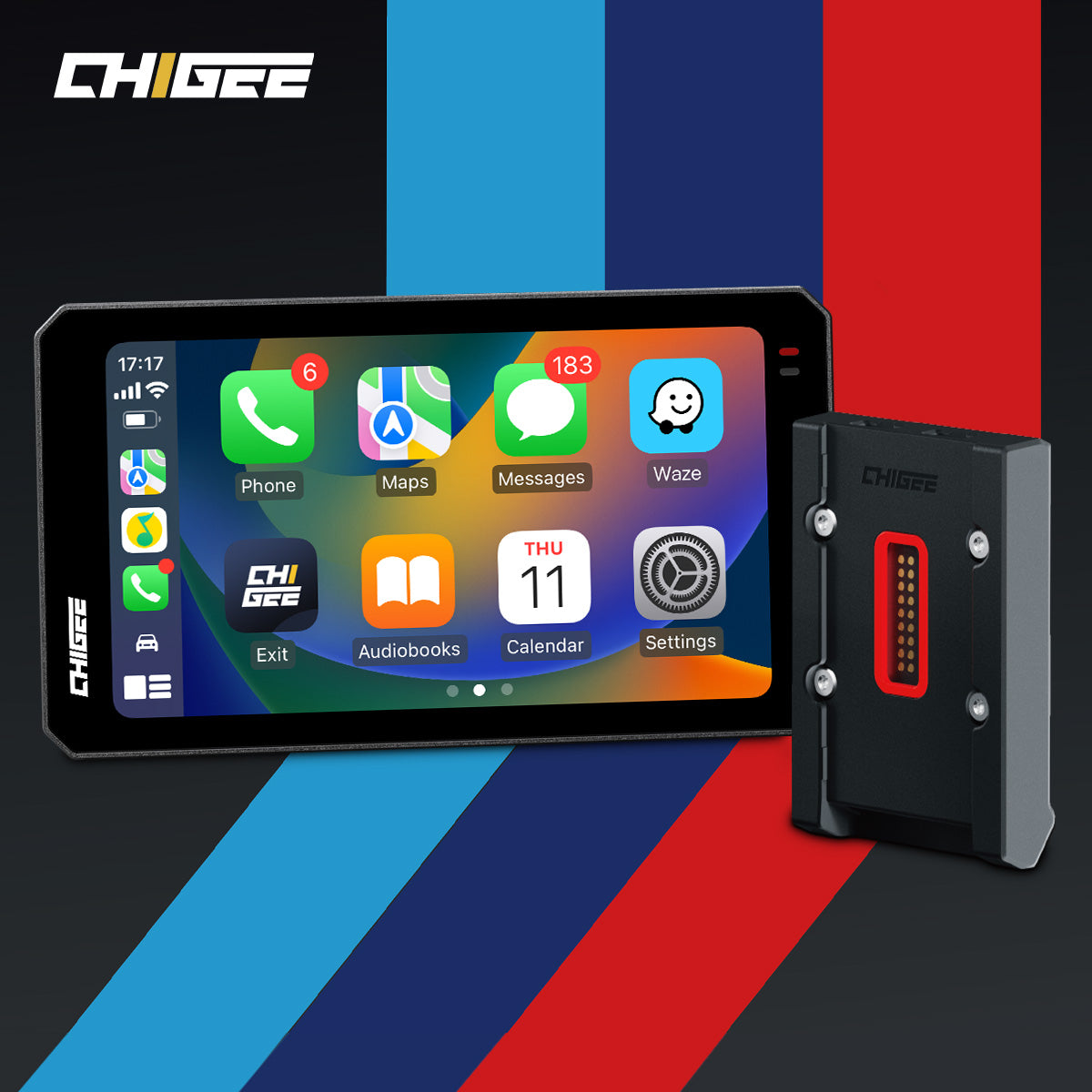
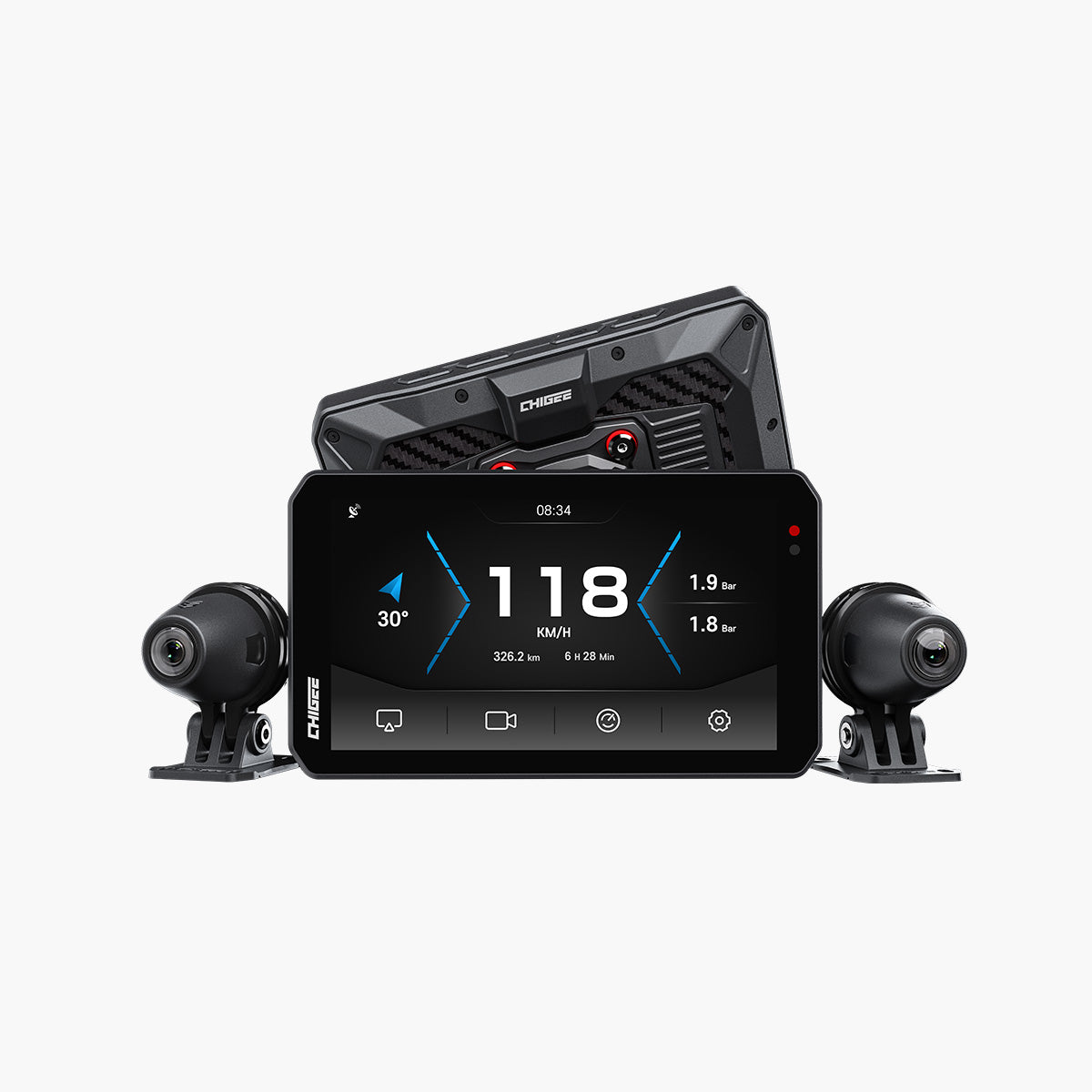
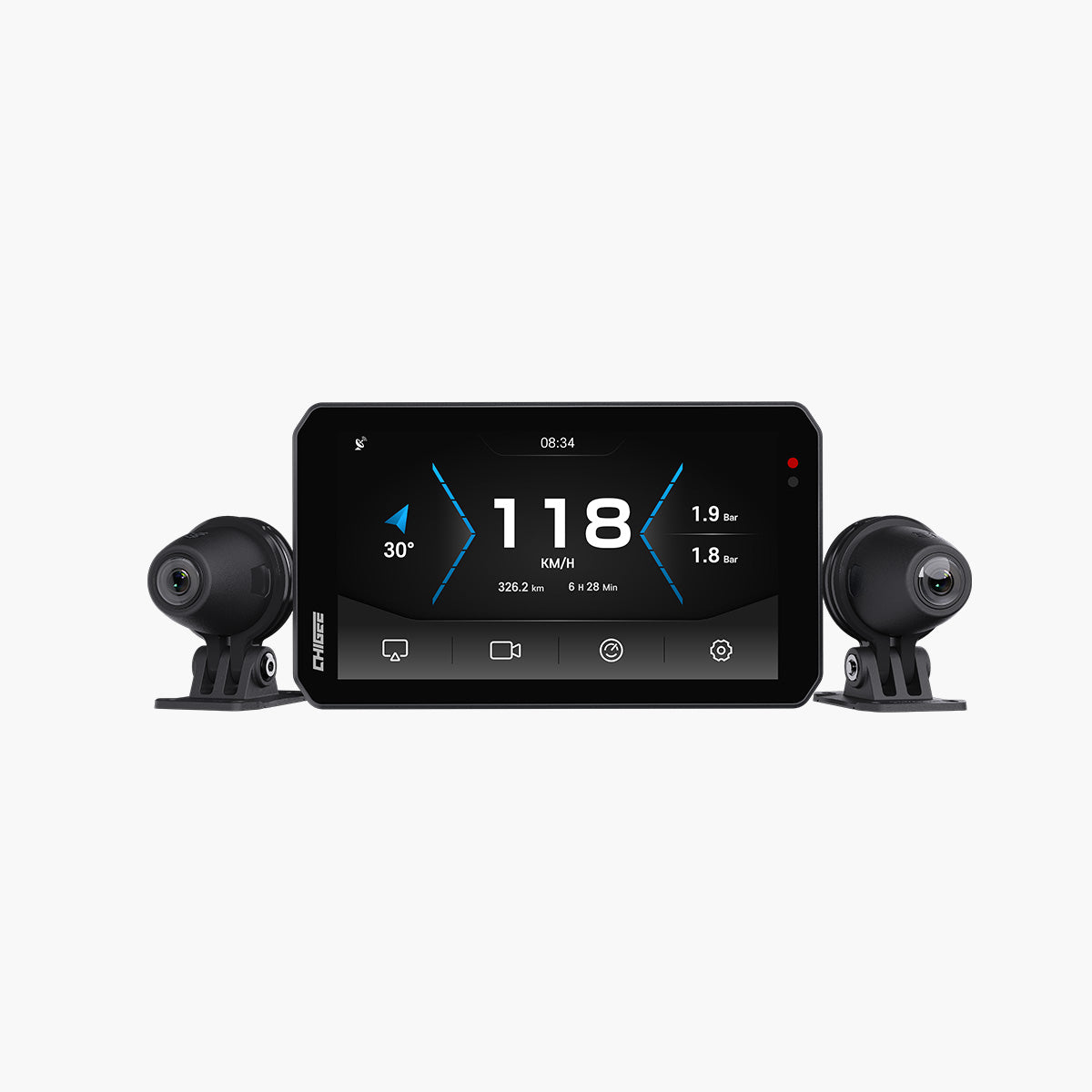
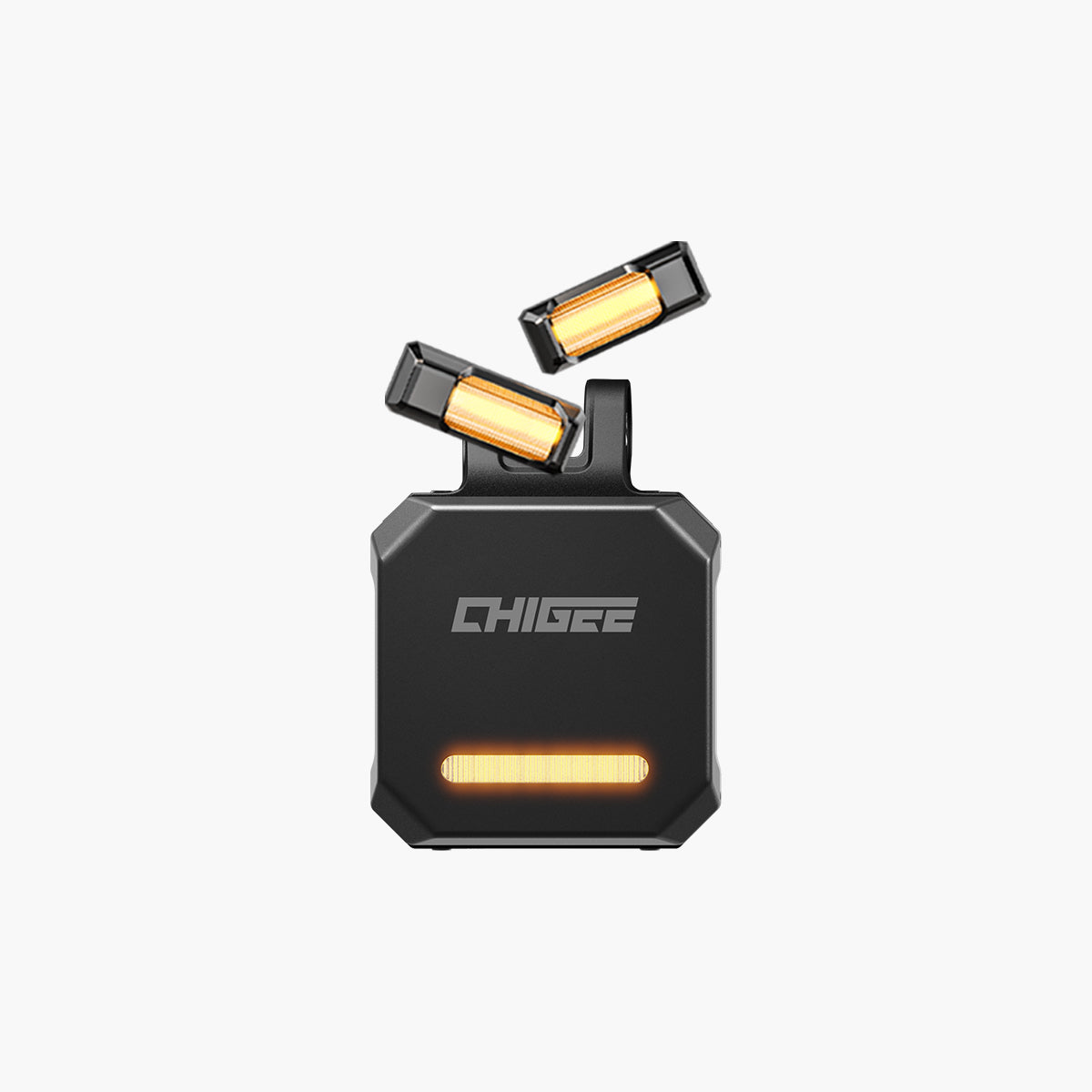
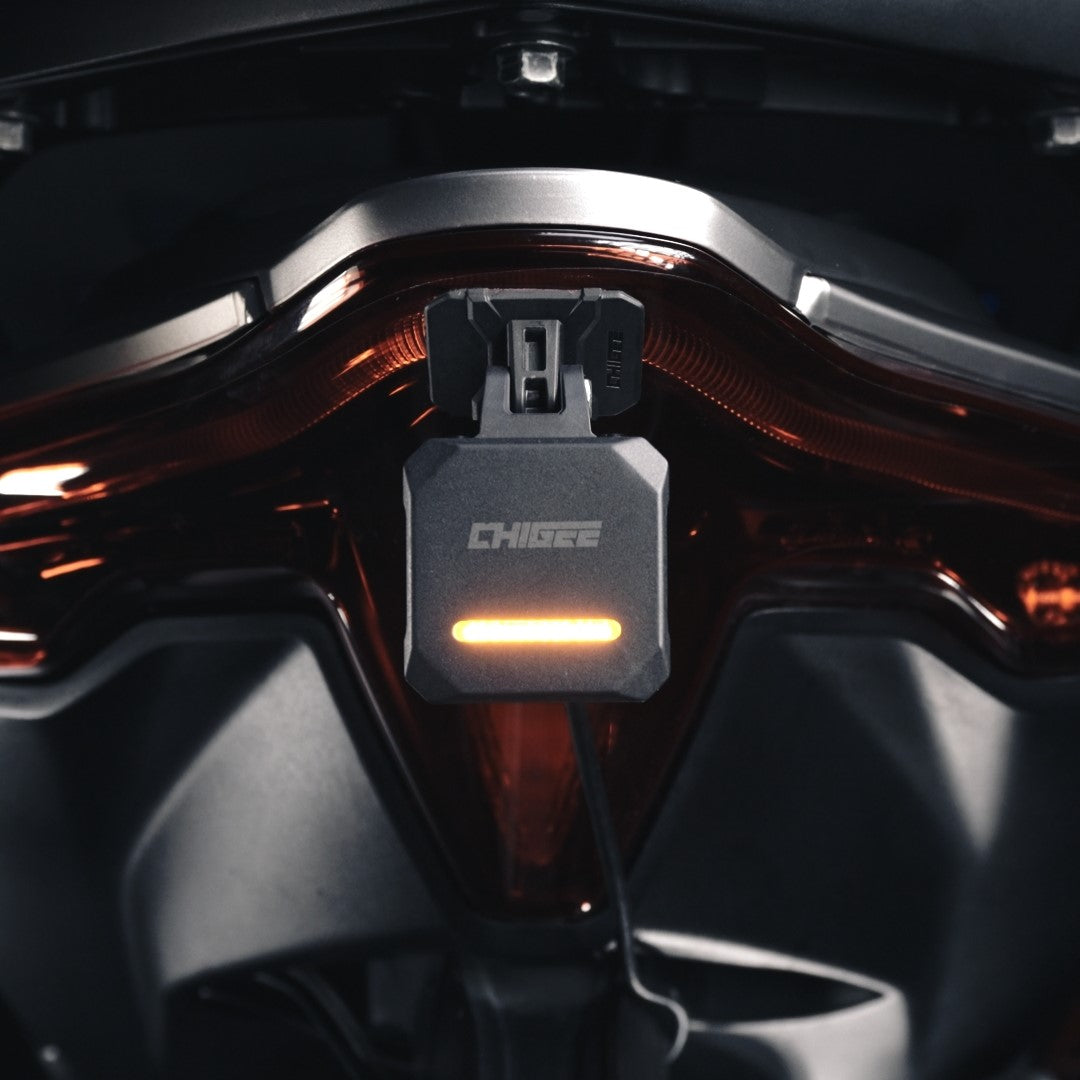
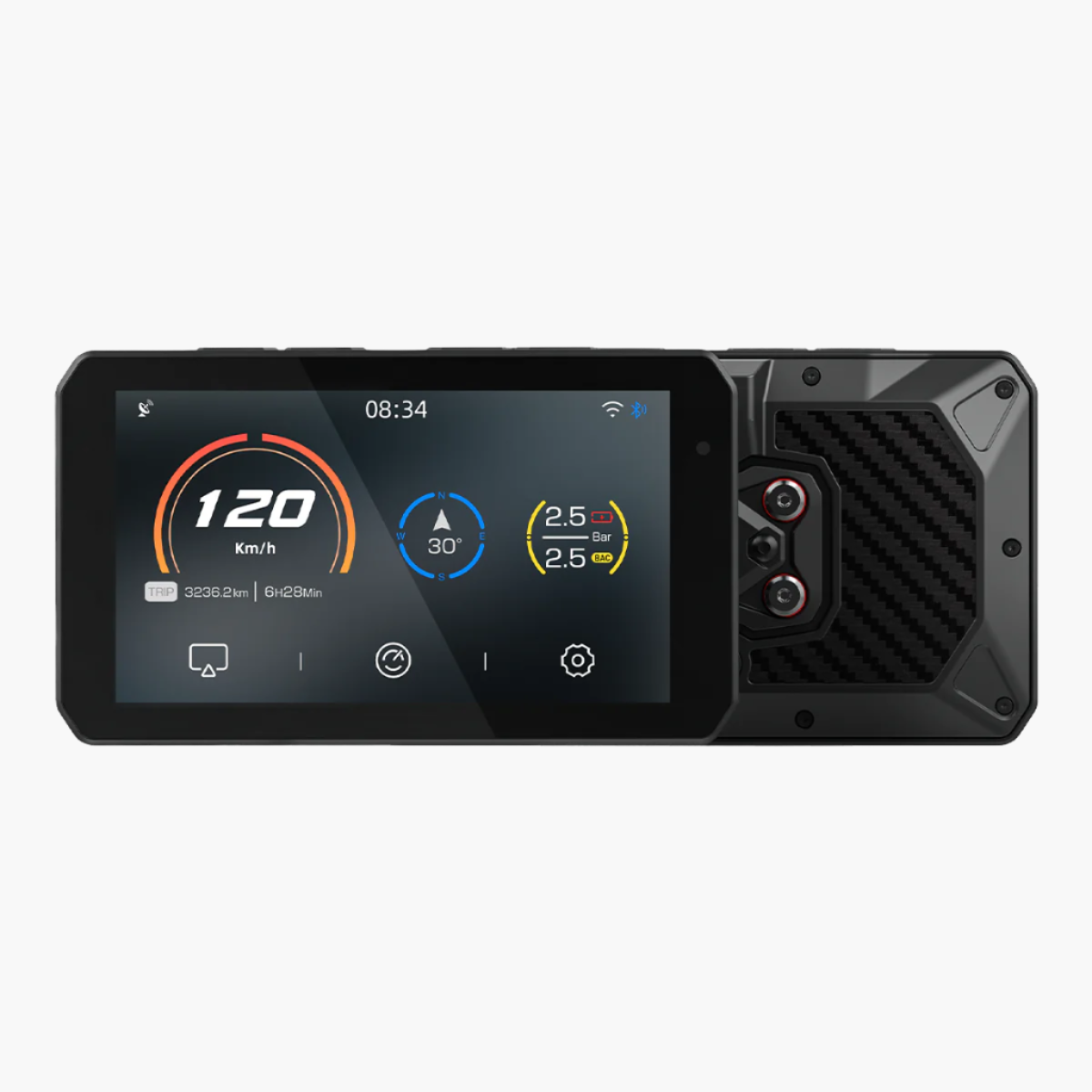
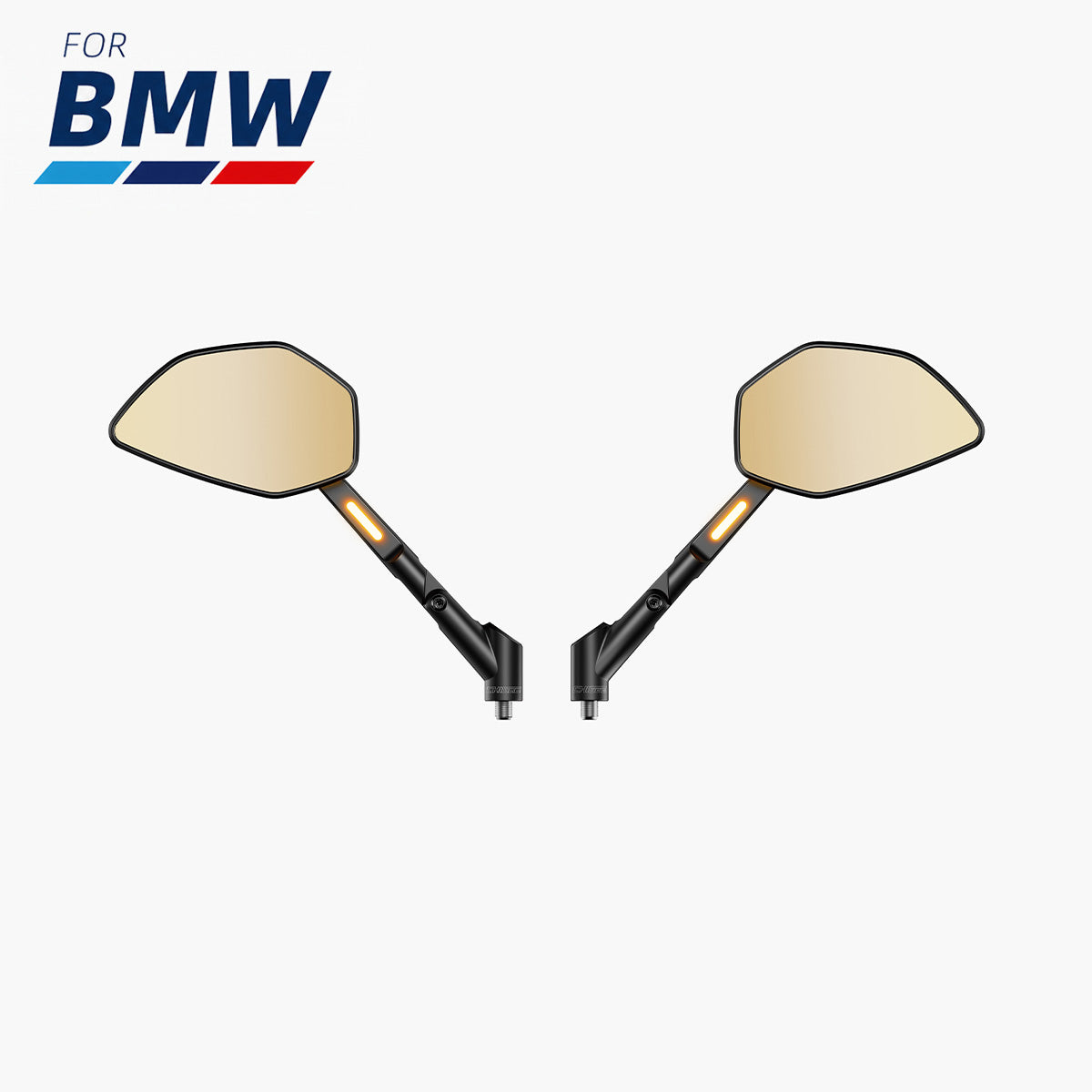
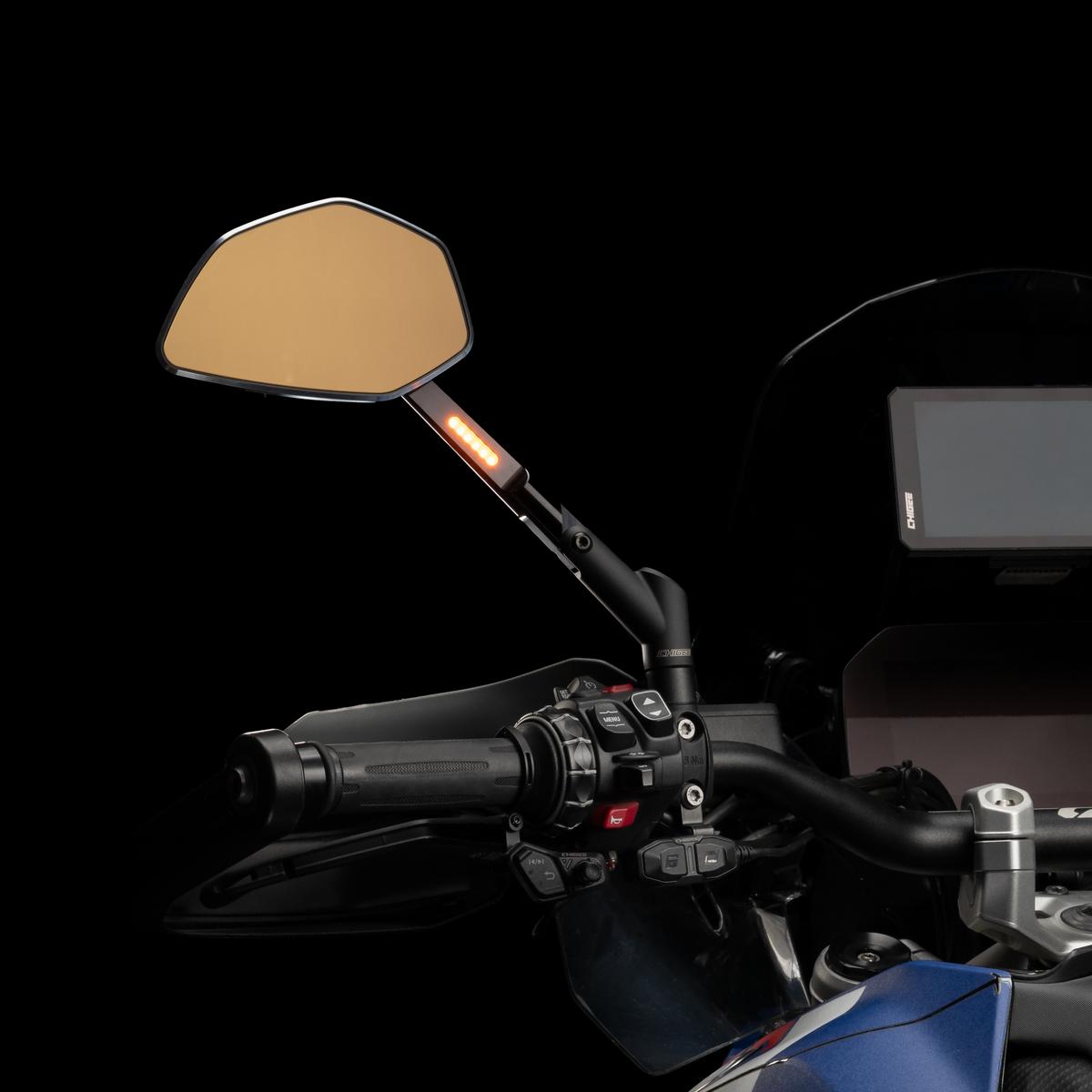
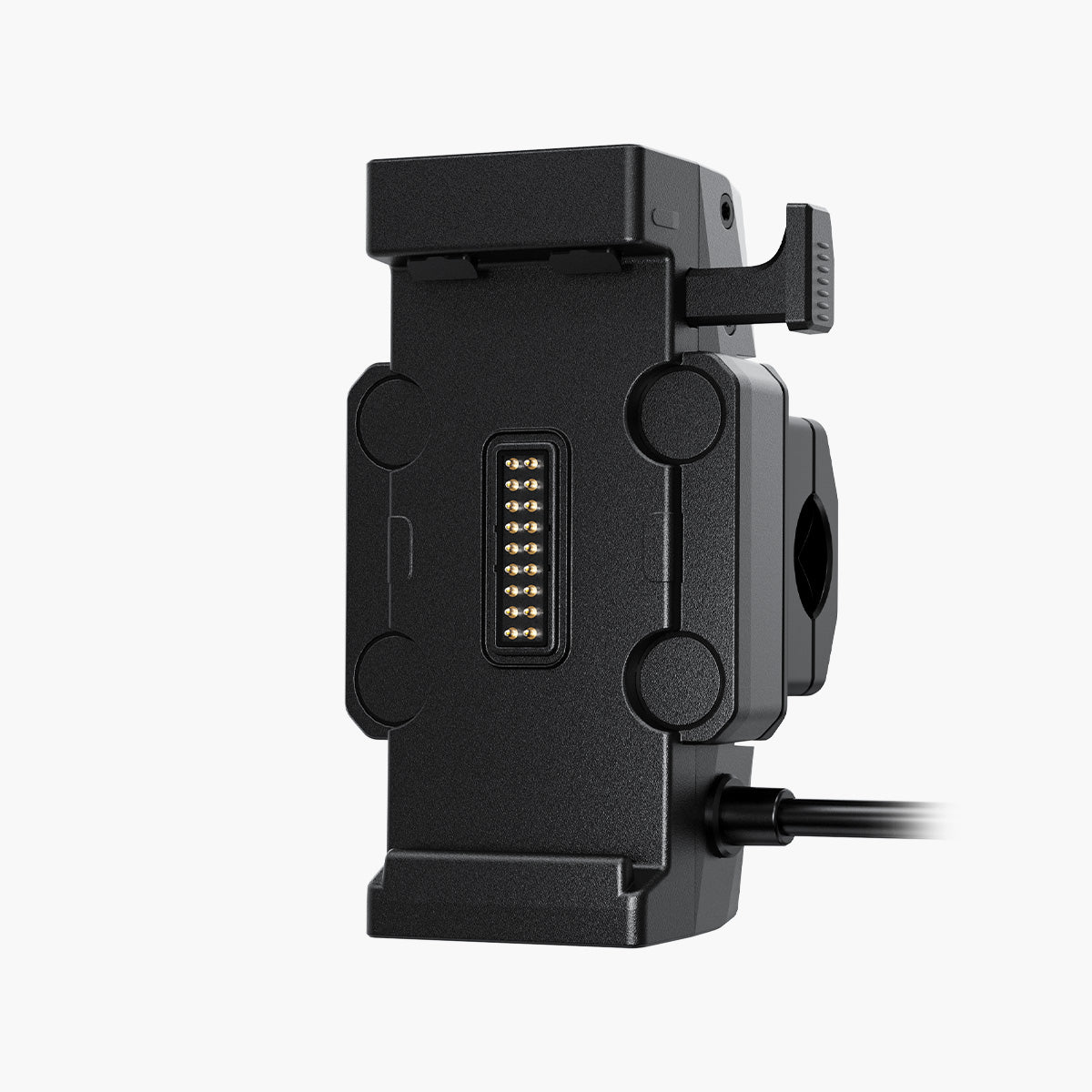
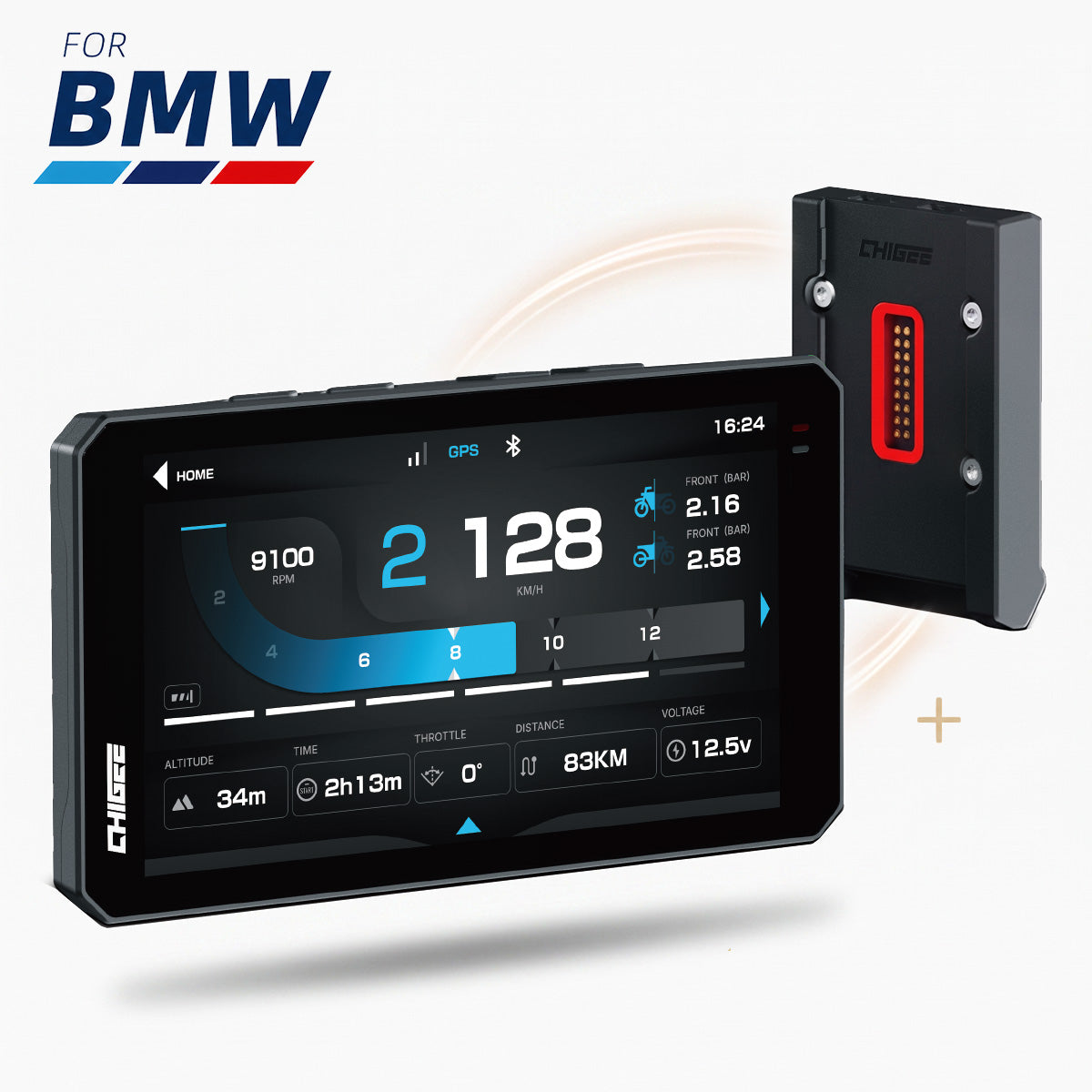
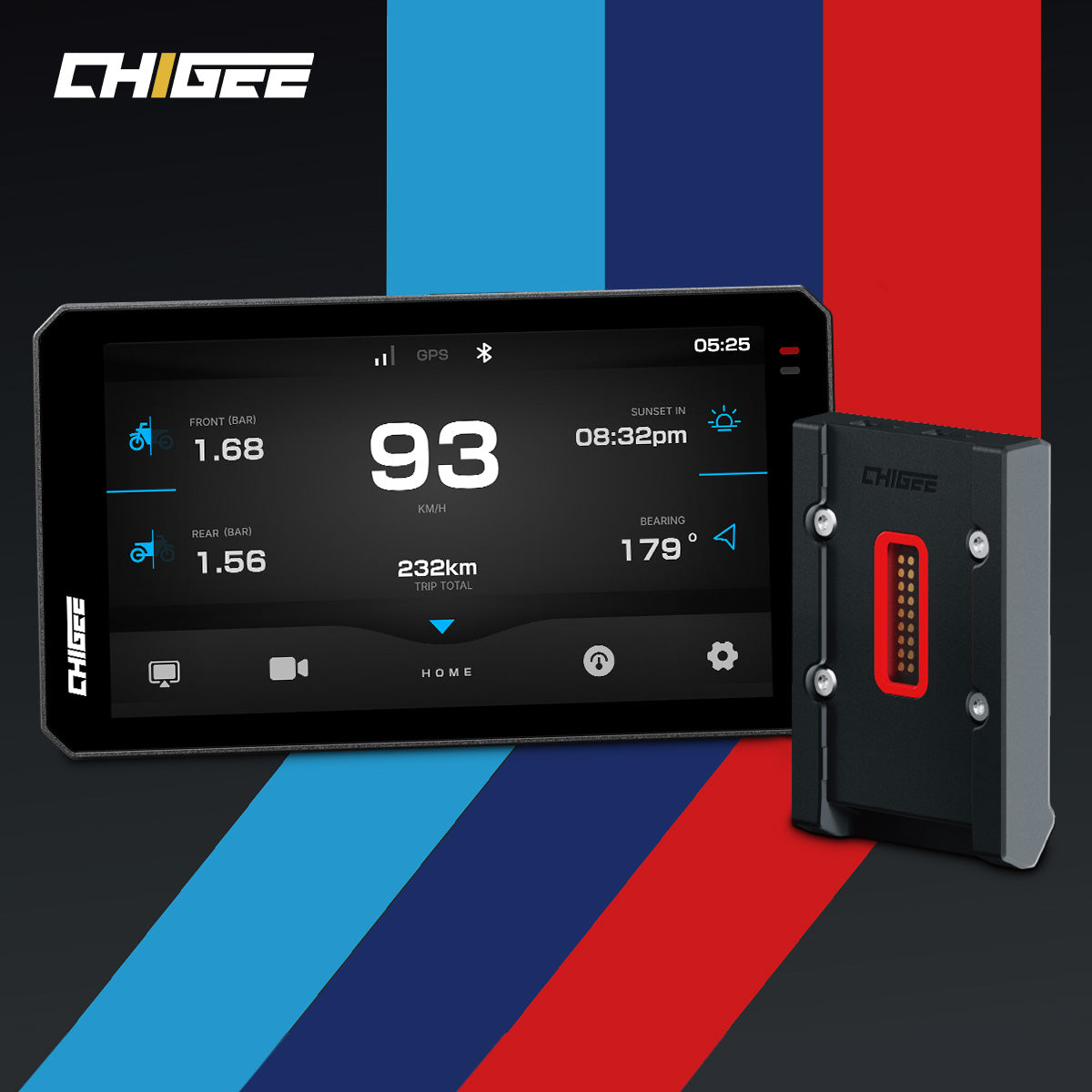
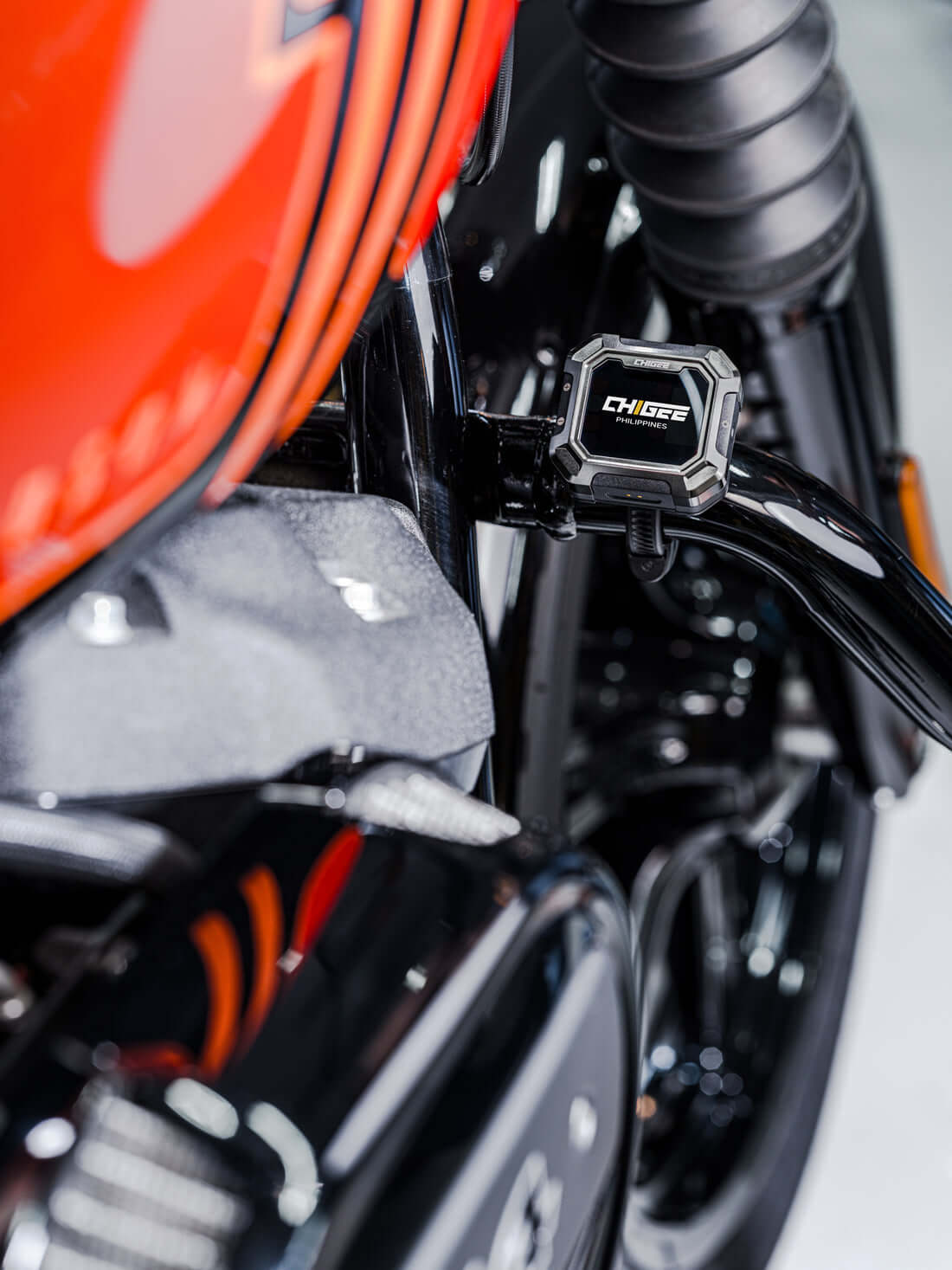
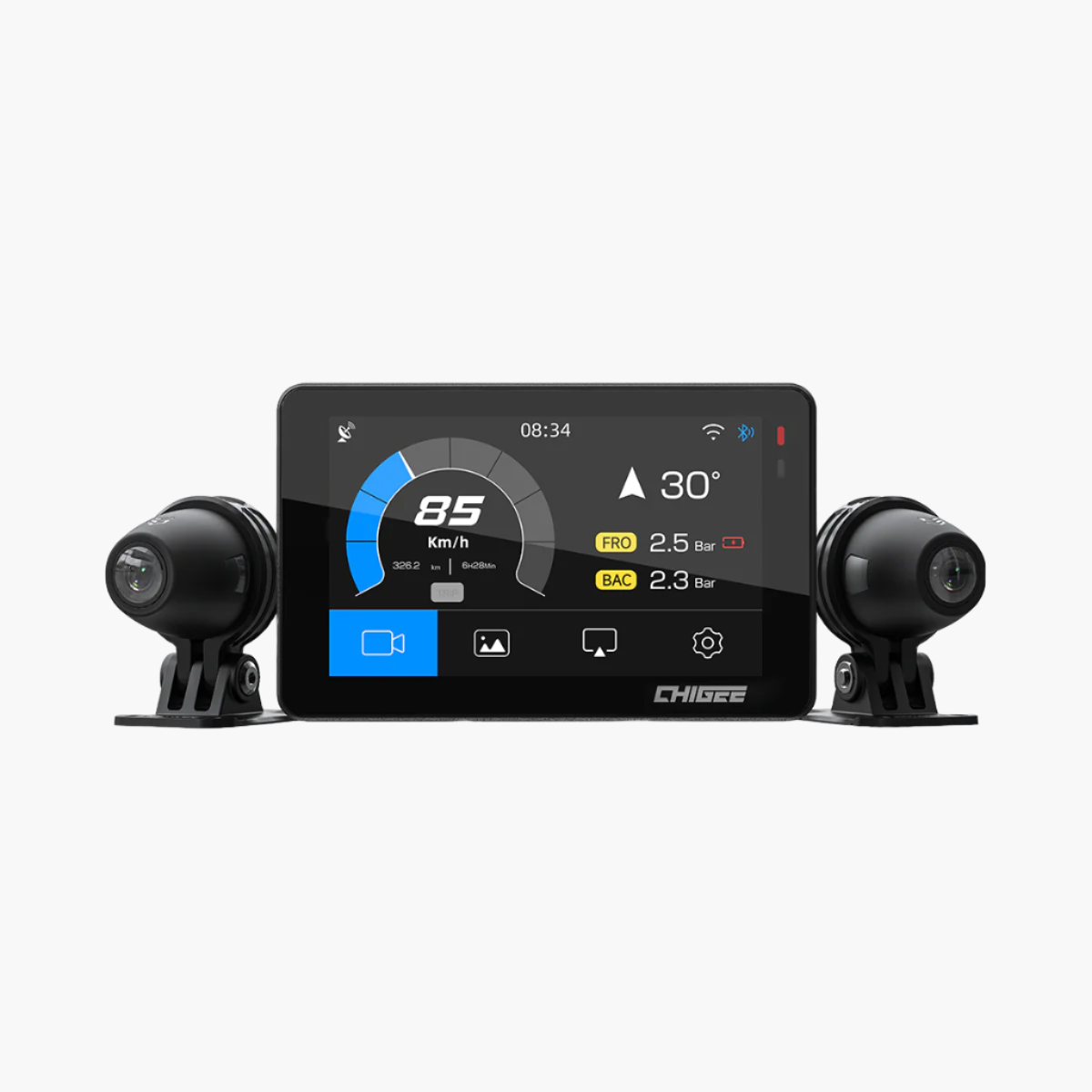
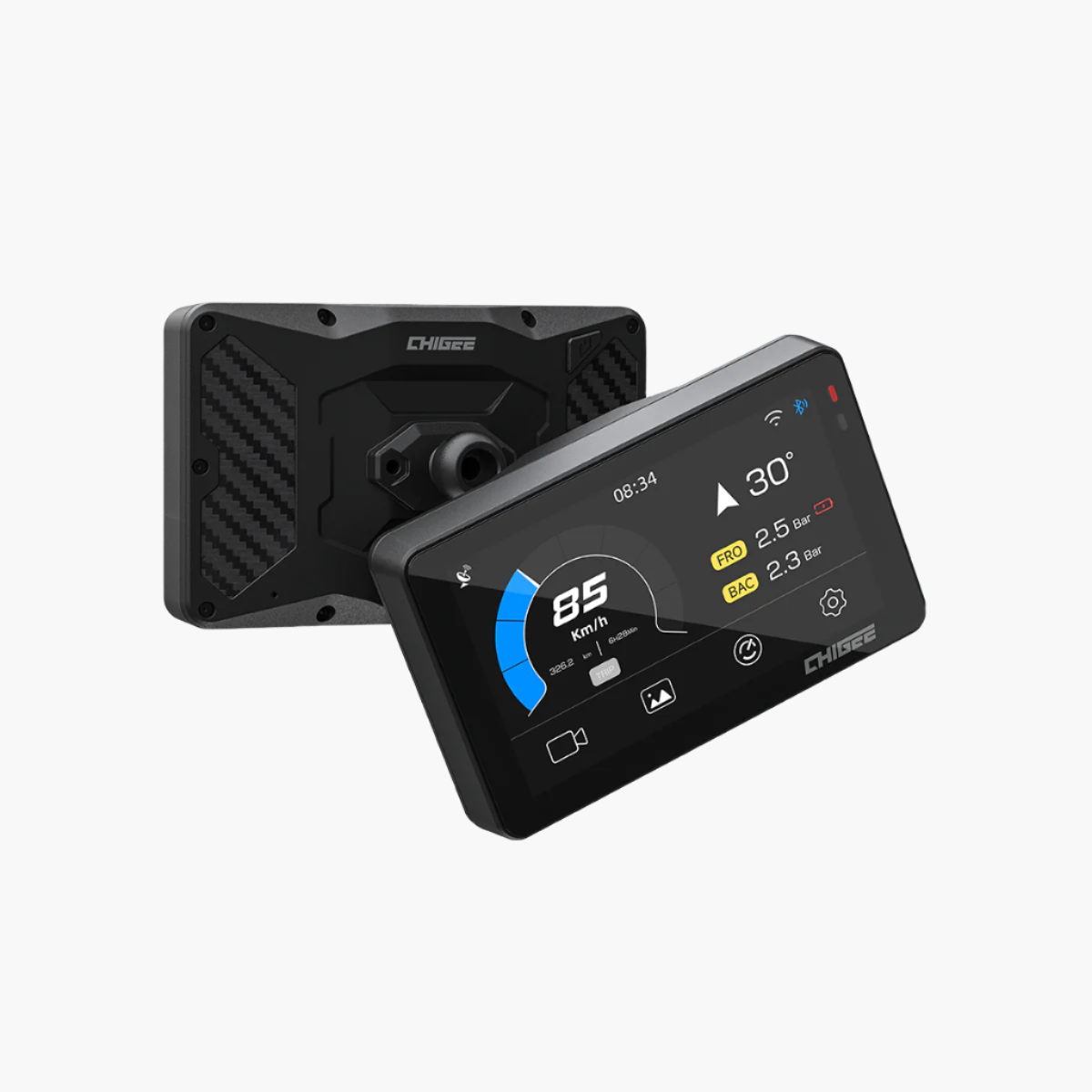
Nobody keeps a bike fully stock for long, and BMW ownership carries that same premium into the upgrade and accessory space. If there's one addition I'd point every BMW rider toward, it's the CHIGEE AIO-5 EVO. I resisted the idea of needing one until I actually rode with it installed.
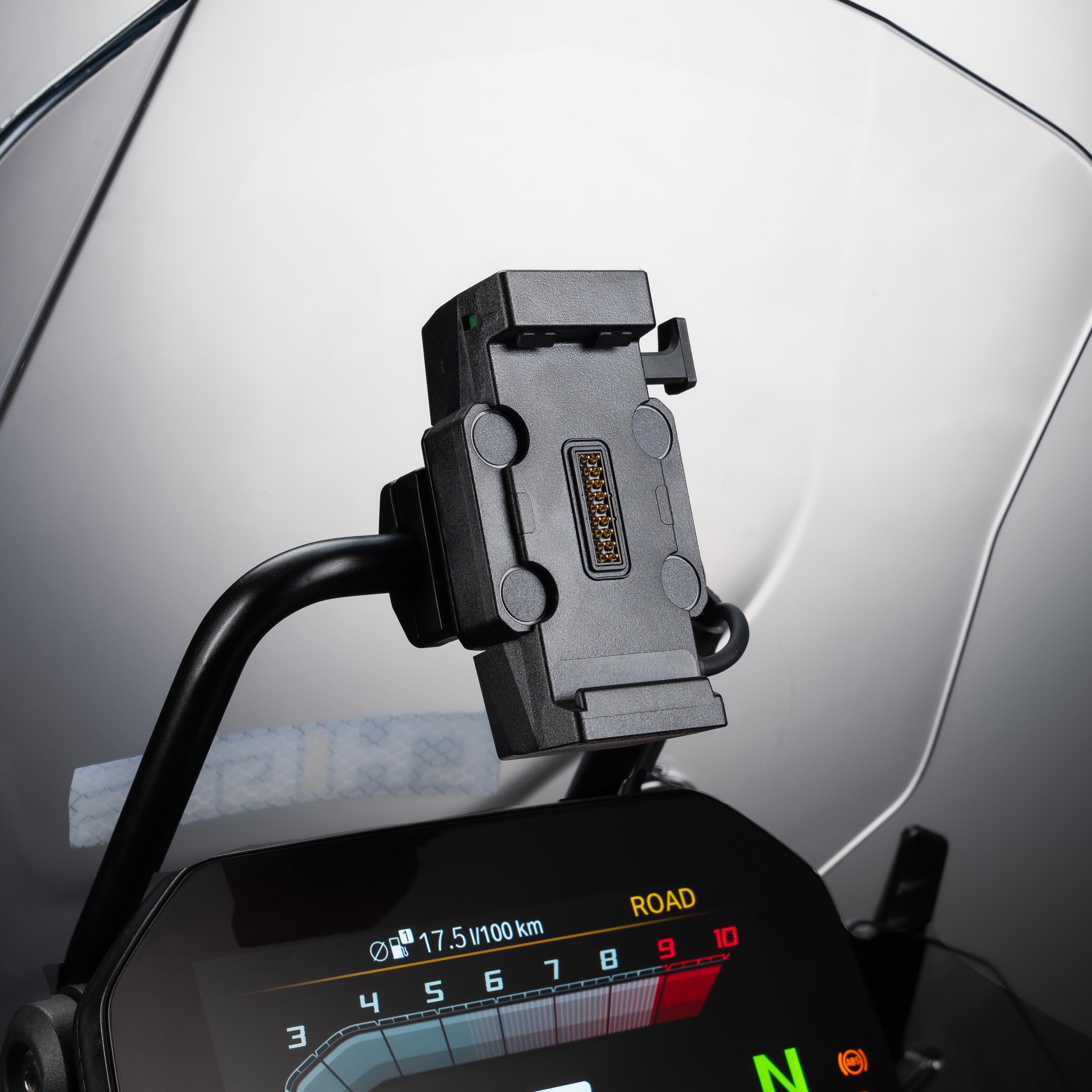
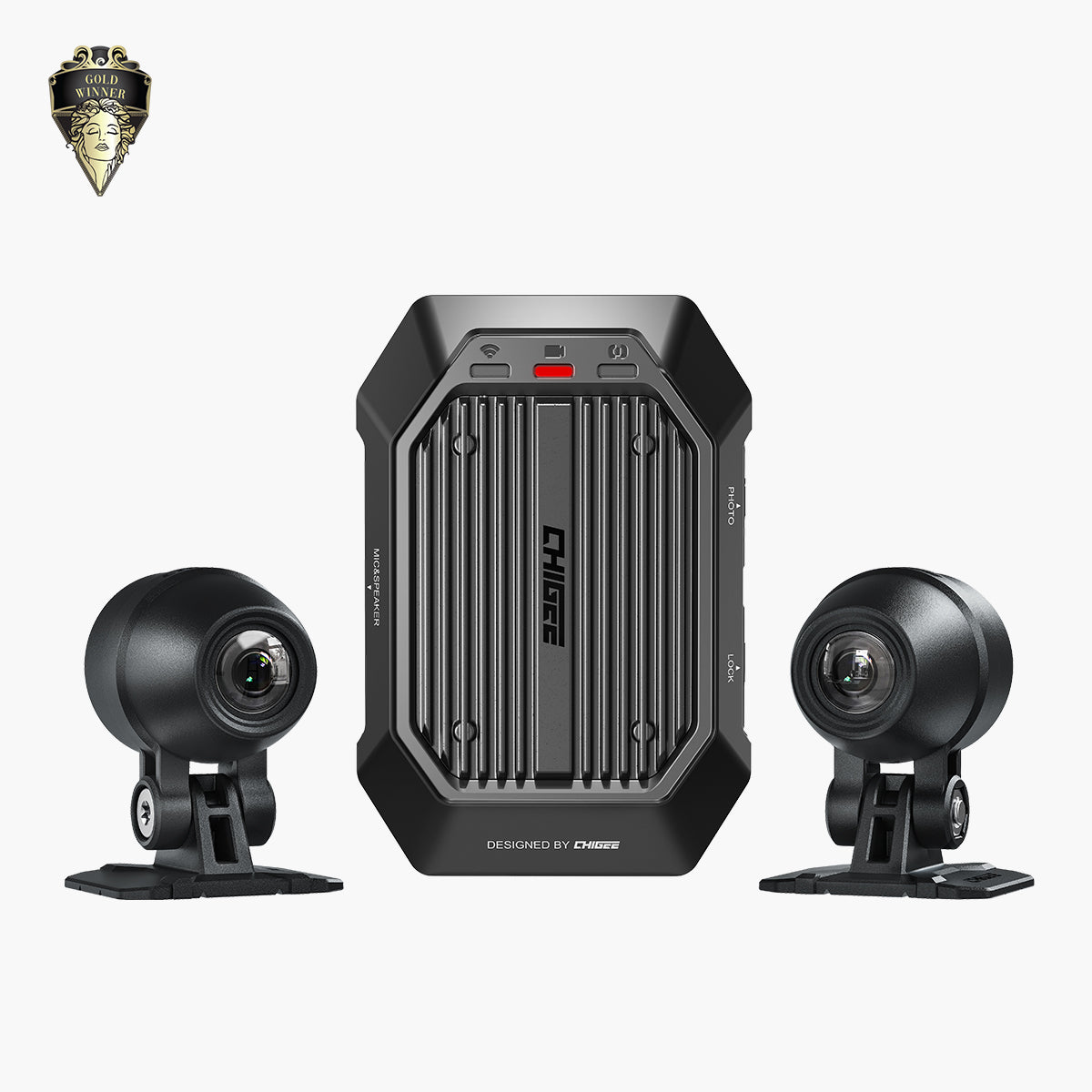
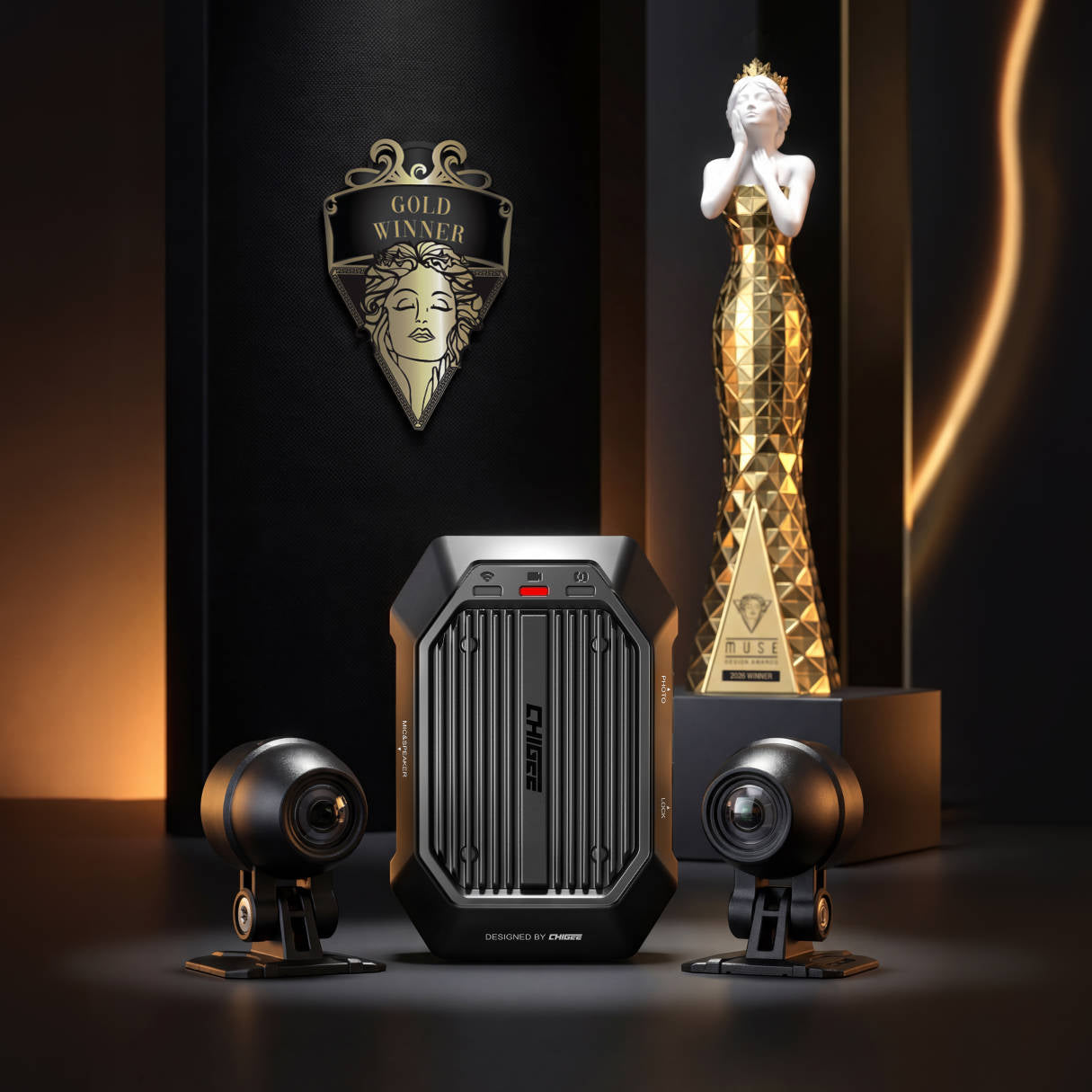
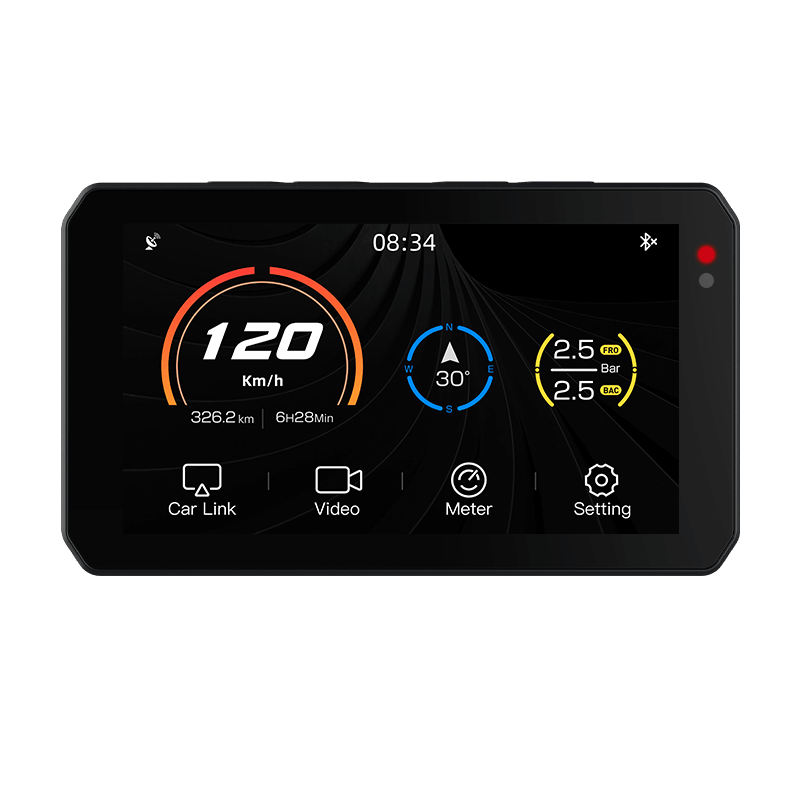
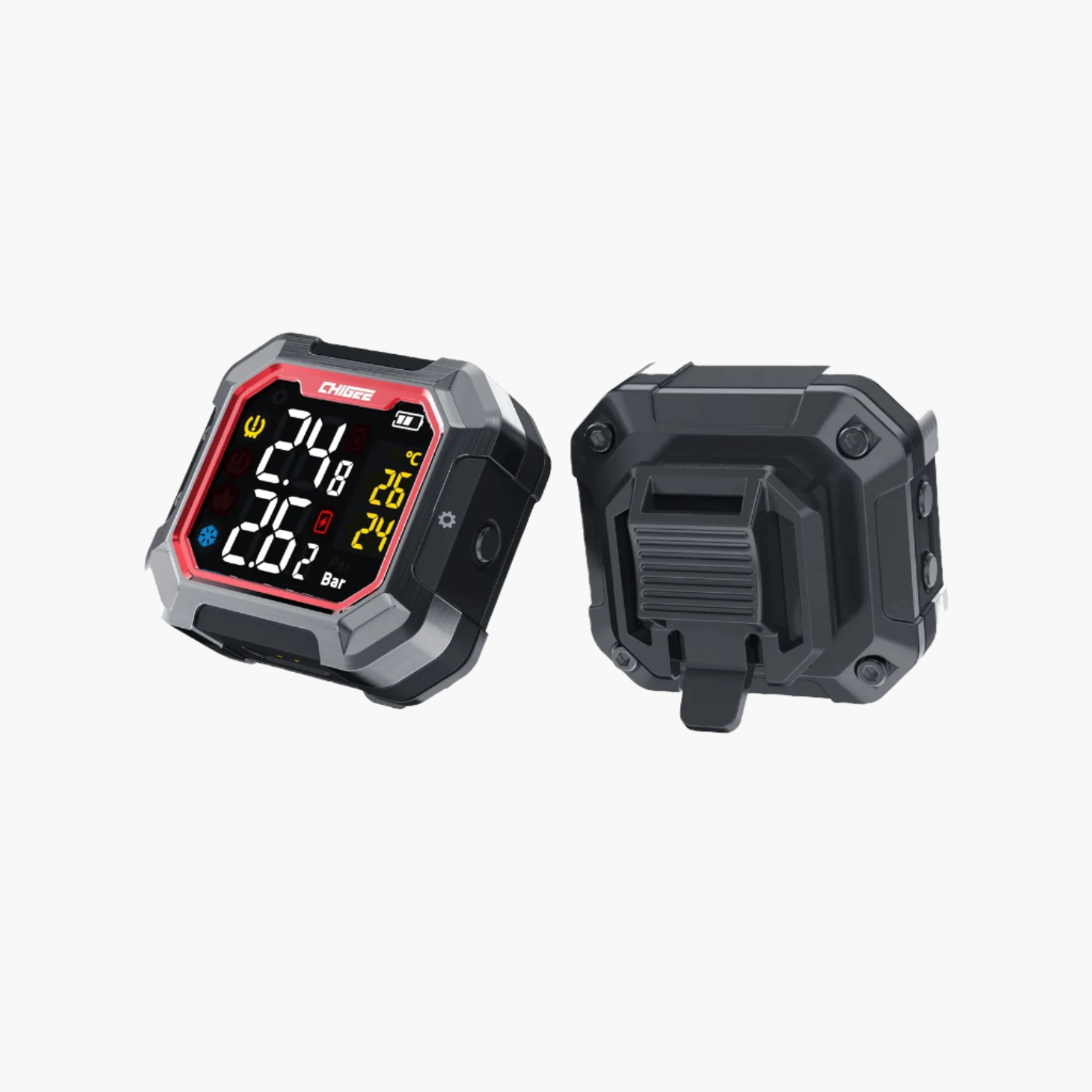
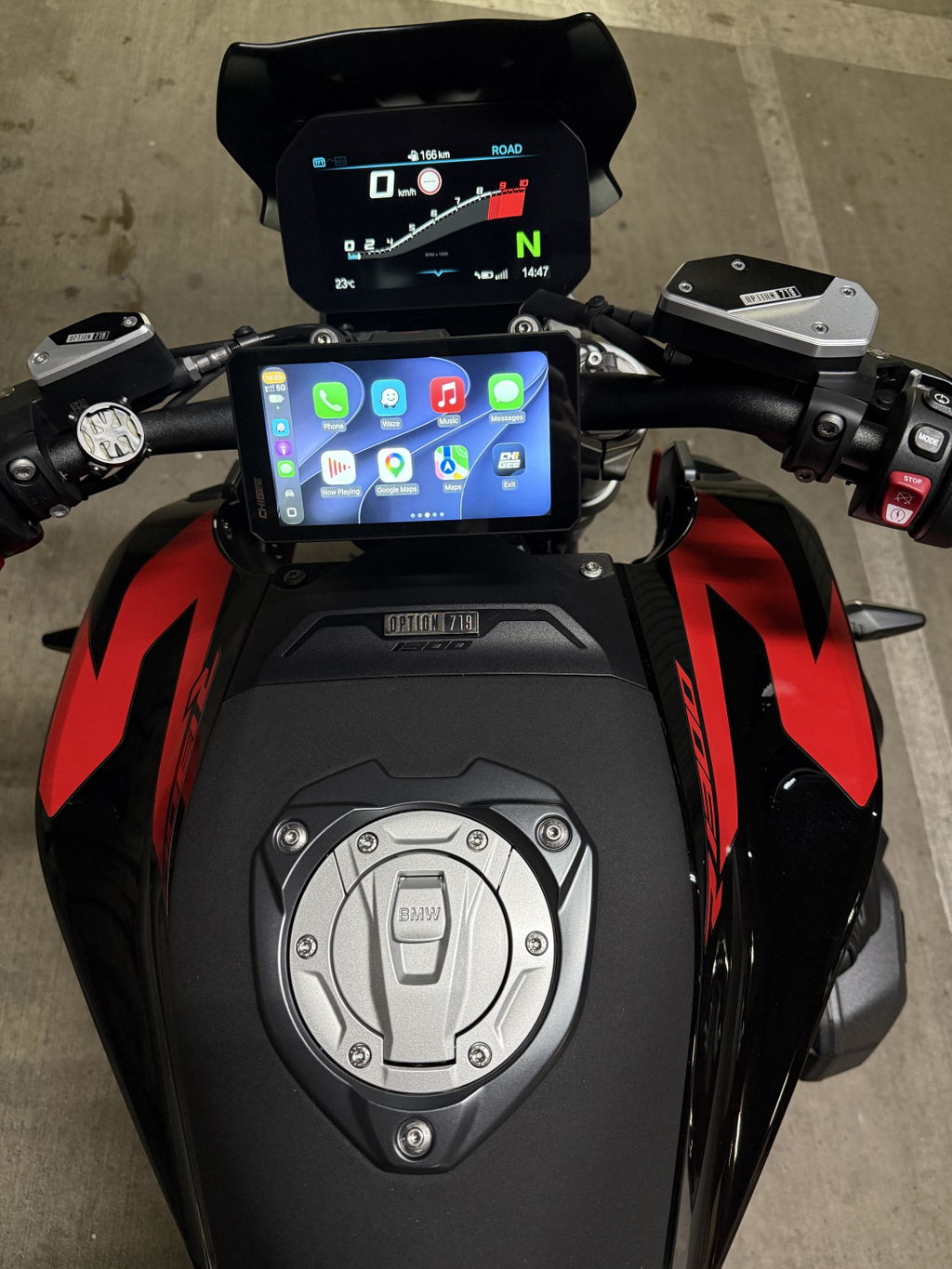
Years of strapping a phone to the handlebar through vibration and rough roads made the switch feel less like an upgrade and more like solving a problem I'd just accepted as normal. Beyond navigation on a screen that stays readable regardless of the weather, it adds rear camera footage and tire pressure monitoring, functions that quietly turn into things you rely on rather than novelties you show off. It isn't cheap, but for riders who log real distance, it earns its keep fast.

The Chigee upgrades the classic analog and LCD combo with a display full of features you didn't know you needed.
Is BMW Ownership Worth the Extra Cost?
Buying a BMW motorcycle means buying into a community that shows up for you, at the dealership and out on the road. The higher price reflects genuine differences in build quality, technology, and the kind of support you get once you're already riding.
New riders are usually better served learning on something cheaper first, since the lessons that come with dropping or damaging a bike cost far less when it isn't wearing a BMW badge. Once you've built the skill and confidence to justify it, the badge tends to pay you back in ways a spec sheet can't capture.
Frequently Asked Questions
Is BMW motorcycle maintenance really more expensive than Japanese brands?
Yes. Expect parts and labor to run higher, generally in line with the same rough 50% premium that applies to the bikes themselves.
How often does a BMW S1000R need major maintenance like valve clearance checks?
Around every 30,000 km, which is standard for this kind of heavily engineered performance engine.
Are BMW motorcycle parts easy to find in the Philippines?
Dealerships generally keep common parts in stock, though anything requiring an overseas order will take longer. Independent shops can sometimes source parts faster.
Is the CHIGEE AIO-5 EVO worth adding to a BMW motorcycle?
For riders who cover long distances often, yes. It replaces a phone mount with a proper navigation, camera, and tire pressure system built for the road.
Should a beginner rider start with a BMW motorcycle?
It's usually smarter to learn on a more affordable bike first, then move to a BMW once you're confident in your riding skills.





Leave a comment
All comments are moderated before being published.
This site is protected by hCaptcha and the hCaptcha Privacy Policy and Terms of Service apply.