









There's a moment on every long motorcycle trip when the map stops mattering. For Santiago and Noe, that moment probably came somewhere on the Galician coast, where the Atlantic throws itself against cliffs that have been standing guard over Spain's northwest corner for longer than anyone has bothered to count.
Their summer route reads like a love letter to the Iberian Peninsula: 25 days, 5,060 kilometers, starting in Valladolid, sweeping through Galicia and Asturias, diving deep into Portugal from north to south, and closing the loop in the mountains of Jaén. Mountain passes, coastal ribbons, national parks — and, in their own words, a firm refusal to take the fastest road anywhere.
"The best part of a motorcycle trip is not simply reaching a destination," they told us, "but discovering secondary roads, viewpoints and small places that you would often miss if you simply followed the fastest route."
So let's not rush either. Come along for the ride.
Galicia: Where the Land Runs Out
Galicia doesn't look like the Spain of postcards. Forget the sunburnt plains — this is a green, rain-washed country of deep river inlets called rías, eucalyptus forests, and stone villages where Celtic bagpipes, not flamenco guitars, are the traditional sound. The region's history runs old and Atlantic: for over a thousand years, pilgrims have walked the Camino de Santiago to the cathedral city of Santiago de Compostela, and that pilgrim spirit — slow travel, done on purpose — still hangs in the air.
For a rider, Galicia is a gift and a test in the same breath. The coastal roads twist and fold like the coastline itself, and the weather changes its mind by the hour. Even in summer, Atlantic fog can roll in and wrap a headland in grey, then burn off twenty minutes later to reveal water glittering all the way to the horizon. Santiago and Noe made a point of reaching Cabo Ortegal, one of the wildest capes in Europe, where the Atlantic Ocean and the Cantabrian Sea meet below cliffs that drop hundreds of meters into churning water. Up there, the wind doesn't blow so much as shove — a rider learns to loosen the grip, relax the shoulders, and let the bike breathe beneath them.
And then there's the food. Galicia feeds you from the sea: octopus dusted with paprika, scallops, barnacles pried off wave-beaten rocks by daring hands. Galician cooking doesn't chase spice or complexity — it trusts salt, olive oil, and freshness to do the talking. After a cold, foggy cape, a steaming plate of seafood in a harbor village feels less like lunch and more like a reward.
Neighboring Asturias, next along their route, keeps the green theme going but adds mountains — and cider. Here, the local drink is poured from a bottle held high above the head, splashing into the glass to wake up its flavor. It's theater, it's tradition, and after a day of mountain riding, it goes down very easily indeed.

Northern Portugal: Granite, Wine, and the Best Road You've Never Heard Of
Cross the border south and something shifts. Portugal is quieter, somehow — older-feeling, all granite villages and terraced hillsides. Santiago and Noe entered through the north, home to Peneda-Gerês, Portugal's only national park: a wilderness of boulder-strewn peaks, wild horses, and Roman roads that legionnaires once marched along. The riding here is technical and rewarding — narrow, grippy tarmac that climbs through oak forest and breaks out above waterfalls without warning.
Then comes the Douro. If Galicia is about the ocean, northern Portugal is about this river, which carves a deep, sun-baked valley lined with vineyard terraces so old and so steep they look hand-stitched onto the slopes. This is the world's oldest demarcated wine region, formally established back in 1756, and the birthplace of port wine. The N222, which shadows the river between Régua and Pinhão, has been called one of the best driving roads in the world — a sequence of flowing curves with the Douro glinting below on one side and vines rising on the other. Its sibling, the N108, runs the opposite bank with the same swing and rhythm. On two wheels, on a summer morning, with the smell of warm stone and grapevines in the air? Well. Some roads you ride. These roads you savor.
Portuguese food asks to be taken just as slowly. The national obsession is bacalhau — salted cod, prepared, so the saying goes, a different way for every day of the year. Portuguese cooking leans comforting rather than fiery: olive oil, garlic, bay leaf, hearty portions. And no stop is complete without a pastel de nata, the little custard tart with the blistered top, ideally eaten warm with an espresso while your riding jacket dries over the back of a chair.

The Atlantic Edge: Cabo da Roca to Sesimbra
Following the country south, the pair traced Portugal down to Lisbon and the Atlantic coast — and to one of those places that makes you switch off the engine and just stand there. Cabo da Roca is the westernmost point of mainland Europe. A stone monument quotes the poet Luís de Camões: here, where the land ends and the sea begins. Beyond the lighthouse there is nothing but ocean until America.
Riding this coast in summer means learning to read the wind. The Atlantic breathes hard against these cliffs, and crosswinds can arrive without ceremony — the kind that ask for a steady throttle hand and a bit of humility. But the reward is a coastline in constant drama: the sheer cliffs of Cabo Espichel with its lonely clifftop sanctuary, and finally Sesimbra, a white fishing town stacked above a blue bay, where the day's catch goes straight from boat to charcoal grill. Simple grilled fish, sea salt, lemon — the taste of the Atlantic, plated.
Jaén and the Sierra de Cazorla: An Ocean of Olive Trees
The final act took them back into Spain, south to the province of Jaén — and honestly, this might be the most underrated motorcycle destination on the whole route. Jaén is the olive oil capital of the world; ride in from any direction and the olive groves stretch to every horizon in neat silver-green rows, an ocean of trees shimmering in the Andalusian heat.
And rising out of that ocean: the Sierra de Cazorla. Together with the neighboring Segura and Las Villas ranges, it forms the largest protected natural area in Spain — a maze of limestone peaks, pine forest, and the headwaters of the Guadalquivir, the great river of Andalusia. The mountain roads here coil and climb like something drawn freehand, and in summer the strategy writes itself: ride the high, shaded curves through the heat of the day, because down on the plains the Andalusian sun does not negotiate. Temperatures can be brutal in July and August — mesh gear, early starts, and long lunches in the shade are not luxuries here, they're technique.
The food follows the landscape: everything begins and ends with olive oil, poured generously over cold summer soups, garden vegetables, and game from the sierra itself.

The Quiet Passenger: 50,000 km with the AIO-6 MAX
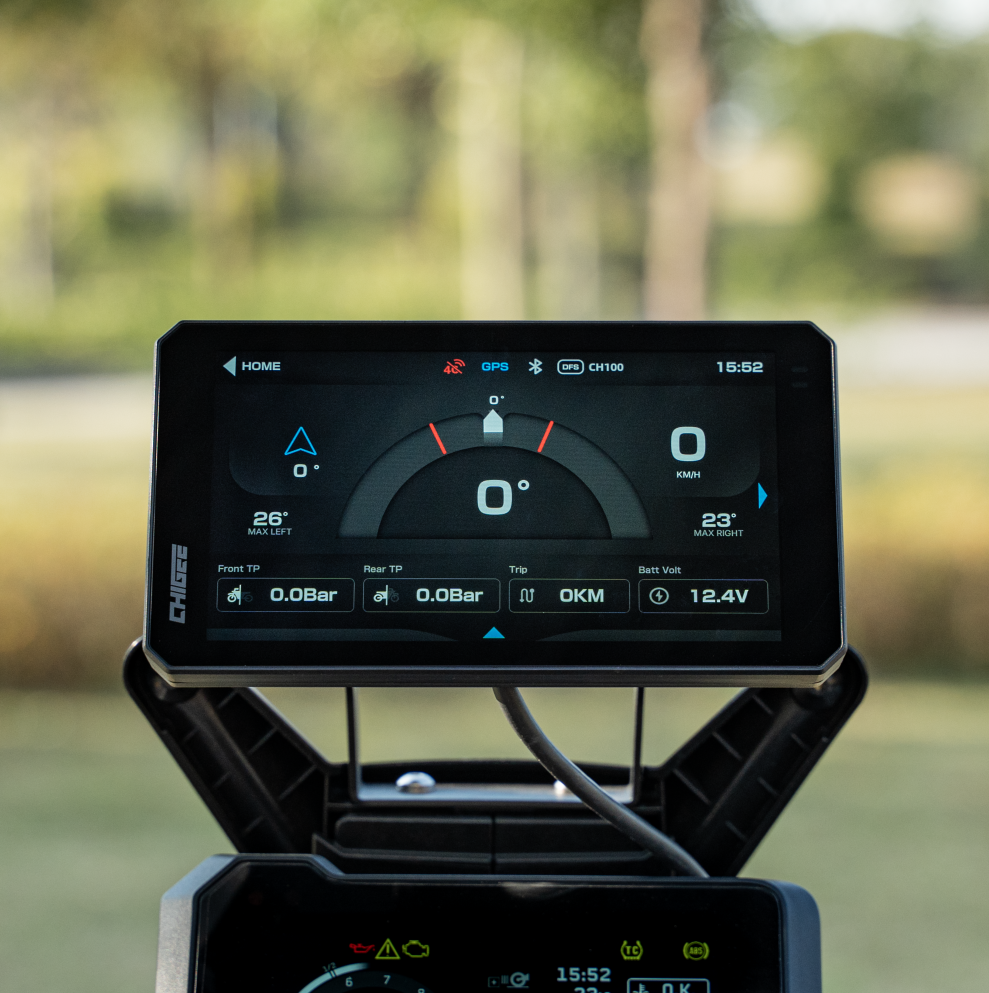
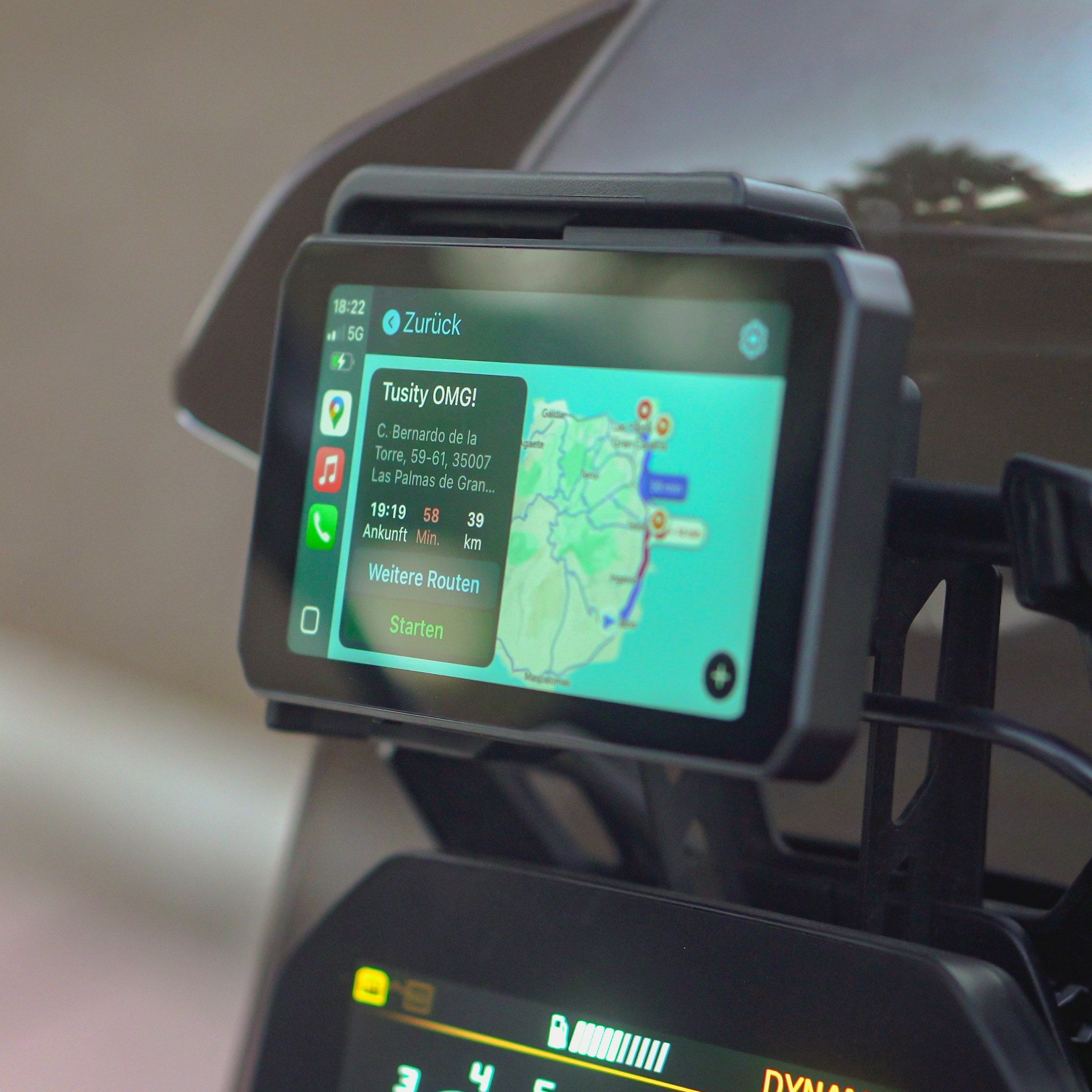
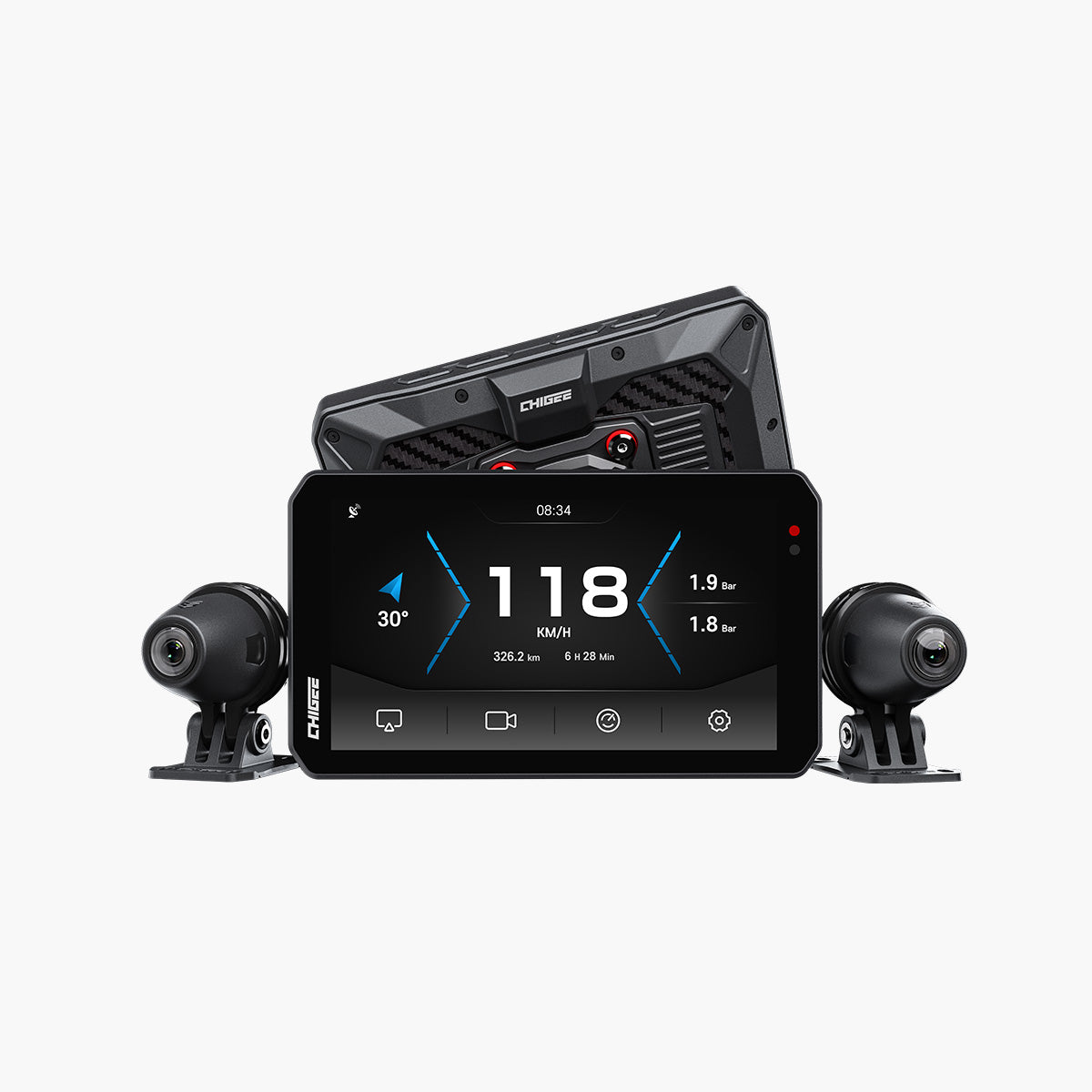
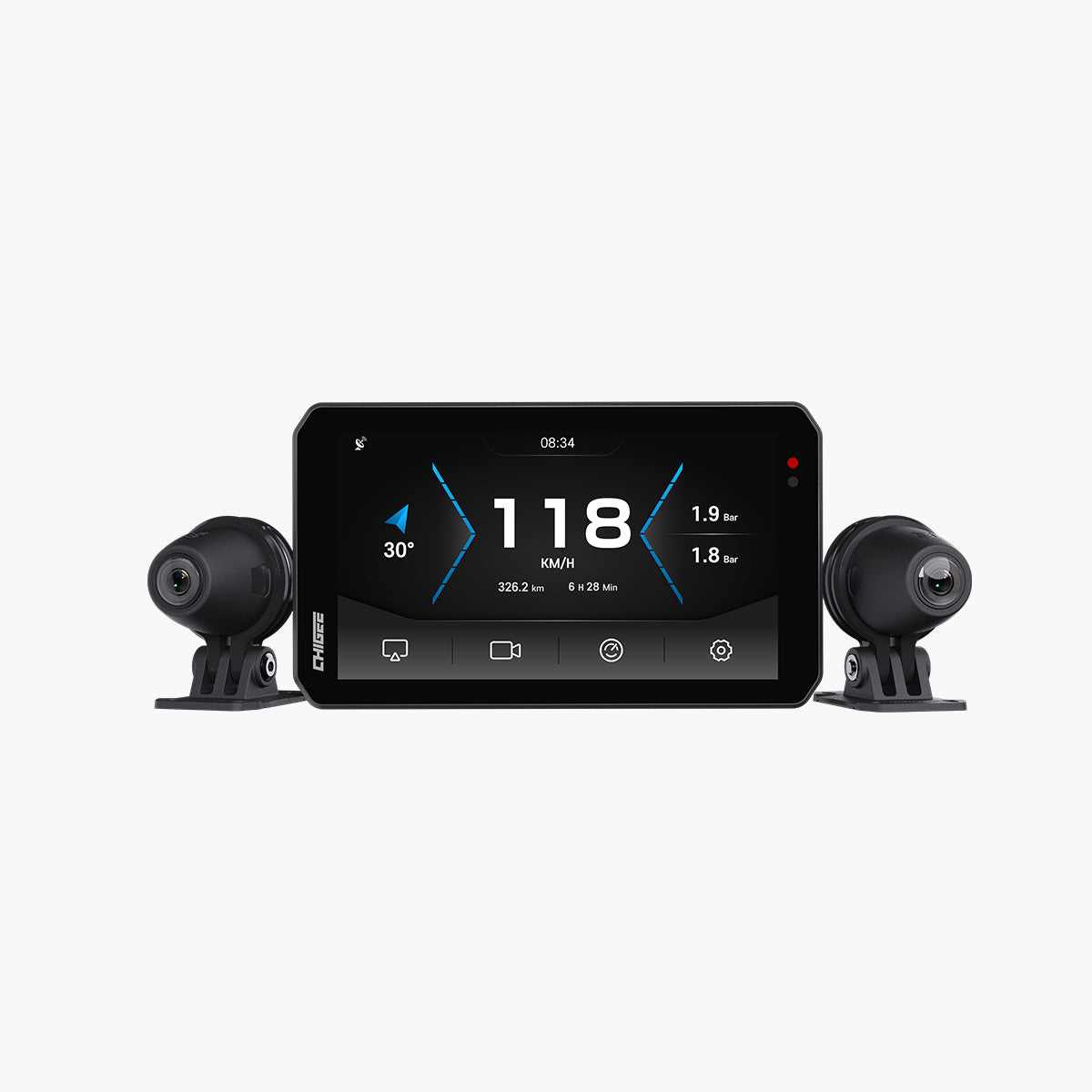
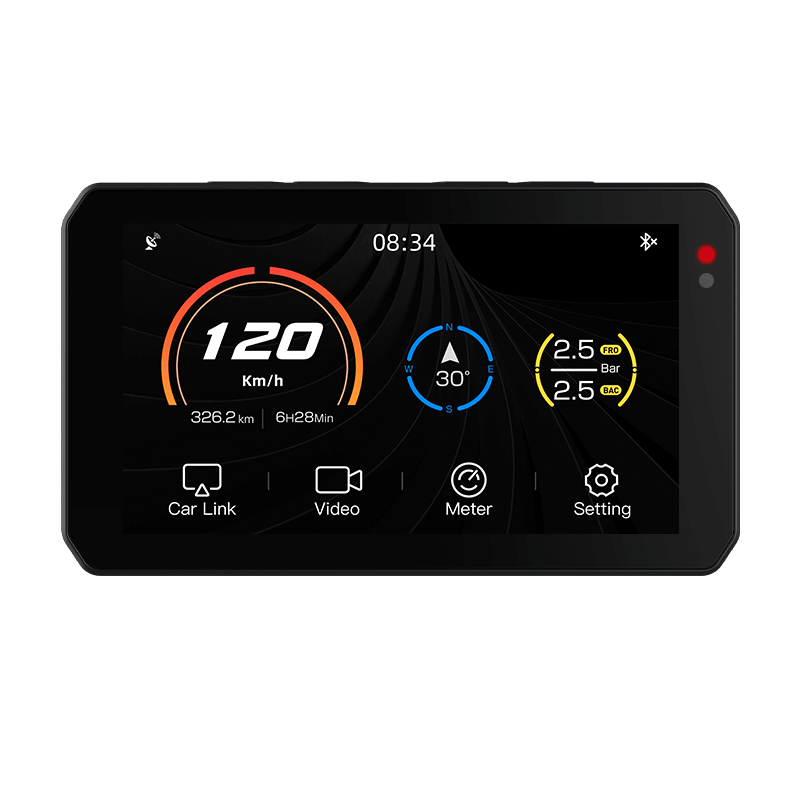
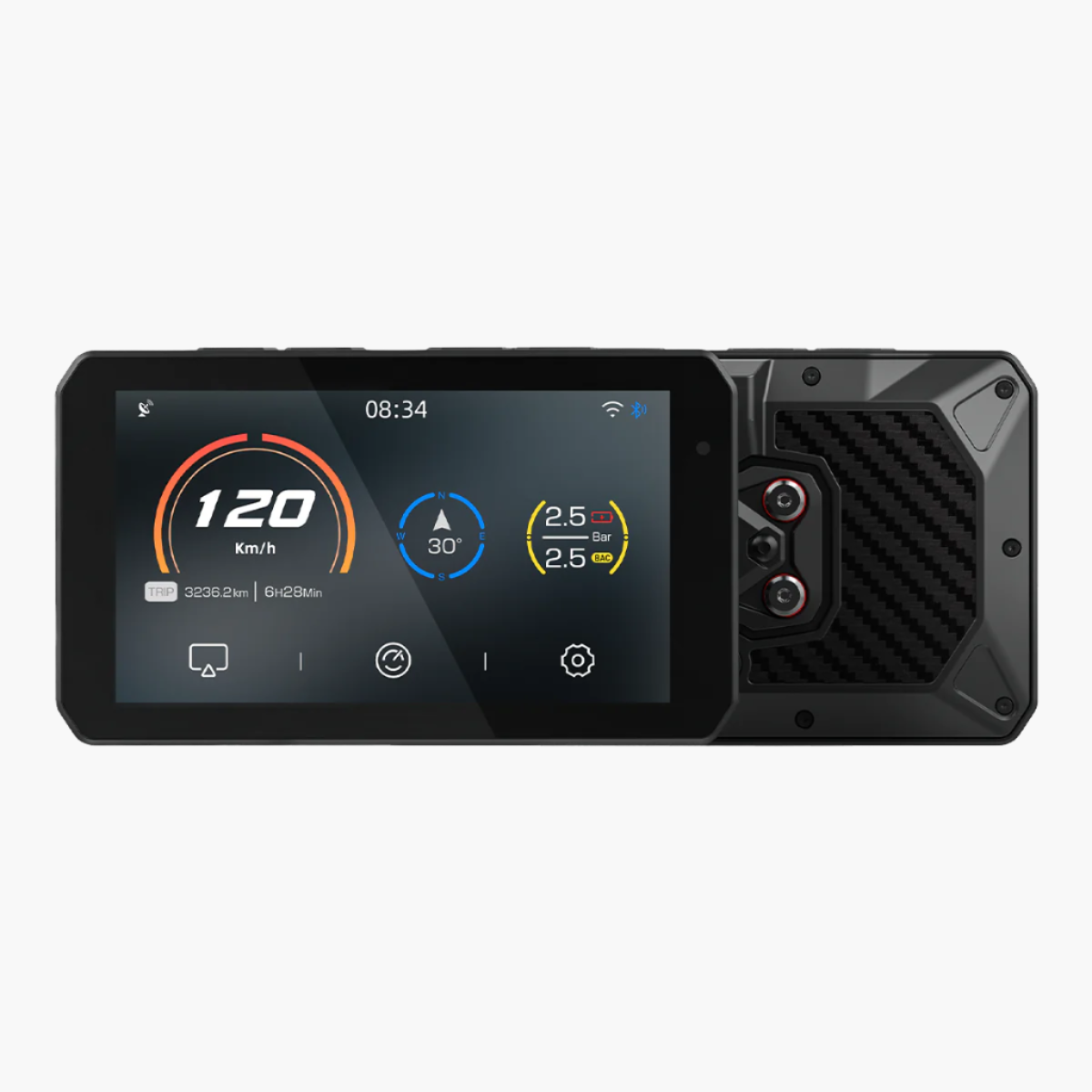
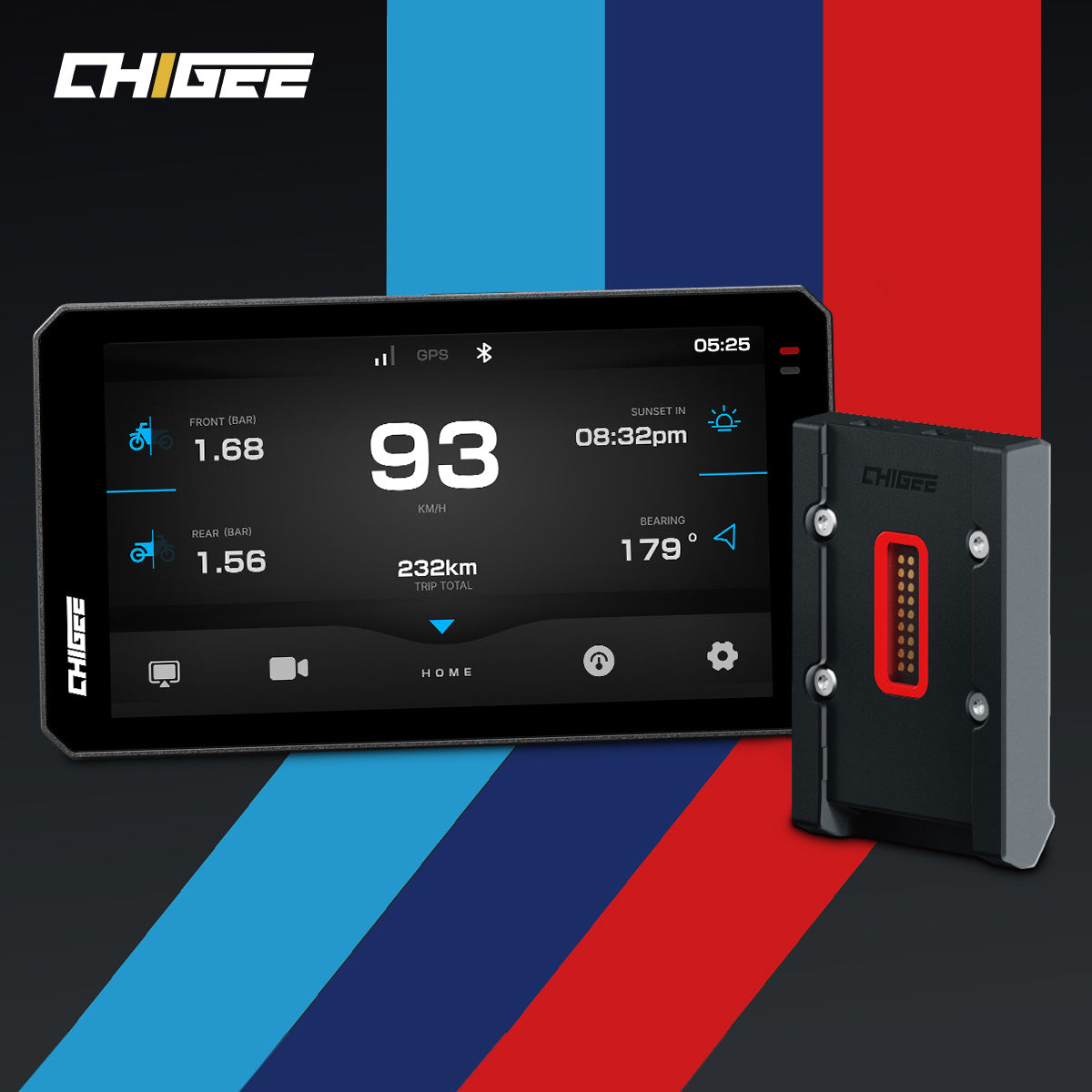
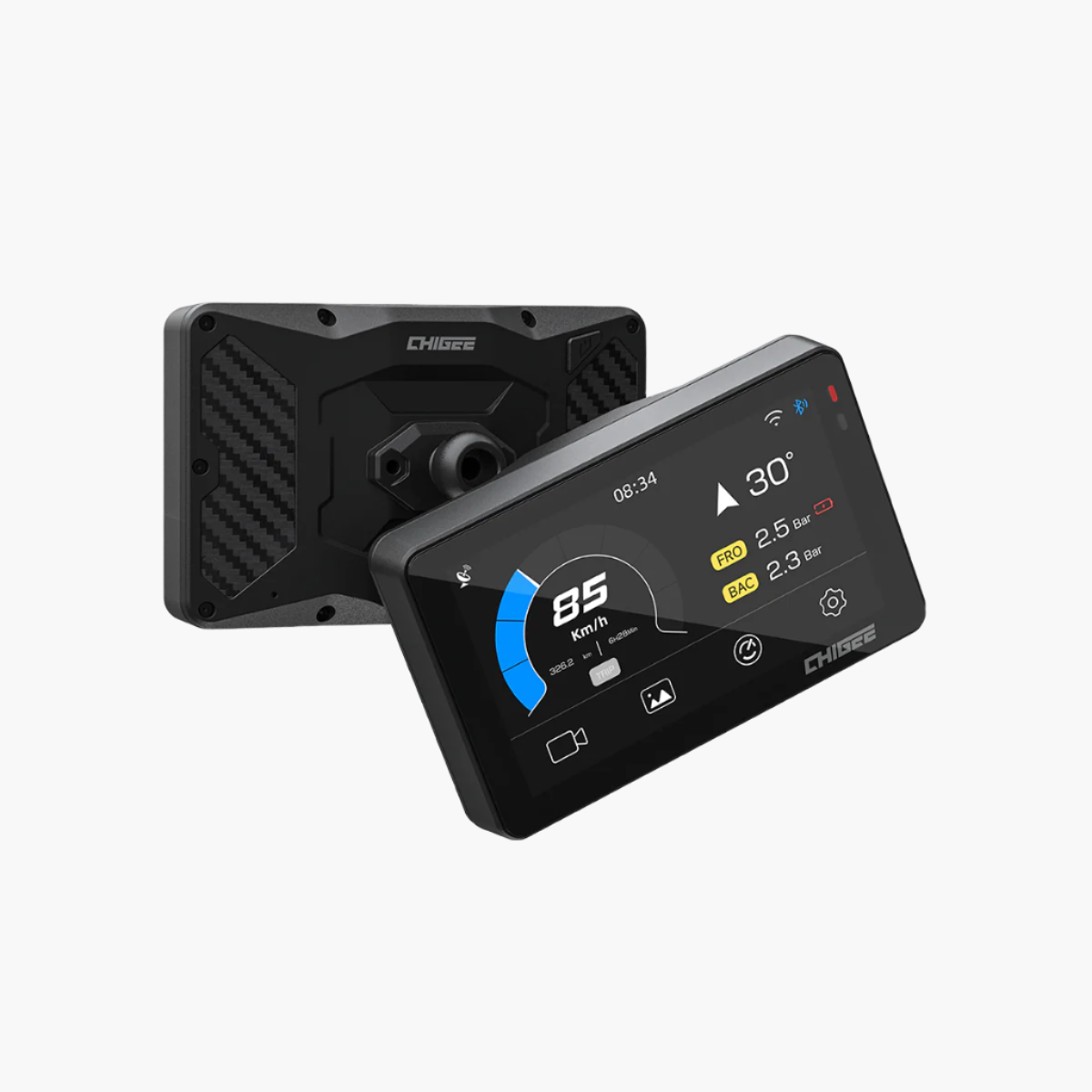
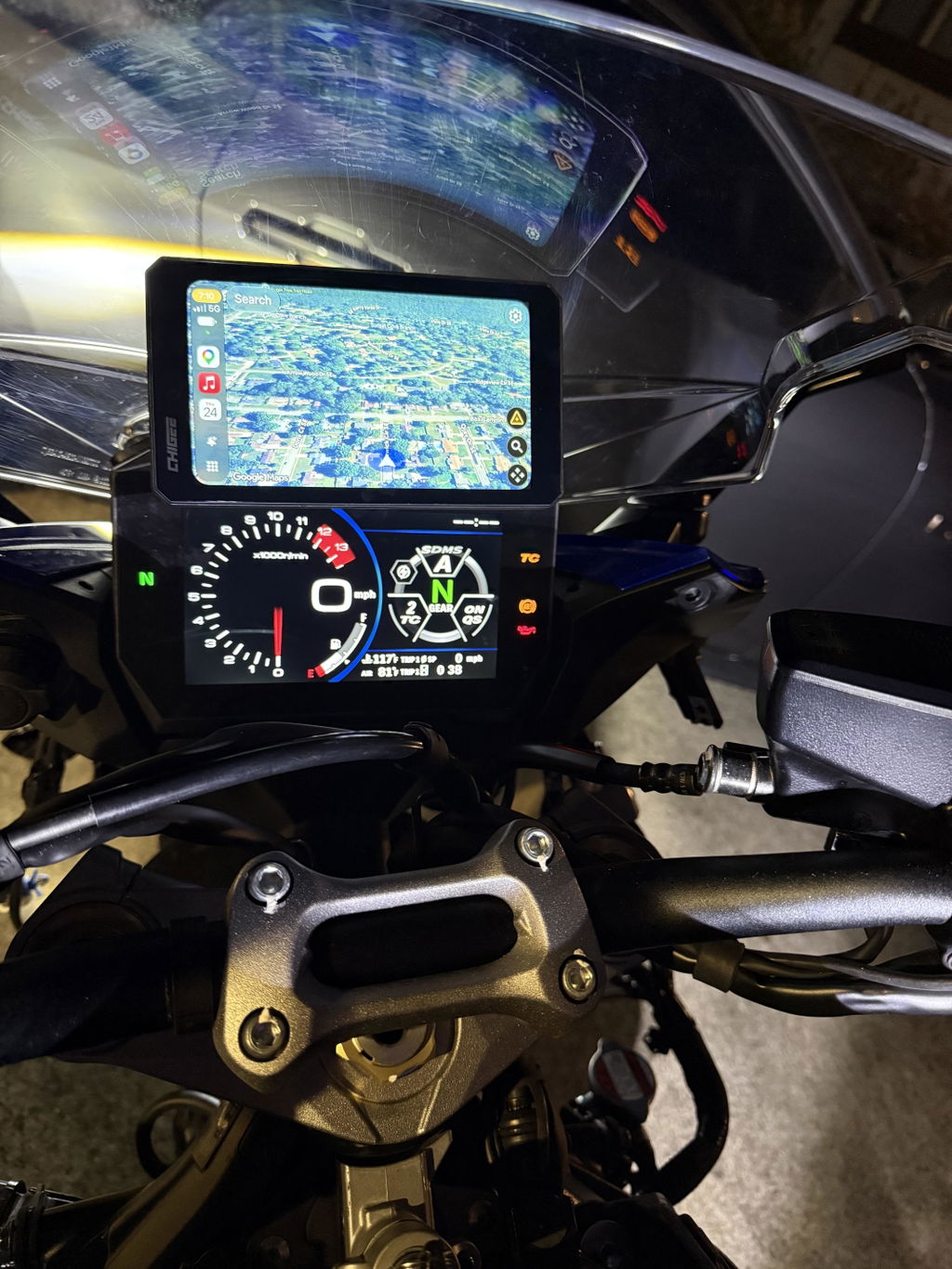
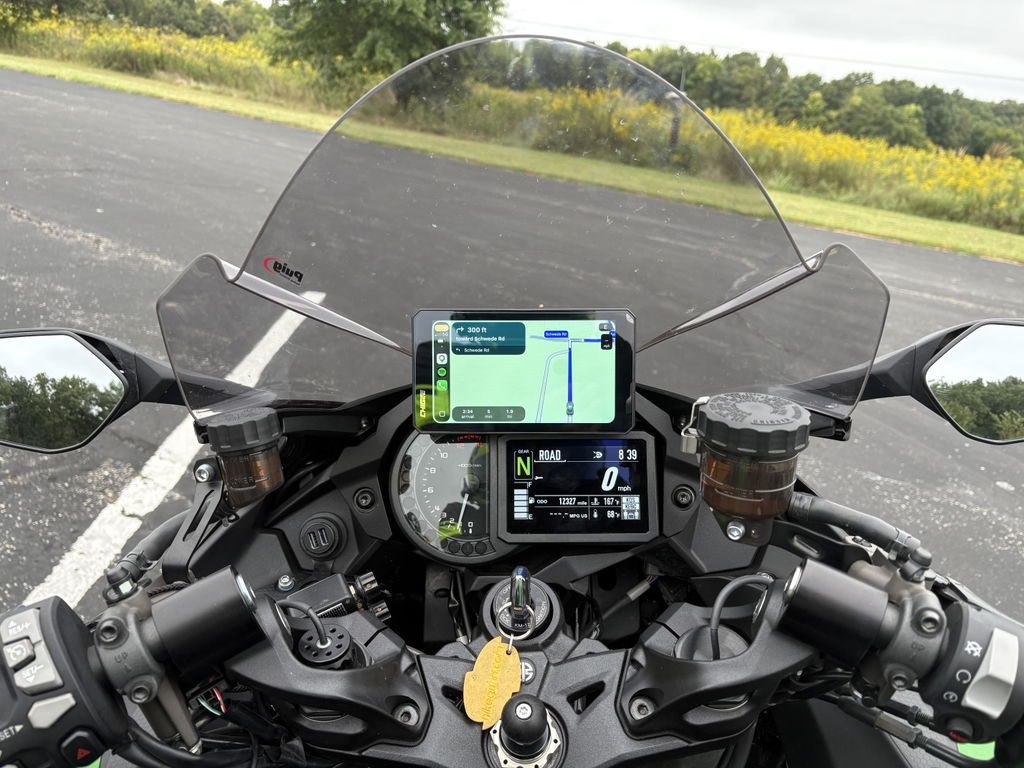
Through all of it — the Galician fog, the Douro heat, the Atlantic wind, the Andalusian glare — one piece of equipment sat calmly at the center of the cockpit: the CHIGEE AIO-6 MAX.
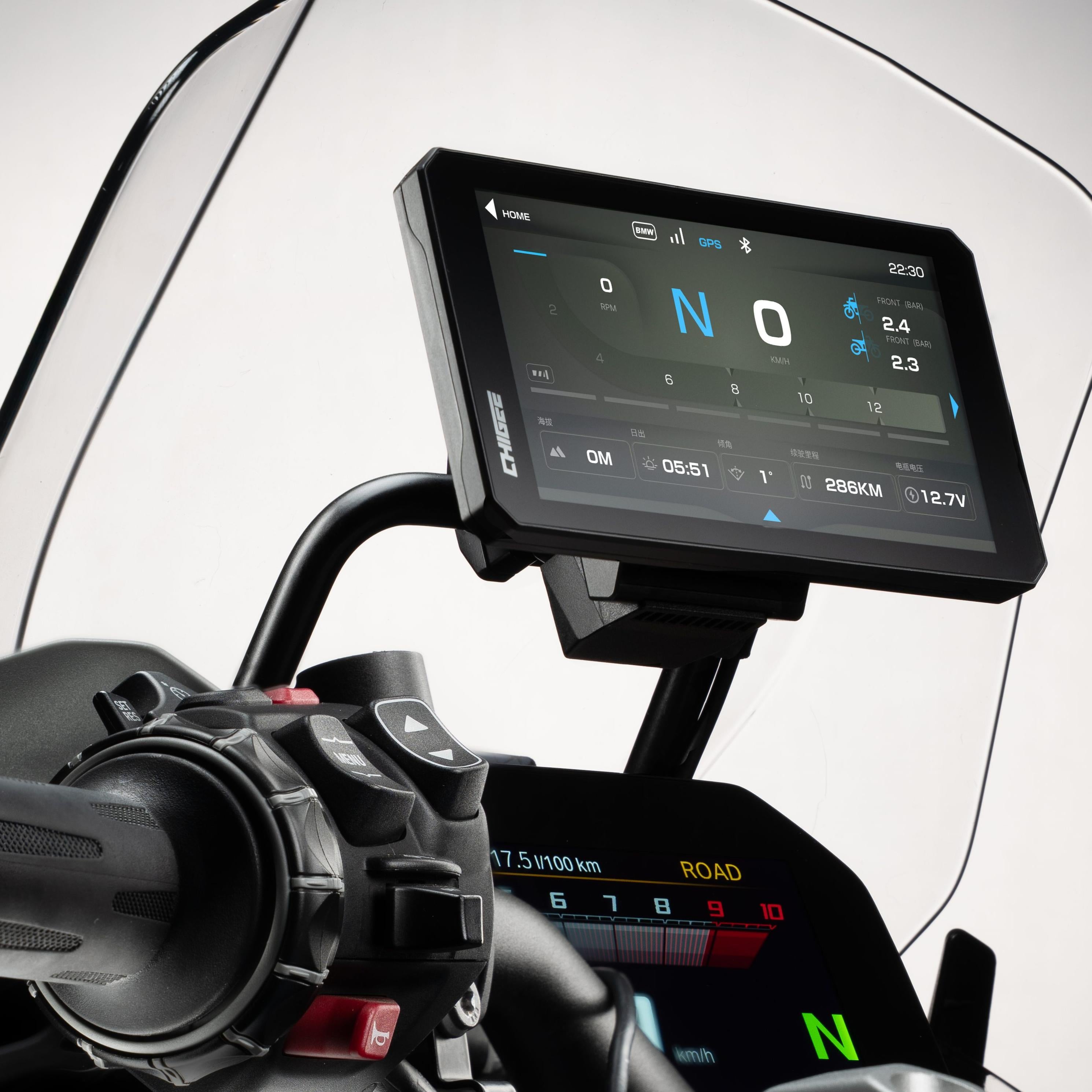
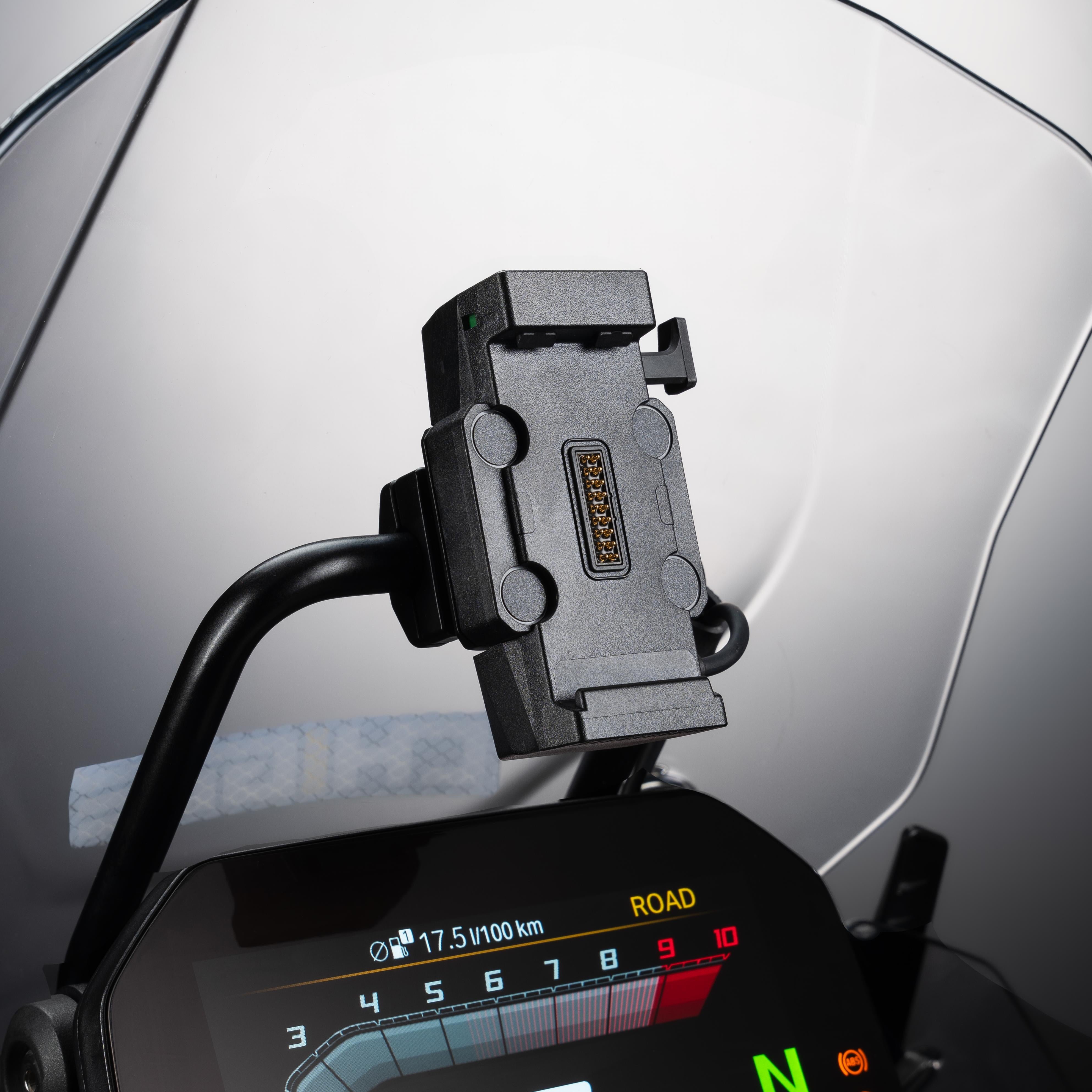
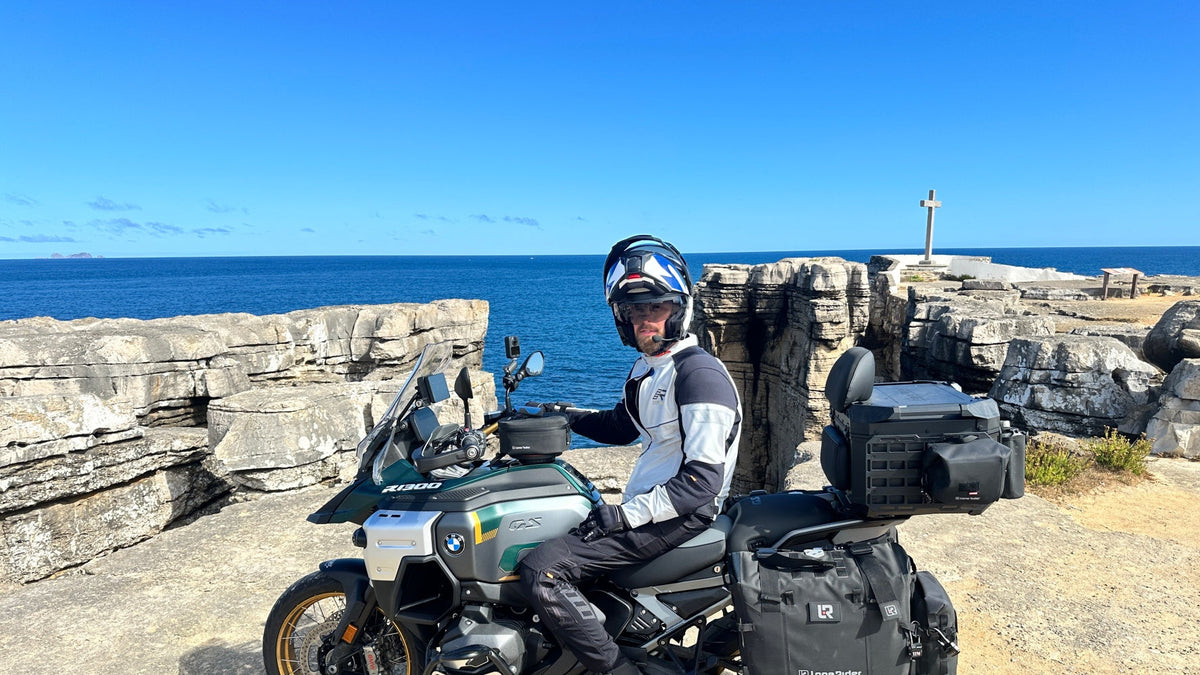
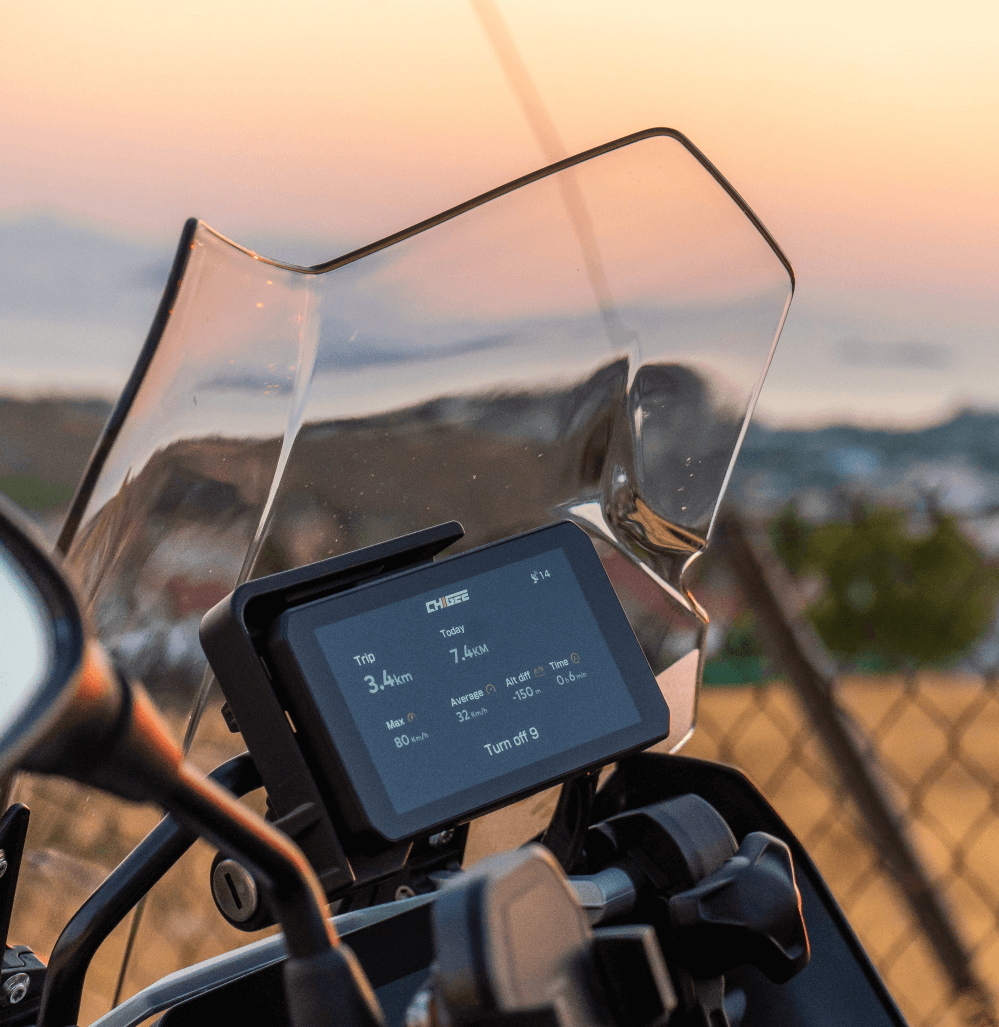
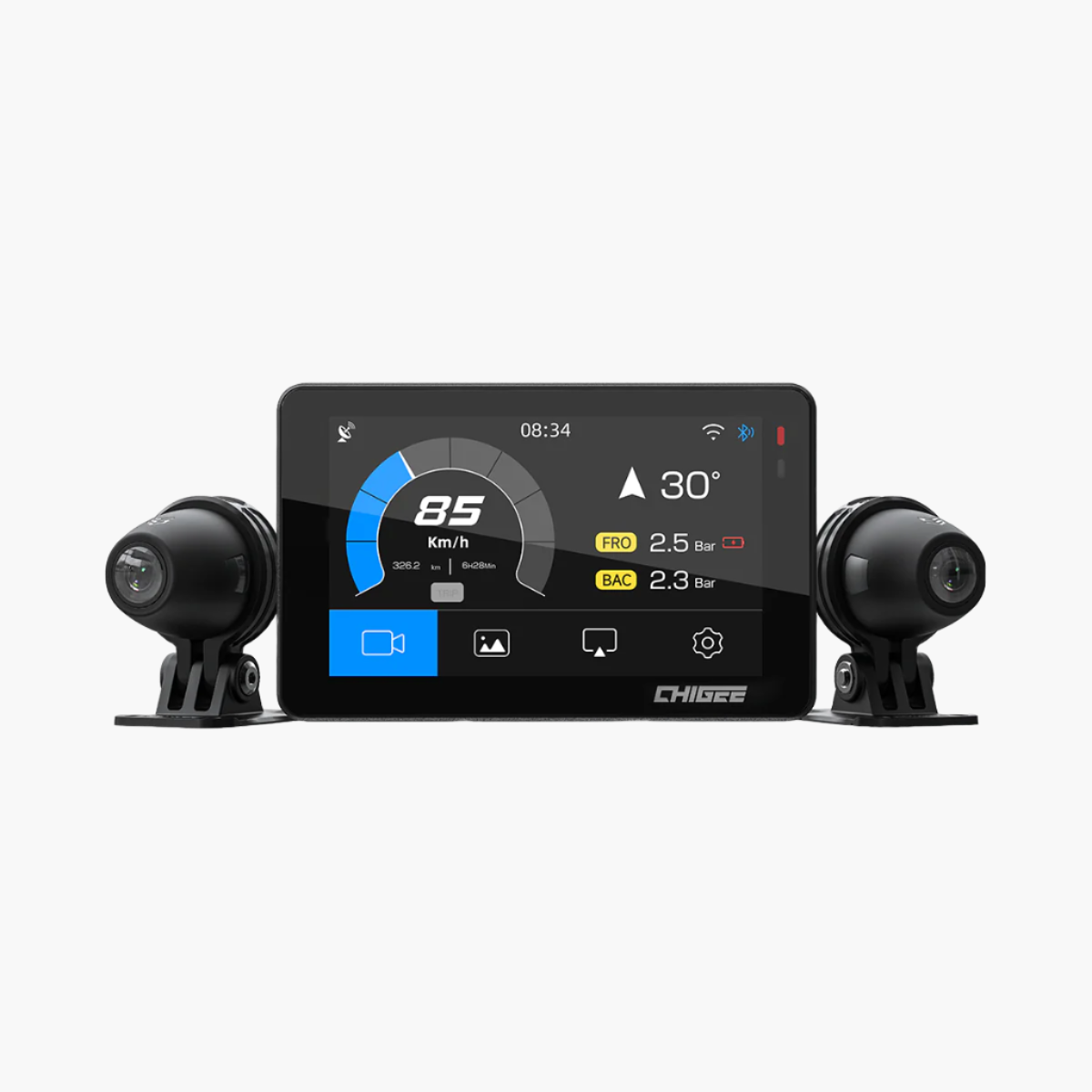
Santiago and Noe run a setup built for touring: an auxiliary smartphone handles the navigation apps and stays safely tucked away, while the AIO-6 MAX does what a dedicated riding display is built to do — put everything the rider needs on a stable, perfectly positioned screen, right in the line of sight, in any weather the Atlantic or Andalusia could invent.
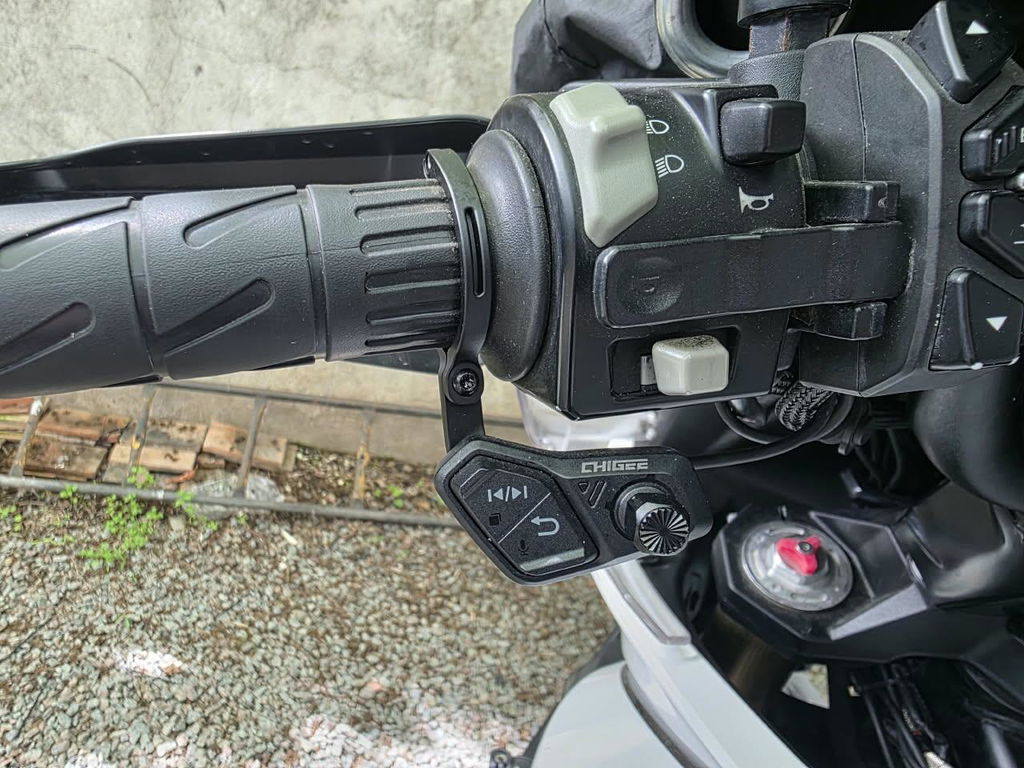
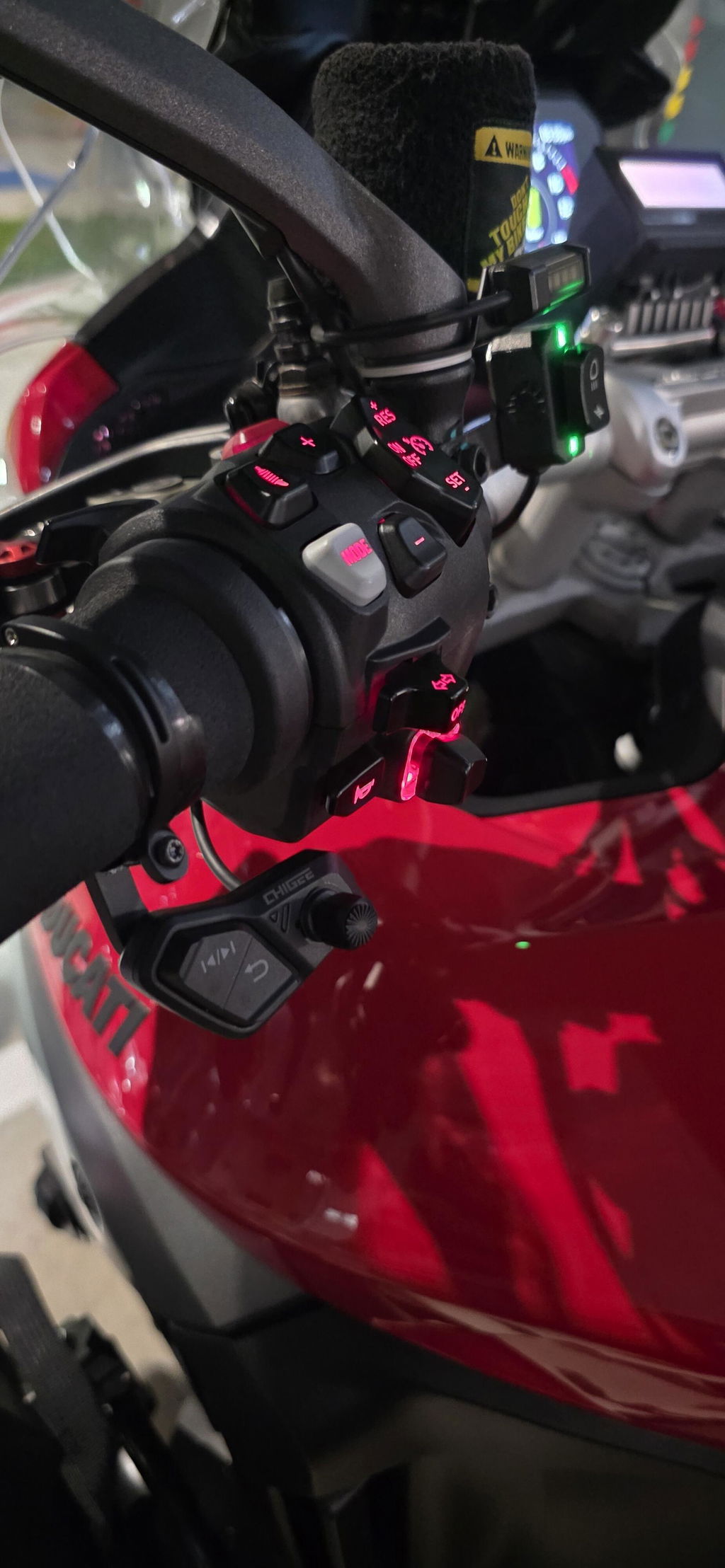
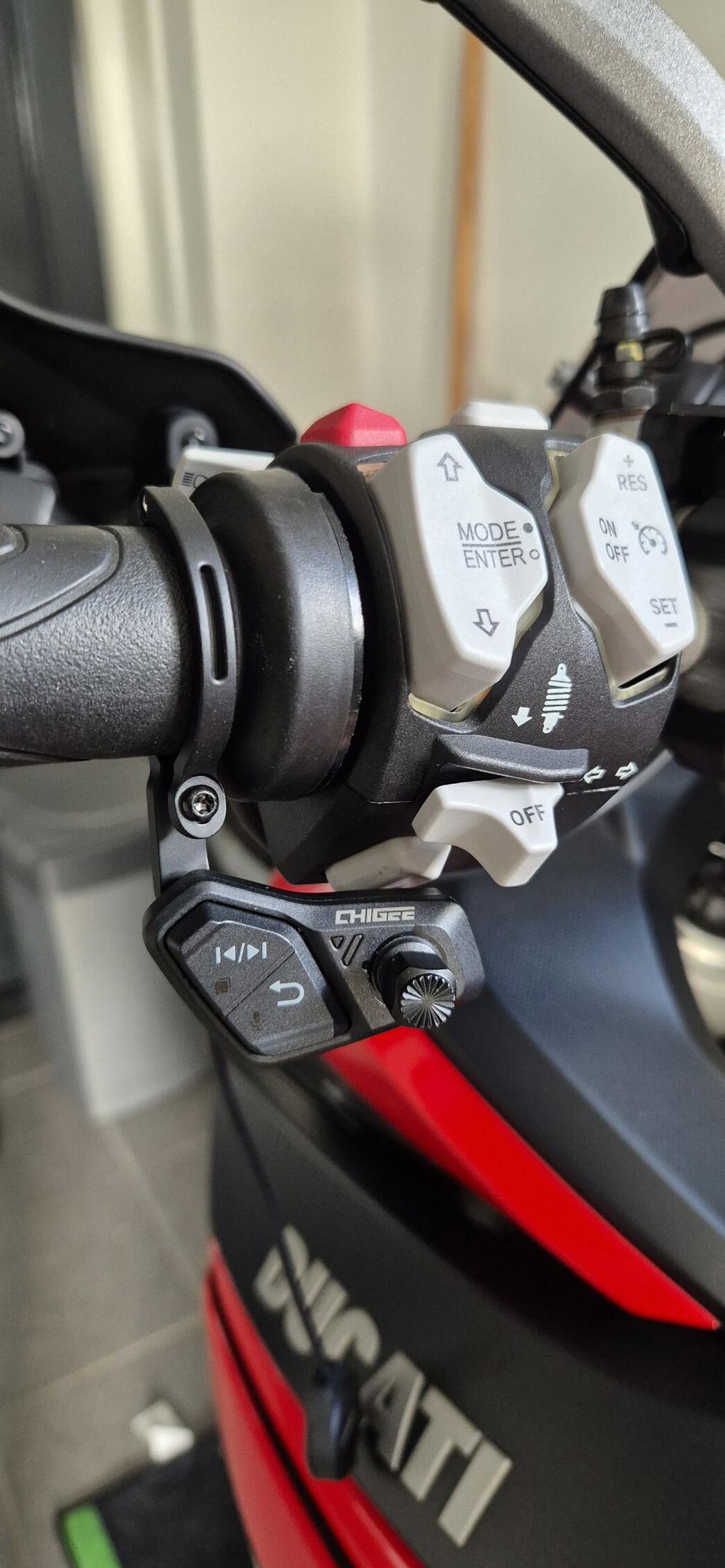
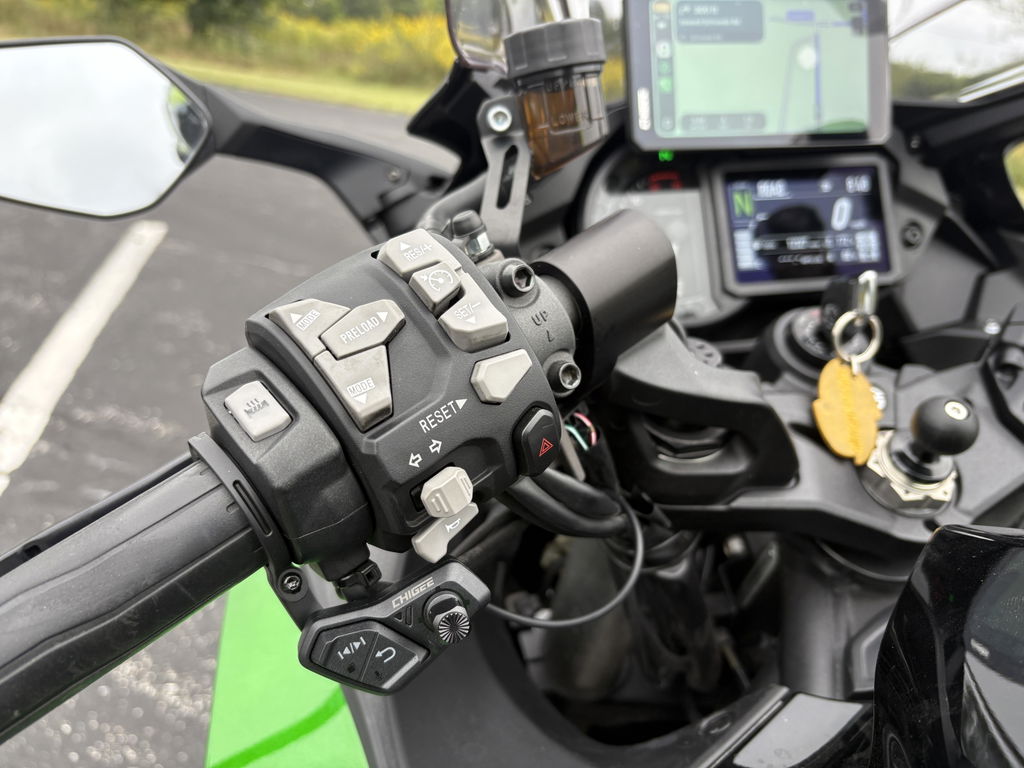
On their BMW R 1300 GS Adventure, the pair controlled the display without ever taking a hand off the bars, using the BMW Multi-Controller wheel to move through menus and navigation options. "This is extremely convenient," they said, "and, above all, allows us to keep our hands on the handlebars and our attention on the road."
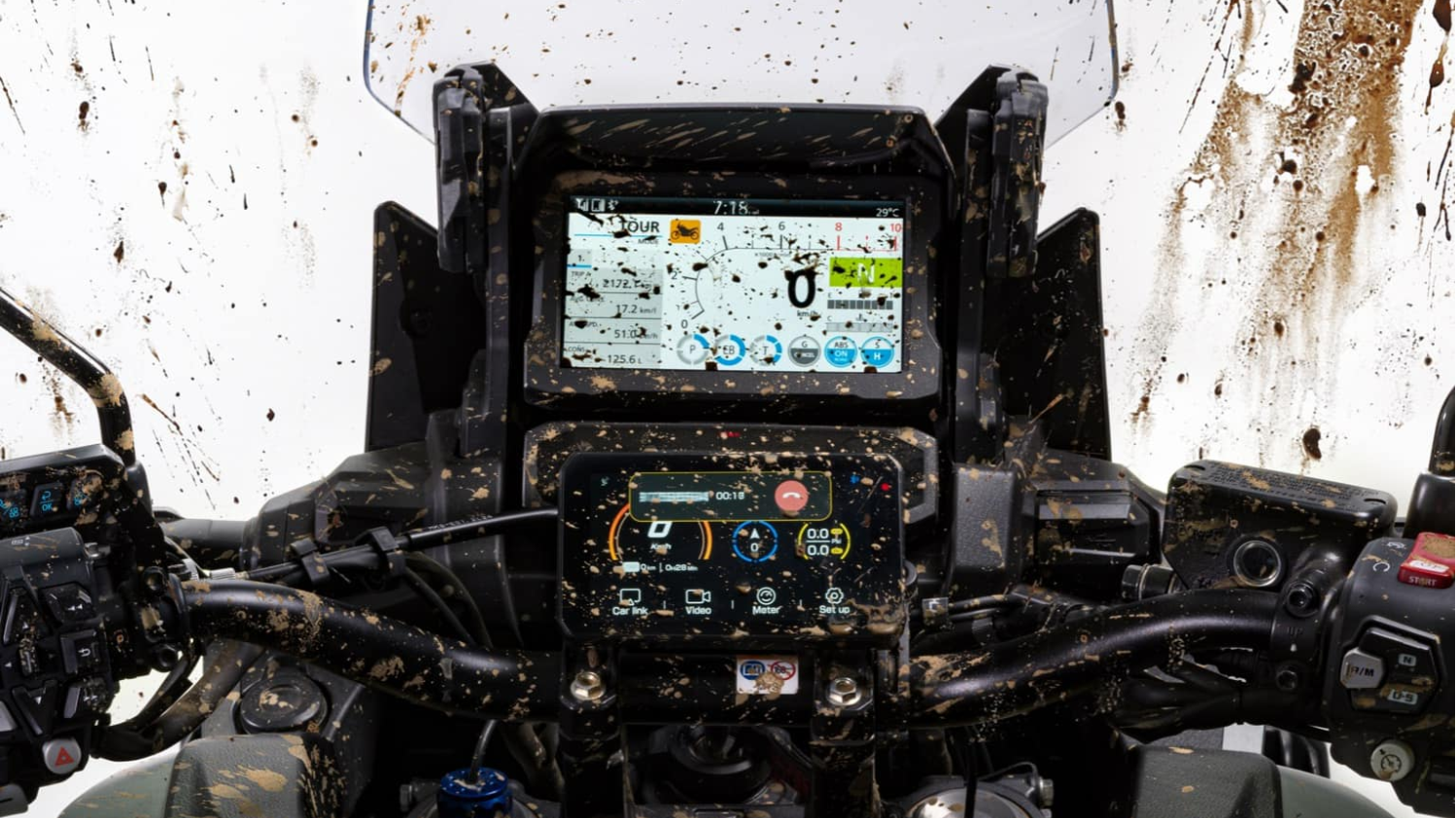
But ask them for the one feature that mattered most across those weeks of southern sun, and the answer comes instantly: the screen itself. "Even when the sun was directly hitting the screen, the information remained clearly visible," they told us. "A screen can have many functions, but if you cannot see it properly when riding in strong sunlight, much of its usefulness is lost." In their view, after long days riding straight into the Iberian summer glare, the AIO-6 MAX's display — rated at 2,300 nits of peak brightness — is the best they've used on a motorcycle.
And this wasn't a first date. Their AIO-6 MAX has now covered more than 50,000 kilometers with them across multiple trips. Their verdict after all that road? "For the way we travel, the AIO-6 MAX is practically the perfect solution for motorcycle touring."

Their Advice: Don't Rush
If you're tempted to trace this route yourself — and you should be — Santiago and Noe's advice is simple: leave the highway for someone else.
Take the secondary roads. Stop at the viewpoints. Talk to the people pouring the cider and grilling the fish. And build slack into the plan, because on the Iberian Peninsula, the unplanned detour has a habit of becoming the best memory of the trip.
Because on a motorcycle, the journey was never really about the destination anyway.
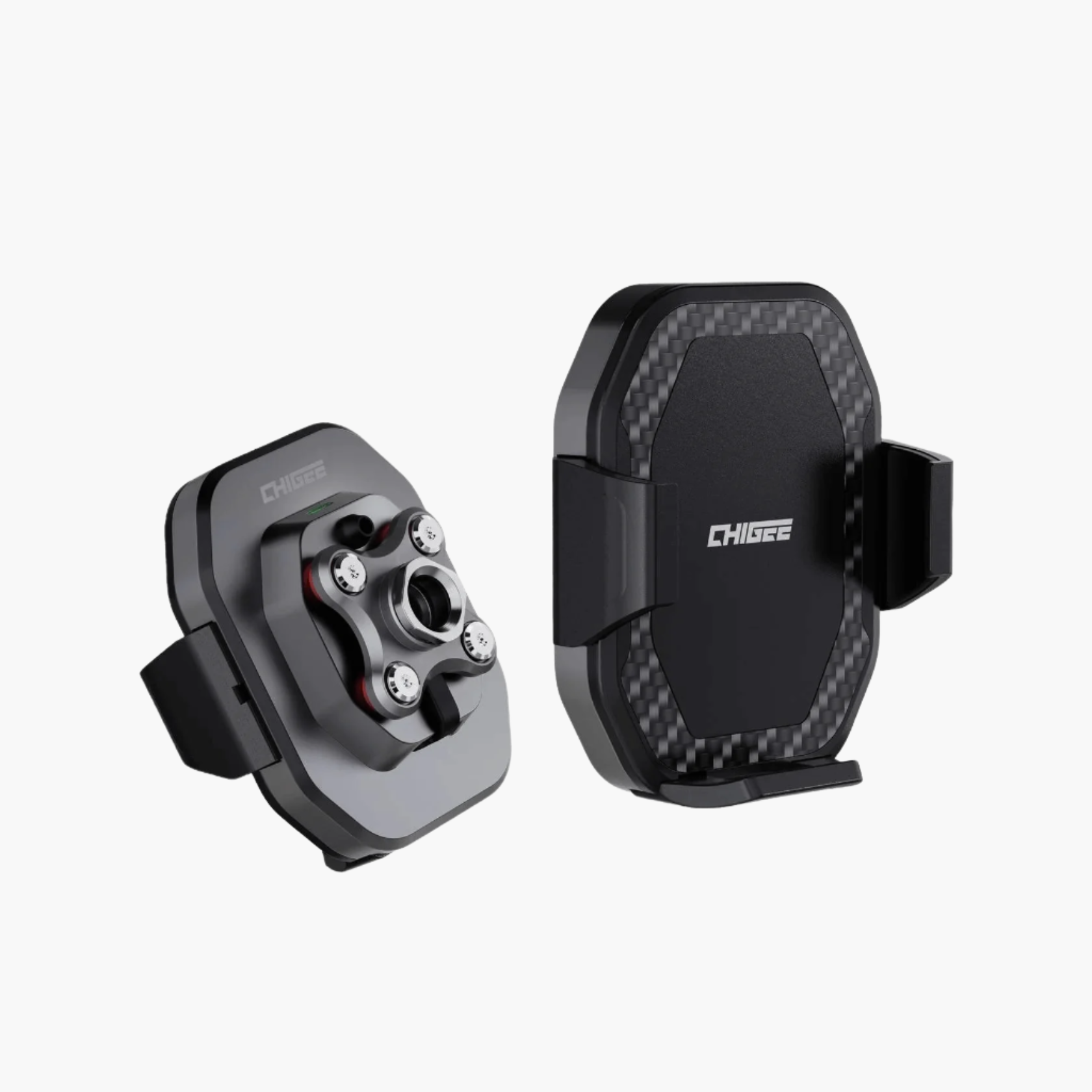
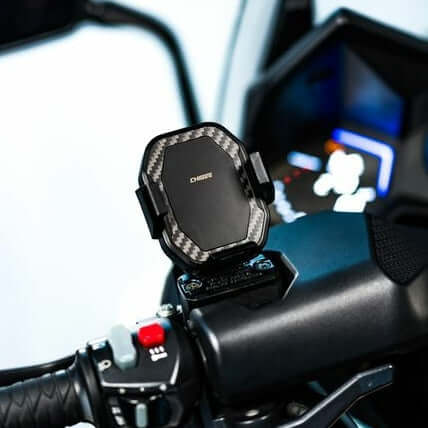
Planning your own long-distance tour? See our guide on how to choose the right mount for your CHIGEE display, or explore the BMW Quick-Release Module for tool-free installation on BMW models.

FAQ
How long does a motorcycle tour through Spain and Portugal take?
Santiago and Noe covered 5,060 km in 25 days — a relaxed pace that left time for secondary roads, viewpoints, and long lunches. A shorter loop of northern Spain and northern Portugal can be done in 10–14 days.
What is the best road for motorcycle touring in Portugal?
The N222 along the Douro River between Régua and Pinhão is widely regarded as one of the best driving roads in the world, with the quieter N108 running the opposite bank.
When is the best season to ride the Iberian Peninsula?
Late spring and early autumn offer the friendliest balance. In high summer, expect fog and changeable weather on the Atlantic coast, and intense heat inland — plan early starts and shaded mountain routes in Andalusia.











Leave a comment
All comments are moderated before being published.
This site is protected by hCaptcha and the hCaptcha Privacy Policy and Terms of Service apply.