


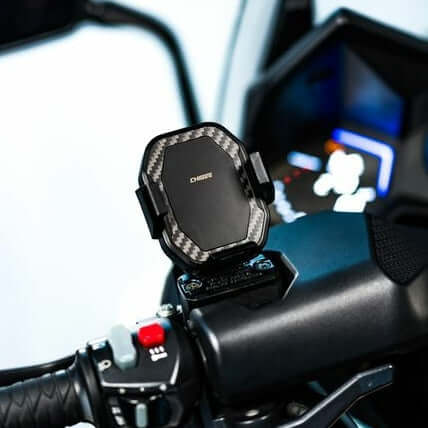
Almost every rider starts the same way: buy a phone mount, clip the iPhone to the handlebar, open the maps app, and go. Using your phone as a motorcycle GPS works — on a mild day, on smooth pavement, on a short ride.
The problem is that "mild day, smooth pavement, short ride" describes almost none of the riding that actually matters. Your phone was engineered for your pocket, your desk, and your car's climate-controlled cabin. Your handlebar is none of those places.
Most articles list the reasons in the abstract: heat, cold, vibration, water. This one takes a different route. Below are four real riding scenarios — a frozen commute, a desert cruise, an off-road adventure, and a long-distance tour — and what happens to a handlebar-mounted phone in each one.
Scenario 1: The Winter Commute — When Cold Kills the Battery First
Picture a daily commute in Oslo or Helsinki in January. Air temperature: well below freezing. Add wind chill at riding speed, and the phone on your bar is sitting in air far colder than the thermometer says.
Apple states that iPhone is designed to work in ambient temperatures between 0°C and 35°C (32°F to 95°F). A Nordic winter morning is outside that range before you even start the engine. According to Apple's own support documentation, cold conditions outside the operating range can temporarily shorten battery life and cause the device to shut off entirely — and a phone that gets too cold may stop charging, showing "Charging On Hold" on the lock screen.
For a commuter, that failure chain looks like this:
- You leave home with 80% battery.
- Wind chill drags the phone below its operating range within minutes.
- Battery percentage falls off a cliff, or the phone simply powers down mid-route.
- You plug it in — and charging is on hold because the phone is too cold to charge.
There's a second, less discussed problem: gloves. Capacitive phone screens are built for bare fingertips. Winter riding gloves are not optional in -10°C air, which means every interaction — rerouting, answering a call, skipping a track — requires either pulling over and removing a glove, or riding one-handed while fighting the touchscreen. Neither is a real option in traffic.
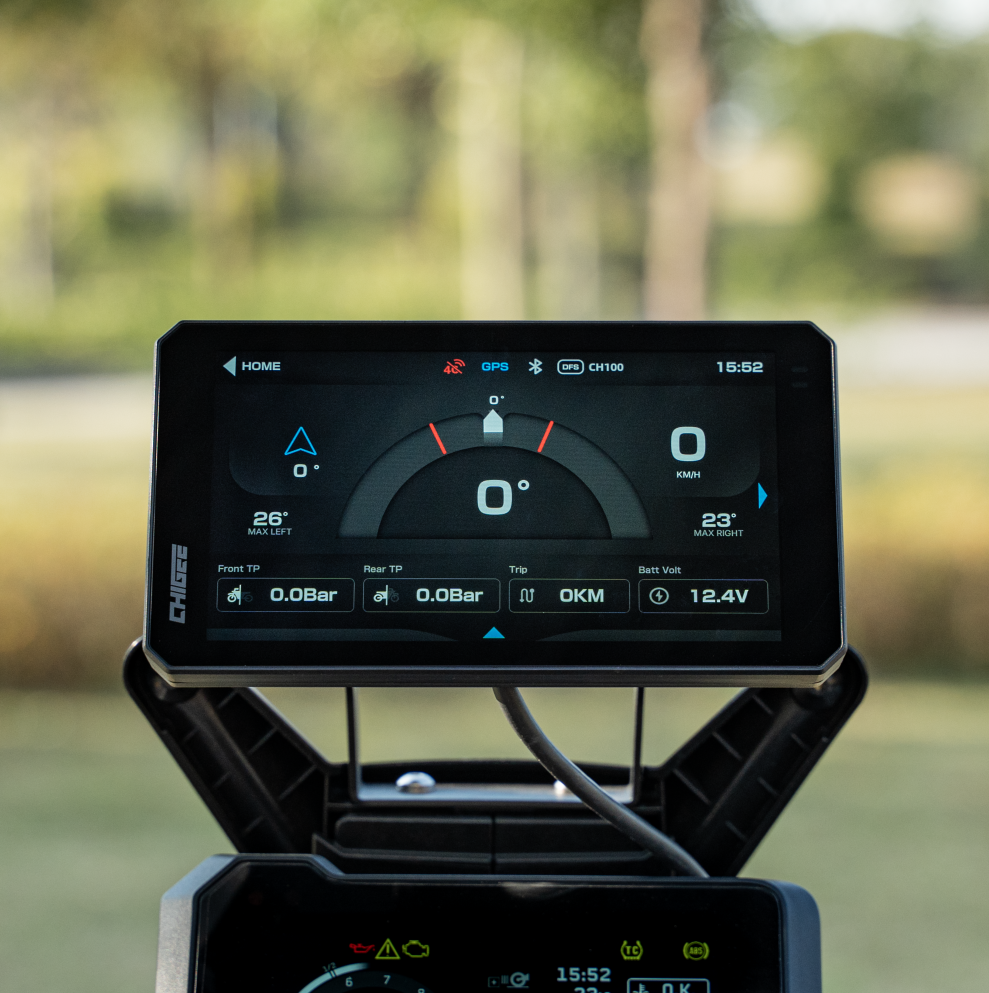
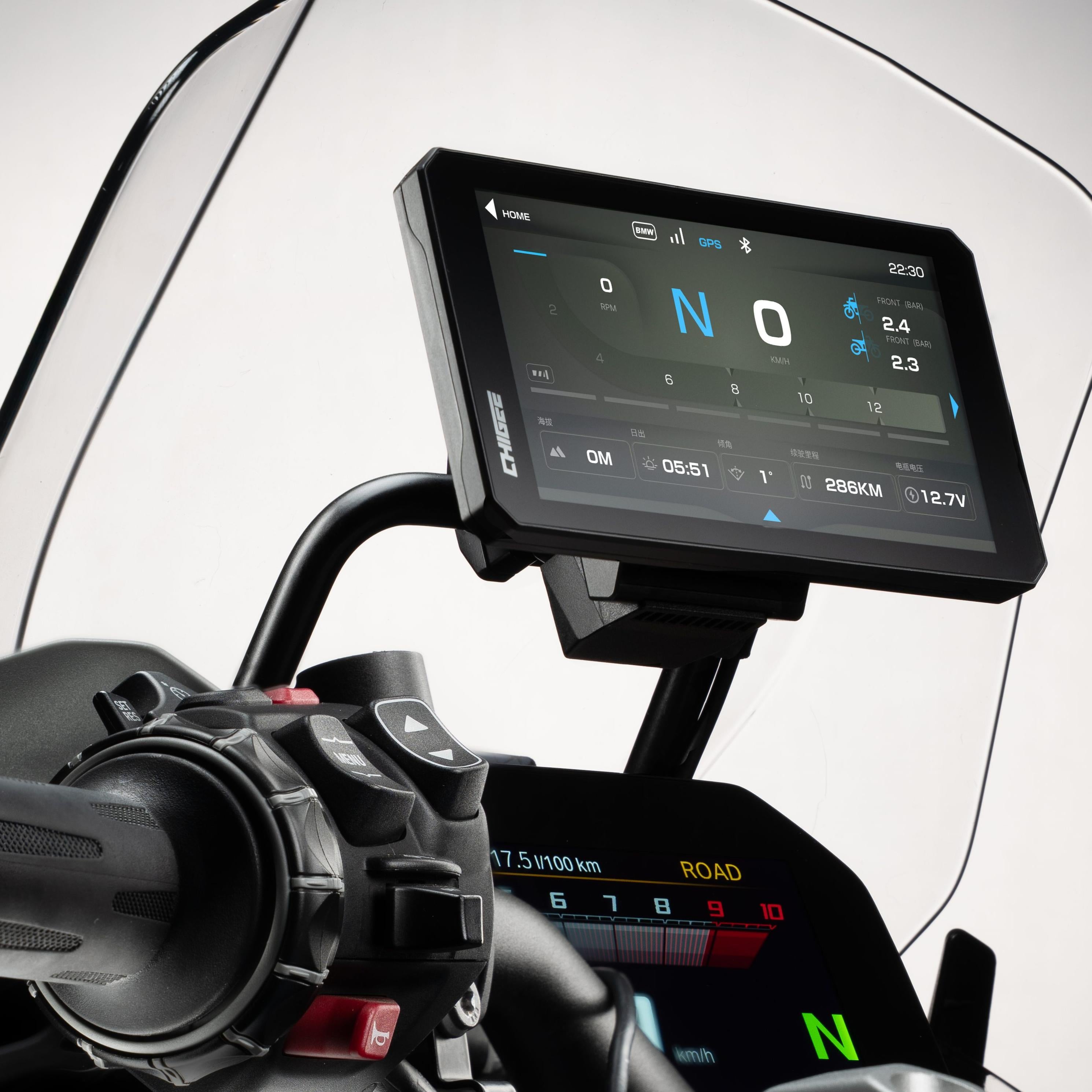
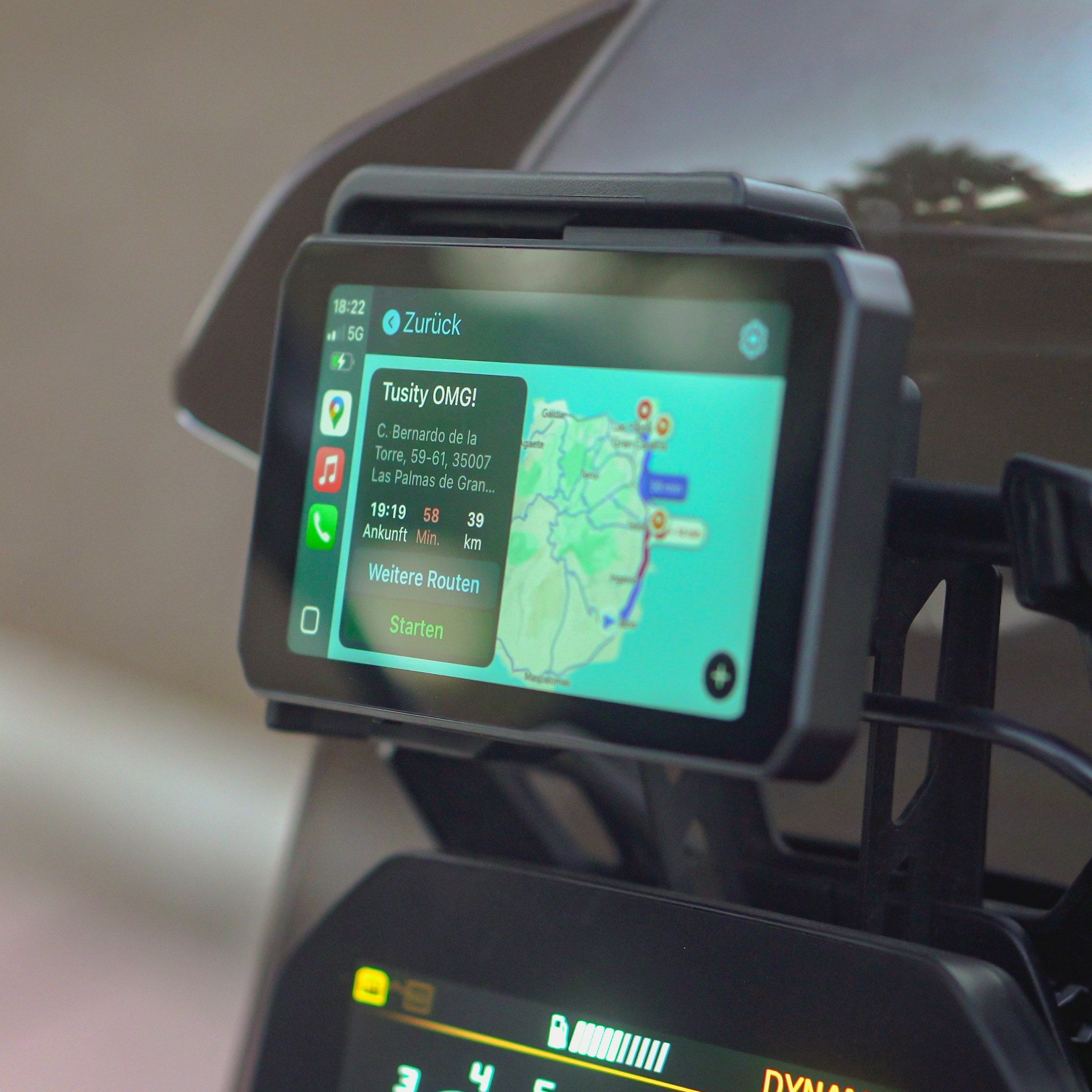
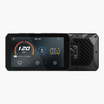
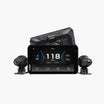
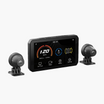
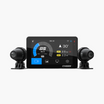
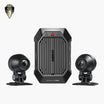
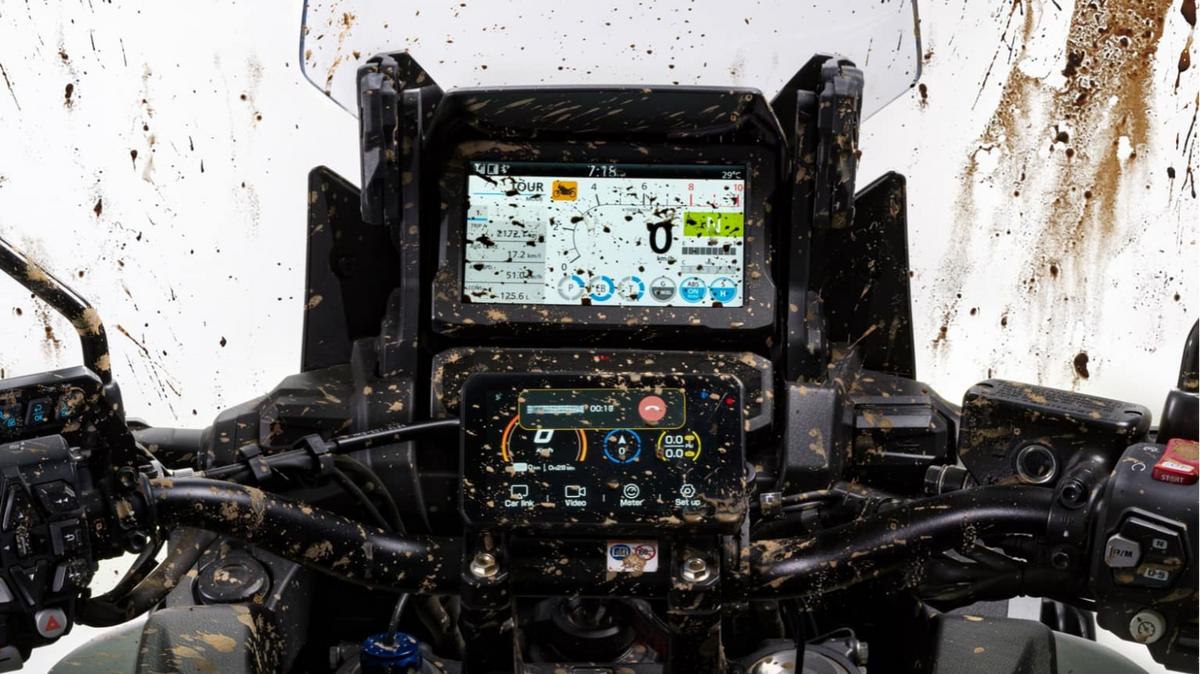
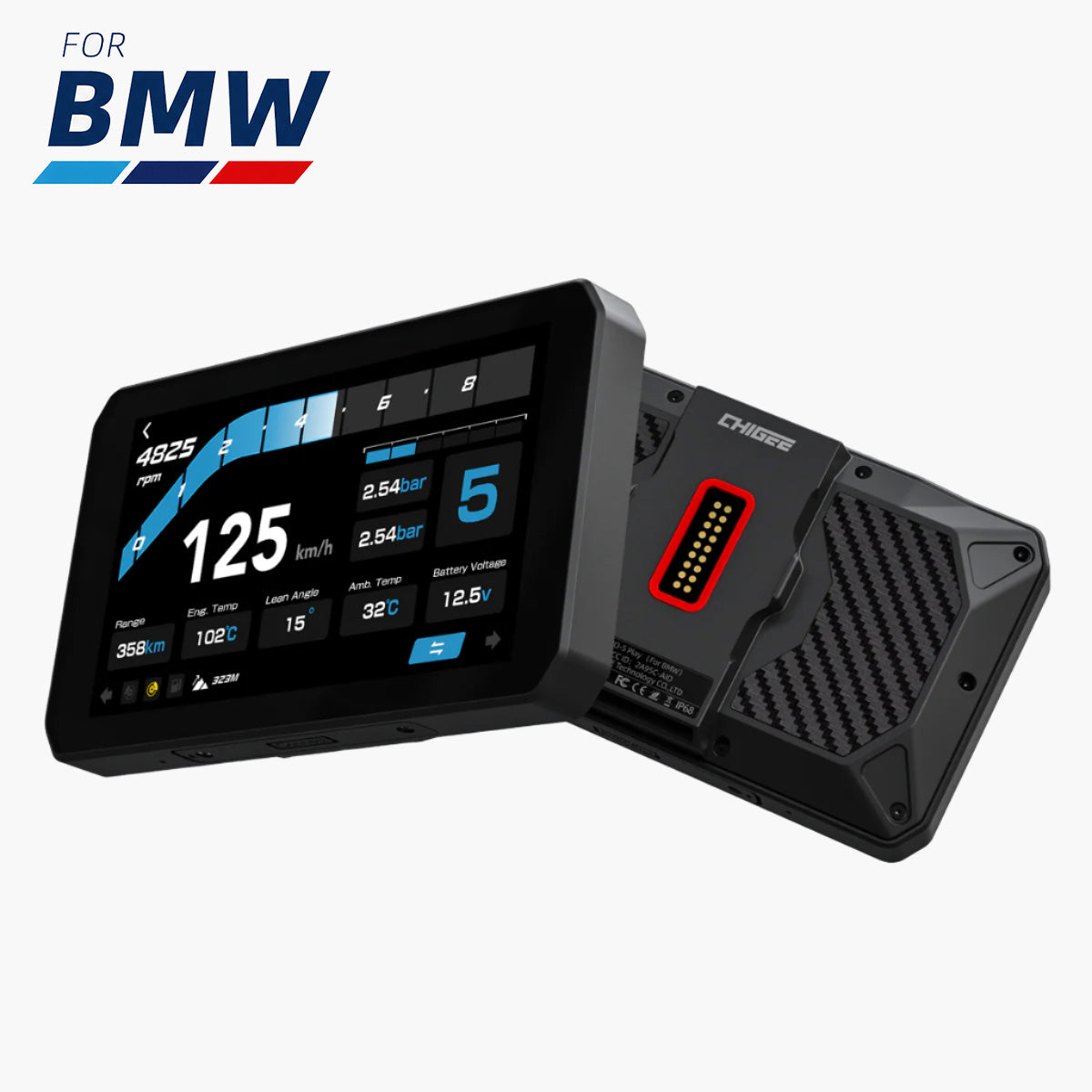
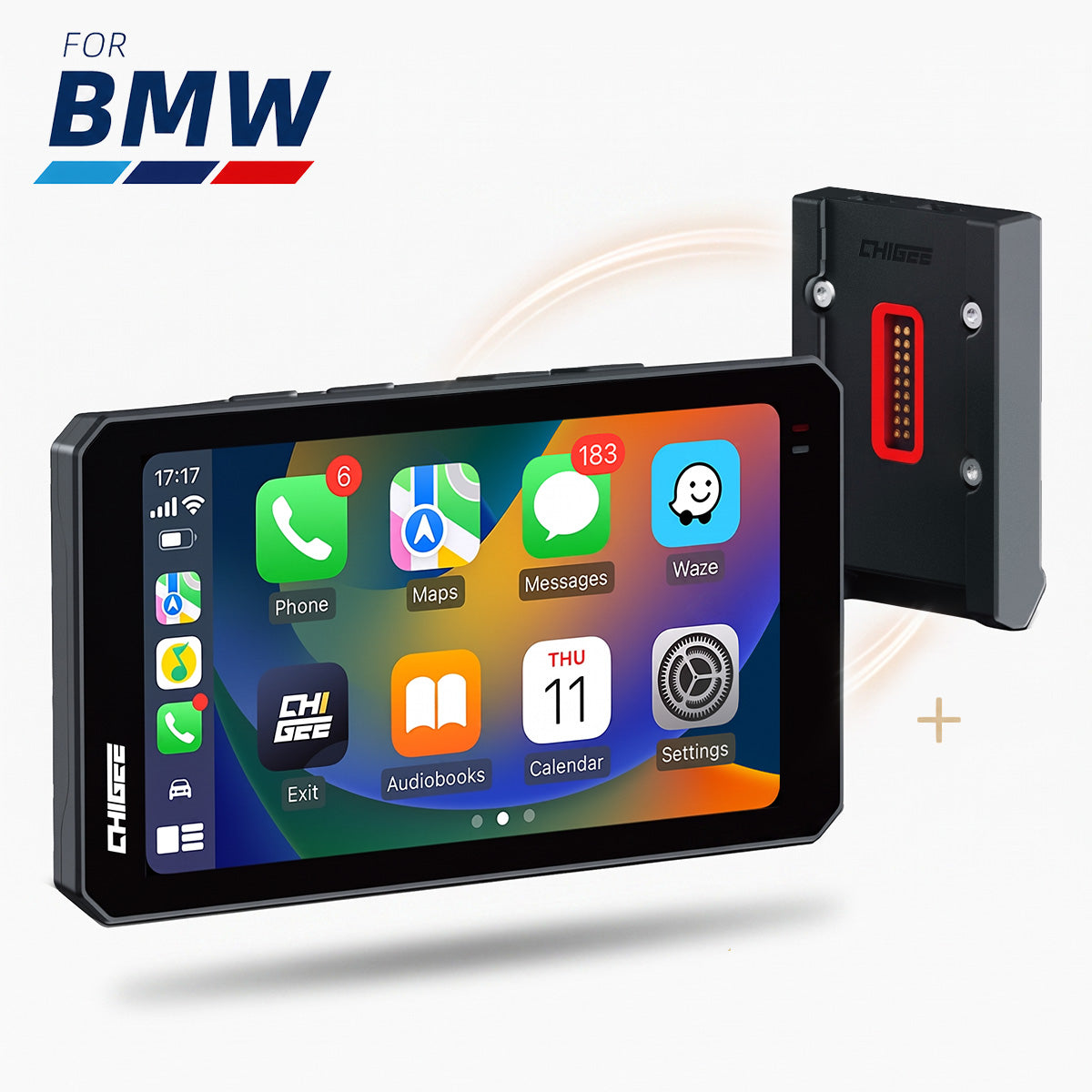
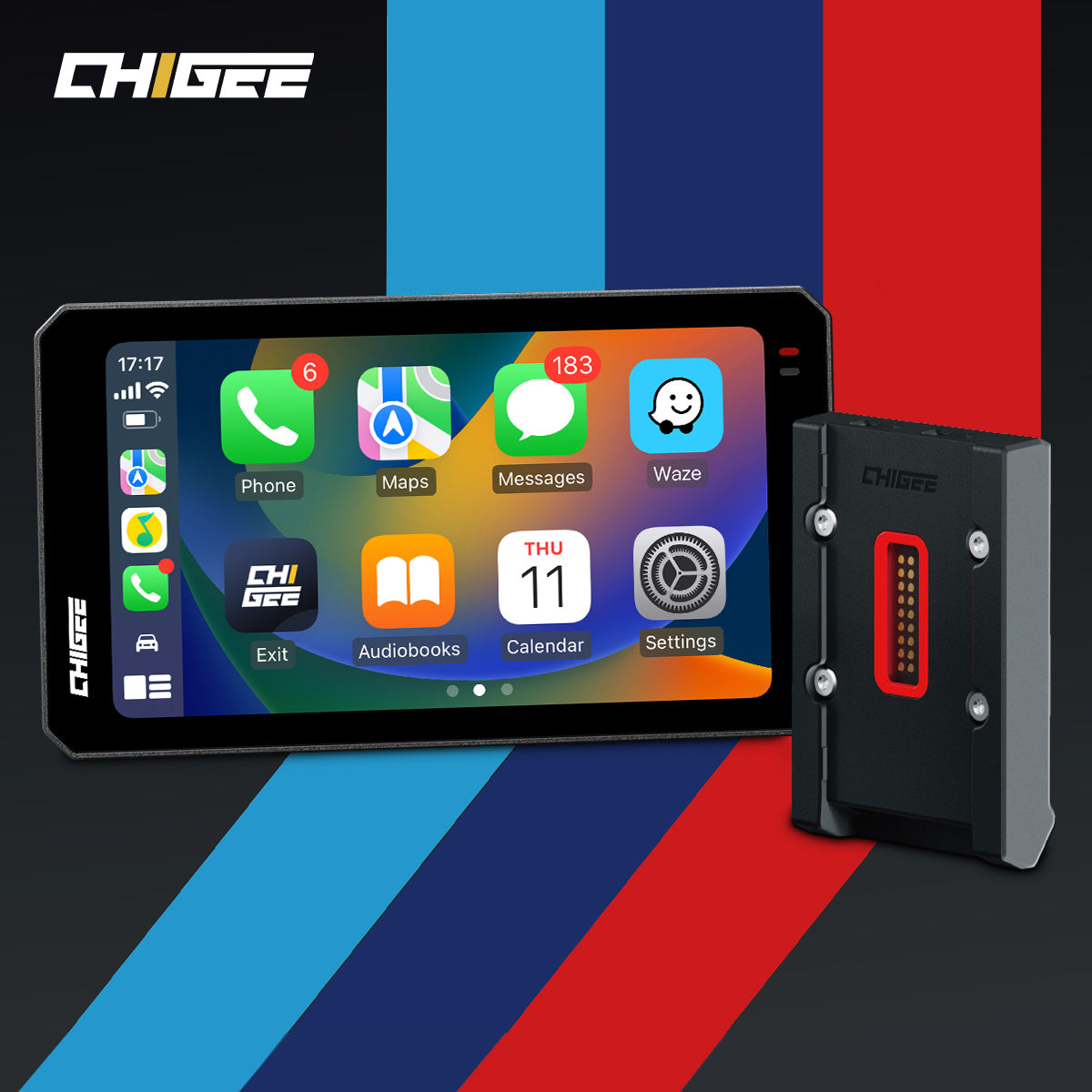
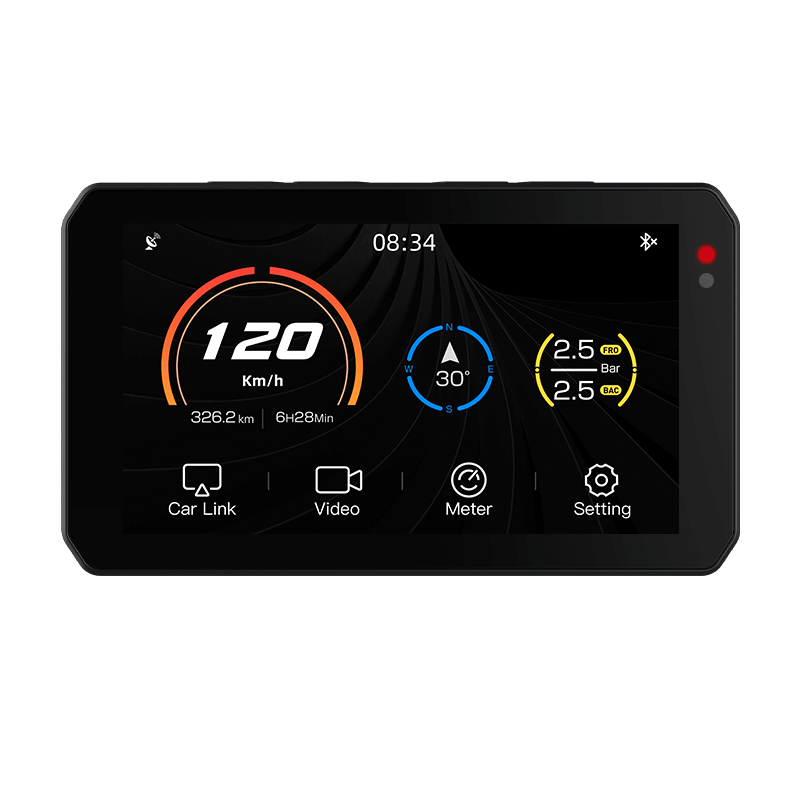
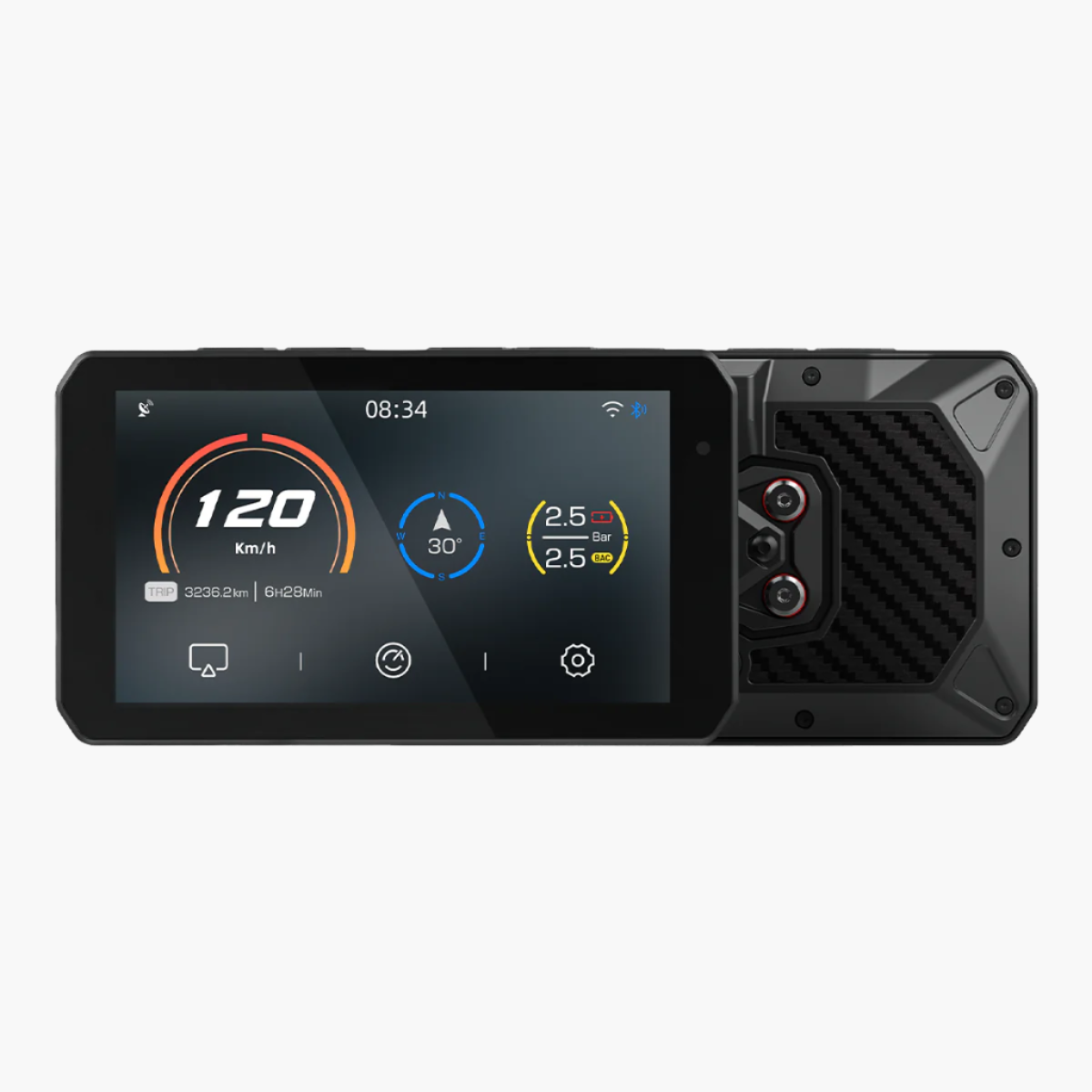
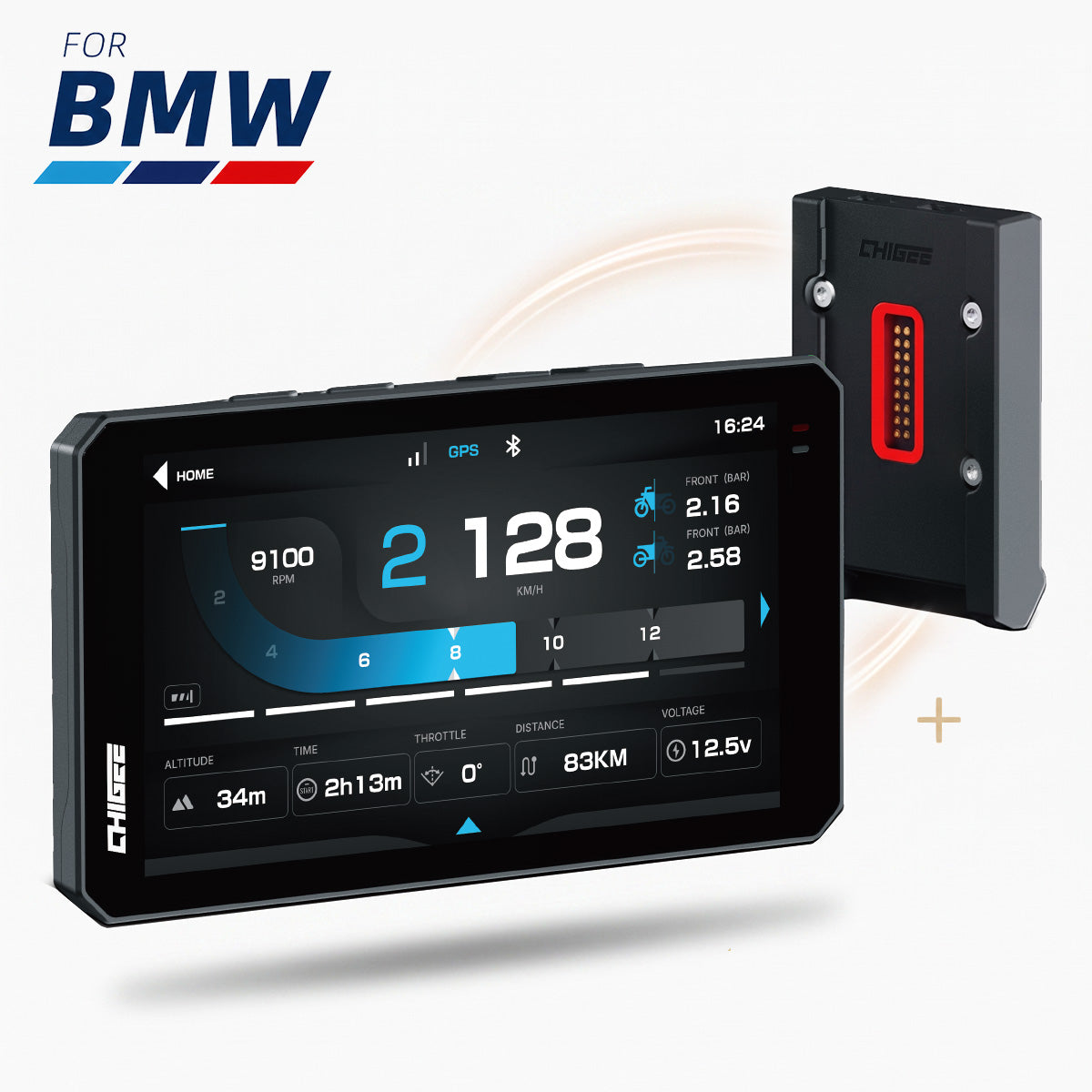
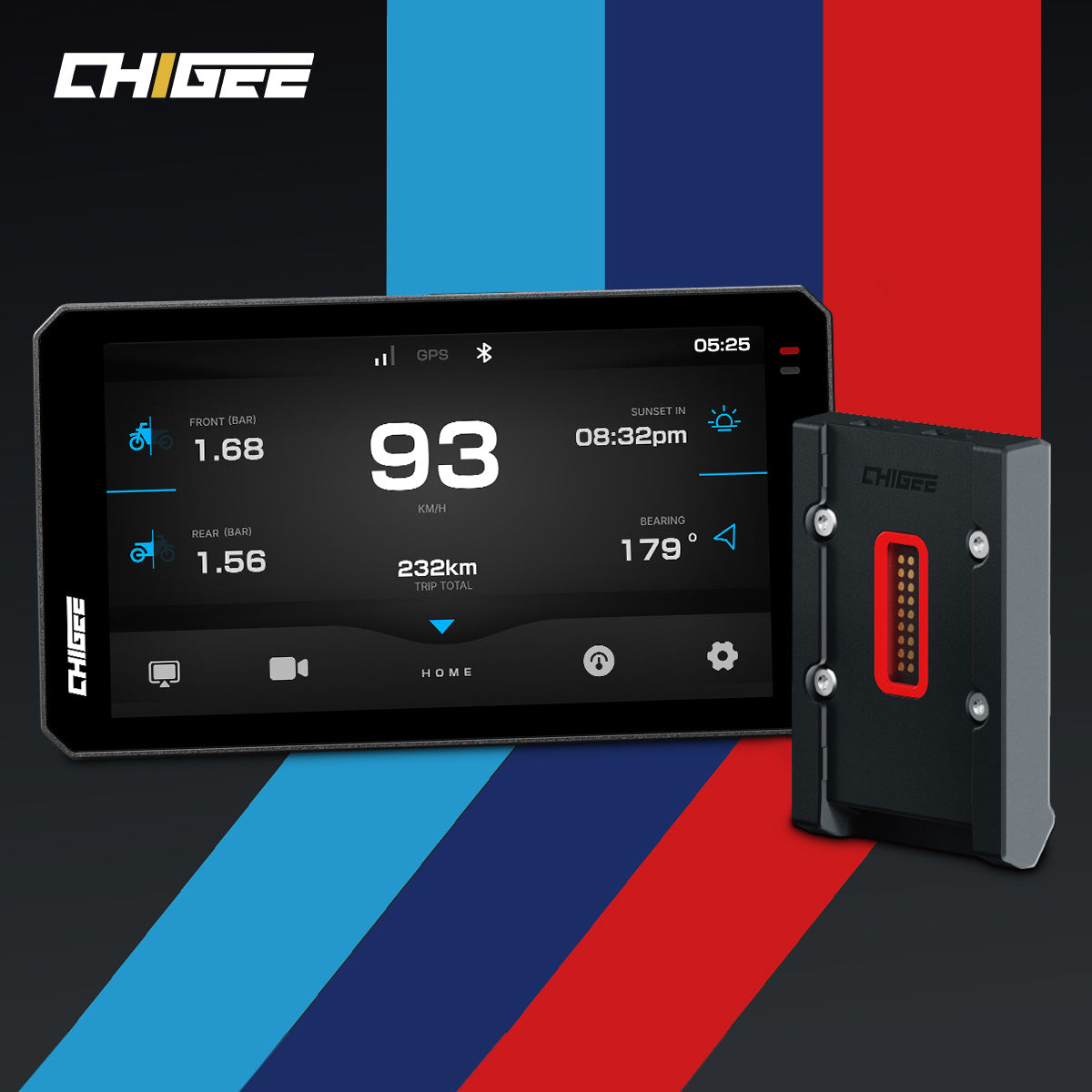
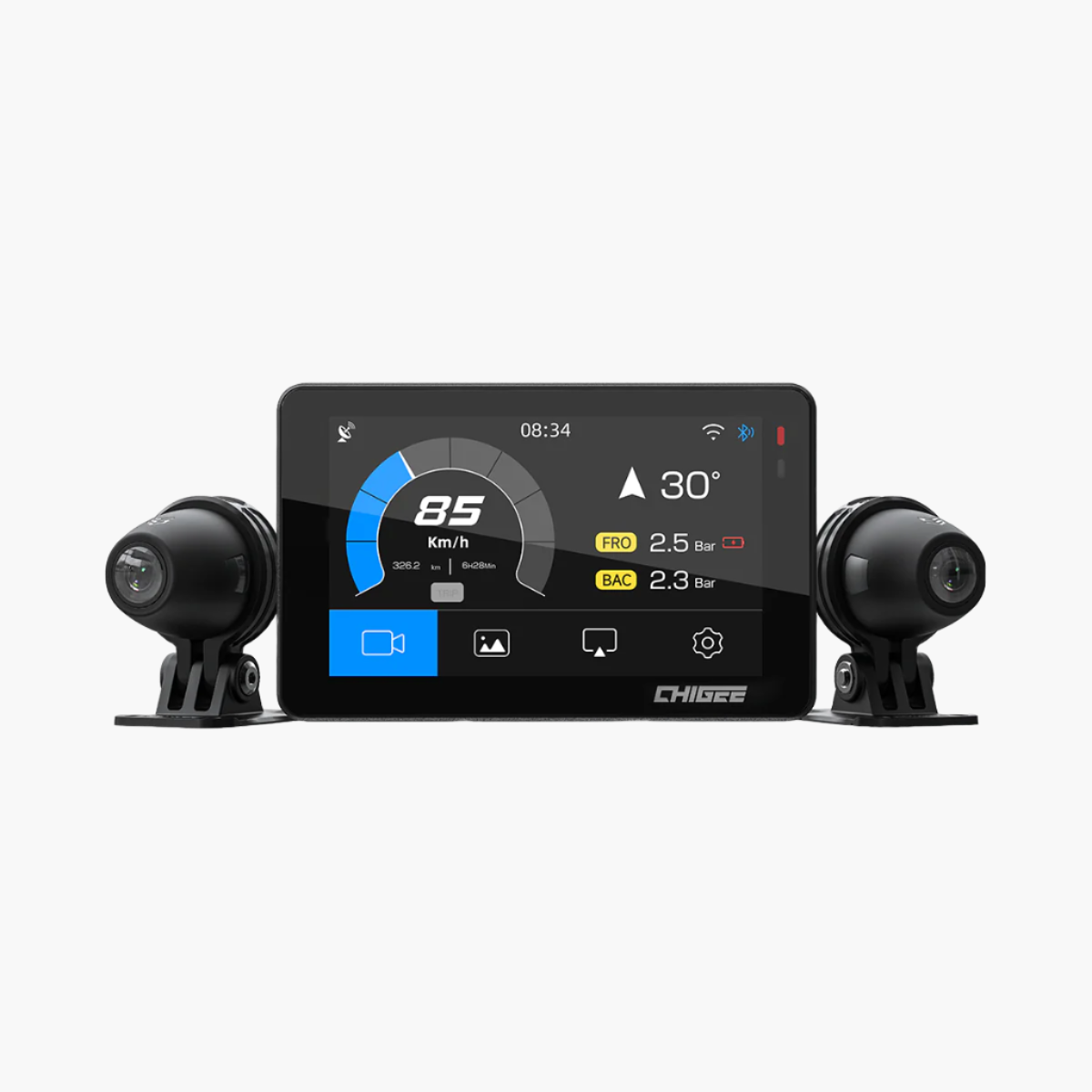
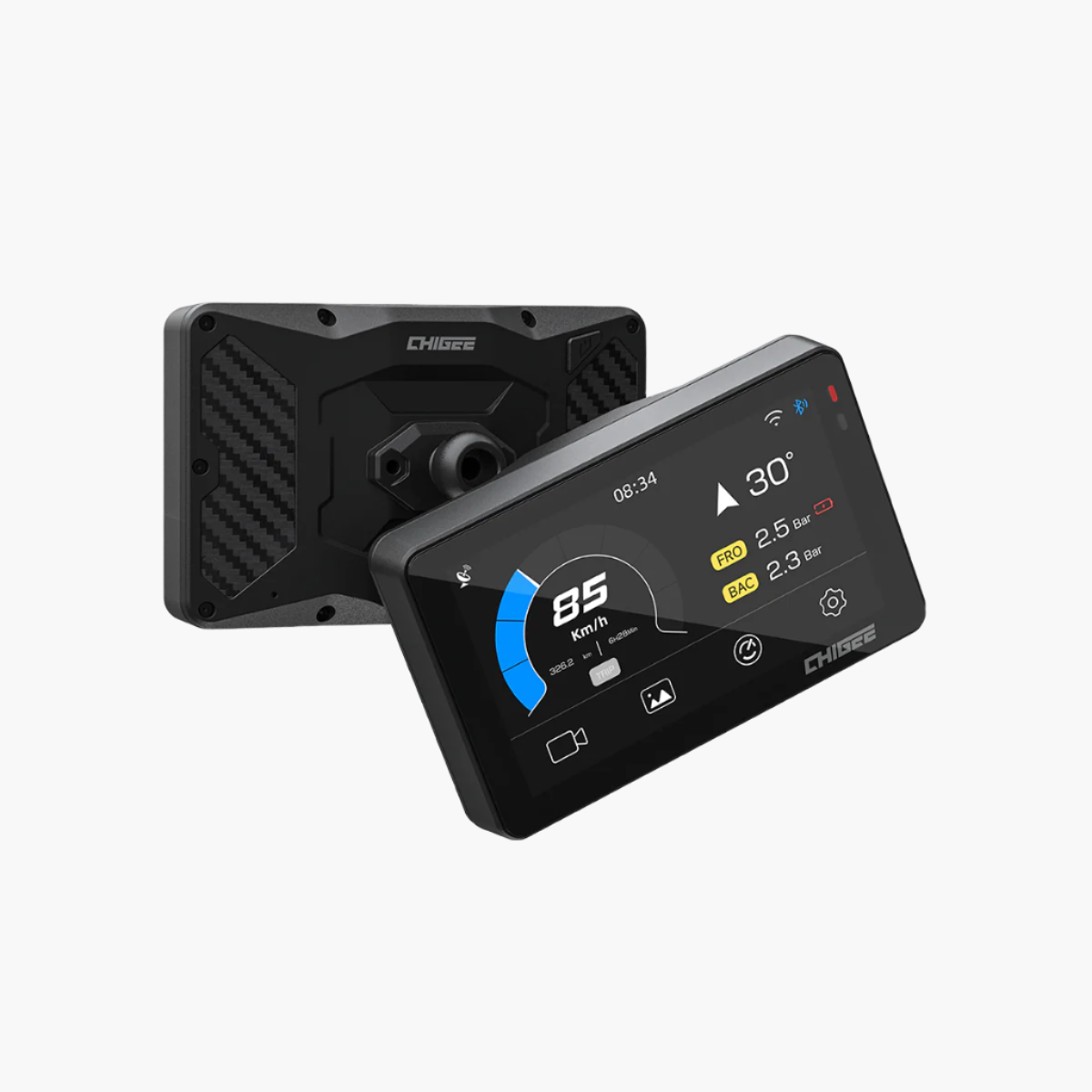
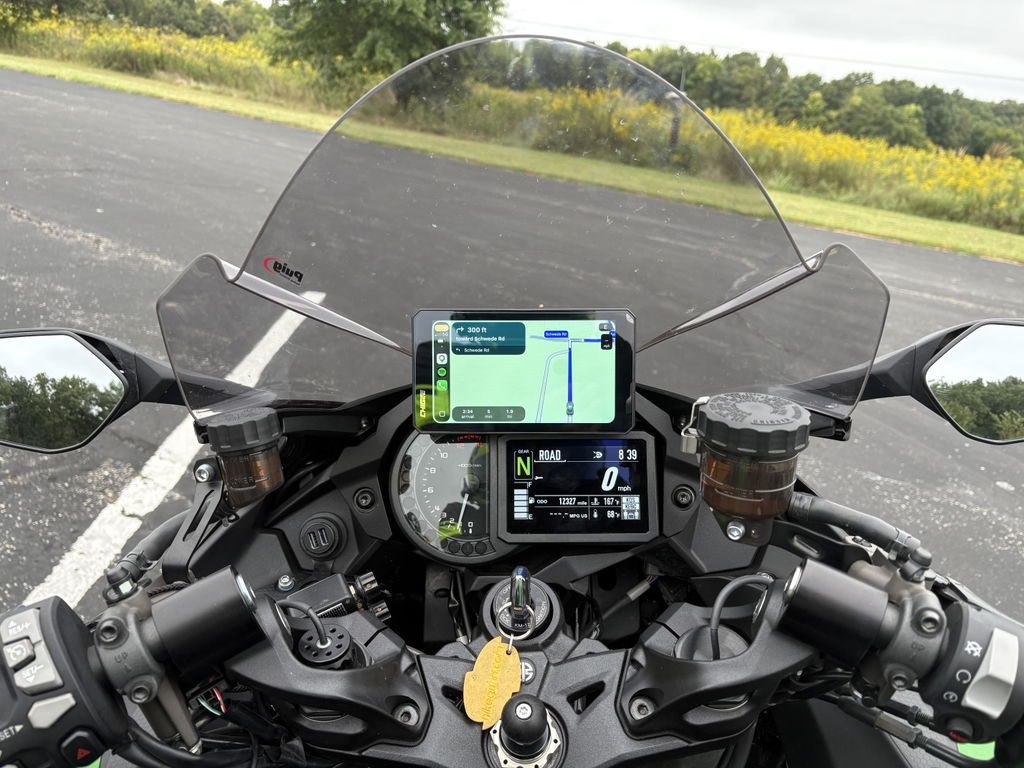
A dedicated motorcycle display is built for exactly this gap. CHIGEE's AIO-6 series is rated to operate from -20°C to 60°C and supports glove touch, so the screen responds through winter gloves the same way it does bare-handed. The phone still does the connecting — CarPlay and Android Auto run wirelessly from it — but it does so from inside your jacket, where your body heat keeps it within its comfort zone.

Scenario 2: The Summer Cruise — When Heat Shuts the Screen Off Mid-Navigation
Now flip the map. It's July on a highway through Arizona or the Nevada desert. Air temperature is well above 35°C — already past the top of the iPhone's designed operating range — and the phone is mounted in direct sunlight, running GPS, a bright screen, and a data connection at the same time.
This is the textbook recipe for thermal shutdown. Apple's documentation describes exactly what happens next: while navigating, the device can display the alert "Temperature: iPhone needs to cool down" and turn off the display. You still get audio directions, but the map you mounted the phone to see is gone — at 75 mph, in unfamiliar terrain, at the moment you need it most. Apple also notes that using the device in very hot conditions can permanently shorten battery life, so every hot ride quietly costs you battery health even when the phone doesn't shut down.
Riders try workarounds: turning the screen brightness down (now unreadable in desert glare), or plugging in a charger (charging generates more heat, making shutdown more likely, and charging pauses when the phone is too hot anyway).
The heat problem isn't a software bug to be patched. It's a hardware design boundary. A display built for the handlebar starts from a different boundary: the AIO-6 series operates up to 60°C and pushes 2,300 nits of peak brightness — designed to stay readable in direct desert sun, not despite it.
In the CHIGEE lab, AIO displays are tested against three extremes — temperature cycling, sustained vibration, and high-pressure water jets — and they come out the other side working normally. Your phone is a precise, expensive instrument. The last thing you'd want is to make it work overtime in conditions like these.
Scenario 3: The Adventure Ride — When Vibration Destroys the Camera You Paid For
This is the scenario with the most expensive failure mode, and the one Apple has warned about explicitly.
Off-road and adventure riding means sustained engine vibration, hard hits through the suspension, mud, water crossings, and the occasional low-speed drop. Every one of those is transmitted straight into a handlebar-mounted phone.
In an official support notice, Apple states that it is not recommended to attach your iPhone to motorcycles with high-power or high-volume engines, because high-amplitude vibration in certain frequency ranges can degrade the camera system. The components at risk are optical image stabilization (OIS) and closed-loop autofocus — the tiny gyroscope-and-magnet mechanisms that float the lens to keep your photos sharp. Long-term exposure to engine vibration can permanently reduce image quality for photos and videos. In practical terms: the bike doesn't crack your screen; it quietly ruins the camera, and the damage isn't covered as a defect.
Stack the rest of the adventure environment on top:
- Mud and dust work into ports and speaker grilles. Phone water-resistance ratings assume clean fresh water, not pressurized spray and grit.
- A drop or crash puts the phone — often the most expensive single item you're carrying — at the exact point of impact.
- Water crossings exceed what a pocket device's splash rating was tested for.
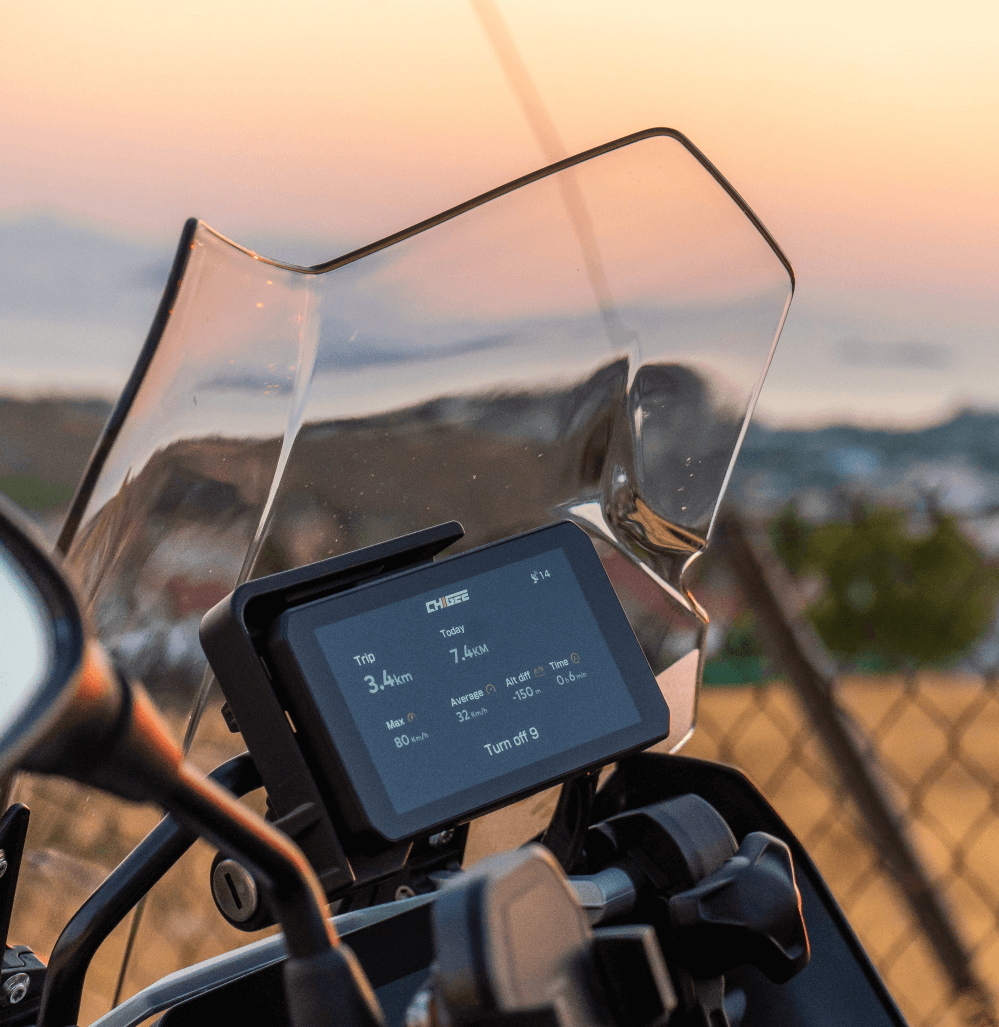
A handlebar device for this environment needs to be built as riding equipment, not adapted from pocket equipment. The AIO-6 series carries an IP69K rating — a standard that covers high-pressure, high-temperature water jets — and is engineered to live on a motorcycle full-time, vibration included. Your iPhone's camera and lens stay in your pocket, available for the summit photo instead of being sacrificed to the ride up.

Scenario 4: The Long-Distance Tour — Battery Anxiety and the Moment Nobody Records
Cruising is the scenario where the phone almost works — which is exactly why its failures are easy to underestimate.
On a 500 km touring day, the phone is navigating continuously for six to eight hours. Screen on, GPS on, Bluetooth on. Two problems compound over that distance:
Battery anxiety. Continuous navigation is one of the heaviest loads you can put on a phone. So you charge while riding — but in summer heat, charging plus navigation pushes the phone toward the thermal limits described in Scenario 2, and charging can pause exactly when you're counting on it. You end the day managing your phone's battery instead of the ride. And the phone on your bar is also your phone for the hotel booking, the roadside call, and the emergency — draining it for navigation drains your safety margin too.
The unrecorded incident. Touring means hours of exposure to highway traffic. If a car merges into you outside a city you've never been to, your navigation phone has recorded nothing. A phone running maps is not a dashcam; it can't be both at once.
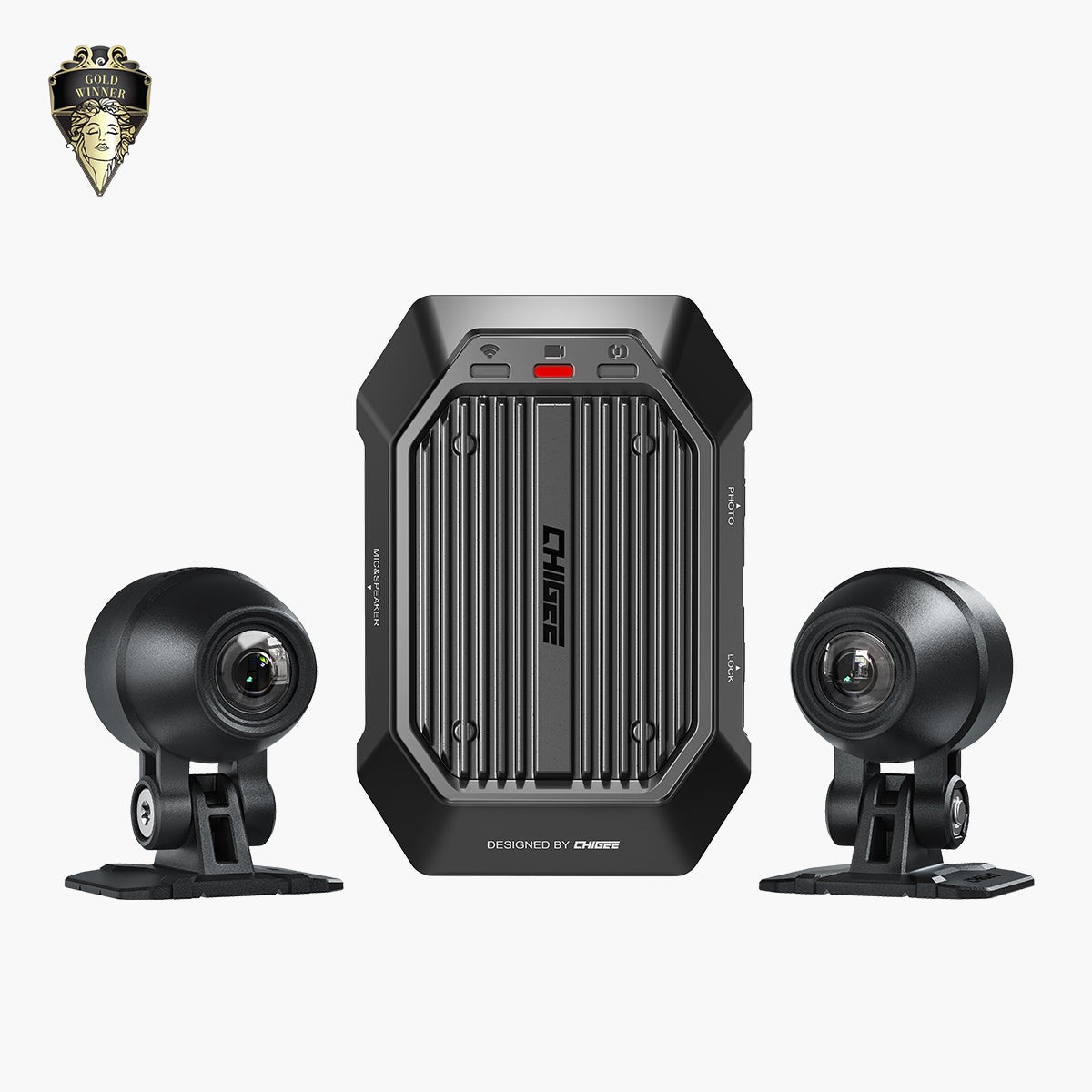
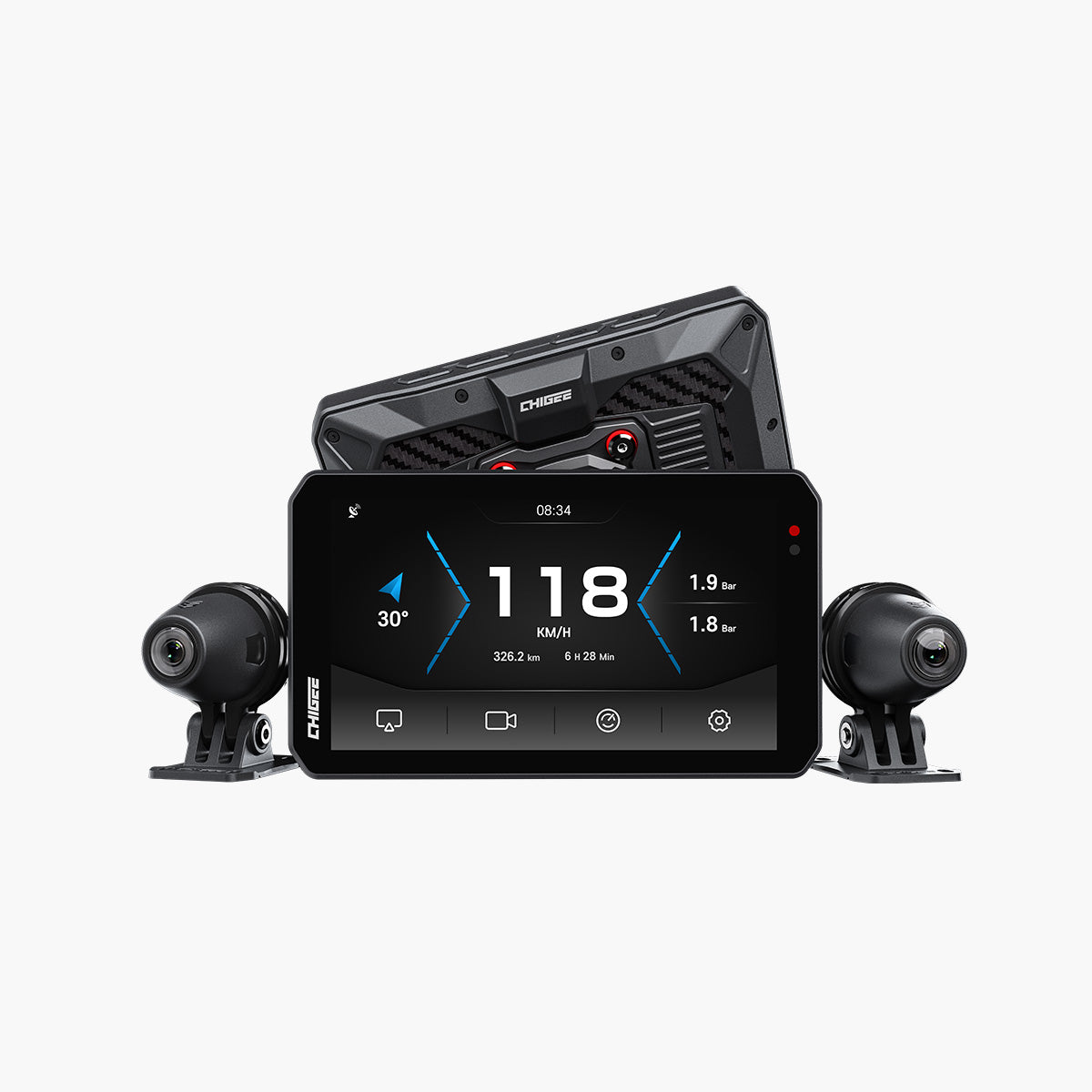
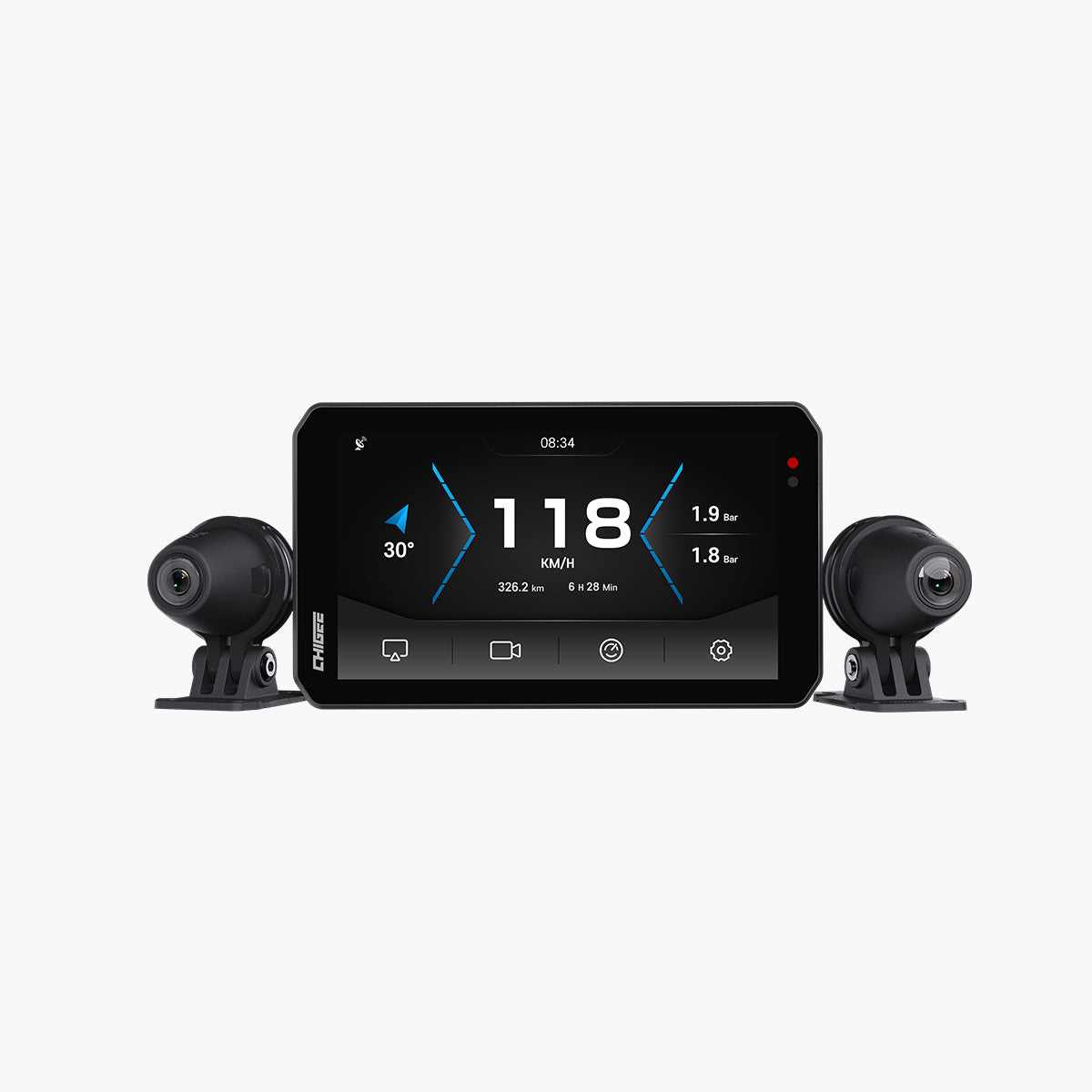
This is where a dedicated display separates most clearly from a mounted phone. The AIO-6 series runs wireless CarPlay and Android Auto for navigation and music while its front and rear cameras record continuously — with Collision Lock helping preserve the relevant clip if an impact is detected, so it isn't overwritten by the loop. Power comes from the motorcycle's battery, so an eight-hour day costs your phone almost nothing.
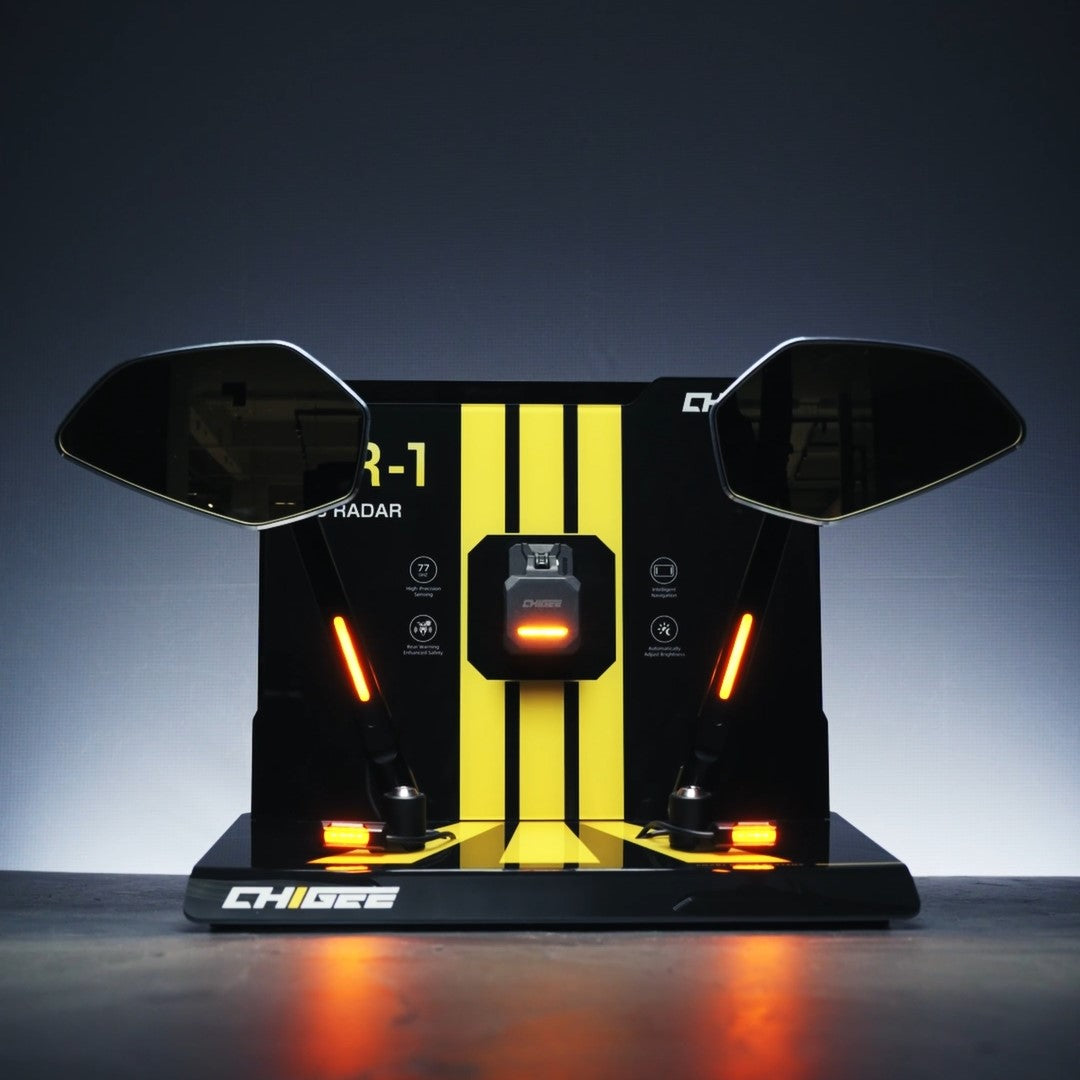
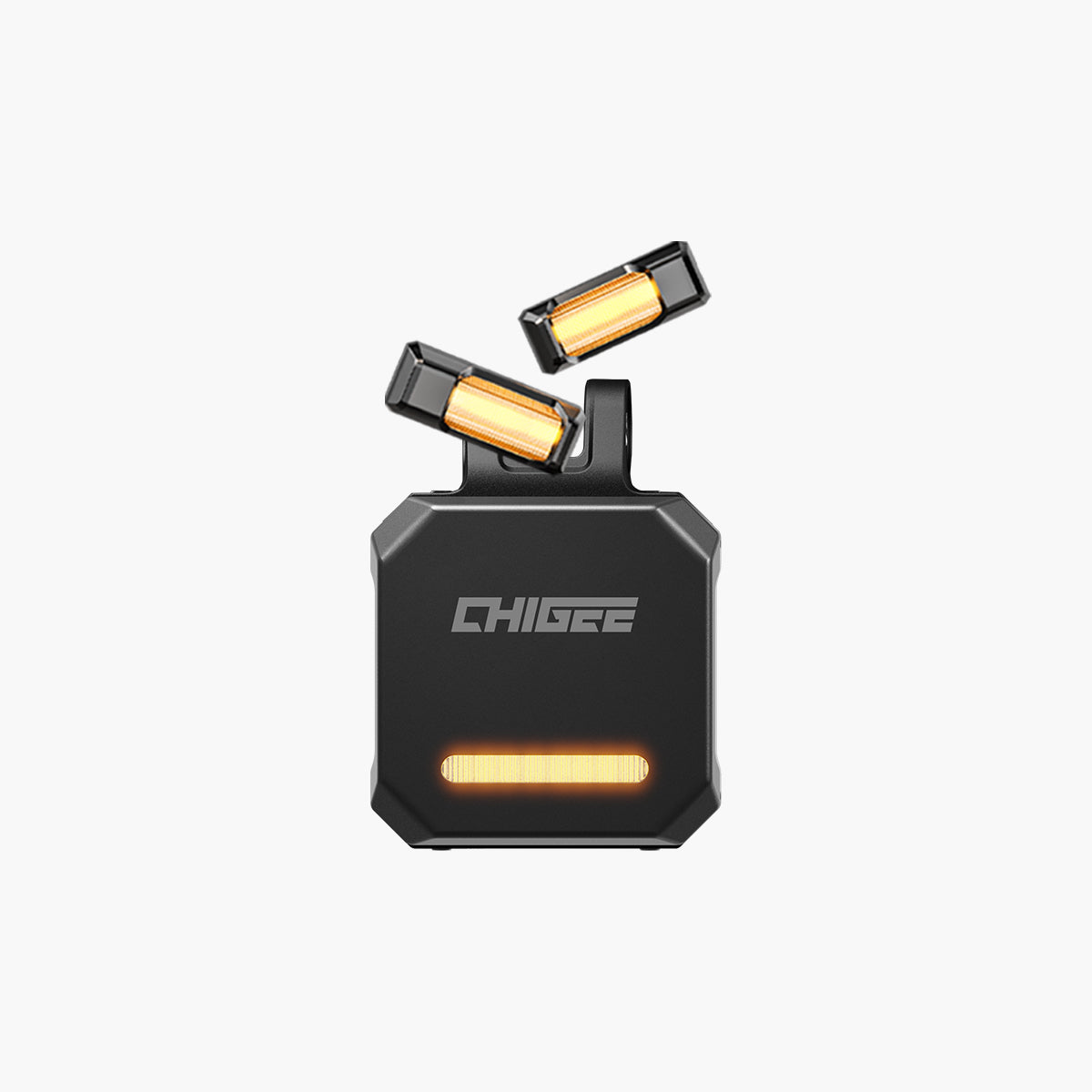
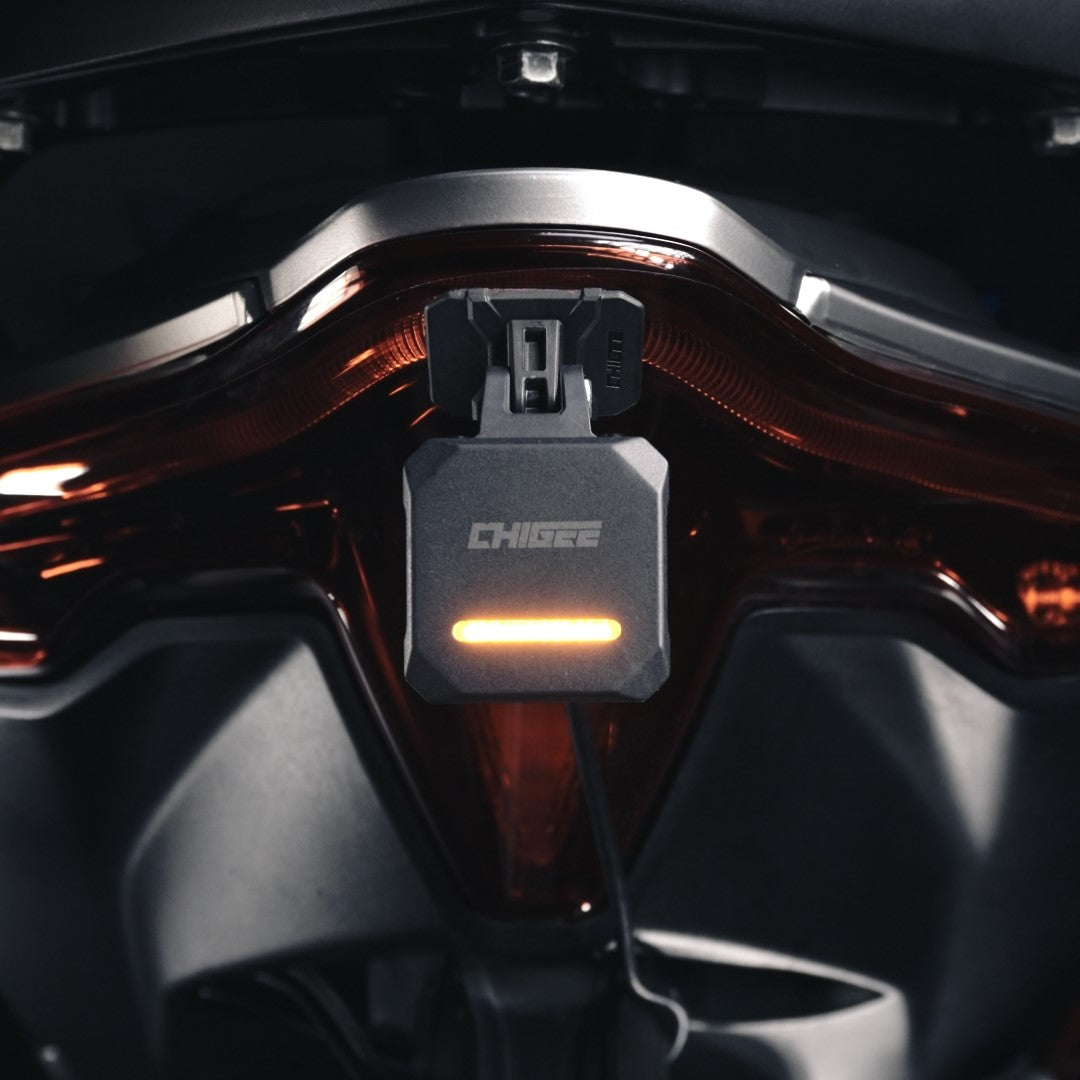
Riders who already have navigation covered and only want protective recording can go one step further down the dedicated-hardware path with a screenless unit like the XR-1 motorcycle dashcam — but if you want navigation and recording in one place on the bar, that's what a smart display is for.

The Real Division of Labor: Phone as Brain, Display as Body
None of this is an argument against your phone. It's an argument about where the phone should sit.
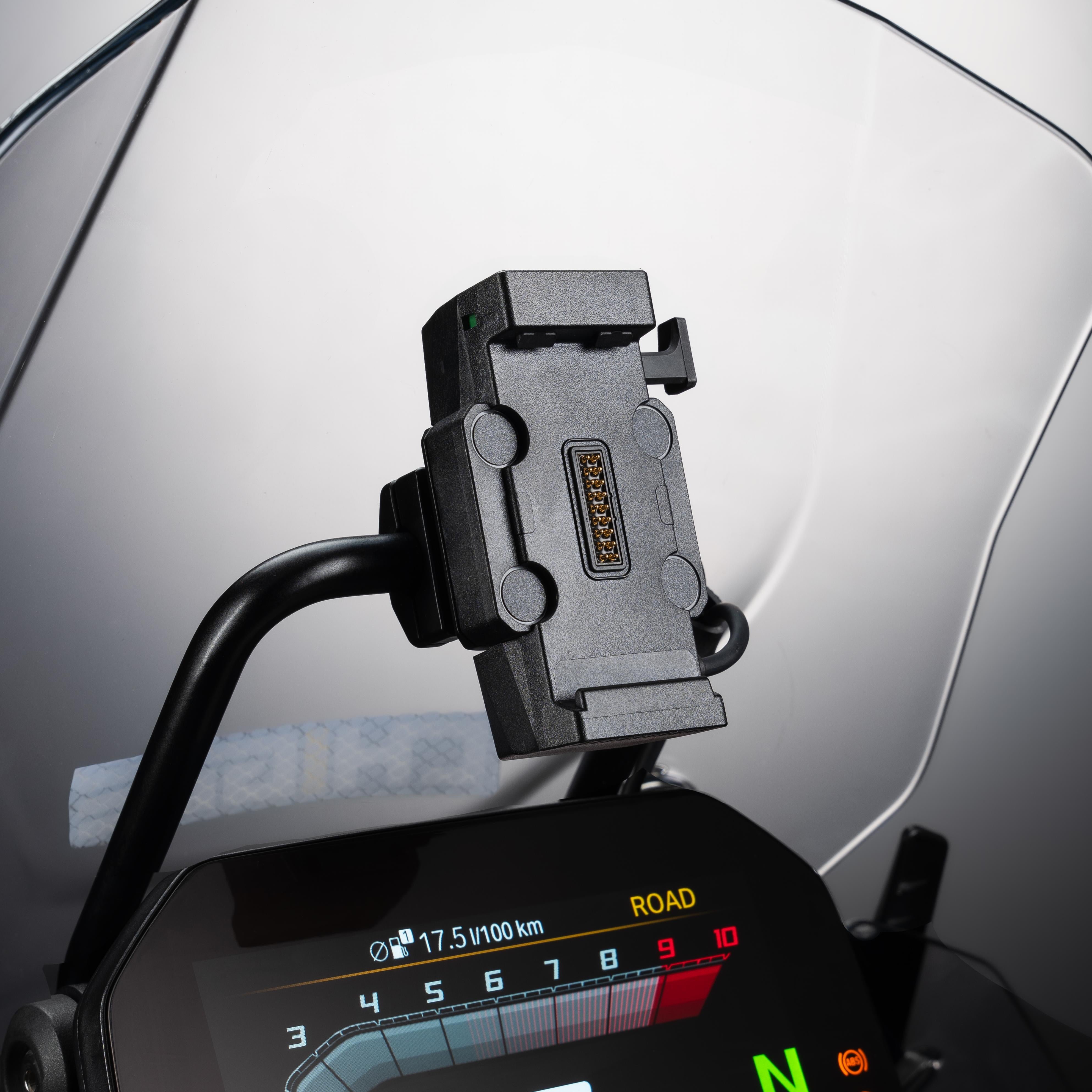
With a dedicated display running CarPlay or Android Auto, the phone still supplies everything it's genuinely good at — your maps, your music, your calls, your contacts. It just does it from inside your jacket or tank bag: temperature-buffered, vibration-isolated, dry, and holding its charge.
The handlebar, meanwhile, gets hardware that was designed for the handlebar:
|
Handlebar reality |
Mounted phone |
Dedicated display (AIO-6 series) |
|
Winter cold |
Shuts down below 0°C ambient design range |
Operates to -20°C |
|
Desert heat |
Display shutoff, long-term battery damage above 35°C |
Operates to 60°C |
|
Direct sunlight |
Screen dims to manage heat |
2,300 nits peak brightness |
|
Gloved hands |
Capacitive screen fights gloves |
Glove touch supported |
|
Engine vibration |
Apple advises against mounting; camera OIS at risk |
Built for permanent motorcycle mounting |
|
Rain, spray, mud |
Splash ratings, untested against pressure jets |
IP69K |
|
Incident recording |
Nothing — the phone is busy navigating |
Dual-camera loop recording with Collision Lock |
If you ride occasionally, in fair weather, on smooth roads, a phone mount may serve you fine. But if your riding includes any of the four scenarios above — real winters, real summers, real dirt, or real distance — the phone on your bar isn't a motorcycle GPS you can rely on. It's the next thing that's going to fail.
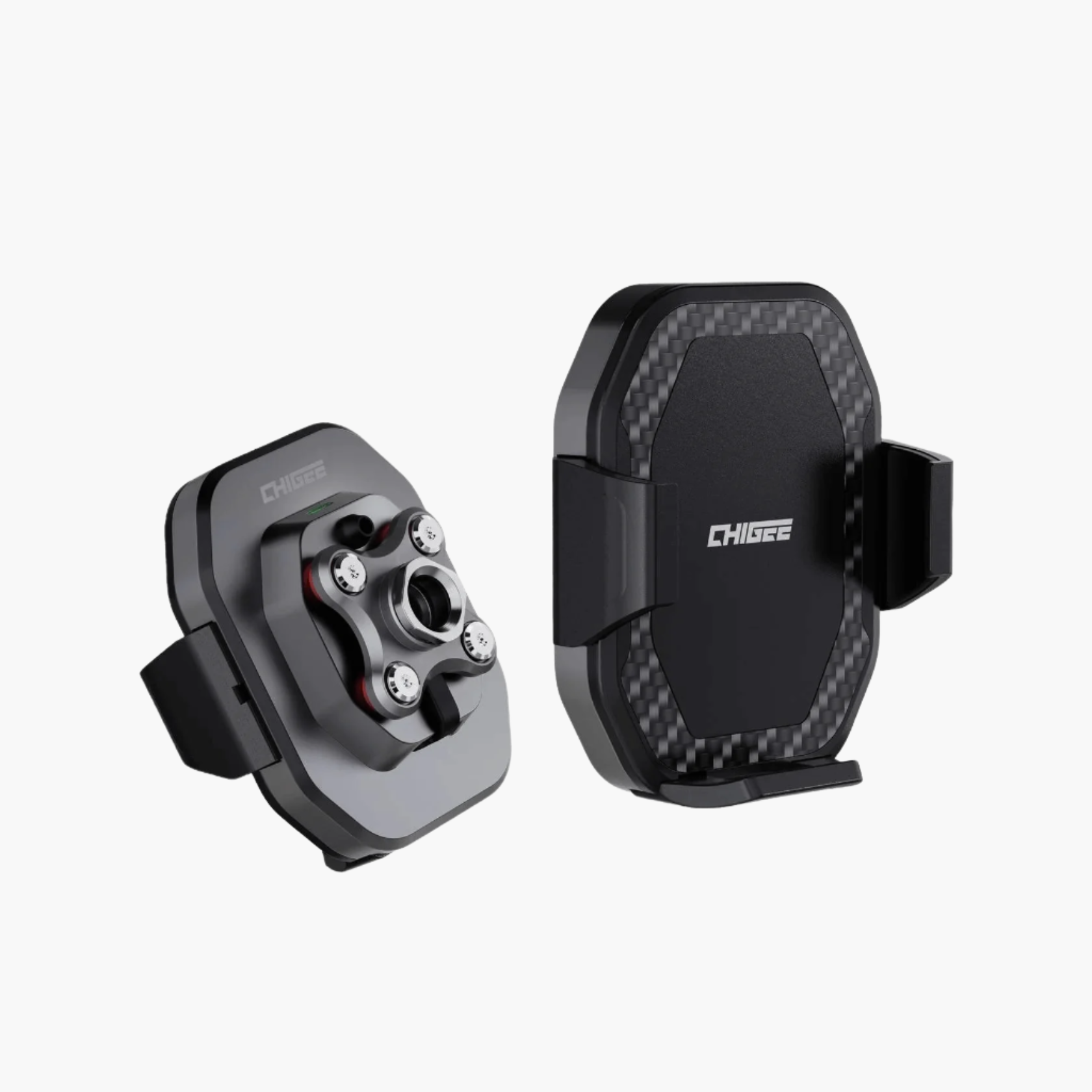
Choosing where the display sits on your bike matters too — see our mount selection guide for pairing a display with your handlebar setup, and the AIO-6 product page for full specs.
FAQ
Can motorcycle vibration damage my iPhone camera?
Yes. Apple officially advises against attaching an iPhone to motorcycles with high-power engines, because high-amplitude engine vibration can degrade the optical image stabilization (OIS) and closed-loop autofocus systems, permanently reducing photo and video quality. The damage builds over time and affects the camera even when it isn't in use.
Why does my phone overheat when I use it as a motorcycle GPS?
Continuous GPS navigation, a bright screen, and direct sunlight generate more heat than the phone can shed, especially in ambient temperatures above its 35°C design limit. When it overheats while navigating, an iPhone shows "Temperature: iPhone needs to cool down" and switches the display off, leaving only voice directions.
Can I use my phone for motorcycle navigation in winter?
You can, but below 0°C the phone is outside its designed operating range. Cold sharply reduces battery life, can shut the phone down mid-ride, and can pause charging until the phone warms up. Winter gloves also make a capacitive phone screen difficult to operate safely.
Do I still need my phone if I use a motorcycle smart display?
Yes — the phone stays essential. A smart display like the AIO-6 series mirrors your phone through wireless CarPlay or Android Auto, so your maps, music, and calls all still come from the phone. The difference is the phone works from a protected pocket instead of being exposed on the handlebar.






Leave a comment
All comments are moderated before being published.
This site is protected by hCaptcha and the hCaptcha Privacy Policy and Terms of Service apply.