


Five years ago, if you wanted radar on your motorcycle, you had to buy a $20,000 touring bike. Today, you can bolt the same kind of tech onto almost any motorcycle for under $250 — or pay nearly $600, depending on which badge you want on the box. So the real question isn't "should I get a motorcycle radar?" It's "which one, and what am I actually paying for?"
Four products dominate the conversation: the brand-new CHIGEE SR-1, the Garmin zūmo R1, the INNOVV ThirdEYE, and the AlienRider M7. They all use millimeter-wave radar. They all warn you about blind spots. They all promise to keep you safe. But the moment you look past marketing, each one is solving a slightly different problem.
Garmin sells the badge and the ecosystem
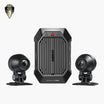
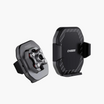
The zūmo R1, launched at CES 2025, mounts cleanly above your license plate and pairs neatly with Garmin's zūmo XT-series GPS units. You get a 60-meter radar with a wide 170° field of view, IP67 protection, and a polished smartphone app. Functionally, it does the basics well. Practically, you're paying $499.99 for a Garmin-shaped object that does roughly what a $109 AlienRider M7 also does — because you trust the badge, and because if you already ride with a Garmin GPS, the integration is seamless. That's a legitimate reason to buy it. It's also the most expensive radar in this comparison by a wide margin.

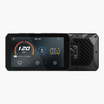
Garmin zumo R1 with two Standalone Indicator Lights and radar module SOURCE
INNOVV was here first, and they bet on the HUD
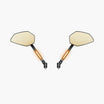
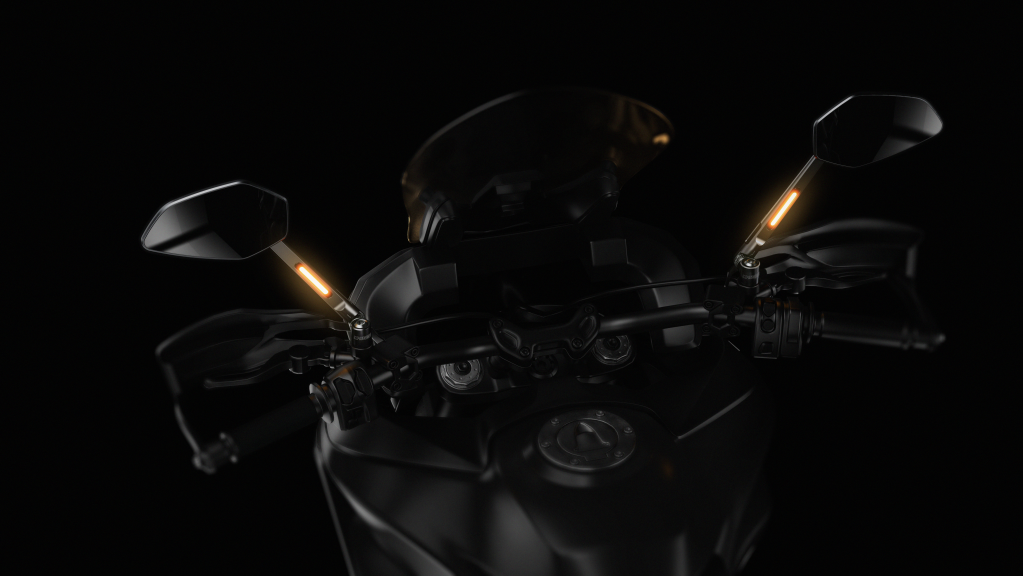
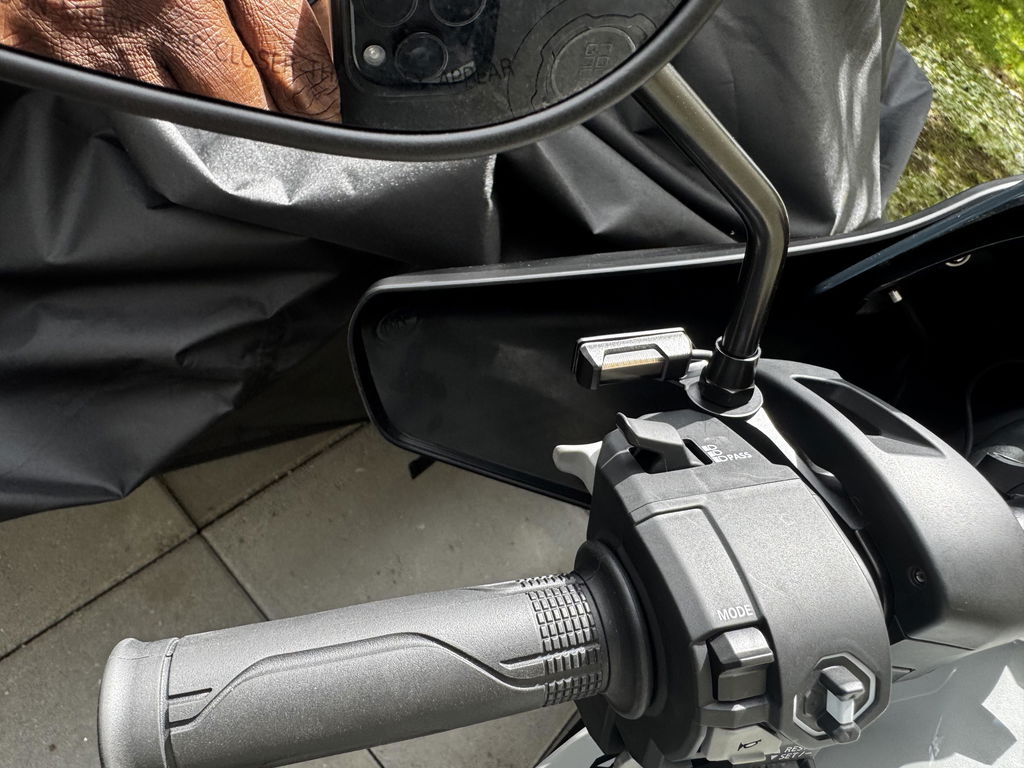
Where Garmin leans on brand, INNOVV leans on form factor. The ThirdEYE has been on the market for years, and the clearest design choice is the heads-up display — either built into a replacement mirror, or sold as a round "Watch" unit that sits directly in your line of sight. It runs a 77–79 GHz radar with a 50-meter range and IP67 sealing. The detection distance is the shortest of the four, and the spec sheet is starting to show its age. Pricing varies a lot by region — anywhere around $300 — which is the other thing to know going in.

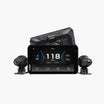
THE INNOVV THIRDEYE SOURCE
AlienRider keeps it small and cheap
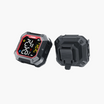
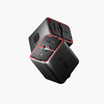
If INNOVV is the niche play, AlienRider is the budget play. The M7 strips the equation down to essentials: a tiny 77 GHz radar module (36×36×16 mm), the standard three alert modes (BSD, LCA, RCW), 55 meters of detection range, and a $109 price tag. No app. No OTA updates. No published IP rating. No integration with a smart display. If your only goal is "warn me about blind spots, spend as little as possible," the M7 makes sense. If you want anything more than that, you'll outgrow it fast.

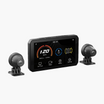
THE ALIENRIDER RADAR SOURCE
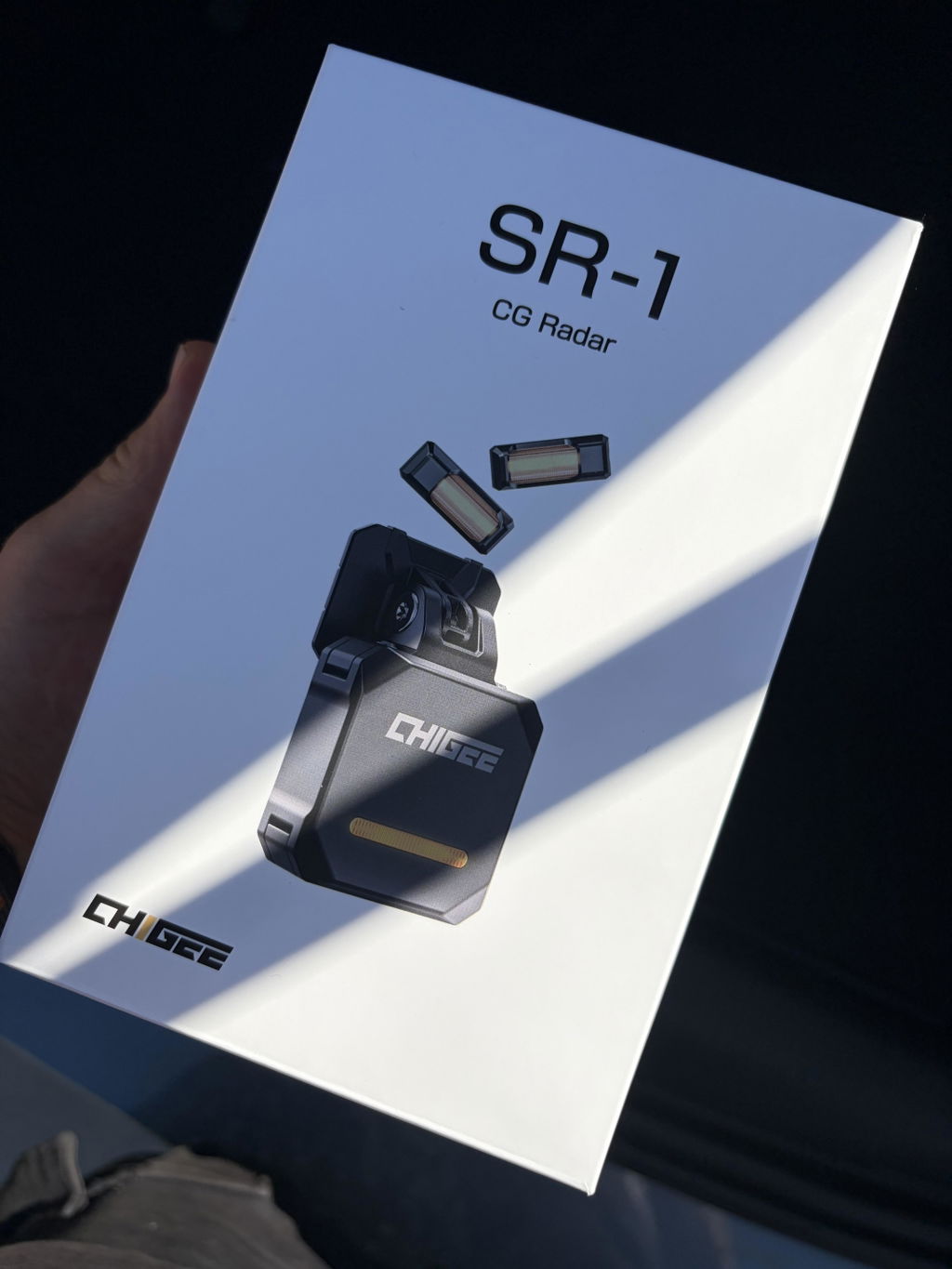
CHIGEE built the SR-1 to lead on Rider
And then there's the newest entry — launched at the end of April 2026 — which doesn't try to win on price, brand, or form factor. It just tries to win on the radar itself.
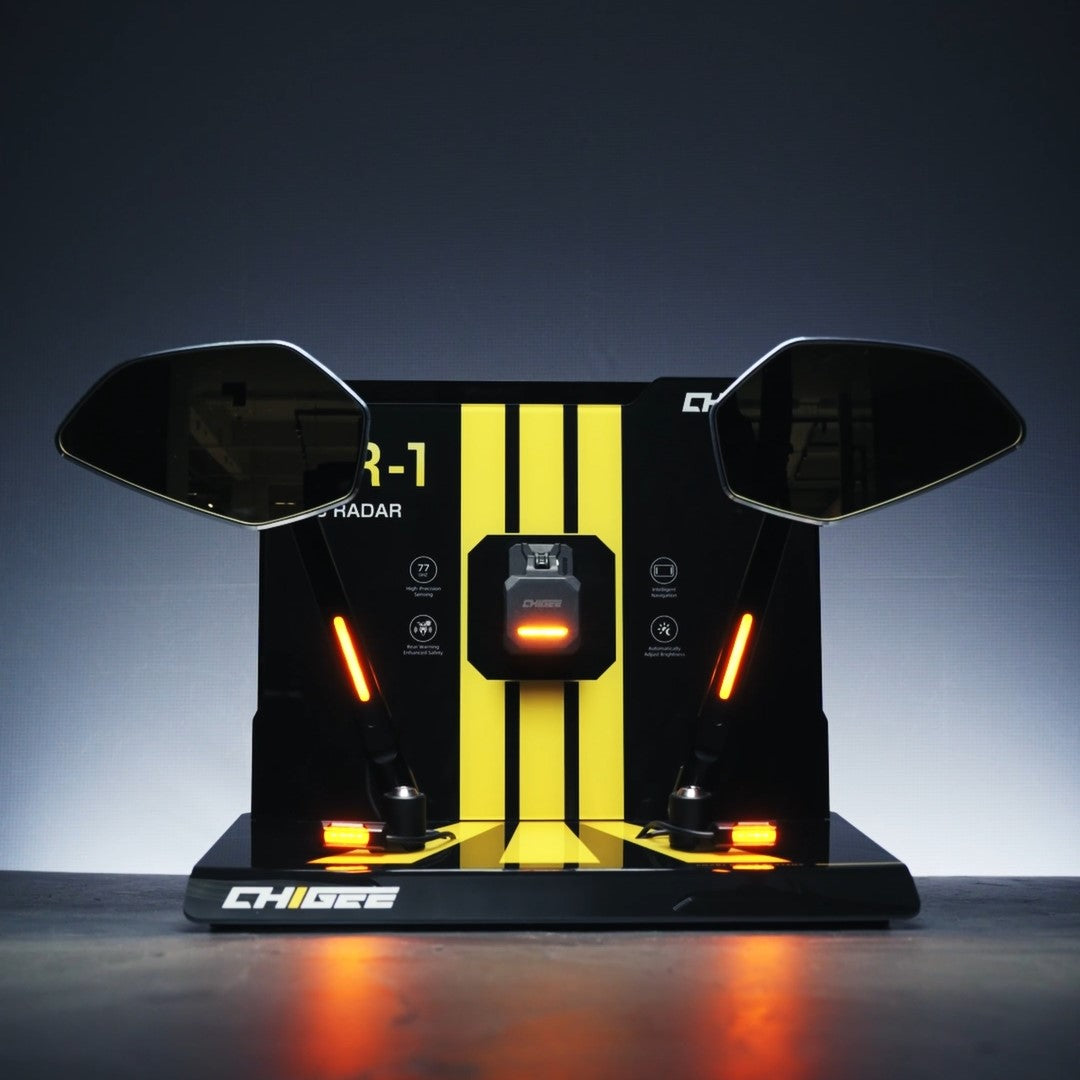
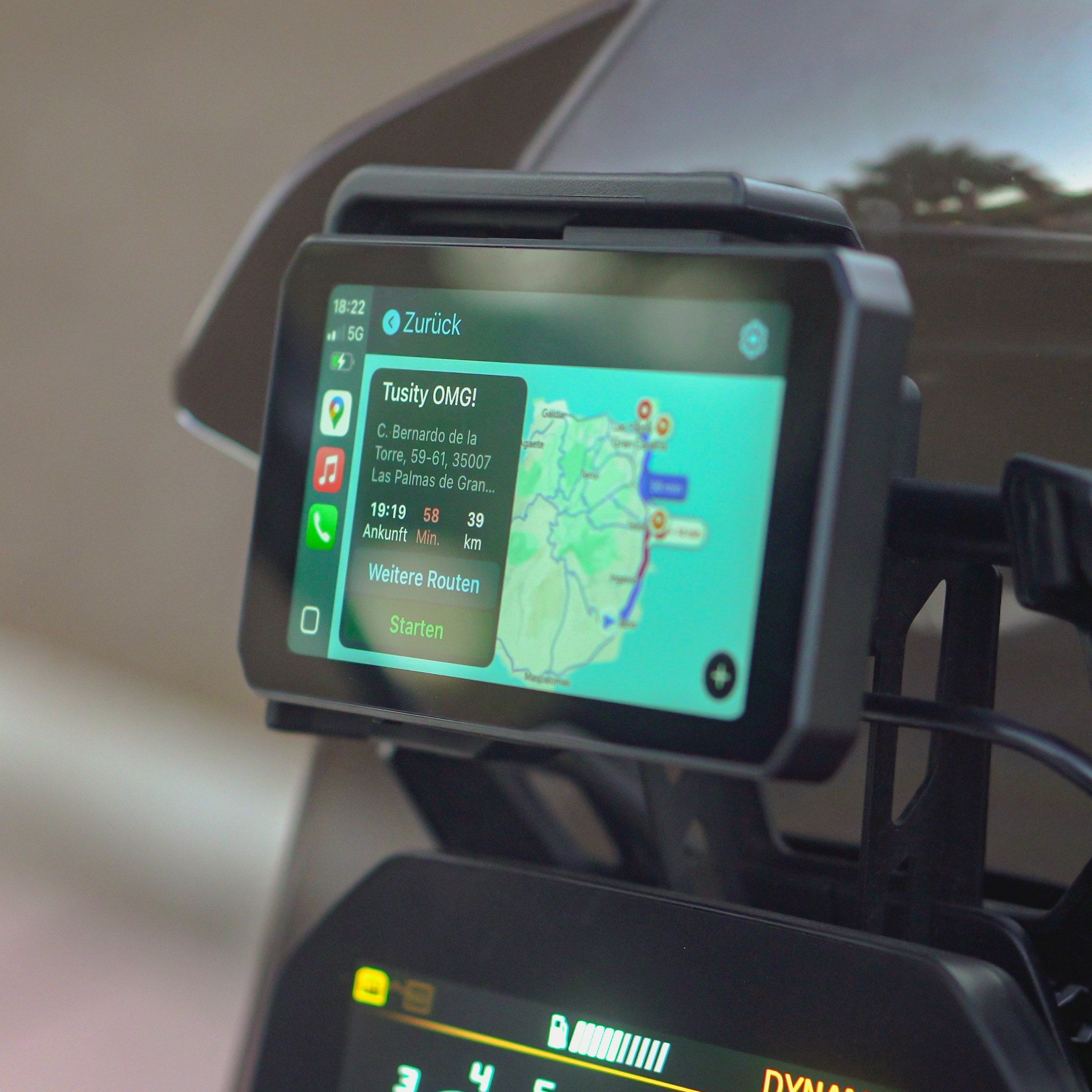
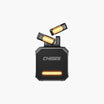
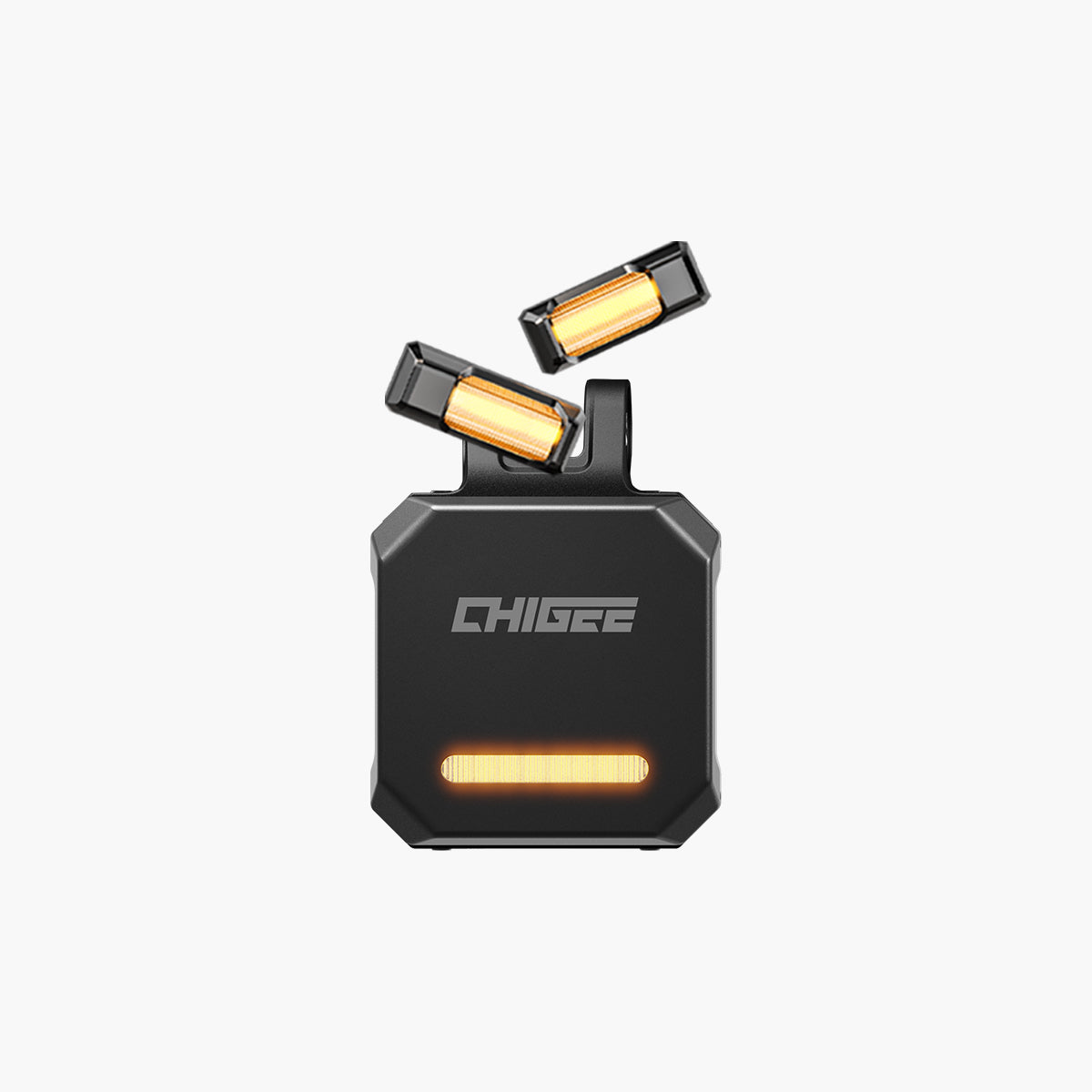
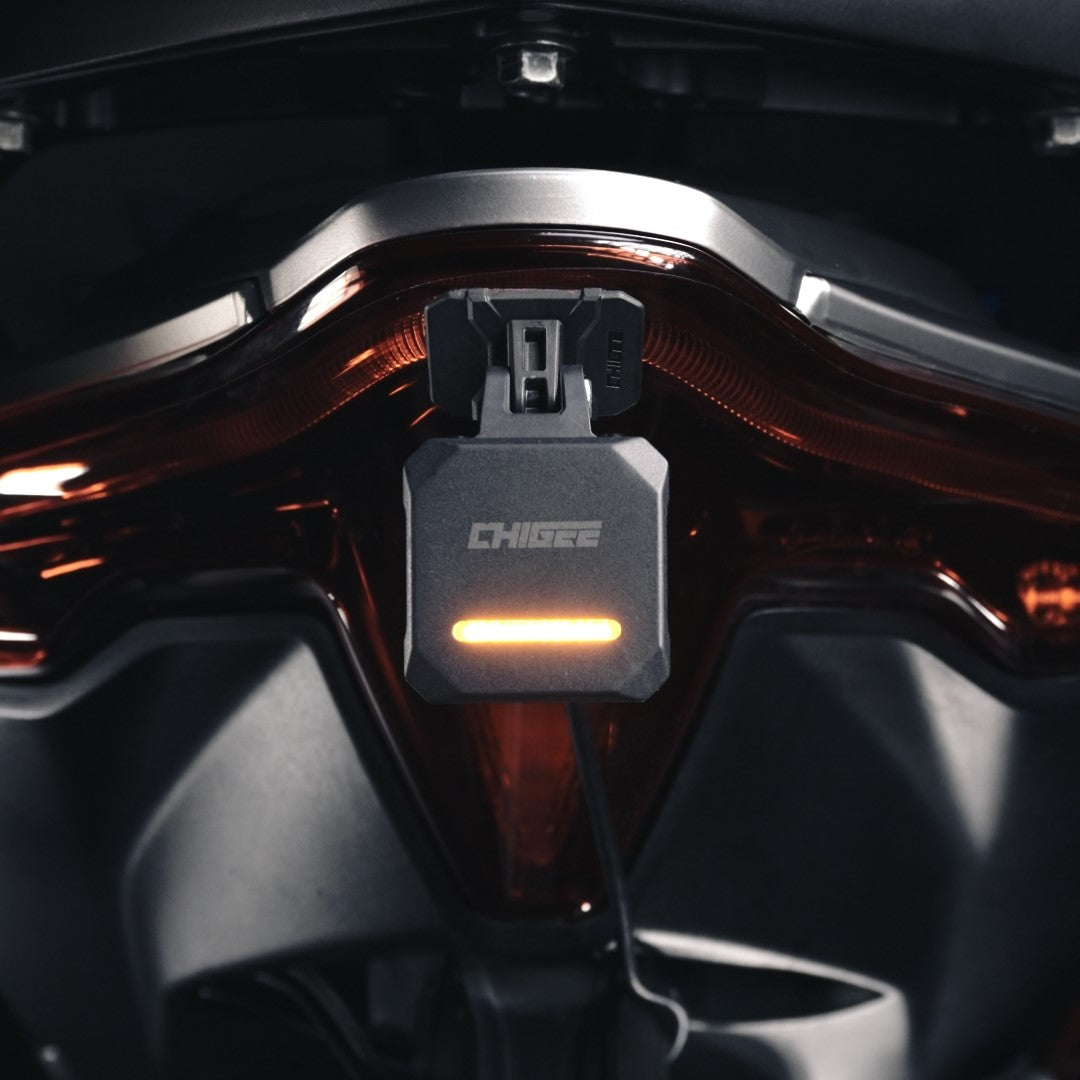
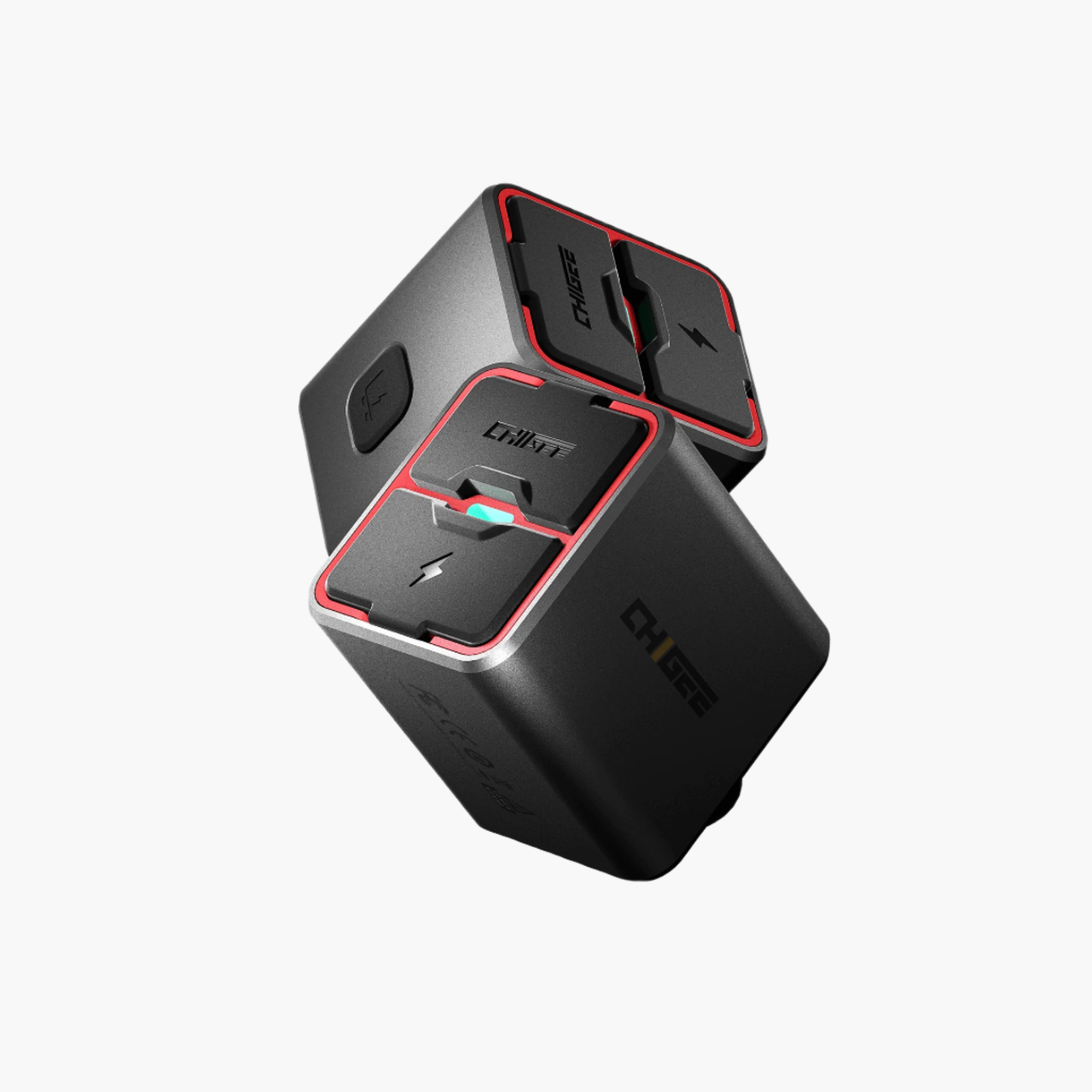
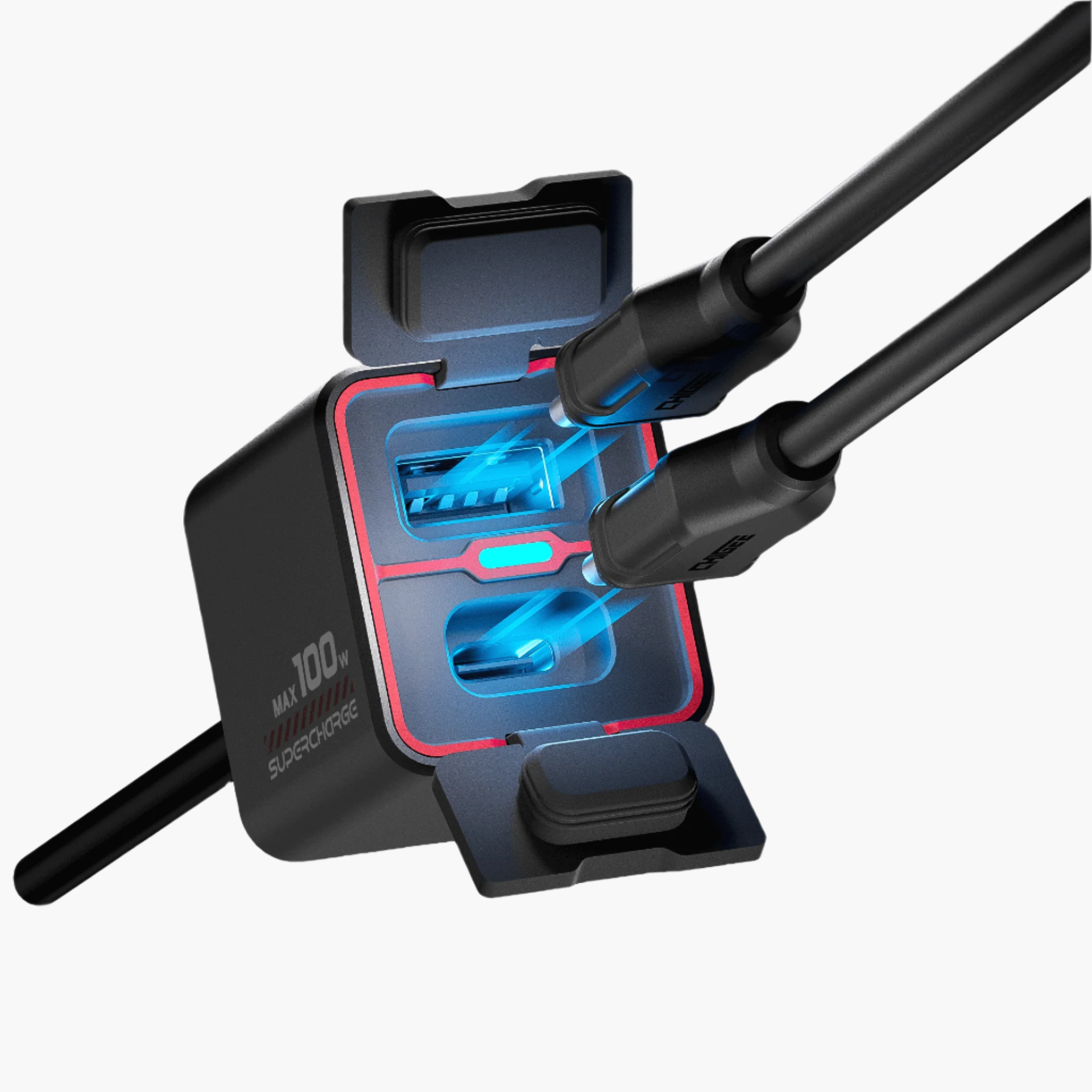
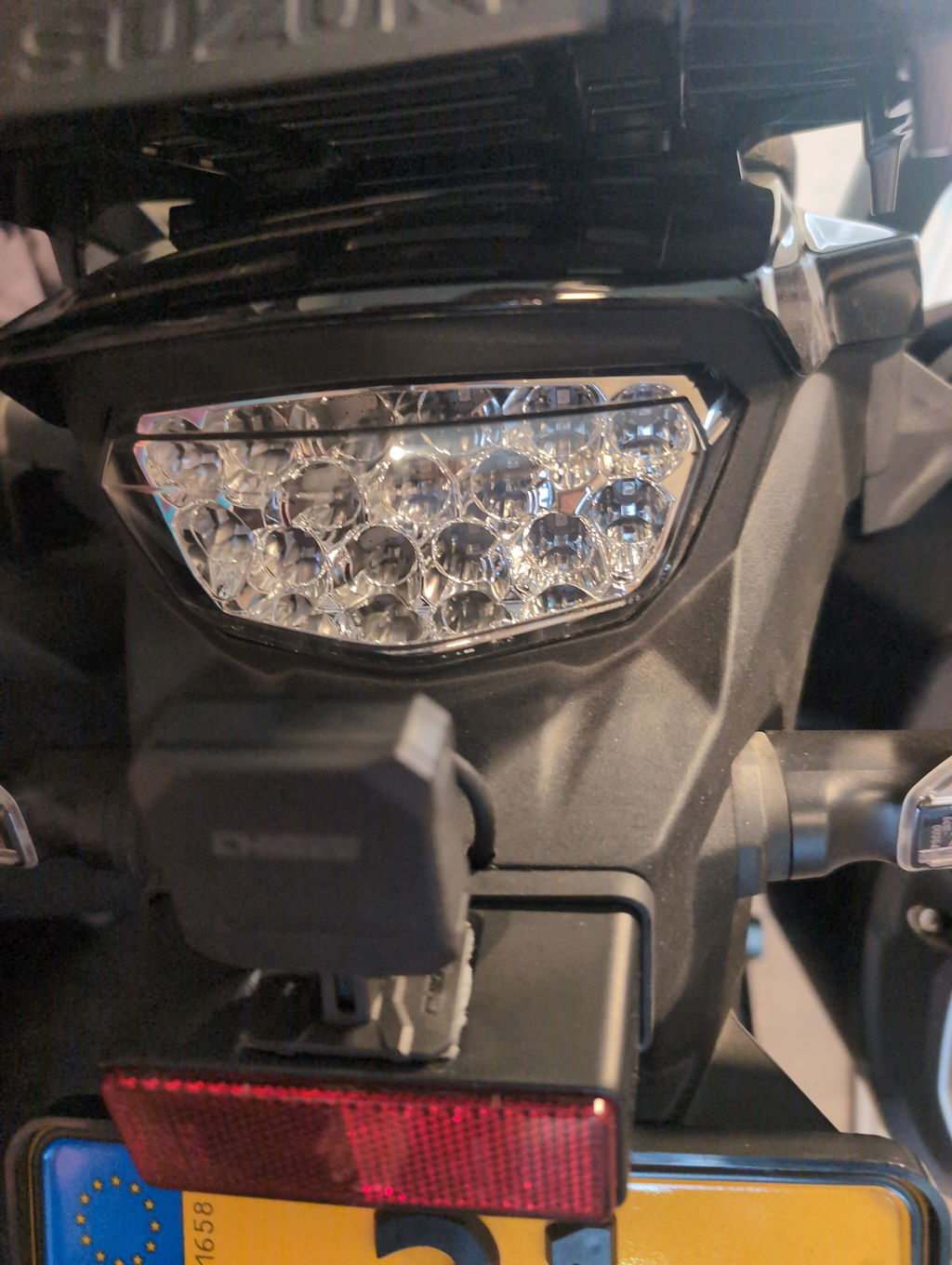
The SR-1 runs a 77 GHz automotive-grade radar with a 70-meter detection range (longest of the four), IP68/IP69 sealing (highest of the four), and a 10 km/h activation speed — meaning it's actually working in slow urban traffic, where many lane-change incidents happen. The Garmin doesn't even wake up until 24 km/h. CHIGEE also markets four warning modes instead of three. But the genuinely unique piece of hardware is this: a high-brightness, rear-facing strobe built directly into the radar module, which fires automatically the moment a fast-approaching vehicle is detected closing in from behind. None of the other three systems do this. Most aftermarket radars warn the rider.
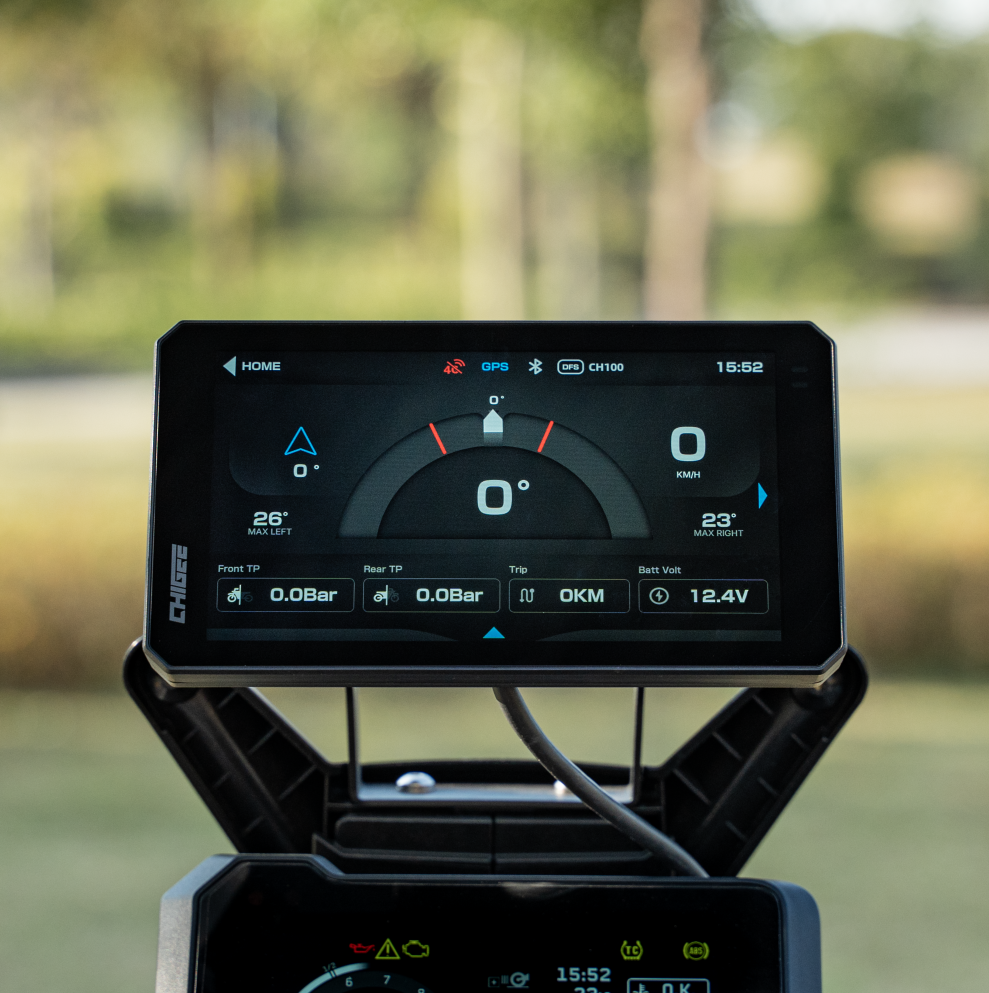
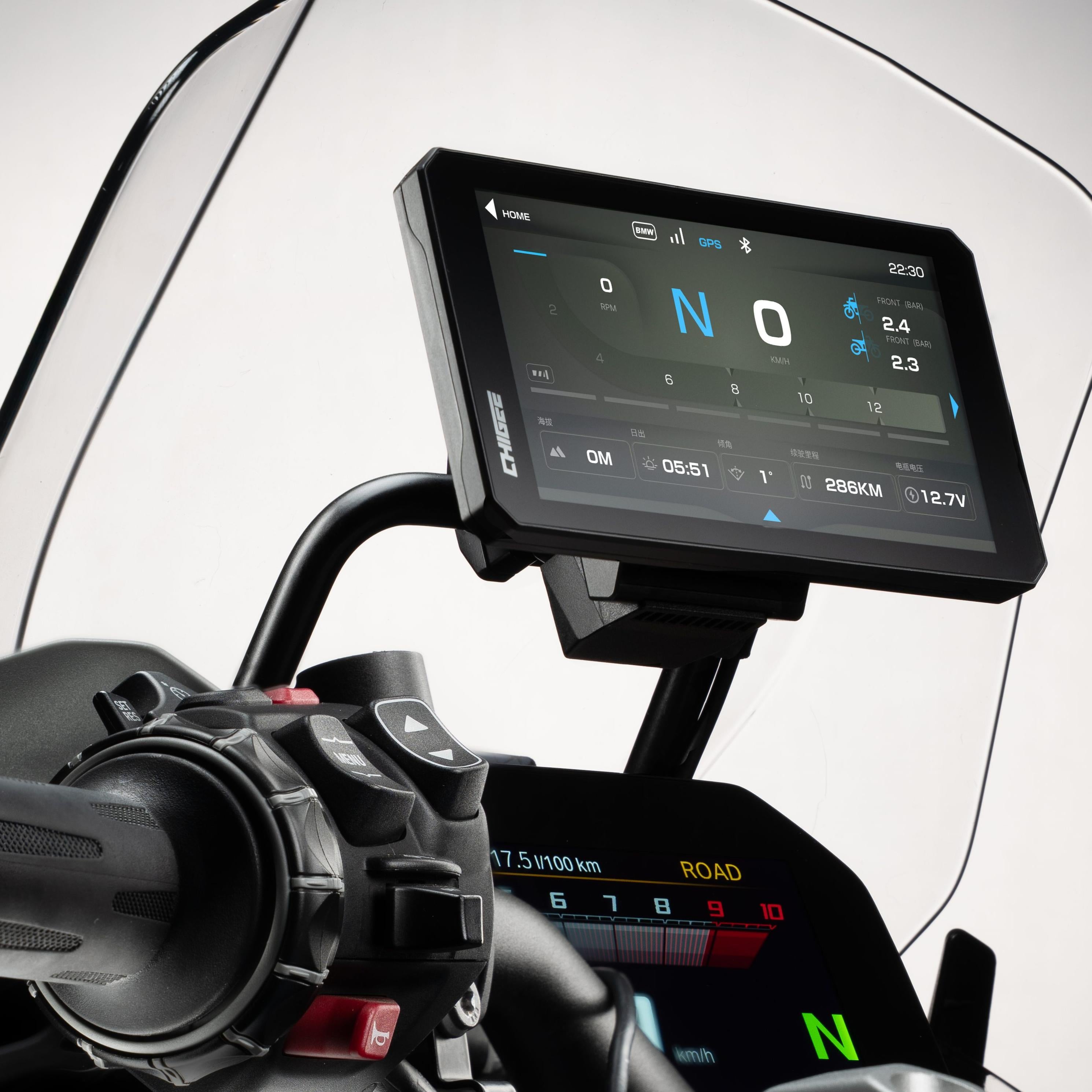
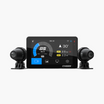
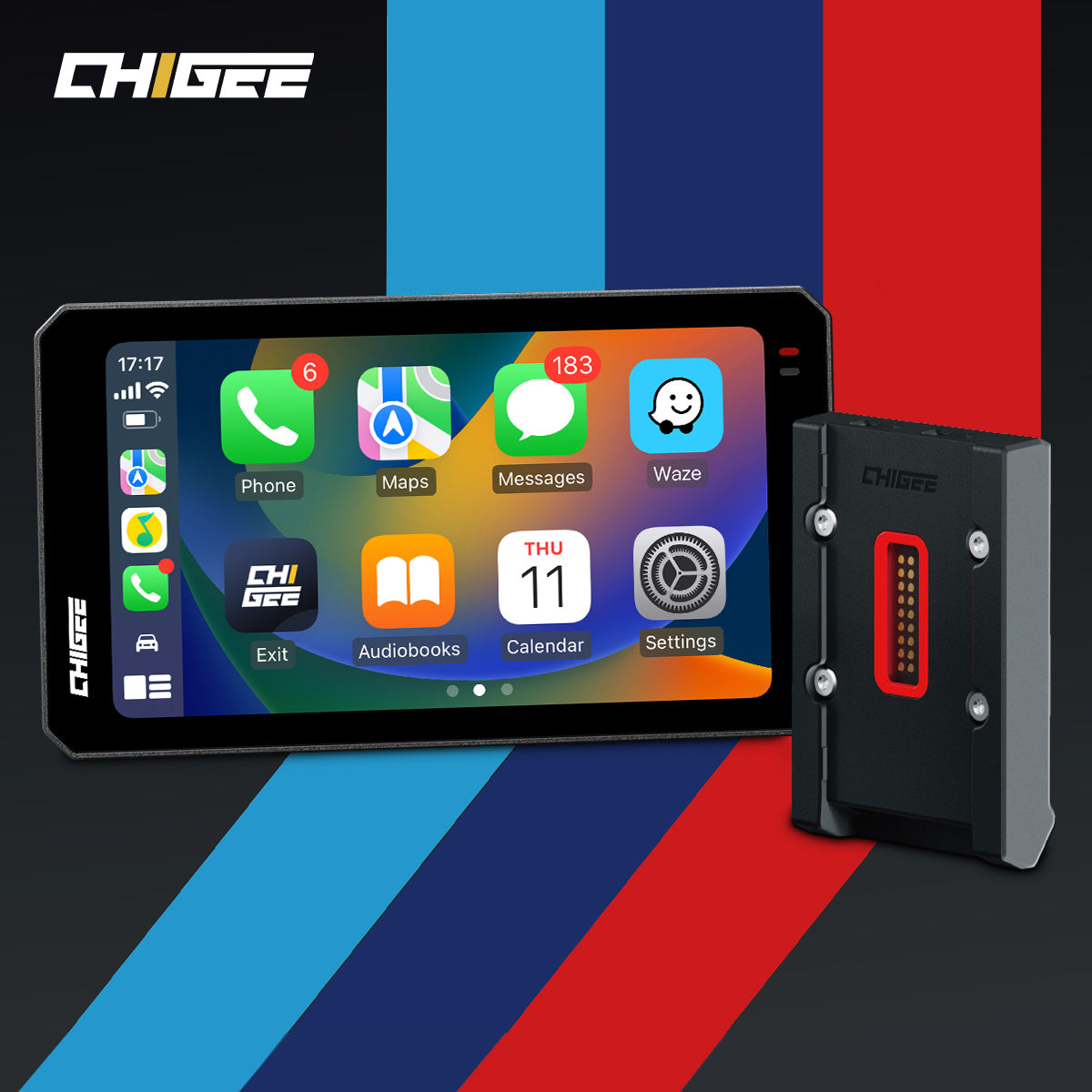
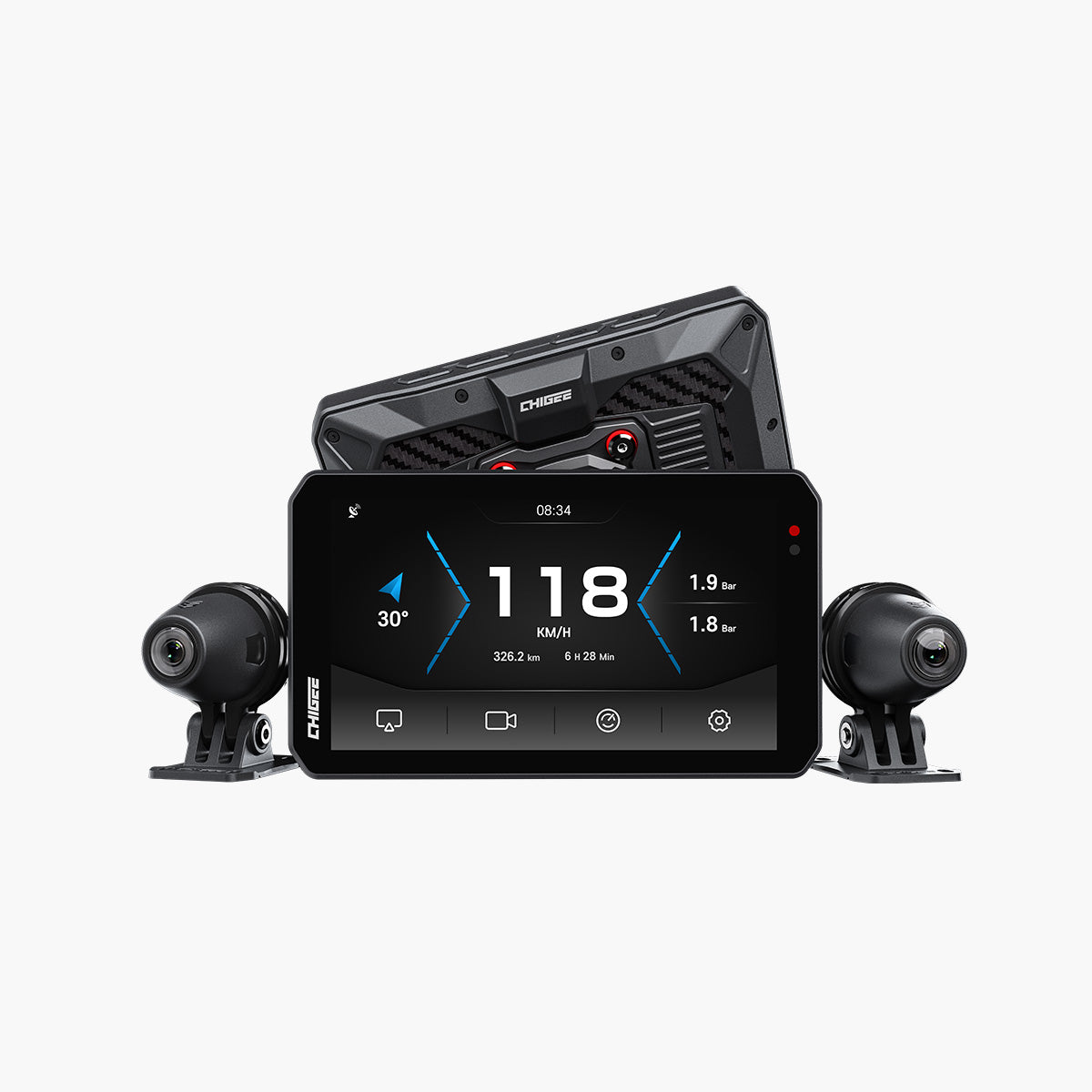
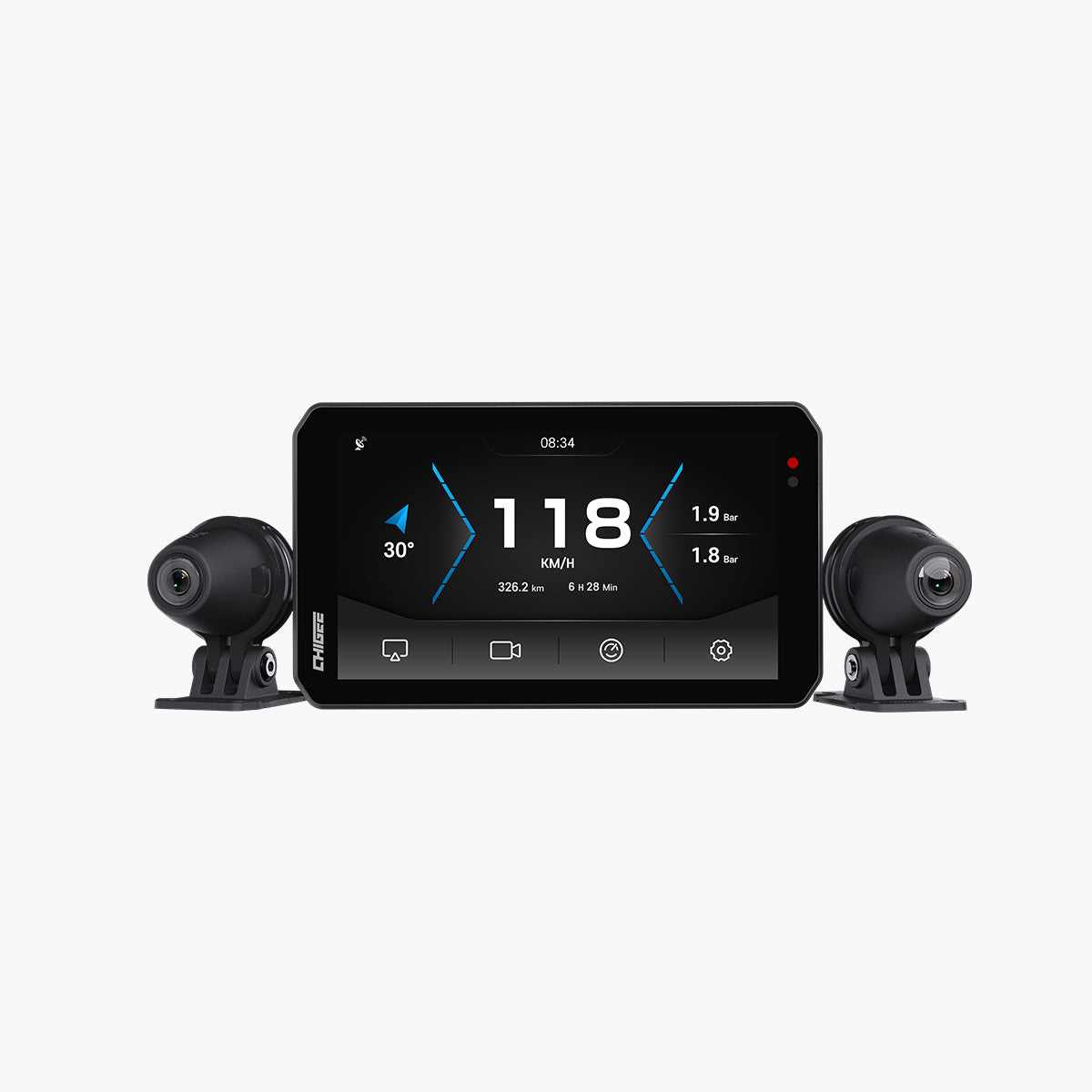
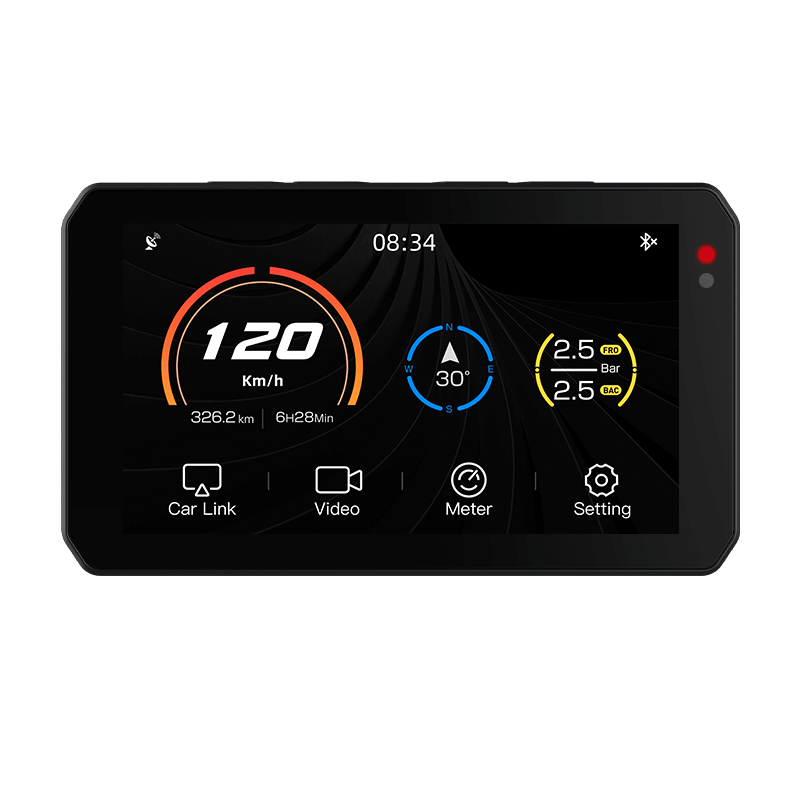
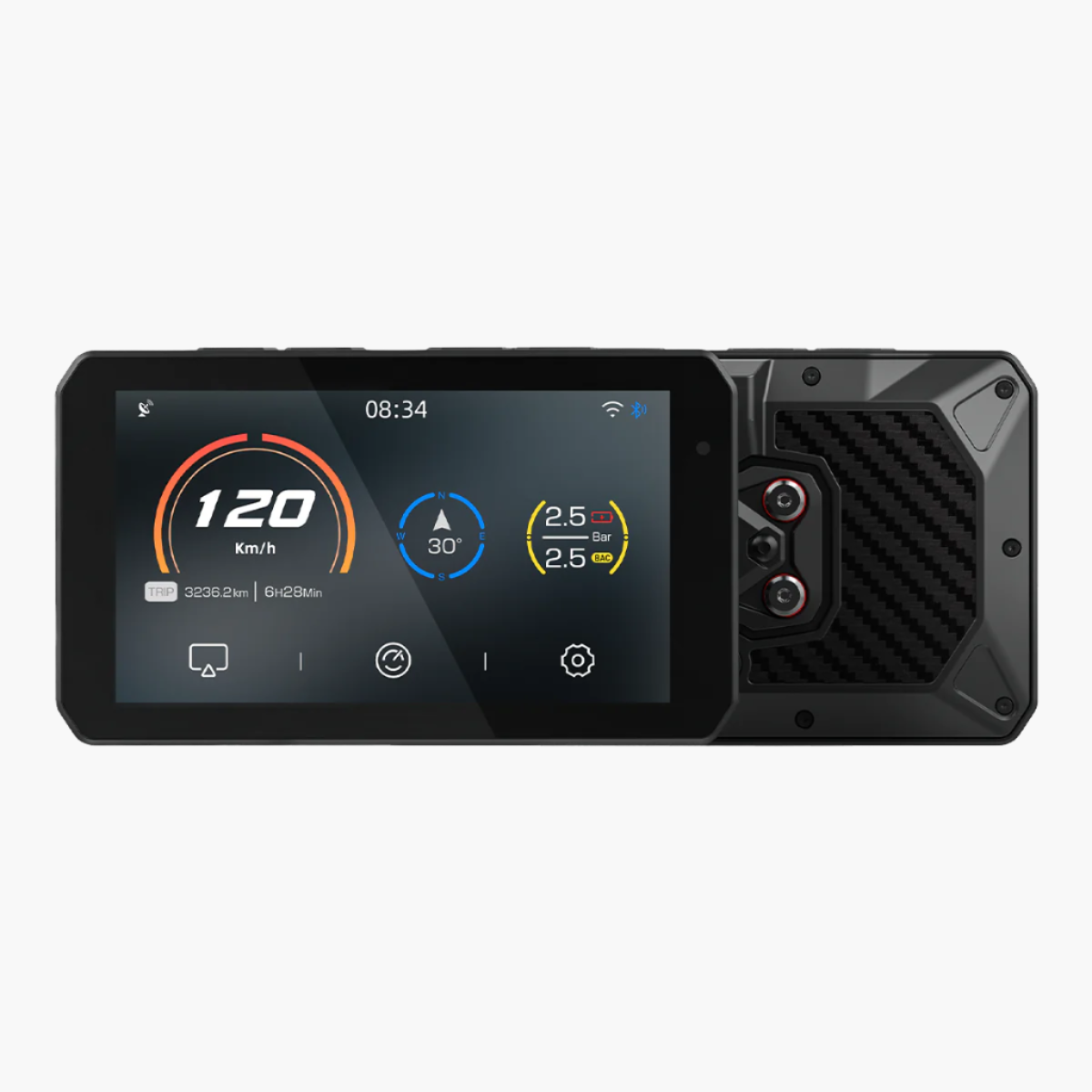
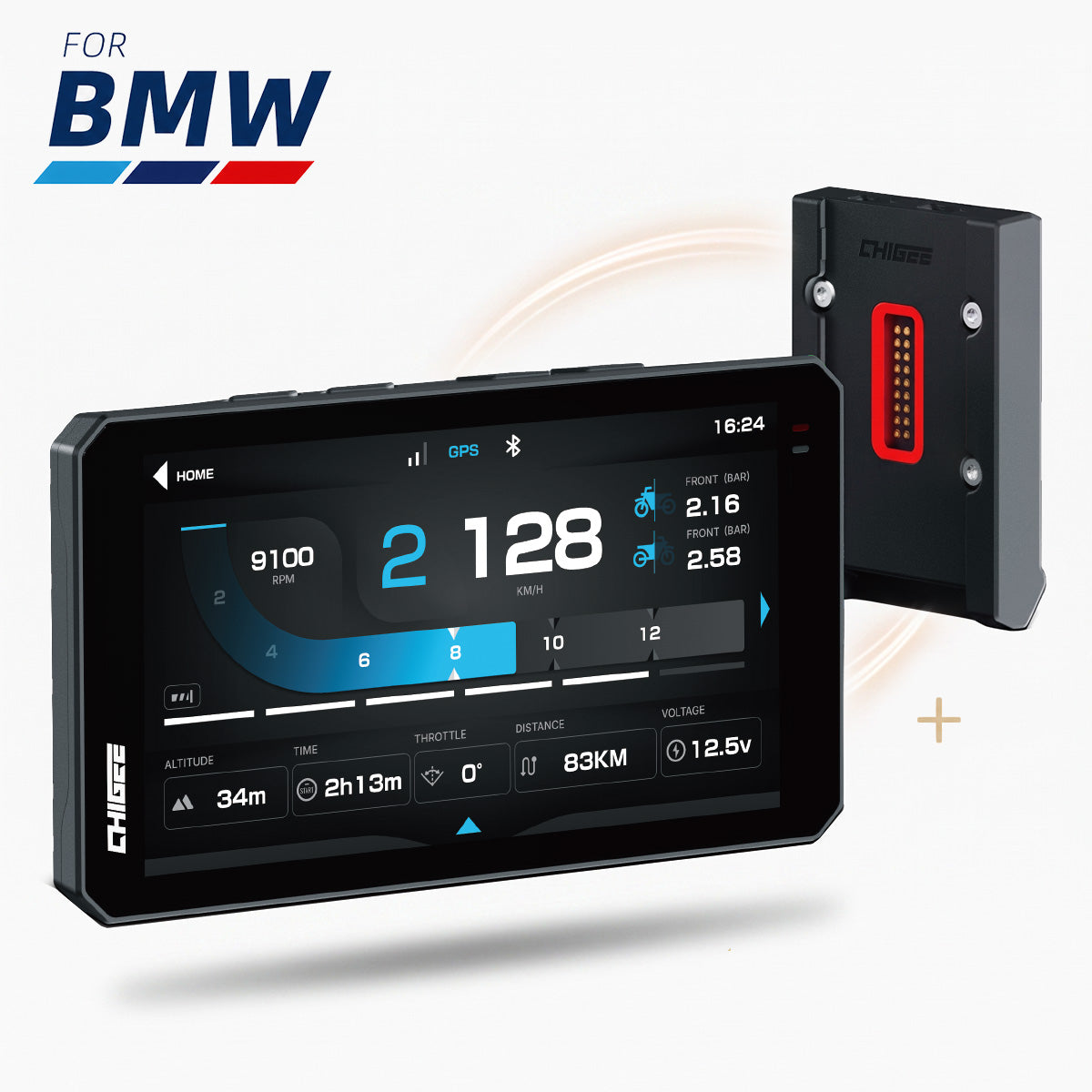
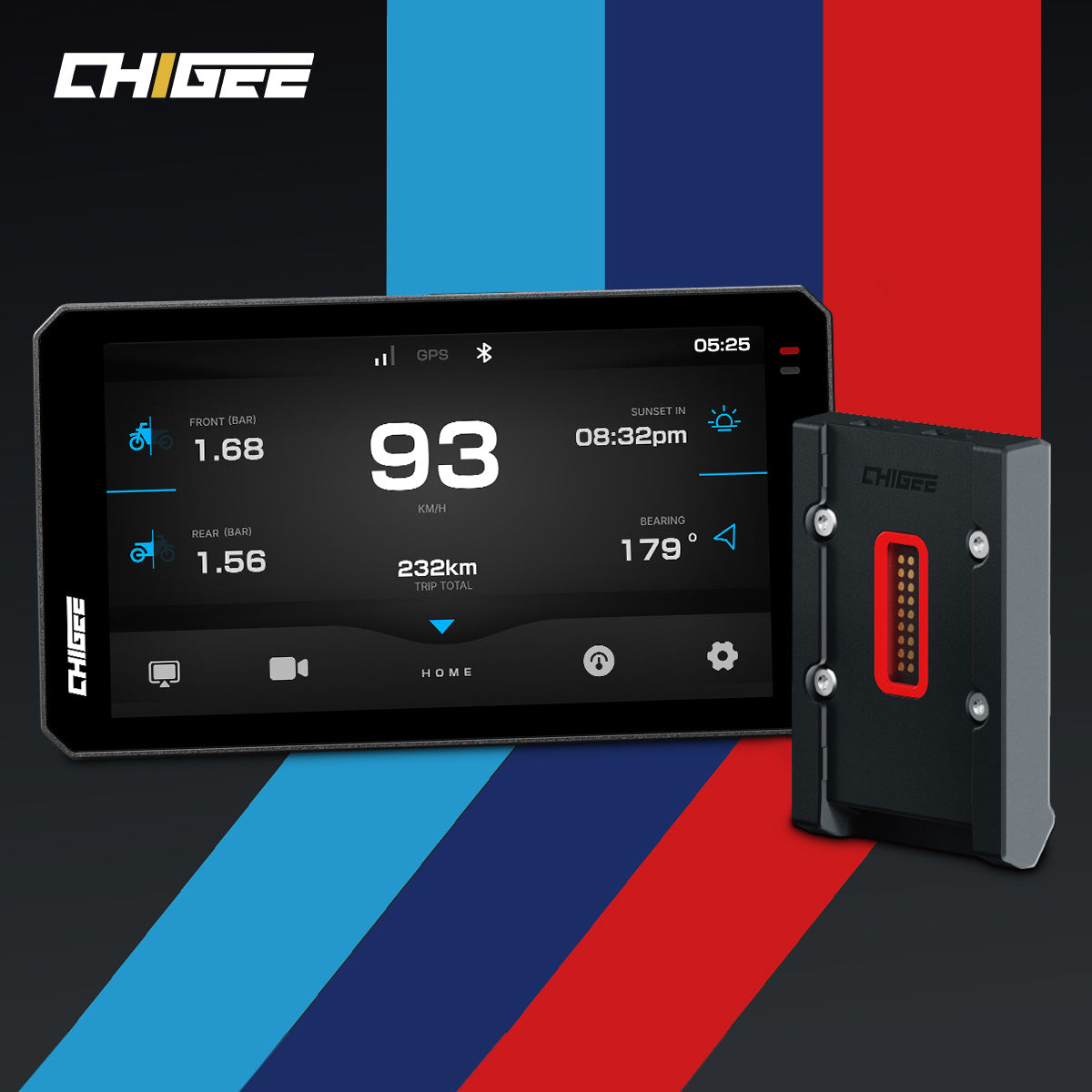
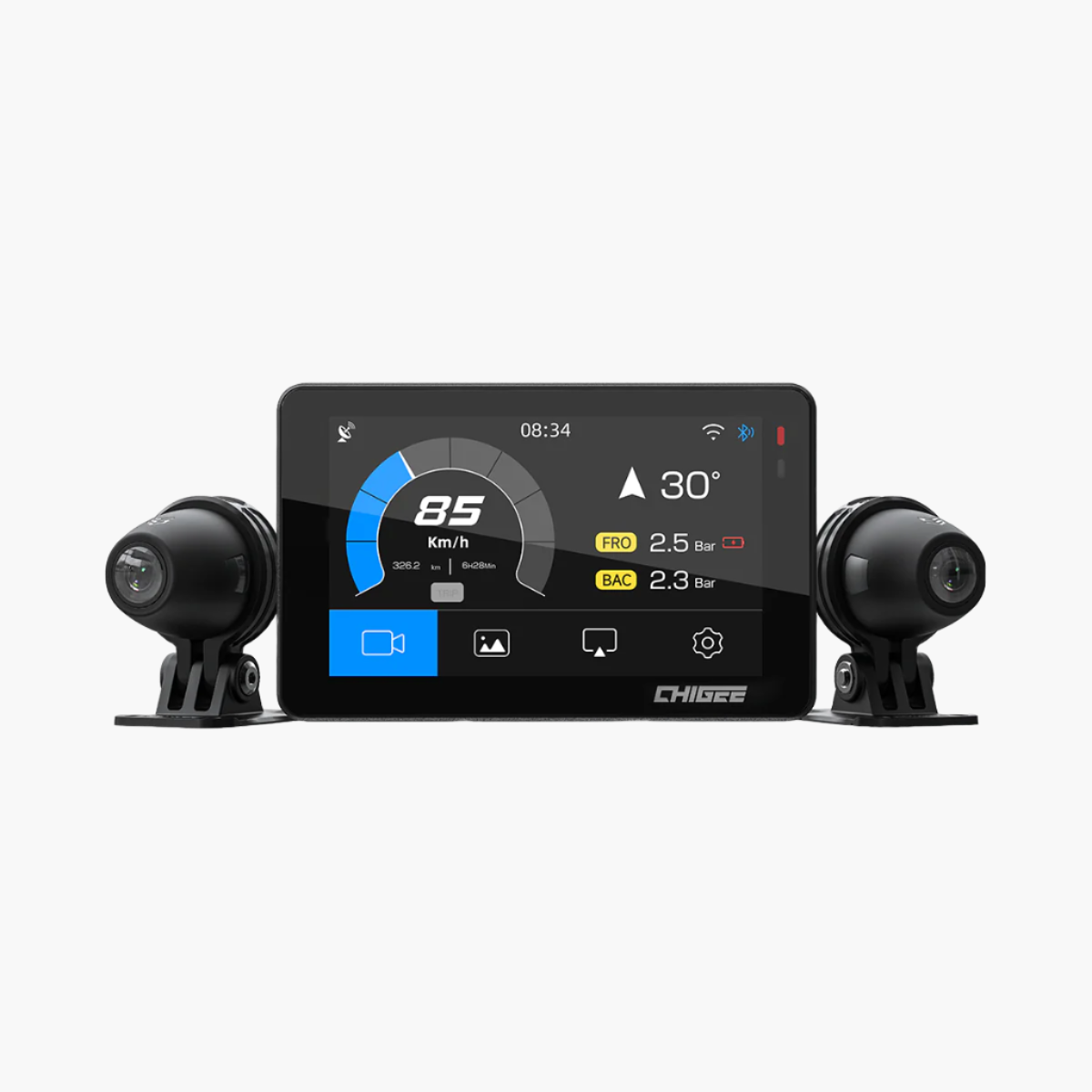
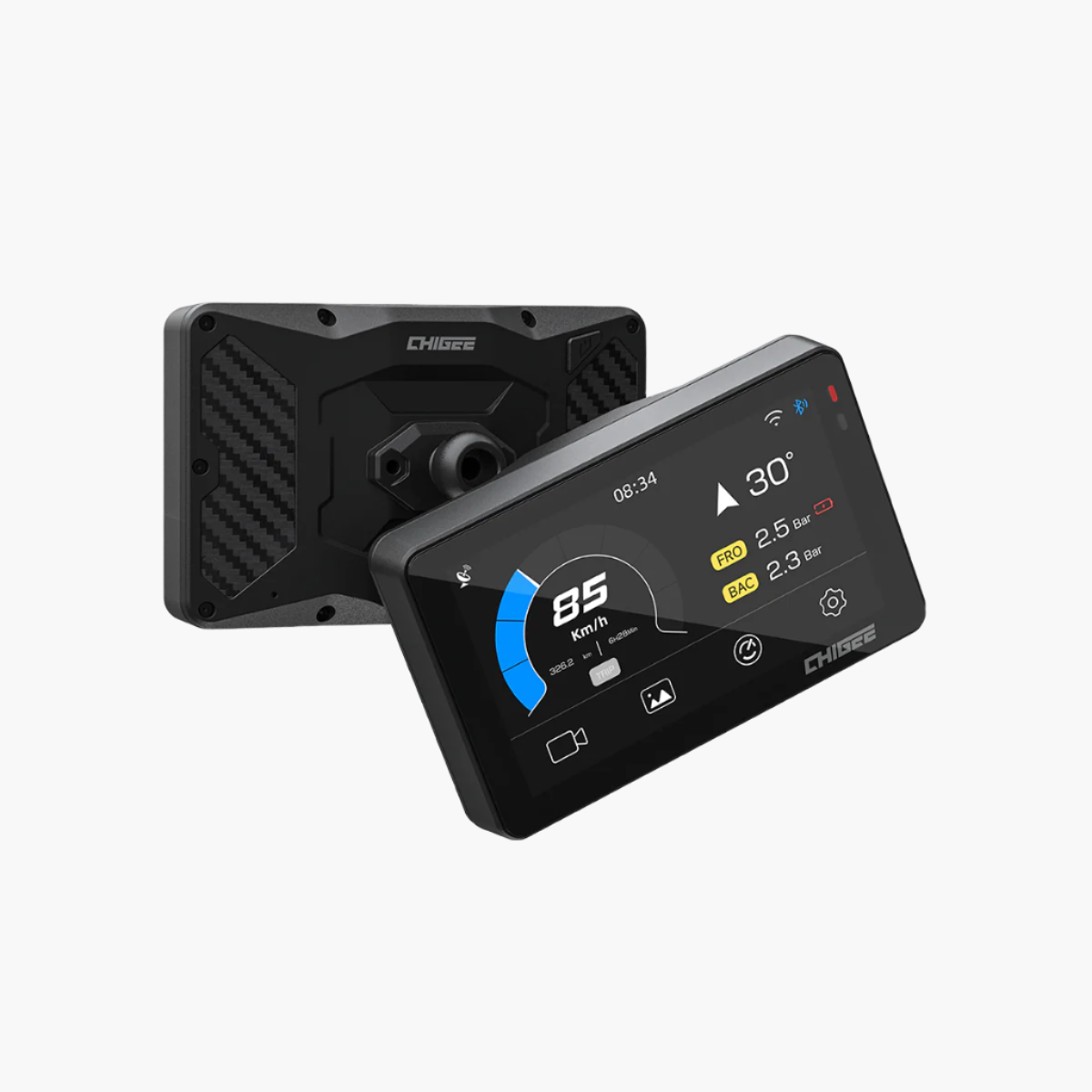
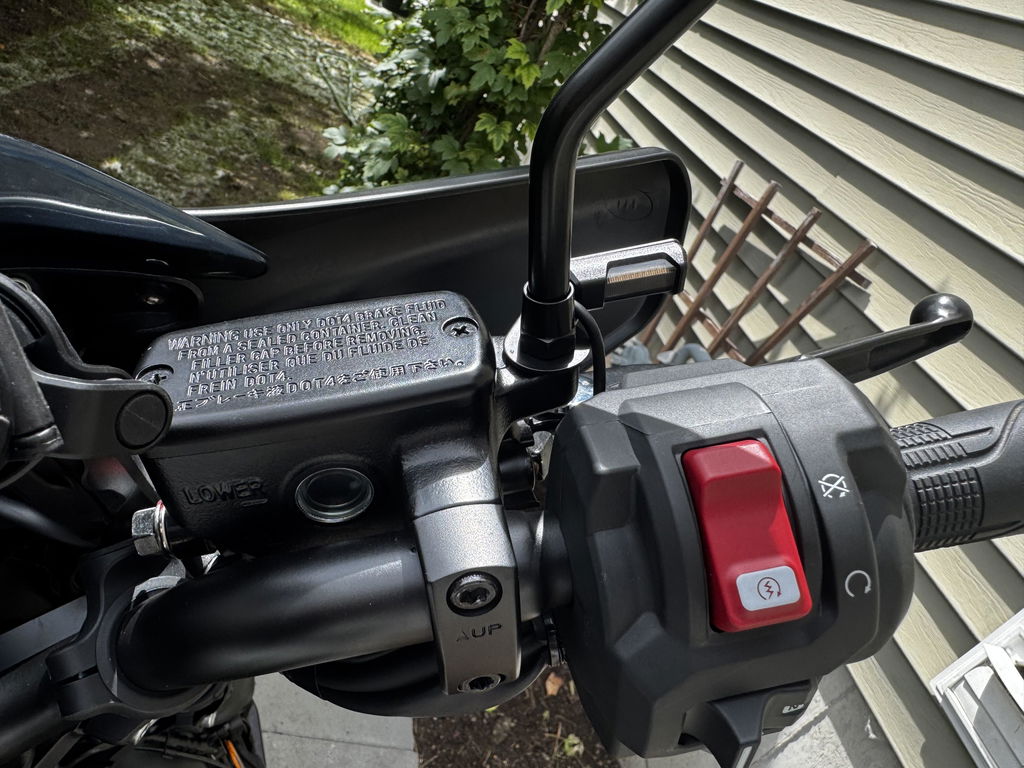
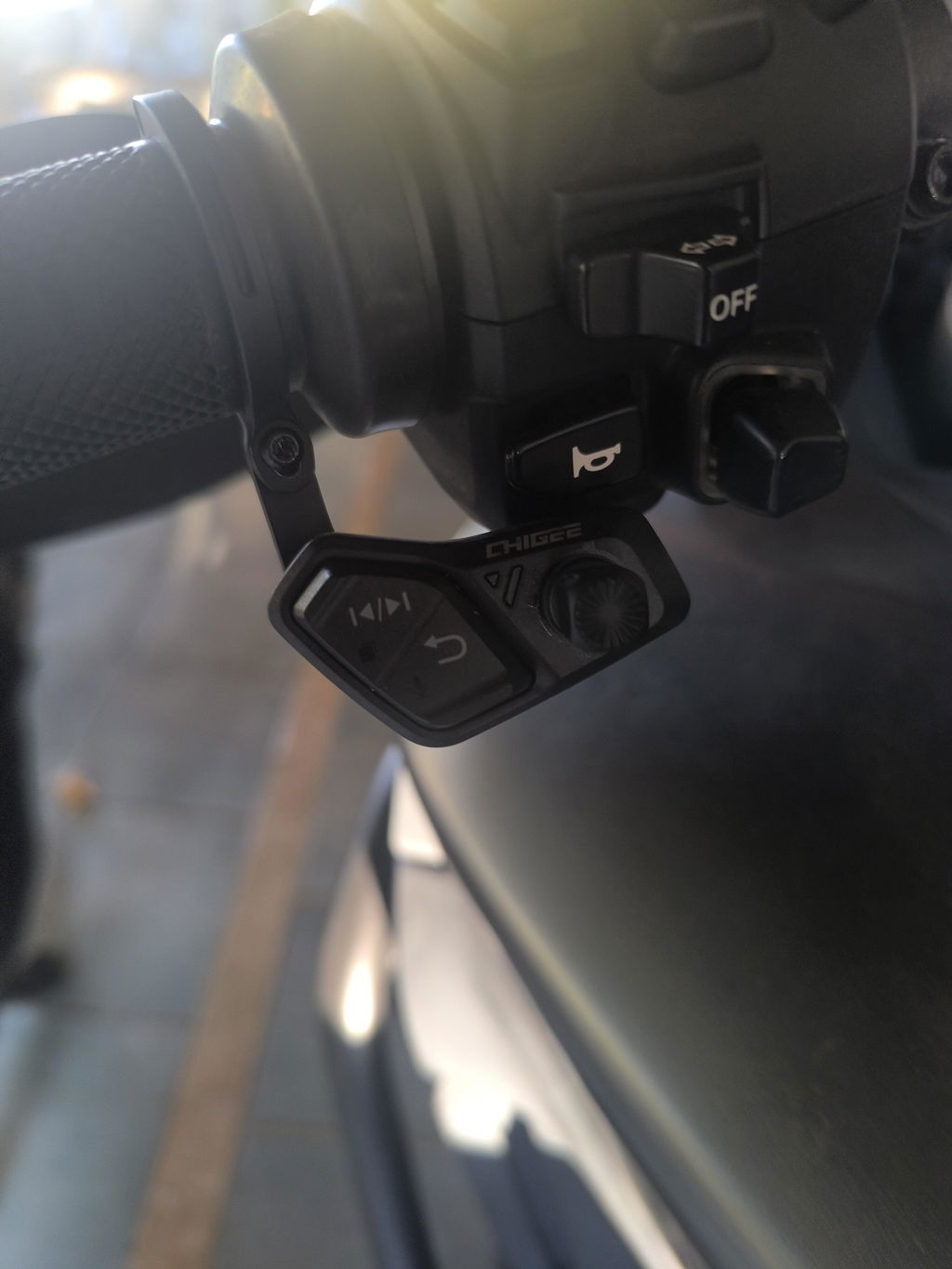
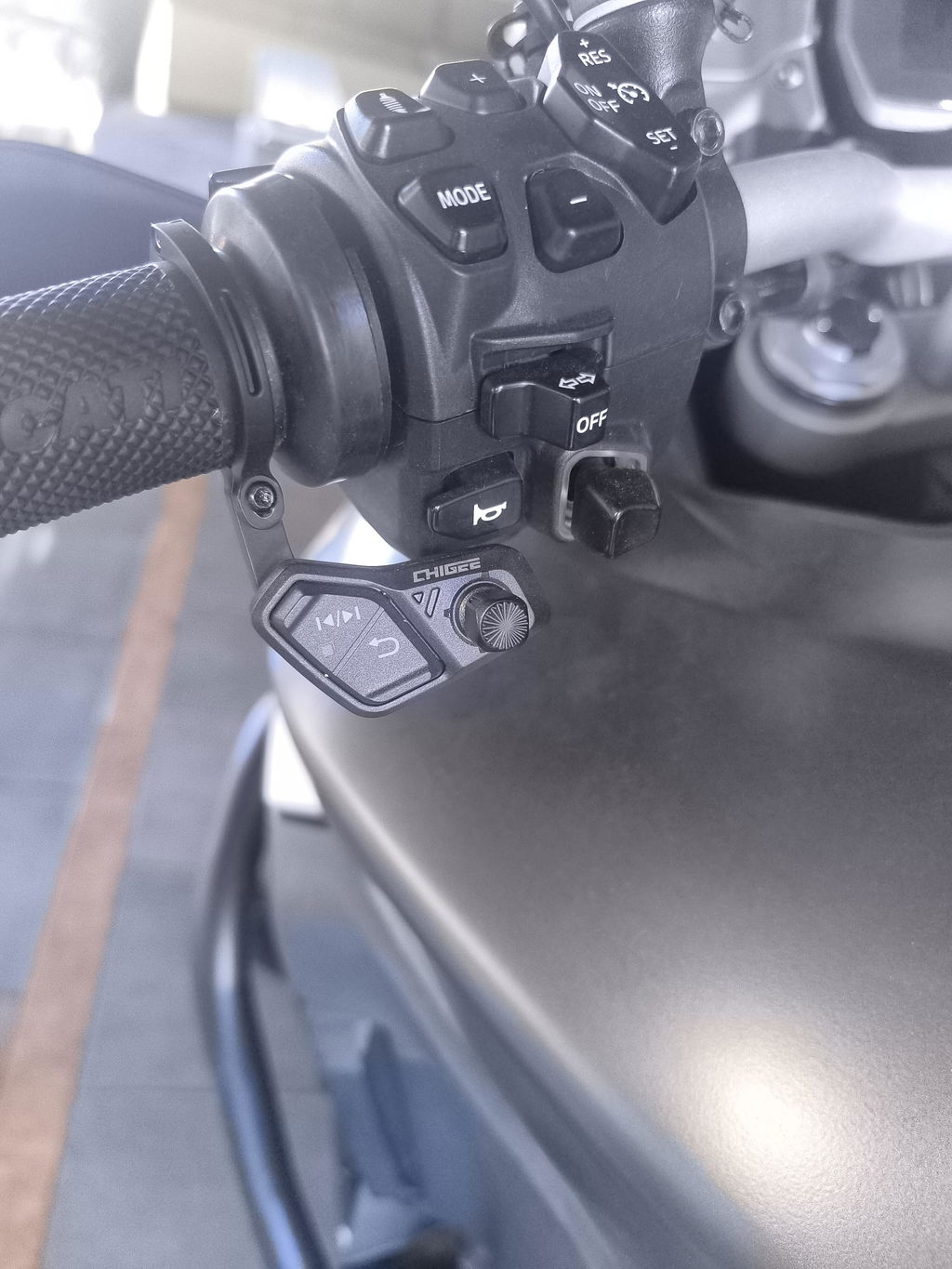
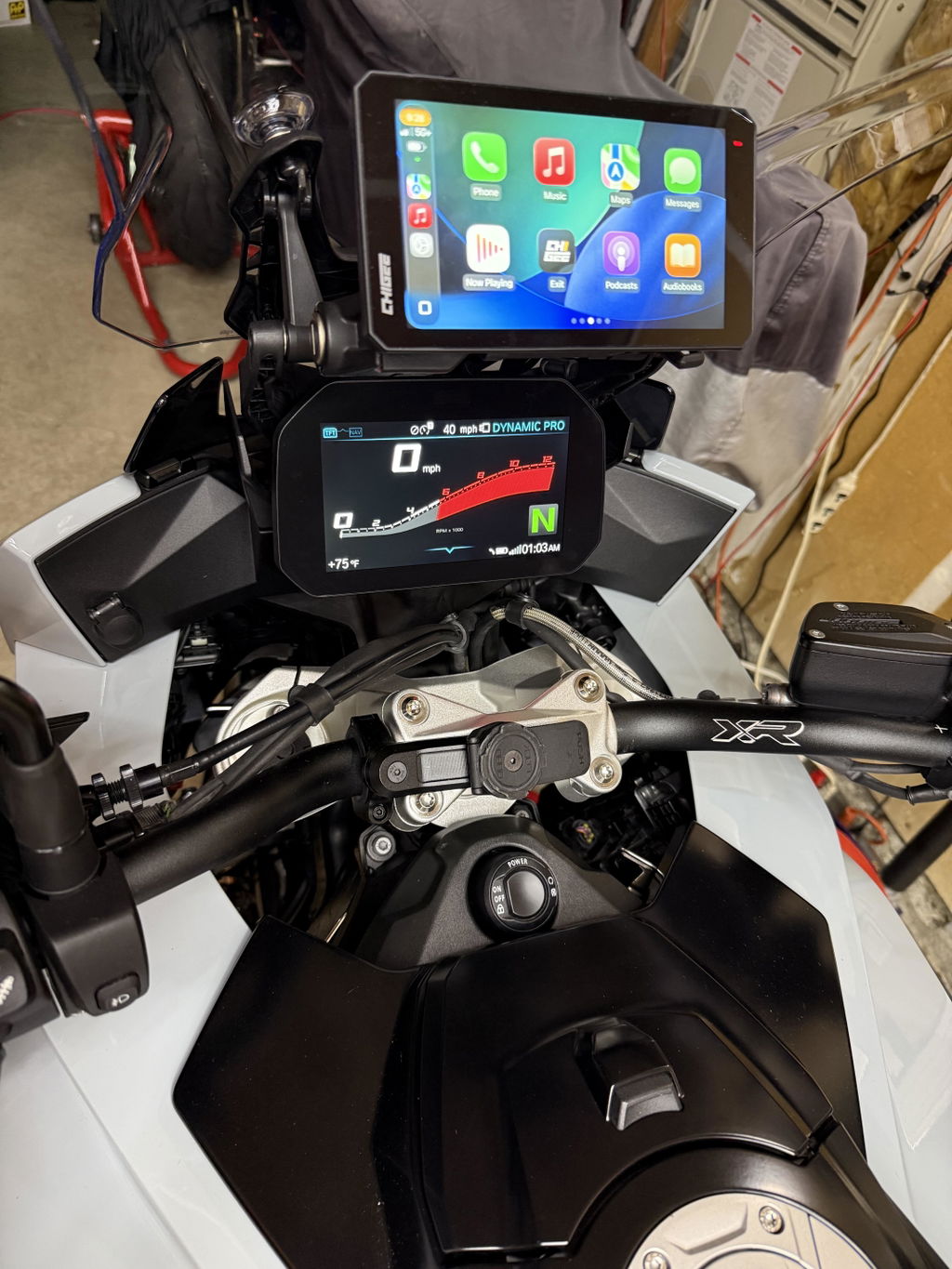
Like other CHIGEE products, the SR-1 is part of the CHIGEE ecosystem and is therefore compatible with AIO series riding display. After connecting to the riding display, users can view the check the real-time on-screen radar visualization, audible alerts through the display speakers, and finer control over sensitivity among other things.
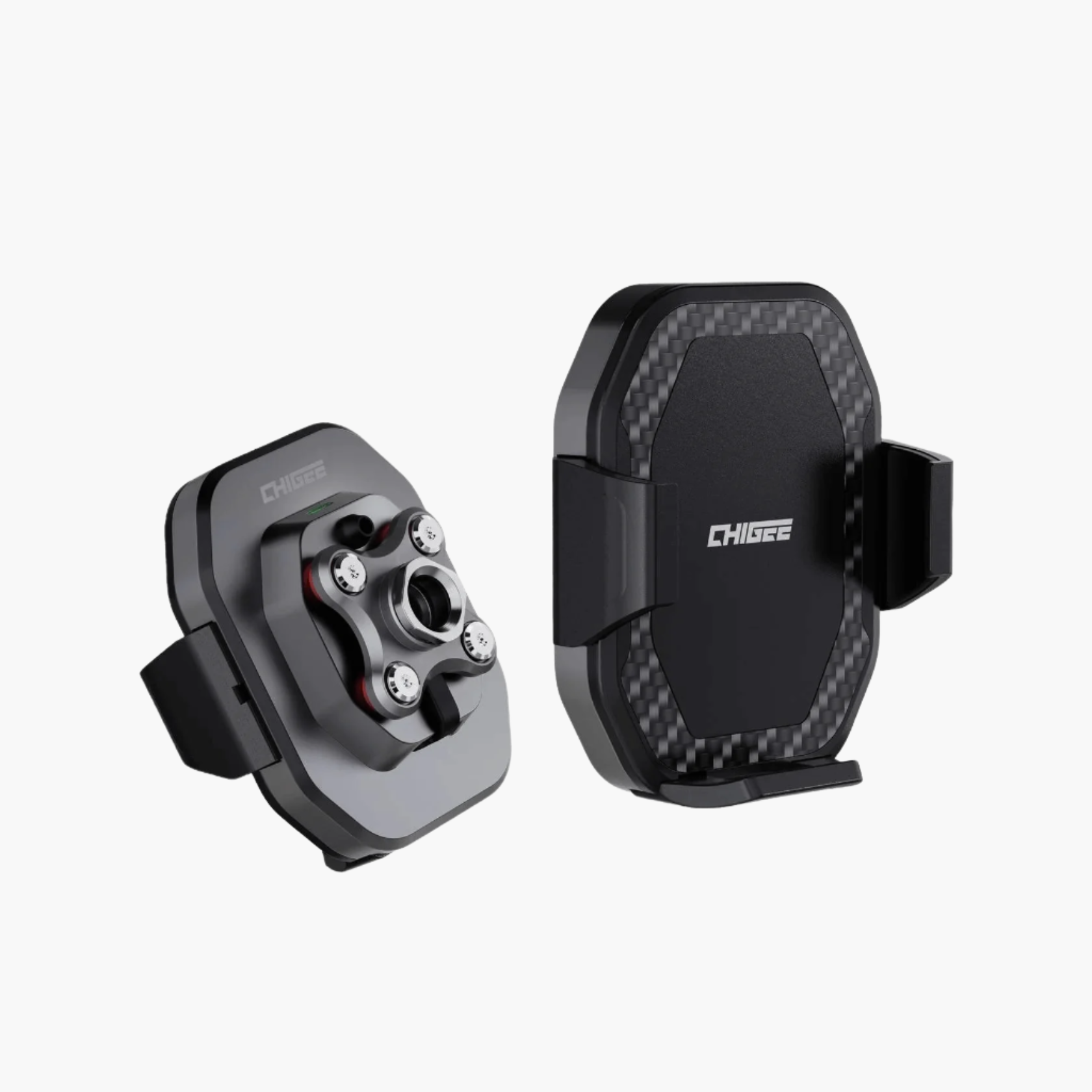
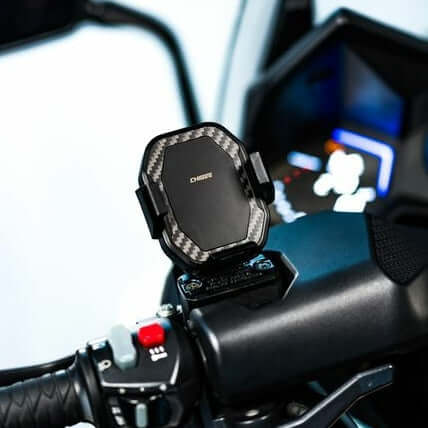
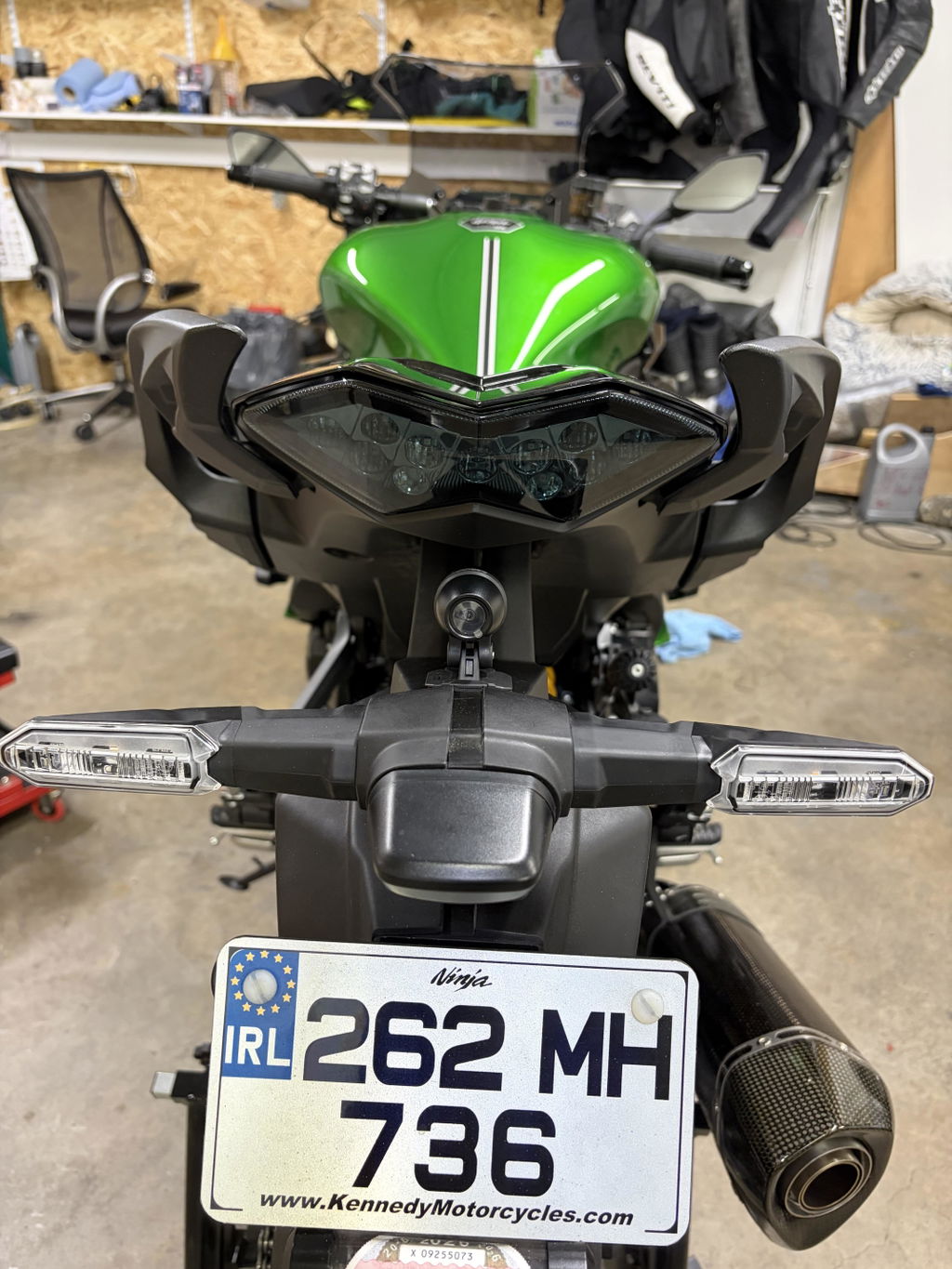
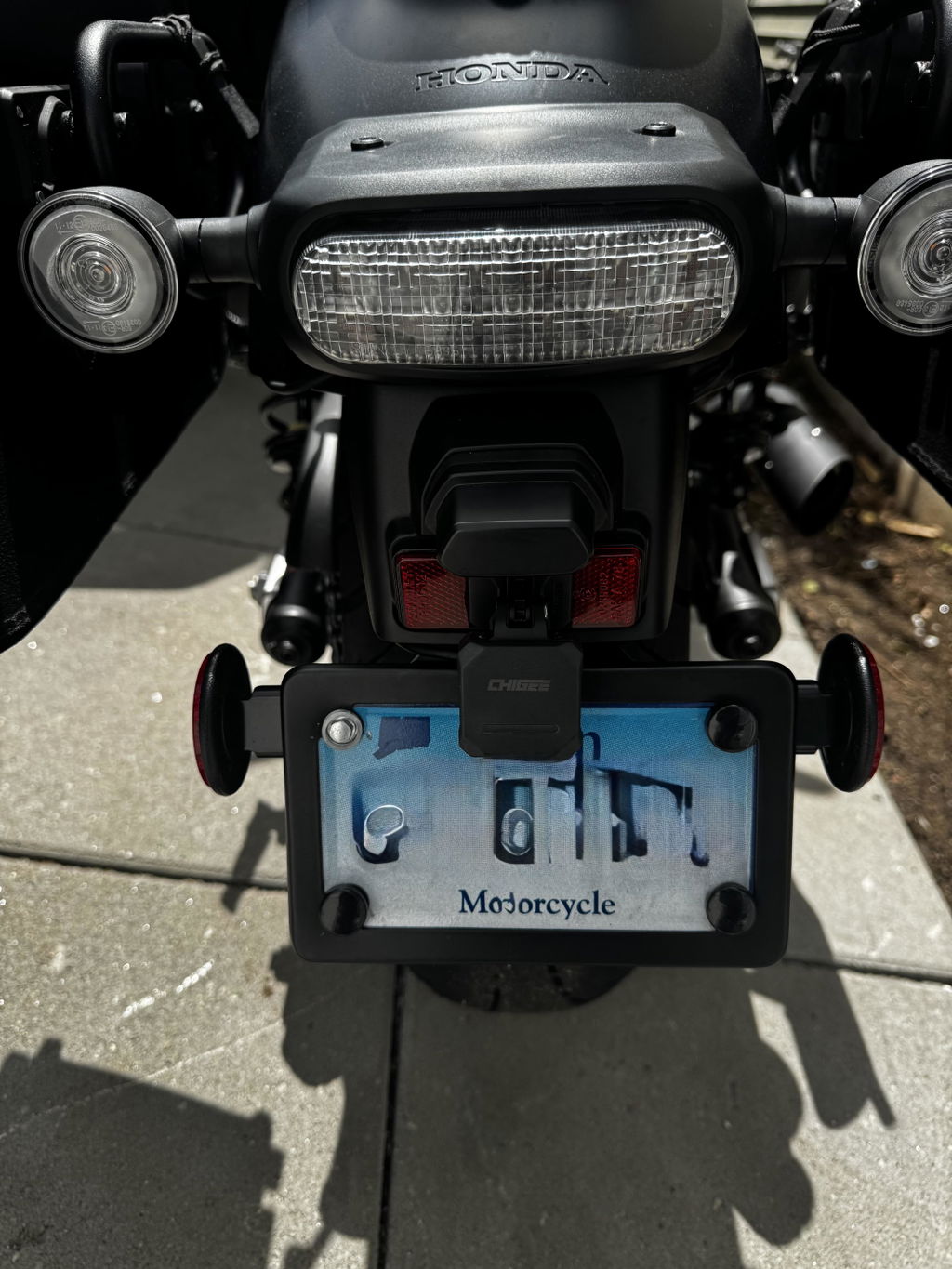
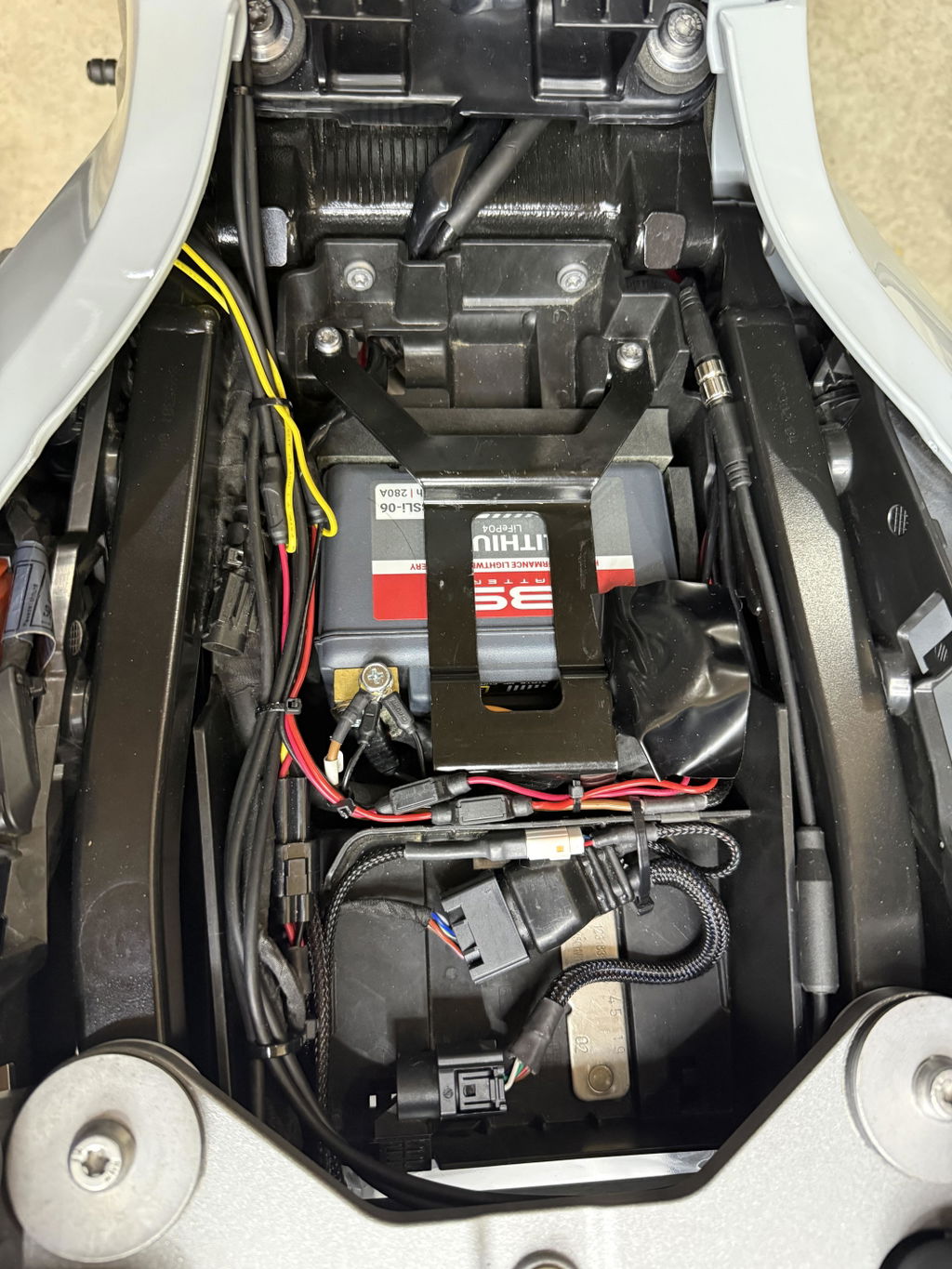
In terms of appearance, the SR-1 adopts a more understated design, maintaining a cool and functional style while remaining compact. The bracket supports installation in any direction, not only adapting to various bike models but also maximizing space for post-modification installation.
The SR-1 warns the driver about hitting you. From $199.95 to $239.95 , it sits between the AlienRider and the Garmin on price.
So what's the right pick?
Here's the part the spec sheets don't make obvious. Look at the four products side by side and the price gap is much wider than the spec gap.
The Garmin costs 2.7× the SR-1, but has shorter range, lower IP rating, fewer alert modes, and a higher activation speed. You're paying for the name and the ecosystem, not the technology. The AlienRider is genuinely the cheapest, but you're giving up OTA, ecosystem, and even a published waterproof rating. INNOVV is the right pick if — and only if — you specifically need HUD-style display in your line of sight.
For everyone else, the math points one direction. The CHIGEE SR-1 has the best specs in the segment, the most current hardware, the only event-triggered rear strobe in this comparison (the one that fires the moment a fast-closing vehicle is detected), OTA updates so it keeps improving after you buy it, and a price under half the Garmin's. That's not a small difference. That's the difference between paying for technology and paying for branding.
Radar won't replace mirror checks or your own attention — every manufacturer says so, and they're right. But once you've ridden with it, going back feels noticeably less safe. Technology is worth it. The only real question is whether you're paying a fair price for it.






Leave a comment
All comments are moderated before being published.
This site is protected by hCaptcha and the hCaptcha Privacy Policy and Terms of Service apply.