

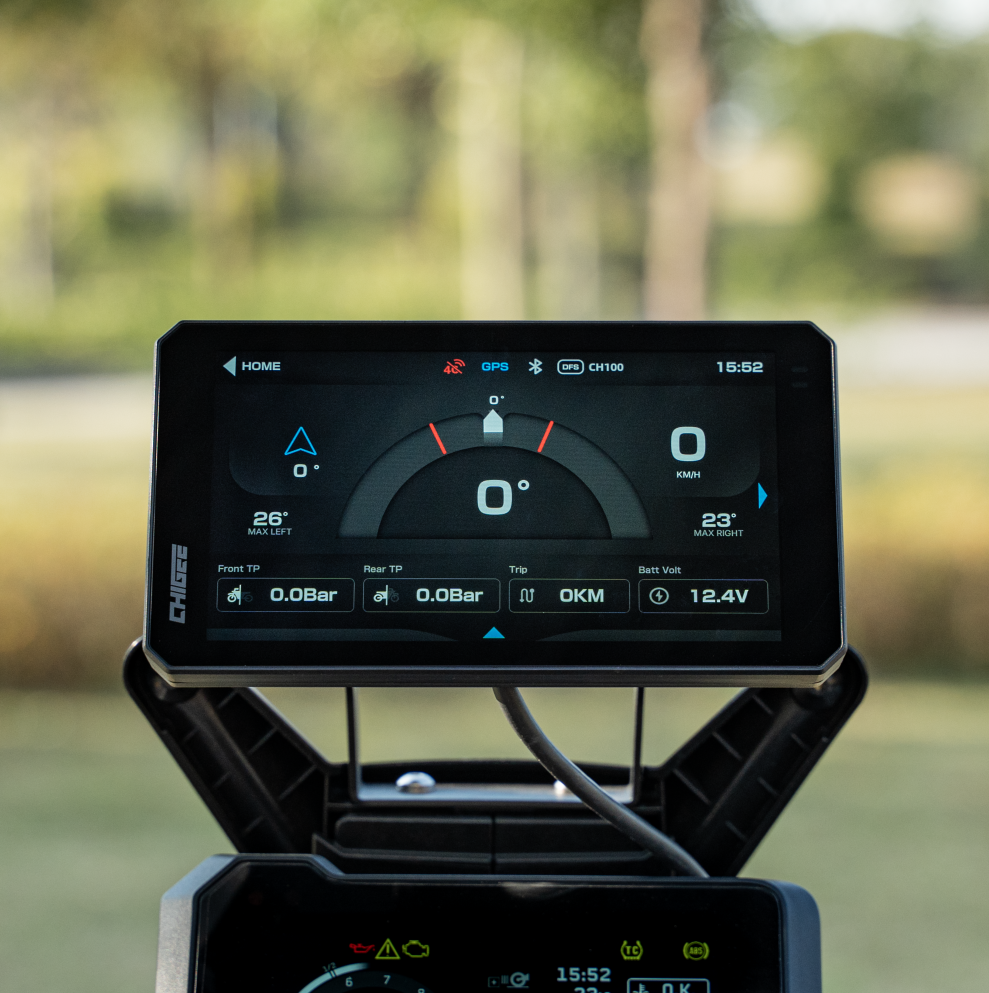
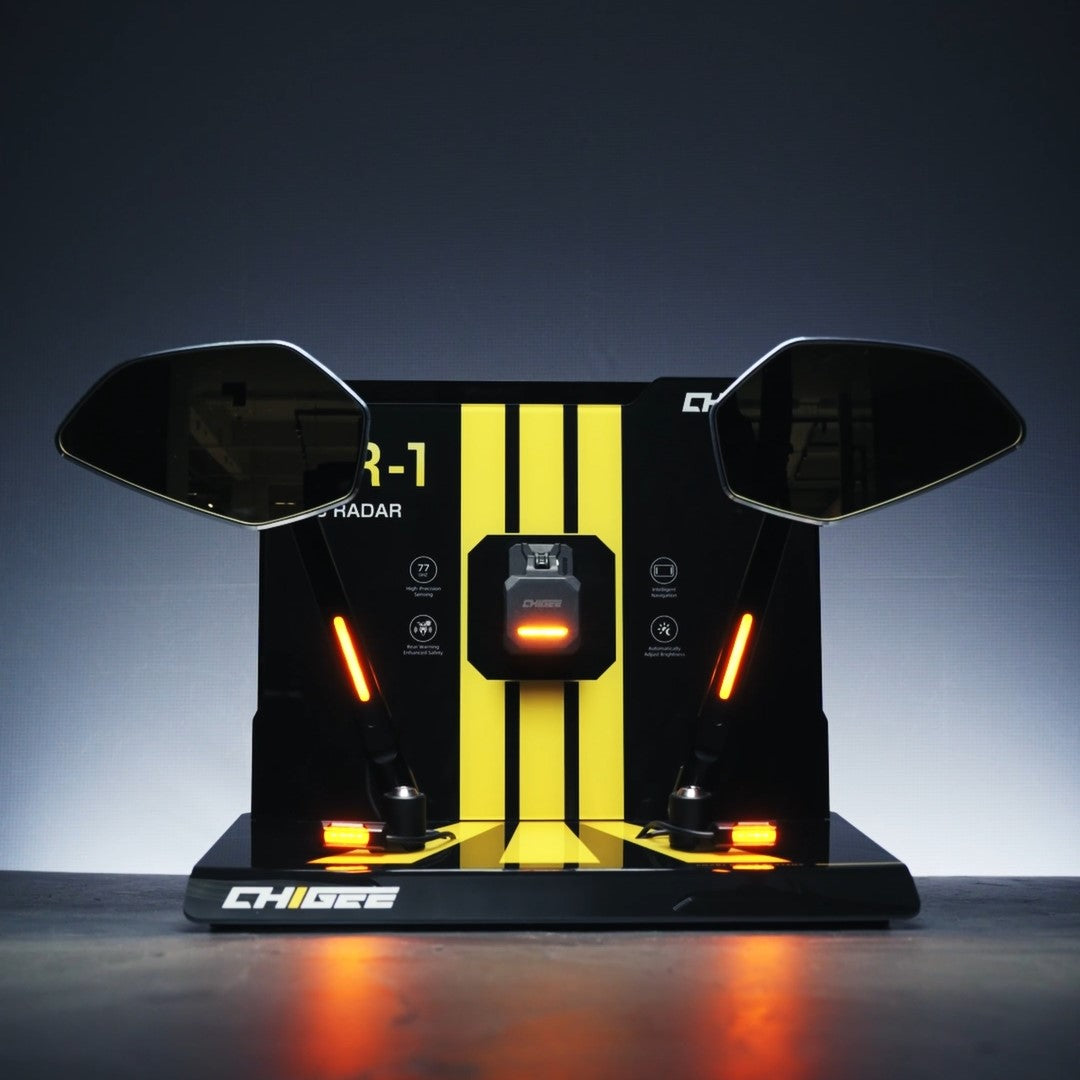
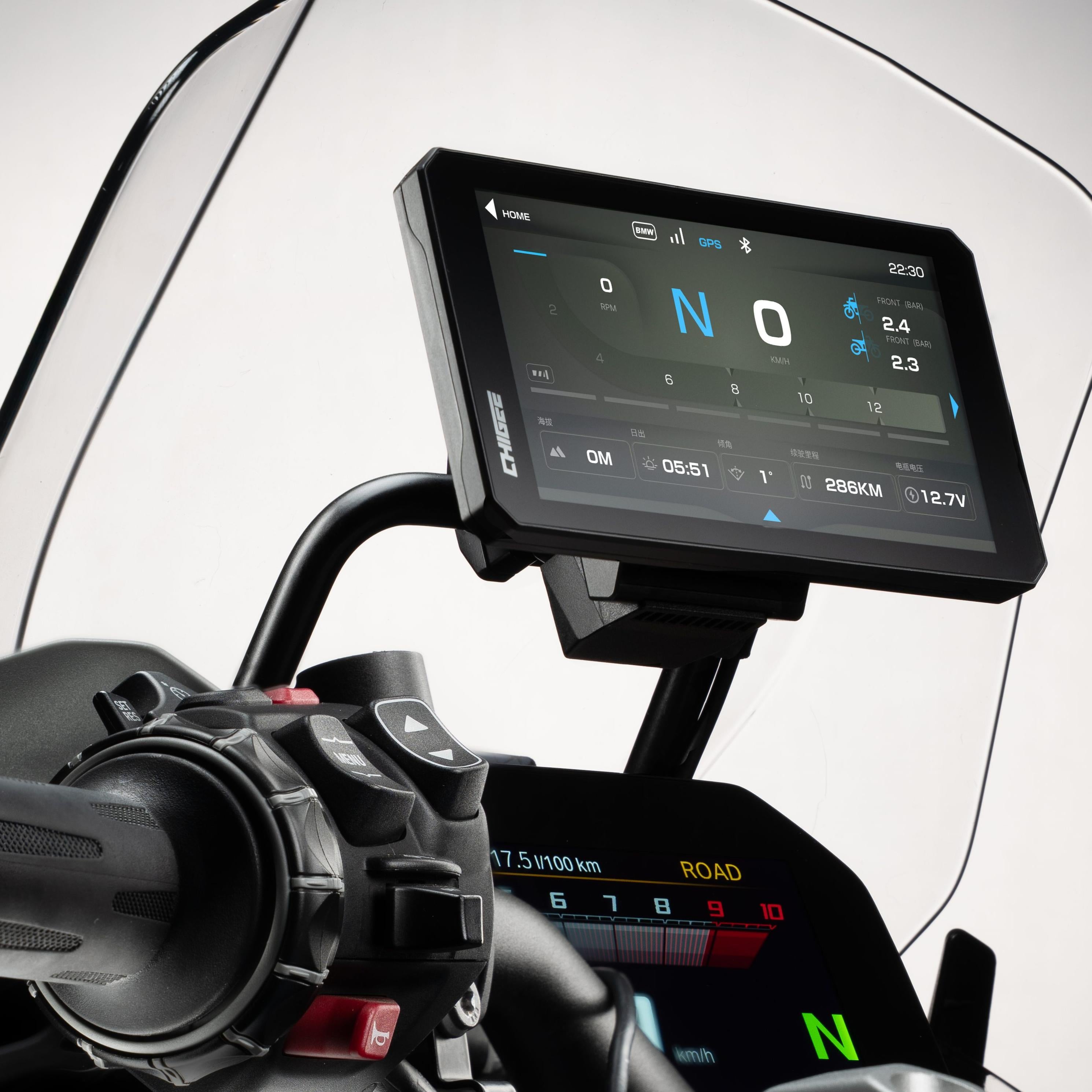
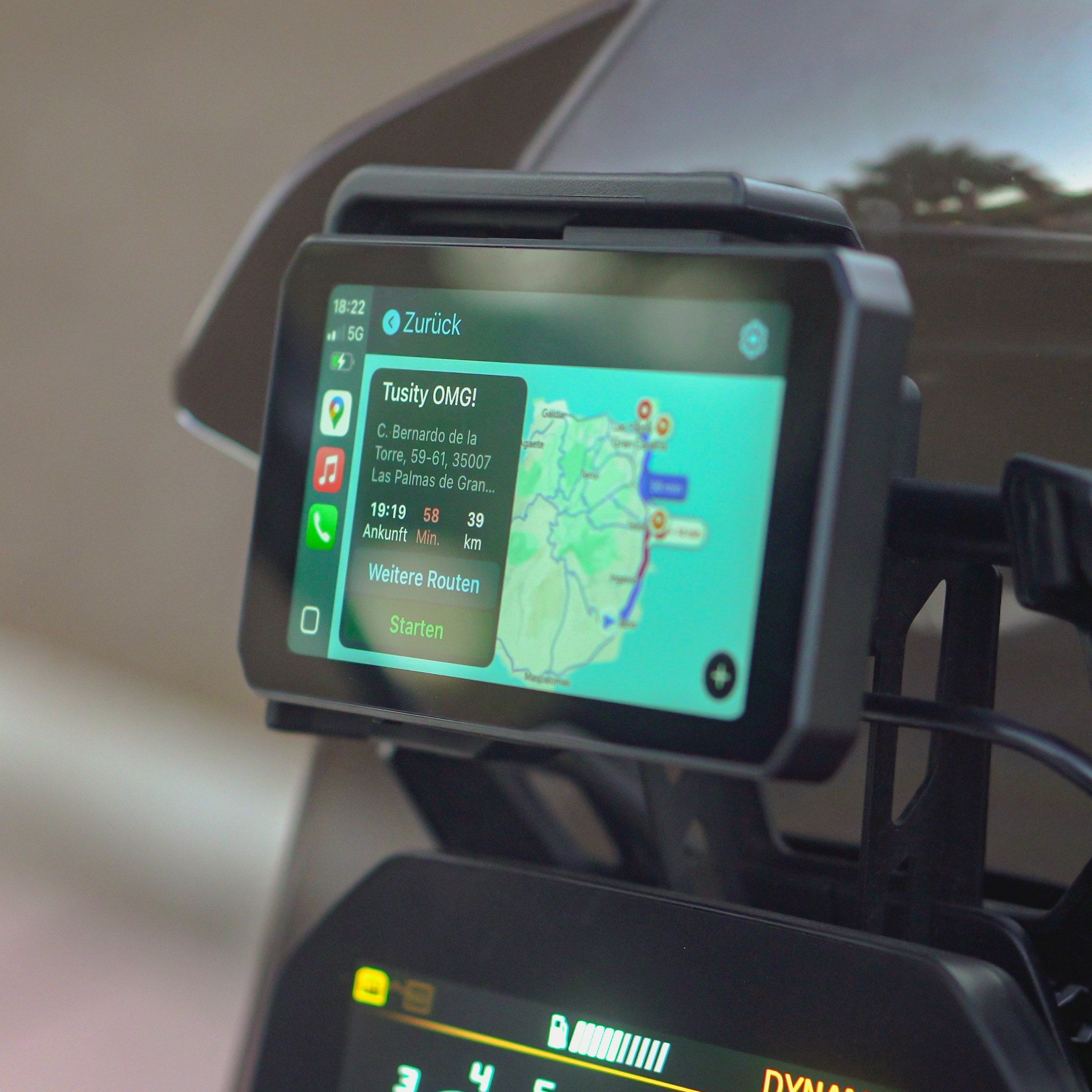
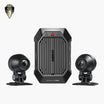
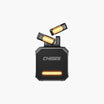
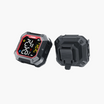

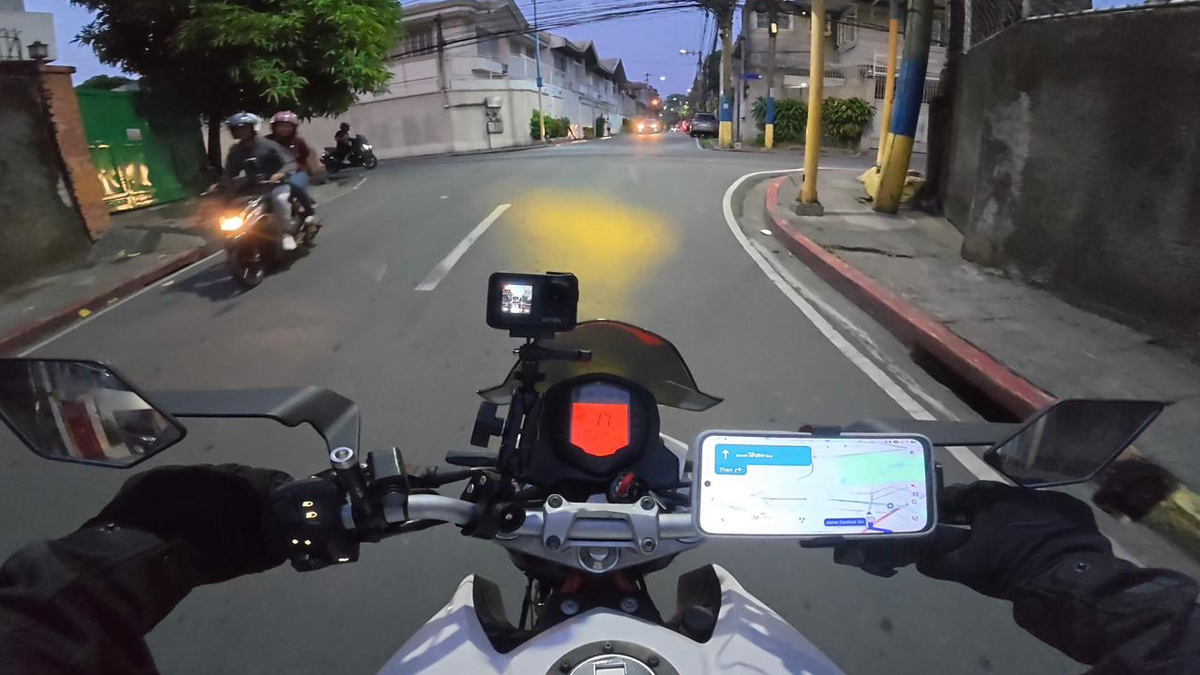
Running the CHIGEE SR-1 standalone – without pairing it to a display – showed me something I didn't expect: the radar doesn't need a screen to be useful. The blind spot alerts and rear collision warnings came through the LED indicators alone, clear enough to act on in traffic. Pairing it later with the AIO-5 EVO added on-screen context that made the system feel complete, but the standalone function made the core value obvious before the display ever entered the picture.
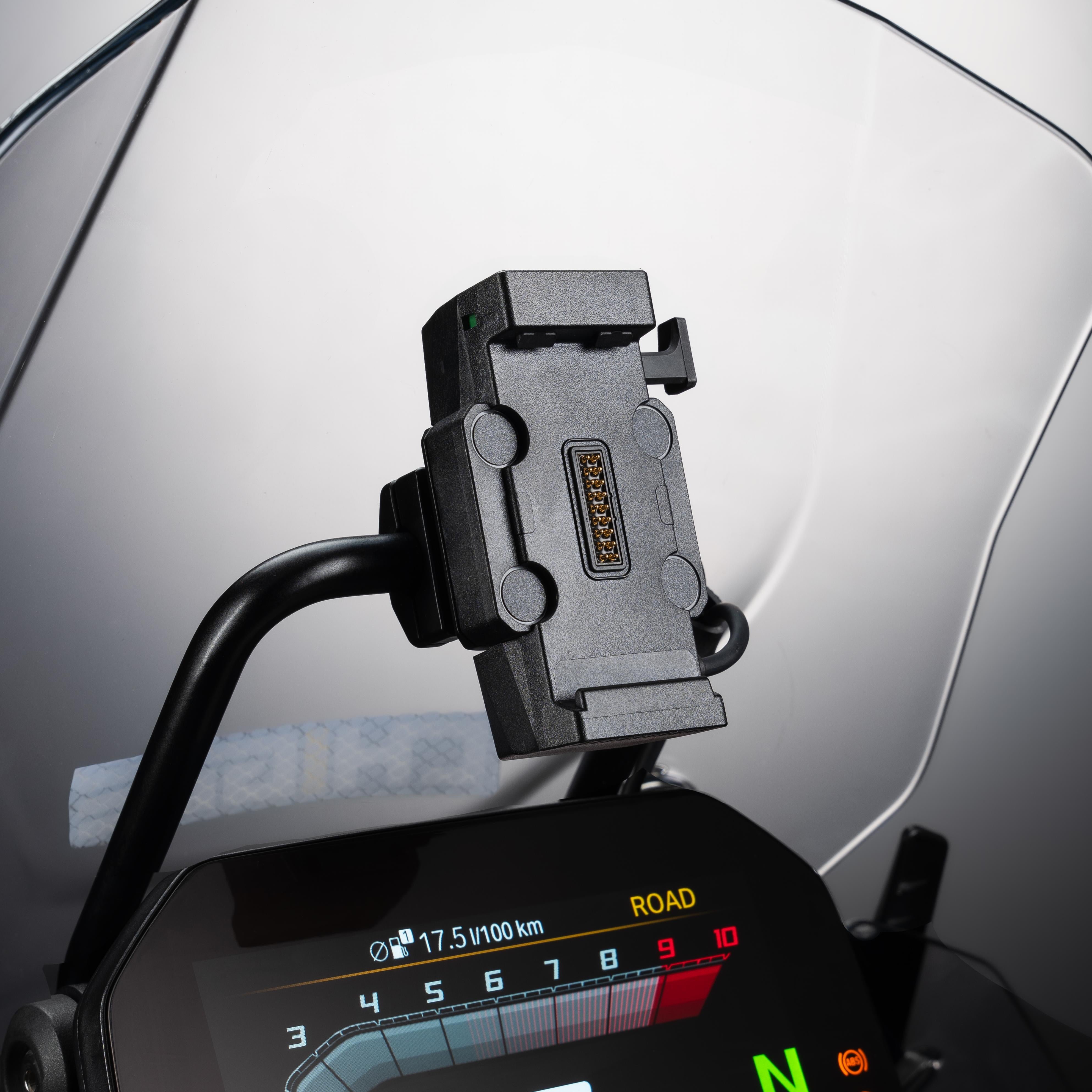
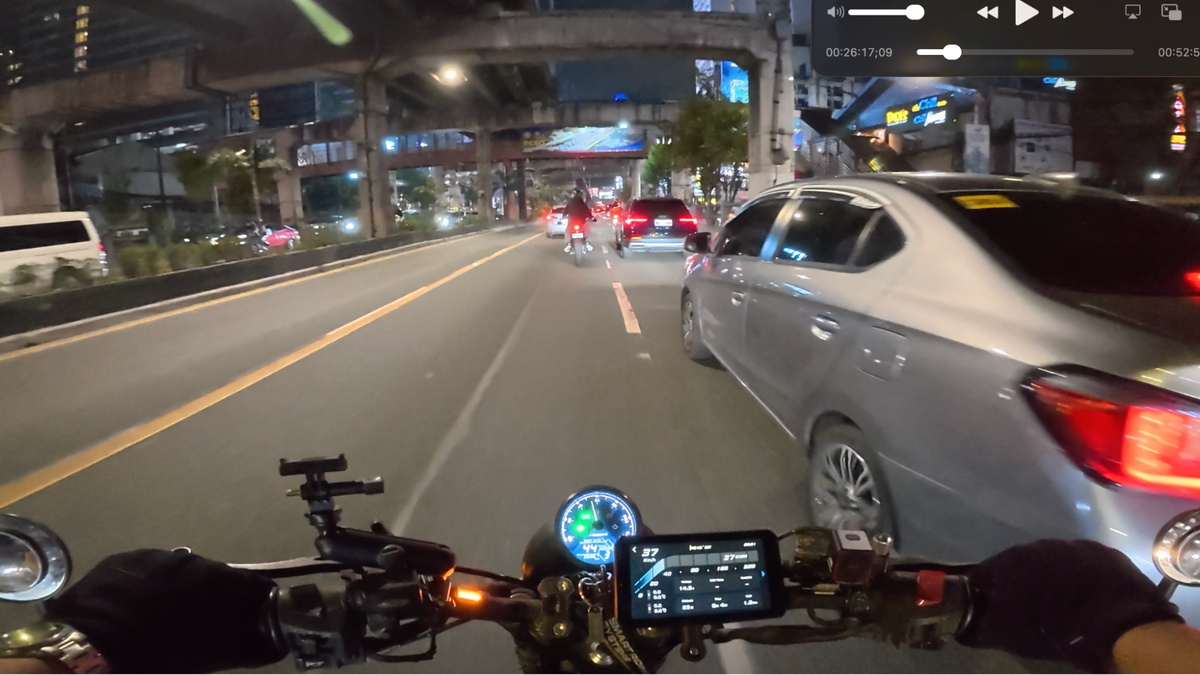
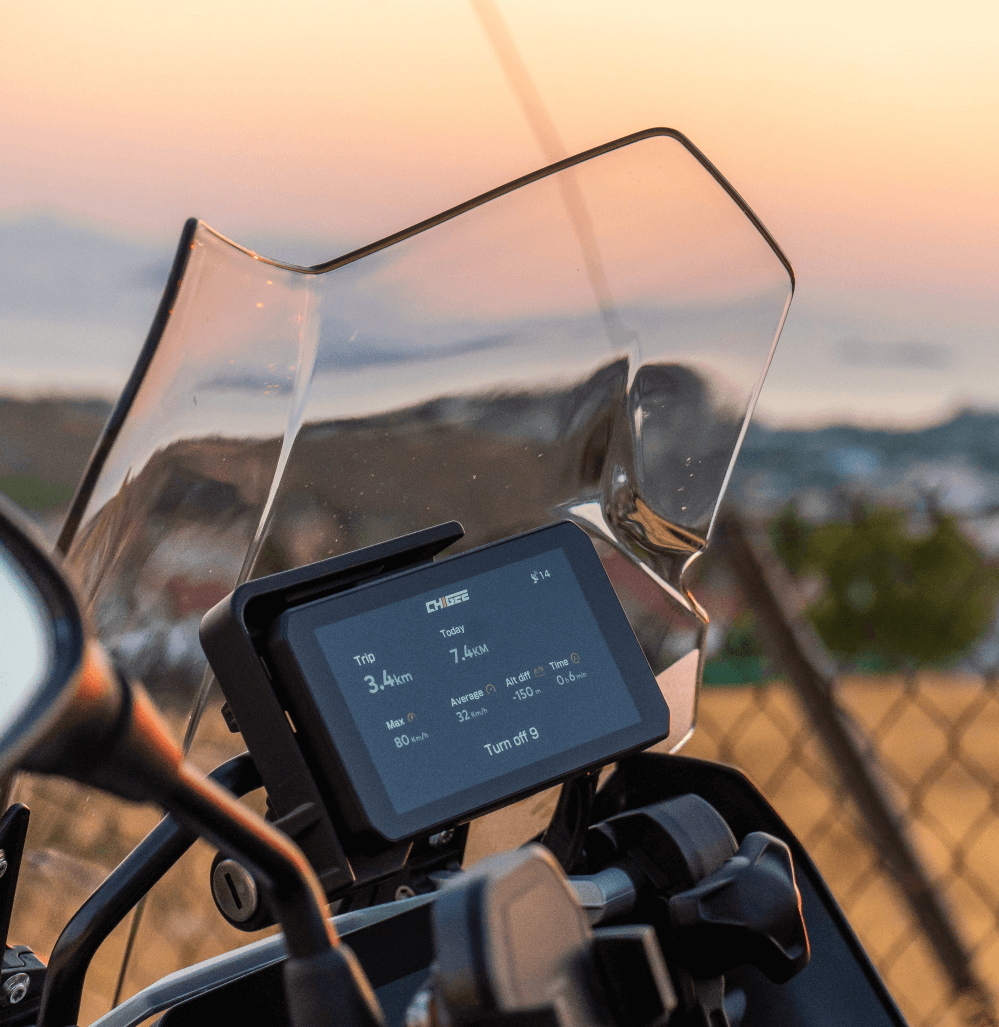
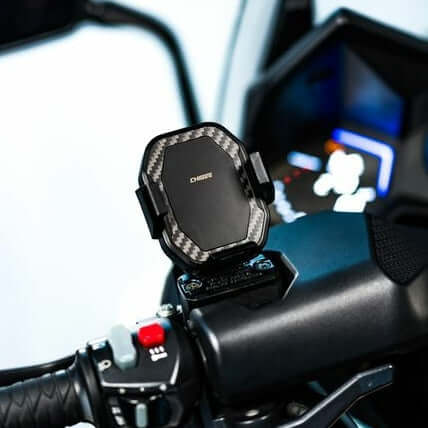
A phone mount feels like a complete solution right up until the moment it isn't. The navigation works, the screen is visible on a clear day, and the price is low enough that most riders never question it. But none of that changes what a phone mount fundamentally cannot do: it cannot watch the lane beside you, it cannot record what happens behind you with a dedicated lens, and it cannot warn you when a vehicle is closing fast from your rear quarter.

That gap matters more than most riders realize until they're in a situation where it would have helped.
What a Phone Mount Actually Does – and Doesn't Do
A phone mount does one thing well: it holds your phone in a position where you can glance at navigation. That's a genuine convenience, and there's no argument against it on that narrow point. The problems start the moment you ask it to do anything more.
Sun glare is the first one. A phone screen at highway brightness is readable in shade and marginal in direct sun, which describes most riding conditions between morning and mid-afternoon. Vibration compounds the issue over time – bar vibration transmits through most clamps directly into the phone's camera and charging port, doing damage that doesn't show up until suddenly your camera app won't open or your connector won't seat properly. On long days, heat becomes a third variable: phones throttle performance and dim their screens when internal temps climb, which happens faster on a hot bar in direct sun than it does sitting in your pocket.

What a phone mount cannot do at all is more significant. It has no awareness of the space beside or behind your motorcycle. It cannot detect whether a vehicle is in your blind spot before you change lanes. It cannot alert you to a fast-approaching vehicle from the rear. If it has a dashcam app running, that recording is unreliable – prone to stopping when the phone overheats, when a call comes in, or when storage fills without warning.
The Blind Spot Problem Riders Underestimate
Most riders are comfortable with their mirror coverage. The reality is that every motorcycle has a blind zone – the area beside and slightly behind you that mirrors don't reliably show, especially at speed, especially in heavy traffic. Blind Spot Detection (BSD) exists specifically because that zone is where a large share of lane-change incidents originate.
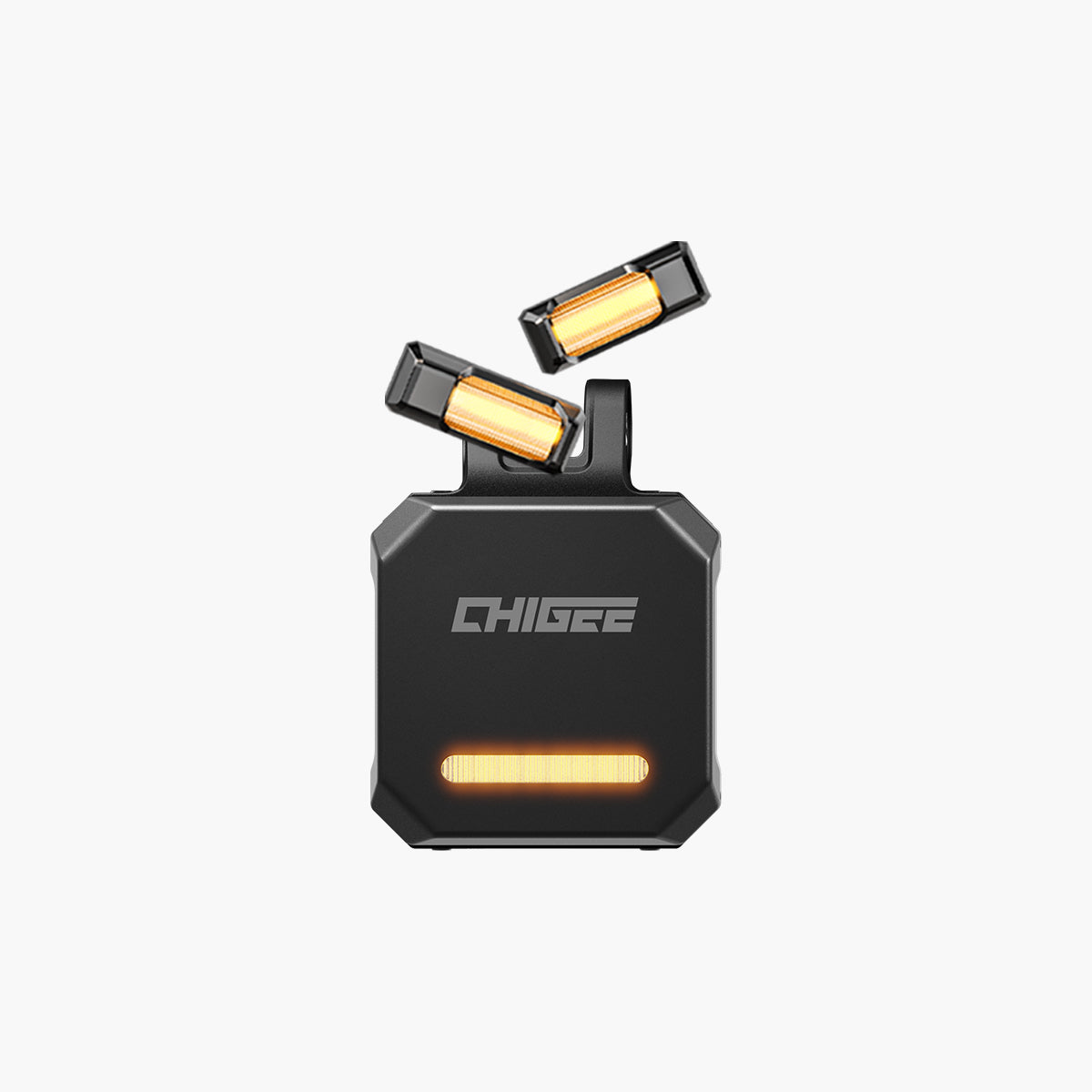
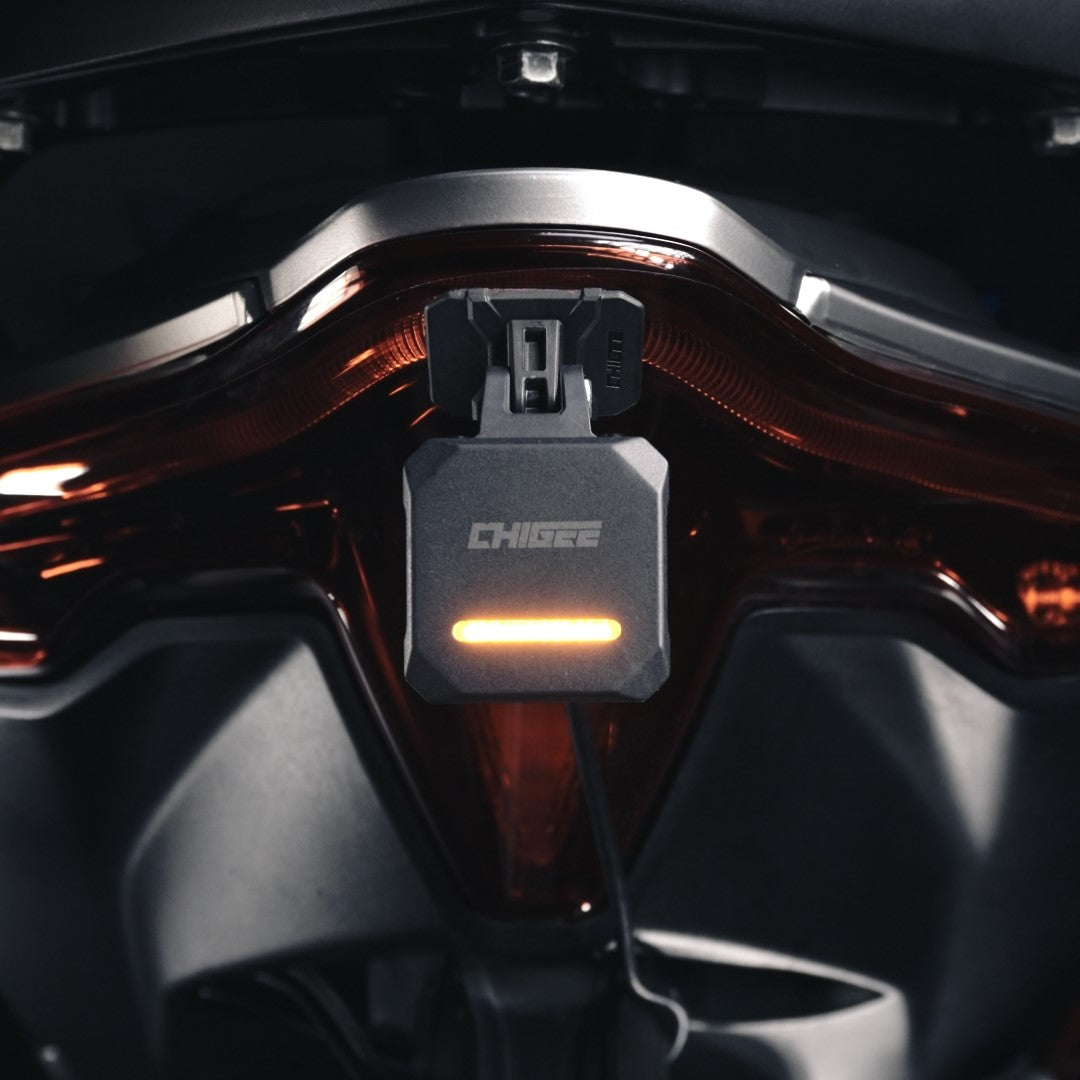
The CHIGEE SR-1 radar uses 77GHz millimeter-wave technology to monitor up to 70 meters behind your motorcycle. It runs continuously from 10 km/h, which means it's active in exactly the urban filtering conditions where blind spots matter most. When a vehicle enters the monitored zone, the LED indicator alerts you before you move – not while you're mid-lane-change.

The distinction between checking and confirming is where BSD earns its keep. A mirror check is a sample. BSD is continuous coverage. You're not relying on whether you happened to look at the right half-second. The system watches the zone you can't see, and it tells you when something is there.
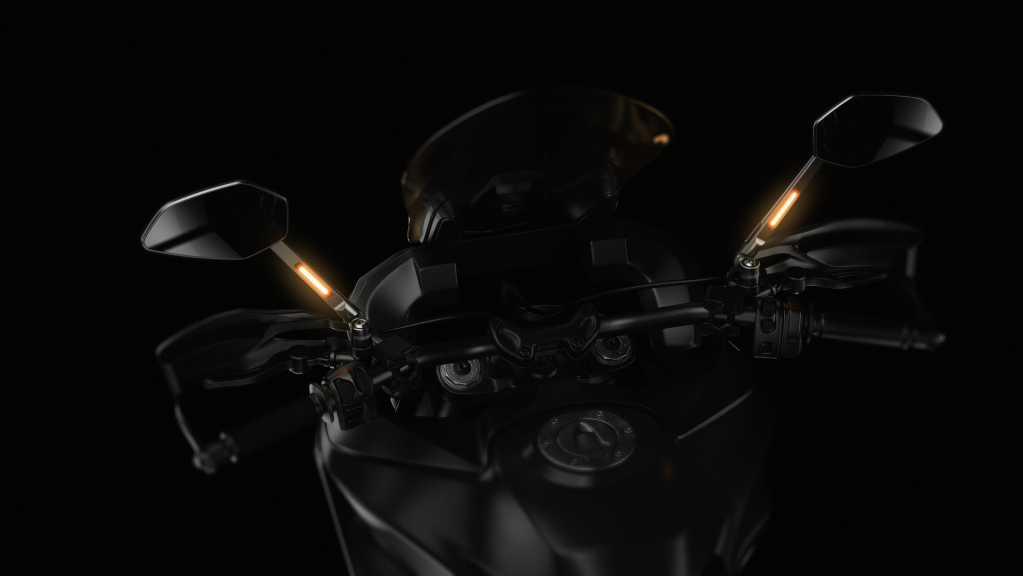
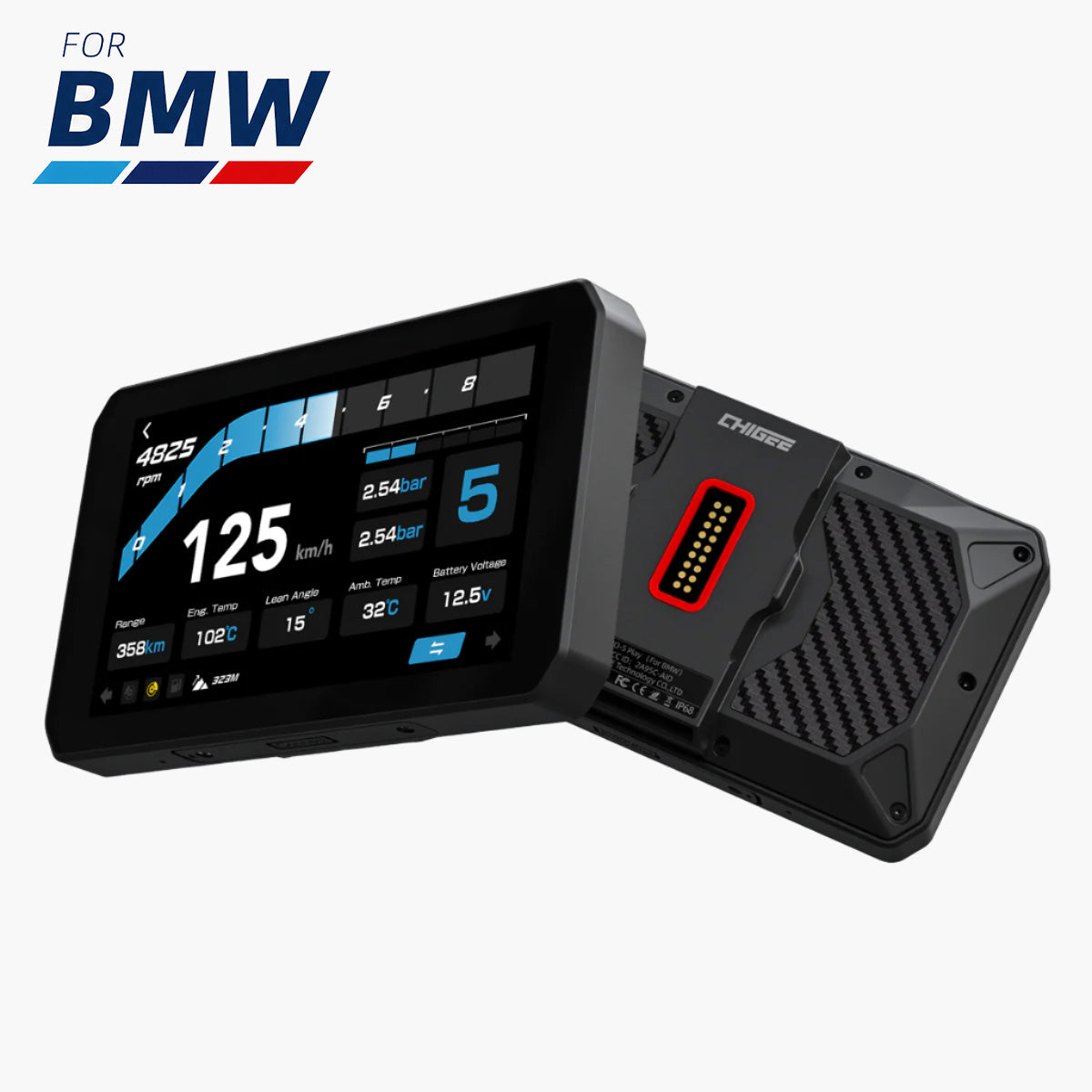
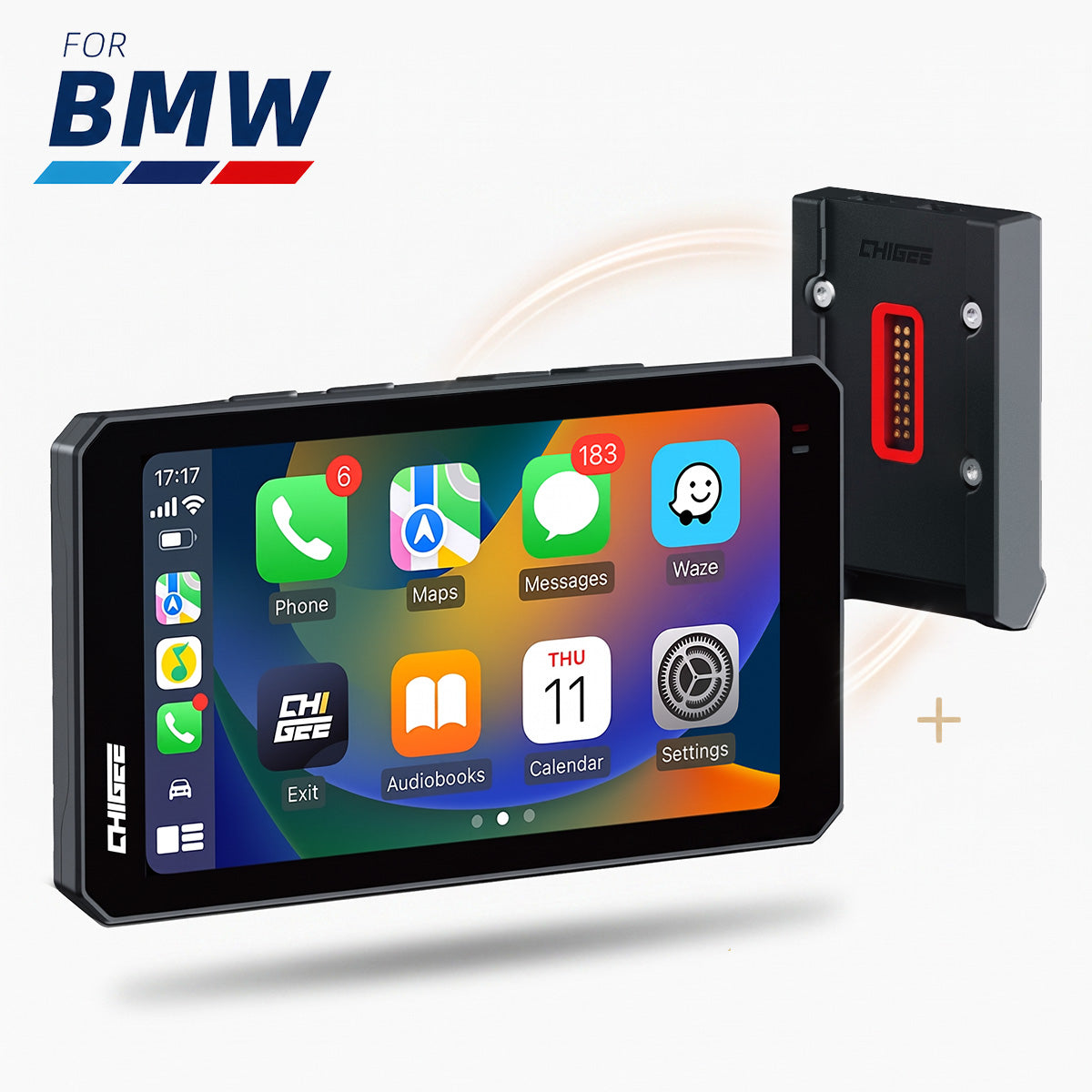
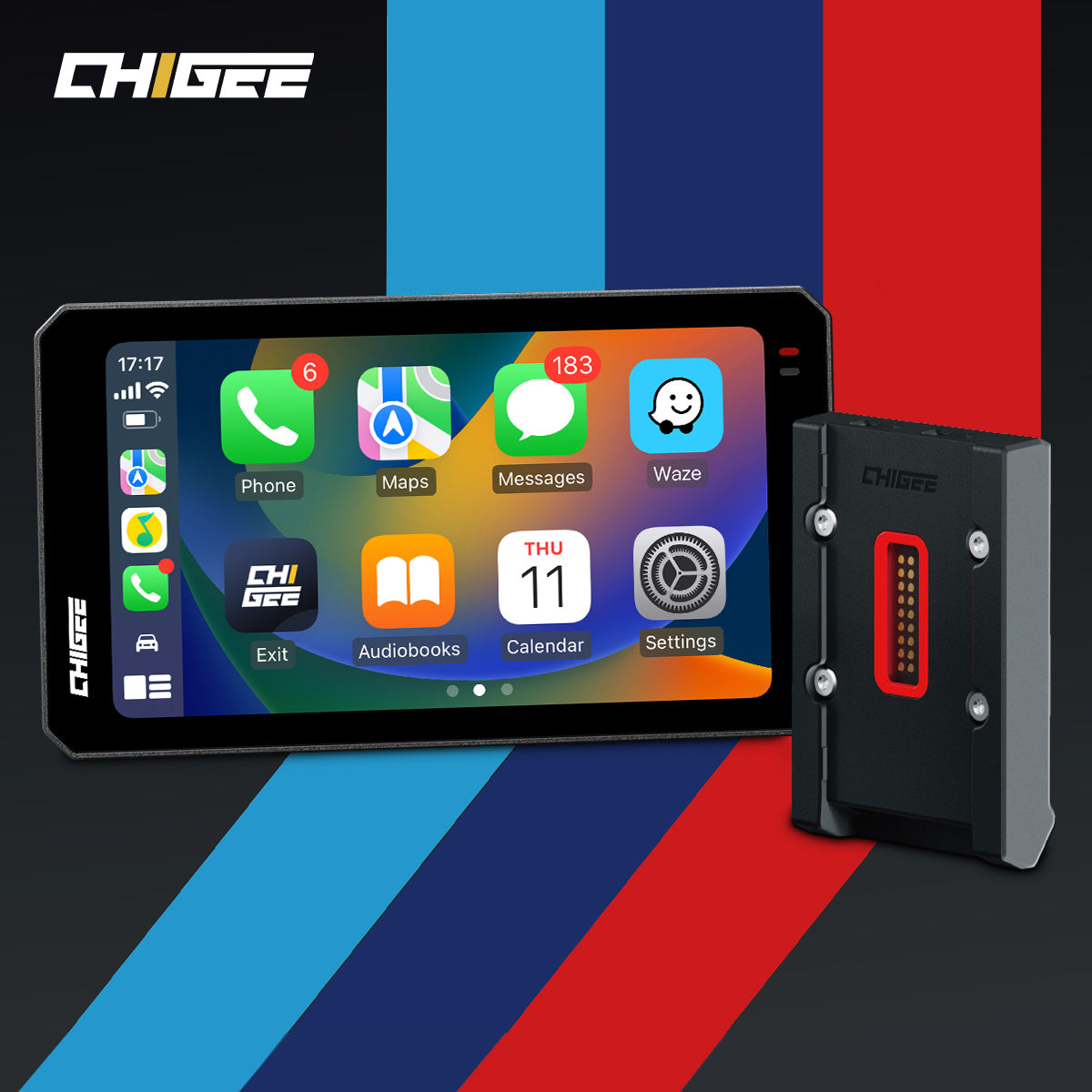
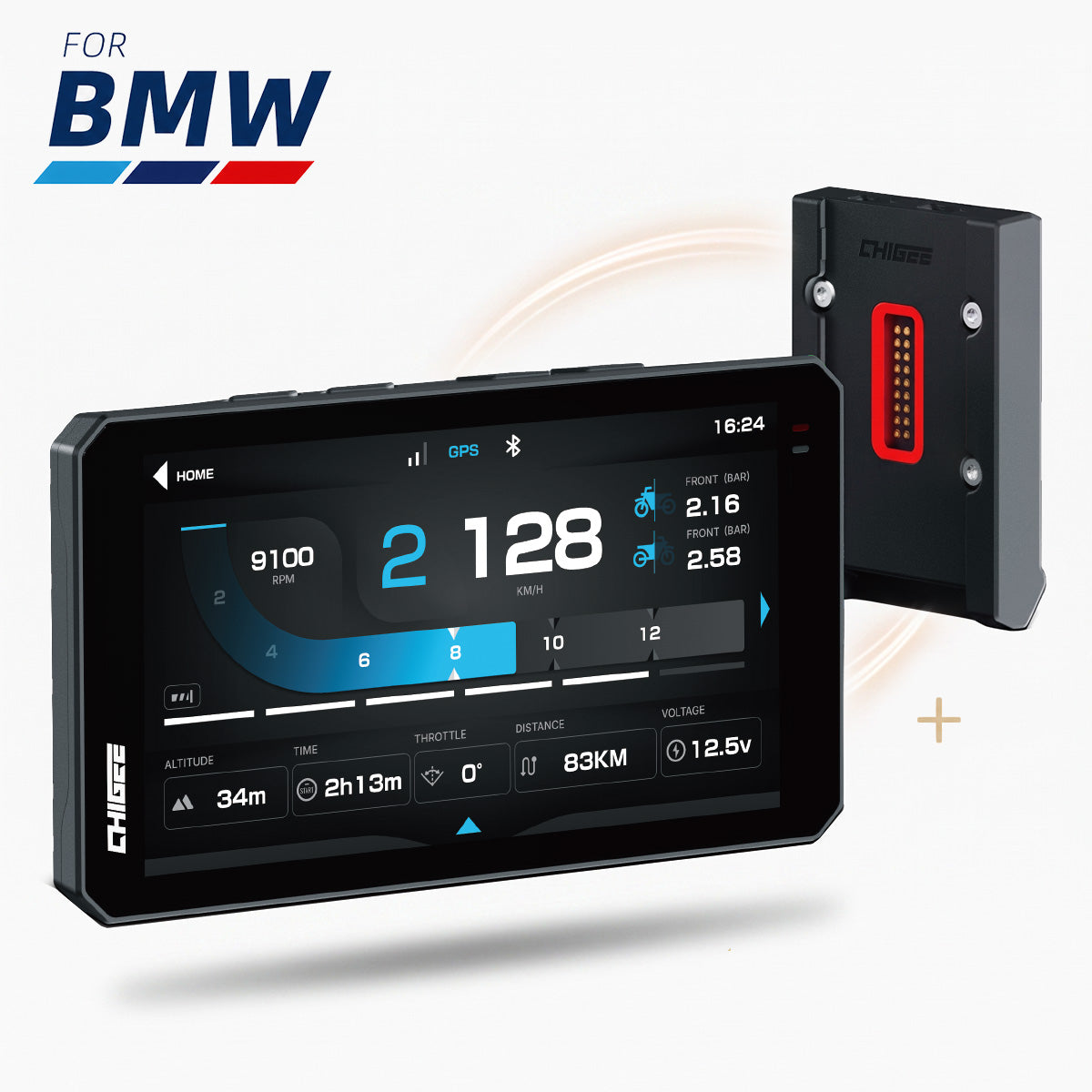
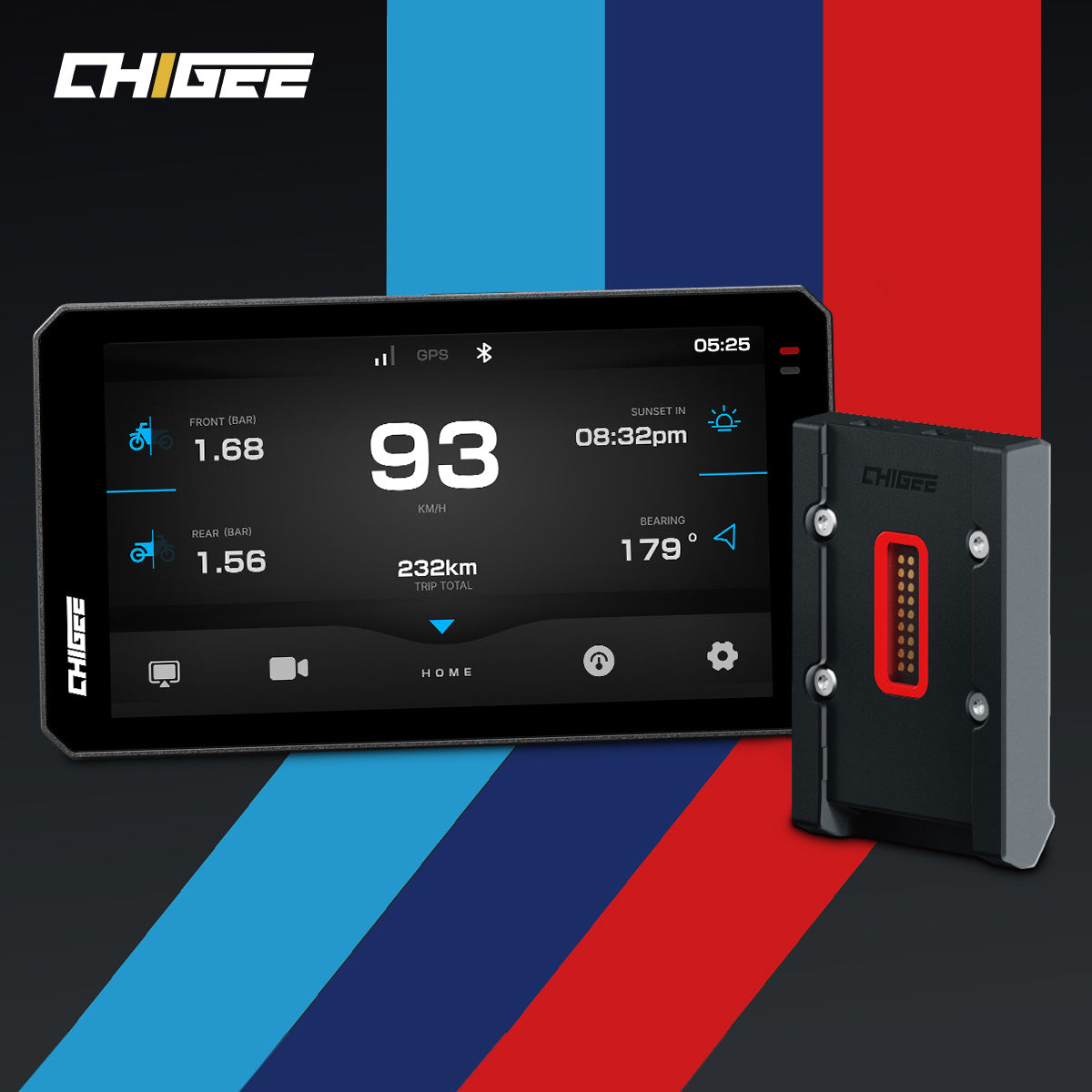
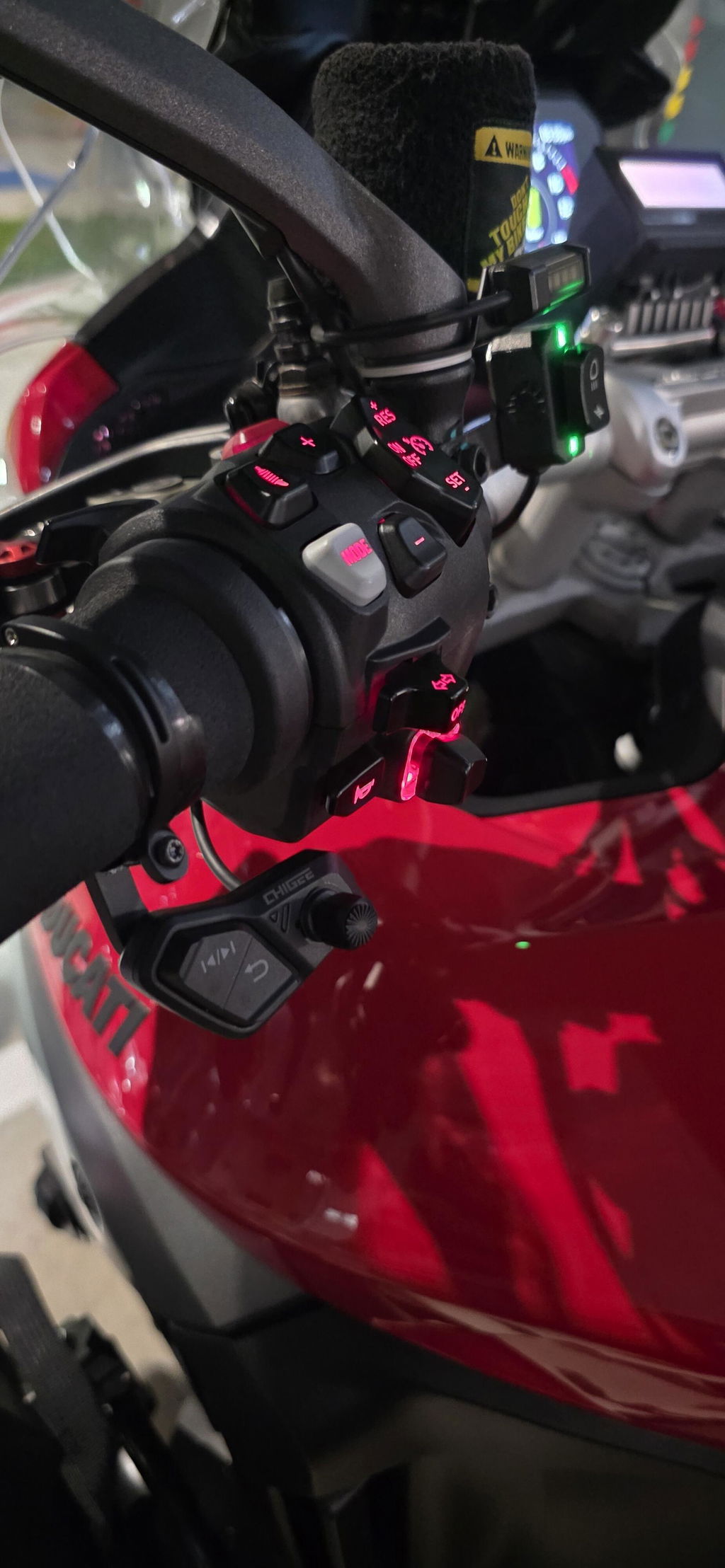
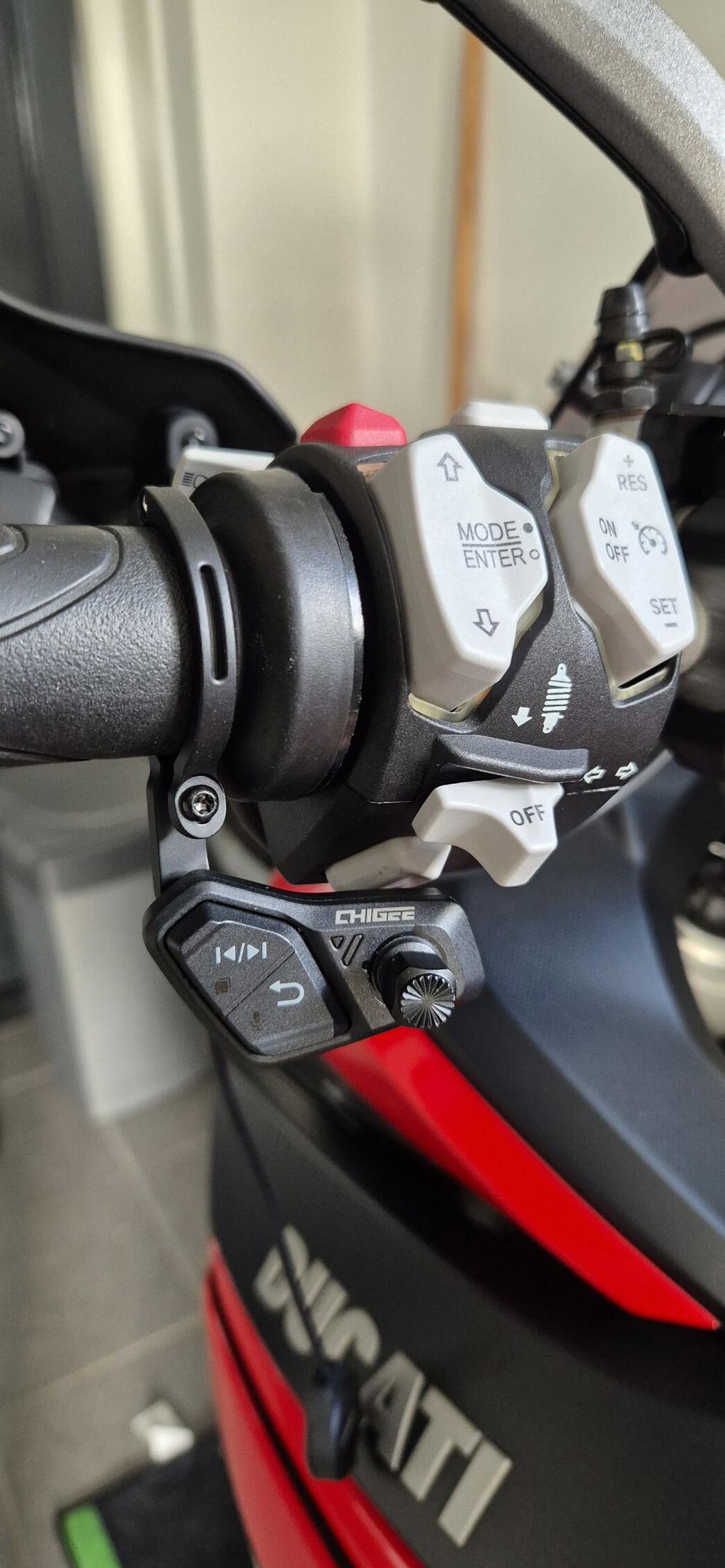
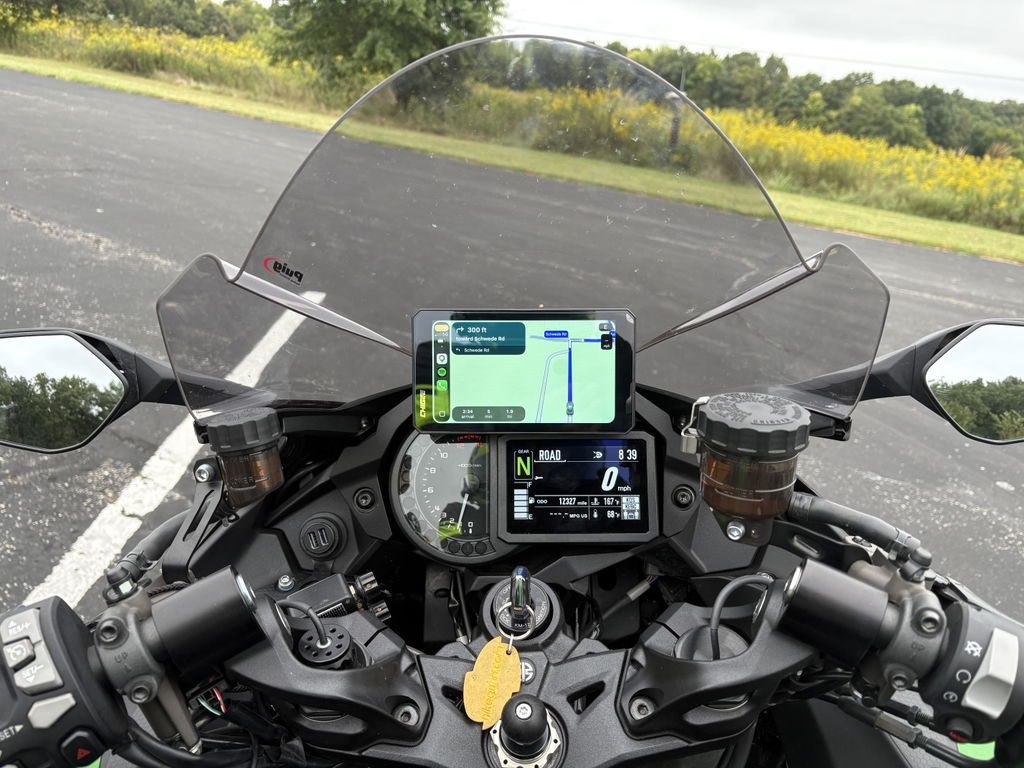
Used standalone, the SR-1's LED indicators carry that information directly. Paired with a CHIGEE AIO-5 EVO display, the same alerts appear on-screen with visual context and integrate with navigation – but the standalone function is real and reliable on its own.
Why Dashcam Integration Changes What Gets Recorded
A phone dashcam app and a dedicated dashcam are not the same thing. The phone app stops recording when the phone locks, when the battery hits a threshold, when a call interrupts it, or when storage fills. Those interruptions are predictable and frequent, which means the moments most likely to matter – incidents, close calls, the ten seconds before a collision – are the moments most likely to have been missed.
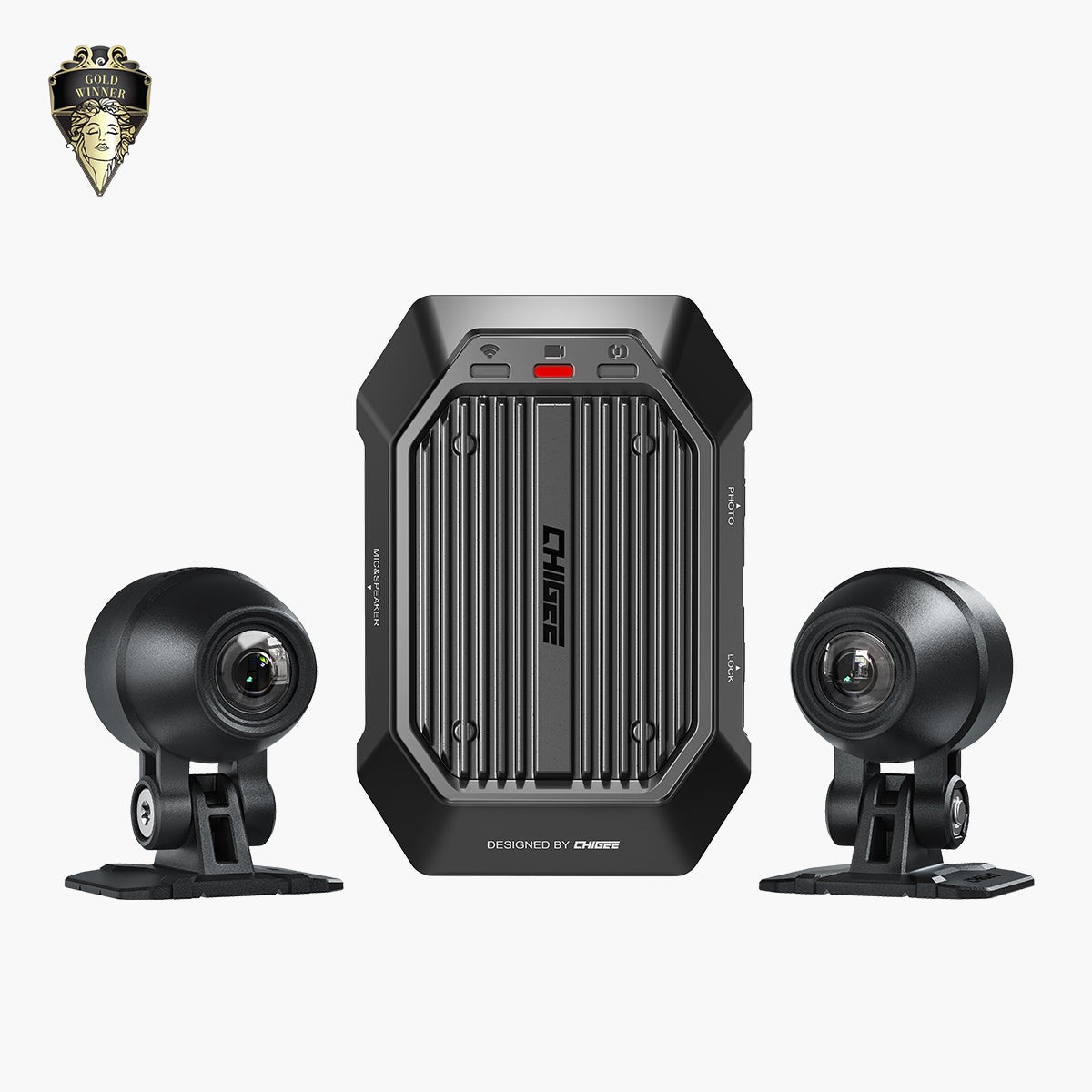
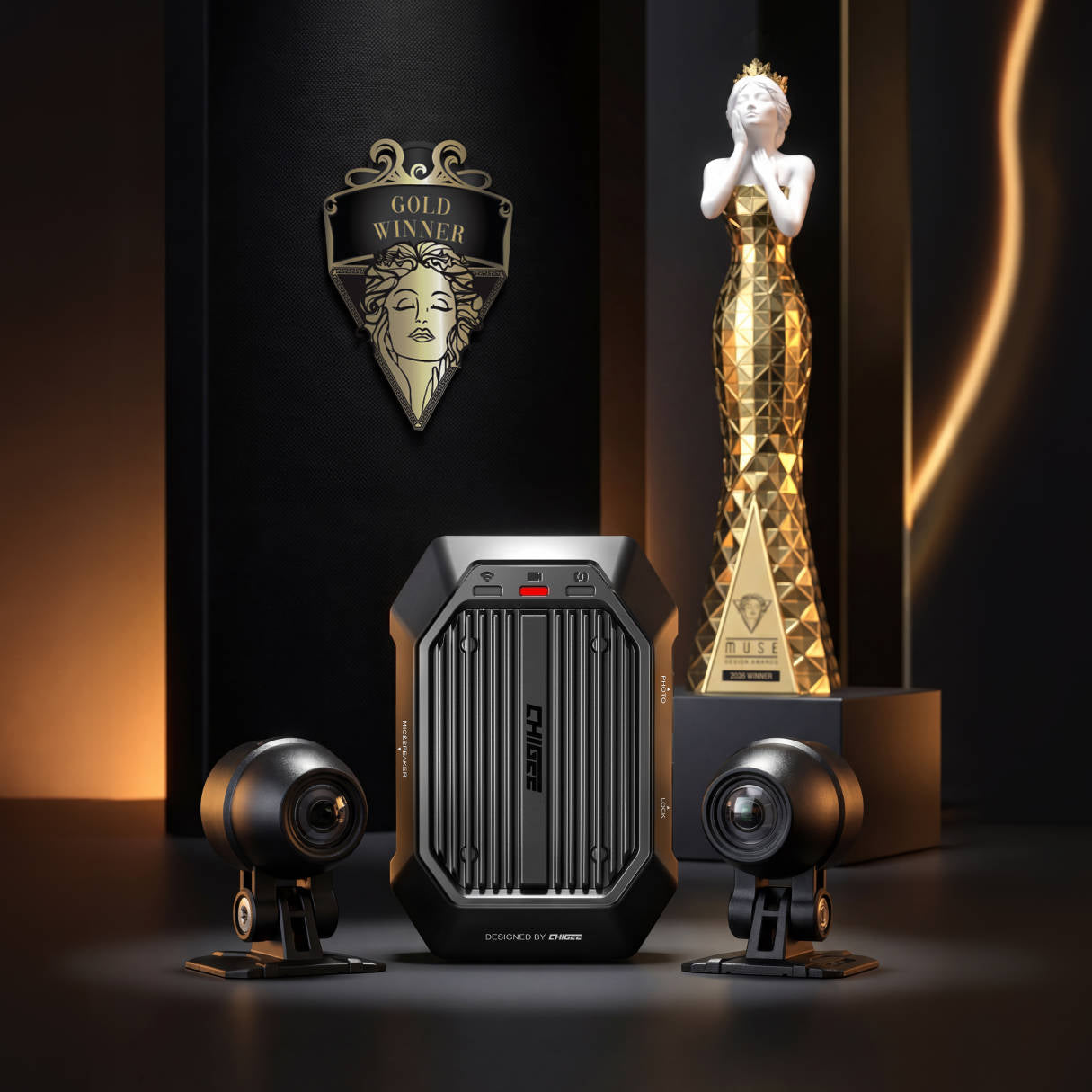
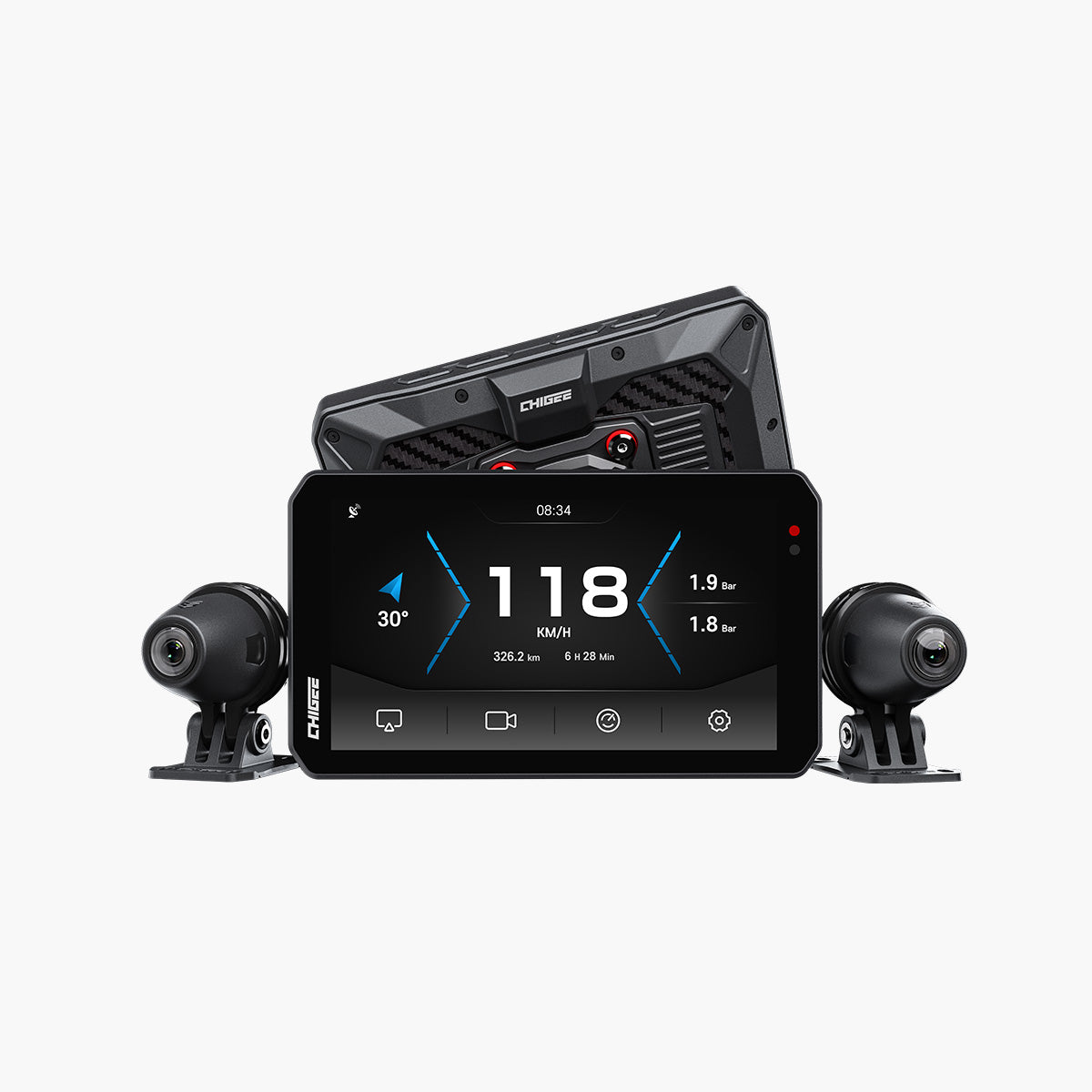
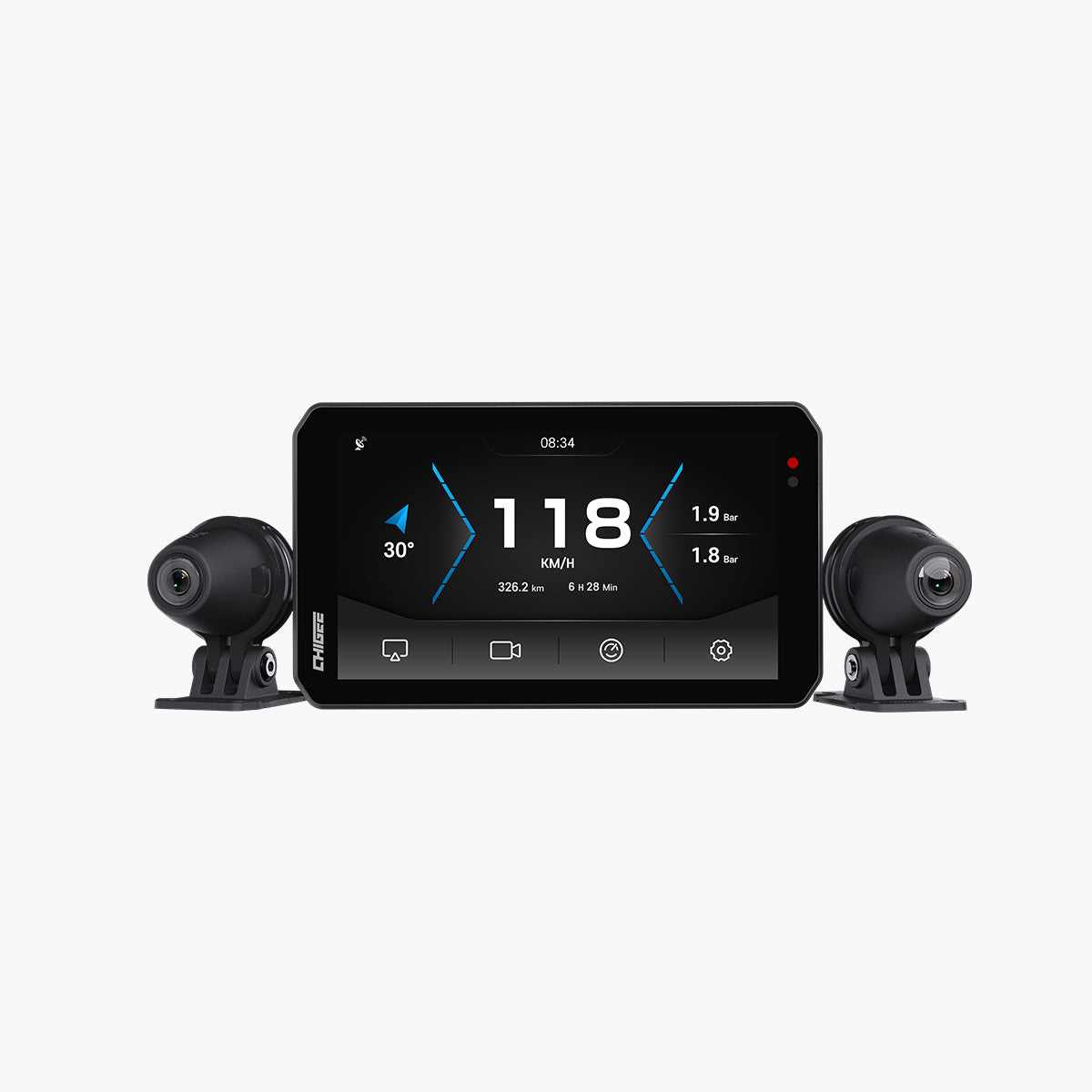
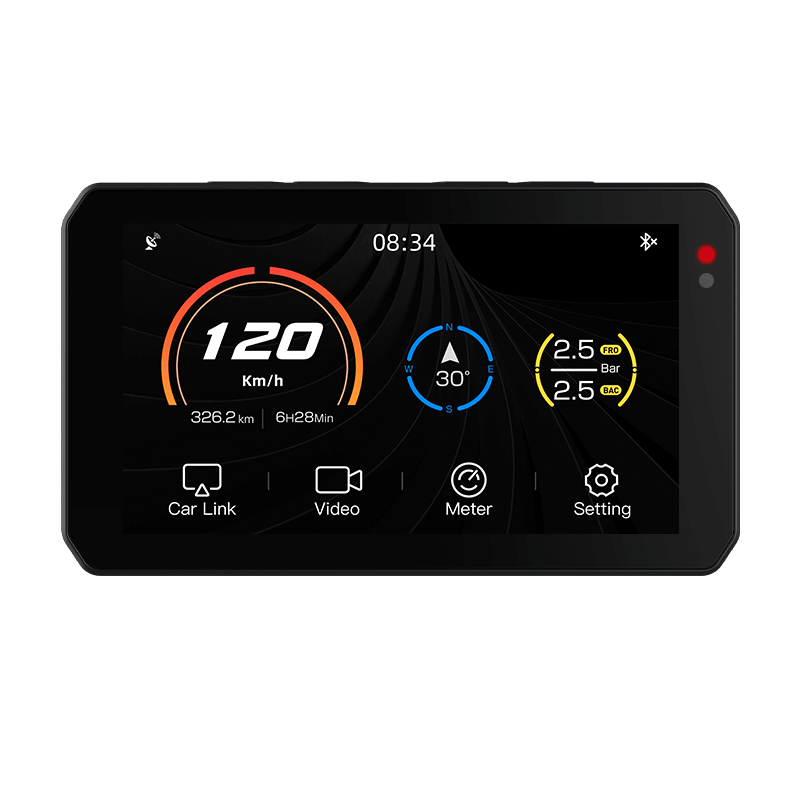
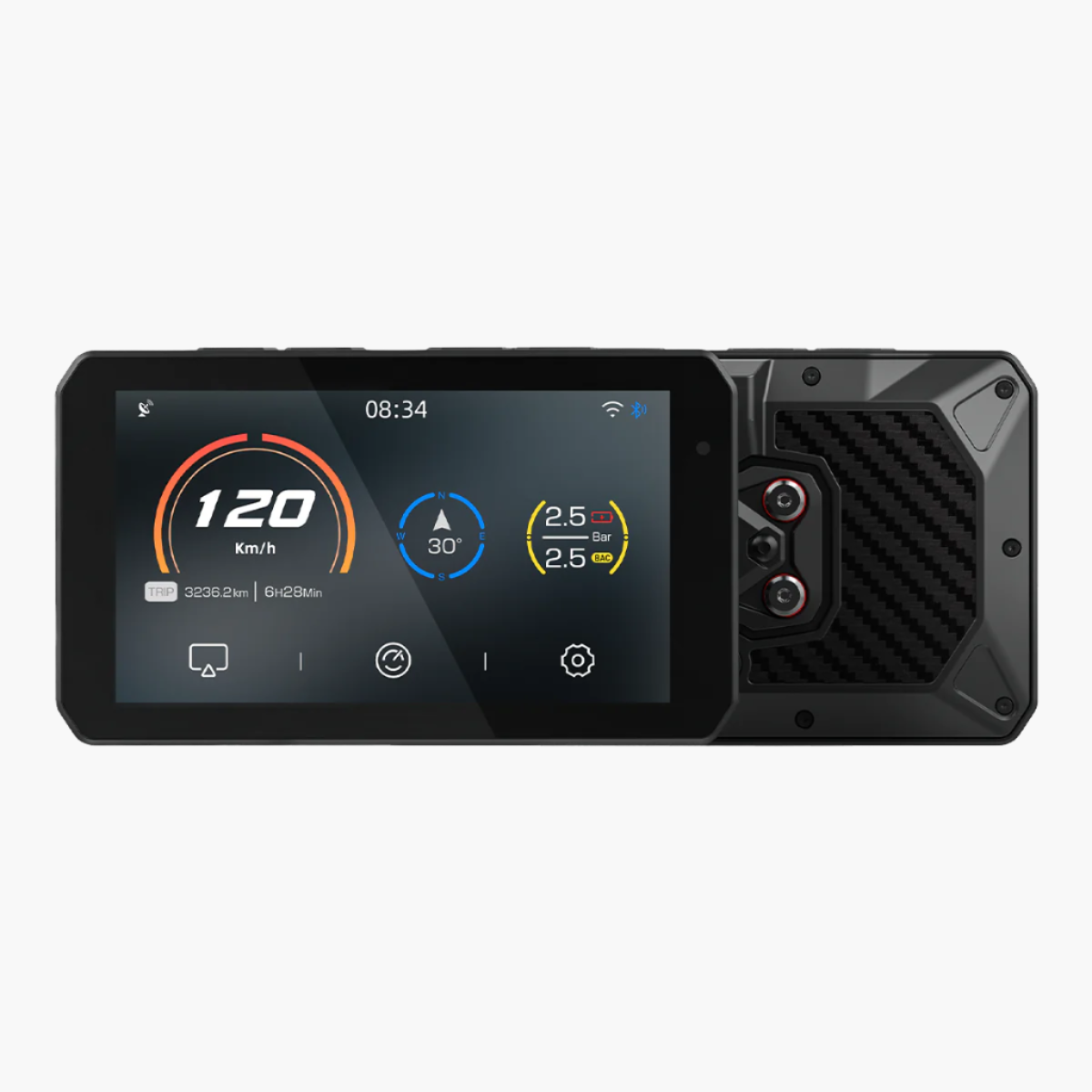
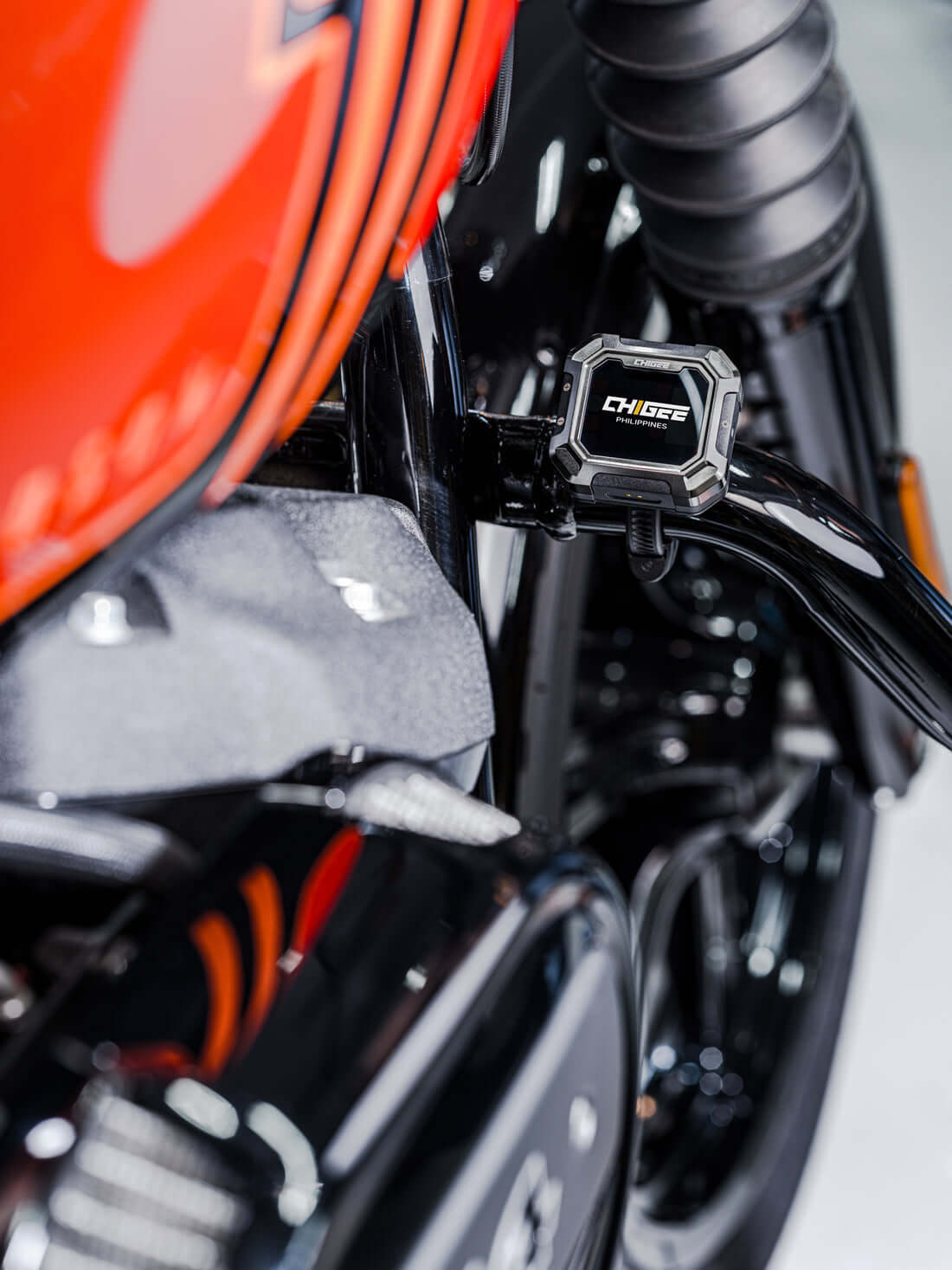
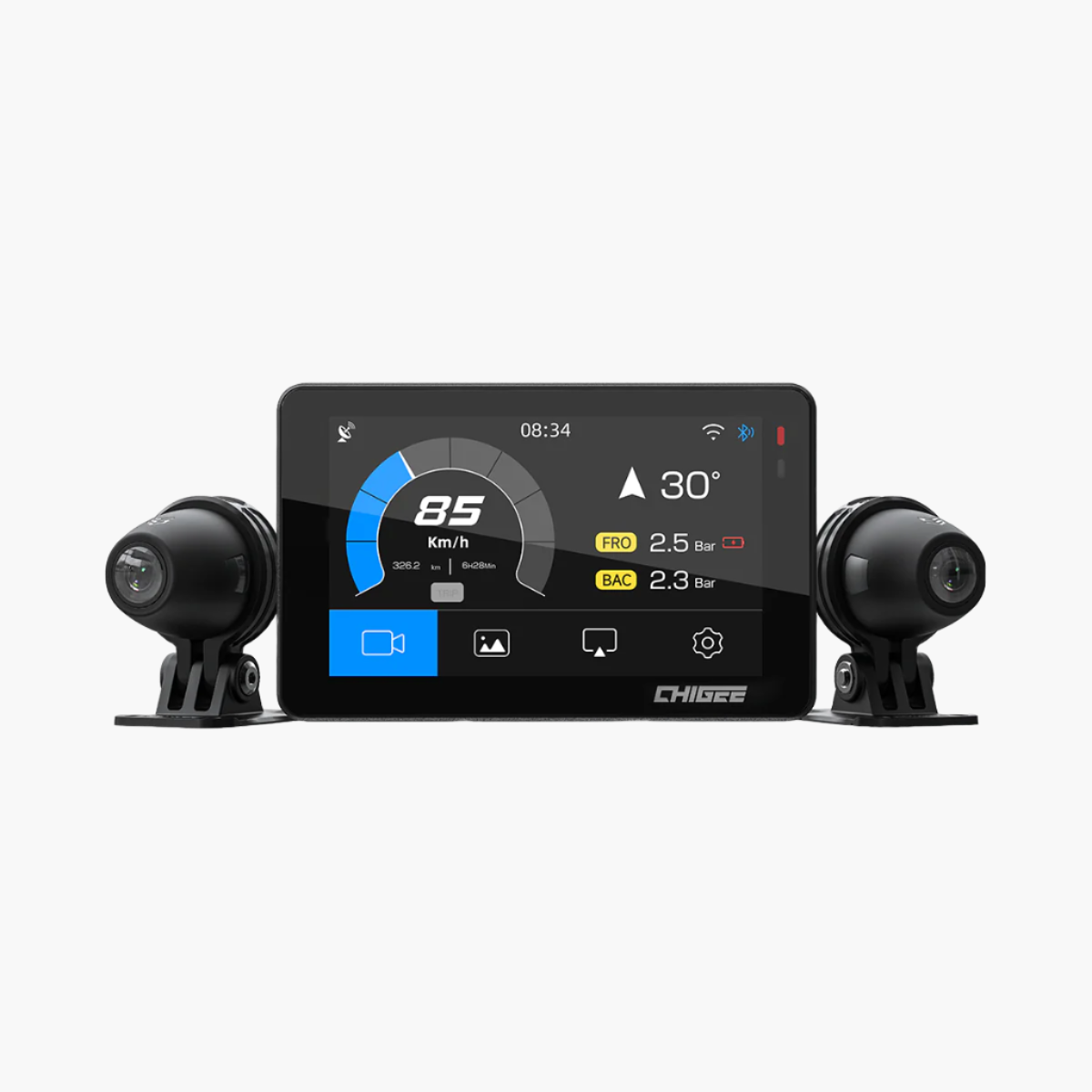
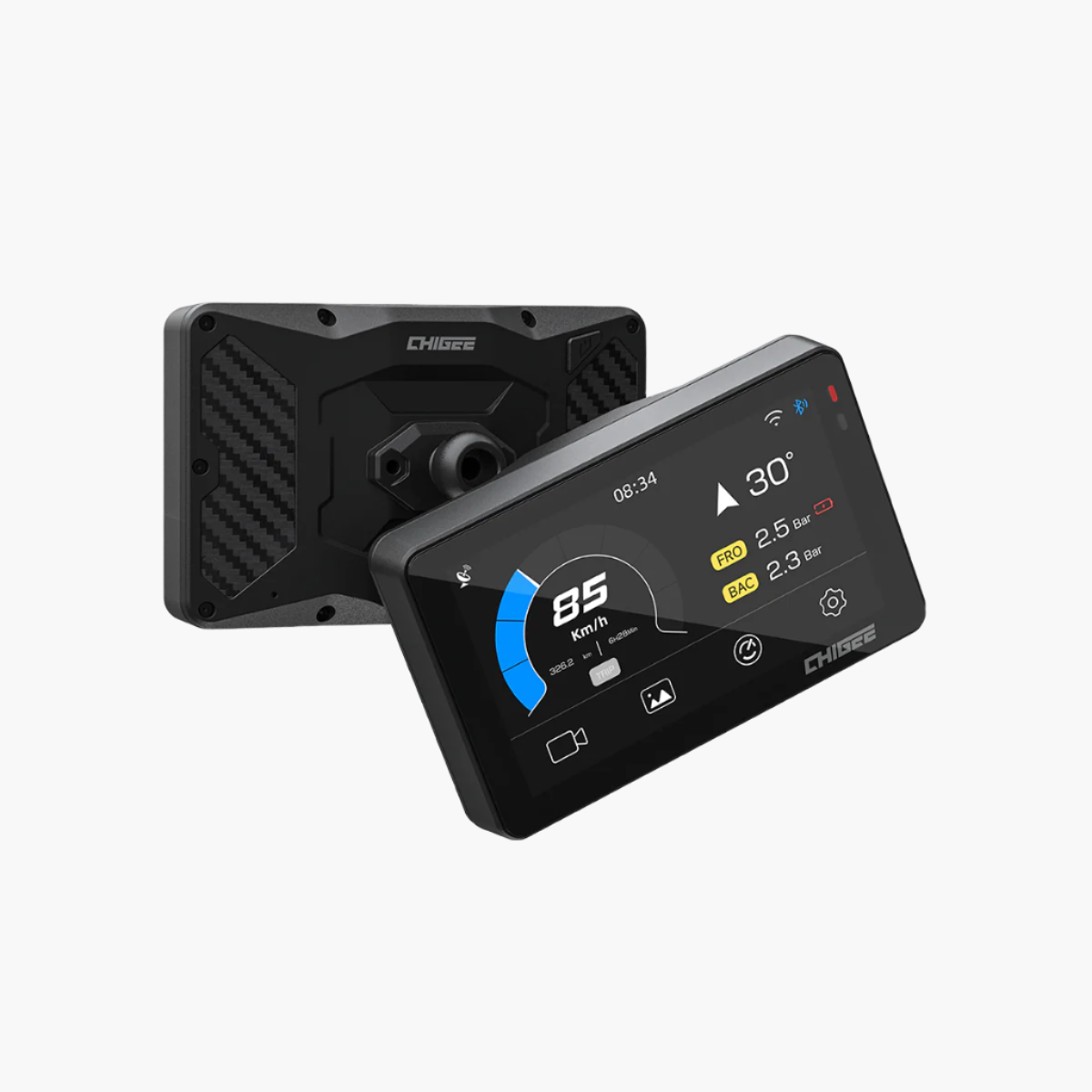
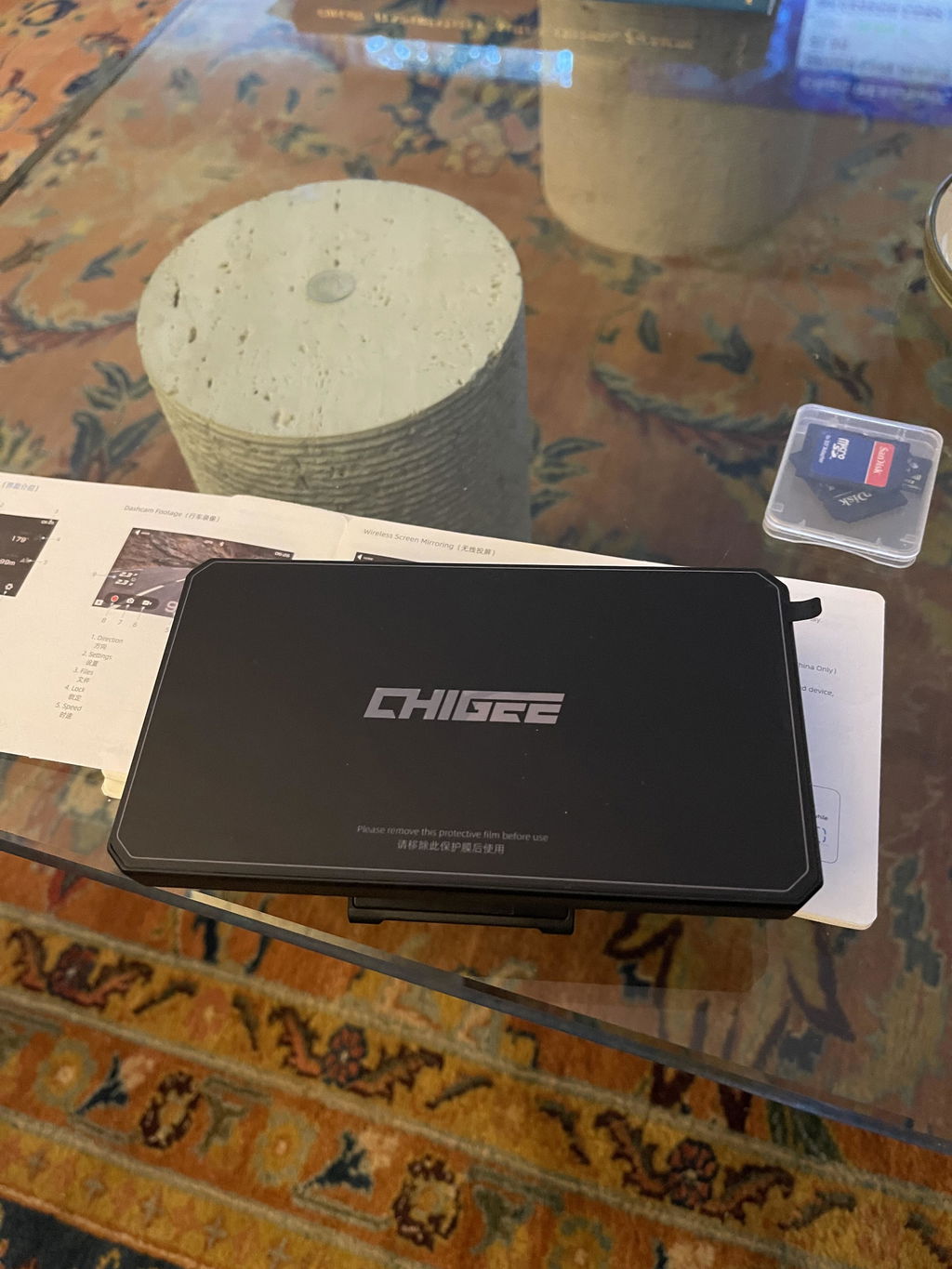
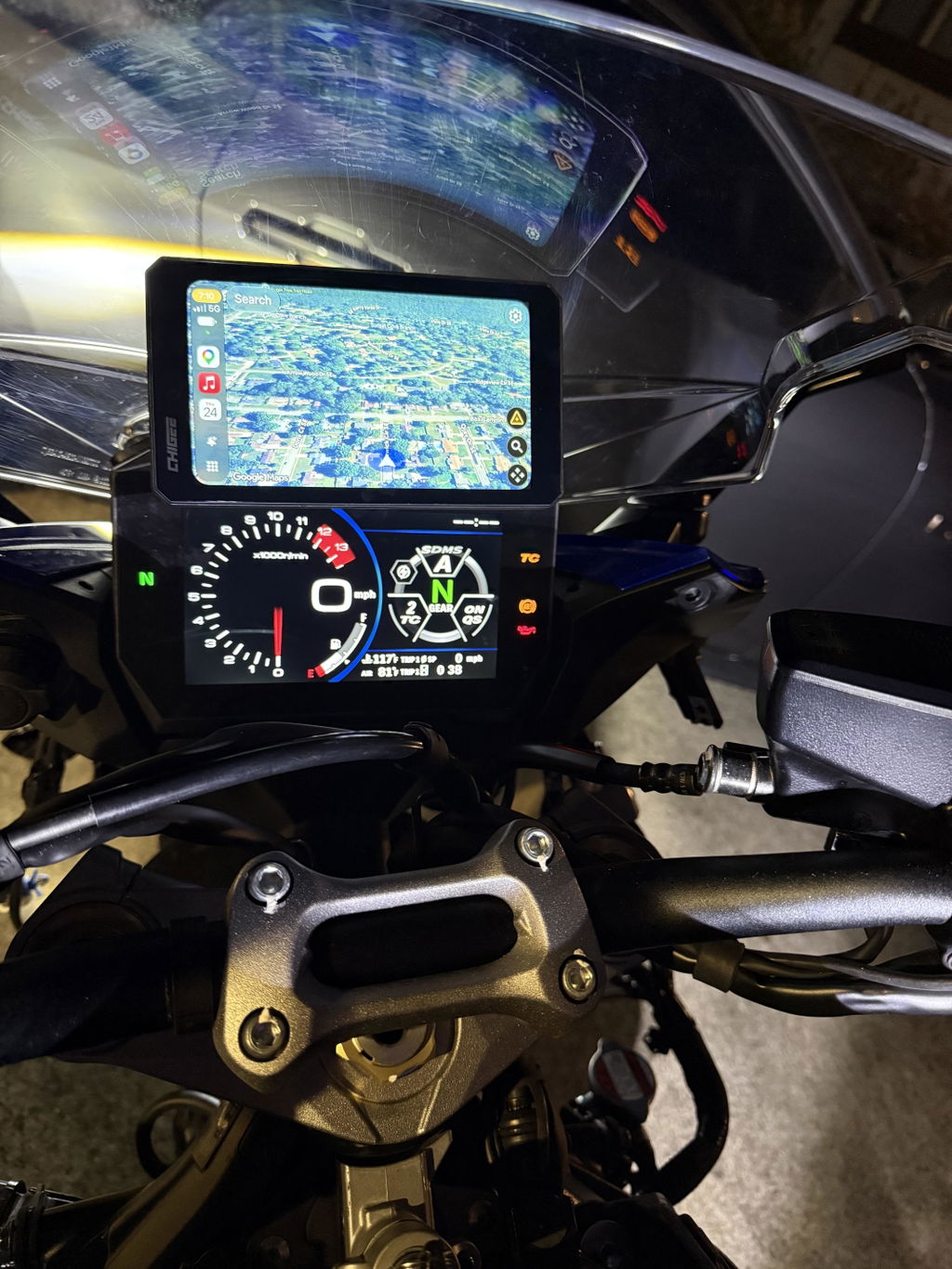
A dedicated system like the CHIGEE AIO-5 series integrates the dashcam function into the display itself, with loop recording that overwrites old footage automatically and keeps recording as long as the system is powered. There's no app to crash, no phone to throttle, no storage management to forget. The recording runs because the display runs.

For insurance purposes, for incident documentation, and for the simple assurance that the last thirty minutes of your ride are captured, that reliability difference is significant.
Phone Mount vs. Integrated Safety System
|
Feature |
Phone Mount |
CHIGEE AIO-5 EVO + SR-1 |
|
Navigation |
✓ |
✓ |
|
Blind Spot Detection |
✗ |
✓ |
|
Rear Collision Warning |
✗ |
✓ |
|
Active Overtake Alert |
✗ |
✓ |
|
Dedicated Dashcam Recording |
✗ |
✓ |
|
Vibration-resistant mount |
Variable |
✓ |
|
Sunlight-readable display |
Variable |
✓ |
|
Standalone BSD (radar only) |
✗ |
SR-1 works independently |
The comparison is not about dismissing the phone mount for navigation. It's about understanding what the phone mount was never designed to do.
Practical Advice Before You Buy
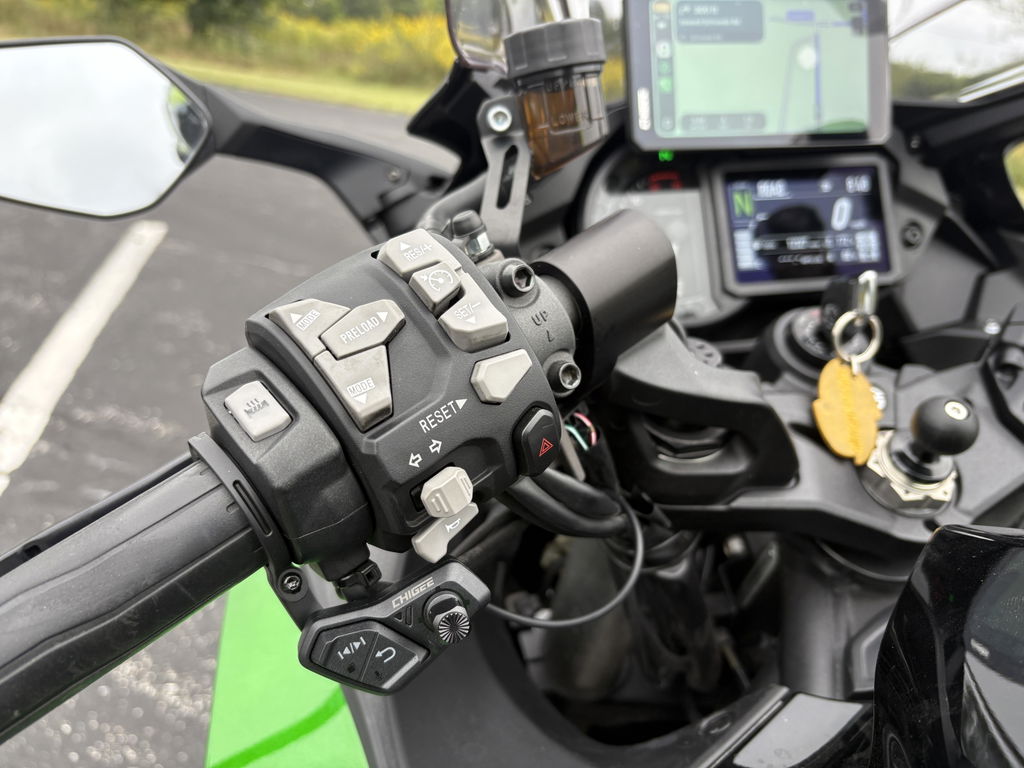
Before committing to any integrated safety system, clarify what your actual riding gaps are. If your primary concern is blind spots and rear awareness – especially if you ride with bar-end mirrors or in heavy traffic – the SR-1 standalone is a legitimate starting point. It installs in roughly 30 minutes, requires no display pairing to function, and delivers BSD, Rear Collision Warning (RCW), Active Overtake Alert (AOA), and Lane Change Assist (LCA) through its onboard LEDs.

If you want navigation integrated with safety alerts on a single screen, the AIO-5 Lite is the most accessible entry point. It combines a sunlight-readable display with the dashcam function and connects to the SR-1 for unified alerts. For riders who want the fuller feature set – dual 1080p cameras, a brighter display, and expanded connectivity – the AIO-5 EVO covers all of it without changing how the SR-1 integration works.
Frequently Asked Questions
Can the CHIGEE SR-1 work without a display?
Yes. The SR-1 is designed to function independently. Its onboard LED indicators deliver blind spot, rear collision, overtake, and lane change alerts directly, without needing to pair to any display unit. Pairing with a CHIGEE AIO display adds on-screen context and integration with navigation, but standalone function is complete and fully operational from the moment installation is done.
Is a dedicated dashcam meaningfully better than a phone dashcam app?
For reliability, yes. Phone dashcam apps are subject to interruption from calls, low battery states, app crashes, and full storage. A purpose-built dashcam integrated into a motorcycle display runs loop recording continuously as long as the system is powered, with no manual management required. For incident documentation, the consistency of a dedicated system is the difference between footage that exists and footage that might exist.
Does BSD work in slow urban traffic or only at highway speeds?
BSD on the SR-1 activates from 10 km/h, which means it's active in the filtering, queuing, and city-speed lane changes where blind spot awareness matters most. It is not exclusively a highway feature. Lane Change Assist (LCA) within the same system also adapts its warning timing based on traffic speed, reducing alert frequency in slow conditions to avoid desensitization.
What makes millimeter-wave radar better than a camera-based blind spot system?
77GHz radar detects vehicles regardless of lighting conditions, rain, or glare, because it works on reflected radio waves rather than visible light. Camera-based systems lose performance in low light, direct sun, or wet conditions – exactly the scenarios where rear visibility already matters most. Radar detection also covers a defined zone continuously rather than requiring a clear line of sight.
Is the phone mount debate really about safety or just feature marketing?
The honest answer is that it's both, and neither cancels the other out. A phone mount solves a real problem – navigation – and it solves it well enough for most riders most of the time. The safety argument is not that phone mounts are dangerous. It's that they were never designed to provide blind spot awareness, rear collision detection, or reliable dashcam recording, and treating them as a complete safety solution attributes capabilities they simply don't have.
The Upgrade That Covers What You Can't See
Navigation on a phone mount is a solved problem. What it leaves open is the rear quarter – the zone your mirrors don't reliably cover, the space where the most avoidable lane-change incidents happen, and the window of time before a rear collision where a warning still makes a difference. The CHIGEE AIO-5 EVO is the most accessible complete solution: integrated display, loop-recording dashcam, and full SR-1 radar compatibility in a single system. For riders who want to start with the radar alone, the SR-1 standalone delivers the core blind spot and rear collision function from day one.
About the Author
Reuben Cabrera is a content writer and software engineer based in the Philippines with over 60,000 kilometers ridden across varied road conditions. He rides a 1990 Yamaha XJR 400 and a Keeway CR152, and reviews motorcycle gear through phtoll.com – Power. Handle. Throttle. On Long Roads. His reviews are tested in real conditions, not controlled environments, including 35°C heat, monsoon rain, and mountain cold. He has tested the CHIGEE SR-1 in standalone configuration and paired with the AIO-5 EVO. Read more at phtoll.com.





Leave a comment
All comments are moderated before being published.
This site is protected by hCaptcha and the hCaptcha Privacy Policy and Terms of Service apply.