


If you've come to motorcycle radar from a car or from cycling, you probably arrive with an assumption already loaded: that the radar is there to watch the road for you. It's an easy assumption to make, and it's the wrong one to ride on.
A motorcycle radar like the SR-1 doesn't watch the road ahead. It won't brake for you. It doesn't decide anything. Safer riding doesn't come from the device alone — it comes from three things working together: the traffic behind and beside you, the radar that notices it, and you, the rider who reads the signal and acts. Before you put any trust in a setup like this, it's worth drawing the actual map — where the radar helps, where it stops, and what your half of that loop looks like. That's what this piece is for.
First, what kind of device is this?
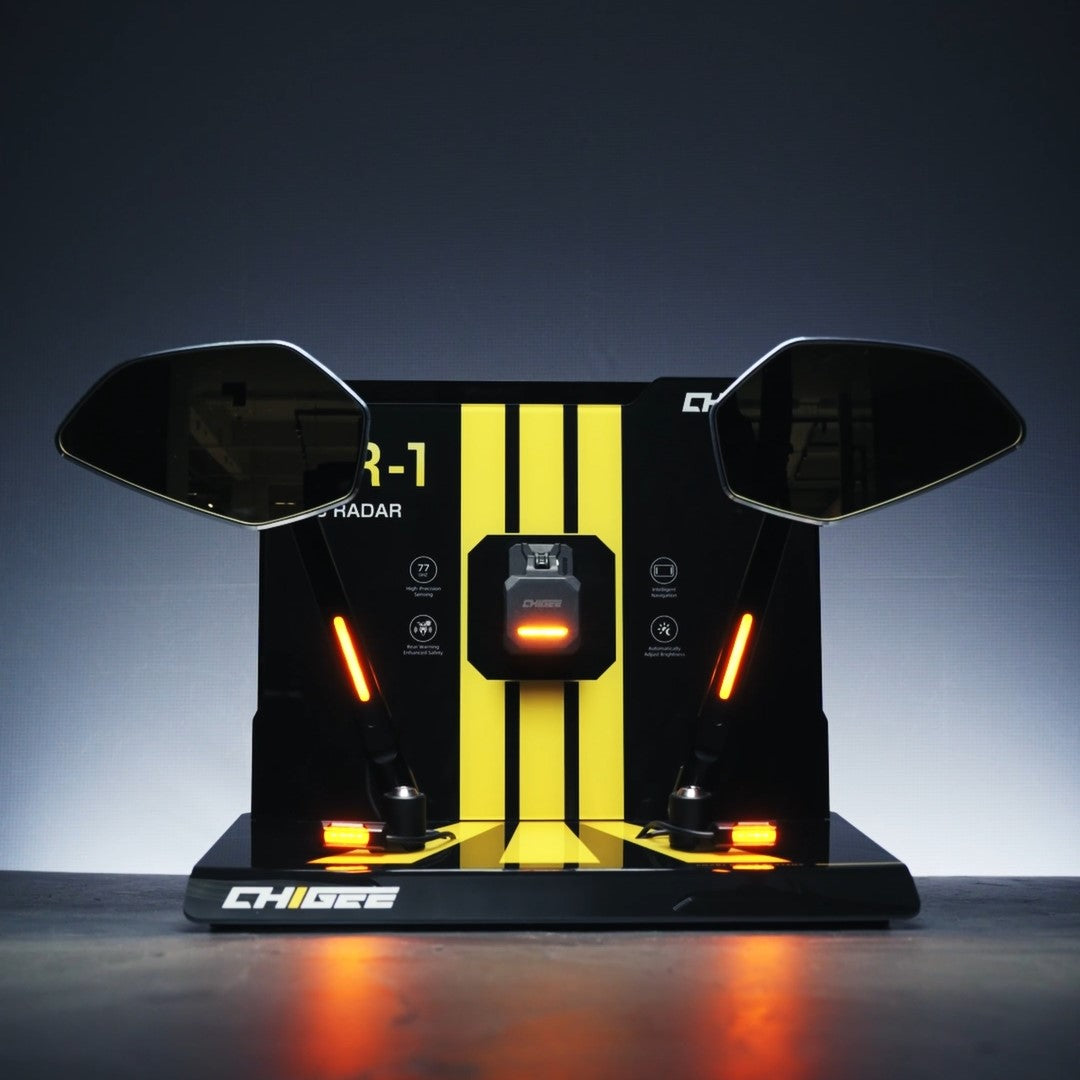
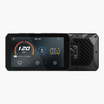
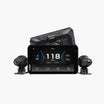
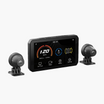
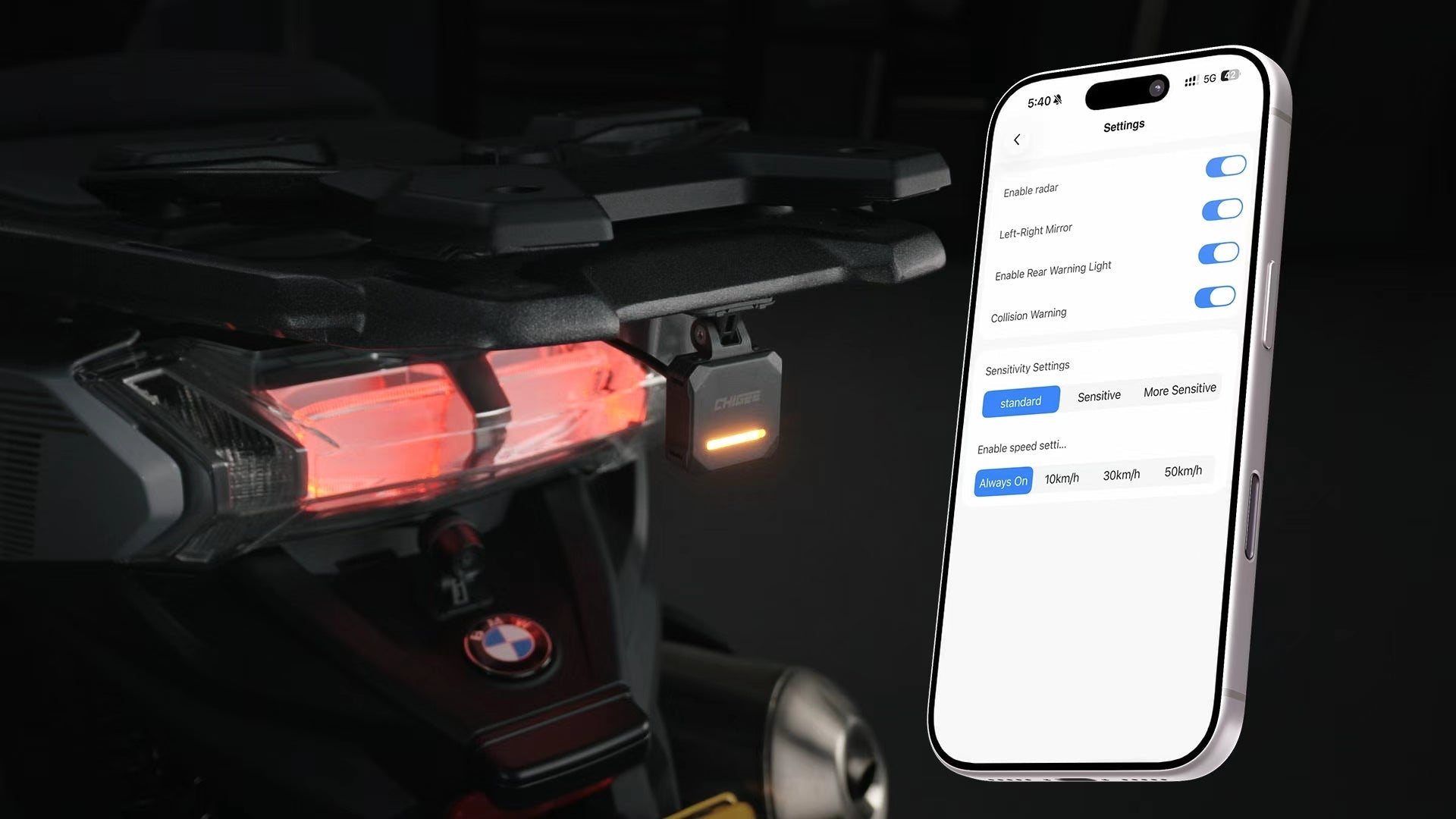
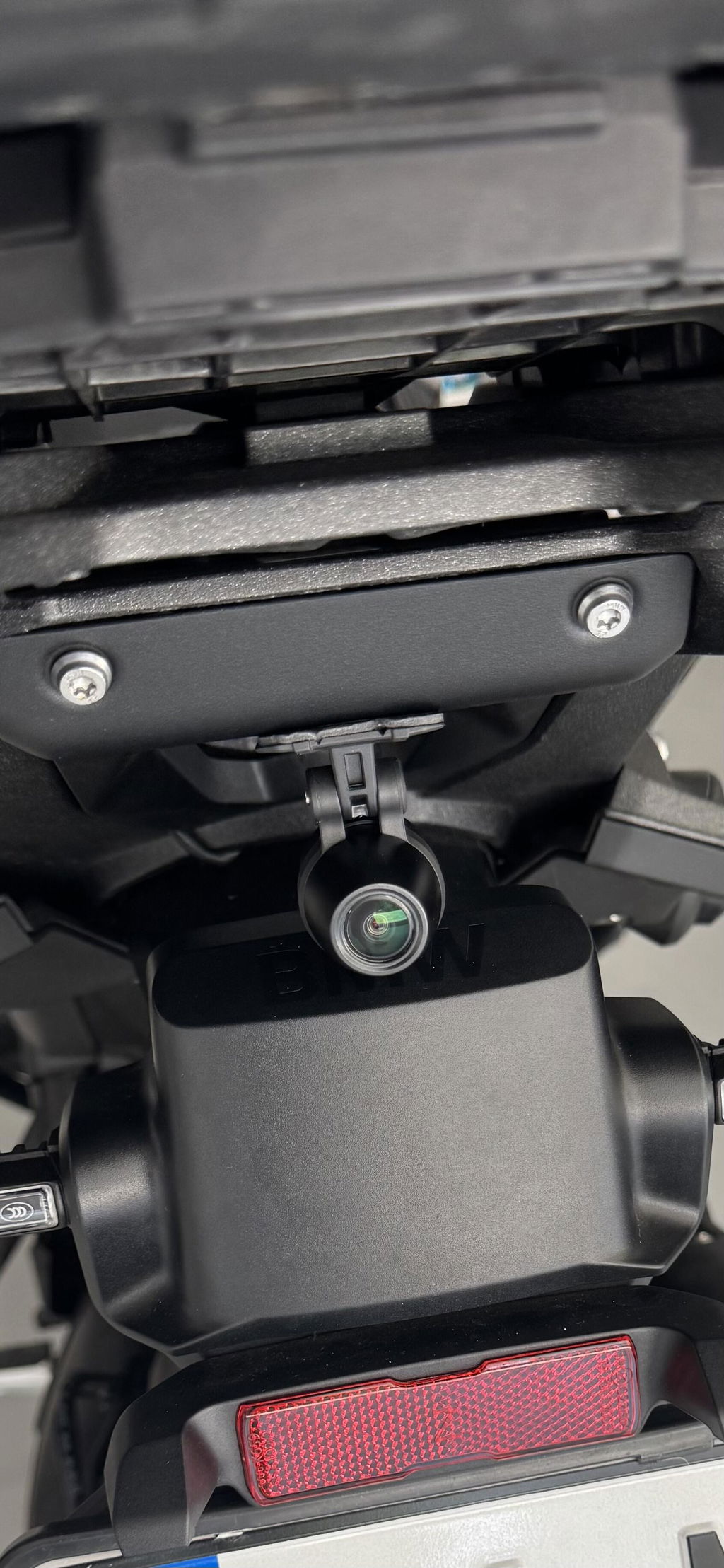
The SR-1 is a rear and side awareness system. Its whole job is to notice things happening behind you and beside you, and to tell you about them. It detects and alerts. It does not act, and it does not look forward.
Holding that one sentence in mind clears up most of the confusion before it starts.
What it watches
The SR-1 keeps an eye on the lanes behind and next to you — mostly the near field, with one mode reaching farther back to catch fast-approaching traffic before a lane change. We've already broken down exactly how each detection mode is triggered and what each warning light means in a dedicated article, so we won't repeat it here.
What's worth spending the rest of this article on isn't what it watches. It's where it stops.

What it can't do
This is the part that matters most, because it's the part that keeps you honest about how to ride with one fitted.
It has edges
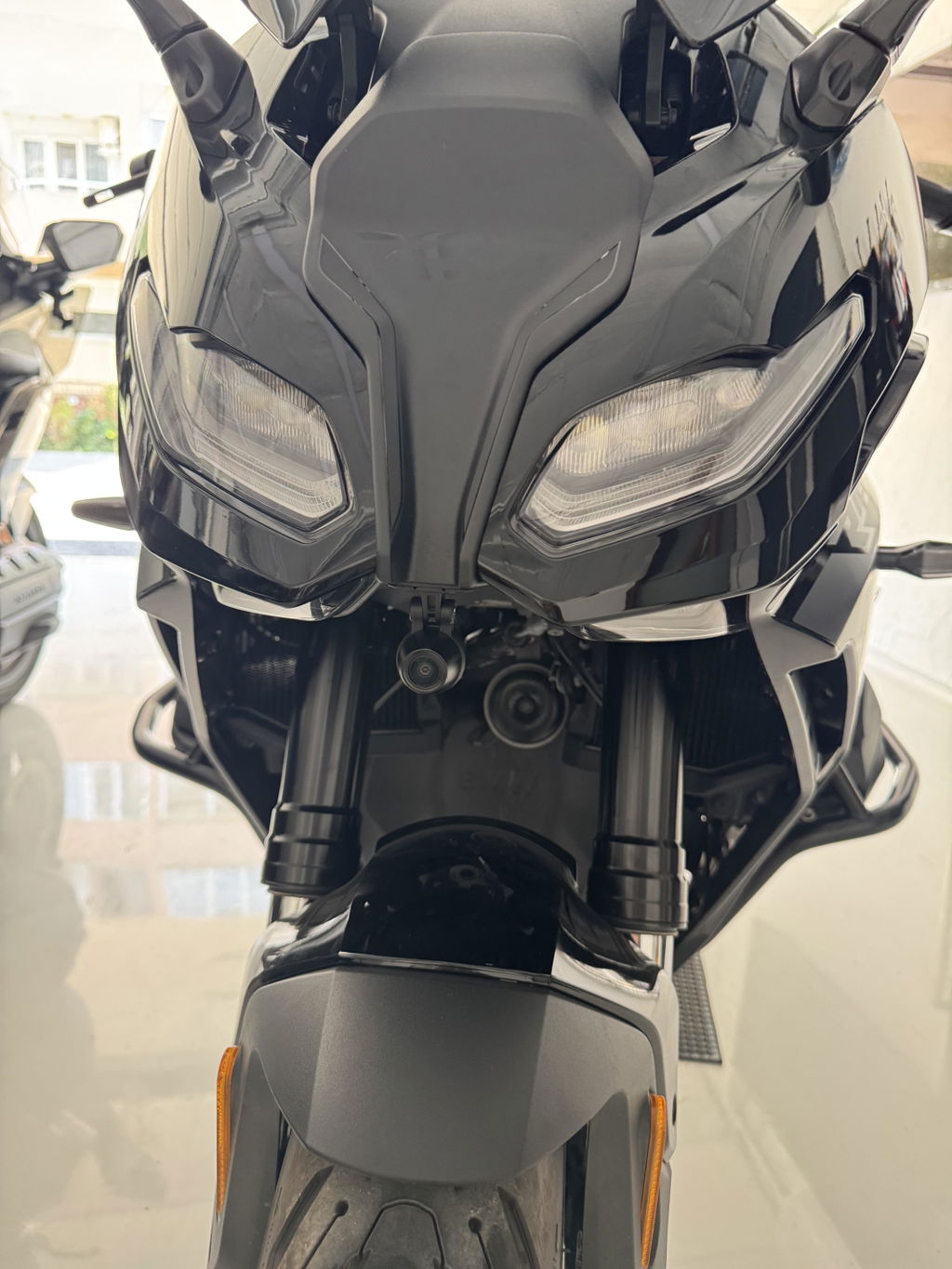
The SR-1's coverage is concentrated close to the bike — roughly the area within ten meters behind and to the sides — with only its longer-range lane-change mode reaching out to about seventy meters down the adjacent lane. Outside those zones and angles, it makes no promises. And it only ever looks backward and to the side. The road ahead of you — the car braking hard two vehicles up, the door about to open, the gravel in the corner — is entirely outside its job description.
It doesn't replace you
This is the line that doesn't bend.
The SR-1 will not brake, slow, or steer. It raises a light; you do the riding. It is a warning system, not an intervention system.
And it does not replace your mirror checks or your head check. It's a second layer of awareness laid on top of your own — not a reason to skip the first one. A rider who stops looking because "the radar will catch it" has made the device more dangerous than no device at all. Glance, then change. The light is backup, not permission.
It tells you where, not what
The SR-1 can pick up more than cars — people and non-motorized traffic register too. But the alert is a light, not a description. It tells you that a direction needs your attention. It does not tell you whether that's a car, a scooter, a cyclist, or a pedestrian. Reading the situation is still your job; the radar just points you at it sooner.

It isn't all-weather
Because it doesn't depend on your eyes, the SR-1 is at its most useful exactly when your own sightlines are compromised — at night, or when something blocks your view of the lane beside you. But "doesn't depend on your eyes" is not the same as "works in everything." Heavy rain, road spray, and similar conditions can reduce what it picks up. (Why that happens — the physical limits of any radar — is a topic in its own right, and one we cover separately.)
When the light comes on: closing the loop
Everything above describes one half of the system. The other half is you. The radar doesn't make a decision — it moves something you couldn't see into a place you can, earlier than you'd have caught it yourself. Whether that warning does any good depends entirely on what you do with it.
You don't need to memorize which mode produced which light. In the moment, you won't be reciting mode names — you'll just be reading the light. And the light speaks in two registers:

- Steady on means there is something in that direction right now — present, but not urgent. It's an invitation to fold that position into your awareness and confirm with your own eyes before you move.
- Rapid flashing means something is closing fast, and it's more pressing. It's a cue to put your attention on that direction first.
In both cases the light is pointing, not instructing. It tells you where to look and how urgently — it doesn't tell you what to do once you look. The actual move — the mirror check, the head check, the decision to hold your line or change it — stays with you, made on your own judgment in the moment, because only you can see the full picture the radar can't. The radar buys you a beat of extra time; spending it well is the rider's job.
And the loop runs the other way too: a light that stays dark is not a guarantee that the lane is clear. The radar has edges, and weather can dull it. Treat it as one more layer of awareness that fired or didn't — never as an all-clear that lets you skip the look.
The bottom line
A motorcycle radar earns its place by giving you a little more warning, a little earlier, in the one direction you can't easily watch while you ride. That's a real and worthwhile thing. It is not a co-pilot, and it isn't a substitute for the habits that keep you alive on the road.
SR-1 is a rider assistance system designed to improve rear awareness, not replace safe riding habits. Riders should always check mirrors, stay aware of surrounding traffic, and use their own judgment at all times.
Frequently asked questions
Does the SR-1 watch the road ahead of me?
No. It only looks behind and to the sides. Everything in front of you — braking traffic, an opening door, a hazard in the corner — stays your responsibility.
Can it replace checking my mirrors?
No, and this is the one line that doesn't bend. The radar is a second layer of awareness on top of your own checks, not a substitute for them. Glance first; treat the light as backup, never as permission to skip the look.
Will it brake or steer for me if it detects danger?
No. The SR-1 warns — it doesn't act. It raises a light to point your attention in the right direction; the riding decision and the action are entirely yours.
How far back can it actually see?
Most of its coverage sits close to the bike, within roughly 10 meters behind and to the sides. Only its lane-change mode reaches farther, out to about 70 meters, and only in the adjacent lanes. Directly behind, coverage stays in the near field.
Does it work at night and in bad weather?
Because it doesn't rely on your eyes, it's most useful when your own view is limited, such as at night. But it isn't all-weather — heavy rain and road spray can reduce what it picks up, so a quiet light is never a guarantee the lane is clear.
Can it tell a car apart from a cyclist or a pedestrian?
It can detect people and non-motorized traffic as well as vehicles, but the warning light only tells you a direction needs attention. It doesn't tell you what kind of object is there — reading that is still up to you.
Do I need a CHIGEE display to use the radar?
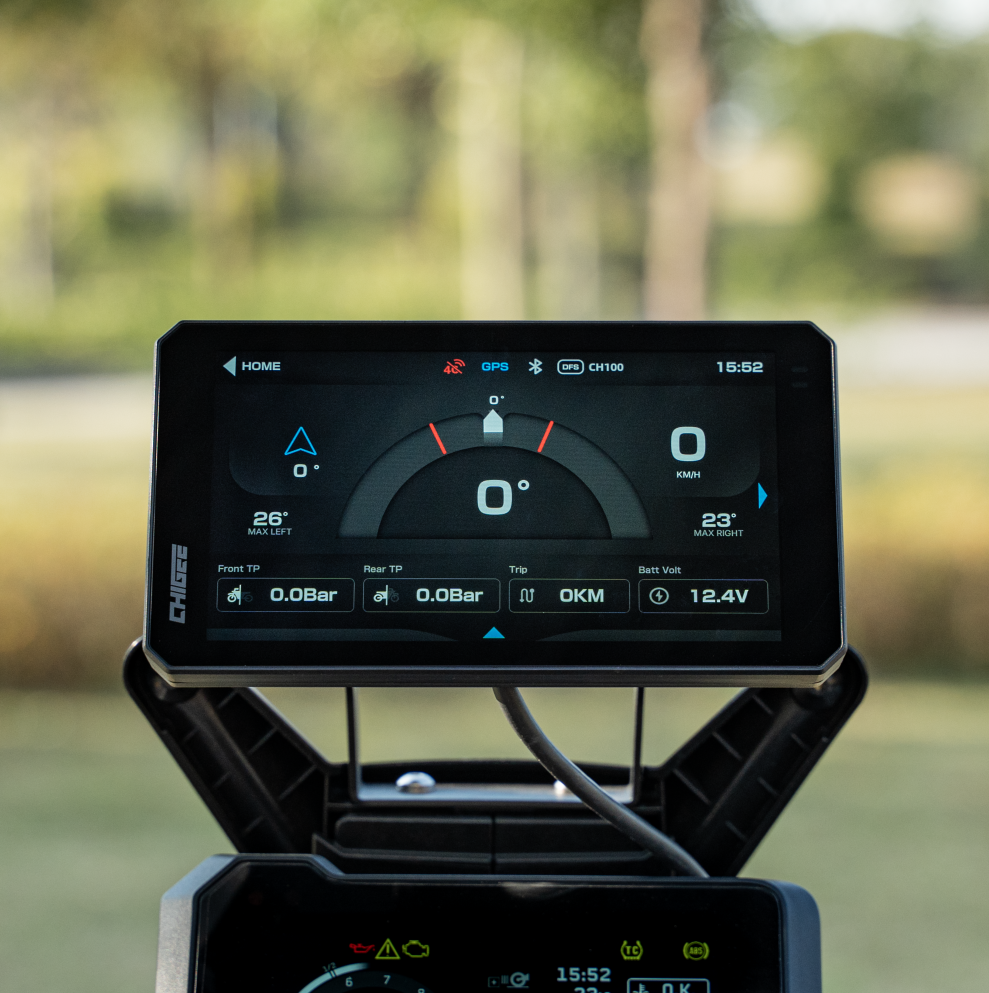
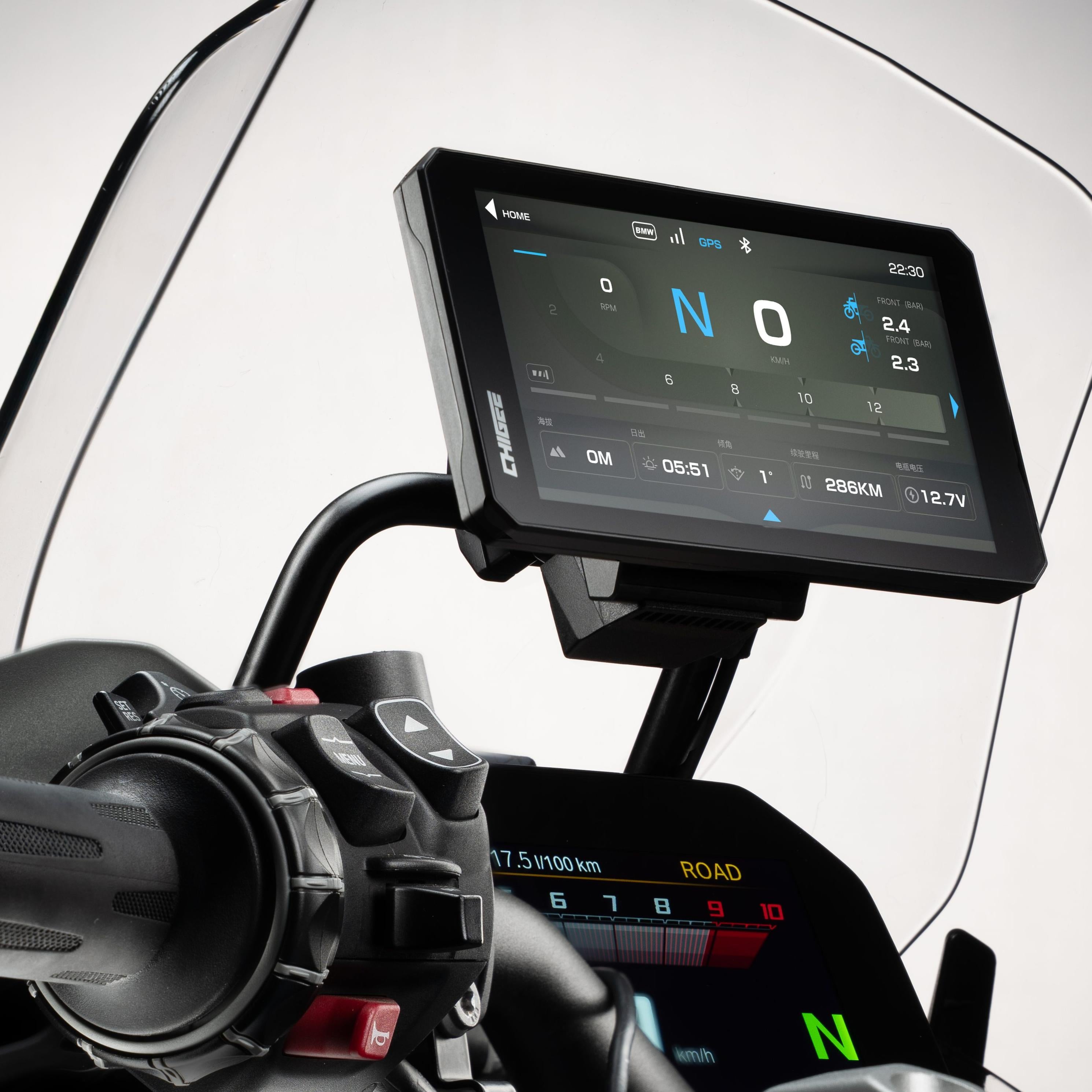
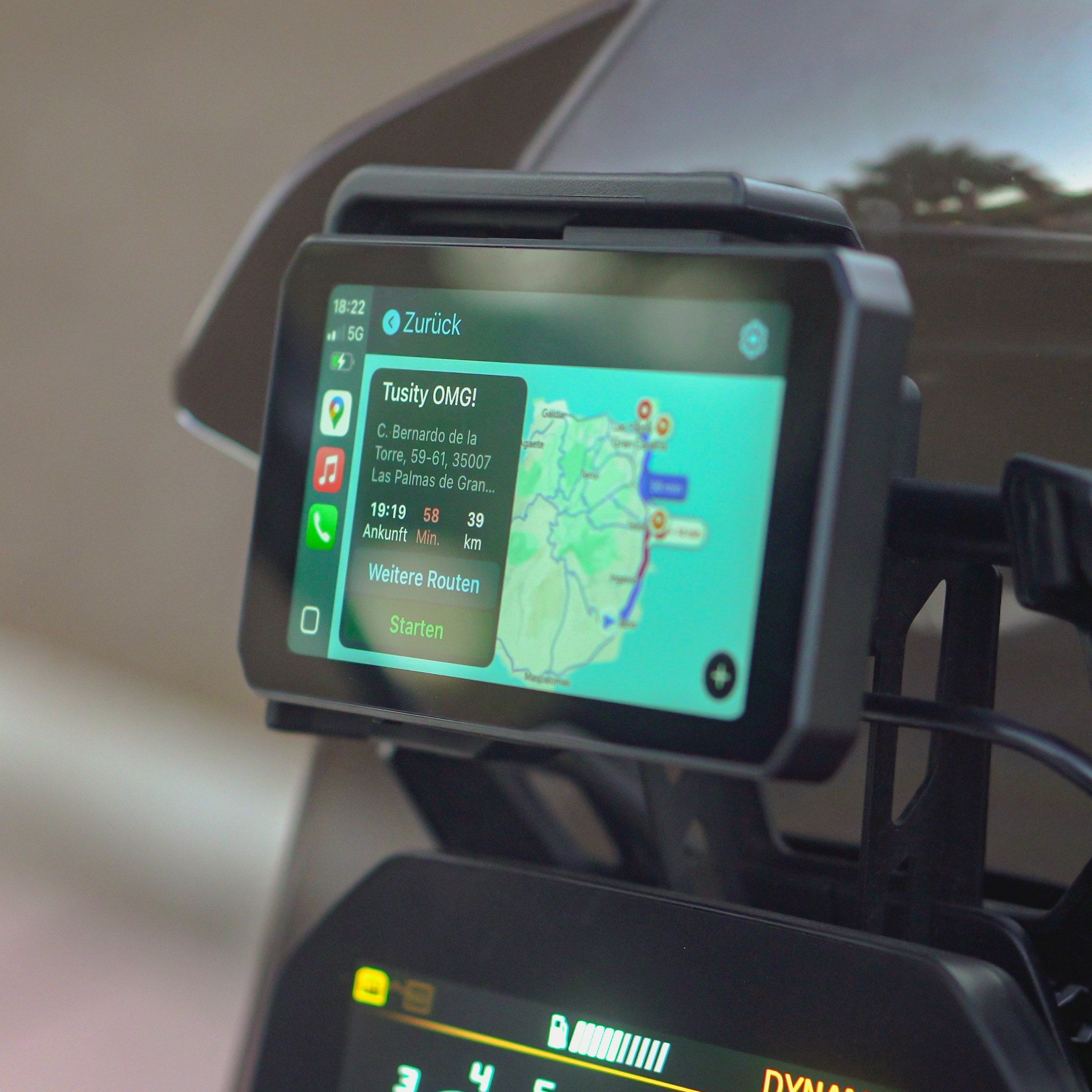
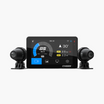
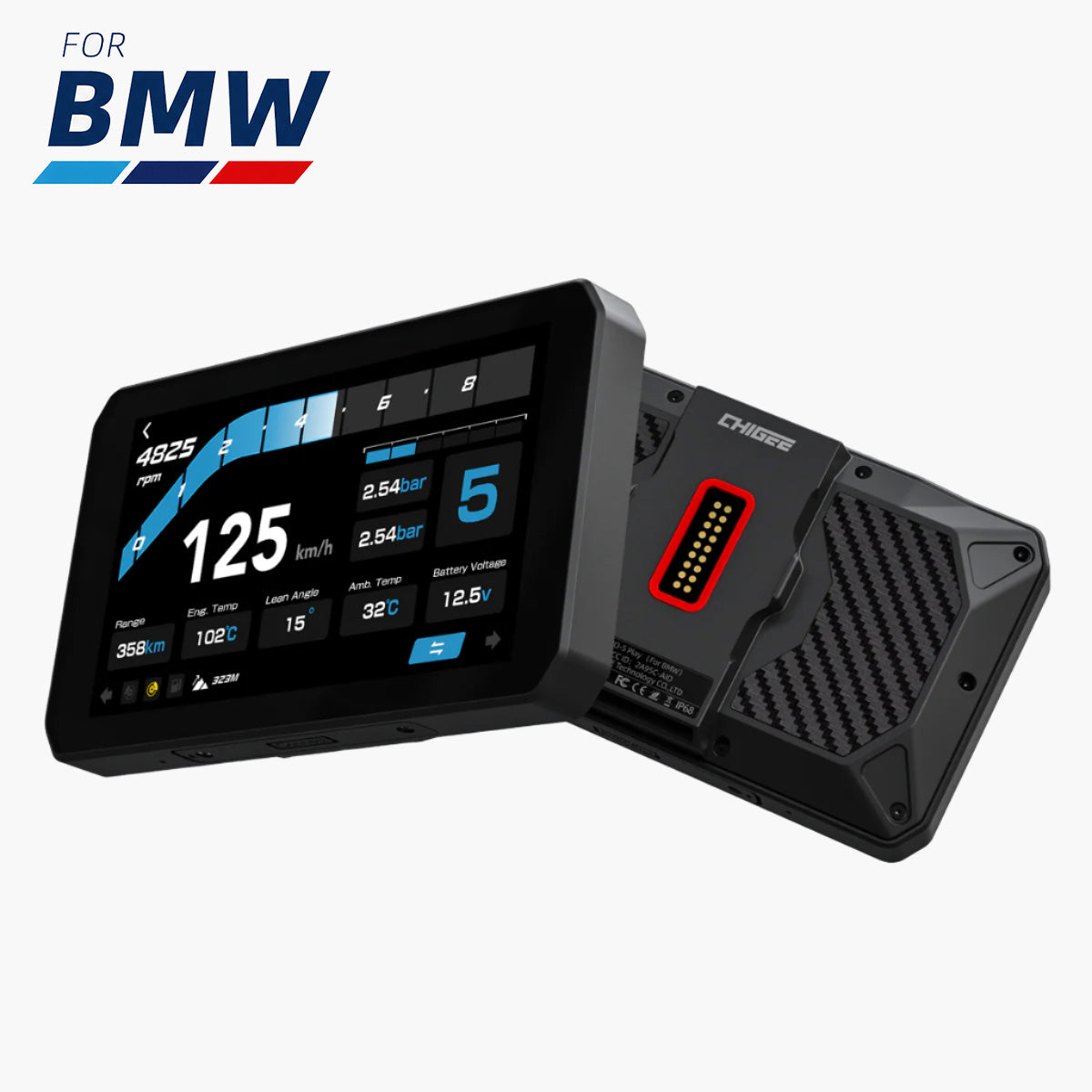
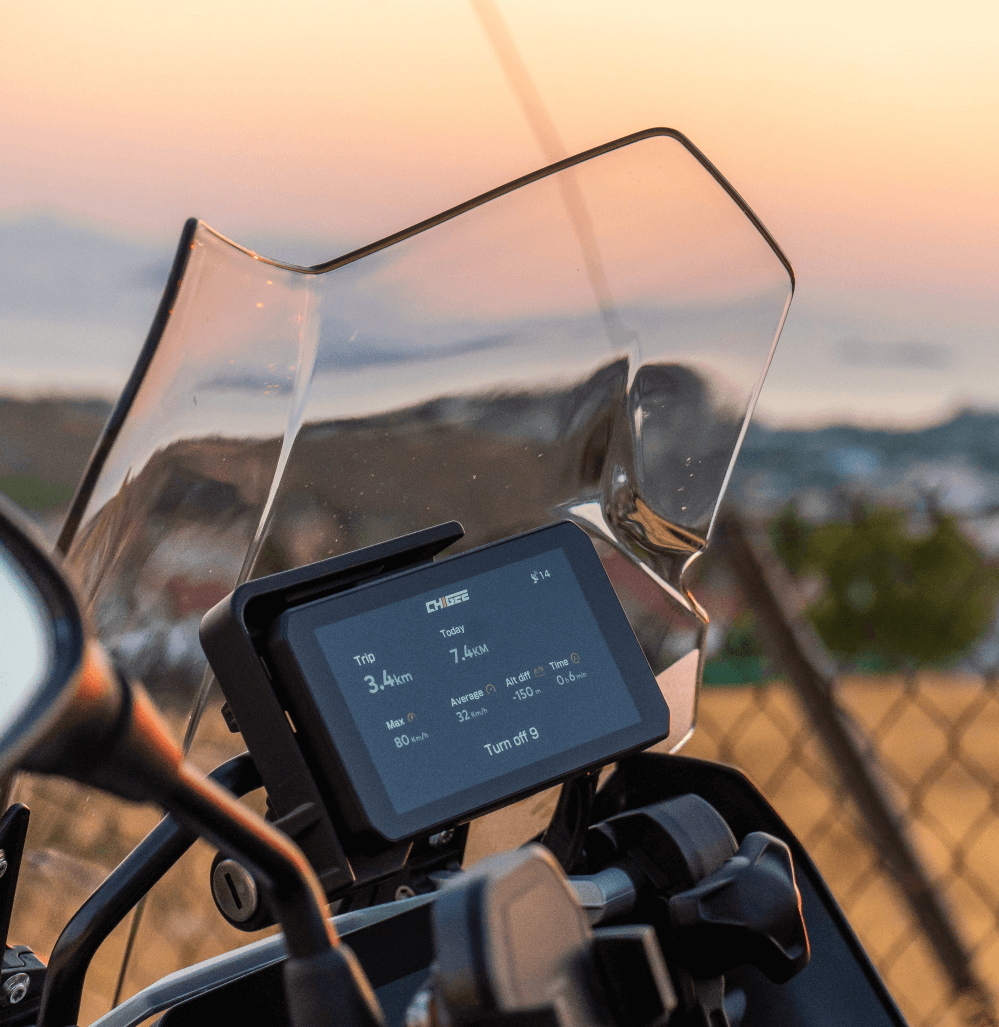
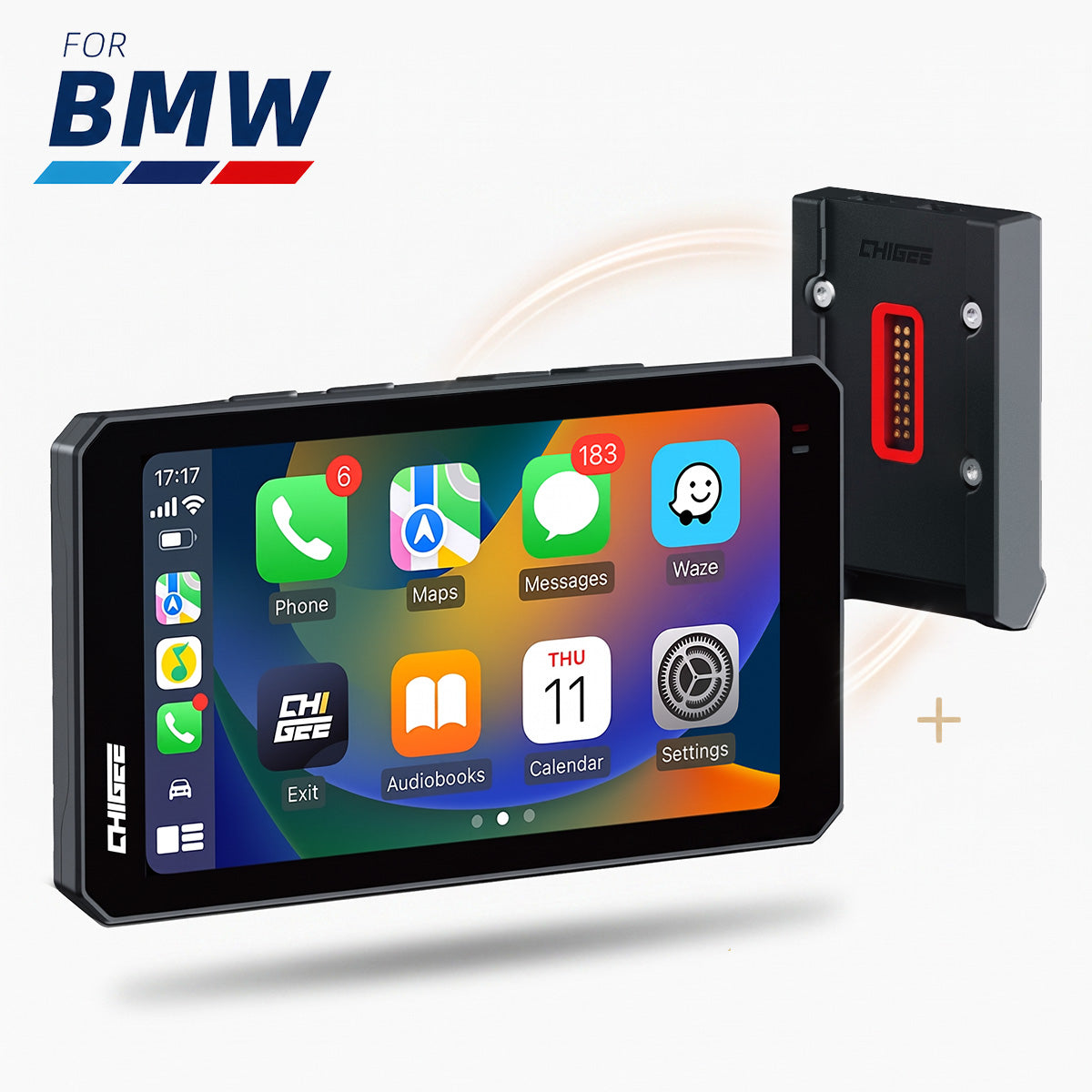
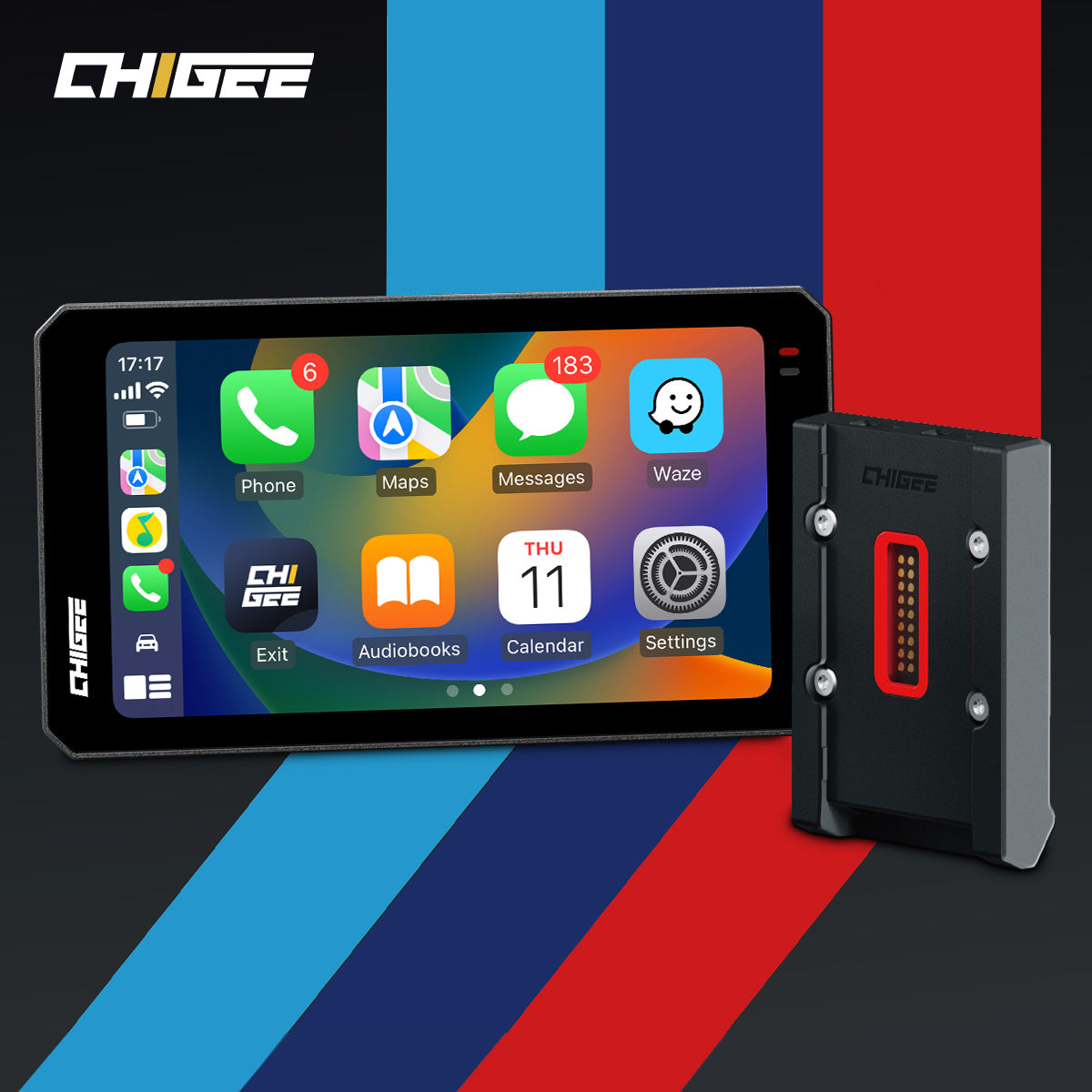
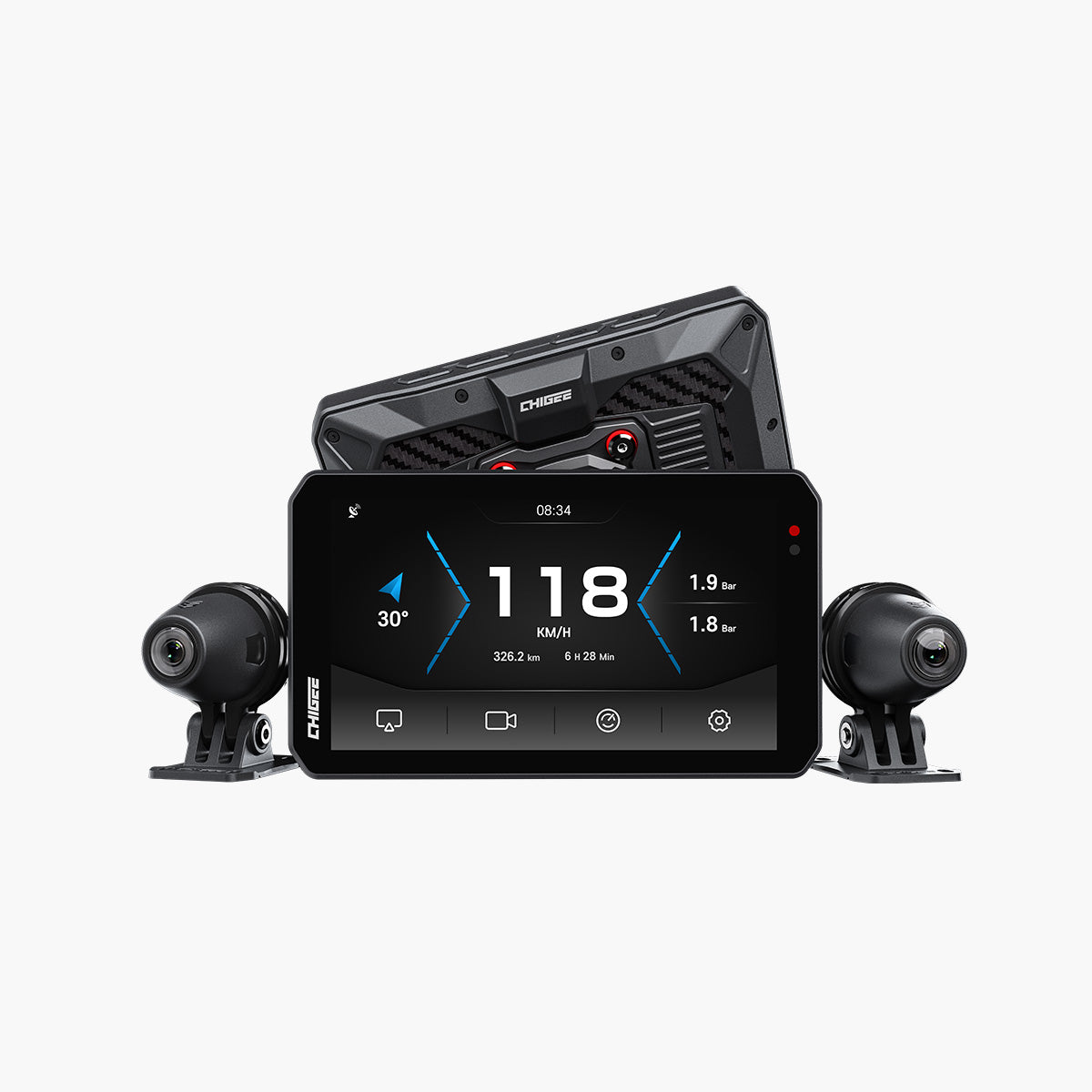
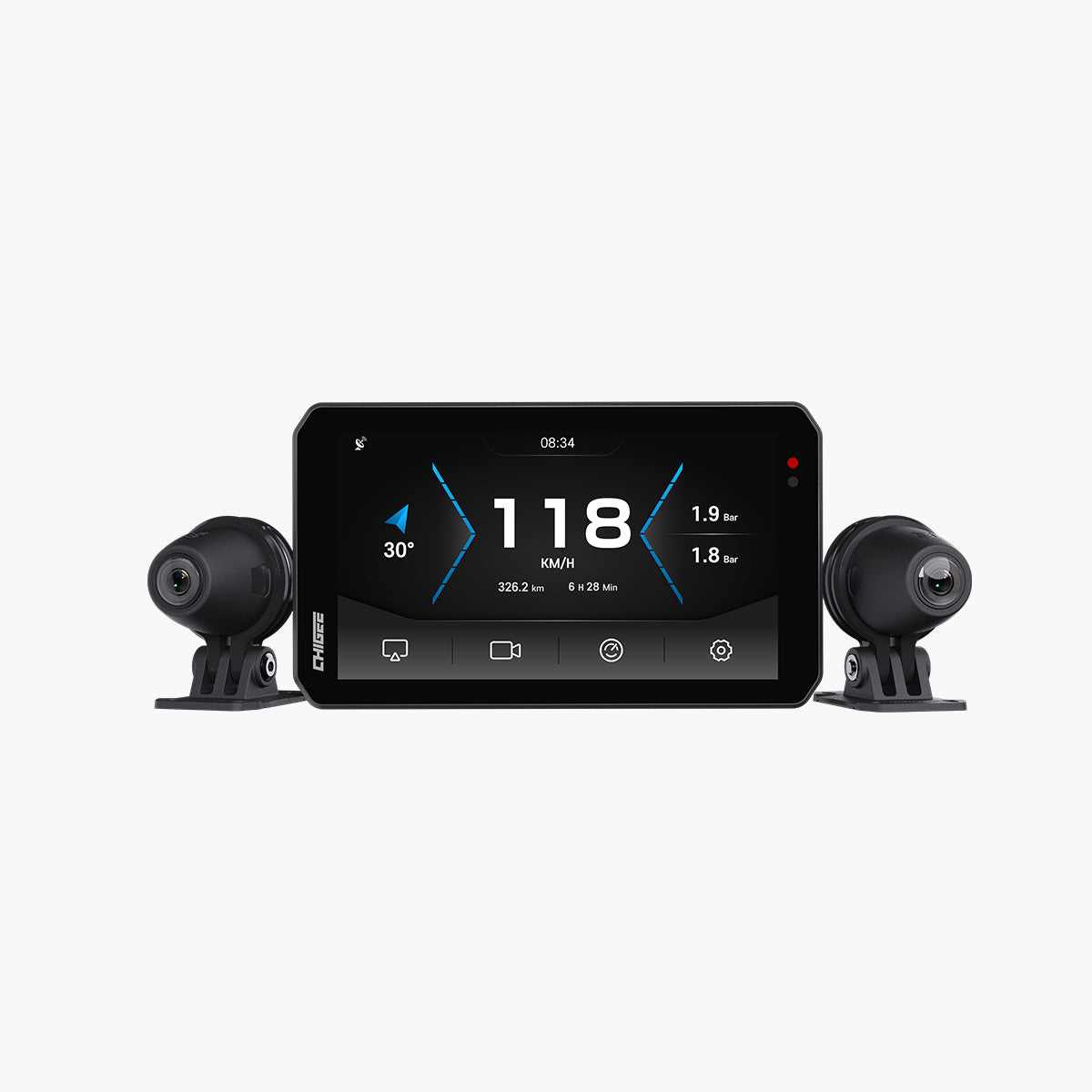
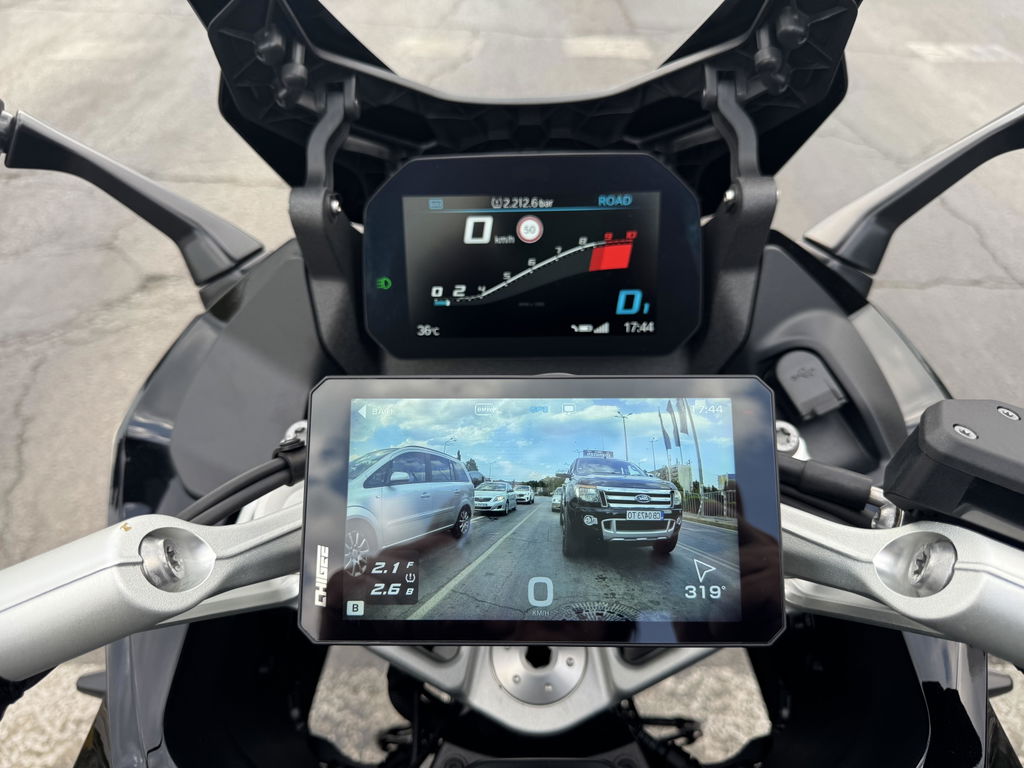
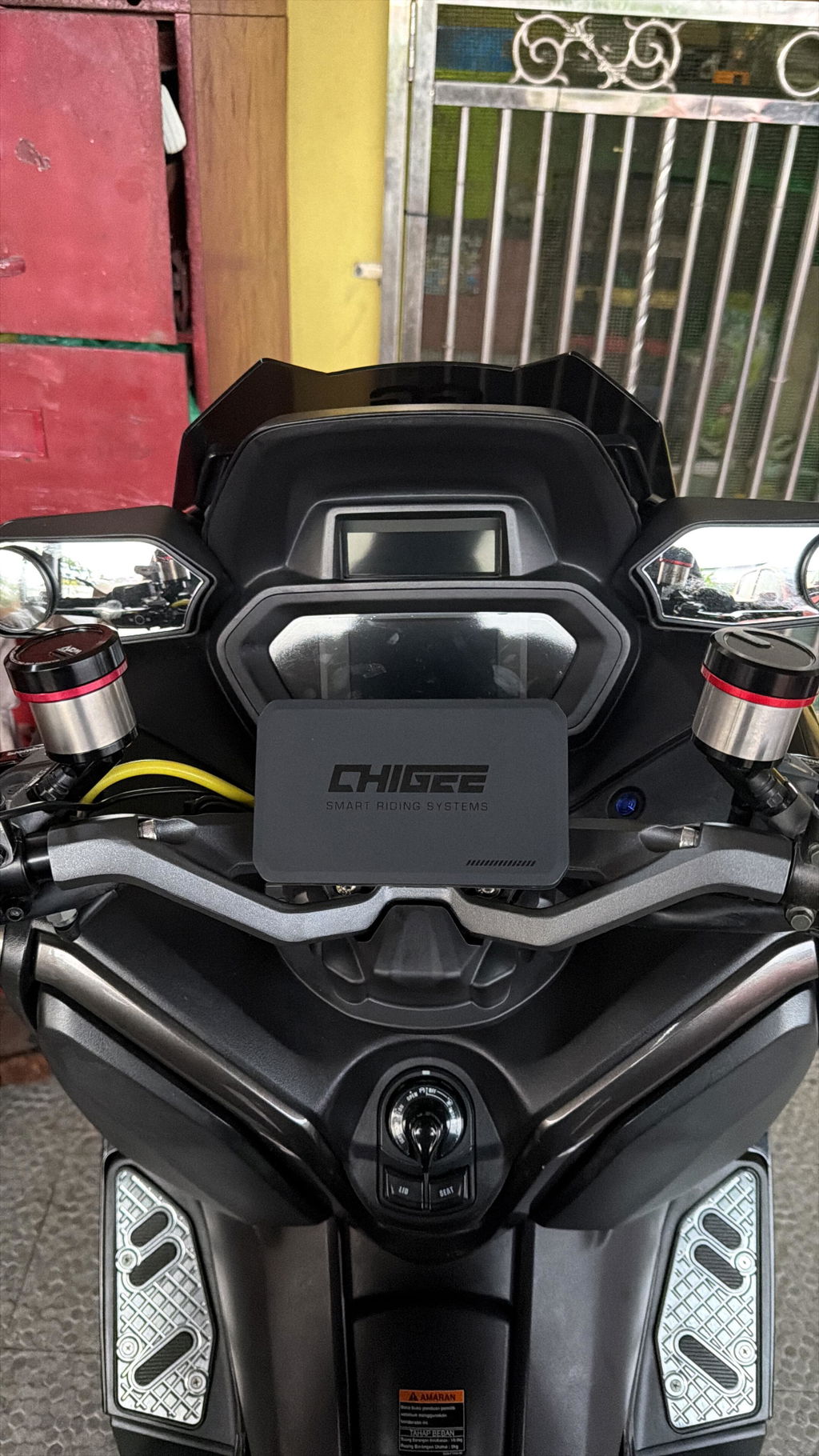
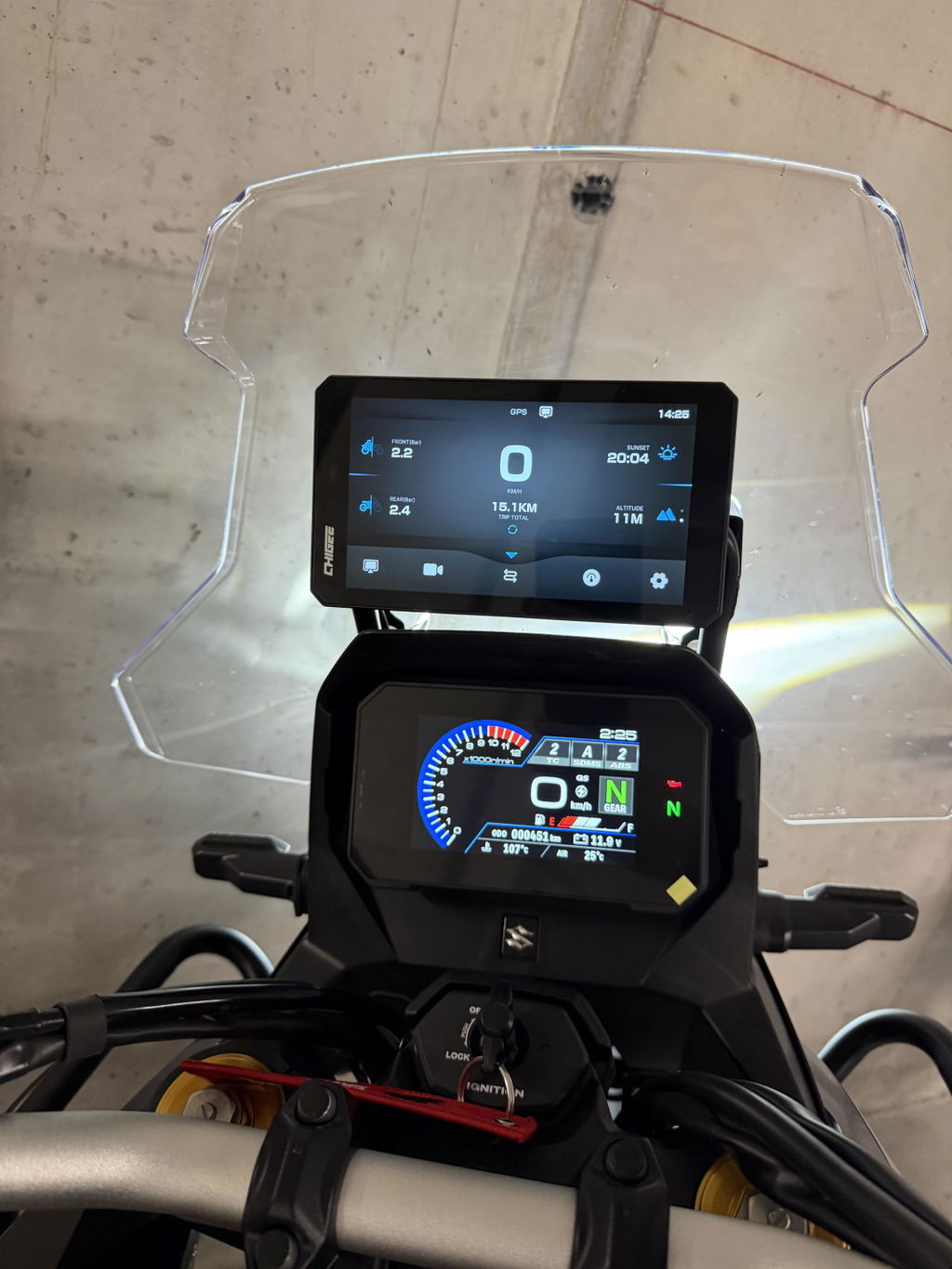
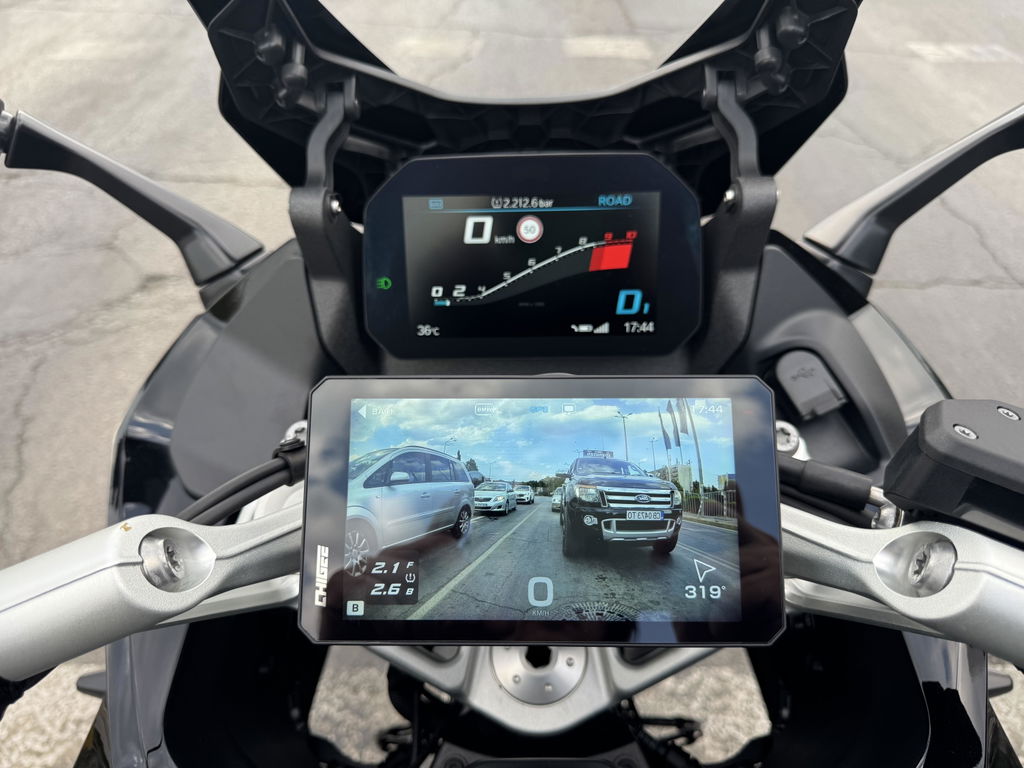
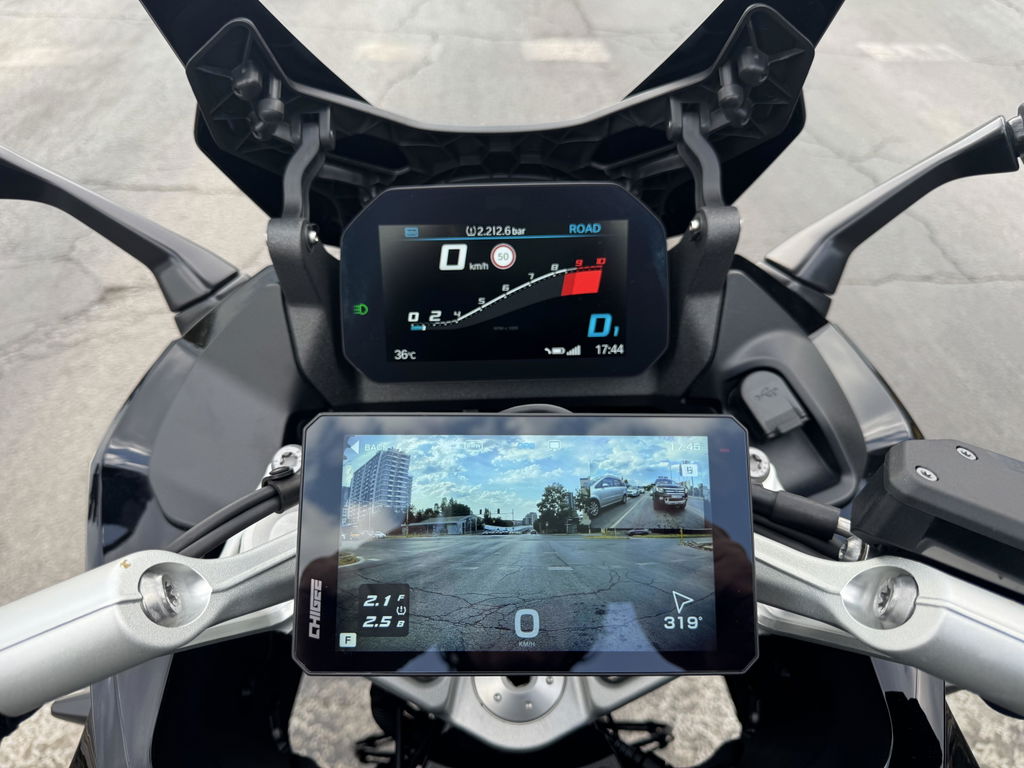
The radar works on its own and alerts you through its warning light. Connecting it to a CHIGEE display adds an on-screen view of the same information, but the light is what does the warning either way.



Leave a comment
All comments are moderated before being published.
This site is protected by hCaptcha and the hCaptcha Privacy Policy and Terms of Service apply.