

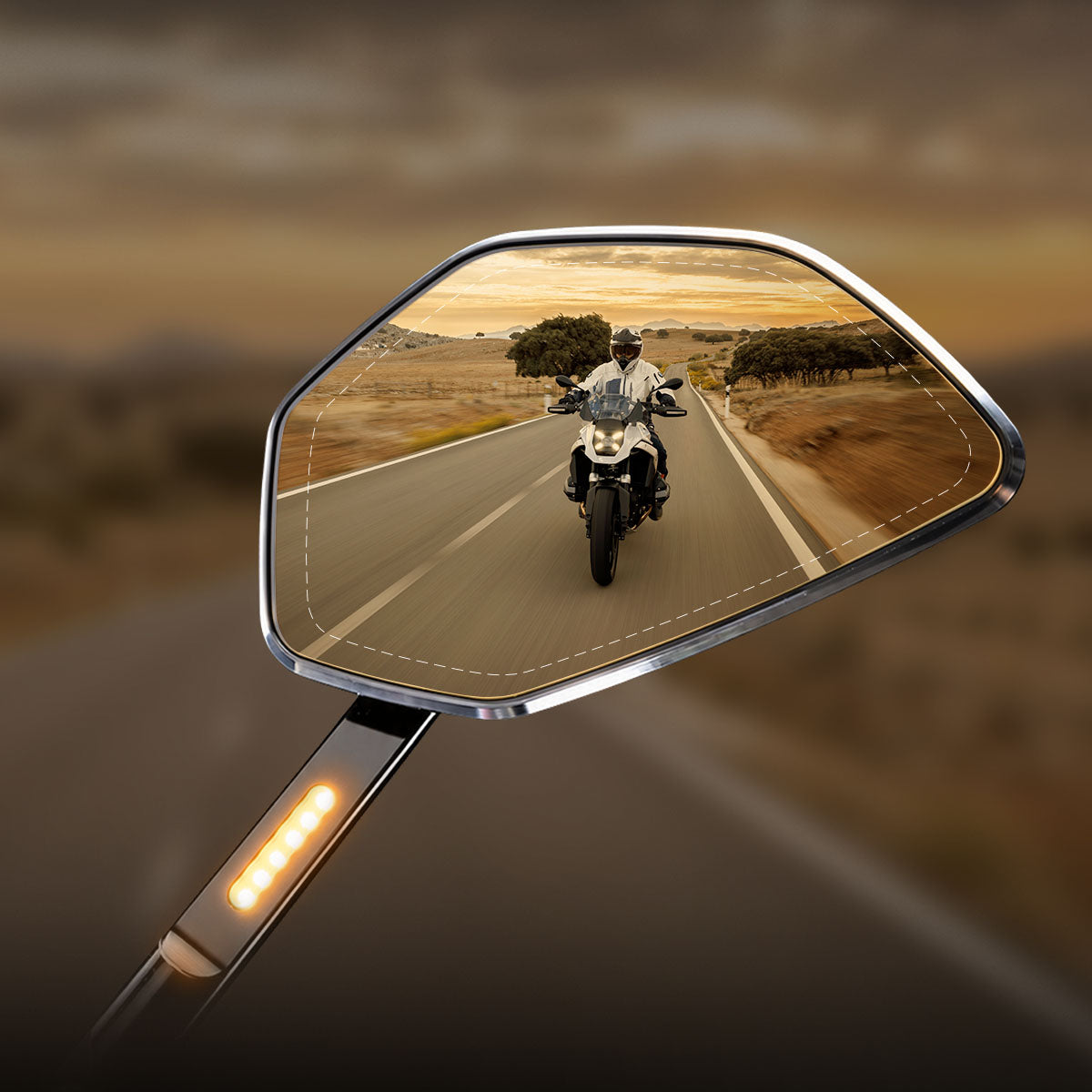


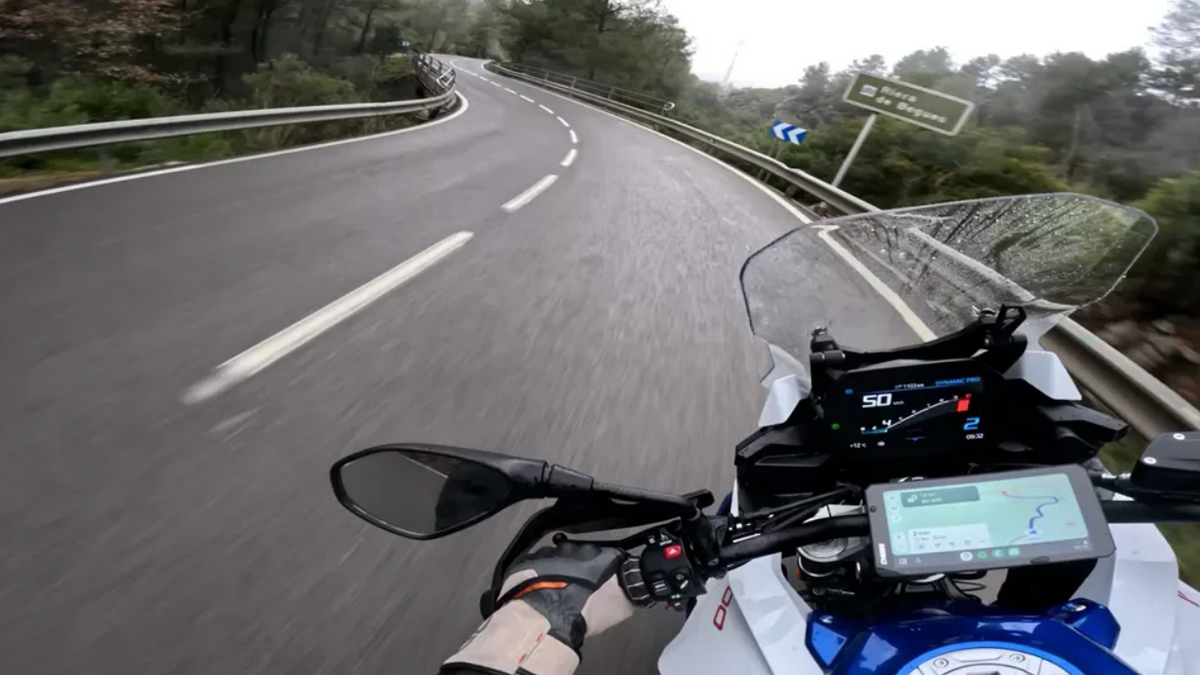
Der Moment, in dem mir klar wurde, dass ich mein spezielles GPS seit sechs Monaten nicht mehr benutzt hatte, war irgendwo auf einer kurvigen Straße, während ich auf mein Handy schaute, das auf dem Lenkerdisplay gespiegelt wurde. Die Waze-Umleitung erfolgte automatisch, die Musik spielte weiter, und ein Anruf kam durch, ohne dass ich eine einzige Taste berührte. Diese Fahrt klärte etwas, worüber ich seit Jahren still diskutiert hatte.
Die Frage "Brauche ich noch ein Garmin?" geht eigentlich nicht darum Garmin mehr. Es geht darum, ob dedizierte GPS-Geräte auf Motorrädern überhaupt noch eine Zukunft haben. Der Wechsel von eigenständigen GPS-Geräten zu Smartphone-gespiegelten Displays vollzieht sich schneller, als die meisten Produkttester offen zugeben.
 Der Moment, in dem dir klar wird, dass dein Motorrad-GPS seit sechs Monaten ungenutzt ist, weil dein Handy bereits alles erledigt.
Dies ist kein Argument gegen Garmin speziell. Es ist ein ehrlicher Blick darauf, wohin die Navigation für Motorräder geht und was das für deinen nächsten Kauf bedeutet.
Das Dedicated GPS wurde für eine andere Ära gebaut
Wann Garmin als die ersten motorradspezifischen GPS-Geräte Anfang der 2000er auf den Markt kamen, gab es noch keine Smartphones. Ein robustes, wetterfestes Gerät mit vorinstallierten Karten, das nicht auf ein Mobilfunksignal angewiesen war, war damals tatsächlich die beste Option. Es war das richtige Werkzeug für die damalige Technik.
Die Garmin Zumo XT2, das Flaggschiff des Unternehmens, kostet 599,99 $ und wird mit einem 6-Zoll handschuhfreundlicher Touchscreen, IPX7 Wasserschutz, vorinstallierten topografischen Karten mit Garmin Abenteuerrouting. Dies sind wirklich nützliche Funktionen, aber sie sind nicht mehr einzigartig.

Dedicated Motorrad-GPS war einst das Maß der Dinge. Heute verändern Smartphones und CarPlay, wie Fahrer navigieren.
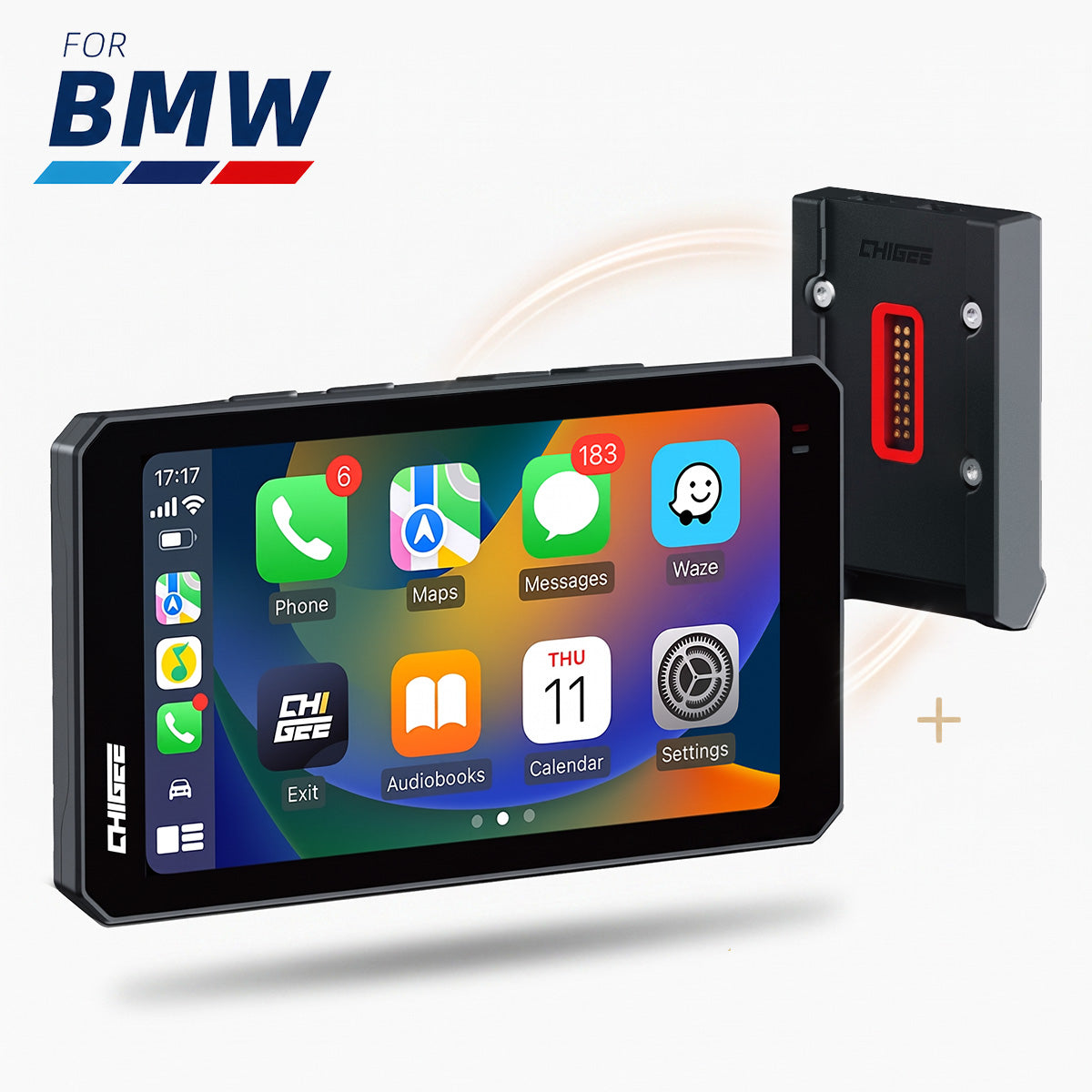
Das Smartphone in deiner Tasche erledigt bereits den größten Teil davon besser, und Apple CarPlay und Android Auto haben es auf einem echten motorradtauglichen Display verfügbar gemacht.
Dein Smartphone erledigt bereits den Großteil besser, es braucht nur ein richtiges Display bei Geschwindigkeit. Hier ist der Grund, warum Fahrer die Lenkerhalterungen für Handys aufgegeben haben und was sie stattdessen verwenden.
Was CarPlay wirklich auf den Lenker bringt
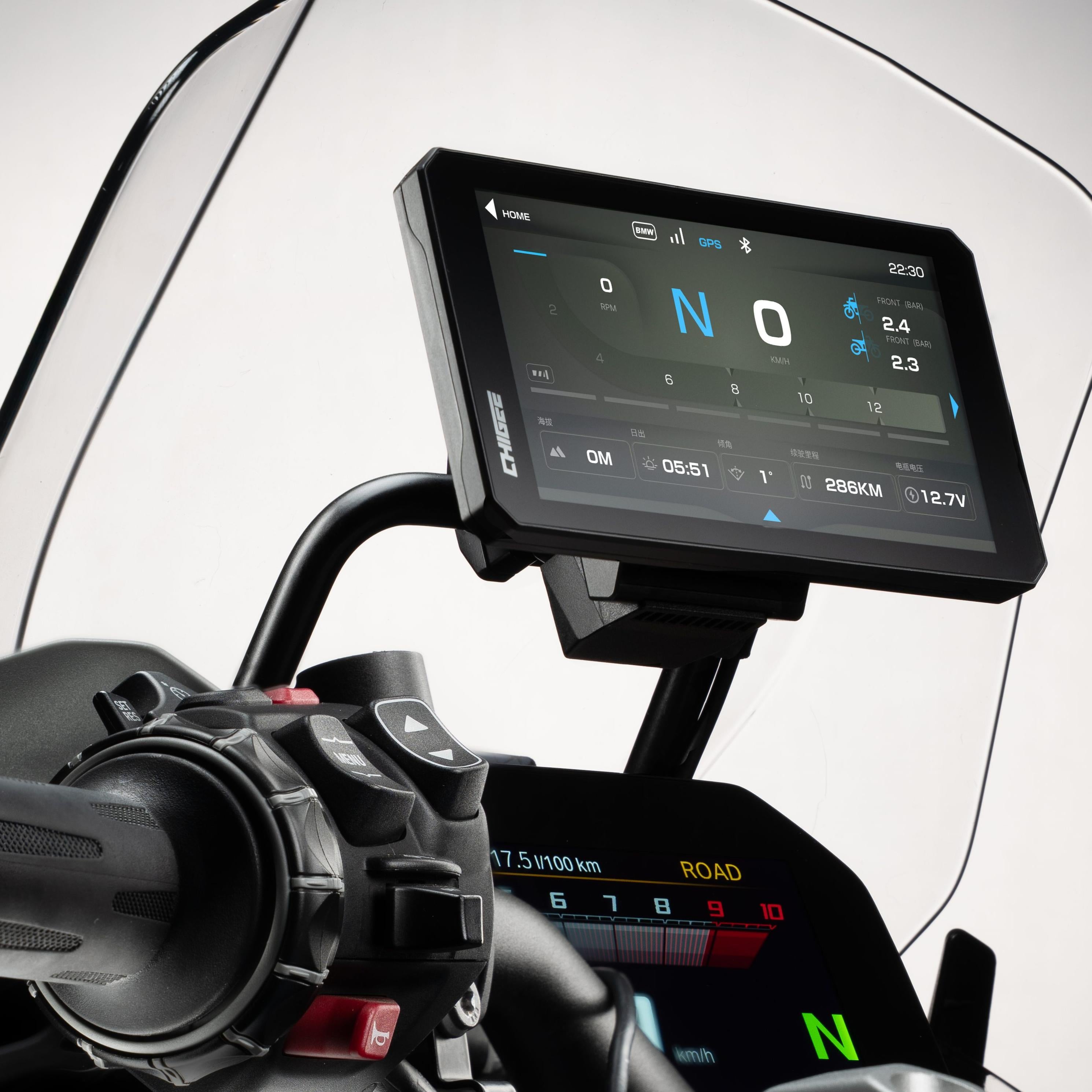
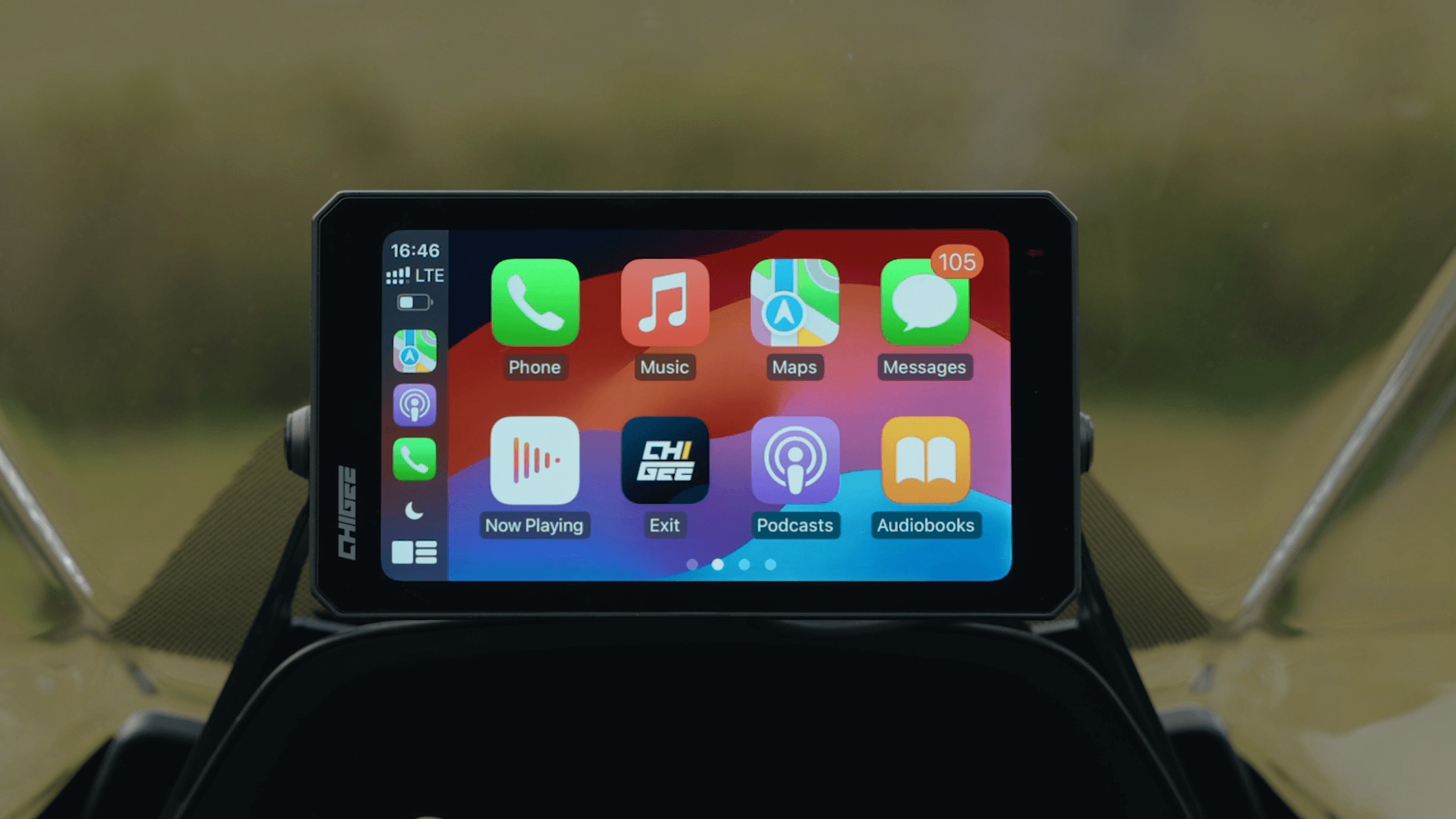
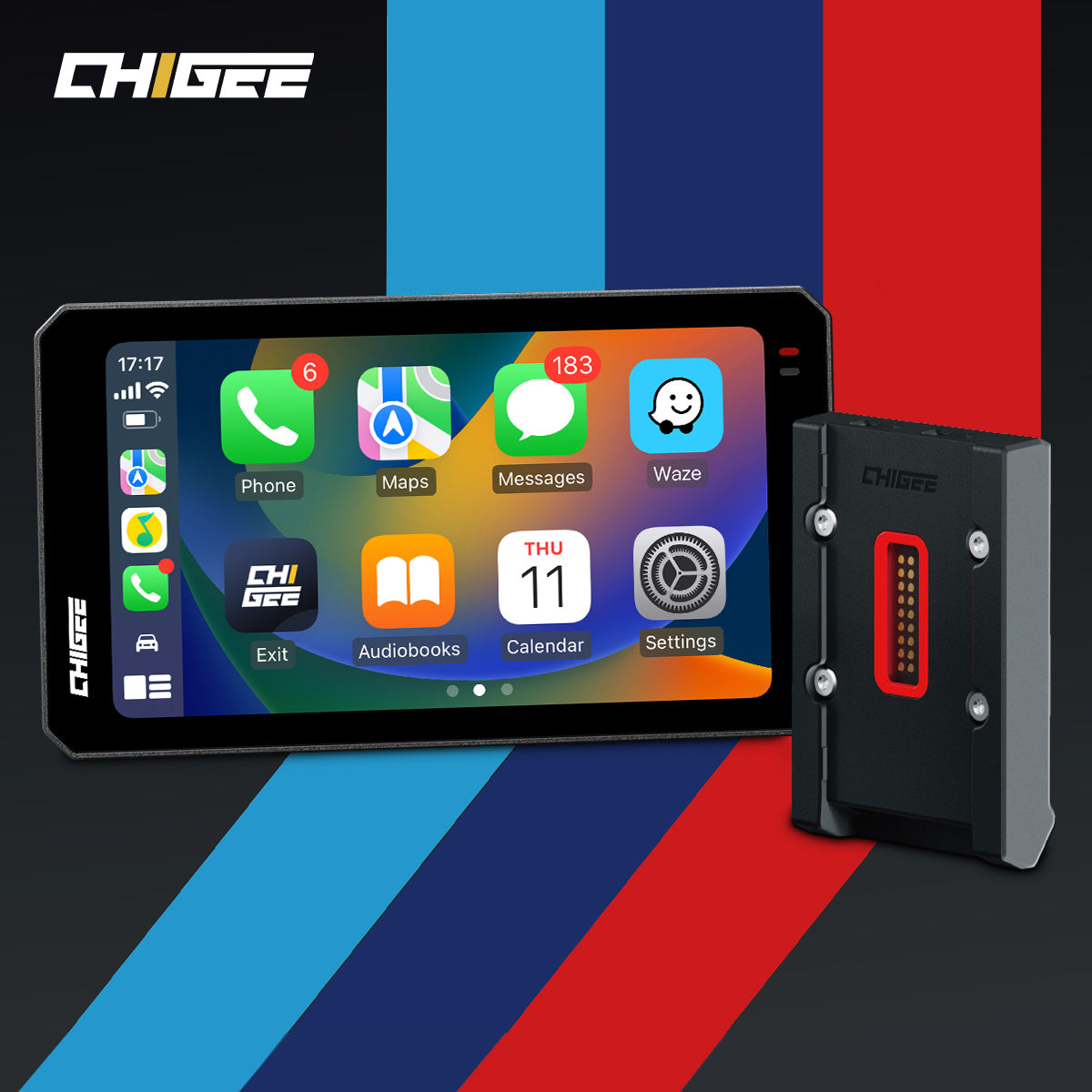
Der wahre Grund, warum Fahrer wechseln, ist nicht nur bessere Karten. Es ist, dass CarPlay dein gesamtes Handy-Leben auf dem Bildschirm vor dir angezeigt wird. Waze bei einem Unfall in Echtzeit umleitet, Spotify ermöglicht es, mitten in der Kurve mit einem Handschuh-Tipp die Playlist zu wechseln, iMessage liest deine Texte laut durch deine Helmspeaker vor, und Google Maps zeigt dir die aktuellen Kraftstoffpreise an der nächsten Ausfahrt. Ein Garmin Zumo XT2 macht genau eines dieser Dinge.
Jede App, die bereits auf deinem Handy ist: Spotify, Apple Music, Audible, WhatsApp, Google Maps, Waze, Gaia GPS, und onX Offroad, funktioniert über CarPlay ohne zusätzliche Abonnements oder Einrichtung. Das Zumo XT2 benötigt sowieso ein verbundenes Smartphone für Live-Verkehr, was bedeutet, dass du das Telefon bereits mit dir führst. CarPlay behandelt das Telefon nicht mehr nur als Peripherie, sondern macht es zum Kern des Systems.

Mit praktisch derselben CarPlay-Oberfläche wie im Auto ist es auf dem Motorrad sogar noch nützlicher.
Garmin berechnet separat für Karten-Updates, die immer noch nicht mit dem übereinstimmen, was Waze Community-Reporting kostenlos liefert. Jedes Apple- oder Google-Update macht dein Display über Nacht intelligenter, ohne Kosten.
CarPlay läuft mit Spotify, Waze, Google Maps, Gaia GPS. Wir haben calimoto, Maps und Waze auf einem CHIGEE-Display verglichen.
Warum jüngere Fahrer Garmin ganz überspringen
Fahrer, die nach 2015 ihren Führerschein gemacht haben, sind mit Google Maps, Spotify, und iMessage als Basisausstattung aufgewachsen, nicht mit Premium-Features. Die Idee, für ein Gerät zu bezahlen, das Navigation übernimmt, aber bei Songwechsel schweigt, macht aus ihrer Sicht keinen Sinn. 400 bis 550 $ Google Maps, Spotify
Garmins Tread-App versucht Gruppen-Tracking nachzubilden, aber jeder Fahrer in der Gruppe muss Garmin-Hardware besitzen. CarPlay-kompatible Apps funktionieren auf jedem Smartphone, jeder Marke und in jeder Fahrgemeinschaft – ganz ohne ein gemeinsames Gerätesystem.

Fahrer wechseln zu CarPlay, weil es dein Smartphone in ein vollständiges Cockpit verwandelt: Live-Verkehr, Musik, Nachrichten und Karten besser als ein Garmin.
Die meisten Fahrer unter 35 bezahlen bereits für die Apps, die CarPlay attraktiv machen. Es gibt nichts Neues zu abonnieren.
Wo dediziertes GPS noch einen Vorteil hat
Garmins Vorgeladene topografische Karten funktionieren auch dort, wo kein Mobilfunknetz verfügbar ist: im tiefen Hinterland, an internationalen Grenzübergängen und auf abgelegenen Wüstenrouten, wo eine datenabhängige Anzeige einfach schwarz bleibt. Die Zumo XT2's Offline-Routing ist für Fahrer, die technisches Overlanding im amerikanischen Südwesten oder in Alaska planen, wirklich überlegen.
Das sind Ausnahmefälle – aber wichtige. Der durchschnittliche Pendler, Wochenendfahrer oder Sporttourer auf asphaltierten Straßen erlebt selten eine Situation, in der ein dediziertes GPS besser abschneidet als ein gut montiertes Smartphone mit CarPlay.

Garmin ist in abgelegenen oder extremen Bedingungen führend, aber für die meisten Fahrer reicht ein Smartphone mit CarPlay für den Alltag auf den Straßen aus.
Dedizierte GPS-Geräte bieten auch bessere Haltbarkeit für extreme Fahrbedingungen. Geräte wie das Garmin Zumo XT2 sind so gebaut, dass sie Vibrationen, Regen, Staub und Hitze besser verkraften als die meisten Smartphones. Für raue Umgebungen ist diese Zuverlässigkeit nach wie vor wichtig.
Das Display ist das fehlende Puzzlestück
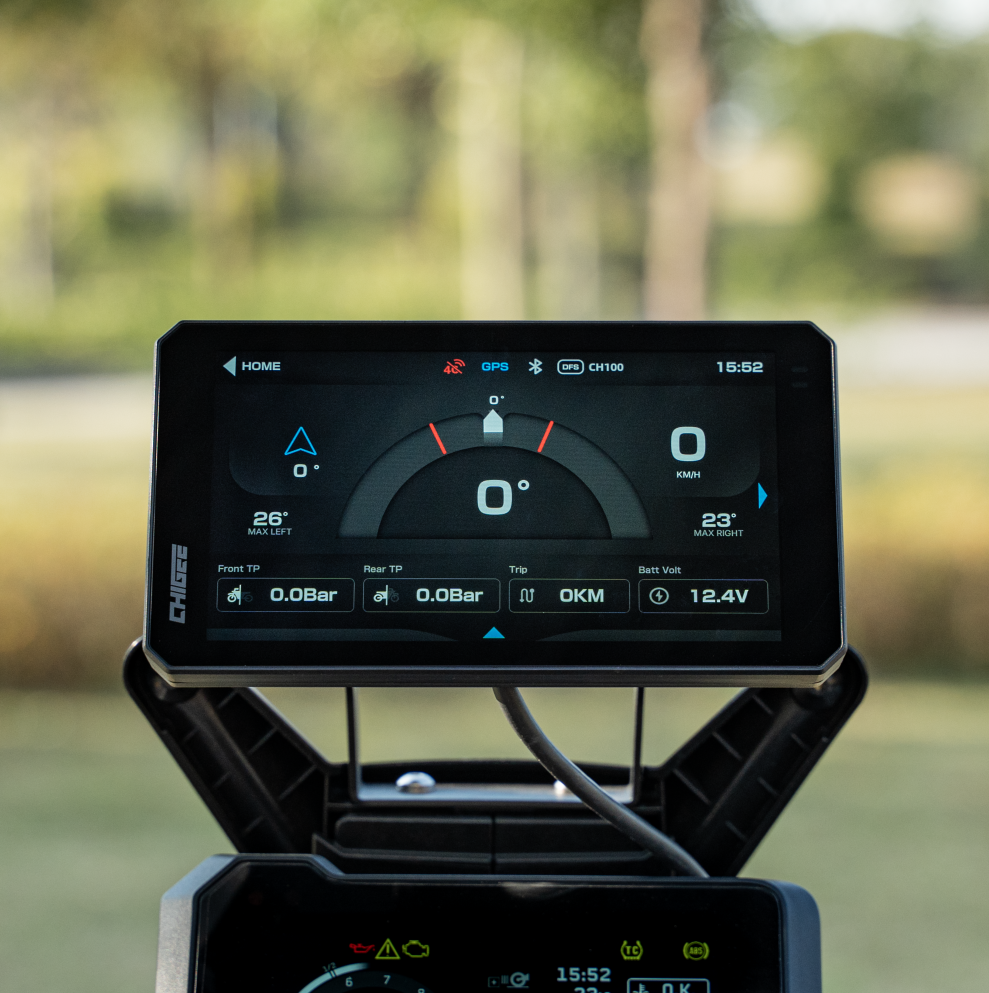
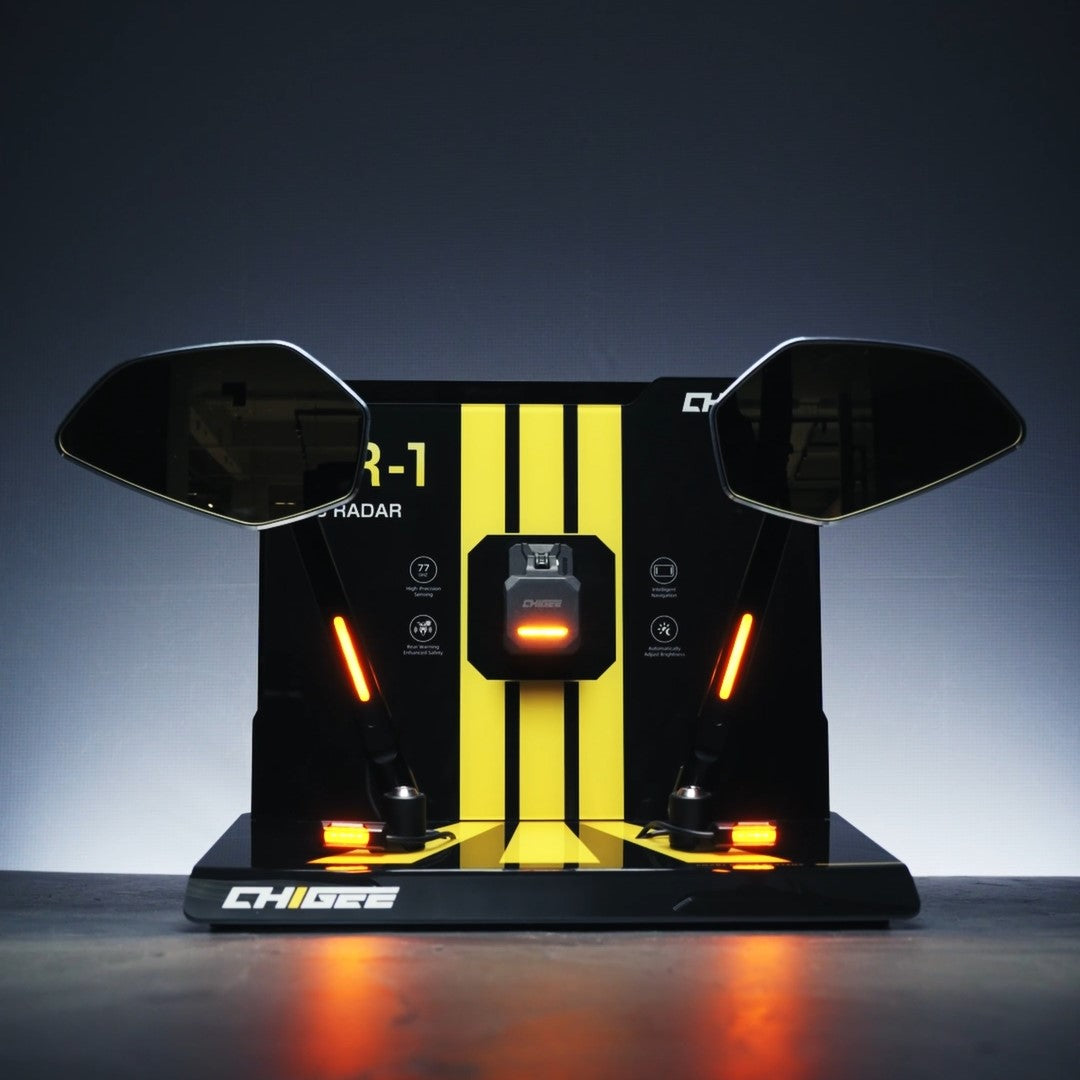
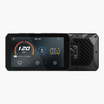
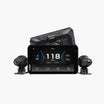
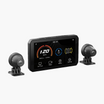
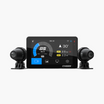
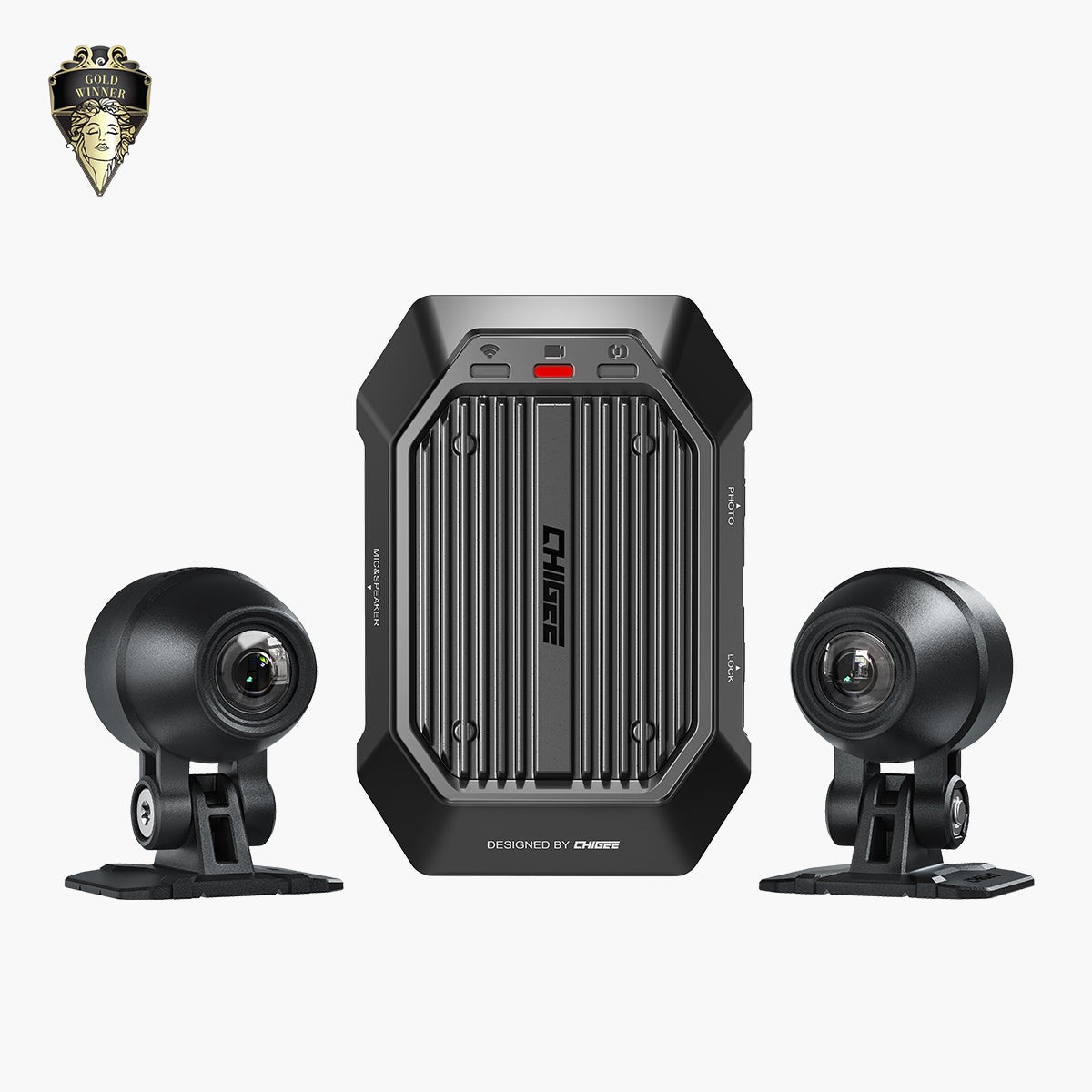
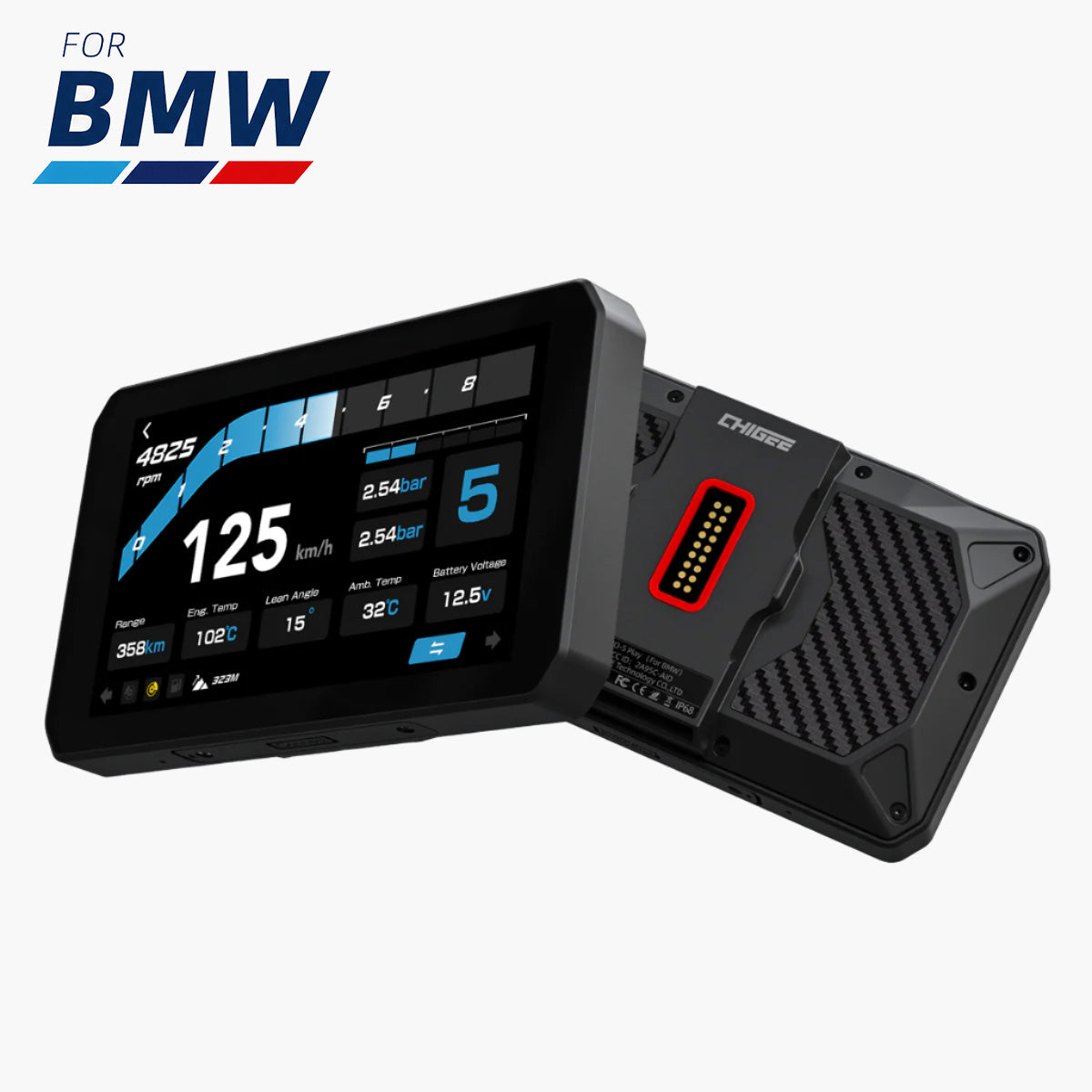
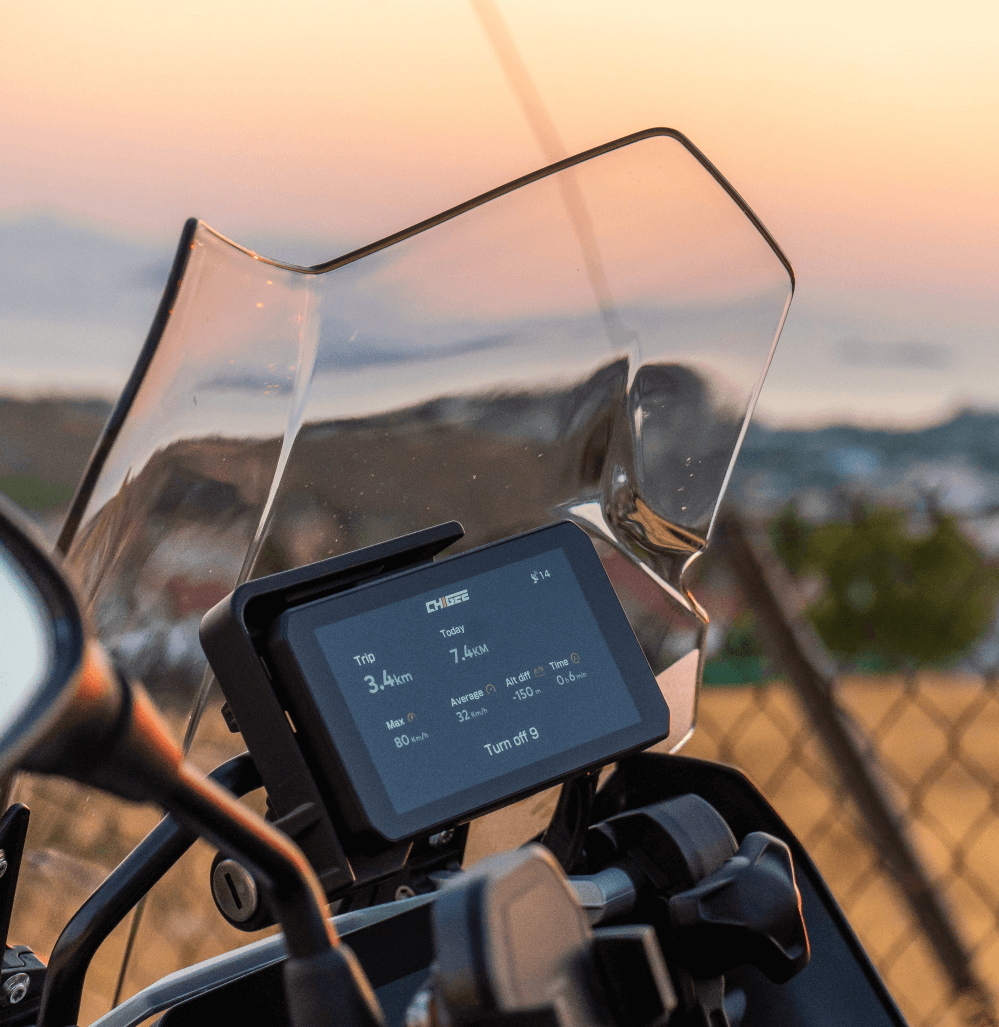
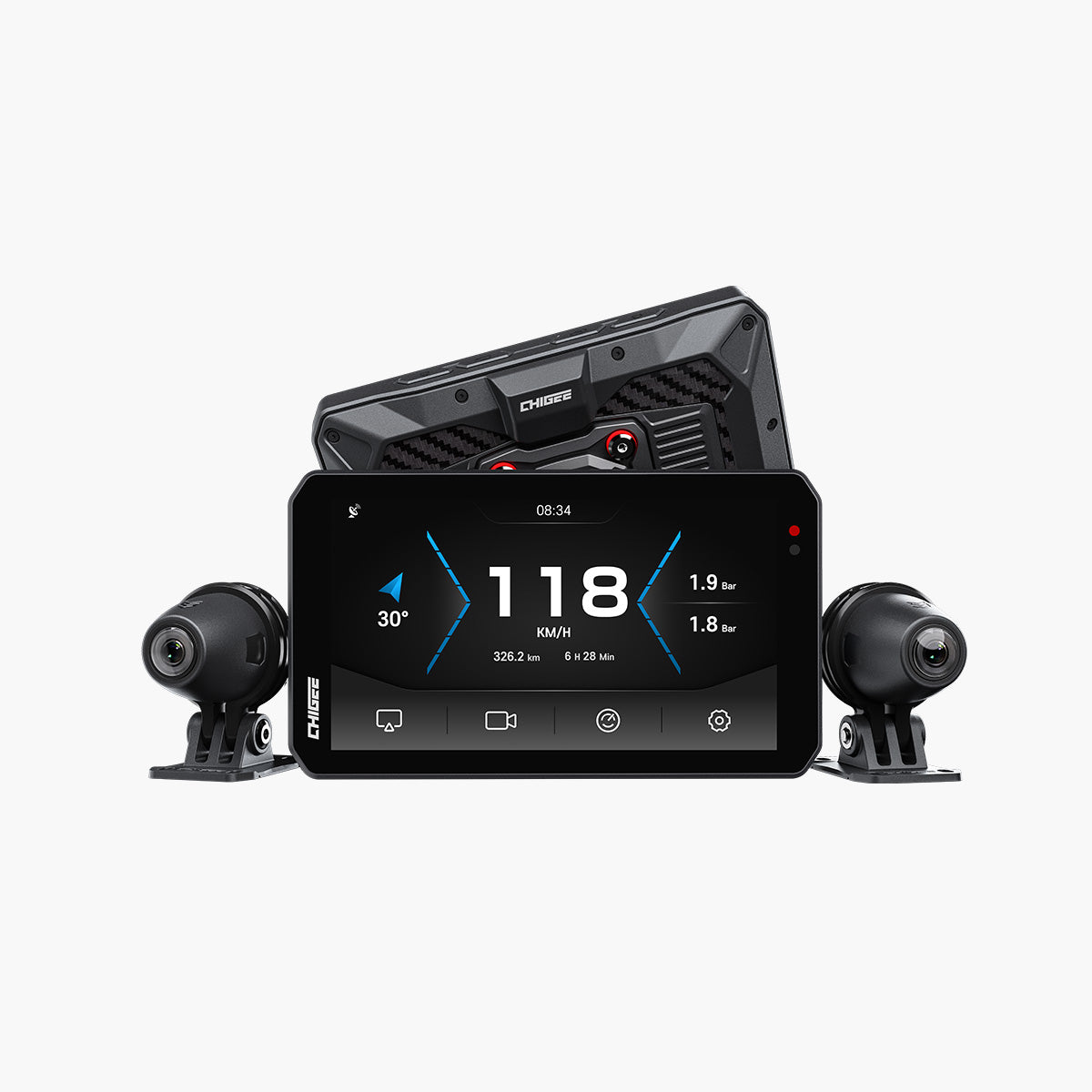
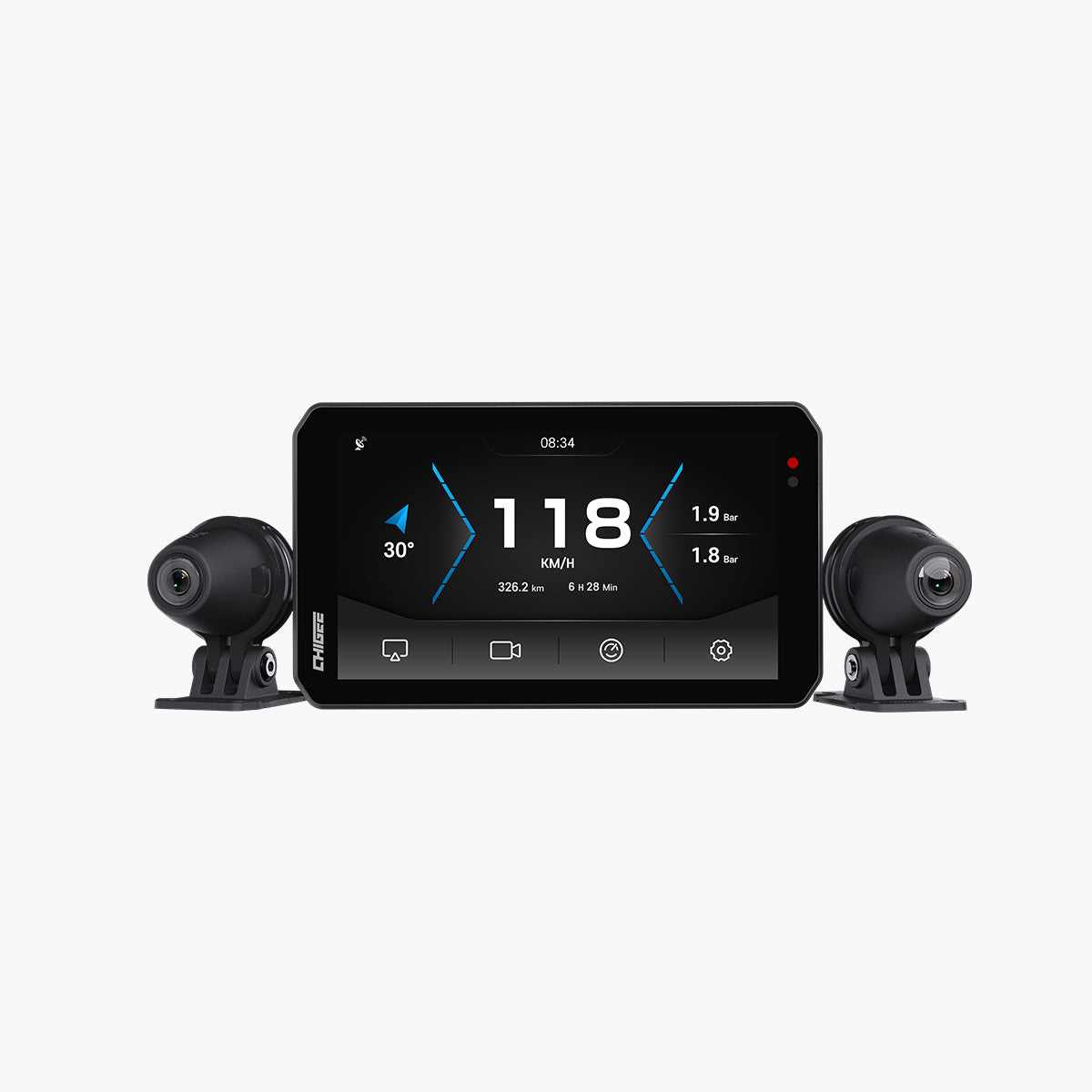
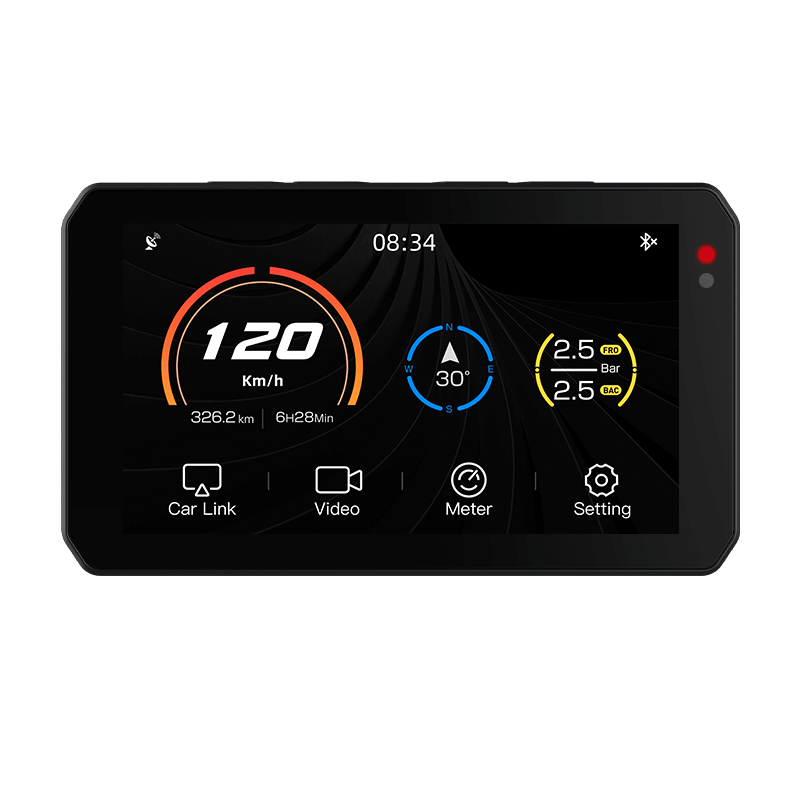
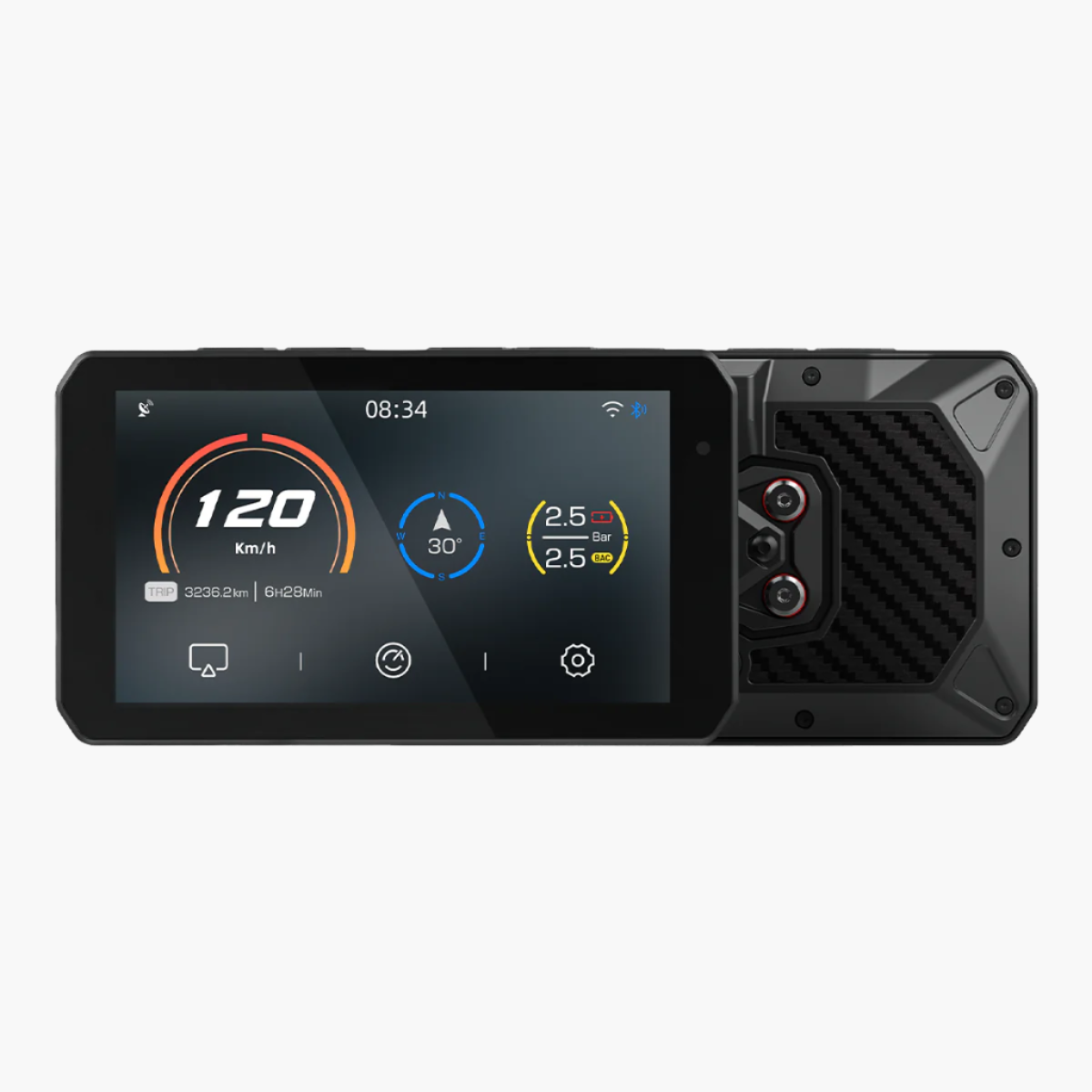
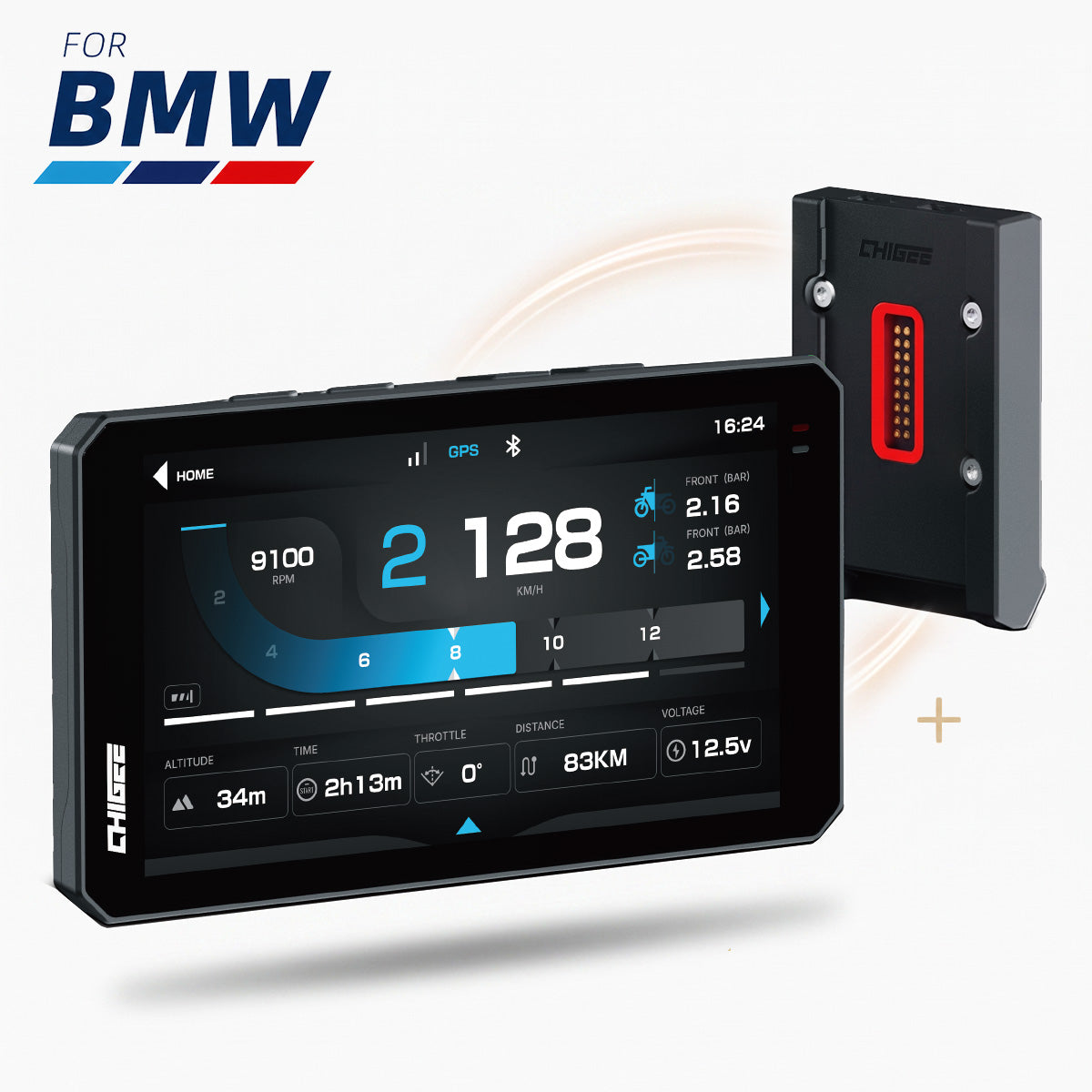
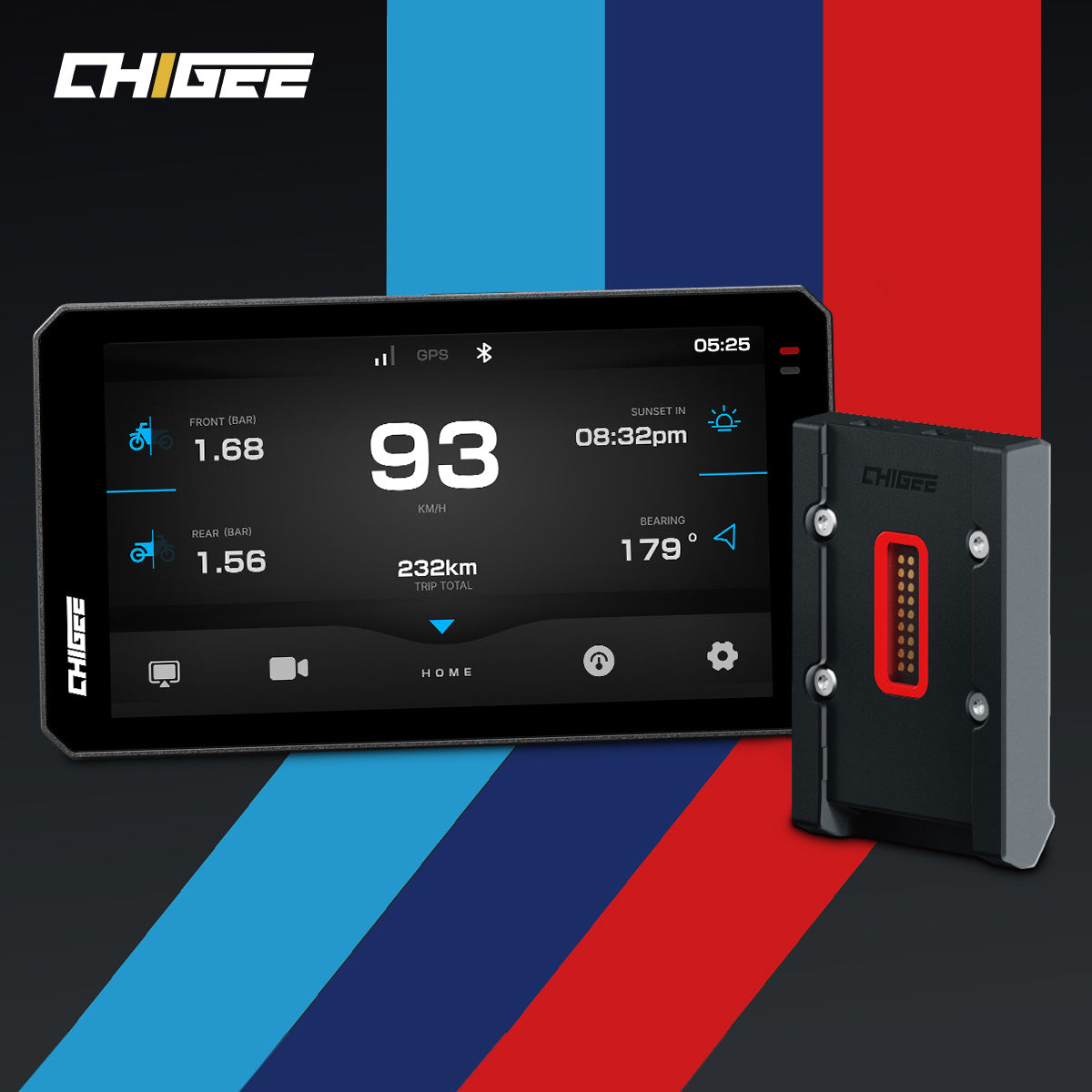
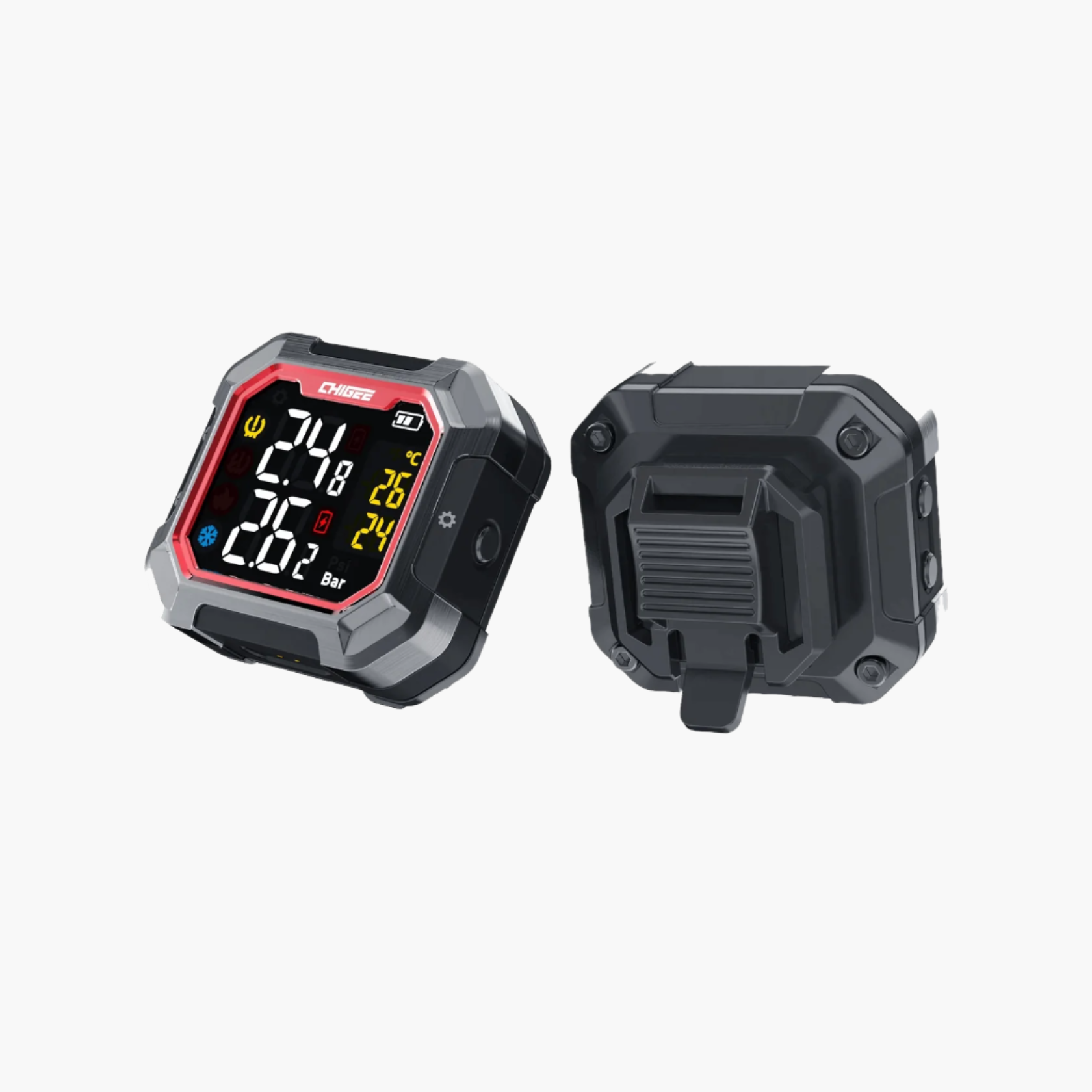
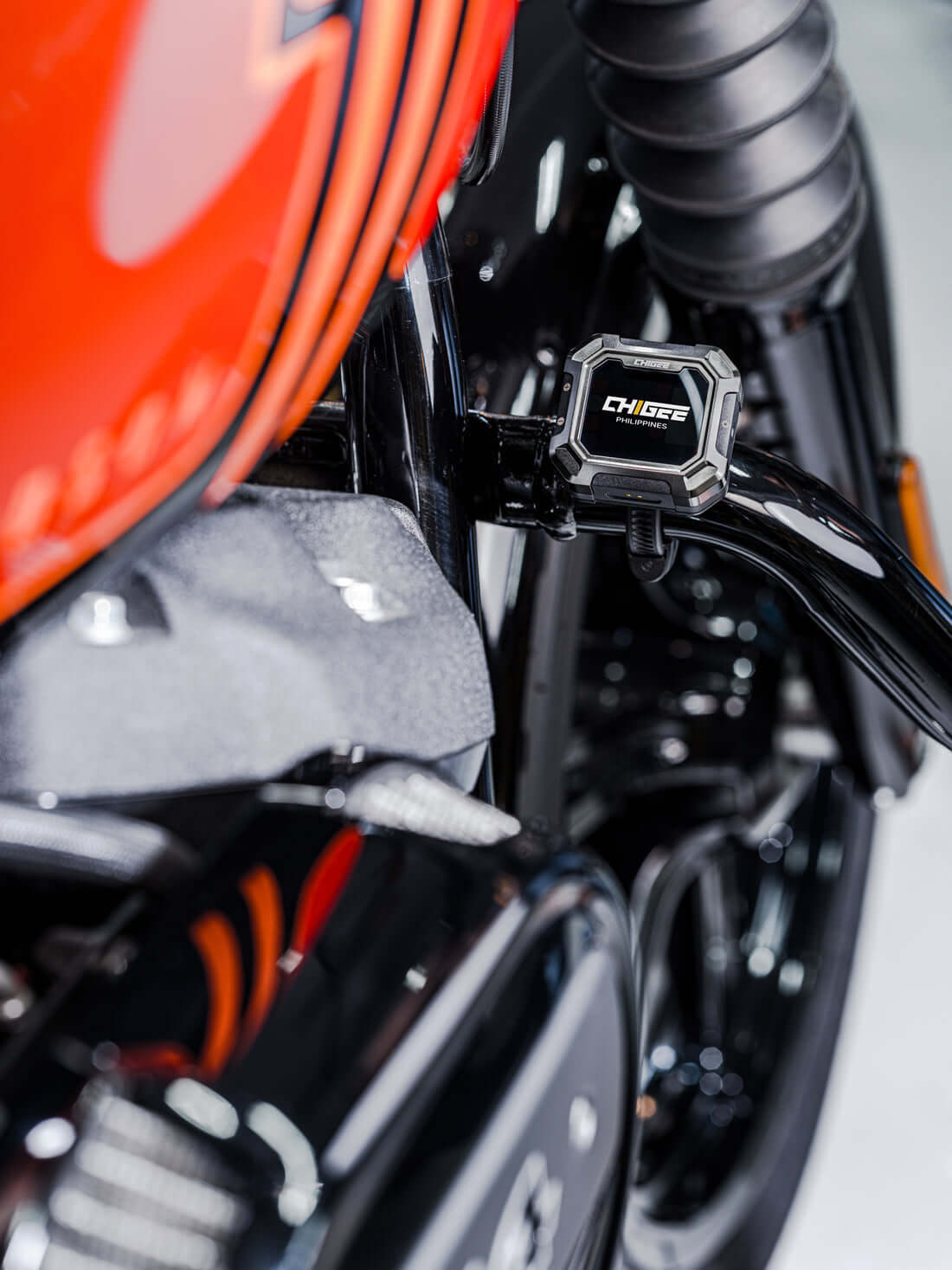
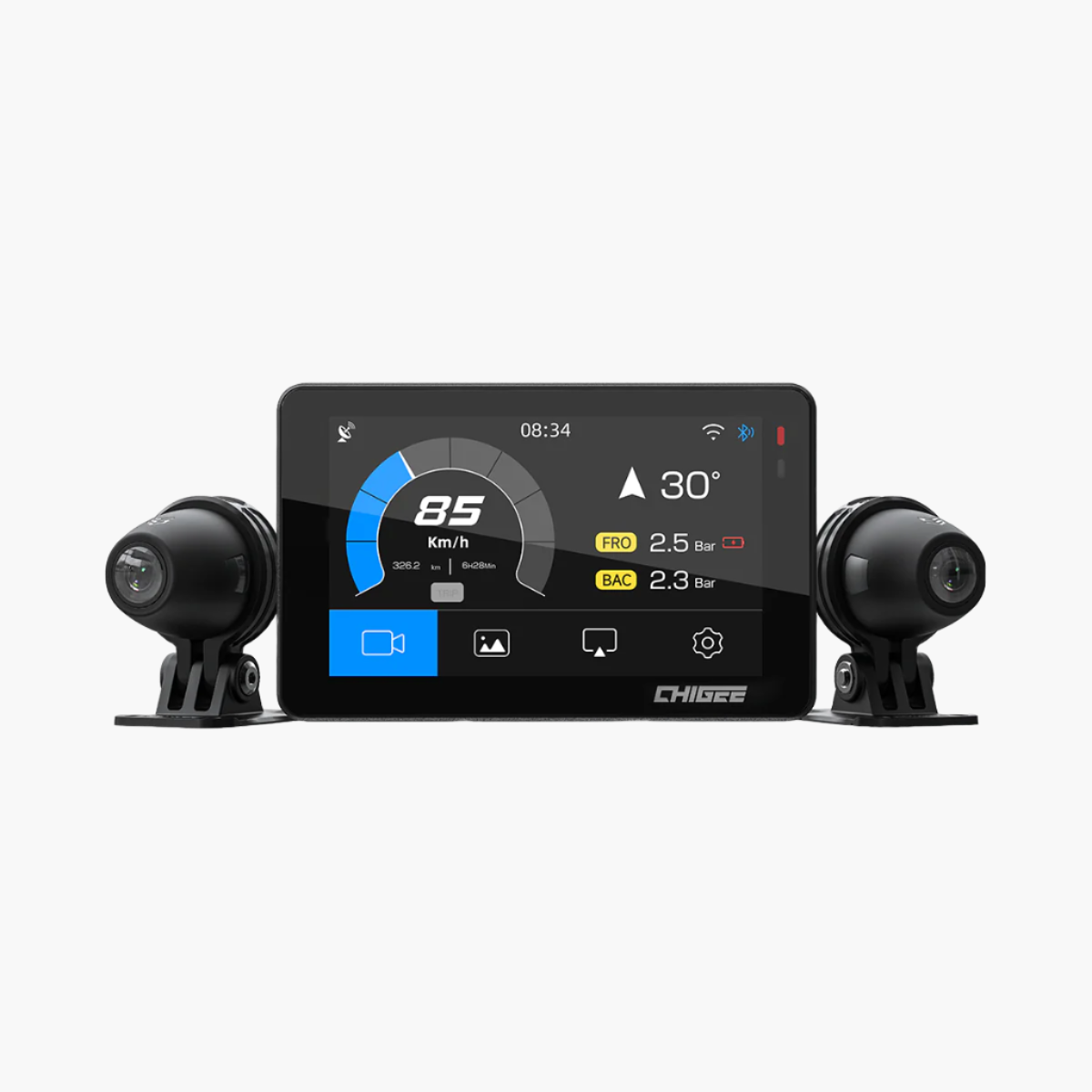
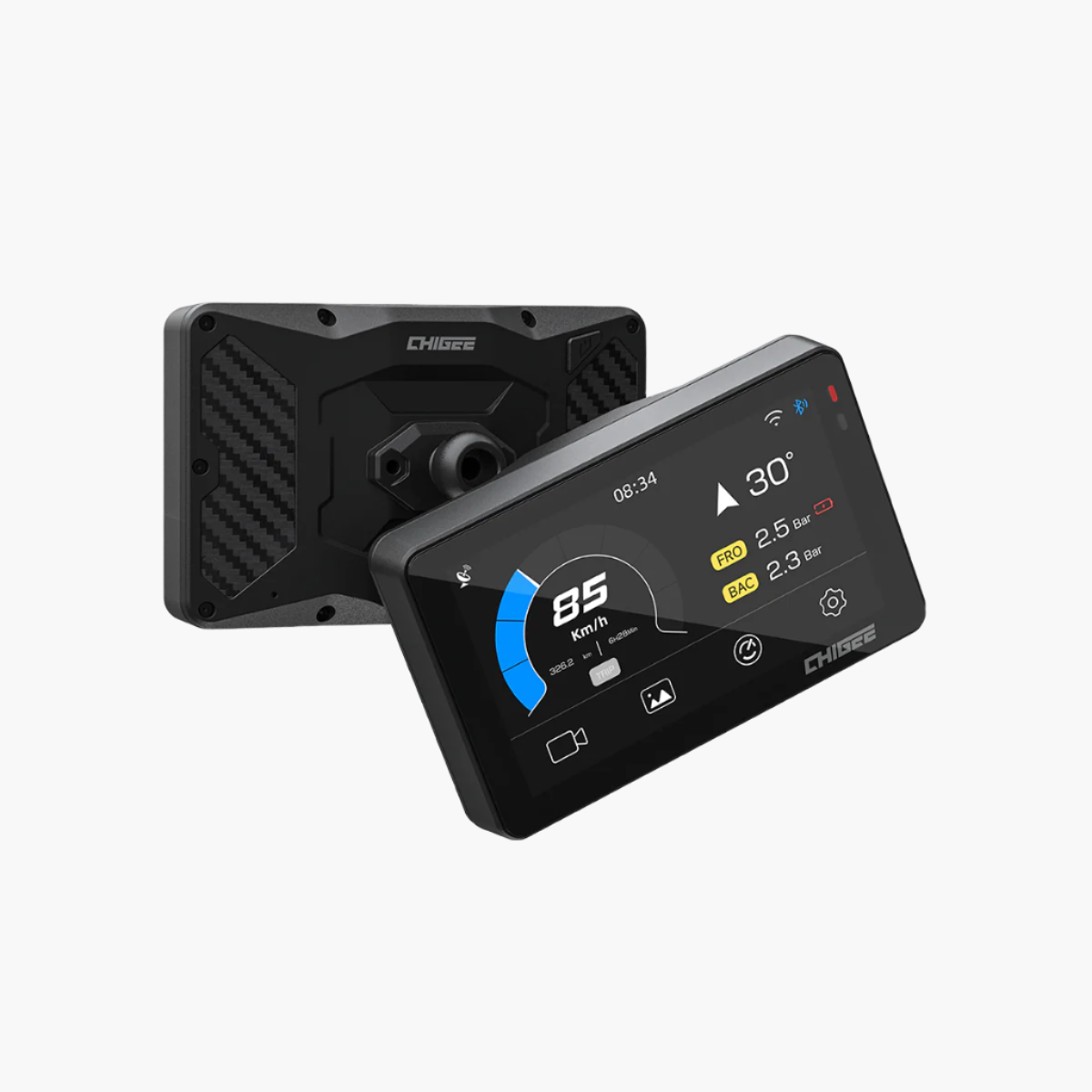
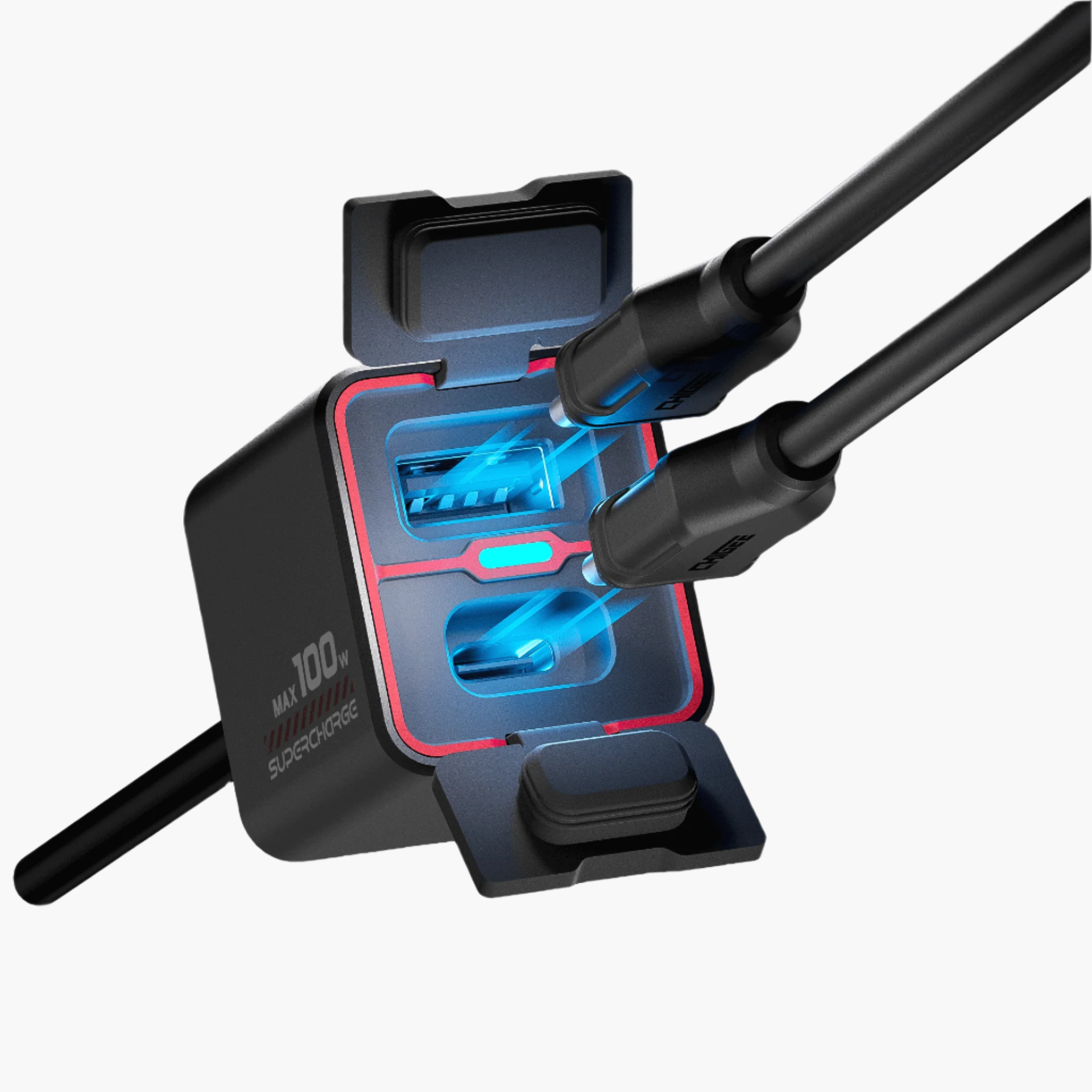
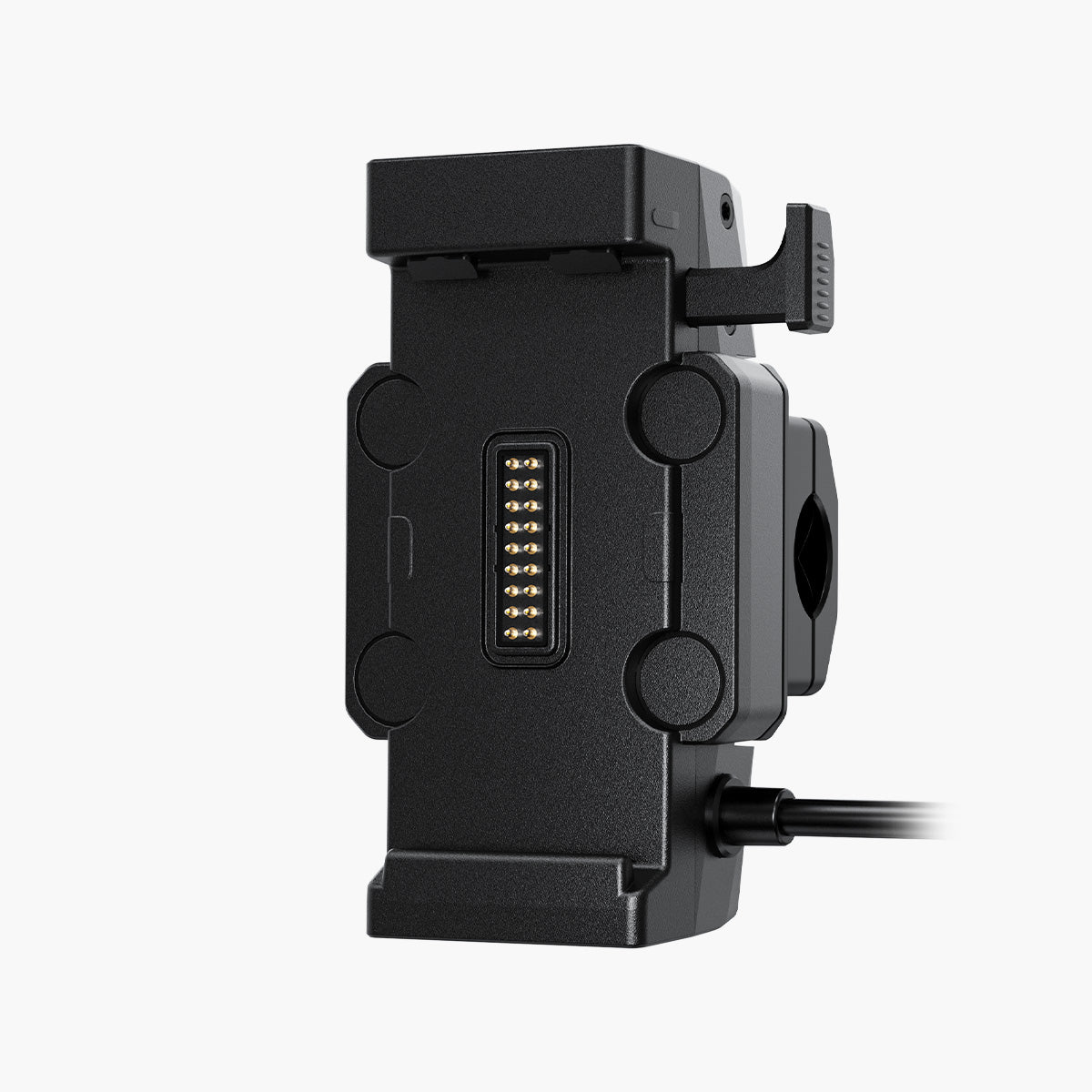
Der Grund, warum so viele Motorradfahrer so lange bei dedizierten GPS-Geräten geblieben sind, lag eher am Fehlen eines echten motorradtauglichen Displays für CarPlay als am GPS selbst. Ein hochwertiges Motorrad-Display löst dieses Problem und bietet zusätzliche Funktionen: integrierte Dashcams, Toter-Winkel-Warnung (BSD), TPMS, und OBD-Überwachung das kein dediziertes GPS bietet.
Die AIO-6 LTE, zum Preis von 560 $, fügt ein 4G-SIM-Karte für Live-Tracking, SOS-Notfall und Fernüberwachung der Sicherheit – unabhängig von der Datenverbindung Ihres Smartphones. Für einen vollständigen Funktionsvergleich siehe die Garmin vs CHIGEE Vergleich deckt die Spezifikationen im Detail ab.

Motorradfahrer blieben jahrelang beim GPS, weil es keine motorradtauglichen Displays gab. CarPlay-Displays bieten jetzt Dashcams, Totwinkelassistent, TPMS und mehr. Quelle
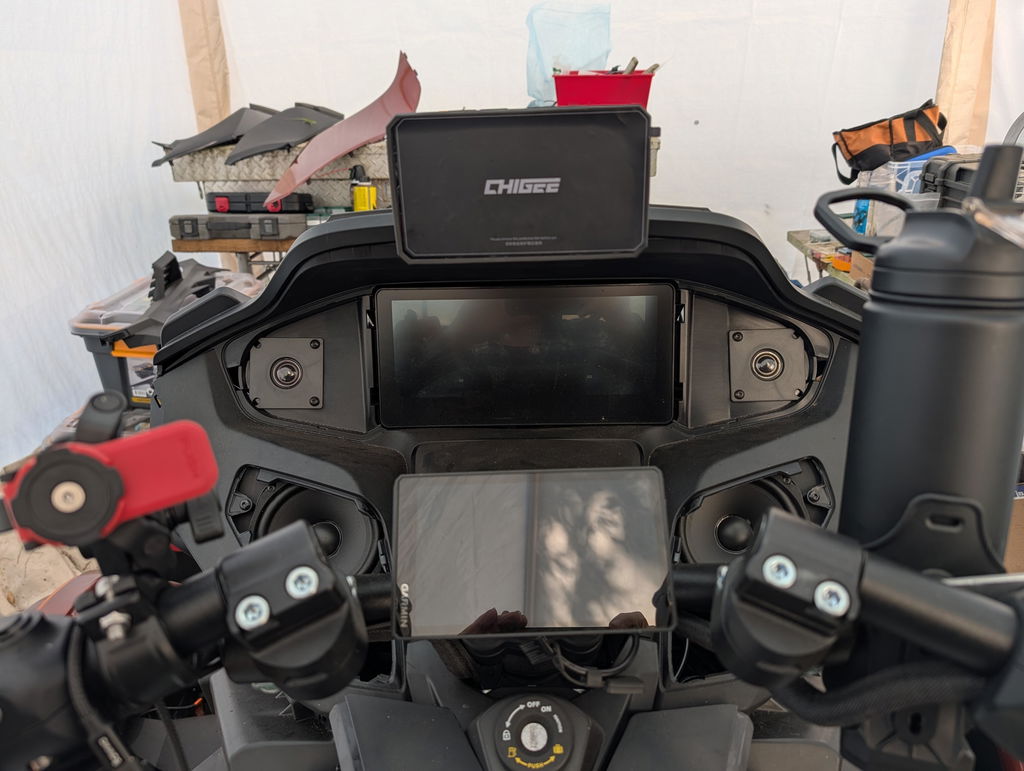
Die CHIGEE AIO-6 Max, zum Preis von 460 $, verpackt ein 6-Zoll, 2.000 Nits IPS-Display in einem IP69-zertifiziert Gehäuse aus Aluminiumlegierung mit vollständiger Unterstützung für CarPlay und Android Auto.
Ein hochwertiges Motorrad-Display bietet Funktionen, die kein GPS bietet. Das AIO-6 Testbericht testet Sichtbarkeit, Dashcam und Alltagstauglichkeit für Pendler und Touren.
Häufig gestellte Fragen
Funktioniert CarPlay ohne Mobilfunksignal?
Apple CarPlay und Android Auto spiegeln den Bildschirm Ihres Smartphones, daher hängt ihre Offline-Fähigkeit vollständig davon ab, was Ihr Handy zwischengespeichert hat. Wenn Sie Kartendaten vorher herunterladen über Google Maps oder Apple Maps, die Navigation funktioniert weiterhin in Gebieten ohne Signal. Apps wie Gaia GPS und onX Offroad sind speziell für den Offline-Einsatz entwickelt und integrieren sich nahtlos mit CarPlay. Die Offline-Leistung eines dedizierten GPS ist für wirklich abgelegene Routen immer noch technisch überlegen, aber für die meisten Fahrer hat sich die praktische Lücke deutlich verringert.
Ist ein dediziertes GPS auf langen Fahrten zuverlässiger als CarPlay?
Die Zuverlässigkeit hängt stark von deiner Einrichtung ab. Ein einfaches Smartphone in einer billigen Halterung ist weniger zuverlässig als ein Garmin Zumo XT2. Das ist ein fairer Vergleich. Ein richtig installiertes CarPlay-Display wie das AIO-6 Max, das direkt an die Batterie angeschlossen ist und in einem IP69-zertifiziert Aluminiumgehäuse ist sie vermutlich zuverlässiger, da es weniger einzelne Fehlerquellen gibt. Das Smartphone selbst kann sicher in einer wasserdichten Innentasche bleiben, während das Display die gesamte Bedienung übernimmt.
Kann ich Siri oder Google Assistant für Sprachbefehle während der Fahrt verwenden?
Ja, beides funktioniert über CarPlay und Android Auto, wenn Ihr Smartphone auf das Motorrad-Display gespiegelt wird. Sie können ein Ziel eingeben, Anrufe tätigen, Nachrichten senden oder die Playlist komplett per Sprachbefehl wechseln, ohne die Hände vom Lenker zu nehmen. Garmin Geräte unterstützen ebenfalls Sprachbefehle, sind aber auf Garmin-spezifische Funktionen beschränkt. Mit CarPlay sind alle Apps, die Ihr Sprachassistent unterstützt, freihändig auf dem Motorrad nutzbar.
Was passiert, wenn mein Handy während der Fahrt leer ist?
Das ist die am häufigsten genannte Schwachstelle eines CarPlay-Setups und ein berechtigter Punkt, den man bedenken sollte. Die Lösung ist ein fest verkabeltes Stromkabel vom Motorradakku über eine abgesicherte Leitung zum Display, das das Smartphone während der Fahrt dauerhaft lädt. Die meisten hochwertigen Motorrad-Displays, darunter die AIO-6 Serie, inklusive Verkabelungssätze, die genau für diese Art der Installation entwickelt wurden. Ein Smartphone, das während der Navigation, Musikwiedergabe und CarPlay angeschlossen ist, lädt in der Regel auf oder bleibt geladen, anstatt Energie zu verlieren.
Ist CarPlay in allen US-Bundesstaaten legal während der Fahrt zu verwenden?
Ablenkungs-Gesetze im Straßenverkehr unterscheiden sich je nach Bundesland, aber freihändige Bedienung ist in der Regel erlaubt und Navigation per Blick wird ähnlich wie ein Blick in den Spiegel behandelt. Wichtig ist, dass das Display fest montiert und im Sichtfeld angebracht ist, nicht in der Hand gehalten wird. Sprachbefehle über Siri oder Google Assistant ermöglichen die meiste Bedienung freihändig. In Bundesländern mit strengeren Vorschriften sollten Sie die lokalen Gesetze prüfen; die meisten dedizierten Motorrad-CarPlay-Displays sind so konzipiert, dass sie die Freihand-Anforderungen erfüllen.
Ersetzt ein CarPlay-Display eine Dashcam?
Bei einem einfachen CarPlay-Display lautet die Antwort nein, aber bei einem motorradtauglichen Display wie dem CHIGEE AIO-6ja. Die AIO-6 integriert die Front- und Rückfahrkameras mit 1080P HDR direkt ins Gerät und zeichnet kontinuierlich auf eine SD-Karte im Hintergrund auf, während CarPlay-Navigation im Vordergrund läuft. Dedizierte GPS-Geräte nehmen überhaupt kein Video auf. Wenn Dashcam-Aufnahmen für Sie wichtig sind – und nach jedem Vorfall mit einem anderen Fahrzeug werden sie es sein – bietet ein CarPlay-Display mit integrierten Kameras insgesamt mehr Nutzen als ein GPS und eine separat gekaufte Dashcam.
Der Navigations-Stack verschiebt sich
Dedizierte GPS-Geräte verschwinden nicht über Nacht, aber die Lücke hat sich so verengt, dass der Aufpreis für die meisten Fahrer schwer zu rechtfertigen ist. Das Garmin Zumo XT2 bei 549,99 $ bleibt die richtige Wahl für Backcountry-Fahrer, die regelmäßig ohne Mobilfunkempfang unterwegs sind.
Für alle anderen ist das CHIGEE AIO-6 Serie, ab 460 $ für die Max und 560 $ für die LTE-Version, vereint CarPlay, dashcam-Aufzeichnung, Totwinkelassistent und Reifendruckkontrolle (TPMS) in einem wetterfesten Gerät. Die AIO-6 Serie Kaufberatung walks through which version fits your riding style. To connect with riders already running the setup, the CHIGEE Facebook-Gruppe ist der schnellste Weg, um echte Praxiserfahrungen zu bekommen.
Über den Autor
Reuben Cabrera ist Motorrad-Equipment-Korrespondent und Autor mit über 60.000 km Jahre Fahrerfahrung auf den Philippinen. Er testet Ausrüstung unter tropischen Bedingungen und trägt zur Weiterentwicklung bei – unterwegs und bei CHIGEE. Er fährt ein Yamaha XJR 400 von 1990 und betreibt phtoll.com, eine Motorrad- und Ausrüstungs-Testseite mit Sitz auf den Philippinen.







Hinterlasse einen Kommentar
Alle Kommentare werden vor der Veröffentlichung geprüft.
Diese Website ist durch hCaptcha geschützt und es gelten die allgemeinen Geschäftsbedingungen und Datenschutzbestimmungen von hCaptcha.