Per offerte esclusive, nuove uscite e sorprese speciali...
Informativa sui cookie
Utilizziamo cookie e tecnologie simili per offrire la migliore esperienza sul nostro sito web. Consulta la nostra Informativa sulla Privacy per ulteriori informazioni.
Guida all’acquisto SR-1 Radar: Compatibilità con moto e avvisi
Il sistema radar a onde millimetric SR-1 aiuta i motociclisti a migliorare la consapevolezza posteriore rilevando i veicoli in avvicinamento da dietro e fornendo avvisi visivi chiari.
Questa guida spiega come funziona il SR-1, a quali motociclette si adatta, cosa è incluso nel kit standard, quali display CHIGEE sono compatibili e cosa sapere prima dell'installazione.
Prima di acquistare
Il SR-1 può essere utilizzato in due modi:
Modalità autonoma: Usa SR-1 con le luci indicatori esterne incluse. Non è richiesto alcun display CHIGEE.
Modalità di integrazione del display: Associa SR-1 a un display CHIGEE compatibile per grafici radar sullo schermo, avvisi sonori e impostazioni radar.
Compatibilità con motociclette
SR-1 è progettato per funzionare con la maggior parte delle motociclette che utilizzano un sistema elettrico standard da 12V.
Può essere installato su un'ampia gamma di tipi di motociclette, tra cui:
Motociclette da avventura
Motociclette sportive
Cruiser
Motociclette da turismo
Motociclette naked
Motociclette da pendolare
SR-1 non richiede connettori proprietari per motociclette, un cablaggio specifico per il modello o modifiche permanenti alla tua moto. Nella maggior parte dei casi, l'installazione richiede solo di montare il modulo radar sulla parte posteriore della motocicletta, installare le luci di avviso e collegare il cablaggio al sistema di alimentazione della motocicletta.
Cosa è incluso nel kit standard SR-1?
Il kit standard SR-1 include i componenti principali necessari per il funzionamento autonomo dell'avviso radar:
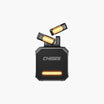
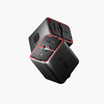
Modulo radar SR-1
Due luci di indicatore autonome
Accessori di cablaggio e montaggio necessari
Le luci di indicazione incluse forniscono la funzione di avviso visivo principale. Sono progettate per essere installate senza sostituire gli specchietti o il sistema di display esistenti sulla tua motocicletta.
Il SR-1 può funzionare senza un display CHIGEE?
Sì. SR-1 può essere utilizzato indipendentemente senza un display CHIGEE.
In modalità autonoma, il modulo radar rileva i veicoli in avvicinamento da dietro e invia avvisi tramite le luci di indicazione lampeggianti incluse. Questo fornisce la funzione di avviso di base del SR-1 senza richiedere l'integrazione con lo schermo.
La modalità autonoma è adatta a chi desidera avvisi visivi basati sul radar ma non utilizza un display CHIGEE.
Utilizzo di SR-1 con un Display CHIGEE
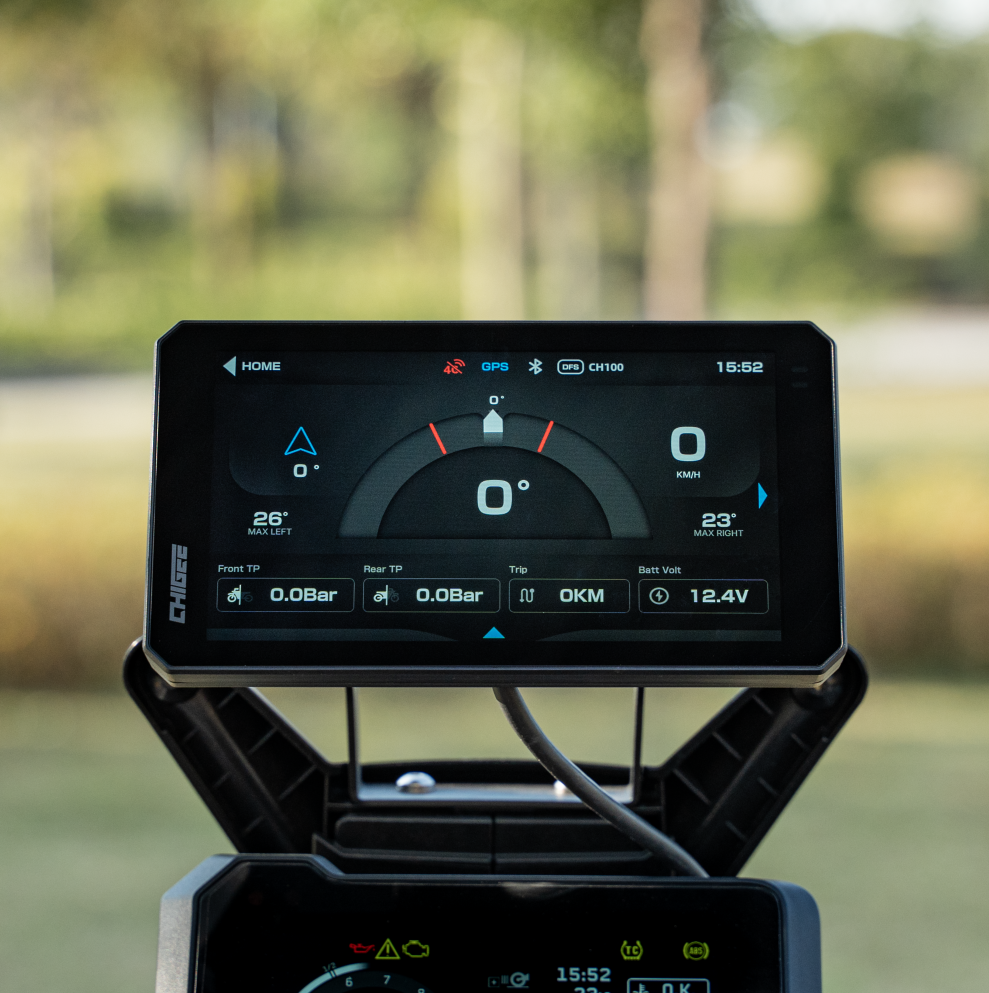
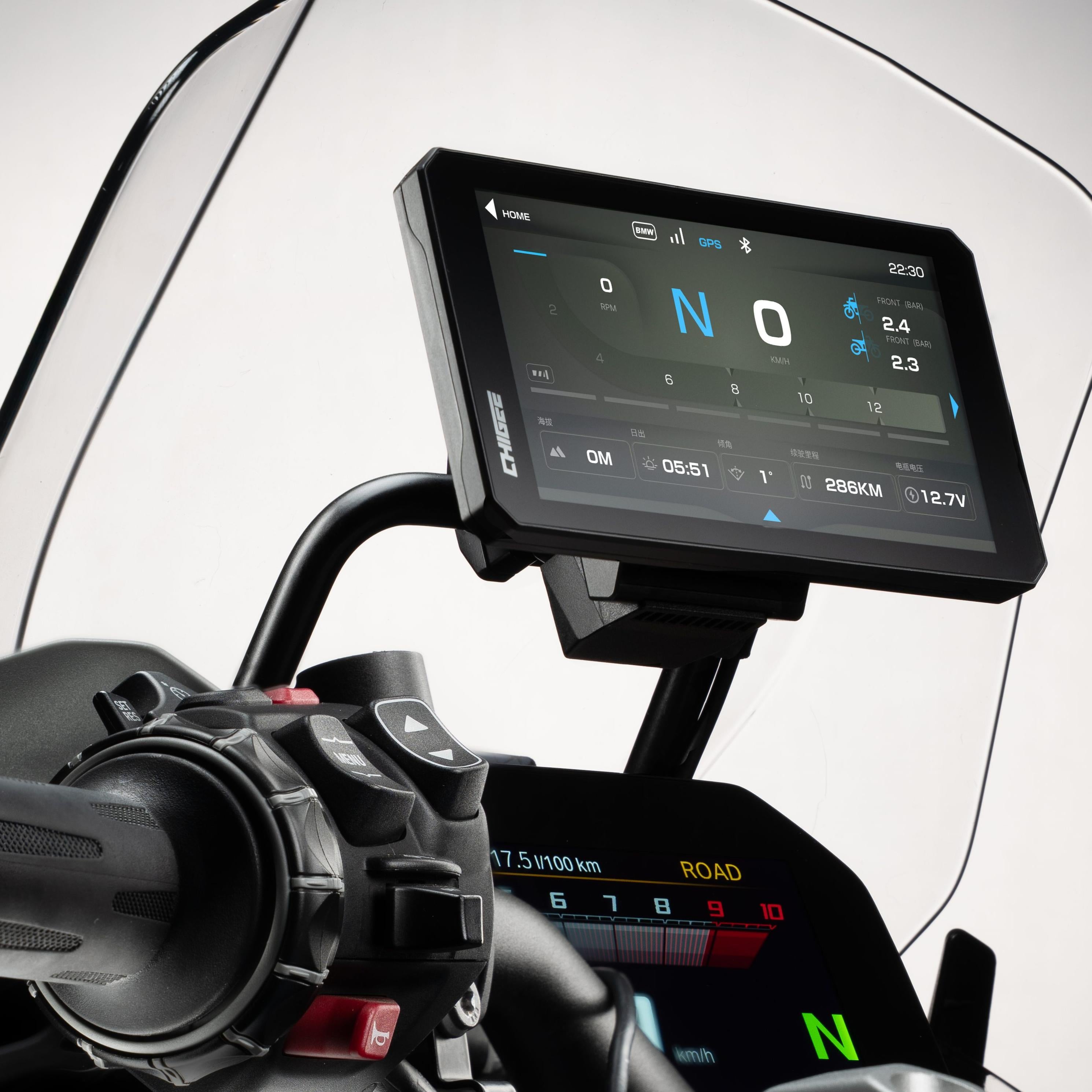
SR-1 può essere abbinato a Display CHIGEE compatibili per mostrare avvisi radar direttamente sullo schermo. È inoltre possibile accedere alle impostazioni radar dal menu del display e attivare avvisi acustici tramite gli altoparlanti del display.
Quando SR-1 è collegato a un Display CHIGEE compatibile, l'installazione delle strisce luminose ambra incluse è opzionale. Il radar può funzionare normalmente con il solo display, e gli avvisi appariranno sullo schermo.
Le strisce luminose ambra sono principalmente per uso autonomo senza un display CHIGEE, o per i motociclisti che desiderano un avviso visivo aggiuntivo.
Avvisi visivi e avvisi sonori
Il modulo radar SR-1 e le luci indicatori forniscono solo avvisi visivi. Non producono avvisi sonori da soli.
Per ricevere avvisi radar udibili, devi abbinare SR-1 a un display CHIGEE compatibile e attivare gli avvisi sonori nelle impostazioni del display.
Limitazione delle cuffie Bluetooth I suoni di avviso radar non possono essere trasmessi a un auricolare Bluetooth. Anche se il telefono o il display CHIGEE sono collegati a un auricolare Bluetooth, i suoni di avviso radar SR-1 verranno riprodotti solo tramite l'altoparlante integrato del display CHIGEE.
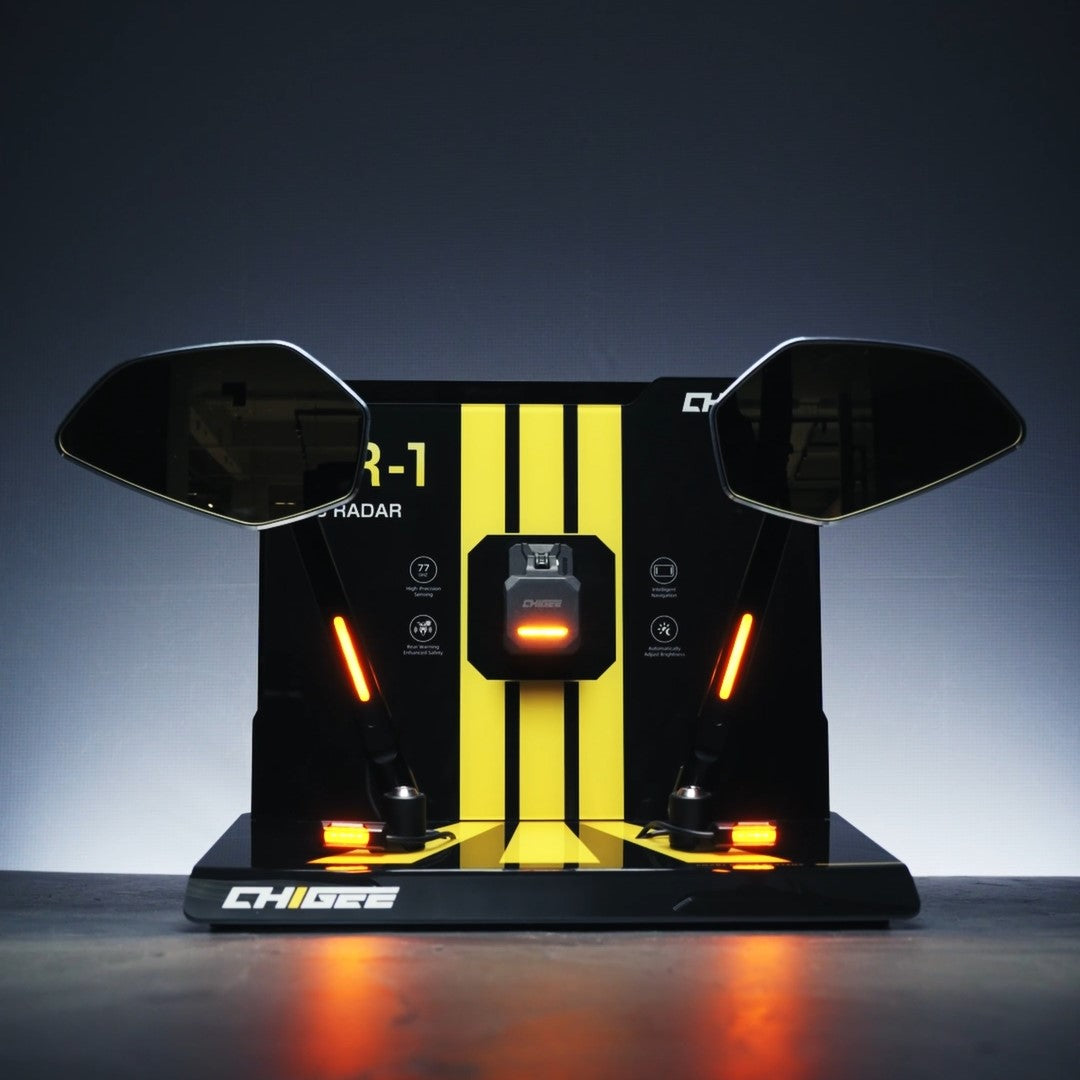
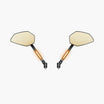
Gli specchietti retrovisori radar CG sono aggiornamenti opzionali per SR-1.
Combina lo specchietto retrovisore e l'indicatore di avviso radar in un'unica configurazione integrata, aiutando a mantenere più pulito il cruscotto pur offrendo avvisi radar visivi.
Questi specchietti non sono inclusi nel pacchetto standard SR-1 a meno che non siano selezionati specificamente all'acquisto.
Guida all'installazione di base
L'installazione SR-1 include tre passaggi principali:
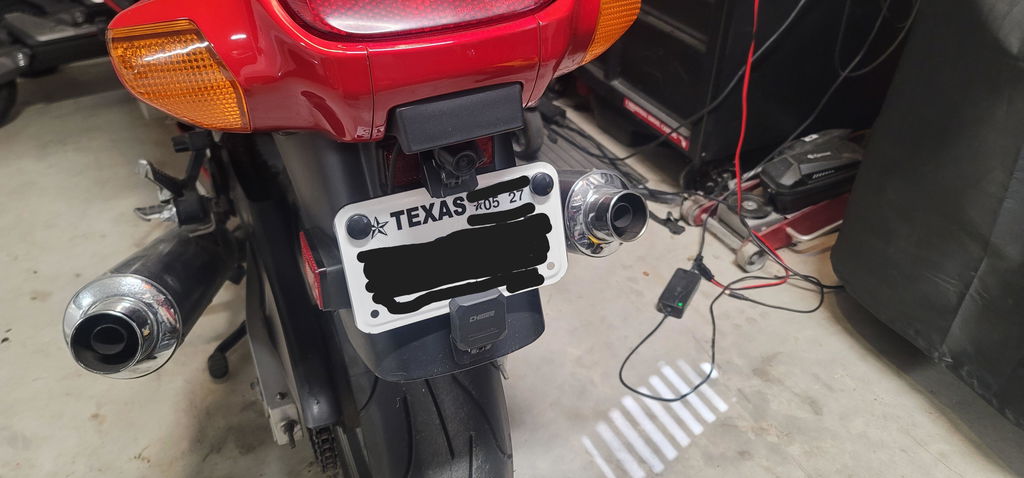
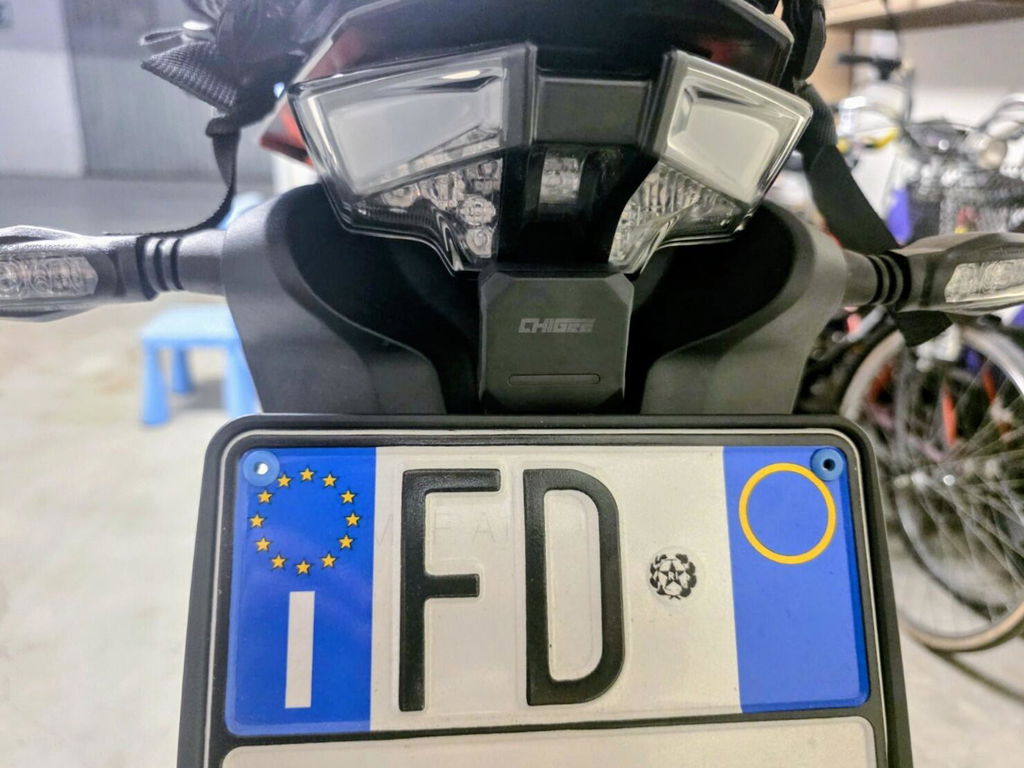
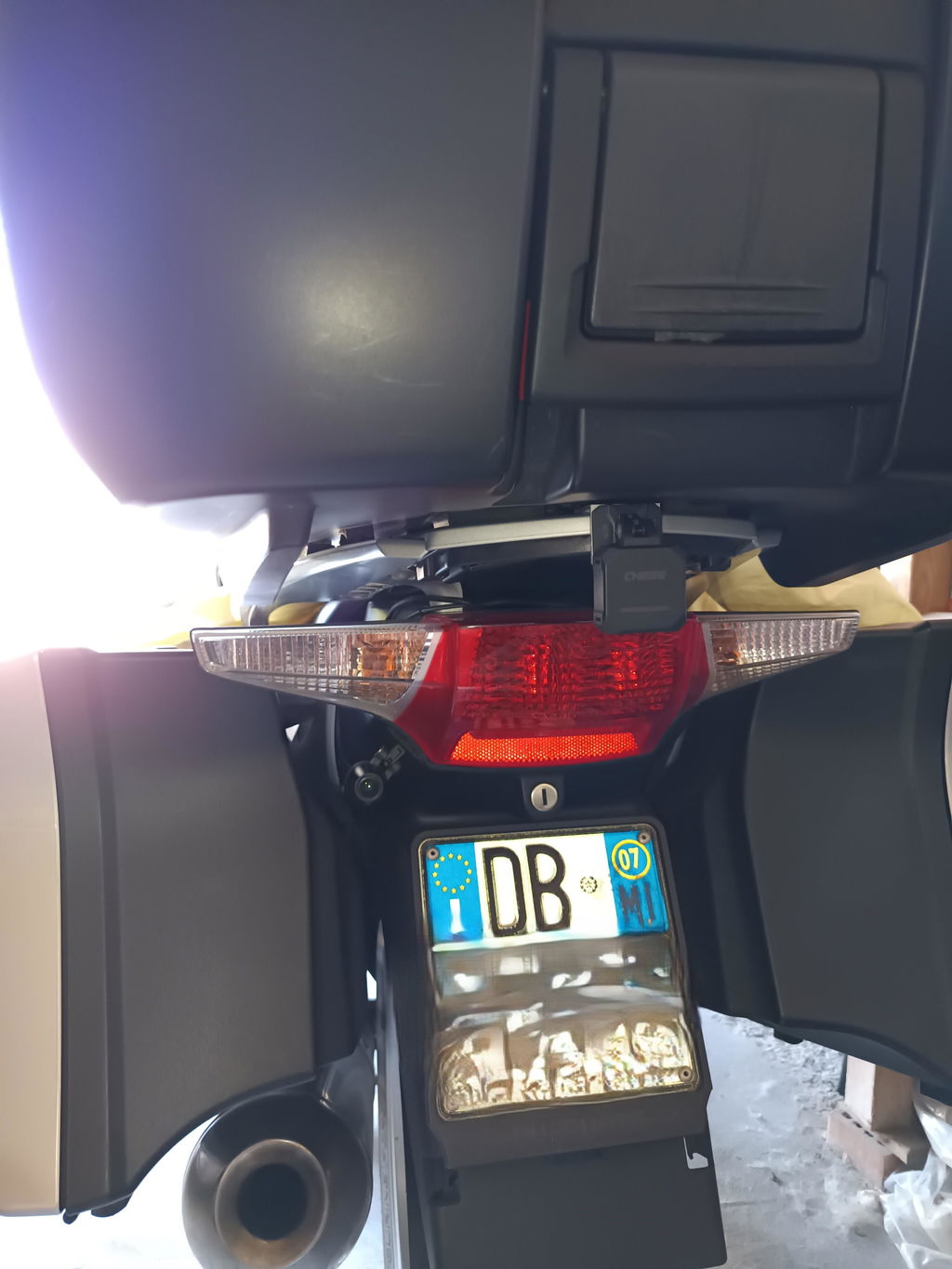
1. Installazione del modulo radar Montare il modulo radar sul retro della motocicletta. Assicurarsi che sia fissato saldamente, rivolto all'indietro e non bloccato da bagagli, pannelli laterali, portatarga o altri accessori.
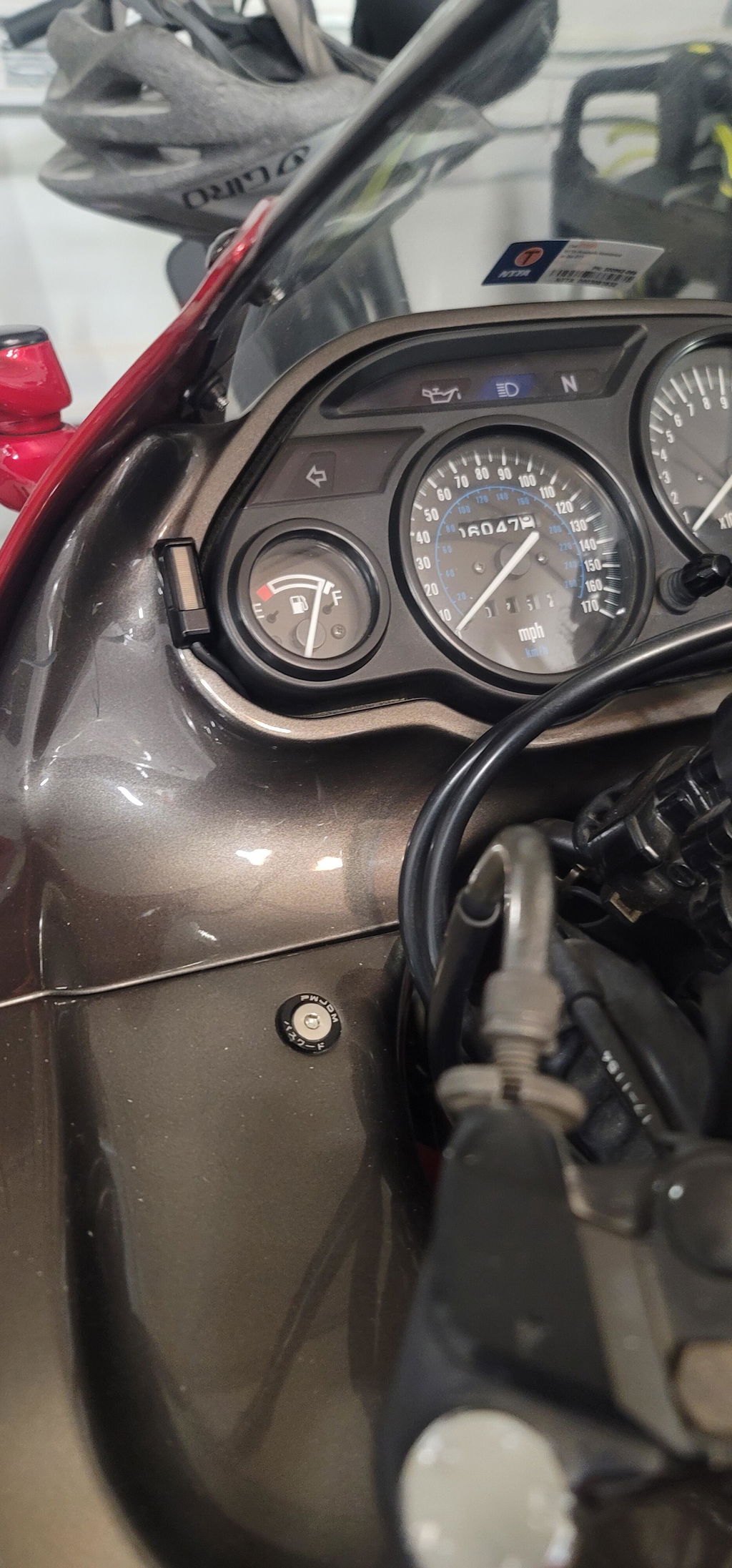
2. Installazione della luce di avviso Installare le due luci di avviso in posizioni chiaramente visibili al motociclista. Possono essere attaccate agli specchietti retrovisori originali o installate con le staffe di avviso M10 opzionali.
Nota: Se si utilizza SR-1 con un display CHIGEE compatibile, è possibile scegliere di usare il modulo radar solo con il display, senza installare le luci di avviso esterne. Il sistema fornirà comunque avvisi radar tramite il display.
3. Cablaggio del prodotto Collegare il cablaggio SR-1 secondo il diagramma di cablaggio nel manuale utente. Dopo aver completato il cablaggio, accendere il sistema e verificare che le luci di avviso funzionino normalmente.
Per i motociclisti che desiderano un riferimento visivo durante l'installazione, l'YouTuber AdvExplorerOz ha creato un video che include sezioni utili che mostrano il processo di installazione del SR-1.
Tempi consigliati:
09:37— CHIGEE SR-1 Hex EzCan / MotoCAN connessione e configurazione
12:04— Routing del cavo CHIGEE SR-1
Usa questo video come riferimento visivo insieme almanuale ufficiale SR-1. Il cablaggio effettivo può variare a seconda del modello e della configurazione della motocicletta.
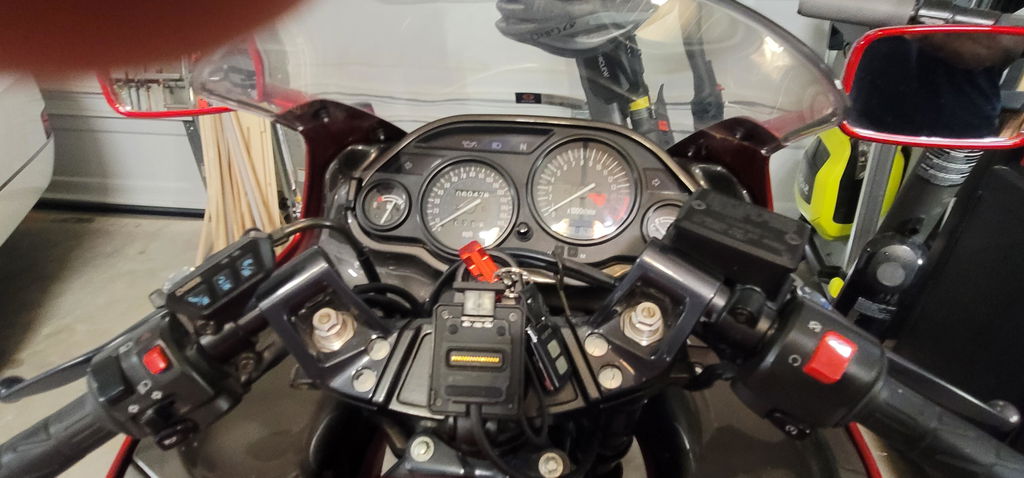
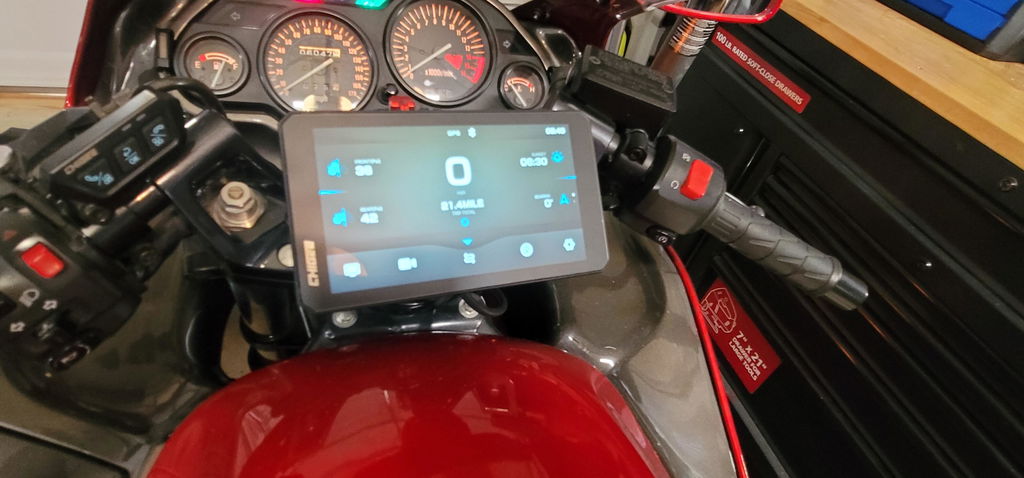
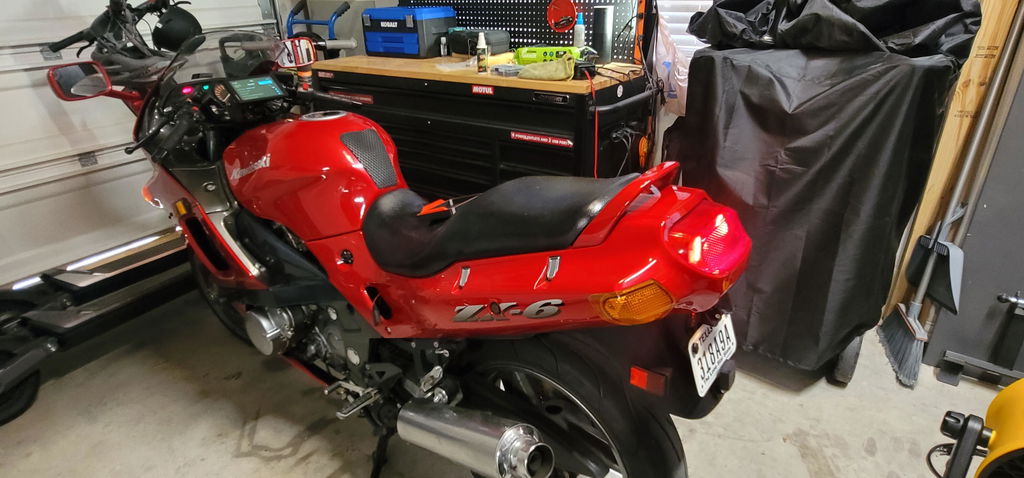
L’SR-1 è fantastico. Ho una Kawasaki Ninja ZX-600 del 2002. Chigee mi ha permesso di modernizzare la mia Motocicletta a tal punto che non sento la necessità di acquistarne una nuova. L’SR-1 è stato facile da installare ed è un enorme aiuto per la consapevolezza della situazione intorno a me. Sullo schermo Chigee posso vedere i veicoli intorno, cosa c’è nell’angolo cieco e cosa si sta avvicinando rapidamente e potrebbe finire nell’angolo cieco. Poter monitorare questi aspetti mentre uso anche la vista (nulla sostituisce il guardare realmente) è un vantaggio per la sicurezza di tutti i motociclisti, soprattutto per le moto che non dispongono di questa tecnologia. Onestamente, il sistema è così valido e affidabile che mi fido quanto del sistema BSD della mia auto.
Pellicola protettiva per schermo AIO-6, indispensabile per un utilizzo anti-riflesso e senza impronte. È la mia terza Chigee, tutte protette con queste pellicole… facile da installare, semplice rimuovere bolle e residui con i fogli adesivi inclusi. Non risparmiate su questo passaggio!
I materiali sono di buona qualità, il manuale di installazione è essenziale, ma sul sito sono disponibili video esplicativi. Per chi non ha uno schermo AIO, l'app risulta un po' basilare e potrebbe essere più completa nelle regolazioni.
Sono davvero soddisfatto del risultato, la risoluzione video è davvero eccezionale. Ho dovuto trovare la posizione ideale per le telecamere da cruscotto avendo già installato il radar.
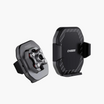
Ho dovuto comprare una vite a testa esagonale per usarla
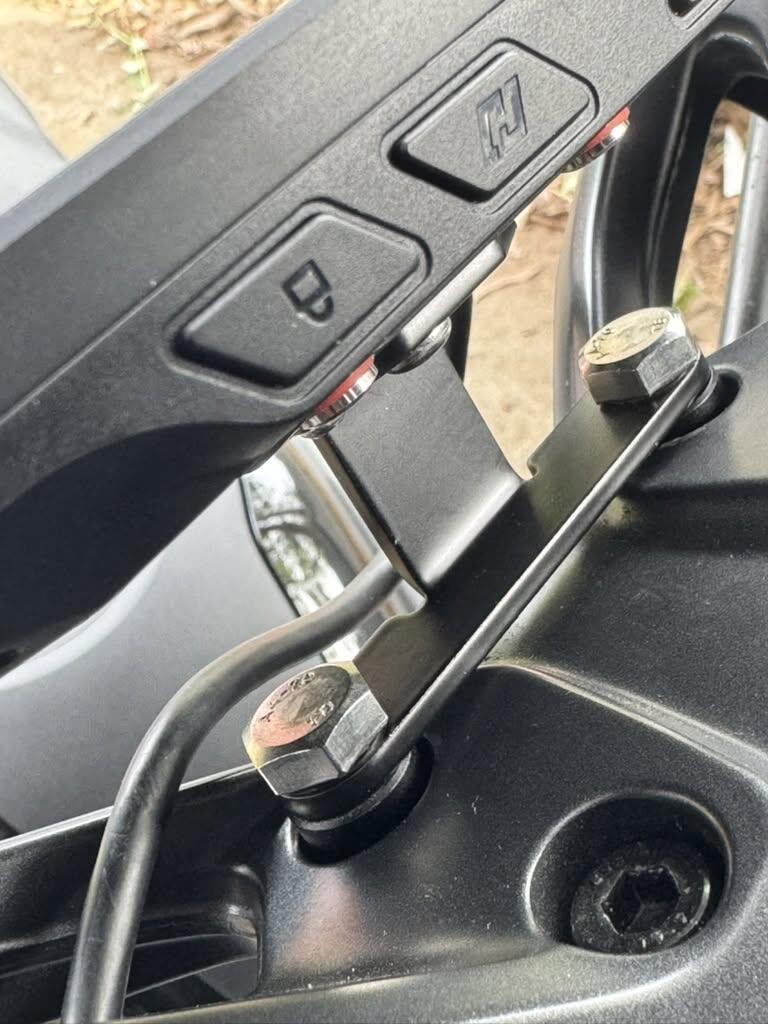
Per installare l’unità principale senza supporto a sgancio rapido, non c’è abbastanza spazio per una chiave a brugola per fissare i bulloni. Ho dovuto sostituire i bulloni con bulloni esagonali in acciaio inox marino, che ho potuto fissare con una chiave a cricchetto. Se si utilizza il supporto a sgancio rapido, è possibile che si possano usare i bulloni a testa brugola. La staffa non offre opzioni di regolazione, tuttavia sono soddisfatto dell’angolazione prevista dal design.
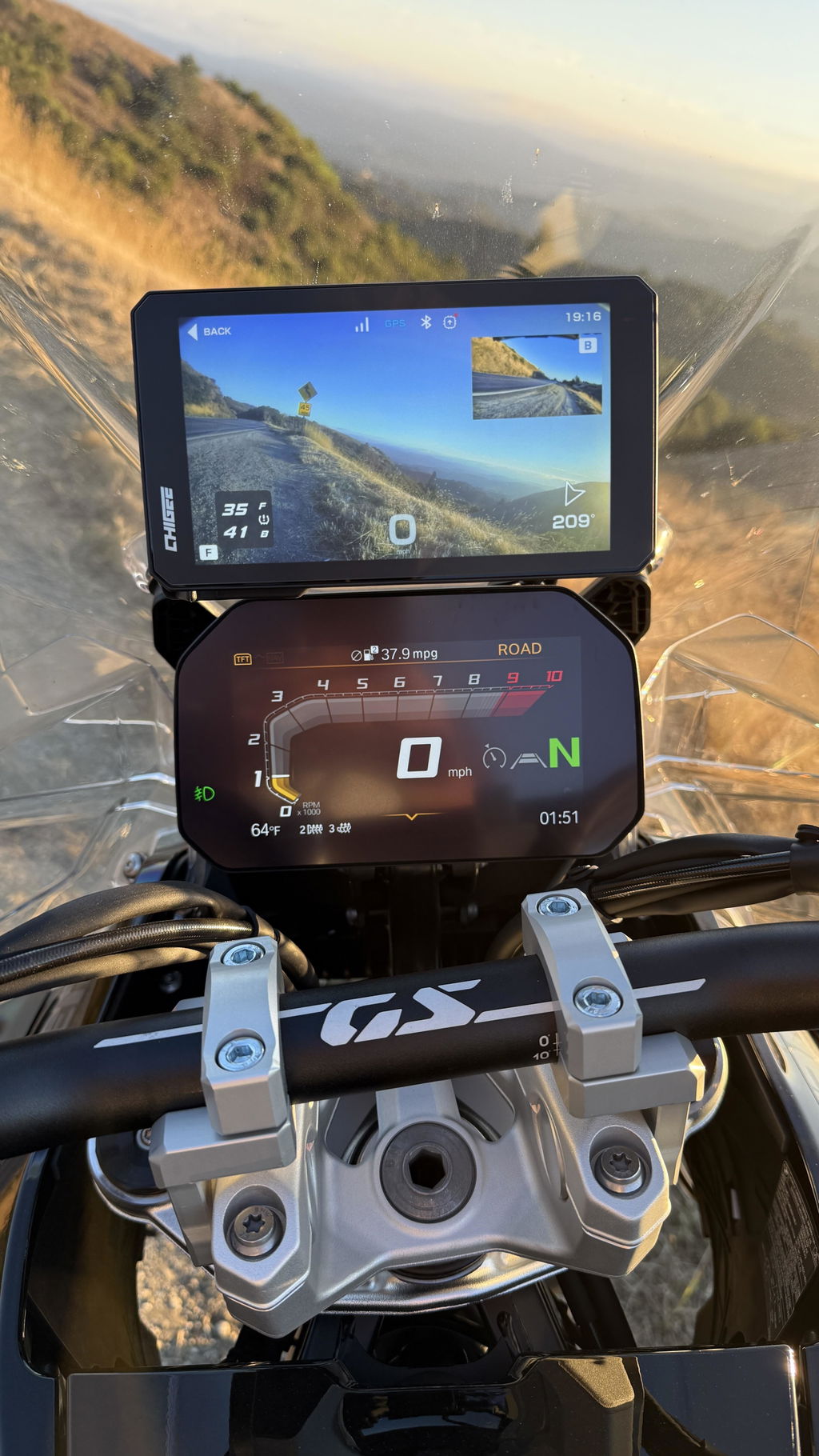
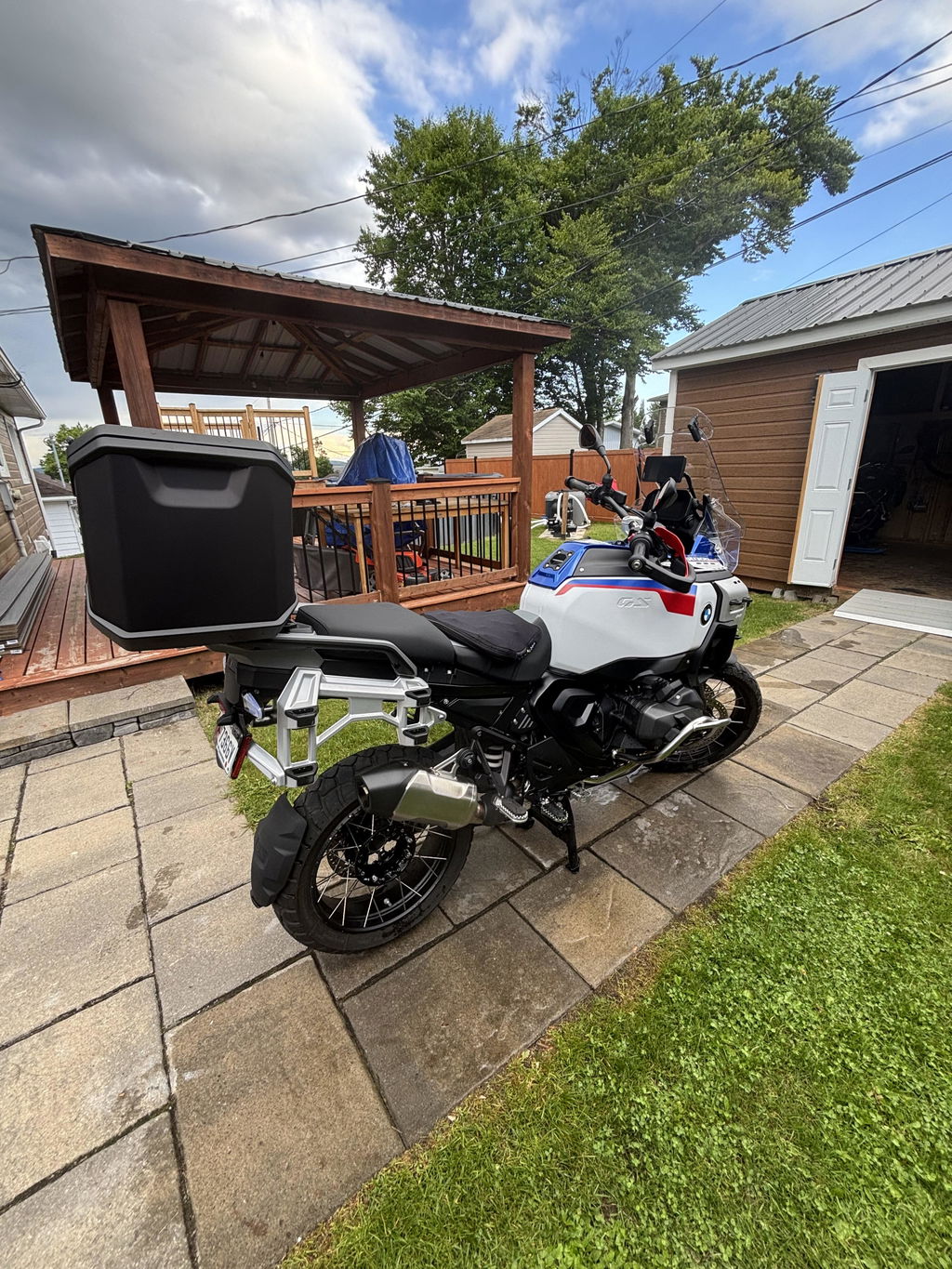
Davvero un ottimo accessorio per il mio R1300 GSA del 2026
Davvero un ottimo accessorio per il mio R1300 GSA del 2026, abbastanza plug and play, perfettamente integrato con le comunicazioni Sena, schermo di alta qualità con lente antiriflesso (dovrebbe essere installato di default), ottimo rapporto qualità-prezzo, e lo schermo potrebbe essere leggermente più grande.