

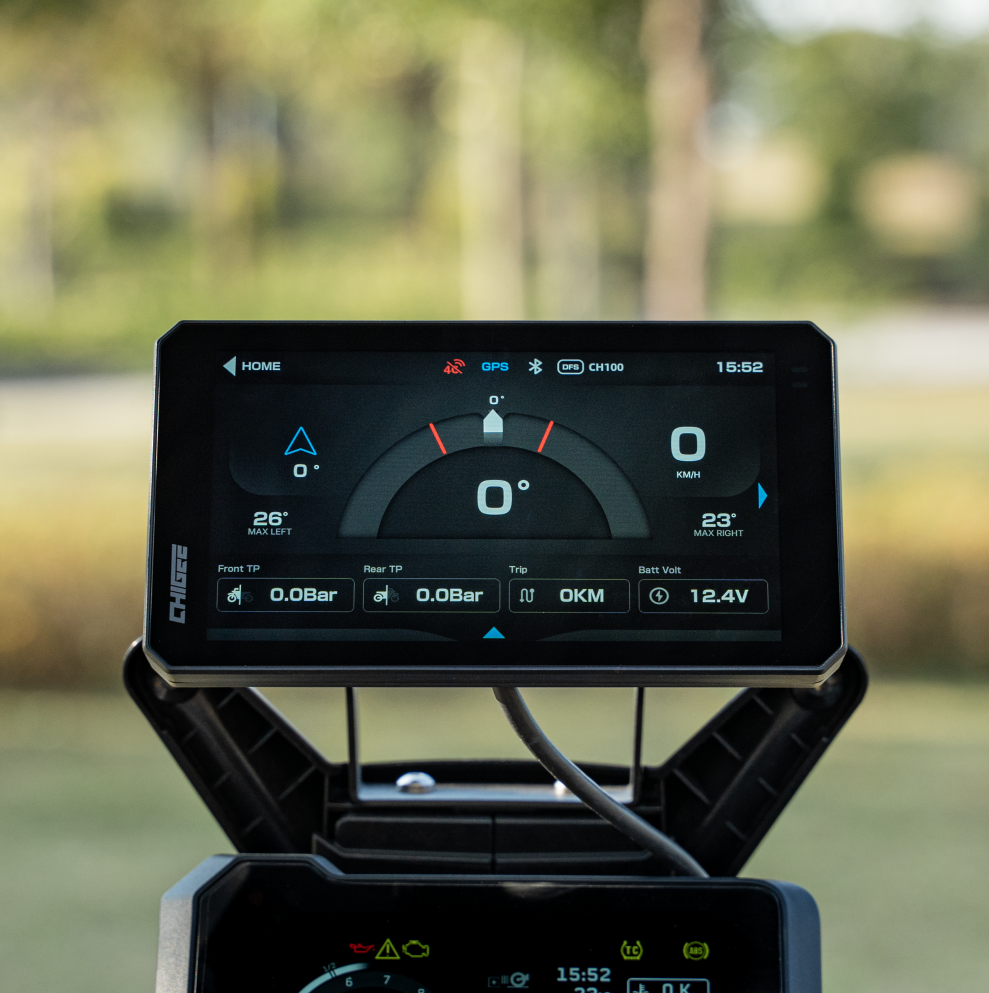
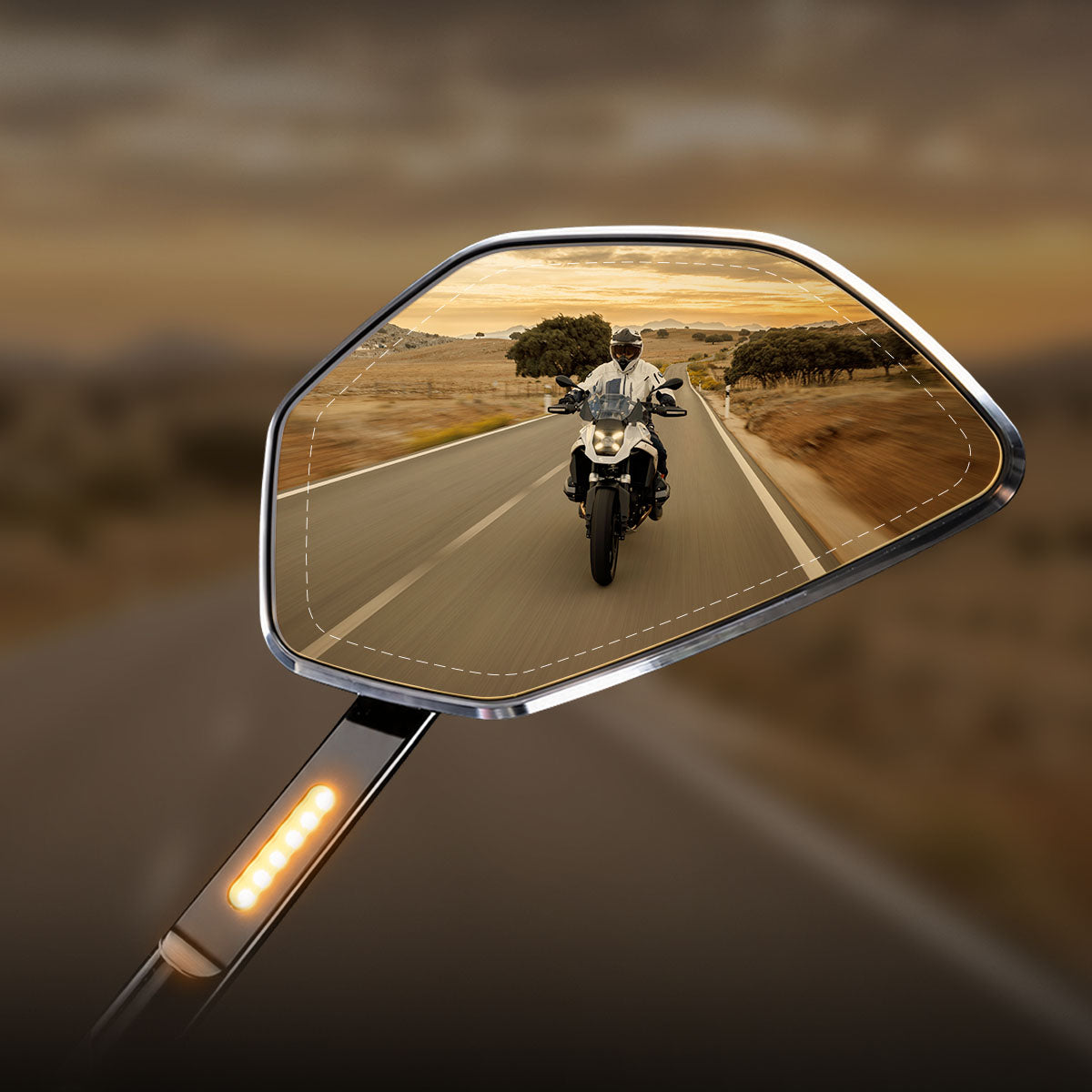
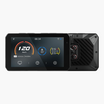
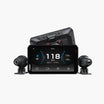
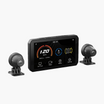
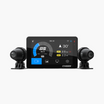

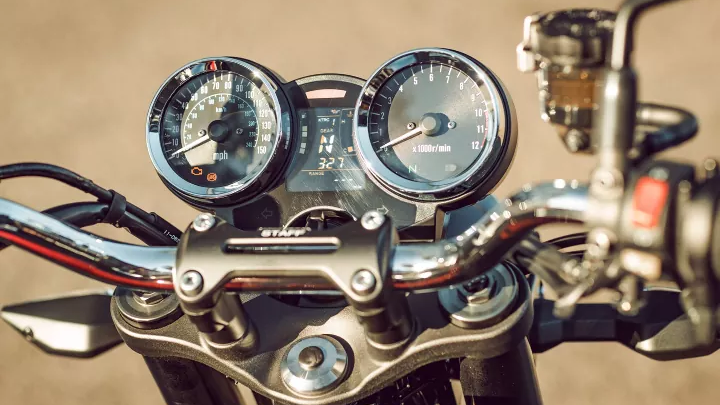
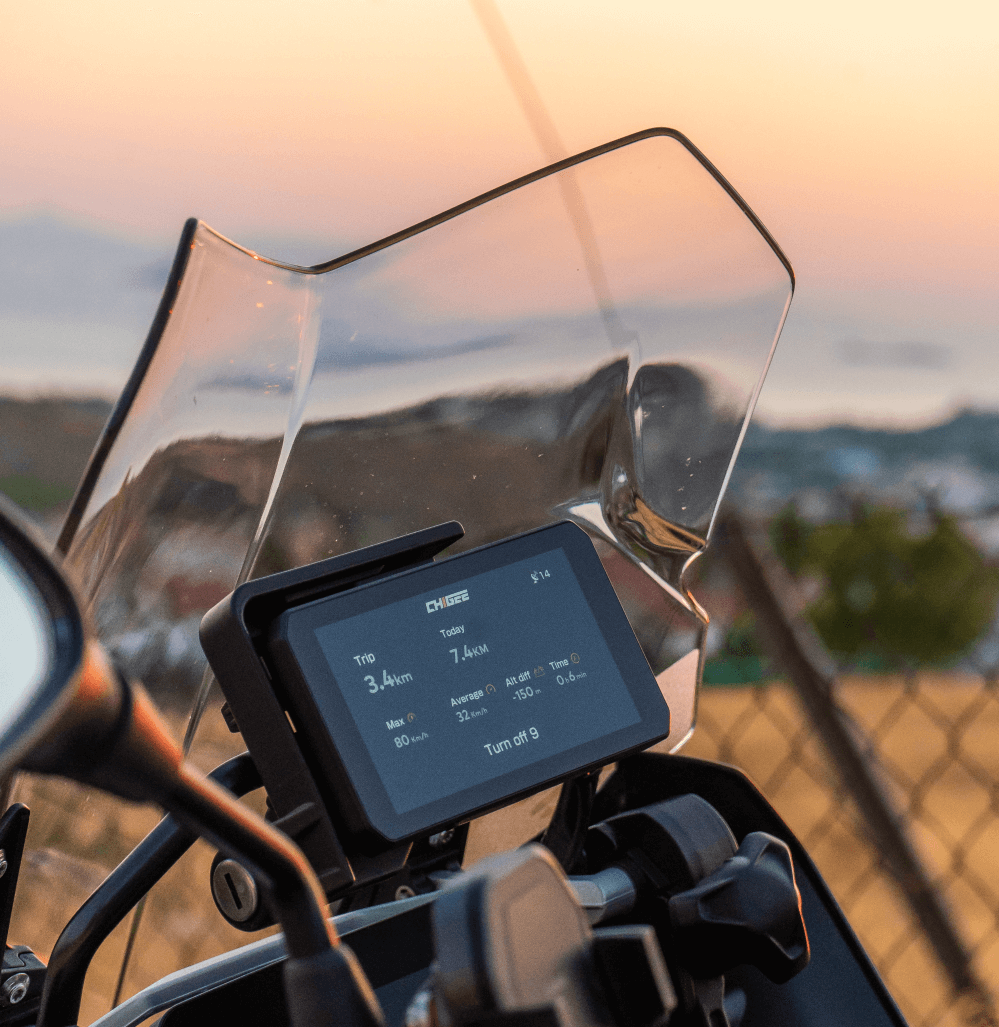
A motorcycle display isn't something you interact with while sitting at a desk. You use it under direct sunlight, through unexpected rain, at highway speeds, and sometimes with thick winter gloves.
A seven-inch screen might sound better than a six-inch one. A higher brightness rating might seem like the obvious winner. But how do these numbers translate into actual riding?
And what happens when you want more than navigation—such as recording a scenic mountain ride, monitoring your tire pressure, or removing your display before leaving the motorcycle parked overnight?
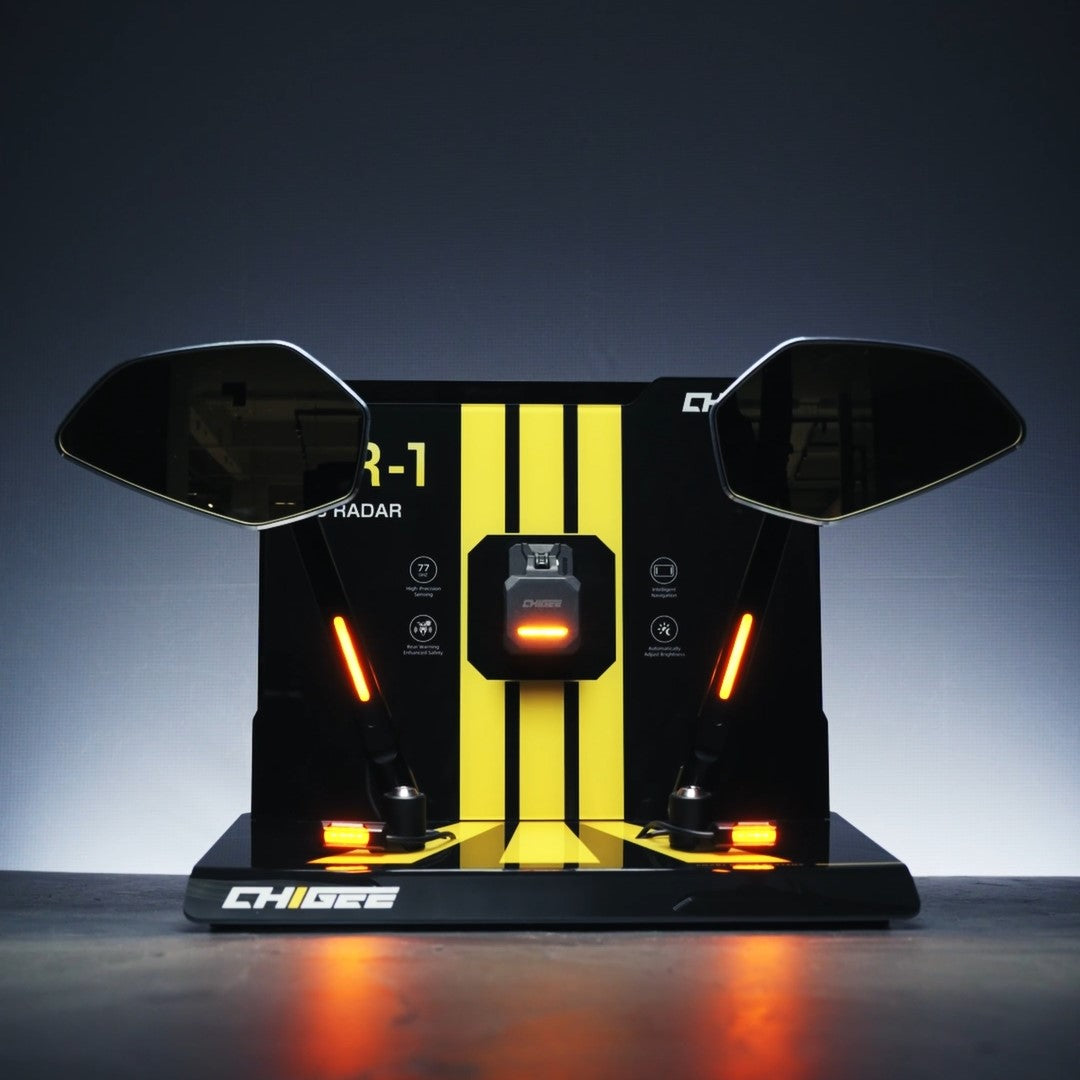
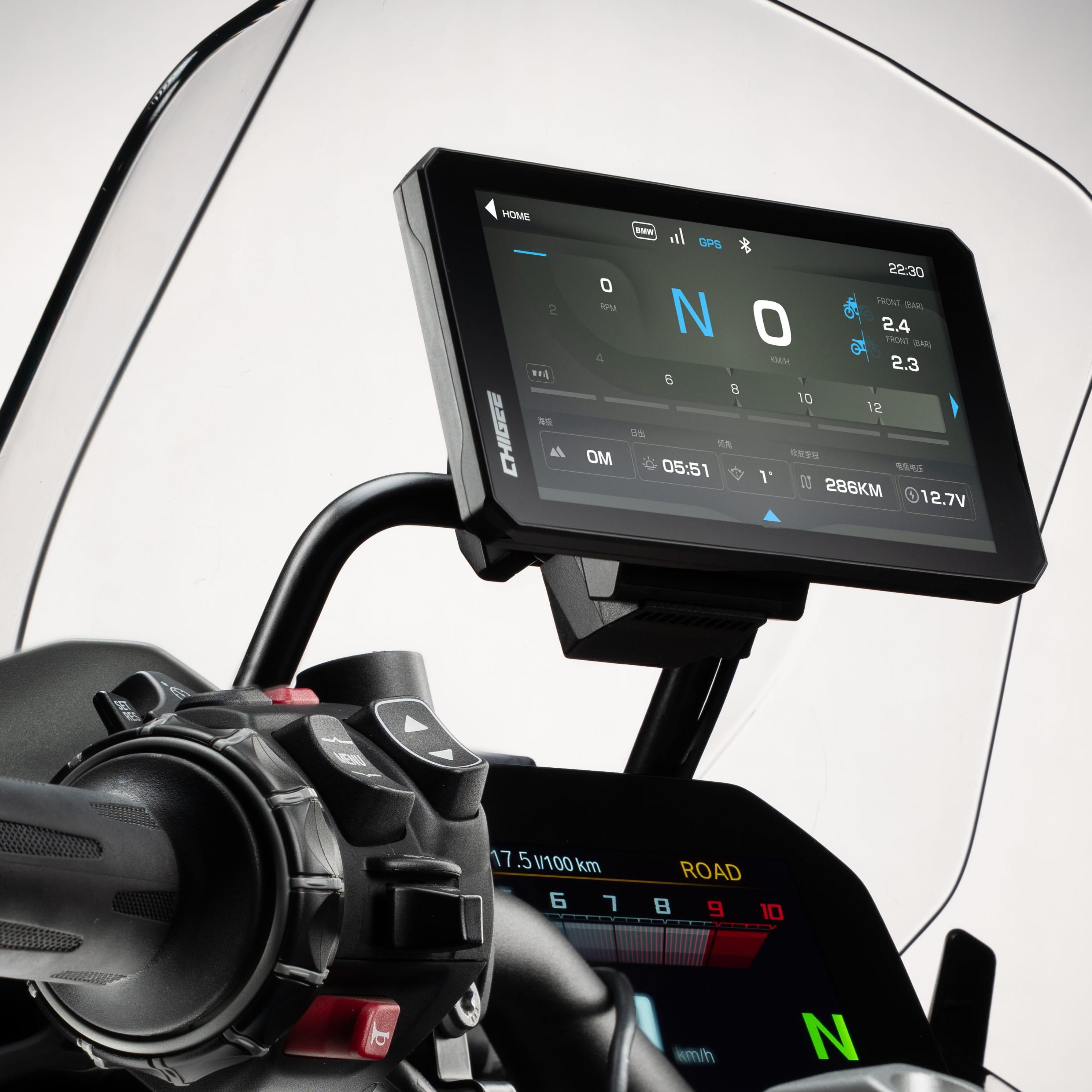
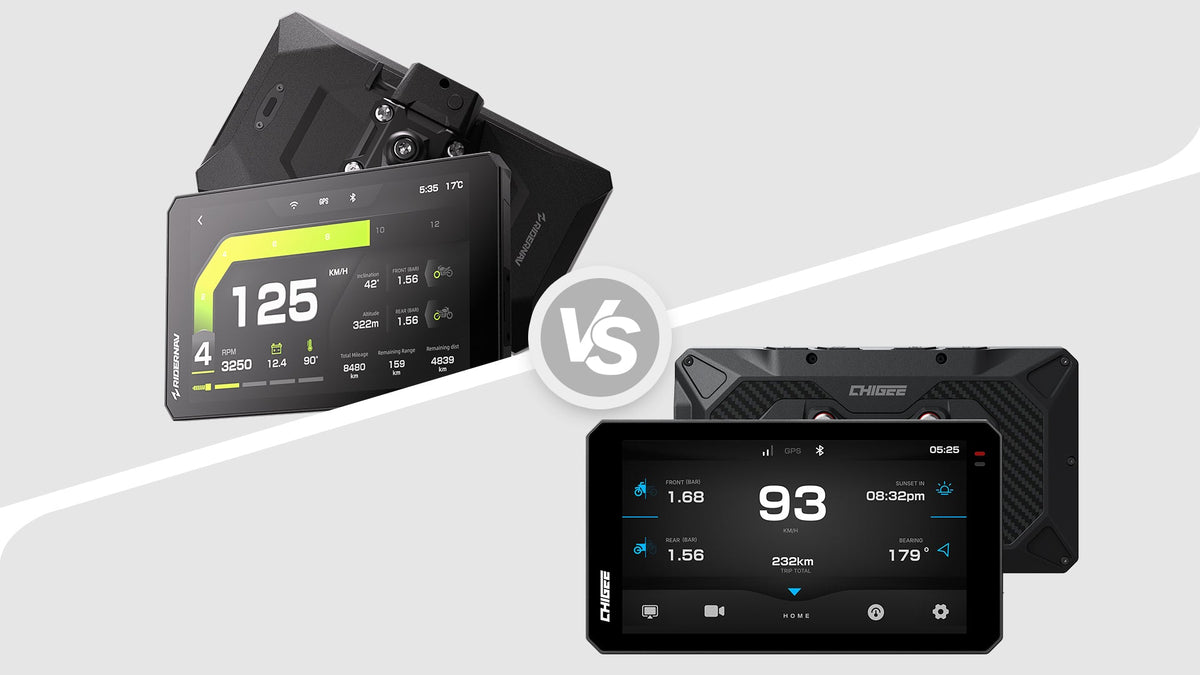
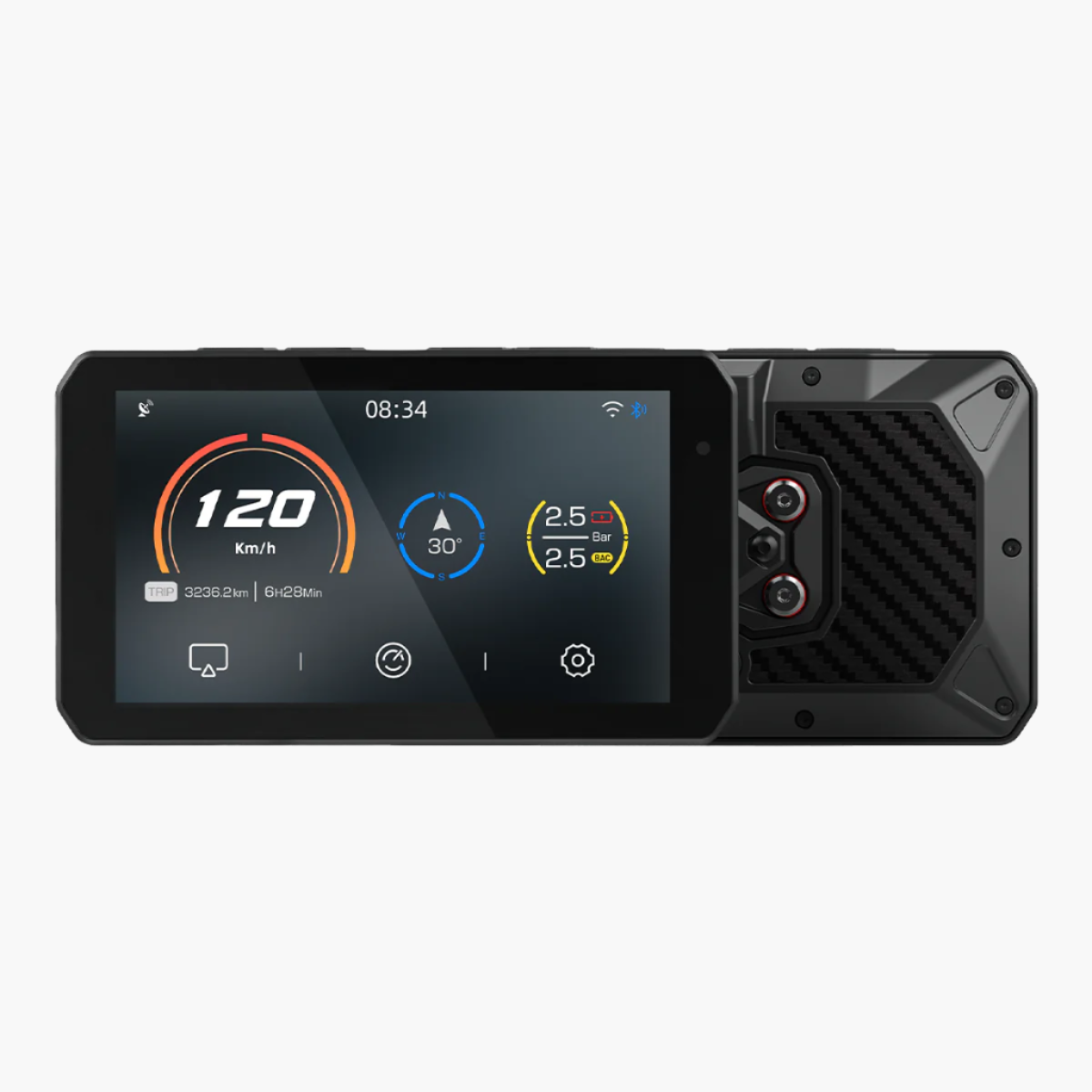
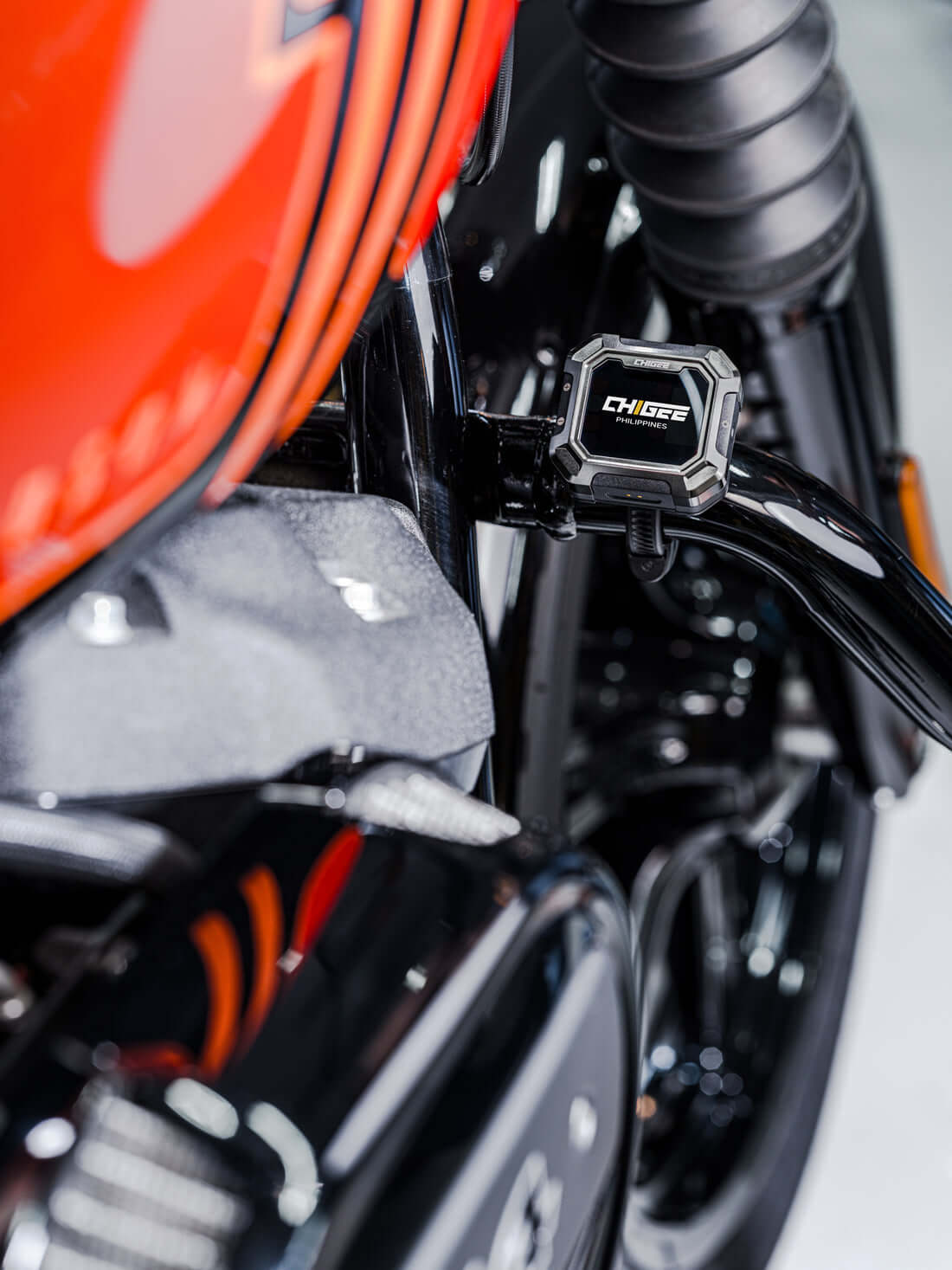
The CHIGEE AIO-6 Max, AIO-6 LTE, and RIDERNAV R7X approach these needs with different combinations of hardware, software, and accessories.
Let's look at what matters on the road, not just what appears on the specification sheet.
Screen Size vs. Brightness: What Matters on a Sunny Ride?
Imagine riding through the mountains on a clear summer afternoon. The sun is directly overhead, your helmet visor is down, and you're approaching an unfamiliar junction.
You need to identify the next turn with a quick glance. Here's where screen specifications become relevant.
| Display Specification | CHIGEE AIO-6 | RIDERNAV R7X |
|---|---|---|
| Screen size | 6 inches | 7 inches |
| Resolution | 1280 × 720 | 1280 × 720 |
| Published peak brightness | 2,300 nits | 1,200 nits |
| Refresh rate | Up to 60 fps | Up to 60 fps |
| Protection rating | IP69K | IP69K |
| Wireless CarPlay / Android Auto | Supported | Supported |
Bigger Doesn't Always Mean Easier to Read
The RIDERNAV R7X has a seven-inch screen, giving it approximately 36% more display area than a six-inch screen with the same aspect ratio.
That extra space can be useful when following a complicated route or checking the map at a glance.
However, both displays use the same 1280 × 720 resolution. The AIO-6 therefore packs the same number of pixels into a smaller area.
A larger screen is not automatically sharper, just as a smaller screen is not automatically easier to use. Viewing distance, interface layout, and mounting position all matter.
Brightness Becomes Important Under Direct Sunlight
CHIGEE publishes a peak brightness of 2,300 nits for the AIO-6, compared with RIDERNAV's published 1,200 nits for the R7X.
That's approximately 92% higher on paper.
In bright conditions, a display with greater available brightness may help maintain readability, particularly when sunlight reaches the screen directly.
But brightness specifications don't tell the entire story. Reflections, display coatings, viewing angles, and automatic brightness behavior also affect what riders actually see.
The figures above are manufacturer-published specifications, not the results of an independent side-by-side outdoor test.


What About Gloves, Rain, and Rough Roads?
A touchscreen works differently when you're wearing thick gloves or riding over uneven pavement.
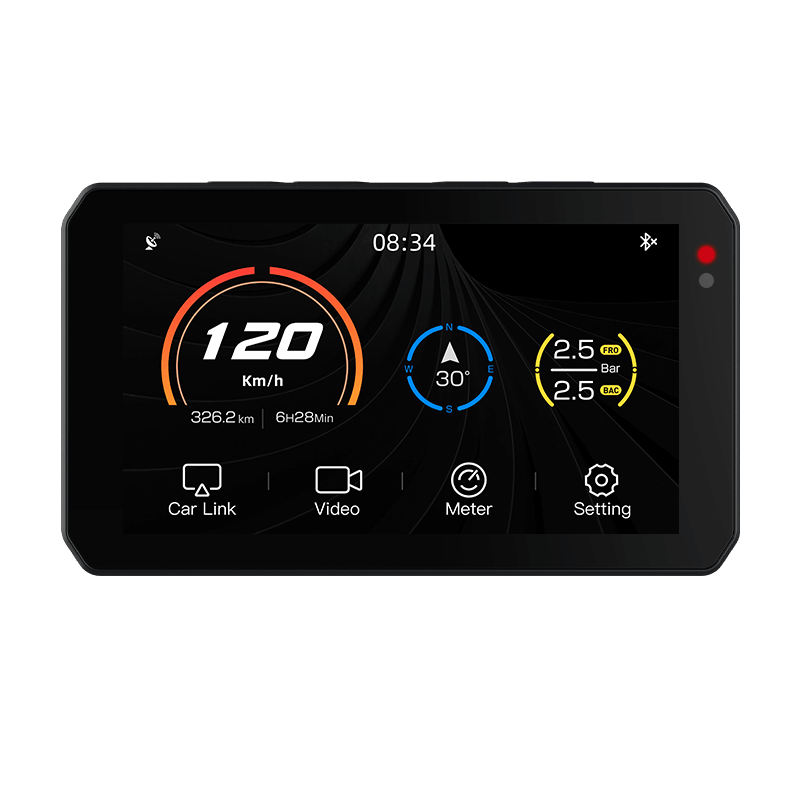
Both devices are designed for motorcycle use and support touch interaction. The AIO-6 also includes four physical buttons for functions such as returning home, switching views, controlling recording, and locking the screen.
That provides another way to interact with the device when touch operation is inconvenient.
For example, during a rainy commute, locking the screen can help prevent unintended touch inputs caused by water.
The practical difference: The R7X provides a larger viewing surface, while the AIO-6 combines a higher published brightness specification with dedicated physical controls. Which matters more depends on your typical lighting, mounting position, and riding conditions.
Navigation and Connectivity: What Happens During a Real Journey?
Picture a weekend ride that begins in the city, continues along winding country roads, and ends at a campsite with limited mobile coverage.
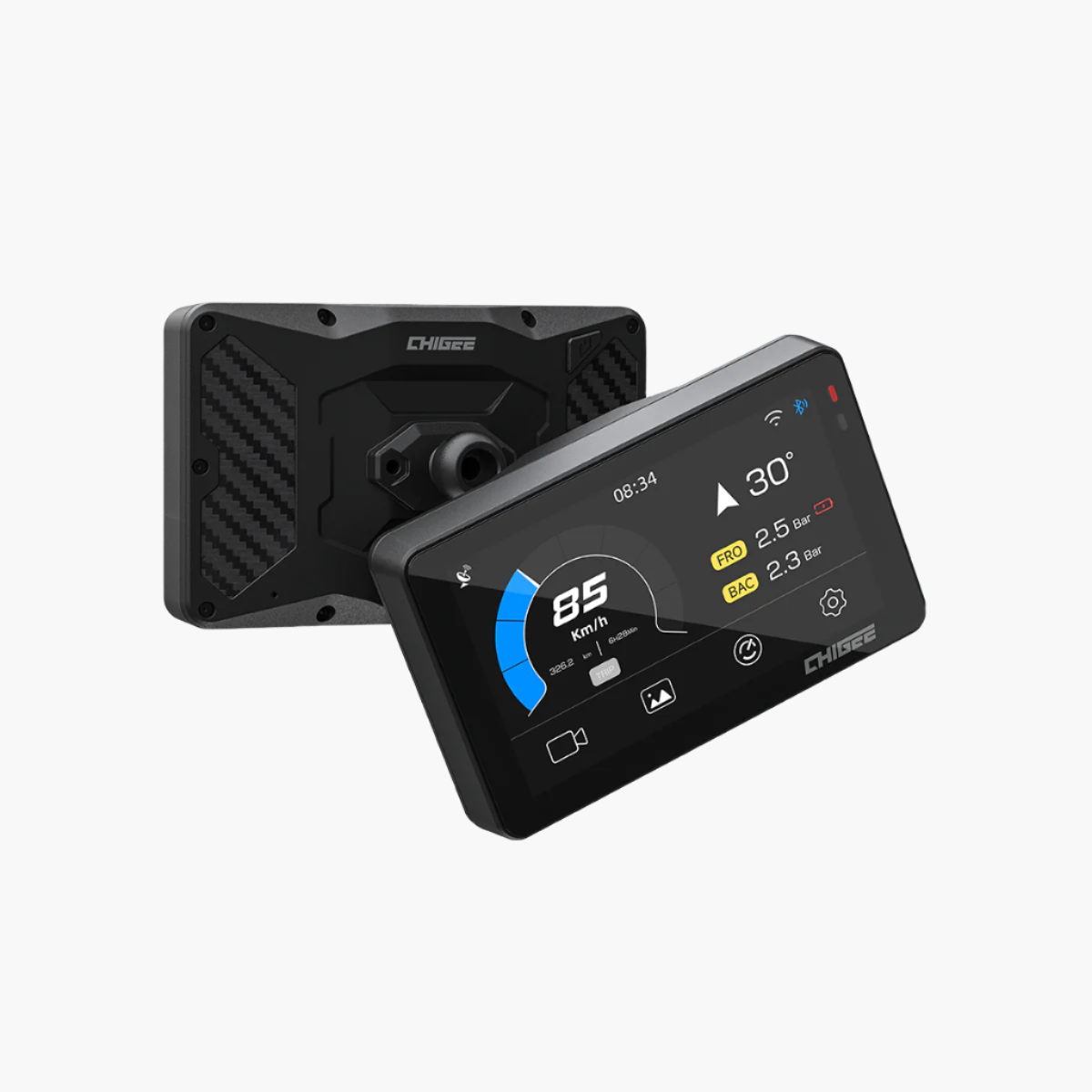
Both CHIGEE AIO-6 and RIDERNAV R7X support wireless Apple CarPlay and Android Auto.
That means riders can access compatible navigation apps, music, phone functions, and supported messaging features through a dedicated motorcycle display.
You can use familiar navigation apps without mounting your smartphone directly in front of you.
But neither CarPlay nor Android Auto automatically guarantees offline navigation. Whether maps continue working without cellular coverage depends on the app and whether the necessary map data has been downloaded.
What Changes When You Choose AIO-6 LTE?
The CHIGEE AIO-6 LTE adds 4G connectivity to the standard smartphone-projection experience.
This enables supported features such as:
- Remote motorcycle location tracking.
- Geofencing notifications.
- Motorcycle vibration alerts.
- Remote access to supported camera functions.
- Emergency SOS features, subject to service conditions.
Consider a touring rider who parks outside a hotel overnight.
With a properly installed and configured AIO-6 LTE, supported location and alert features can provide additional information about the parked motorcycle.
The AIO-6 Max and RIDERNAV R7X do not offer the same built-in AIO-6 LTE service package.
These connected functions require an active SIM card, suitable coverage, and applicable service arrangements. Certain parked-motorcycle functions may also require an appropriate constant-power installation.
It's an important distinction: the AIO-6 LTE is not simply a navigation display with an internet connection. Its cellular features are intended to extend the system's usefulness beyond the time you're actively riding.
For someone who parks in a private garage and only uses navigation, these features may be unnecessary. For a frequent traveler who parks in unfamiliar locations, they may be worth considering.
Cameras and Recording: Two Different Ways to Capture a Ride
Imagine riding through a scenic mountain pass.
You want footage of the landscape for a travel video. At the same time, you'd like to have a record of what happens around your motorcycle during regular commuting.
These are two different recording requirements.
Action Camera Control: Both Systems Have Something to Offer
Both CHIGEE AIO-6 and RIDERNAV R7X offer integration with compatible external action cameras.
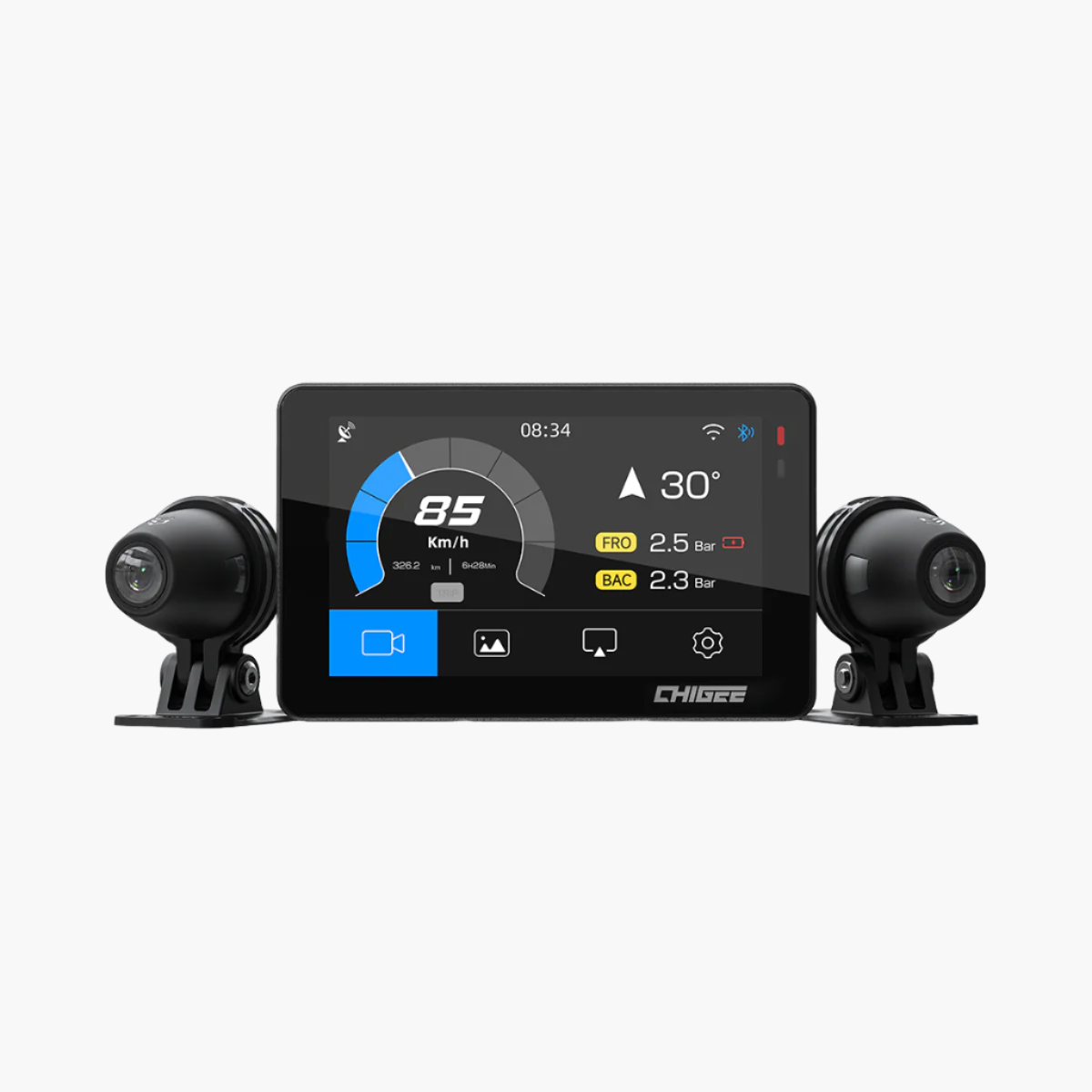
CHIGEE AIO-6 supports real-time live preview of compatible action cameras directly on the display. With Action Camera MegaView & Control, riders can see what the camera is capturing and adjust their framing before recording, while using on-screen controls for supported camera functions.
For compatible Insta360 and GoPro models, the AIO-6 offers both live preview (MegaView) and camera control. Compatible DJI models currently support camera control only, without live preview. Specific functions depend on the camera model and firmware version.
RIDERNAV also supports compatible action camera controls. Available functions and supported models should be checked against its latest compatibility information.
For a rider who already owns an action camera, this is a practical feature on both devices.
For example, before filming a mountain road, a rider using a compatible Insta360 or GoPro can check the live camera view directly on the AIO-6 screen and start recording using the display controls, instead of guessing whether the camera is framed correctly.
Integrated Dashcams: A Different Kind of Recording
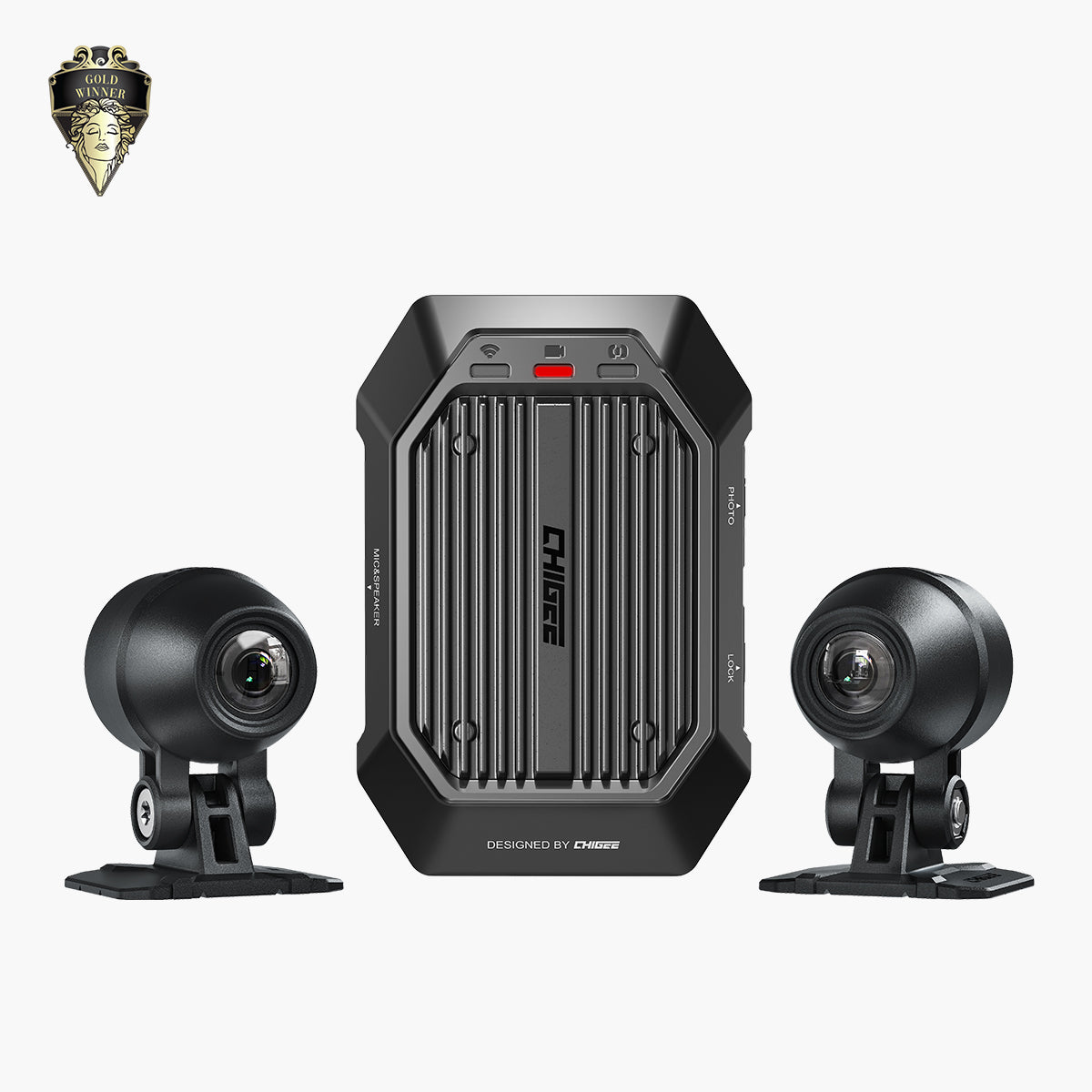
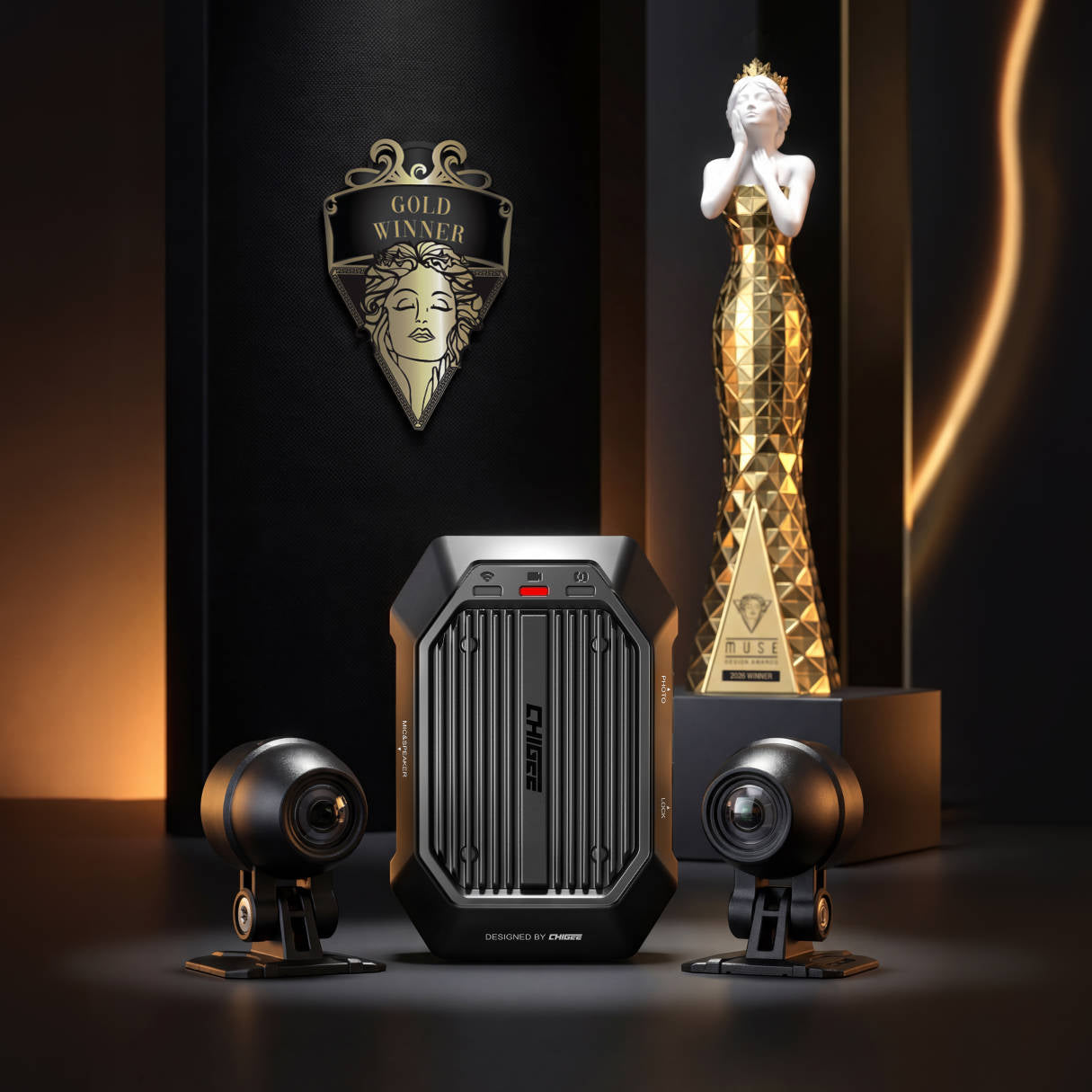
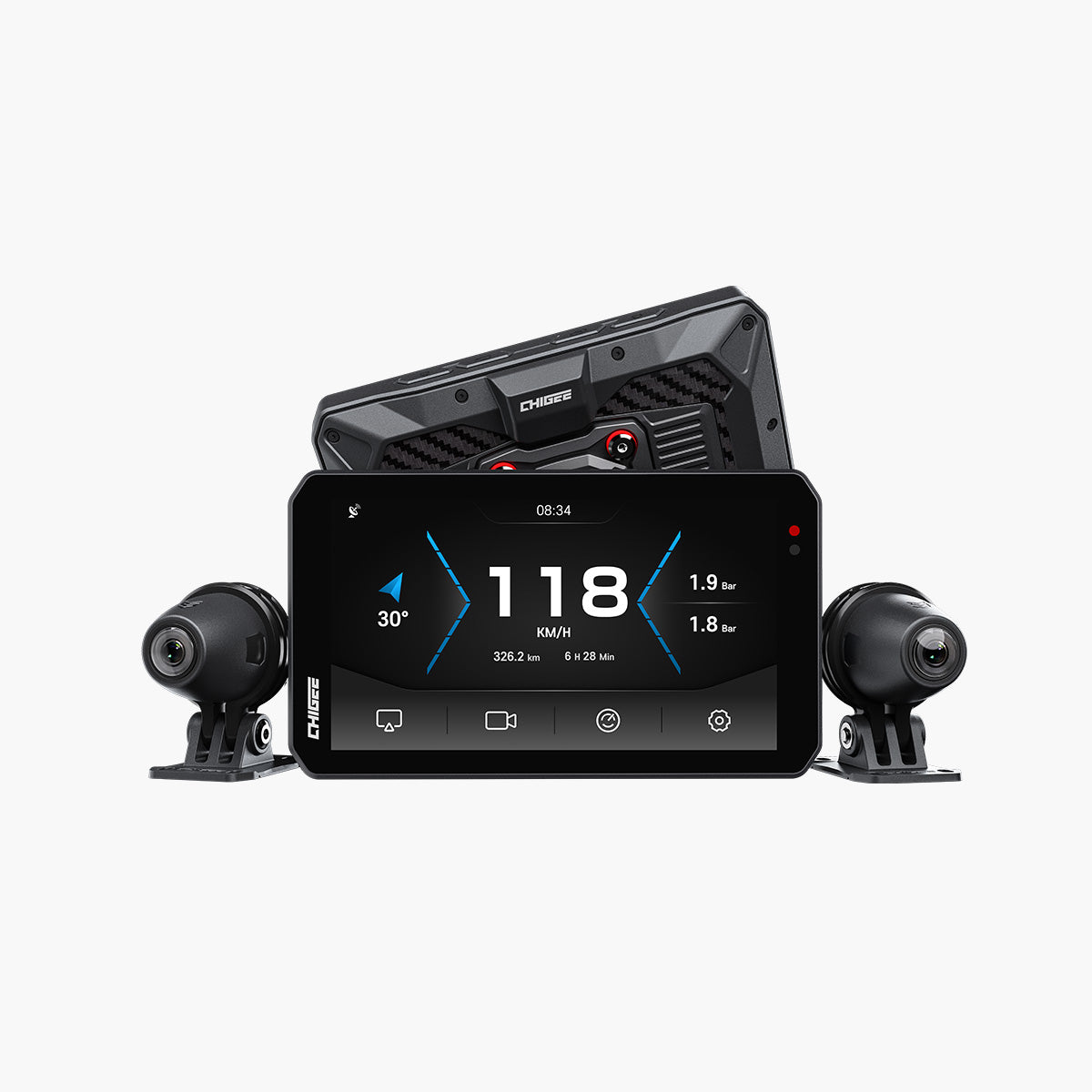
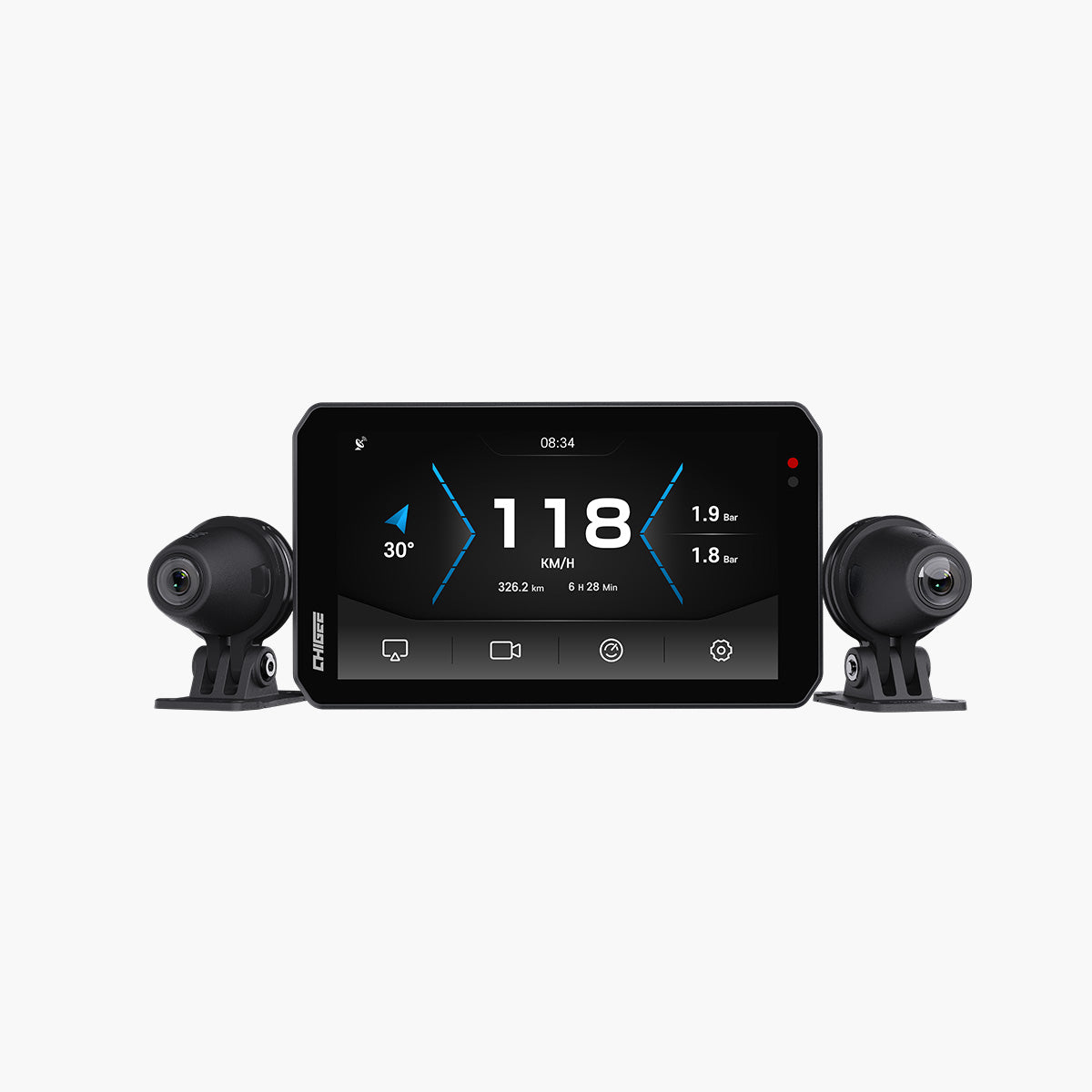
The CHIGEE AIO-6 Series also supports an optional front-and-rear camera system.
Unlike a removable action camera used primarily to capture selected footage, a permanently installed motorcycle recording system is designed to work as part of the bike's electronics.
Consider the difference between two situations.
On a weekend tour, you may want cinematic footage from an Insta360 or GoPro.
During a routine commute, you may prefer front-and-rear recording that starts as part of your normal riding setup, without repeatedly mounting and charging a separate action camera.
The optional AIO-6 camera system provides this additional type of recording capability.
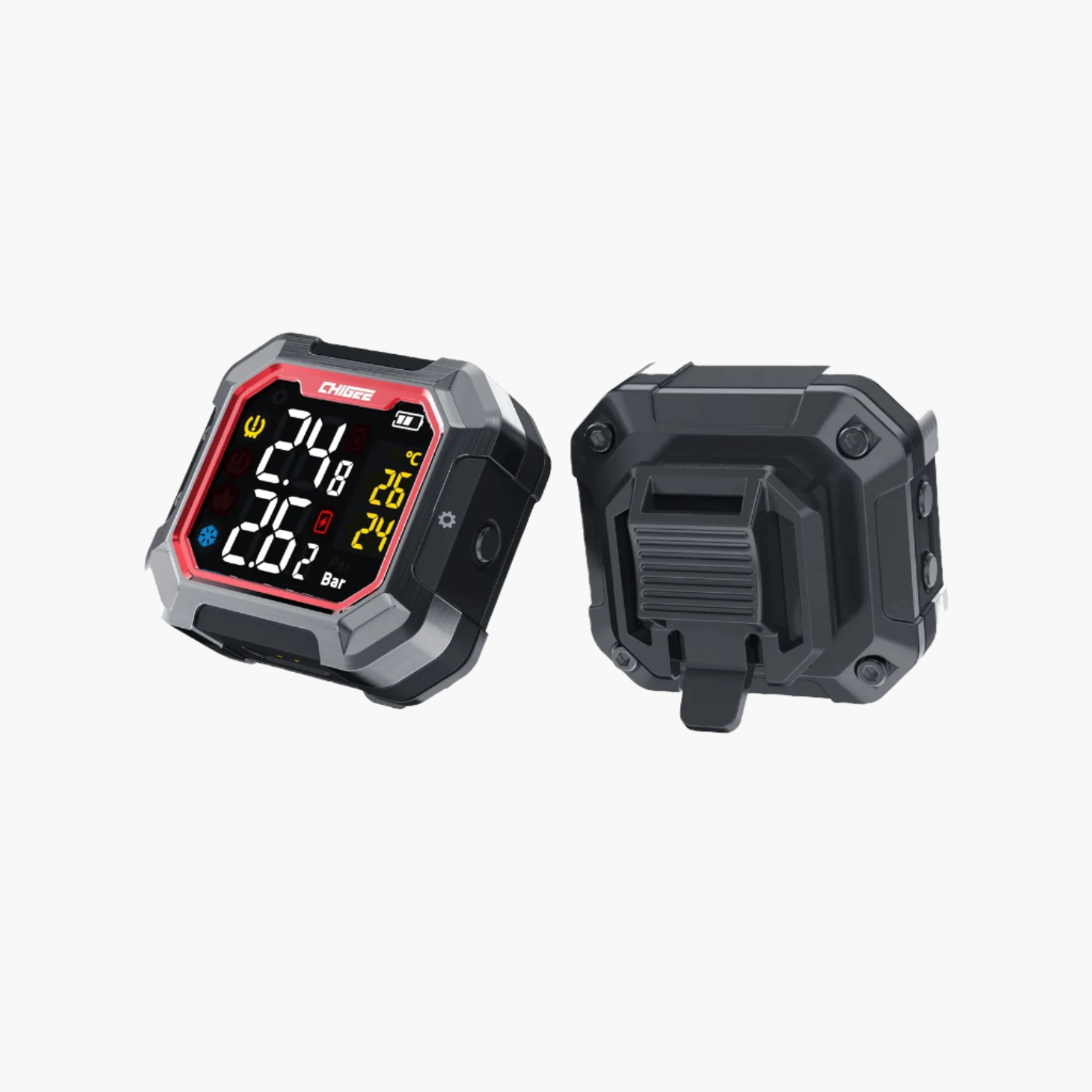
The AIO-6 platform also supports CHIGEE's optional motorcycle-specific accessories, including tire-pressure monitoring and compatible vehicle-data solutions, subject to model and installation requirements.
For riders who only need a display to control an action camera, an integrated recording system may add unnecessary cost.
But for someone who wants navigation, action camera control, and permanent motorcycle recording in one setup, CHIGEE offers a broader range of configurations.
The practical difference: The AIO-6 combines real-time preview and control for compatible Insta360 and GoPro action cameras with the option of a separate integrated front-and-rear recording system. That gives riders a way to check their travel footage framing while also choosing dedicated recording for everyday journeys. RIDERNAV's supported action-camera functions should be checked for each compatible model.

Installation and Quick Release: What Happens When You Park?
A motorcycle display should be convenient not only while riding, but also when you stop.
Imagine commuting to work and parking your motorcycle on the street for eight hours.
Would you prefer to leave the screen mounted, or remove it and take it with you?
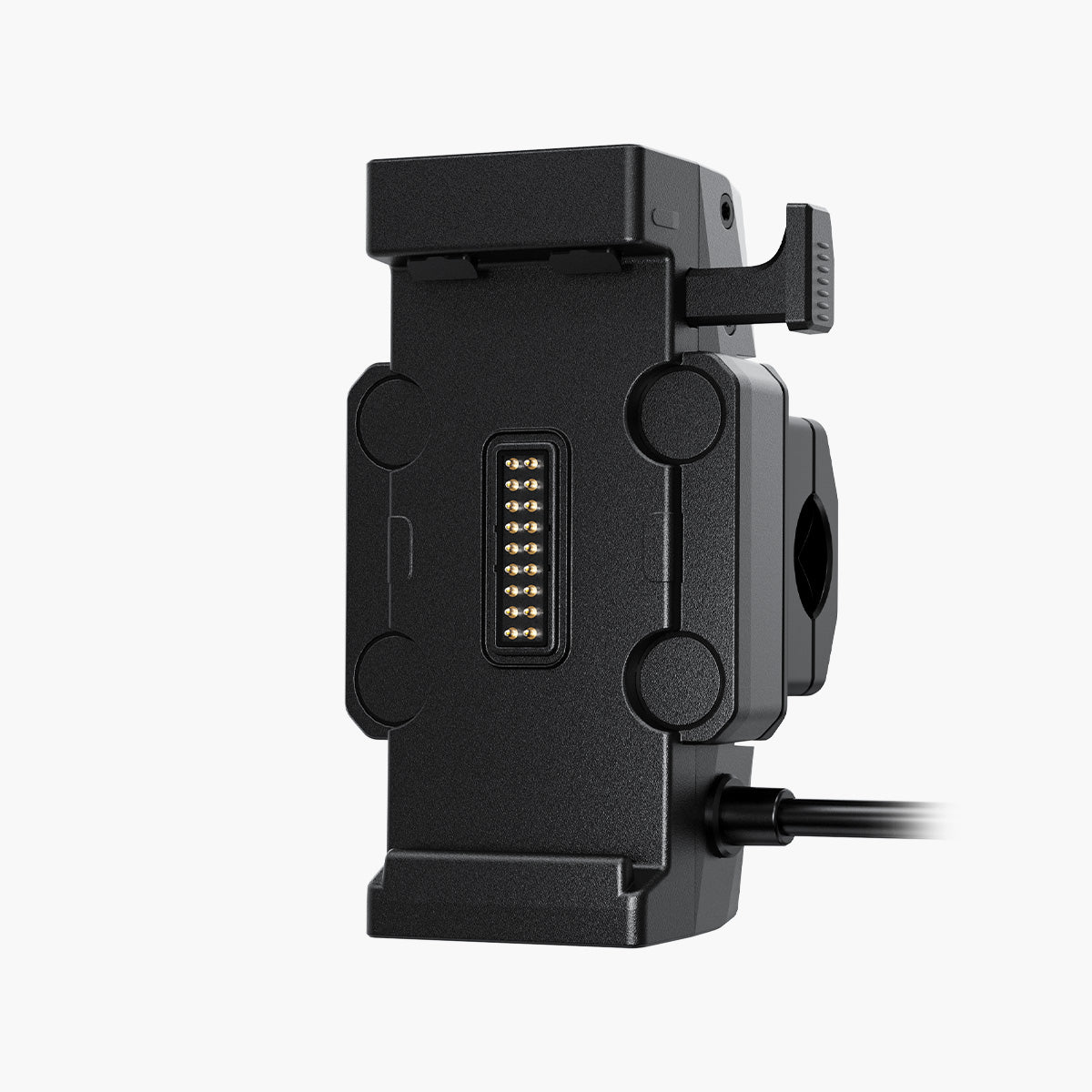
The RIDERNAV R7X includes a quick-release mounting arrangement designed to make daily removal convenient.

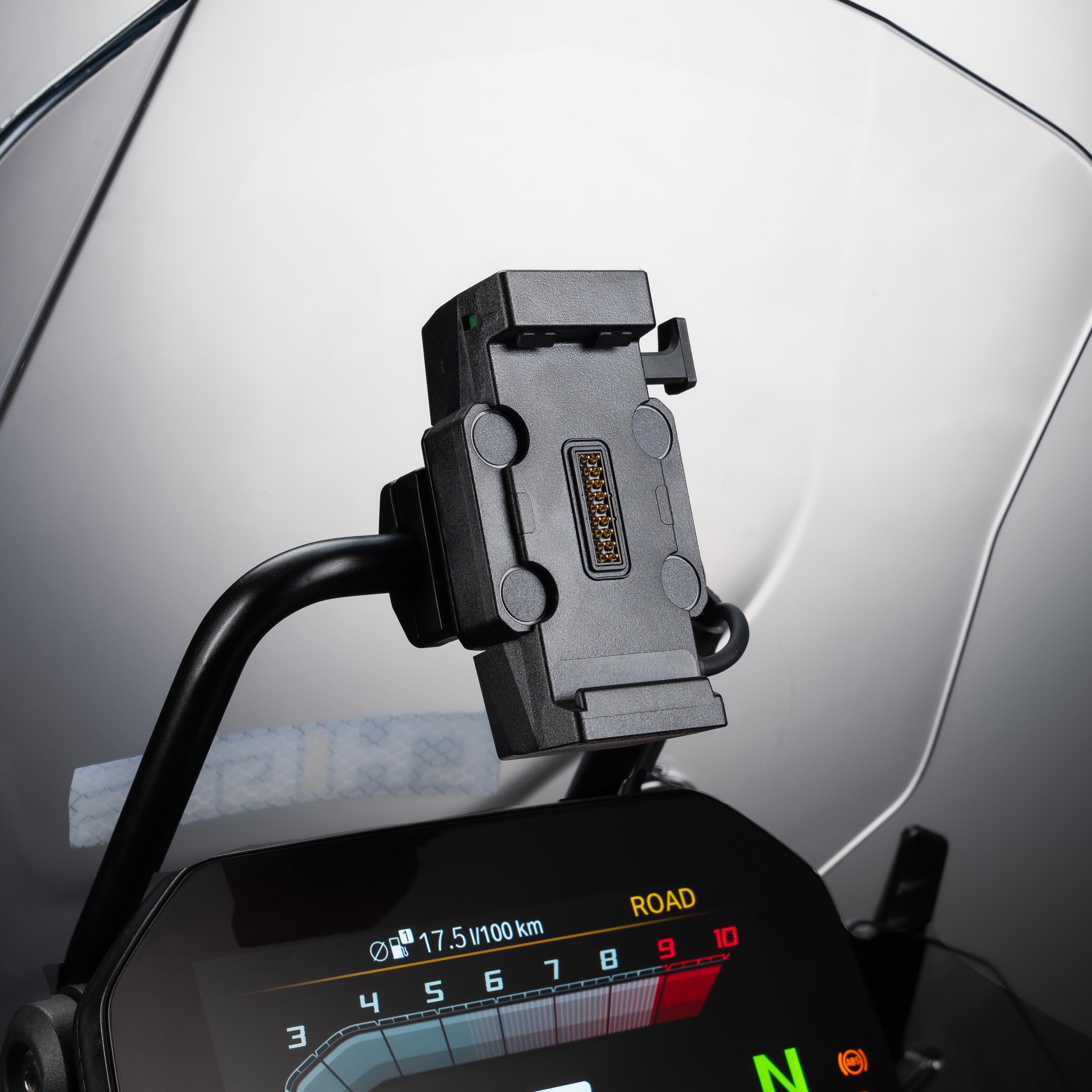
The CHIGEE AIO-6 also supports quick release through the CG Quick-Release Module, which is sold separately.
Once the compatible CG module is installed, riders can attach and remove the AIO-6 conveniently without repeating the initial mounting process.

CHIGEE also offers additional mounting accessories for using an AIO-6 on a second motorcycle.
For example, a rider with both a commuter motorcycle and an adventure bike may be able to use one display across two appropriately equipped mounting locations.
That flexibility is useful, although it requires compatible mounting hardware on each motorcycle.
Both brands offer solutions for riders who value display removability. The important purchasing distinction is whether the required quick-release hardware is included or purchased separately.
Installation is another consideration. A tall adventure motorcycle may have a navigation crossbar, while a naked bike may have limited space around the handlebars.
Before purchasing either system, check the available mounting area, power connections, windscreen clearance, and required adapters.
CHIGEE provides an AIO-6 installation and feature guide covering mounting options, camera installation, and device setup.
The practical difference: RIDERNAV includes a quick-release mounting approach with the R7X, while CHIGEE offers the CG Quick-Release Module as an optional purchase. CHIGEE's additional mounting options may also be useful for riders planning a multi-bike setup.
Price Comparison: What Are You Actually Paying For?
Price is often one of the first things riders compare, but the total depends on the configuration they intend to use.
The following figures provide a reference based on prices displayed on the brands' official US websites.
| Product | Official Website Reference Price (USD) |
|---|---|
| CHIGEE AIO-6 Max | $499 |
| CHIGEE AIO-6 LTE | $599 |
| RIDERNAV R7X | $559 regular comparison price |
| CHIGEE CG Quick-Release Module | $125–$135 |
| CHIGEE AIO-6 60fps HDR Camera Kit | $179 |
Pricing note: These figures are official website reference prices, not independently verified manufacturer suggested retail prices (MSRP). CHIGEE has also displayed $479 for AIO-6 Max and $579 for AIO-6 LTE on its official catalog pages. RIDERNAV has advertised the R7X at a discounted price of $389 against a $559 comparison price. Prices seen by customers may vary depending on promotions, purchasing channels, regions, taxes, and selected accessories. Always check the current official store price before purchasing.
Which Configuration Makes Sense?
For a rider who only wants wireless navigation and music, the base display packages are the most relevant starting point.
Someone who wants to remove an AIO-6 regularly should also budget for the optional CG Quick-Release Module.
A rider who wants permanent front-and-rear recording can add the supported AIO-6 camera kit.
And a rider who wants cellular features should consider the AIO-6 LTE, including any ongoing data or cloud-service costs that apply in their region.
In other words, the right comparison is not simply the price of the screens.
It is the cost of the complete setup that delivers the features you actually intend to use.
Why Consider Buying Directly from the Official Website?
We recommend purchasing from the respective brands' official websites whenever possible.
An official store provides a direct route to current compatibility information, accessory selection guidance, firmware and installation resources, and manufacturer support.
For CHIGEE customers, purchasing through the CHIGEE official store also makes it easier to confirm the correct AIO-6 configuration and compatible accessories before ordering.
Customers can consult CHIGEE's support resources for installation guidance, product configuration, and after-sales assistance under the applicable purchase and warranty terms.
This can be especially valuable when setting up cameras, quick-release mounts, or additional motorcycle electronics.
Authorized regional dealers may also provide legitimate warranty and support services, so customers should review the terms offered through their intended purchasing channel.
Which Display Fits Your Riding Style?
A motorcycle display should make riding more convenient, not simply offer the longest feature list.
If your priority is a larger navigation screen, straightforward wireless CarPlay or Android Auto, and a quick-release setup, the RIDERNAV R7X is worth considering.
If you often ride under strong sunlight, the CHIGEE AIO-6 Max's higher published peak brightness and dedicated physical buttons may appeal to you.
For riders who want to combine navigation with integrated front-and-rear recording, real-time preview and control of compatible action cameras, and additional motorcycle-specific accessories, the CHIGEE AIO-6 provides a more expandable setup.
And if you regularly tour, park in unfamiliar places, or want supported cellular features for remote motorcycle monitoring, the AIO-6 LTE offers capabilities beyond conventional smartphone projection.
The choice becomes easier when you stop asking which screen is better on paper and start asking what you need the display to do during your everyday rides.
Explore the CHIGEE AIO-6 Series to compare available configurations, supported accessories, and installation options.
And there's another factor worth considering: the ecosystem behind the display.
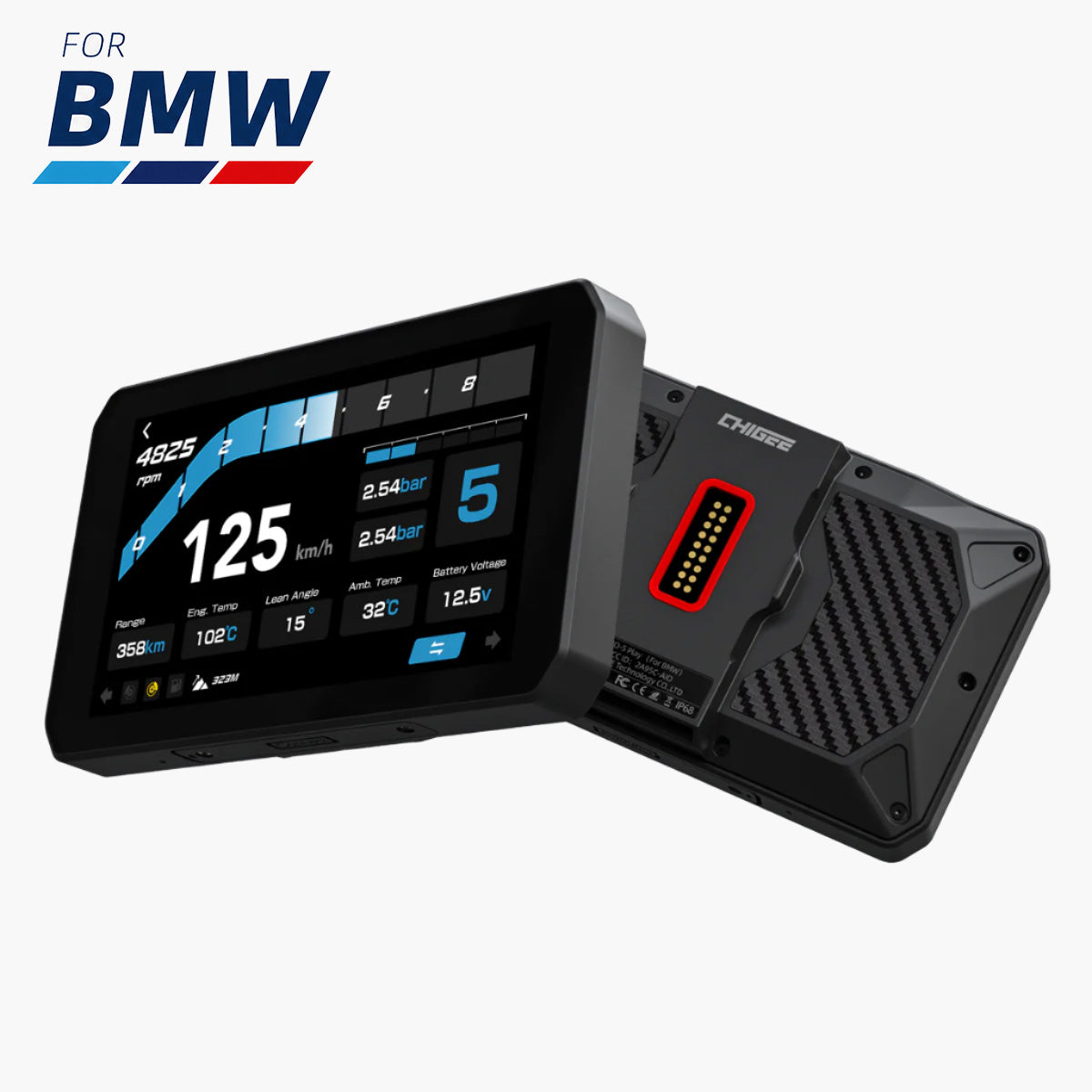
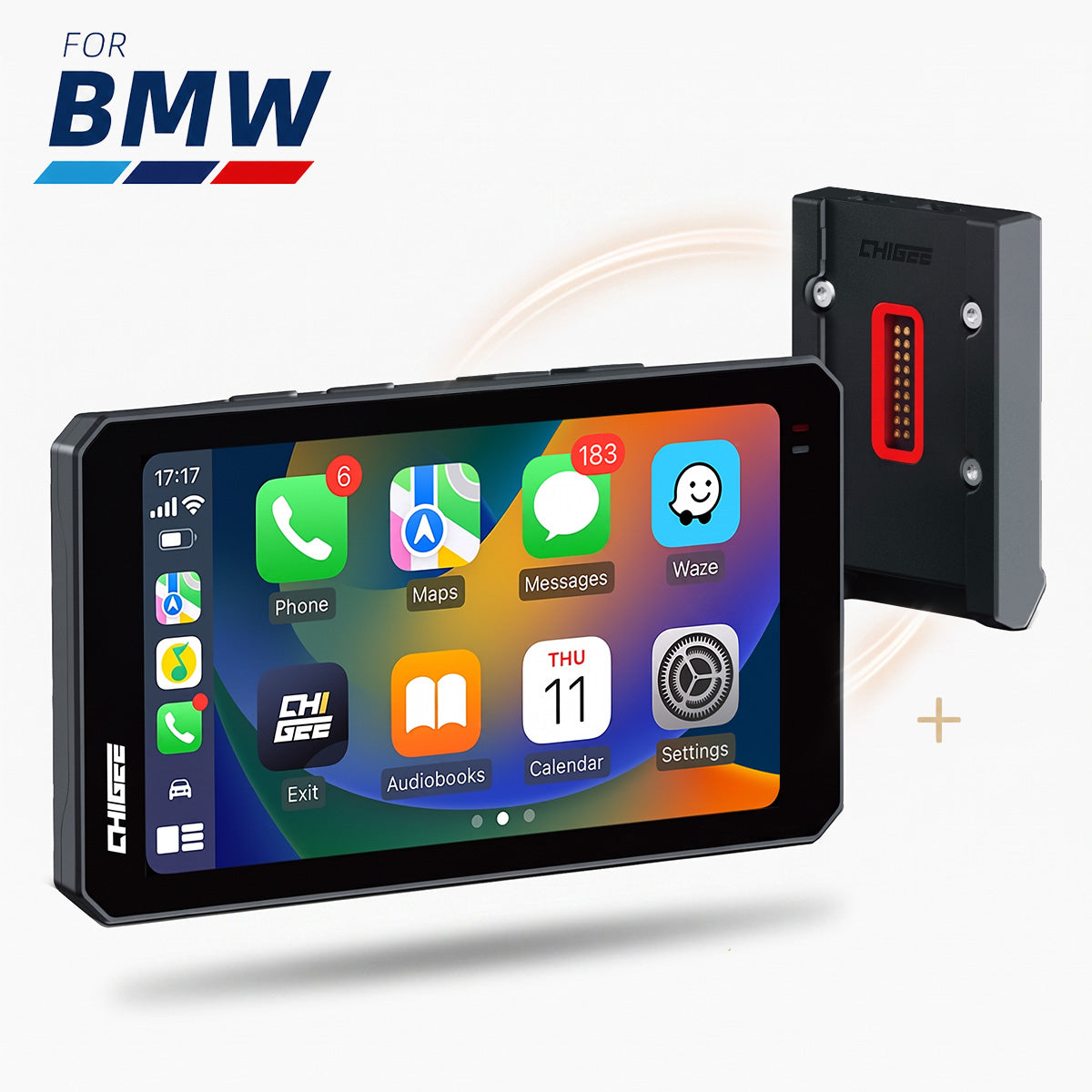
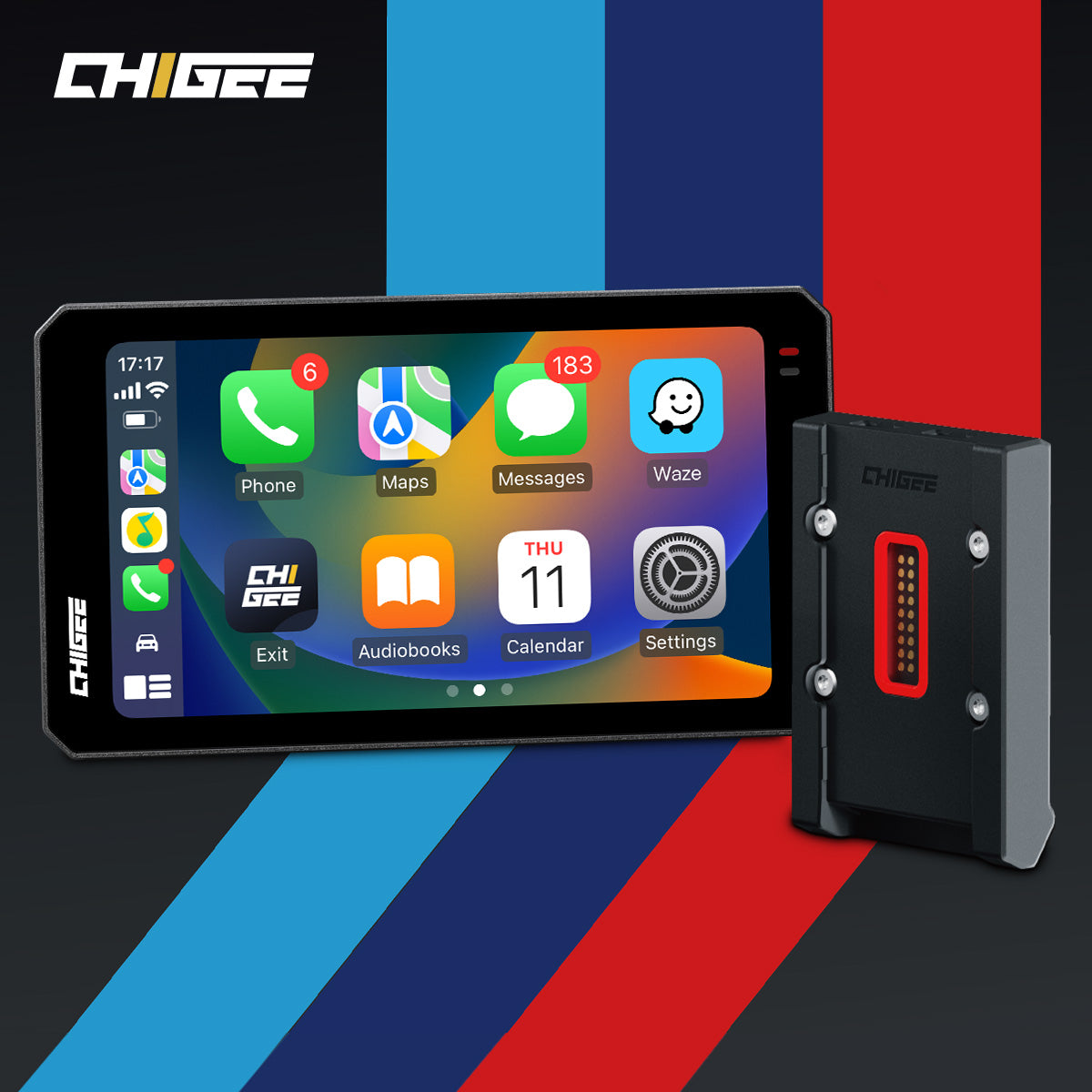
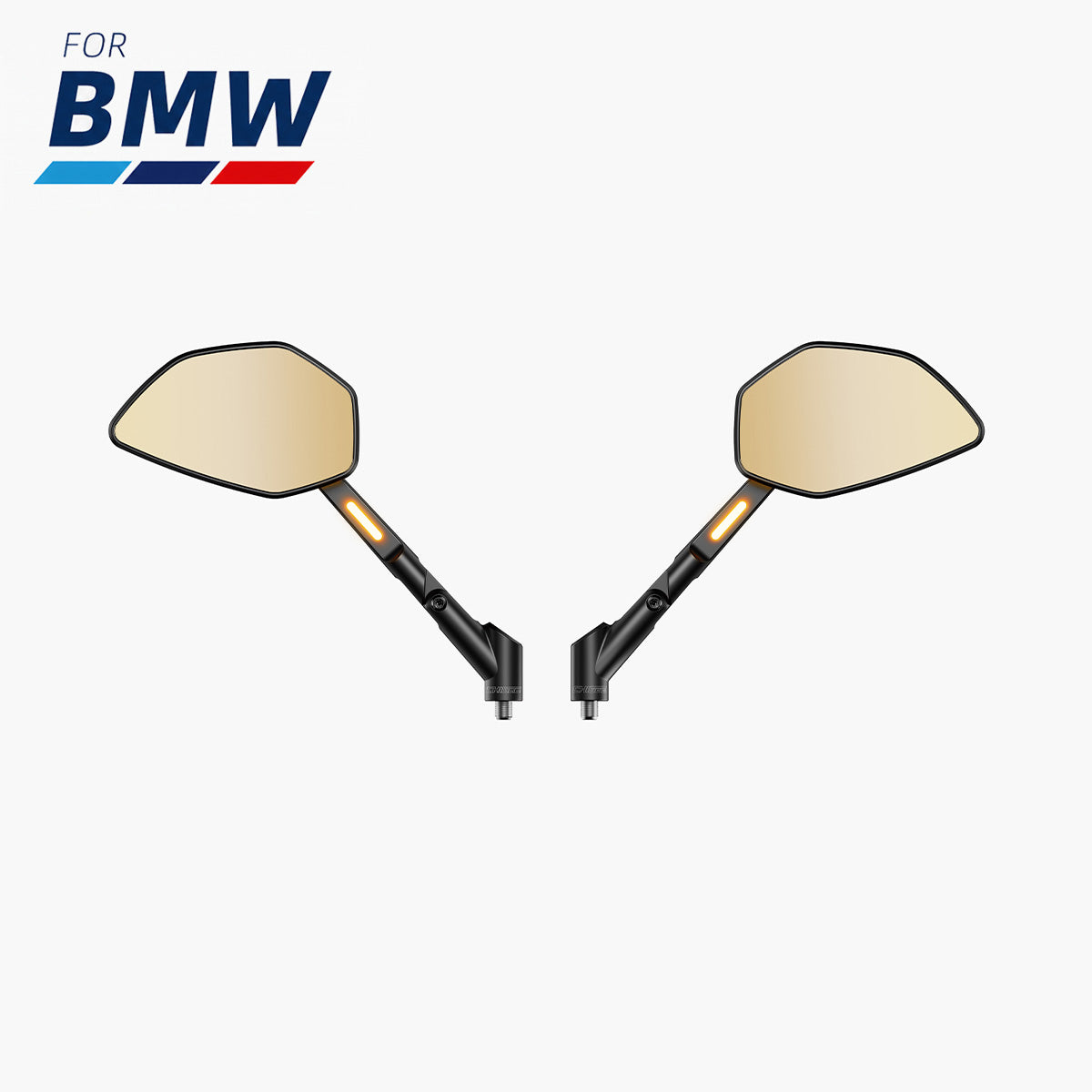
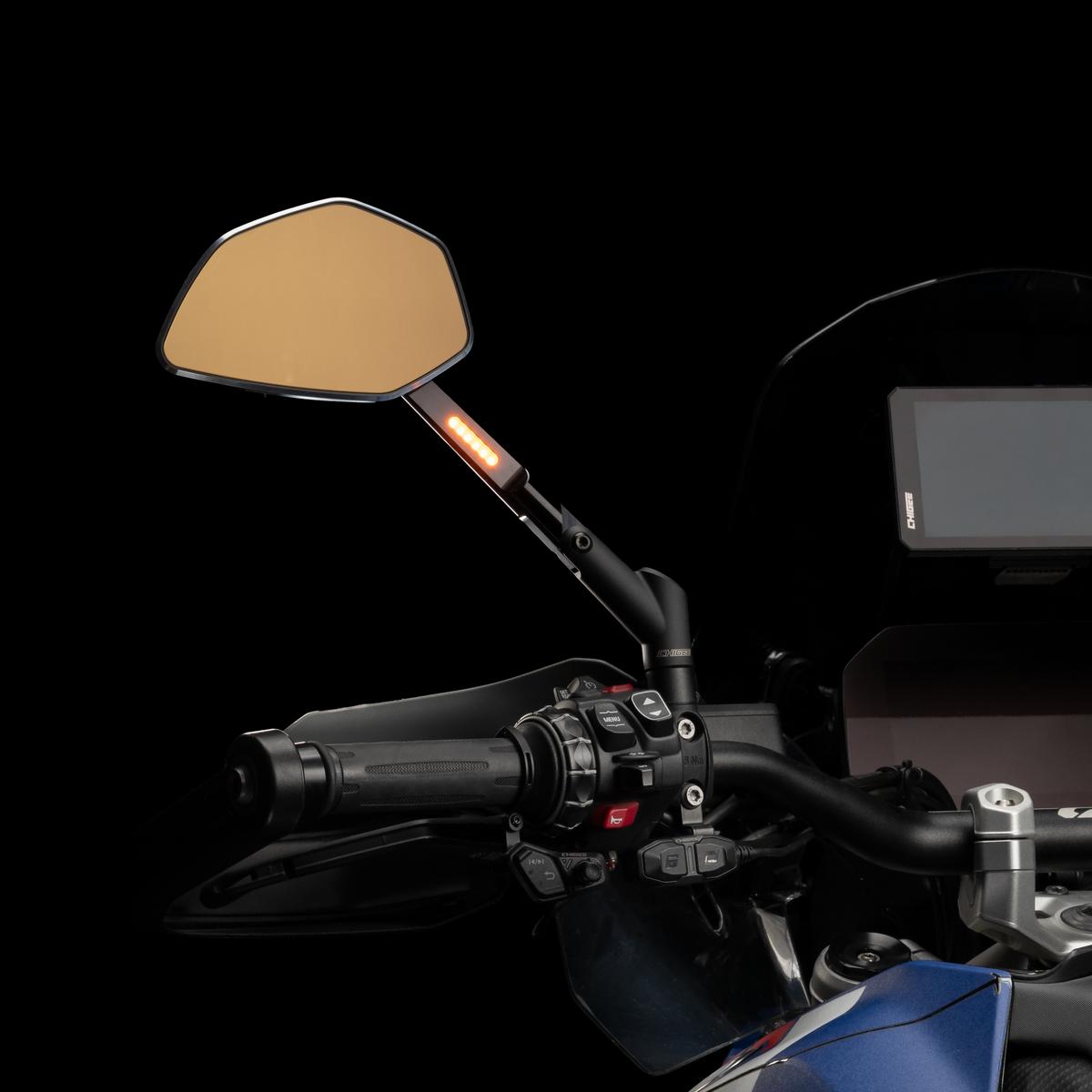
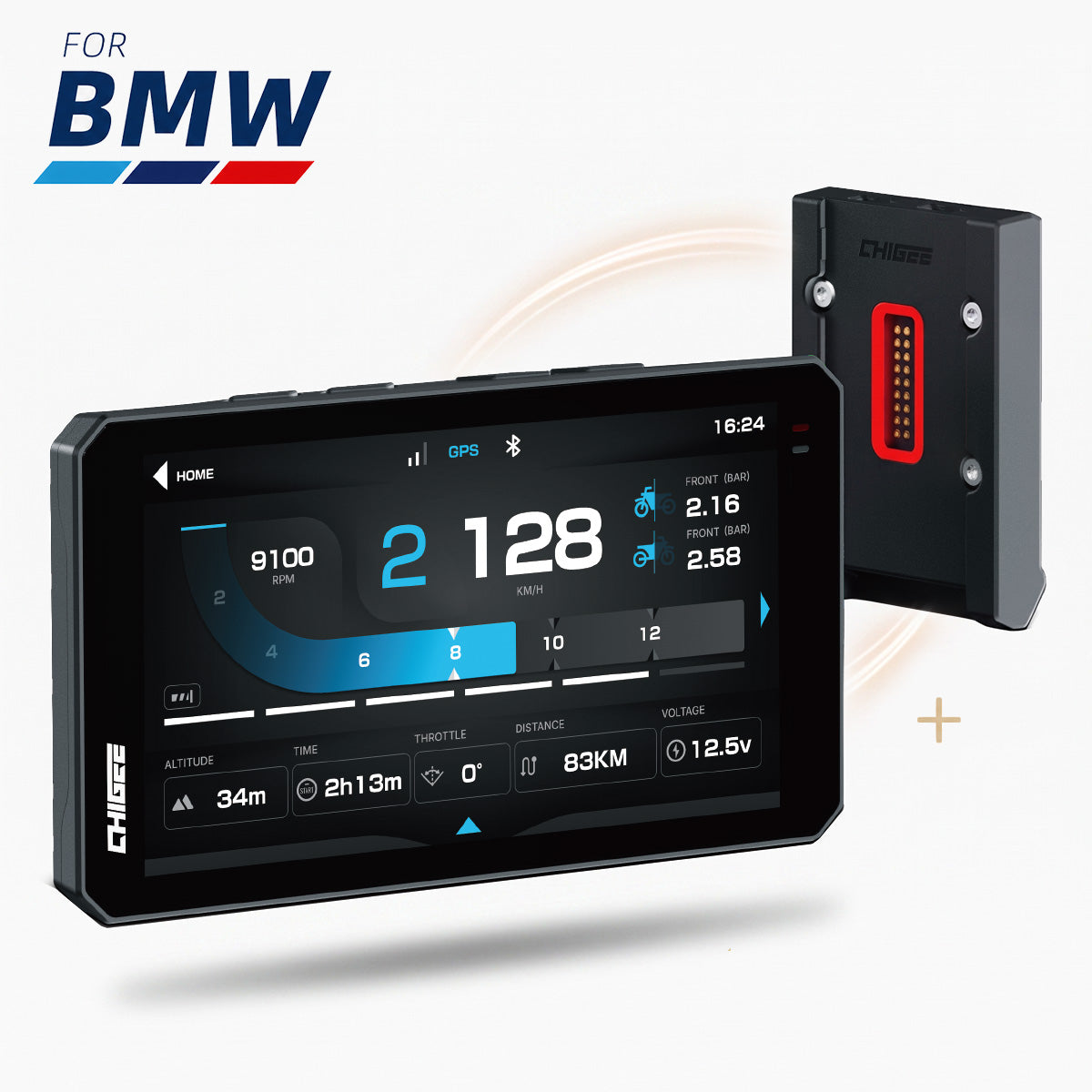
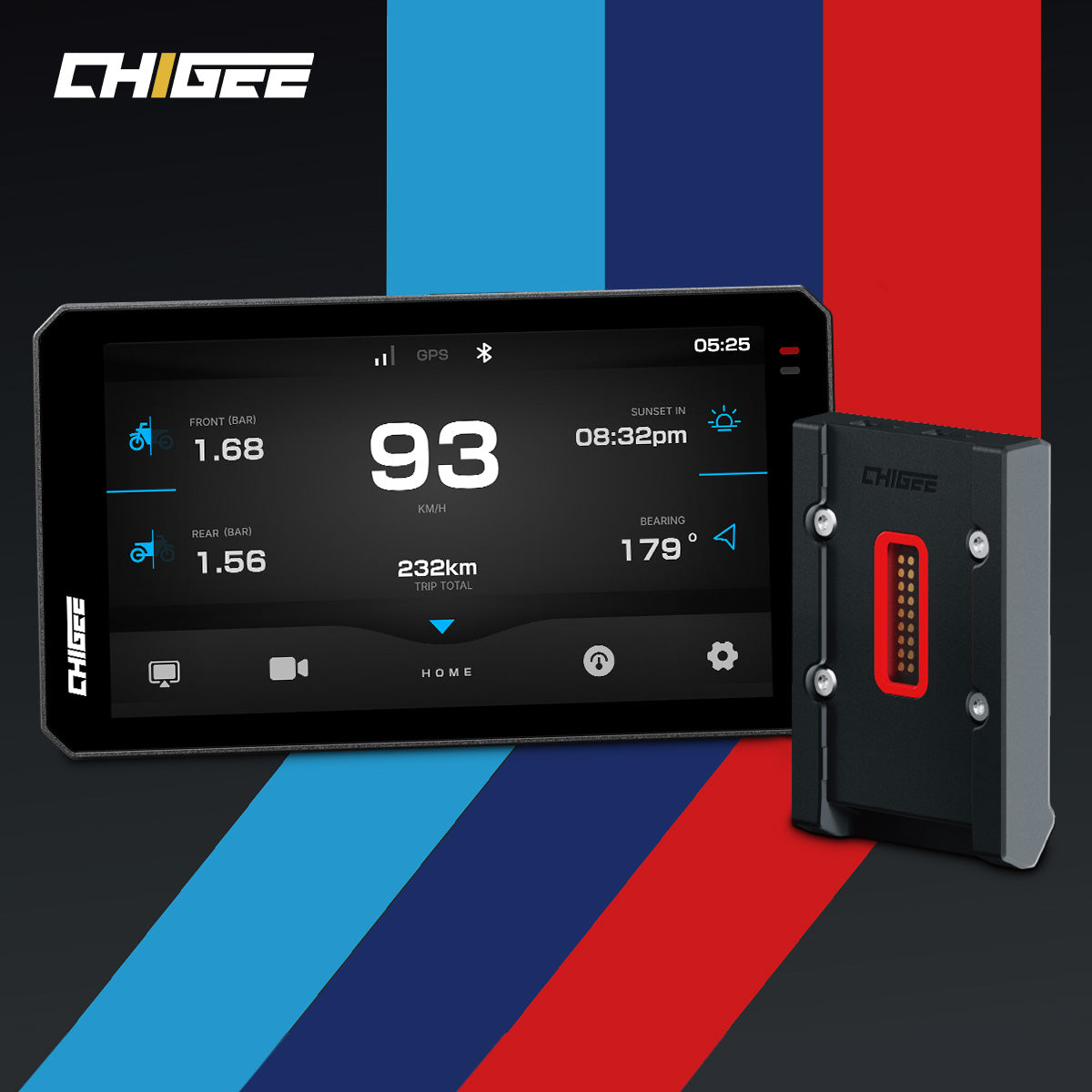
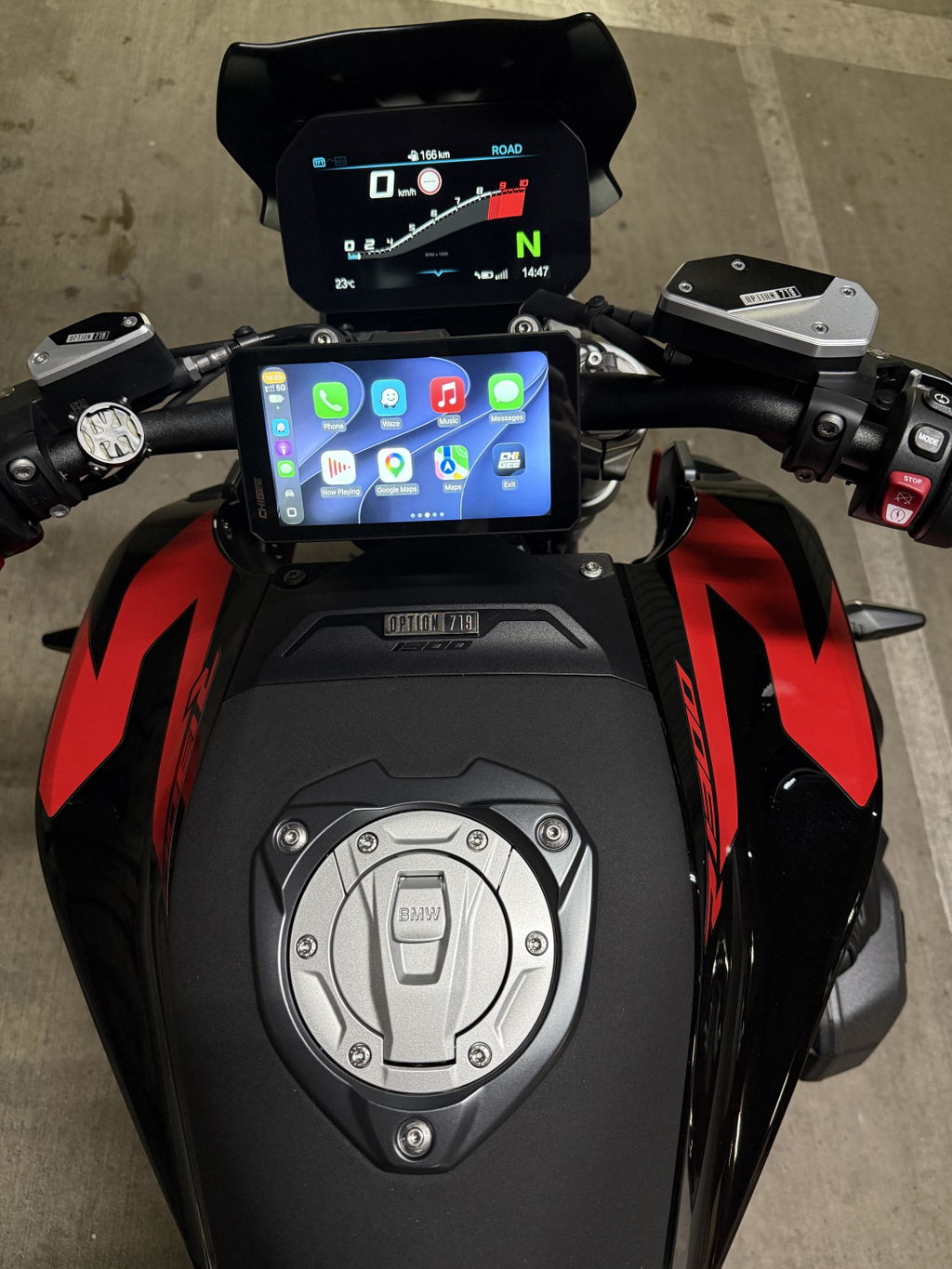
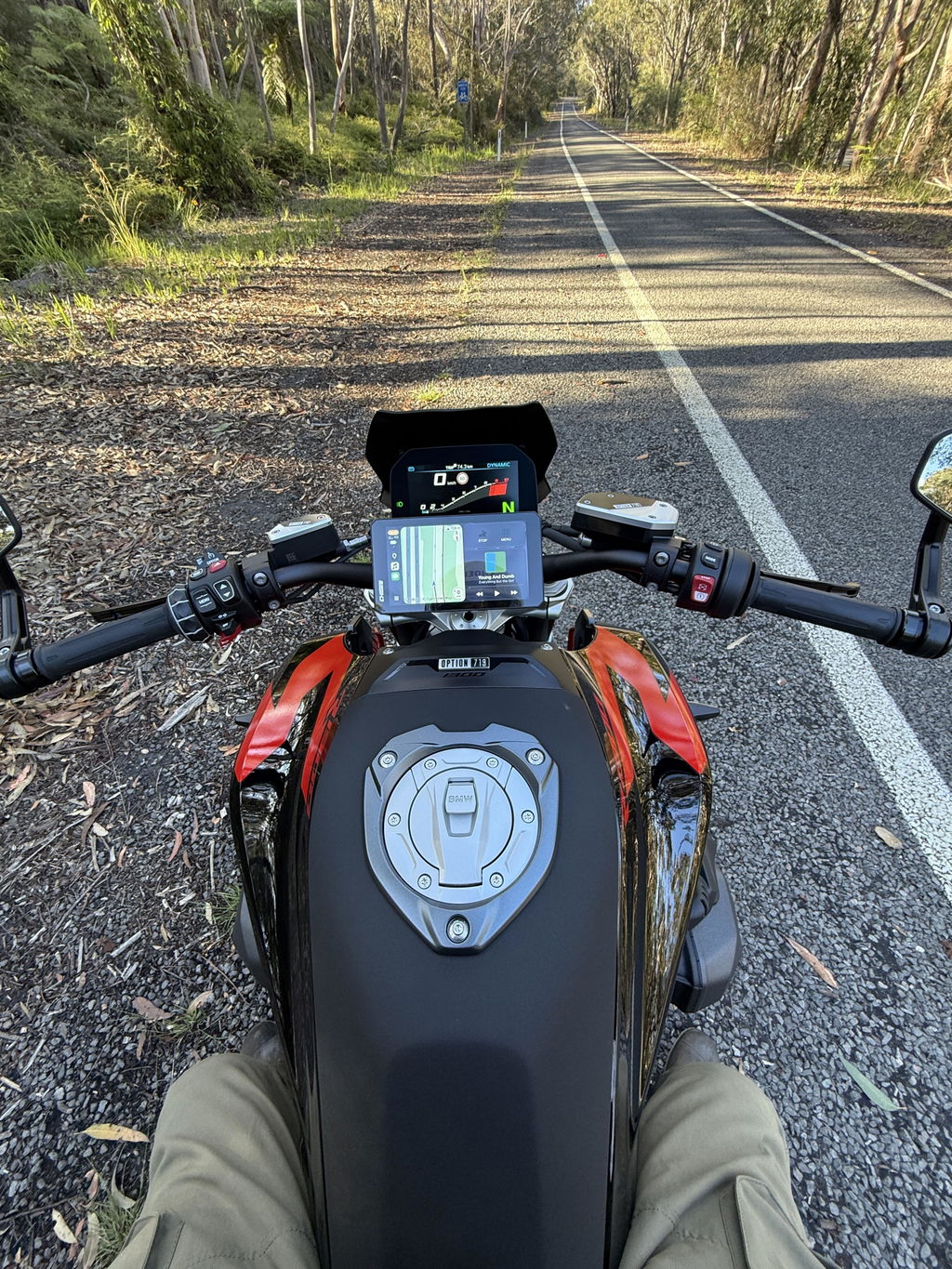
Beyond standalone screens, CHIGEE has developed a range of motorcycle-specific accessories and integration solutions. This broader approach becomes particularly relevant for BMW riders, where CHIGEE's experience with factory navigation cradles, Wonder Wheel controls, and model-specific accessories allows its technology to work more closely with the motorcycle's existing systems.
But how does this compare with RIDERNAV's approach to BMW integration?
In the next article, we'll explore how both brands fit into the BMW ecosystem—from factory controls and installation compatibility to accessory expansion—and why choosing the right display can involve much more than the screen itself.





Leave a comment
All comments are moderated before being published.
This site is protected by hCaptcha and the hCaptcha Privacy Policy and Terms of Service apply.